← Call Her Daddy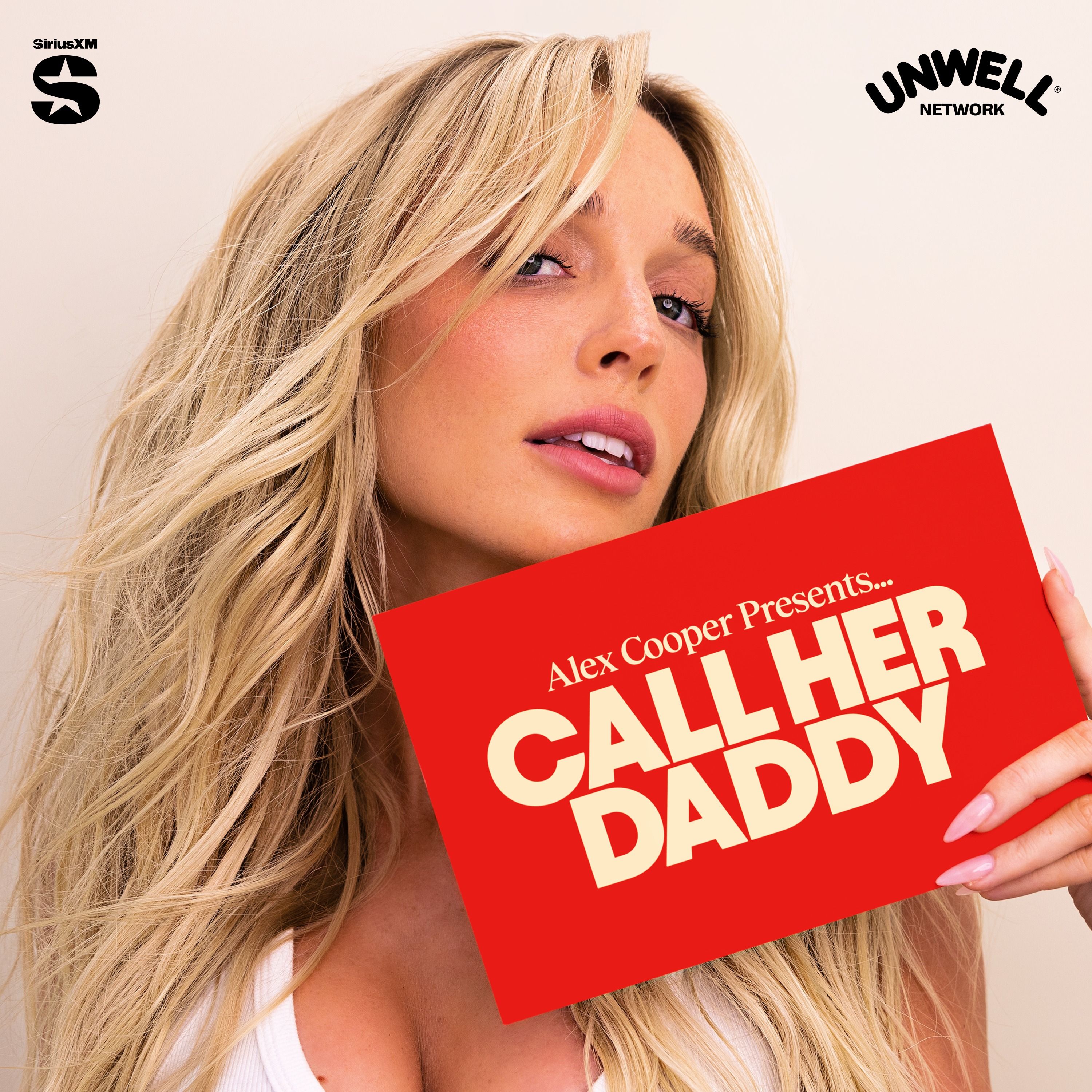
Call Her Daddy
Riley Keough: Nepo babies, Addiction & Grief
00:54:38
Join Alex in the studio for an interview with Riley Keough. Riley reflects on her unconventional childhood as Elvis’ granddaughter, discusses her famous friendships with Dakota Johnson and Zoë Kravitz, and reveals the time she secretly got arrested. She also opens up about her complicated mother daughter dynamic and experiences with commitment issues, addicts, and grief.
Loading summary
Transcript434 lines
- [00:01]
Alex Cooper
Hi Daddy Gang, it is your father. I am so excited that CallerDaddy has officially joined the SiriusXM family. I cannot wait to talk to new guests and continue to share my crazy personal stories and experiences with you every single week. If you want to hear new episodes ad free, subscribe to Sirius XM podcasts on Apple Podcasts to start your free trial today.
- [00:26]
Netcredit Ad
Do you own a business that's ready to Thrive? Let Intuit QuickBooks take things like unpaid invoices and tracking expenses off your plate to take things to the next level. Intuit QuickBooks is an all in one business platform that can help with day to day tasks like invoicing and expenses. Manage and grow your business all in one place. Intuit QuickBooks, your way to money. Money movement services are provided by Intuit Payments, Inc. Licensed as a money transmitter by the New York State Department of Financial Services.
- [00:55]
Riley Keough
Foreign what is up Daddy gang?
- [01:00]
Alex Cooper
It is your founding father, Alex Cooper with Call Her Daddy.
- [01:07]
Riley Keough
Riley Keough. Welcome to Call Her Daddy.
- [01:09]
Thank you.
- [01:10]
I am such a big fan. Thank you for being here.
- [01:13]
Thank you for having me.
- [01:15]
Of course. I huge. Daisy Jones and the Six.
- [01:18]
Oh, cool.
- [01:19]
Like binge the whole thing and really loved it.
- [01:22]
Thanks for watching.
- [01:23]
My husband was like, or you could take a break. I'm like, no, no. It's kind of one of those where you just got to get going. Yeah, I gotta get to the end.
- [01:29]
It was awesome.
- [01:30]
What was your favorite part of playing that role?
- [01:33]
I think getting to learn, like to sing and play guitar was my favorite part because it was that. I think that's one of my favorite things about acting in general is learning like a whole new skill set. And this one was like very in like normally you do a few rehearsals or do if you're know, training to do, I don't know, to be a dancer or whatever. I don't know. Like I, I've never done something so involved. Like I haven't had to fully learn to like sing and play guitar. So I, I found that really fun.
- [02:07]
Wait, you were doing like full voice lessons?
- [02:09]
We were doing, yeah. Like we had band practice every day and it was like a year long. But we needed it. Like none of us, not none of us, a few of us had never picked up an instrument and, or sang.
- [02:25]
Was there ever a point in your life that you would have considered a music career?
- [02:29]
Never. No, never. No, I still would.
- [02:32]
Never.
- [02:33]
I'm not a singer.
- [02:34]
I feel like you have a good voice. Unless they auto tune it, it's fine.
- [02:36]
They didn't auto tune it. But I have a fine voice. I just got by. But I, I, I'm a realist. And I know I'm not a singer.
- [02:45]
The fact that you're telling me they didn't edit your voice. You have a good voice.
- [02:49]
They didn't edit it.
- [02:50]
I think you call them, they're like, oh, babe, that shit was auto.
- [02:55]
I think they, I don't think they auto tuned. I think the whole point was because it was meant to sound 1970s, that you wouldn't do that, you know?
- [03:02]
Yeah. You sounded gorgeous.
- [03:03]
Guys, I felt proud that I was able to do it because there was like a conversation about potentially getting like, vocal stunt doubles or something.
- [03:16]
Oh, my God.
- [03:17]
And so I felt really determined to make it work. And I feel proud. We made it work. You know, I, I, girl, I don't think I'm, like, the best singer in the world. And I, you know, that's fine.
- [03:26]
You made it work with Fly.
- [03:27]
I made it work.
- [03:29]
I love how you're like, oh, like, I, no, no. I, like, never sang. From my research, you and Dakota Johnson were in a band together in New York City. Don't lie to my face.
- [03:39]
This is so funny. This comes up so often and, like, I think that we need to do something here because, yes, in a band. But the band was me and her sitting with her brother around a table in her apartment in New York with photo booth, like, doing covers of songs. But here's the thing. Neither of us were confident singers, so we were just kind of like, all sing together.
- [04:02]
Oh, so you were, you were all competing for, like, the lead role.
- [04:04]
We're all the lead.
- [04:05]
You're all the lead?
- [04:06]
Yeah.
- [04:07]
Wait, what was the band called?
- [04:08]
Vokey Porn.
- [04:10]
Folkie Porn.
- [04:10]
Perfect for Caller Daddy.
- [04:12]
We. I'm obsessed. I had a band at one point and I was like, so committed.
- [04:16]
Did you really?
- [04:17]
Yeah, but it was so bad.
- [04:18]
What did you do? So.
- [04:19]
Yeah, well, here's the thing, you know, I, I started as, like, the electric guitarist.
- [04:25]
Cool.
- [04:25]
But that is, like, loosely saying that the only song I used electric guitar.
- [04:30]
Yeah, I relate. I'm a loose guitar player.
- [04:34]
I, like, looked incredible holding it.
- [04:37]
Okay.
- [04:37]
But the minute I would get going, it was, I was giving nothing.
- [04:41]
Right.
- [04:41]
I knew how to play the, like, dad, dad, Dan, whatever that song is. I could do those, like, three little things. That was all I knew. Our band was called the Aliens. It was a big deal. It was in my basement, and then we changed it to Green Jelly. Cool.
- [04:58]
Were the other people in the band also loose musicians?
- [05:02]
Everyone was loose.
- [05:03]
Okay.
- [05:04]
Everyone Was loose. We were kind of just there for the vibes.
- [05:08]
Yeah.
- [05:08]
Our sign was on, like, printer paper with, like, a little marker.
- [05:12]
Right.
- [05:12]
It was edgy. It was the thing. I actually paid my neighbors at one point, like, 25 cents to come watch us perform. Wow. They were upset that we wasted their time. So, like, I'm a big band girl.
- [05:25]
So Dakota and I didn't get, like, that far into it. We kind of, like. It lasted maybe like, three days.
- [05:31]
Oh, my God.
- [05:32]
And then it was over. The band broke up.
- [05:35]
Good to know. Good to know.
- [05:37]
Alex Cooper
We.
- [05:37]
Riley Keough
How do you guys know each other? Like, when did you become friends?
- [05:41]
We became friends because we both grew up in LA and just there was some kind of. I had a friend who was friends with her boyfriend, and we met at, like, an in and out parking lot. And then we went to all the same parties in LA at, like, 16, 17. And I'd see her out and about, and then I became friends with her boyfriend, and then so I went to go see his band play, and she was always there, and she was like, the coolest girl.
- [06:07]
Alex Cooper
The coolest.
- [06:08]
Riley Keough
The coolest. And she still is. She is. And then we just, I don't know, became friends.
- [06:12]
And don't you love when, like, people are obsessed with, like, celebrity friendships? We're like, no, no, come on, tell us more. Yeah, you're like, we're just friends.
- [06:20]
Hung out.
- [06:21]
We're at in and out.
- [06:22]
Sometimes we hang out, talk on the phone. Yeah.
- [06:26]
I think is it makes people feel, like, closer to you guys. Of, like, you guys are obviously both, like, very cool, interesting people. And so I think to know that you guys are friends people, like, I'm like, come on, give me more tea.
- [06:36]
I can give you tea. I just don't really have any. But if there's anything you can think.
- [06:41]
Alex Cooper
Of, I'm going to give.
- [06:42]
Riley Keough
I'm a tea giver.
- [06:43]
Okay. Okay, good. You did show up today and be like, we don't have to cry.
- [06:47]
I just don't want you to feel pressure.
- [06:50]
I don't want you to feel pressure at all. If you hate any of my questions, let me know. Okay. We can pivot.
- [06:57]
Deal.
- [06:57]
Okay, good. How do you think?
- [06:59]
Hey.
- [06:59]
Alex Cooper
What?
- [07:00]
Riley Keough
Hey. I'm like, let's sit in silence. I do love that you were 30 minutes, like, early and you brought no one.
- [07:08]
Yeah.
- [07:09]
Can I tell you, I've had people come to my studio with, like, a whole 20 people, 10 people, five people. But the solo.
- [07:18]
Solo is a first. Here's my answer. I'm not, like, technically on Like, a press tour right now. So I'm not. I have. I. I have no problem going places all by myself. You know, I love that. And I, like, I actually enjoy it.
- [07:33]
I am the same way whenever I go on a podcast, which is rare, I'm like, no one come with me. I'm going to let it rip. Let God go with me.
- [07:41]
The cool thing about not having a publicist here, so I can say whatever.
- [07:45]
I want, for sure. Then she's going to call you after, like, what was it? You're like, I don't remember. We talked for almost an hour. Like, who knows? Just let it be. You know what I mean? It's fine. You're not going to get canceled from this. How would your friends describe you?
- [07:58]
Oh, my gosh. That's such a hard question. I don't know. I have no idea. Like, in what way? Like this. Like, it.
- [08:06]
Like, how would they describe you? Like, if Dakota was in the room right now, like, what would she say about you? Oh, we should. We could call her also.
- [08:11]
Do you want to.
- [08:12]
Let's call her.
- [08:12]
Hold on.
- [08:13]
That will be funny. Go get your phone.
- [08:15]
So she didn't answer.
- [08:17]
Okay. Let's call another friend.
- [08:19]
Okay.
- [08:19]
All you're asking is how would you describe me as a friend?
- [08:21]
How would you describe me?
- [08:22]
I'm on a show. Give me a good answer.
- [08:24]
So do you want them to be famous or not?
- [08:26]
I mean, famous is fun. Famous is more fun. You're like, I'll call John.
- [08:29]
It's so funny because people every. I do this a lot of the time. A lot, a lot. And where people will be like, how would your friends or what friends could we speak to about you for this interview? And I gave, like, my. All my closest friends, and they're like, but what about, like, famous ones?
- [08:43]
They're like. They're like, no, no, we don't care about Cassidy.
- [08:46]
Like, we don't want. You know.
- [08:48]
Yeah, yeah, yeah, yeah.
- [08:49]
So funny. Okay. Should I try Zoe Kravitz?
- [08:53]
Yeah, let's give her a go.
- [08:54]
The Nepo baby phone.
- [08:55]
I'm obsessed.
- [08:58]
Zoe Kravitz
Oh, my God. Hello.
- [09:00]
Riley Keough
Hi. Wait, you're on air.
- [09:18]
Call her.
- [09:19]
Alex Cooper
Daddy is brought to you by Airbnb. I love a good airbnb. I love a good little vacation. I love a good little Stay away. I just love to get away and have a good time. Sometimes I go with my girlfriends. Sometimes I go with my husband. Sometimes I go with my family. And sometimes I love a solo mission. But here's the thing. I have dogs. I have dogs with whom I travel and whom I love. And yes, I may be the crazy dog mom that is obsessed with her dogs, but I want them to experience.
- [09:51]
Riley Keough
The finer things in life.
- [09:52]
Alex Cooper
Okay? So if I'm going somewhere, I'm bringing my dogs. And an Airbnb allows so many options for my dogs. It is a hassle sometimes if I'm staying in a hotel and I have to go down the elevator and I have to go through all the people and I have to figure out, oh, my God, Henry, don't bark at that person. Whoa. And then I have to go outside and find a little patch of grass. A lot of times when I find an Airbnb, I'm looking for a great location for my dogs, so it is easy to let them go to the bathroom. They can enjoy themselves. You know, King, Henry and Bruce, they deserve the best in life. Also, whenever I'm going on a girls trip with my friends, I don't know about you guys, but it is major priority. I don't want to be in different rooms, as in, like in a hotel compared to my friends. I want to be in a house. I want to be in an apartment. I want to be in a condo. I want to be in a situation where we can basically all bunk up together and be one and be for all. Some of my favorite trips have been in an Airbnb. It is the best way to make memories, not only in a new city, but in new space itself. Daddy gang, let Airbnb make the decisions for you. If you have an open weekend and just want to go somewhere, guest favorites might inspire you and perhaps even create a new tradition. It's fun to feel like a local and immerse yourself in a new space as opposed to feeling like a tourist outsider. Go to the coffee shop down the street, the local market. We have all seen the movie the Holiday, okay? That is my dream. Find a bungalow and become one with the community. Okay? So if you're starting to book your 2025 travel, my number one tip is to check out Airbnb first and find the perfect place to stay, because your accommodation can really make or break the trip. There are so many reasons I love Airbnb. Stay tuned to hear more about my upcoming trips. You know, I am unwell, okay? It is no surprise. It is also not secret. Like, I am unwell. And as much as I try to take care of myself, it is hard. It is hard to build a wellness routine that actually works and is no joke. Okay? But part of building a routine, Daddy Gang, that sticks and is good Requires a tasty partner. Okay. And that is where Ollie comes in. Ali makes self care so much more delightful with supplements that support your wellness needs. It's time to prioritize ourselves. Daddy gang, it's 2025. It's about time.
- [12:06]
Riley Keough
Okay.
- [12:07]
Alex Cooper
You can start your day on a bright note with vitamin D. Hello. Happy. You can get all of the essential vitamins and minerals with Ollie's women's multigumy. And if you need gut support, Ollie's got the probiotics. And if you need to take a nap, Ollie's sleep helps you wake up feeling refreshed. Okay. I remember the first time that I saw Ollie. It was in the grocery store. I was perusing the aisles like I rarely do, and I was like, what is this gorgeous, gorgeous, gorgeous product? With Ollie, you can do wellness on your terms. Find Ollie at Walmart or Target near you or@ollie.com. that's o l l y dot com. These statements have not been evaluated by the Food and Drug Administration. This product is not intended to diagnose, treat, cure, or prevent any disease.
- [12:53]
Zoe Kravitz
Hello. Chewing. Sorry.
- [12:56]
Riley Keough
So what are you eating?
- [12:57]
What are you eating?
- [12:59]
Zoe Kravitz
I'm eating toast. I'm using. I'm eating raisin toast, so Cinnamon raisin toast with butter.
- [13:05]
Riley Keough
Okay. So I'm on a podcast and they asked me to call a friend to describe how you would describe me as a friend. As a friend.
- [13:12]
Zoe Kravitz
As a friend. I would describe you as a ride or die. Like, you are down for whatever. You will always. You show up all the time. You're very consistent. Like, I feel like me and you will like, not talk or see each other for like, six months. And then it's like we just pick up where we left off. And I think you're really good at keeping secrets.
- [13:34]
Riley Keough
Gonna tell those on this pod, actually.
- [13:40]
Zoe Kravitz
And you're incredibly loyal and you're funny. You're funny as hell and you're honest.
- [13:50]
Riley Keough
Keep going.
- [13:51]
Zoe Kravitz
You always text me back.
- [13:53]
Riley Keough
That's so cute.
- [13:54]
Zoe Kravitz
It's true.
- [13:55]
Riley Keough
Thanks.
- [13:56]
Zoe Kravitz
You're welcome.
- [13:57]
Riley Keough
All right, love you.
- [13:59]
Love you.
- [13:59]
Alex Cooper
Bye.
- [14:00]
Riley Keough
Bye. Okay, you're just like.
- [14:05]
Zoe Kravitz
You're such a.
- [14:06]
Riley Keough
You're just like a bitch. Really?
- [14:10]
Zoe Kravitz
Really the nicest person in the world.
- [14:13]
Riley Keough
Okay. Okay. I love you, too. Bye.
- [14:18]
I'm obsessed. Thank you for doing that. First of all, imagine if you're like, I'm just kidding. I'm not on a podcast. I'm just, like, feeling needy today. Keep going.
- [14:26]
Yeah, right.
- [14:26]
Ok. Those. That feels pretty accurate.
- [14:29]
I don't know. I didn't really hear much. She said I was loyal.
- [14:32]
She said you were loyal.
- [14:33]
Out.
- [14:33]
Really good at keeping secrets. You're like, no, no, I am on air. Don't say anything crazy. Don't say.
- [14:39]
I got nervous of what she was going to say.
- [14:41]
No, all of that was lovely.
- [14:42]
Alex Cooper
Oh, good.
- [14:43]
Riley Keough
And I. When she said you were a. I'm like, that is the complete opposite of what I'm getting. You're. You are very, like, gentle soul.
- [14:50]
Thank you. I think that I would say. I would. I am a loyal friend. I. I do really care about my friends. And, you know, I love Hope. I. I think.
- [15:03]
Alleged someone else. Allegedly. Okay, let's talk about the book. It is so fascinating, like, what you wrote about. Yeah. From Here to the Great Unknown. First of all, just to, like, tell the Daddy gang my audience, like, how did this book come to be?
- [15:19]
This book came to be because my mother was in the middle of writing her autobiography, and in December, she came to me and said, you know, I need help. Like, she couldn't. She. She didn't really. I think she just got to a point where she was feeling frustrated, and. And she. She didn't like talking about herself. So writing an autobiography was difficult, and she asked if I would help her. And then she passed away a month later. So I just found myself, like, it was just this thing that I had to do. So I just completed her memoir, which was, you know, very intense.
- [16:02]
Alex Cooper
How long did it take you?
- [16:04]
Riley Keough
Oh, my gosh, probably about a year. Yeah.
- [16:10]
Alex Cooper
Wow.
- [16:10]
Riley Keough
Start to finish.
- [16:11]
How do you think, like, having that project to work on after your mom passed, like, helps you work through your feelings?
- [16:19]
Well, I think that when I started working on the book, it was only, like, three, four months after she'd passed away. So it was very, like, intense. And I didn't really want to be doing it, to be honest. It felt like this thing I had to complete, and so I was a little bit resistant in the beginning. And it's also, like, it's very out of my comfort zone to write a story or tell all the things, like my family's personal, all these vulnerable things about my family.
- [16:52]
Alex Cooper
Right.
- [16:53]
Riley Keough
It's not something that I would do otherwise, you know, so it was. There was a lot. I felt very, very resistant. But ultimately, I was doing it for her, and it's what she wanted. And I knew how much she wanted to finish her autobiography and share her story so people could understand her more and also so she could relate to people. And she'd been through so much, and I think that largely why she did this was to kind of share her experience in grief and addiction and these very human things. And so, yeah, so I would say that I, I did it, but I wasn't like really excited to do it.
- [17:32]
No, I think like hearing you even say that is interesting when you said like my natural reaction isn't to just like spill all family secrets. And I think just to clarify for anyone that is not like familiar with like your family lineage, like, you are Elvis's granddaughter, your mom was Elvis's only daughter. And so I get what you're saying is like, it's a very famous family that you come from. So to write basically like a big book, being like, here's detail by detail, what went down. Usually we don't get that from very famous families.
- [18:05]
Yes. And you know, particularly in my family growing up and with my mom, she was extremely private. She hated talking to the press. She didn't want to be famous. Like she was born into a situation she really didn't enjoy. And growing up in the world we grew up in was very private, very secretive, very like everything was a security issue. Like there was no talking to friends about things. Like our family stuff was, you know, everything was very private. So it was a lot of. I had to push through that sort of uncomfortable feeling of like sharing all this information. But the other thing is like, as a person, I'm a very honest person. And I also couldn't imagine. So was she like. She was uncomfortably honest. So I think I couldn't have imagined a version of her book where she didn't, you know, share all these things.
- [19:04]
Yeah. And like go all in.
- [19:05]
Yeah.
- [19:06]
Your baby photo was sold for $300,000 on the COVID of People magazine. Like that is insane in.
- [19:14]
What's insane is I is like 300 then was like 3000-003000-00300. It was like a million, like close to a million dollars.
- [19:23]
Like you're so wanted.
- [19:25]
Well, well, used to be.
- [19:29]
Can you like looking back at your childhood, obviously growing up in this family, what is something that was definitely not normal that like you got pretty used to because you were just like, oh, I. I thought this was our reality.
- [19:42]
Like all of it. Yeah. You know, like if I, if I like shared the day to day growing up, it would probably be like, you know, crazy to give us a little.
- [19:52]
Come on.
- [19:52]
Well, it was just a lot of like thing, like it was very like high security and like if we're going somewhere, it was like lots of people following us and very like intense and chaotic and like, like going through, you know, I don't know.
- [20:05]
Alex Cooper
Like, how are you so calm?
- [20:09]
Riley Keough
I don't know. I. I'm not at all.
- [20:12]
You're, like, internally.
- [20:13]
Internally, I'm burning down all day.
- [20:17]
It's the external. You're keeping it all together, but internally, yes. Okay, Good to know. How would you have described yourself as a kid?
- [20:25]
I was very quiet, really internal. I wasn't. I got called shy a lot, but I actually wasn't shy. I just was very internal. Like, I just didn't have a lot to say and just was. Yeah, I was very quiet. I was like that, actually, most of my life until I started to realize that people would perceive that as rude. So I really pushed myself to, you know, come out of my shell.
- [20:54]
Like, right now, I don't want to be talking, but I have a camera.
- [20:58]
Alex Cooper
In front of me.
- [20:59]
Riley Keough
Gotta be here.
- [21:00]
Hi, everyone. Oh, that's so interesting. So if, like, you're in. If you're going through something in your life, whether it's like, a fight with your partner or a friend, like, do you just go silent?
- [21:11]
No, no, no, no, no.
- [21:12]
Alex Cooper
I'm very.
- [21:13]
Riley Keough
I'm very emotional. I'm just not somebody, like, at a dinner party.
- [21:17]
Got it.
- [21:18]
If a lot of people are talking, I prefer to listen. It's just that it's not like I'm, like, internalized. I'm very. Oh. I'm very open with my emotions.
- [21:26]
Got it. Got it.
- [21:27]
I'm just not like, a big chatter.
- [21:29]
Love.
- [21:29]
Yeah, love.
- [21:30]
Welcome to an hour sitting down with me. Let's go, girl.
- [21:34]
I am now. I wasn't. I've grown. I've changed.
- [21:36]
You're doing great.
- [21:37]
I don't know. I hope.
- [21:38]
Where am I? The book obviously switches between, like, your mom and her perspective and then yours. How do you think you guys were similar as teenagers?
- [21:49]
Wow. I think I also had a moment of, like, Rebecca. She had, like, her rebellious moment. I also had that, like, where I would sneak out and, you know, hang out with people I shouldn't. Wasn't allowed to. And getting arrested and, you know. You got arrested? I've never said that.
- [22:09]
You're like, wait, this is why public.
- [22:12]
Where's my publicist?
- [22:13]
Alex Cooper
Come in.
- [22:14]
Riley Keough
No one's here to save you. Wait, that's kind of like.
- [22:17]
I was arrested once.
- [22:19]
Yeah, it's a good mugshot.
- [22:21]
I never saw it. What? I know.
- [22:23]
You need to make T shirts.
- [22:24]
I know. I was a minor, so luckily, I think it was like.
- [22:27]
So it's like an underage.
- [22:28]
Yeah.
- [22:29]
A lot of people that I know got those. Those are like. I was like, so terrified to get one because I, like, needed to go play, like, soccer. And if you had one, you couldn't play. It was a whole thing.
- [22:39]
Right.
- [22:39]
But, like, I was there.
- [22:40]
You got. You got a mug shot you didn't get.
- [22:42]
I didn't get a mug shot. But now in hindsight, I'm like, huh. Would have been, like, a little edgy.
- [22:47]
So I had an edgy moment.
- [22:48]
No, for just drinking.
- [22:51]
It was for. Oh, God, I can't say this. My pub. It was for breaking and entering.
- [22:56]
What? Where?
- [22:59]
So it was actually con. So I went to a party at my friend's house.
- [23:06]
Okay.
- [23:07]
But I didn't know that it wasn't my friend's house. It was a house for sale. And so most people, like, the police came, and most people, like, got away. And then about 10 of us got arrested. My mom was pissed.
- [23:26]
Did she try to, like, get it not in the papers?
- [23:29]
No. She was like, this is on you, girl. Yeah.
- [23:34]
Oh, my God.
- [23:35]
Luckily, it didn't get. It wasn't in the papers.
- [23:37]
Was your mom someone that would punish you? Like, are you getting grounded?
- [23:40]
I was grounded. Oh, yeah. I was grounded for, like, three months, and I was grounded on my, like, 16th or 15th birthday or something.
- [23:47]
Yeah, that's tough.
- [23:48]
I was grounded, and she was in Las Vegas, and I had to call her and tell her to come back from Vegas and pick me up in prison. I've never told anyone this.
- [24:01]
Like, mom, I'm in jail. She's like, I'm on the strip. What? No.
- [24:07]
So she. She's like, I can't get there. So she sent my aunt to come get me. And so, you know, I had a moment. I had a mo. Like, a moment as a teenager. And she also did love. Yeah.
- [24:20]
Okay. You write a lot about, like, the different relationships that your mom had romantically throughout your childhood. When you were five, your parents got divorced because your mom wanted to marry Michael Jackson. How was this explained to you as a kid? Like, that they were getting divorced.
- [24:37]
So my mom, I was like. We were in Florida, and I was sitting on her lap, and she said, I'm. Me and your dad are getting a divorce. And I took. Like. The way I received it was that he wasn't my dad anymore. And it was like. It's so memorable to me because I just was destroyed. I didn't understand what a divorce was. So I just thought, like, he's not my dad now. But the great thing was shortly after, like, they, like, we're so close, and they really cared about keeping them you know, our family dynamic the same. So he was at our house and staying over, and so he was there a lot. So I think I kind of forgot about it, which was.
- [25:18]
So you got to see, like, a very loving relationship between the two of them, even though they got divorced.
- [25:24]
Yeah, like a really unique. Like, it was a very unique experience, especially in the 90s, you know, to have both of your parents sort of like brother and sister, really close, living together. He lived with us for a lot of my life. When my mom had other partners and other husbands, he would live in the guest house. And so my. What was modeled to me was when you break up with someone, you stay friends with them. And I really, like, apply that to most of my relationships because that was kind of all that I. That was what I saw with my parents, and it was really beautiful. I mean, they were. They were like, best friends. And I don't know if they should have been married.
- [26:09]
We. When you break up with someone or they break up with you and you're staying friends with them, have any of your past relationships been like, riley, like, we broke up. Why are, like, are you still trying to stay so amicable? And are people ever confused by, like, how amicable you are?
- [26:26]
No, because I think that, like, it was never a forced thing. I think I just. I don't know how I did it. That there were. There was, like, one relationship, that there was, you know, no friendship there. But for the most part, all the other ones, I don't even know. It wasn't. I wasn't, like, consciously thinking about it. We just ended up friends.
- [26:47]
It's just kind of like how you were raised to think that that's how you go about it, which is probably in hindsight, like. Like a. I don't know, do we think it's a better way to go about it? Like.
- [26:56]
Well, my feeling was always like, this is a person that I love, that I spent a lot of time with. Why wouldn't I have them in my life?
- [27:03]
Alex Cooper
Yeah.
- [27:03]
Riley Keough
If, you know, unless it was like, some, like, crazy, unhealthy situation. Yes, of course it's uncomfortable for a minute, but I think ultimately, if it's someone that I really cared that much about.
- [27:16]
Alex Cooper
Yeah.
- [27:16]
Riley Keough
Then I'd want them in my life.
- [27:18]
Somehow we just skirted past the big name Michael Jackson. Okay, let's go back for a second. So on top of, like, your family already being obviously so famous, how did your life get even crazier when Michael entered the picture? Because he had his own slew of, like, paparazzi and people following him and a media empire, essentially.
- [27:39]
Our life wasn't crazier because that was already there. That already existed, like the press and the crazy, the paparazzi and, you know, all that. But her life, I think when she saw Michael's life, there were things that he had that she didn't have. Like, she didn't have a plane at the time or, you know, things like that. And so her. She want. She then was like, oh, I'm. I should have a plane and I should have a, you know, this and that. And so our life in that way, kind of got bigger. Got bigger because she. Before that, she was with my dad and my dad. Their life was very simple. Not. Not with the press and the craziness, but in terms of, like, at home, like, she didn't have 10 million assistants, and, you know, she didn't need all of that. And I think that changed.
- [28:25]
How did your mom try to protect you and your brother from the paparazzi during all this?
- [28:29]
It's so funny because I get tagged in these photos all the time where we're wearing, like, a hat and glasses, and I'm like, what does that do? It's so weird.
- [28:38]
Stunning.
- [28:39]
Like a hiding. I don't know. Like, I guess they attempted to hide our faces, but it was, like, impossible.
- [28:45]
What is the most, like, extravagant thing Michael did for you and your brother?
- [28:49]
There was a lot of, like, closing down things for us. Well, it was kind of like the only way that our family could do things, like if we wanted to go to a toy store or like, something like that, like. Or ride rides or, you know, so it wasn't. I don't know if it was necessarily done for us or just for, like, our family situation where we had to shut the, you know, the toy stores and stuff, but there was one memorable time in London where we were in the toy store. So it was just my brother and I in the whole toy store, and we were just, like, going floor to floor to floor and, like, filling up our thing. And, yeah, that was the first thing that comes to mind. But I don't know if it was for us or just, like, the way that our life was, you know.
- [29:53]
Alex Cooper
Here is a little secret, daddy gang. Investing isn't actually all that complicated, especially with the investing app Acorns. Acorns makes it easy to start automatically saving and investing for you, your kids, in your retirement. You don't need an expert, okay? Acorns will recommend a diversified portfolio that matches you, and you don't need to be rich Acorns lets you get started with the spare money you've got right now. That could be just five bucks or even some spare change. Okay, Daddy gang, be smart with your money and make the right decisions. So sign up now and Acorns will boost boost your new account with a 20 bonus investment offer only available@acorns.com call her daddy that's a C O R N S.com C-A L L H E R D A D D Y to get your $20 bonus investment today paid non client endorsement compensation provides incentive to positively promote Acorns investing involves risk Acorns Advisors ll SEC registered investment advisor visit important disclosures@acorns.com callherdaddy. Call her daddy is brought to you by Airbnb. I love a good Airbnb. I love a good little vacation. I love a good little stay away. I just love to get away and have a good time. Sometimes I go with my girlfriends, Sometimes I go with my husband. Sometimes I go with my family. And sometimes I love a solo mission. But here's the thing. I have dogs. I have dogs with whom I travel and whom I love. And yes, I may be the crazy dog mom that is obsessed with her dogs, but I want them to experience.
- [31:47]
Riley Keough
The finer things in life.
- [31:48]
Alex Cooper
Okay? So if I'm going somewhere, I'm bringing my dogs. And an Airbnb allows so many options for my dogs, it is a hassle. Sometimes if I'm staying in a hotel and I have to go down the elevators and I have to go through all the people and I have to figure out, oh my God, Henry, don't bark at that person. Whoa. And then I have to outside and find a little patch of grass. A lot of times when I find an Airbnb, I'm looking for a great location for my dogs so it is easy to let them go to the bathroom. They can enjoy themselves. You know, King, Henry and Bruce, they deserve the best in life. Also, whenever I'm going on a girls trip with my friends, I don't know about you guys, but it is major priority. I don't want to be in different rooms as in like in a hotel compared to my friends. I want to be in a house, I want to be in an apartment, I want to be in a condo. I want to be in a situation where we can basically all bunk up together and be one and be for all. Some of my favorite trips have been in an Airbnb. It is the best way to make memories, not only in a new city, but in New space itself. Daddy gang, let Airbnb make the decisions for you. If you have an open weekend and just want to go somewhere, guest favorites might inspire you and perhaps even create a new tradition. It's fun to feel like a local and immerse yourself in a new space as opposed to feeling like a tourist outsider. Go to the coffee shop down the street, the local market. We have all seen the movie the Holiday. Okay? That is my dream dream. Find a bungalow and become one with the community. Okay, so if you're starting to book your 2025 travel, my number one tip is to check out Airbnb first and find the perfect place to stay, because your accommodation can really make or break the trip. There are so many reasons I love Airbnb. Stay tuned to hear more about my upcoming trips.
- [33:28]
Riley Keough
It's so interesting, like, hearing that, because now I know, obviously you have a daughter. Growing up with such lavish things around you, have you thought to yourself, like, that was so normal to. And like, how are you going to parent differently than how your mom parented you?
- [33:44]
I think she was such a. She was an amazing parent and she wanted us to have, I think, like, her father did these amazing experiences all the time. For me, personally, I want. I think that the problem there could be for some that when you're used to so much much, it's hard to find joy in simple things. And so I really want my children to be able to find joy in just, you know, playing in the backyard and doing normal kid stuff and not need, like, elephants in circus and, you know, like, all these things all the time. So that's probably what I would do differently. But I think her intention was really, you know, wanting to. To give everything she could to her kids.
- [34:36]
Have you had a hard time, like, finding happiness in the simple things since you were around such wealth and big moments?
- [34:43]
I think that there was a time in my life where I was like, oh, we're not gonna. You know, let me think of a good example of this. Like. Like, even going to dinner growing up was like. Like 50 people. It was like a big deal. Everything was a big deal all the time. So there was more of, like, a loneliness that would. That I experienced in my twenties when our life was a bit different of. I was just used to having so many people around and everything being so intense that I felt a little bit lonely when it was. When my life was smaller. I think.
- [35:23]
I think that's, like, a relatable concept. I think, like, I always talk to my friends who, when you get older and you're like, life is changing and. And families and Thanksgivings. Like, even if you look at what we see in, like, Hallmark movies and everything, like, the bigger. Seems happier, right? Like a big family at a table and everyone is there. And when you have a smaller unit, it feels like this isn't as fun. This isn't as. When really, like, it could be more intimate and you can have stronger connections. And it's not. It doesn't mean it's not fun. Yeah, but there's this feeling.
- [35:56]
It's that. It's that exact phenomena, but, like, probably just a little different. But yes, it's like, probably the same feeling you'd get if you, you know, came from a huge family and had big family gatherings all the time, and then it was just, you know, you or you moved somewhere and you're just like, what? This feels lonely.
- [36:14]
Absolutely. Obviously, finishing. Because I have to acknowledge it with the Michael stuff. Like, obviously before your mom's relationship with him, there were allegations of abuse and that he assaulted children. Then your mom went on to marry him, and you spent a good amount of time with him. Like, were there any adults in your life that were like, wait, I don't know if you should be spending time at Neverland. I don't know if we want you to be there. Like, was your dad nervous?
- [36:46]
I was never told anything. So even as. And it's actually not something I ever asked as an adult.
- [36:52]
Alex Cooper
Why do you think?
- [36:53]
Riley Keough
I don't know. I think it just, like, was what it was. Like, I didn't. I don't know. It just never came to mind. I guess I would imagine that my dad was really heartbroken and reading the news, and I'm sure that I'm just imagining. Of course I would imagine. He said all kinds of things to my mom, you know, that we didn't know. Know about, but nothing. Like, the. The way my parents parented was very much like, we don't fight around the kids. We don't ever say anything around them. There was no. Like, we didn't know anything. We didn't know about any allegations. We didn't know. Not. We had no awareness of that.
- [37:33]
Alex Cooper
As an adult, when you look back.
- [37:35]
Riley Keough
On that time of your life, like, how do you feel about it now?
- [37:42]
I mean, the one thing I know is that they were in love and that their love for one another was genuine, you know, because I was there and I remember everything else. Like, I. I don't know, because I wasn't there for, you know, when your.
- [37:57]
Mom would break up with These people. And she would, like, find a different partner at some point in your life. Like, how do you think that affected your own attachment style?
- [38:06]
That's really interesting. I definitely would be really upset. Like, when she would break up with people, Michael, her other partners, I would cry. I'd get mad at her. I really was upset. Like, I'd get mad at her. I'd be pissed, you know, not knowing what happened. But I was always just mad at my mom for the breakups. So it really affected me, my attachment style. The one thing I know is that, like. Like, throughout. Through all of her relationships, everyone would always go, she should have stayed with Danny, who's my dad. And so I always have this voice in the back of my head that's like, she should have stayed with Dani. And I. I know that she was, you know, someone who. When things got boring or mundane or difficult, she was like, see ya. You know? And I think that there's this part of me that feels like. I don't know, staying with. If you find. If you're so lucky to find somebody who is, like, your kind of best friend in the way that. That they were to. To try and, like, you know, make it work. Make it work. Work.
- [39:26]
Alex Cooper
Yeah. That was what I thought was interesting.
- [39:28]
Riley Keough
In the book was, like, basically saying, like, when your mom was. When she was passing, like, wasn't he, like, the last person there, basically, for her?
- [39:36]
Yeah.
- [39:36]
And through all of these different relationships, didn't she date, like, Nicholas Cage at one point? These big moments that were press moments, but really the through line was, like, it seemed like your mom and dad, like, always kind of stayed by each other's side, which I can imagine for your own, like, romantic situation. I know you're married now, but, like, prior to your husband, were. Were you ever feeling that through line of, like, oh, this is getting boring. I'm gonna run. Or have you. You know what I mean?
- [40:06]
I definitely had that when I was younger.
- [40:08]
Alex Cooper
Okay.
- [40:09]
Riley Keough
When I was younger, I was very hard to pin down. I was not interested in, you know, sticking around.
- [40:17]
Yeah.
- [40:17]
And I definitely, like, didn't have the best track record there. So that I think, would tie to sort of my mom's way of, like, you know, moving on once.
- [40:27]
Alex Cooper
The thrill.
- [40:28]
Riley Keough
The thrill is, you know, whatever. When I was a teenager, I was like a.
- [40:34]
That makes sense.
- [40:35]
Yeah.
- [40:35]
I'm curious, like, was there any part of you that was ever nervous to get married?
- [40:41]
No. Which is so stupid. I was. I mean, I was young. I was 25 when I got married. My God, I was a little girl.
- [40:50]
And you weren't nervous?
- [40:51]
I wasn't nervous. I was so excited. I didn't. I. I didn't know what marriage was. I hadn't been in a relationship longer than three years. You know, Like, I. I didn't think about it.
- [41:01]
Yeah, I love that for you. I mean, that's, like, really interesting to hear because, like, I know why I love these type of conversations is like, you never know what you're going to get, because some people could be in your situation, be like, I was so petrified because I didn't want to do what my mom had done, or, you know, you're gonna, like, play out what she was doing, but you're like, no. I, like, went right into it.
- [41:22]
Yeah. I didn't really think I was. Yeah, it wasn't impulsive or anything. I just, like, knew that he was the person. I knew he was the person I was meant to have kids with. I just knew it. So I don't know. And neither of us were, like, neither of us ever put any pressure on it either. It wasn't like, we still don't. We're not like, our marriage will never fail and we're gonna be together till we're 80. You know, like, we're both kind of like, if we ever were unhappy, we would get divorced.
- [41:46]
Alex Cooper
Right.
- [41:47]
Riley Keough
You know, you're realist. We're realists. We're like, whatever.
- [41:49]
You talk about how your mom was very open with you, and that sometimes could feel like a curse. What do you mean by that?
- [41:57]
There were just not a lot of boundaries. It was very, like, everyone knew everything about everybody.
- [42:02]
Alex Cooper
Yeah.
- [42:03]
Riley Keough
And everyone was involved in everybody. If I was breaking up with a boyfriend, like, she was involved, you know, like, it was like, that kind of a thing. She. Everyone, you know, my brother, my dad, like, we were very enmeshed, I think.
- [42:16]
Alex Cooper
Wow.
- [42:17]
Riley Keough
Yeah.
- [42:18]
So would you ever find yourself, though, like, roles reversed? I feel like sometimes people get to the point where they almost become the mother to their mother. Did you ever play therapist with your mom?
- [42:28]
Yes. I think that there was a certain point. Point probably in my mid-20s when I sort of became more of the caretaker in the relationship. And I think it was around when she became addicted to opiates because she was always sort of the, like, leader in our family. And then she had, you know, fell into her addiction. And at that point, I sort of. Yeah, our dynamic changed a lot.
- [42:58]
Alex Cooper
Can we talk about that?
- [42:59]
Riley Keough
Because so many friends and I have these conversations now. I have people that write in, and it's like such a mind when you become the adult in the dynamic with your parent. Because you're like, wait, no, it's inevitable. It's so weird and hard and it's like you have to have. So you either have to have so many conversations or you don't. And it just is what it is. And you're left feeling a little bit like an identity crisis because your parent, who you could always go to and be like the child to. You're kind of now like, wait, why are you relying on me heavily for things that like.
- [43:33]
I think the weirdest part about it in my experience is they don't notice they're doing it. Yes. You know, and you're like, wait, no. How. Who's seeing this?
- [43:43]
Like, it's such an unsaid thing.
- [43:46]
Yeah.
- [43:46]
No, you're so right. Like they're not aware, but you're aware.
- [43:50]
Yeah.
- [43:50]
And I'm like.
- [43:51]
And then it's like awkward because you can't say, like, I don't want to be your parent. Like, like, grow up.
- [43:57]
Alex Cooper
Like, what is going on?
- [43:59]
Riley Keough
And that's why I think it's such a mind fuck. Because then the people or the person that you're most likely going to in your past go to to complain about something like that is your mom.
- [44:09]
So you go to the other one.
- [44:10]
Right.
- [44:11]
So you go to your dad and.
- [44:13]
Then he's losing it too. And you're like, oh, girl, going insane. It's really interesting watching my parents get older now.
- [44:20]
I'm like, do you feel like you have that dynamic with your parents?
- [44:23]
I started to in a moment. And I have been doing a lot of therapy.
- [44:29]
Yeah.
- [44:29]
And they have. Like, my mom and I have talked about, like, our therapy journeys because I'm like, we gotta try to not make this happen. Like we. Even if we're equals as adults. But I think.
- [44:40]
Alex Cooper
And it's.
- [44:40]
Riley Keough
And it's.
- [44:40]
What are the ways, if you're comfortable in sharing, that you find yourself in that situation? Like how?
- [44:46]
I think, like, as basic as, like calling me for help on everything. Where you're like, like, how did we get here?
- [44:57]
Alex Cooper
How did we get here?
- [44:59]
Riley Keough
How did we get through life?
- [45:00]
Where I have to say, like, that is something that I really am going to try my best. I don't know if it's just inevitable, but like, as a parent, like, I don't ever want my kids to feel like they have to take care of me.
- [45:12]
Alex Cooper
Yeah.
- [45:12]
Riley Keough
Or unless they literally do. Yeah. But I mean, like, emotionally, you know, I don't want. I don't I don't want my children to feel like my happiness is their responsibility.
- [45:26]
I feel the same way, but I also feel like so many people have that point of, like, I'm gonna do it so differently than my parents. And it feels like every generation says that, and then we keep fucking up.
- [45:37]
I think there's another. You know, I think you just have to accept that you're gonna do stuff wrong.
- [45:42]
Alex Cooper
Yeah.
- [45:42]
Riley Keough
And you're gonna end up like your. Your child is gonna end up talking to their therapist about you. It's just part of being a parent. So I. For me, I just. I. I try and not, you know, read into it. Read or read anything.
- [45:54]
Yeah.
- [45:54]
At all.
- [45:55]
I don't read. I sit inside.
- [45:57]
I don't read. But I think there's so much pressure, you know, to improve on the future generation as. As, you know, whatever. And. And so I think. I don't know. I don't know what the I'm talking about.
- [46:06]
No, it's such a.
- [46:07]
Alex Cooper
No, no.
- [46:08]
Riley Keough
You're like. And pivot and pivot. I know exactly what you're talking about. Also, I love that you having a daughter. Like, did your mom ever talk to you about the trauma and the grieving process of, like, losing her father and, like, how she dealt with that? Because I feel like you write a lot in the book of, like, seeing her in a moment, like, crying and drinking and crying over Elvis's death, but.
- [46:33]
Then it's like, how she never talked about her grief. She only would talk about him. So she never would. I don't think she processed her grief. Like, I think that because her grief was so public, she would hide a lot of her feelings because she. They felt personal, like something she could keep to herself. So I think because of that, she didn't really talk about the grief so much. And I think, as in her late 40s and, like, when she was 50, she started realizing that she hadn't really ever talked about it to anybody.
- [47:10]
Alex Cooper
Yeah.
- [47:10]
Riley Keough
Which I think is also common with older generations. You know, nobody was talking about at all, all their things.
- [47:34]
Alex Cooper
Call her Daddy is Brought to you by airbnb I love a good airbnb. I love a good little vacation. I love a good little stay away. I just love to get away and have a good time. Sometimes I go with my girlfriends. Sometimes I go with my husband. Sometimes I go with my family, and sometimes I love a solo mission. But here's the thing. I have dogs. I have dogs with whom I travel and whom I love. And yes, I may be the crazy dog My mom that is obsessed with her dogs, but I want them to.
- [48:06]
Riley Keough
Experience the finer things in life.
- [48:08]
Alex Cooper
Okay? So if I'm going somewhere, I'm bringing my dogs. And an Airbnb allows so many options for my dogs. It is a hassle sometimes if I'm staying in a hotel and I have to go down the elevators and I have to go through all the people and I have to figure out, oh, my God, Henry, don't bark at that person. Whoa. And then I have to go outside and find a little patch of grass. A lot of times when I find an Airbnb, I'm looking for a great location for my dogs, so it is easy to let them go to the bathroom. They can enjoy themselves. You know, King Henry and Bruce, they deserve the best in life. Also, whenever I'm going on a girls trip with my friends, I don't know about you guys, but it is major priority. I don't want to be in different rooms, as in, like, in a hotel compared to my friends. I want to be in a house. I want to be in an apartment. I want to be in a condo. I want to be in a situation where we can basically all bunk up together and be one and be for all.
- [48:57]
Riley Keough
All.
- [48:57]
Alex Cooper
Some of my favorite trips have been in an Airbnb. It is the best way to make memories, not only in a new city, but in new space itself. Daddy Gang, let Airbnb make the decisions for you. If you have an open weekend and just want to go somewhere, guest favorites might inspire you and perhaps even create a new tradition. It's fun to feel like a local and immerse yourself in a new space as opposed to feeling like a tourist outsider. Go to the coffee shop down the street, the local market. We have all seen the movie the Holiday. Okay? That is my dream. Find a bungalow and become one with the community. Okay? So if you're starting to book your 2025 travel, my number one tip is to check out Airbnb first and find the perfect place to stay, because your accommodation can really make or break the trip. There are so many reasons I love Airbnb. Stay tuned to hear more about my upcoming trips. You know, I am unwell. It is no surprise. It is also not a secret. Like, I am unwell. And as much as I try to take care of myself, it is hard. It is hard to build a wellness routine that actually works and is no joke. Okay? But part of building a routine, Daddy Gang, that sticks and is good requires a tasty partner. Okay? And that is where Ollie comes In Ollie makes self care so much more delightful with supplements that support your wellness needs. It's time to prioritize ourselves. Daddy gang, it's 2025. It's about time. Okay, you can start your day on a bright note with vitamin D in hello Happy. You can get all of the essential vitamins and minerals with Ollie's women's multi gummy. And if you need gut support, Ollie's got the probiotics. And if you need to take a nap, Ollie's sleep helps you wake up feeling refreshed. Okay. I remember the first time that I saw Ollie. It was in the grocery store. I was perusing the aisles like I rarely do, and I was like, what is this gorgeous, gorgeous, gorgeous product? With Ollie, you can do wellness on your terms. Terms. Find Ollie at Walmart or Target near you or@ollie.com. that's o L-L-Y.com these statements have not been evaluated by the Food and Drug Administration. This product is not intended to diagnose, treat, cure, or prevent any disease.
- [51:09]
Riley Keough
You obviously have experienced grief. I mean, you lost your brother and your mom in a span of couple years, two years. How have you thought about, like. Like, how to process grief in terms of one for yourself, but also for your daughter? Because, right, like, you watched your mom not be able to handle it till she was about 40, 50, and start to feel it. Like, have you taken different steps?
- [51:36]
The only, like, step that I've actively taken is to, like, feel my feelings.
- [51:41]
It's a good step. That's a good step.
- [51:43]
Which is a lot harder than it sounds.
- [51:46]
Yes.
- [51:46]
You know, and some of them are. Have been extremely unbearable. And whether that's grief or anxiety, sadness, like, I think that feeling my feelings is. Has been the only conscious thing that I've done and trying to be present in my feelings.
- [52:07]
Could you give. Just because I know there's so many people that do deal with family members that have addiction. Like, how did your relationship with your mom change when she became addicted to painkillers?
- [52:19]
Well, I've had a lot of family members who have had addiction issues that I will and won't say on air because it's their personal, you know, story. But more than just my mother, and it's been a really interesting life because I've been surrounded in a way with people suffering from addiction, but there's never anything I can really do about it. And it's. I have. I found myself kind of going, like, what is the lesson here? Like, to be around people harming themselves and nothing I do Will change it. And so the only thing that I could do was surrender to what is, you know.
- [53:02]
Alex Cooper
Yeah.
- [53:03]
Riley Keough
And of course, I mean, with my mom, it was a. The, you know, years of me trying to drag her into, you know, rehab or get her help or, like, so much effort, you know, and thinking, like, this is going to be effective every time, and not really being present in the fact that the person sitting across from me is not participating in my plan, you know, So I just was. I mean, that was. I tried. Tried really hard to, you know, keep all of these plates spinning. And then ultimately it resulted in, like, you know, addiction. Sort of resulted in the loss of two of my family members. Yeah, I was kind of forced to surrender. And I think that it's a really hard line because you. You can't do nothing because you feel like, you know, you have to. You. Someone you love is suffering. You have to do everything you can to help alleviate the suffering. So I wouldn't necessarily, like, take back all of the effort that I put in, but it's just. Just a weird lesson in, like. I don't know. I don't know what. I actually don't know.
- [54:26]
I think that's a good answer, though, because I feel like. I feel like there's so many people that go through it, and you feel like you're kind of, like, going in circles at some point. It's like the same thing with. It's. It's a way more extreme version of when someone doesn't want to go to therapy and you're trying to get them to go to therapy. It's like, you can't make the person go to therapy. They don't. With addiction, it's like this person you can try to help, but at some point, you also, in a weird way, have to, like, give yourself some grace that like. Like.
- [54:56]
Yeah. Something my mom always would say is. She'd say tough love doesn't work. And that was. I didn't give tough love. That was. That's not part of who I am. But to other people around her who would try and, like, force enforce things. Yeah, and I really agree with that. Like, I don't think that personally, like, unless the. Unless the person is really causing harm or is a threat to you and your safety or, you know, then it's very different in addiction. But I never withdrew love in moments of, you know, difficulty and through addiction. And I really believe that, you know, I think there's a lot of, like, when you watch those TV shows that are, like, about, you know, whatever addicts and stuff, and they're dragging them out of, you know, these are human beings that are in pain. So I think that always operating from a place of empathy, to me was always felt right. I.
- [55:58]
One of the things that you wrote in your book that I felt like, was so sad for you because it goes back to that, like, isolating feeling was when you kind of talked about being seen as a narc by your family, you're like, I was. My brother is telling me to leave the club and I didn't know why. And I was like, oh, he's sending me home so he can start doing drugs in the club. And he didn't want you around. Like, how do you think that affected the way you acted around your family? Because I think the people that aren't doing the drugs, like, I've had a situation like this where, like, someone trying to hide it from you, and then you also just kind of feeling like, not wanted. And as much as you don't want to be a part of the drugs, you also feel like you're being alienated because you're the only, quote, unquote, sober one.
- [56:44]
Yeah. Yeah. It was a really strange experience because I never was. We were never having the same experience. Like, in my experience, I was always being very. I was being firm, but I was always very gentle. And to them it was like, you're making me feel so bad. Like, they took it. Everything was really. Was received.
- [57:06]
Alex Cooper
Yeah.
- [57:07]
Riley Keough
Really intensely. And it wasn't my experience. So. So I think there's so much like, shame around addiction that it's really hard to like, have conver, you know, honest conversations.
- [57:24]
Alex Cooper
Yeah.
- [57:25]
Riley Keough
But I, you know, like, I don't know, it wasn't like, I'm in the room, everybody's like, leaving me out or something. You know, it was a. It was a slow burn too. You.
- [57:36]
When you went through this, like two year span of grief, essentially, or like the beginning of. Who did you lean on? Like, who do you go to when you're. You need someone to support you?
- [57:47]
I really leaned on people who had had similar experiences because it felt so isolating. I had friends who had lost loved ones in various ways, and I found that to be the most comforting because I just wanted them to tell me that I was going to be okay. Okay. You know, from someone who'd experienced it and say, like, you're gonna survive this and. Because in the, in the moments, in the moment itself, particularly losing my brother, I. I didn't see a way that I could. So I. I wanted to just talk to people who had lost a sibling, had lost someone in a sort of more shocking sort of way, like the way I lost my brother. People who had experienced suicide, I. I just wanted to hear just from them. But then I had amazing. An amazing group of friends around me and husband. But it's a really isolating experience.
- [58:41]
It is. I appreciate you talking about it, and I think that's what was wonderful about you. Writing about your experience in the book is like. Like you saying you wanted to go to certain people that had experienced it because you, as much as you love certain friends, it's like, if they don't unders. If they've never gone through it, you're kind of like, okay, I don't need you to, like, hold my hand right now. I literally need, need, like, answers.
- [59:01]
Yeah, I would go on. I would go on, like, Reddit. I would literally go on forums and go like. And just because it was. It was such an isolating experience.
- [59:09]
Alex Cooper
Right?
- [59:10]
Riley Keough
And. And like, read people's experiences and like, blogs and like, I talked DM'd with people on Instagram who DM'd me who had also lost their siblings. Like, I would just talk to them and be like, did you feel this way? Did you feel this way? Because it was so lonely.
- [59:24]
Right.
- [59:24]
So I. Anyone who had experienced it, I would literally talk to. Talk to.
- [59:28]
Oh, my God. You on Reddit.
- [59:30]
I love that.
- [59:30]
I love that for you. Are you also a Reddit sleuth, though? Are you?
- [59:34]
No, no, no, I'm not. Like, I don't. I just do a Google. I'm not like, deep. I don't have an account.
- [59:40]
Like, you're like, xxx, r, f, m, n n, q q narc25. Imagine you're like the biggest, biggest Reddit sleuth, and this all comes out one day. We find your account. No. Okay. I read that you're a certified death doula.
- [59:59]
Yeah.
- [59:59]
Can you talk to me about what that entails and how you got into that?
- [60:03]
Yeah, I got into it because a friend of mine was a death doula. And because of what I was just saying how I felt like when my brother died, there were no resources and I was literally going on Reddit.
- [60:12]
Yeah.
- [60:13]
I found a community of people who worked in, like, the death world, and I didn't know that that existed and she was a death doula. And I just thought if I could make myself of use at all to people who were experiencing anything like this, I. I would. So I. Yeah, I did my death doula training and got certified. It's Bas. It's essentially like what a birth doula is okay for dying, and you're taught how to be with the dying.
- [60:41]
Alex Cooper
Wow.
- [60:41]
Riley Keough
Person.
- [60:42]
Do you find, like, that kind of also continues to heal you while you work with other people, or is it at all triggering? If something is similar that they're going through that you've been through.
- [60:56]
It's. I wouldn't say triggering. I would say you're very empathetic. You know, it's hard to. You're. Because you've experienced something, you. You're very much with them emotionally because it's. It's a shared law, like a experience of grief.
- [61:16]
Alex Cooper
Yeah.
- [61:17]
Riley Keough
So, yeah, I think it's just. It's not that I'm triggered and thinking of my own situation, but I'm very much emotionally with the person.
- [61:32]
Alex Cooper
Yeah.
- [61:33]
Riley Keough
When you were in the press with, like, all of that about the estate and everything and legal and all this, like, how does it feel when your family is so publicly, like, in the news like that, and that, I feel like, was the first time you were at the forefront.
- [61:46]
So that's. That's actually true. Like, my family's been since I. My first memories is my family's in the news 24 7. Like, growing up, every. Where I would go, my family are on the front of every magazine. Like, as a child, like, that was very normal. But my mom received all of it. You know, when my mom died, that was the first time I received all that energy, which was very intense. And I. It made me really empathize with her. You know, it's funny when I. I've been doing press for years. Like, I've been acting for a long time, and typically it's a pretty good experience. When I went out to do press for this book, I re. Like, the vibe I got from certain interviewers was aggressive. Like, tell me this thing. Tell me the answer to this. Why did this happen? Like a. More like putting me on in the hot seat kind of experience, which I've never, like, as an actor. I'm just having a nice time doing press, you know, And I was like, wow. Because it's, like, related to my mom. I'm getting the energy my mom would get, you know, and it's so interesting.
- [63:04]
And maybe it's because of the name and how media was different back in the day, and there were just, like, the core tenants of who was famous. There weren't that many famous people. It almost is like they're carrying on that sense of entitlement in media, of, like, we deserve to Know this, and we will go to the end of the earth to get the picture and the shot and the information. And you're literally like, wait.
- [63:26]
I'm like, wait, this does not happen anymore. I'm like, no, no.
- [63:30]
Nope. You're like, next question. You're like, wait, you can't say that. Yeah.
- [63:35]
You want to fight.
- [63:37]
That's crazy.
- [63:39]
Yeah. But then I realized, like, what she would have been dealing with.
- [63:43]
Yeah. It's so interesting. Like, you're. Every generation, it changes, and it gets different. Like, and the way that you probably feel about your grandfather. So different than the way that your mother felt about her father and how. How your daughter will feel about her grandfather. Like, this empire that he was. Yeah, that's what's so interesting, is reading this book and hearing you talk about it. For most of us, like, this has been a very long time since Elvis was at the center of the conversation.
- [64:10]
It's really wild. Like, I don't quite understand either. It's like, there's still movies all the time. Like, And I'm like, this is. You know, it's. It's. It's amazing that somebody could, you know, impact people so much. Like, it's. It's really unique, you know, And I. You know, I really appreciate it, because, of course, we love our family and, you know, want other people, too, as well. But I do. I do often go, like, what? There's always, like, in my inbox, like, this movie and that movie and Elvis's. And I'm like, wow, it's really.
- [64:43]
Still popping.
- [64:43]
Still popping.
- [64:46]
You're like, go, grant me.
- [64:48]
Oh, my God.
- [64:50]
Okay. In a way, with this book now finally being out, do you feel a sense of relief? Like, not that it's being put to bed, but you got to tell this story, and now it's like the next chapter of your life is beginning.
- [65:04]
I do feel relief because it felt like this thing that I knew was coming, that was gonna be this big thing, and I did sort of want it to be over, you know? I think this is, like, my last podcast, by the way. You're like, I'm done going out with a bang.
- [65:20]
I love it. I love it.
- [65:22]
And I. Yeah, I don't want to think about my trauma all day, every day, you know, I feel like I didn't.
- [65:30]
We didn't get too crazy, right?
- [65:32]
No.
- [65:33]
You wanted to laugh more.
- [65:34]
No, I didn't want to. I don't. To be honest. I had no expectations.
- [65:38]
Did your friends think you were coming in to talk about sex? Sex?
- [65:41]
I literally. We can. I mean, I'm. I'm an open book.
- [65:48]
Maybe you're going to have to come back on and we're going to do like a different Color Daddy episode.
- [65:52]
Great.
- [65:52]
Where we get into.
- [65:53]
We'll do a tea. We'll do a tea episode. Coming soon.
- [65:57]
I'm very, very appreciative. Thank you so much for taking the time. I know this is like a lot, so thank you.
- [66:02]
No, I appreciate.
- [66:18]
Alex Cooper
Hi Daddy gang. It is your father. I am so excited that coloraddy has officially joined the Sirius XM family. I cannot wait to talk to new guests and continue to share my crazy personal stories and experiences with you every single, single week. If you want to hear new episodes ad free, subscribe to SiriusXM podcasts on Apple Podcasts to start your free trial today.
- [66:44]
Netcredit Ad
Netcredit is here to say yes to a personal loan or line of credit. When other lenders say no, apply in minutes and get a decision as soon as the same day. If approved, applications are typically funded the next business day or sooner. Loans offered by Netcredit or lending partner banks and serviced by Netcredit Applications subject to review and approval. Learn more@netcredit.com partner netcredit credit to the People.
- [67:14]
Riley Keough
Amazing deals on activewear for all the ways you move are at Nordstrom Rack stores now.
- [67:20]
How did I not know Rack has Adidas?
- [67:22]
Alex Cooper
Oh, I love these new Nikes.
- [67:24]
Riley Keough
I always score at Rack.
- [67:26]
Stock up on new gear from the best brands in the game starting at just $40. Great brands, great prices. That's why you Rack.