Podcast
Cancer Covered
Hosted by Green Bay Oncology · EN
The practice of cancer medicine is complex and demanding. And like anything that takes practice, we’ll spend our whole lives trying to get it right. In each episode, the white coats come off as the dedicated men and women who take on cancer every day unpack the complexities of their work and share stories of how it’s done—and why they keep at it.
31episodes
Episodes
Newest firstAll episodes
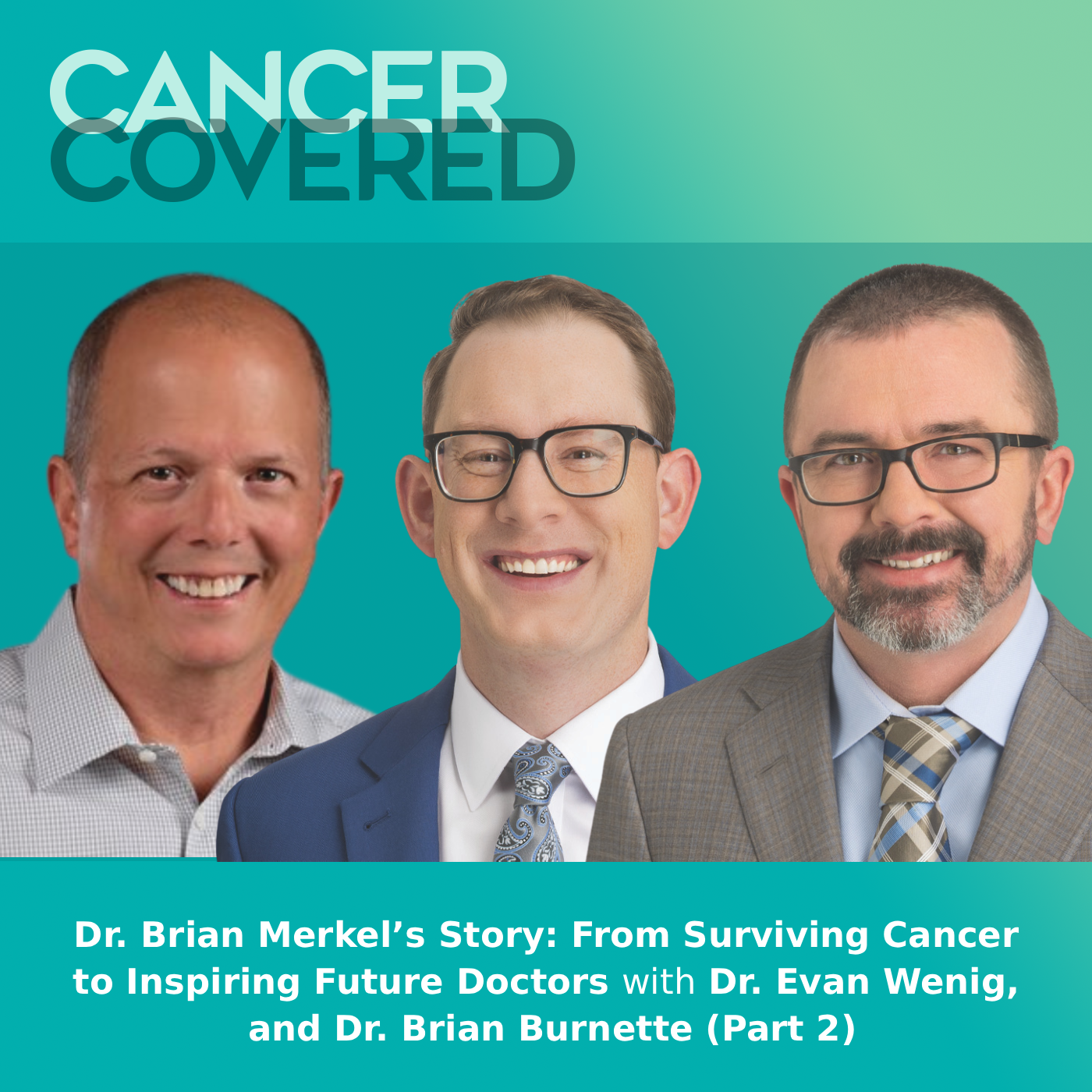
Dr. Brian Merkel’s Story: From Surviving Cancer to Inspiring Future Doctors (Part 2)
Nov 200:40:52Tap to summarizeIn the second part of our interview, Dr. Brian Merkel, Professor and Chair of Human Biology at the University of Wisconsin Green Bay, moves the focus from his battle with acute myeloid leukemia (AML) in 1984 to his life as a survivor and educator. After beating the disease with a bone marrow transplant, Dr. Merkel now inspires and mentors the next generation of doctors and scientists, committed to paying that gift forward. He is joined again by Green Bay Oncology’s Dr. Brian Burnette and his former student, Dr. Evan Wenig. They discuss this story and how survival shapes a career in education and cancer care. “ Success for me is seeing those students reach those goals, get into those programs, and then it’s even better when they come back to the community.” – Dr. Brian Merkel On this episode of Cancer Covered, you’ll learn: The inspiration Dr. Merkel takes from his experience to be a “cheerleader” for medical students, helping them manage the pressure and maintain balance in a difficult curriculum. The essential role of teachers and education at all levels from elementary school to medical school, in training the next generation of physicians and advancing the field of oncology. A reflection on how the human element of his story, and all patient stories, serves as a powerful reminder to his former student, Dr. Wenig, of why he chose a career in medicine. Dr. Merkel’s open offer to be a source of inspiration for current patients, demonstrating the power of connecting survivors with those currently undergoing a cancer journey. We’ve Got Cancer…Covered. Thanks for tuning into this week’s Cancer Covered with Green Bay Oncology episode. If you enjoyed this episode, please subscribe and leave a review wherever you get your podcasts. Apple Podcasts | GooglePlay |Deezer | Spotify | iHeart Be sure to share your favorite episodes on social media to help us reach more oncology professionals, cancer patients, and their families. Join us on Facebook, Twitter, Instagram, and LinkedIn. For more exclusive content and information, visit our website. Join Our Free Monthly Support GroupNo one should carry the burden of cancer alone. A cancer diagnosis can make you and your loved ones feel isolated and alone – just when you need support the most.Our social workers at Green Bay Oncology know that meaningful connection brings strength and healing. Sharing the experience in a safe space with others on a similar path is often powerful and therapeutic.That’s why we offer a free monthly virtual and in-person cancer support group facilitated for you and your loved ones. Wherever you are on your cancer journey – you are always welcome. To join us, visit: https://gboncology.com/events/
Transcribe →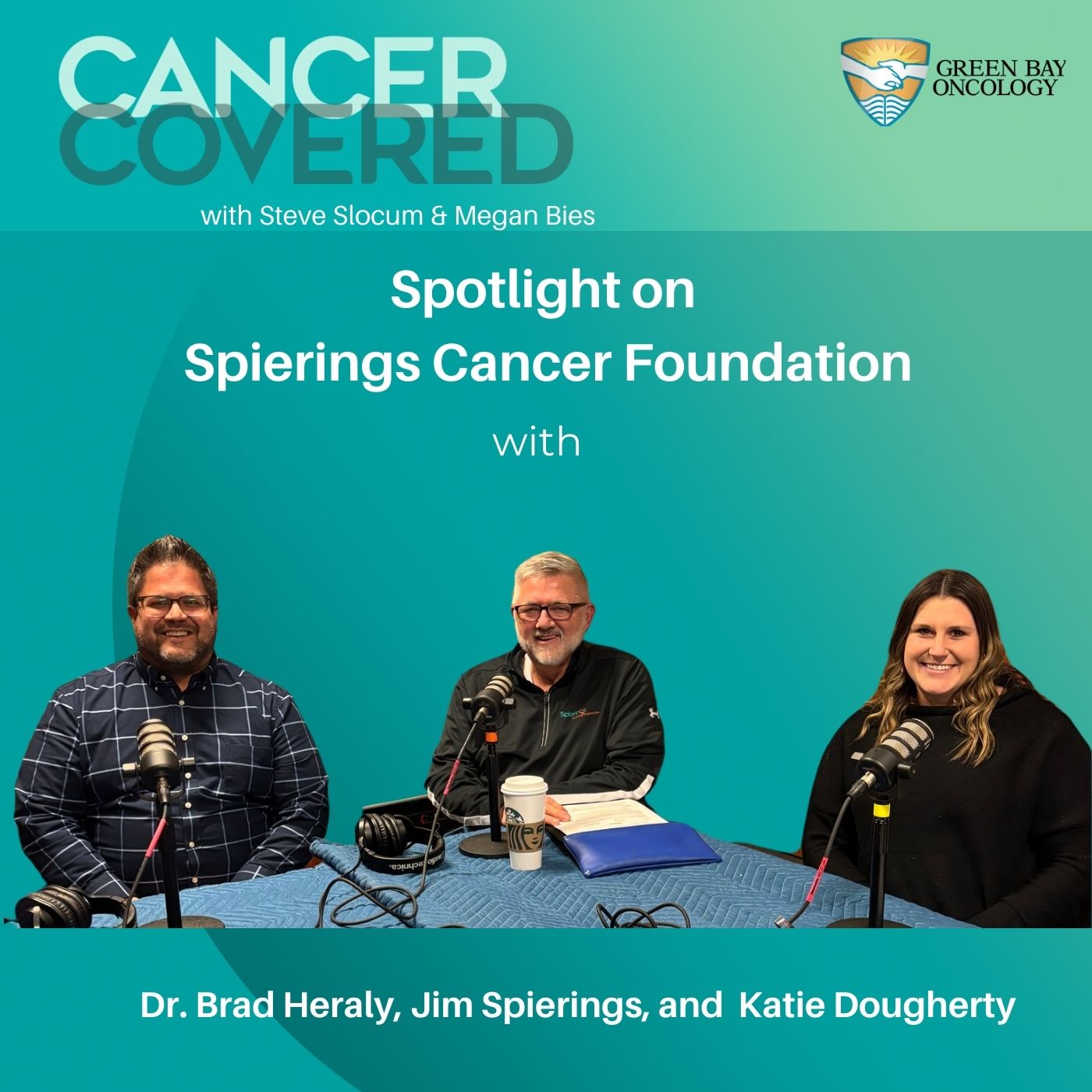
Spotlight on Spierings Cancer Foundation
Apr 7, 202500:38:21Tap to summarizeIn this episode of Cancer Covered, we delve into the inspiring story of Spierings Cancer Foundation, a local powerhouse in the fight against cancer in the Fox Cities. Born from Jim Spierings’ battle with throat cancer and the overwhelming support he received, the foundation has distributed nearly $2.5 million since its inception in 2009. Our guests, Jim Spierings, founder and president; Katie Dougherty, executive director; and Dr. Brad Heraly from Green Bay Oncology, share insights into how the foundation supports local families, enhances cancer treatment options, and funds critical research. Jim Spierings, diagnosed with stage four throat cancer in 2007, leaned on his family and community for support. Despite a tough battle and lengthy recovery, the support from his community led him and his family to start the foundation in gratitude. They focus on supporting local families struggling financially with cancer, improving treatment options locally, and funding statewide cancer research efforts. “It’s our biggest priority to support local families battling cancer.” ~Katie Dougherty Today on Cancer Covered: Jim Spierings’ battle with cancer and community support led to the founding of the Spierings Cancer Foundation. The foundation’s mission centers on aiding local families battling cancer and enhancing treatment within the community. Rock Cancer, the foundation’s major fundraiser, unites the community through music, activities, and a common cause. The partnership with Green Bay Oncology underscores a shared commitment to improving cancer care. Enhanced cancer treatment through fundraising efforts includes advanced equipment, like the intraoperative specimen radiograph machine. Over 200 families have been supported in the past year, speaking volumes about the rising need and the foundation’s growing impact. Volunteers play a vital role, with numerous opportunities to engage during events like Rock Cancer. Community generosity remains a driving force behind the foundation’s ability to meet increasing demands. Contact Information: For Spierings Cancer Foundation inquiries or to support their cause, visit their website: https://spieringscancerfoundation.org/ Connect with the Spierings Cancer Foundation for updates and volunteer opportunities on their Facebook page. We’ve Got Cancer…Covered. Thanks for tuning into this week’s Cancer Covered with Green Bay Oncology episode. If you enjoyed this episode, please subscribe and leave a review wherever you get your podcasts. Apple Podcasts | GooglePlay |Deezer | Spotify | iHeart Be sure to share your favorite episodes on social media to help us reach more oncology professionals, cancer patients, and their families. Join us on Facebook, Twitter, Instagram, and LinkedIn. For more exclusive content and information, visit our website.
Transcribe →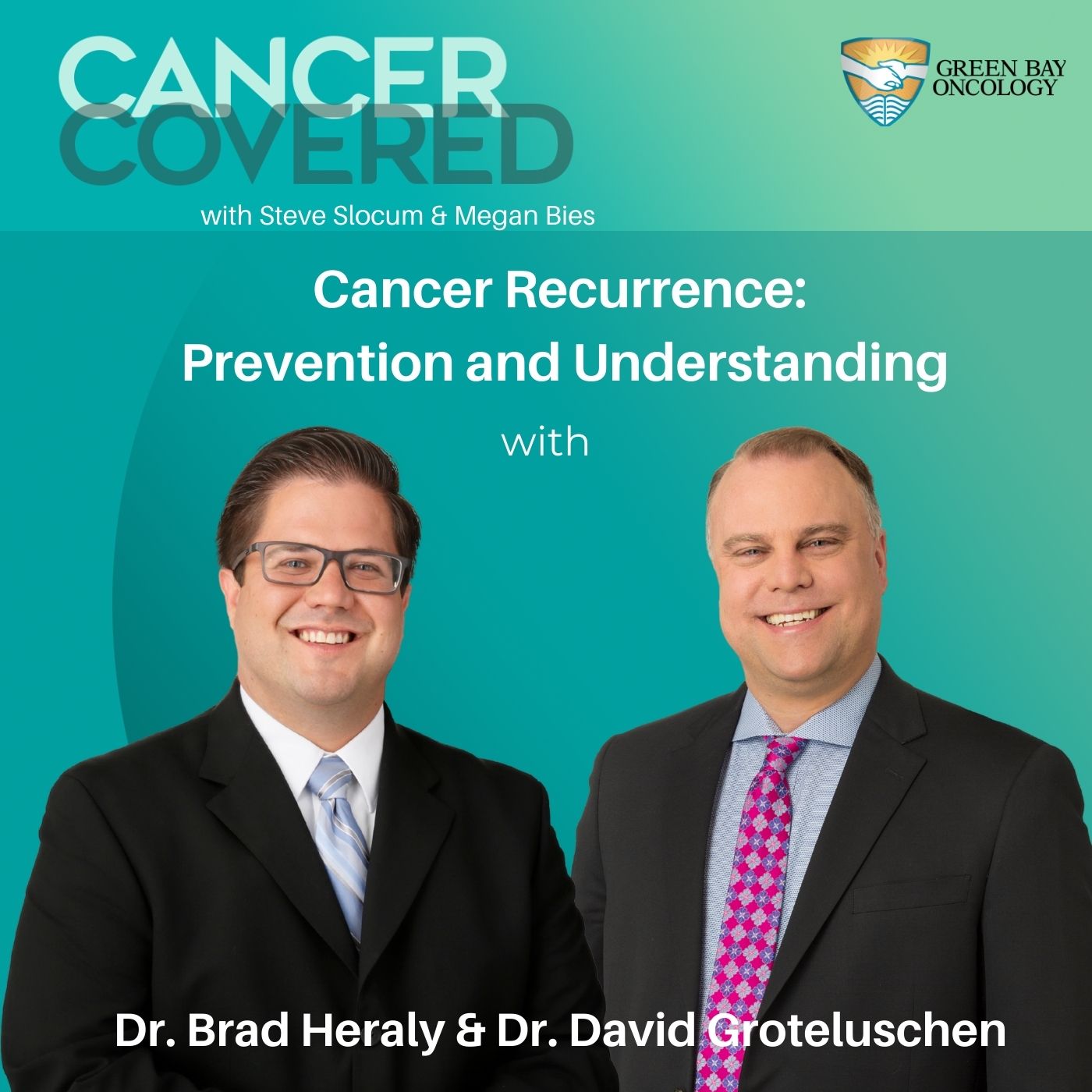
Cancer Recurrence: Prevention and Understanding
Mar 24, 202500:34:28Tap to summarizeUnderstanding and preventing cancer recurrence is a crucial aspect of survivorship. In this episode, we’re joined by medical oncologists, Dr. David Groteluschen and Dr. Brad Heraly, to explore the factors contributing to cancer recurrence and strategies patients can use to reduce their risk. We’ll also delve into managing the emotional challenges that accompany cancer survivorship. Dr. David Groteluschen and Dr. Brad Heraly are experienced medical oncologists dedicated to advancing cancer care and supporting patients through comprehensive treatment and recovery processes. With years of expertise in oncology, they bring valuable insights into cancer prevention and recurrence management. “Embrace your body and try to get it to a point that gives you the best chance of not having to deal with cancer again.” – Dr. Brad Heraly In this episode of Cancer Covered: Understanding cancer recurrence involves recognizing the various timelines and types of recurrence that differ across cancer stages and types. Lifestyle changes such as managing alcohol consumption, engaging in regular exercise, and maintaining a healthy diet significantly impact recurrence risk. Smoking and tobacco use are crucial risk factors for cancer recurrence, highlighting the importance of cessation. Routine check-ups, including mammograms and colonoscopies, are vital for early detection and positivity in survivorship care plans. Emotional management and open communication with healthcare providers are essential for handling anxiety about recurrence. Having a trusted medical provider and a clear survivorship plan fosters confidence and well-being post-treatment. AI and technology continue to advance, likely enhancing diagnostics and patient care in the near future. Patients are encouraged to advocate for themselves by seeking second opinions and ensuring trust in their provider relationships. We’ve Got Cancer…Covered. Thanks for tuning into this week’s Cancer Covered with Green Bay Oncology episode. If you enjoyed this episode, please subscribe and leave a review wherever you get your podcasts. Apple Podcasts | GooglePlay |Deezer | Spotify | iHeart Be sure to share your favorite episodes on social media to help us reach more oncology professionals, cancer patients, and their families. Join us on Facebook, Twitter, Instagram, and LinkedIn. For more exclusive content and information, visit our website.
Transcribe →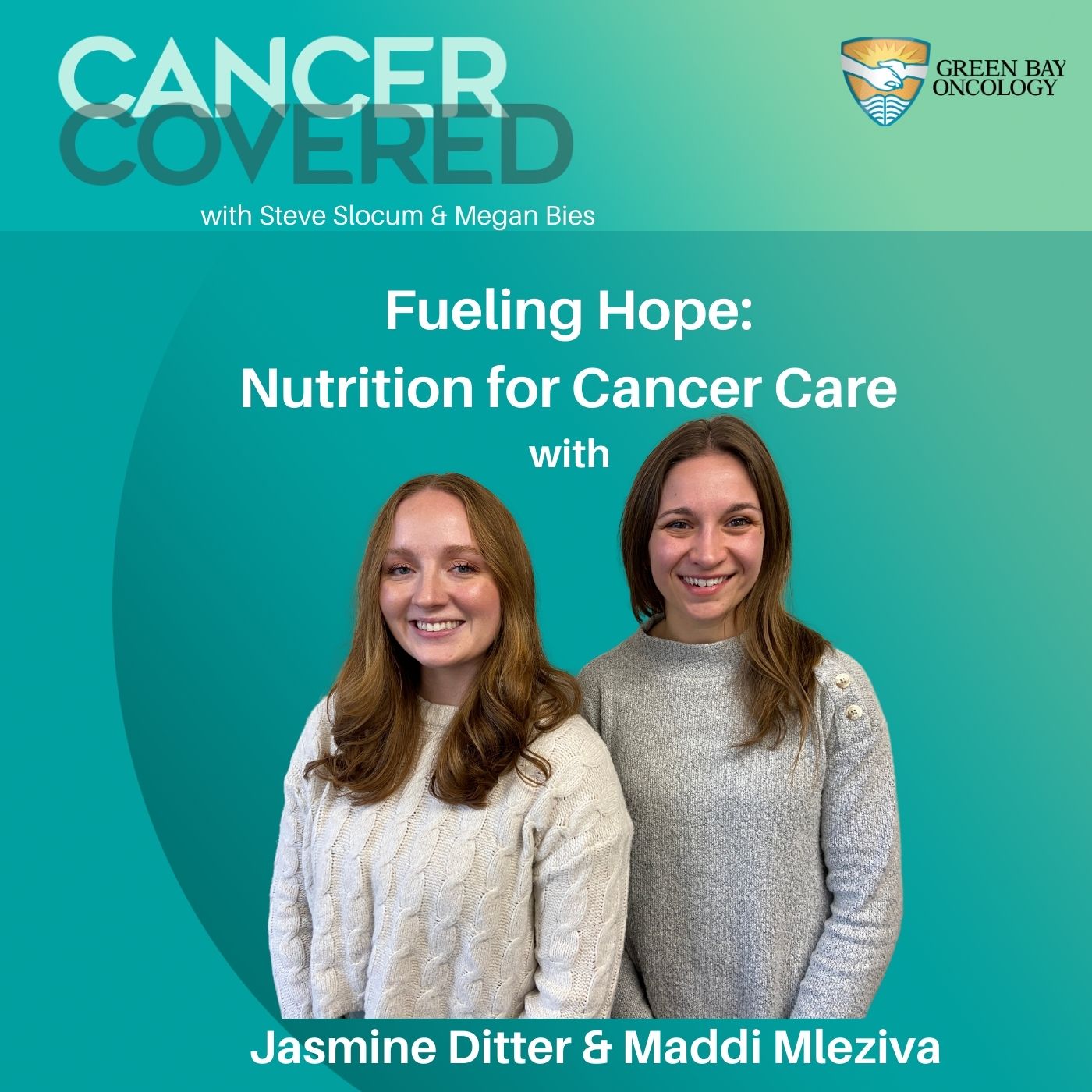
Fueling Hope: Nutrition for Cancer Care with Jasmine Ditter & Maddi Mleziva
Mar 10, 202500:42:13Tap to summarizeNutrition is critical in cancer care, influencing treatment outcomes and recovery processes. In this episode, we sit with oncology clinical dietitians Jasmine Ditter and Maddi Mleziva from HSHS St. Vincent Hospital Cancer Center. Both are passionate about supporting cancer patients through their dietary journeys, addressing the unique nutritional challenges of treatment. They bring a wealth of knowledge and empathy to their roles, ensuring individualized care that meets each patient’s specific needs. Together, we explore how personalized dietary guidance can make a difference, understanding patients’ fears and concerns, and navigating the sea of information often found online. Jasmine Ditter is a registered dietitian specializing in oncology nutrition for the past four years. She is dedicated to nourishing the body, mind, and soul, focusing on each patient’s struggles to provide tailored nutritional guidance. Maddi Mleziva, driven by personal connections to cancer, offers a year and a half of experience as a dietitian at the cancer center. Her individualized philosophy centers around treating each patient with compassion and care, often providing an attentive ear to understand patients beyond their medical needs. “Nutritional intake can significantly impact treatment tolerance and recovery.”~Maddi Mleziva This week on Cancer Covered: The importance of personalized dietary plans for cancer patients Navigating the influx of information from the internet with expert guidance How diet plays a crucial role in treatment outcomes and recovery Methods to manage nutritional intake during chemotherapy and radiation The impact of nutritional beverages and community resources The significant ratio of dietitians to oncology patients Addressing the psychological and emotional aspects of eating during treatment The support system involving caregivers and how it aids in cancer care We’ve Got Cancer…Covered. Thanks for tuning into this week’s Cancer Covered with Green Bay Oncology episode. If you enjoyed this episode, please subscribe and leave a review wherever you get your podcasts. Apple Podcasts | GooglePlay |Deezer | Spotify | iHeart Be sure to share your favorite episodes on social media to help us reach more oncology professionals, cancer patients, and their families. Join us on Facebook, Twitter, Instagram, and LinkedIn. For more exclusive content and information, visit our website.
Transcribe →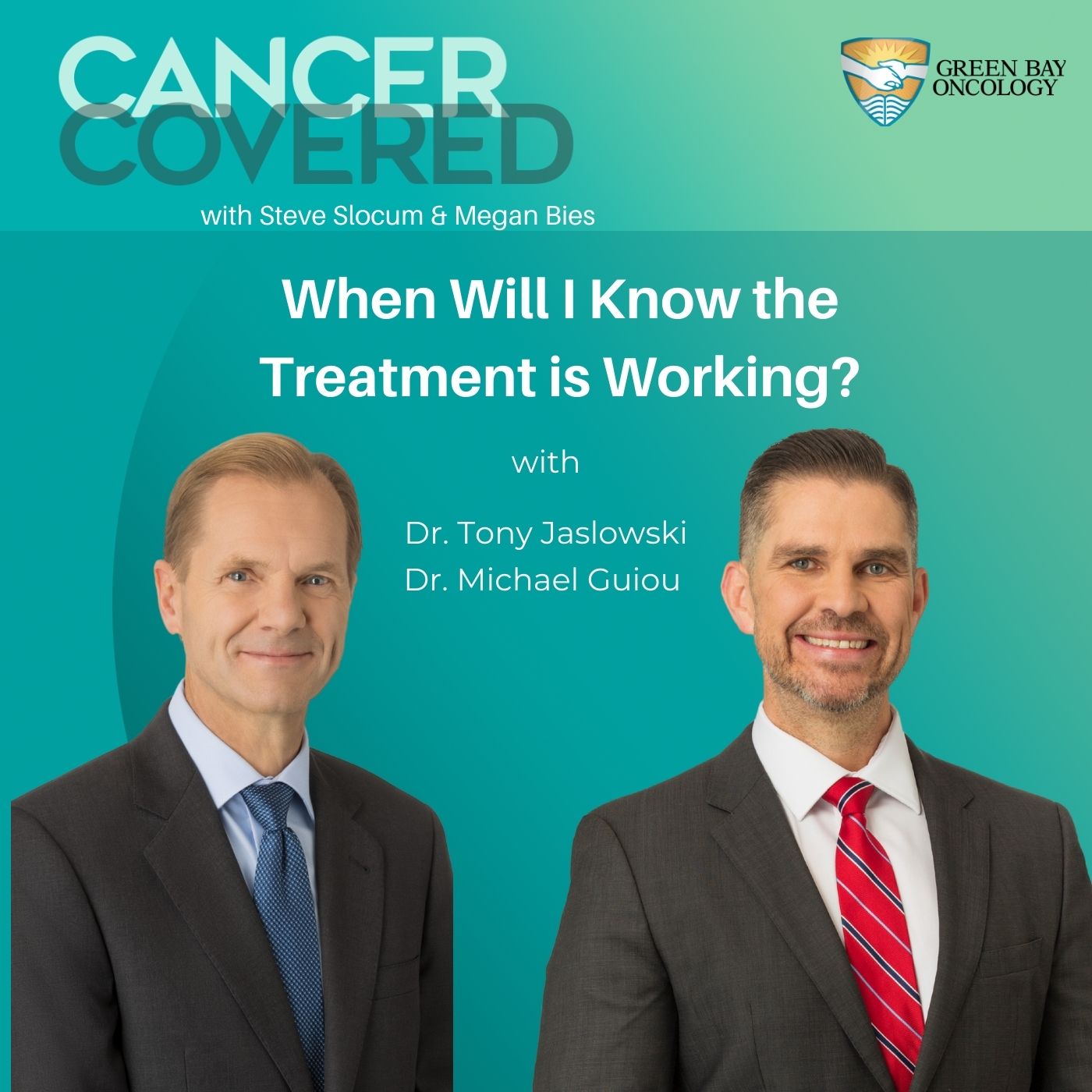
When Will I Know the Treatment is Working?
Feb 24, 202500:27:39Tap to summarizeUnderstanding whether cancer treatment is working can be a complex and nuanced journey. In this episode of Cancer Covered, I’m joined by Dr. Tony Jaslowski, a dedicated medical oncologist, and Dr. Michael Guiou, an insightful radiation oncologist, as we navigate the critical topic of evaluating the effectiveness of cancer treatments. Together, we’ll explore how different treatments are prescribed and monitored while highlighting the importance of individualized care and the patient’s active participation in their treatment journey. Dr. Tony Jaslowski brings his extensive expertise as a medical oncologist. He focuses on developing personalized treatment plans using an array of therapies, including chemotherapy, immunotherapy, and monoclonal antibodies. Dr. Michael Guiou, a skilled radiation oncologist, provides his perspective on various radiation treatments and their role in curative and palliative care settings. “If you’re feeling better through the treatment, more than likely we’re on the right path.”– Dr. Tony Jaslowski Today on Cancer Covered: Cancer treatment is highly individualized, considering both the type and stage of cancer. Based on the cancer’s spread, there is a differentiated approach between curative and palliative treatments. Standard treatment effectiveness evaluation methods include imaging, physical exams, and patient-reported outcomes. Communicating with healthcare providers is essential for understanding the treatment course and expected outcomes. Patients must remain engaged and informed about their treatment to better advocate for themselves. The timeline for seeing treatment results differs significantly between chemotherapy and radiation. Family involvement in the patient’s care and understanding of the process can significantly ease the journey. Patient resources, such as the American Society of Clinical Oncology, can be invaluable for staying informed. We’ve Got Cancer…Covered. Thanks for tuning into this week’s Cancer Covered with Green Bay Oncology episode. If you enjoyed this episode, please subscribe and leave a review wherever you get your podcasts. Apple Podcasts | GooglePlay |Deezer | Spotify | iHeart Be sure to share your favorite episodes on social media to help us reach more oncology professionals, cancer patients, and their families. Join us on Facebook, Twitter, Instagram, and LinkedIn. For more exclusive content and information, visit our website. Join Our Free Monthly Support GroupNo one should carry the burden of cancer alone. A cancer diagnosis can make you and your loved ones feel isolated and alone – just when you need support the most.Our social workers at Green Bay Oncology know that meaningful connection brings strength and healing. Sharing the experience in a safe space with others on a similar path is often powerful and therapeutic. That’s why we offer a free monthly virtual and in-person cancer support group facilitated for you and your loved ones. Wherever you are on your cancer journey – you are always welcome. To join us, visit: https://gboncology.com/events/
Transcribe →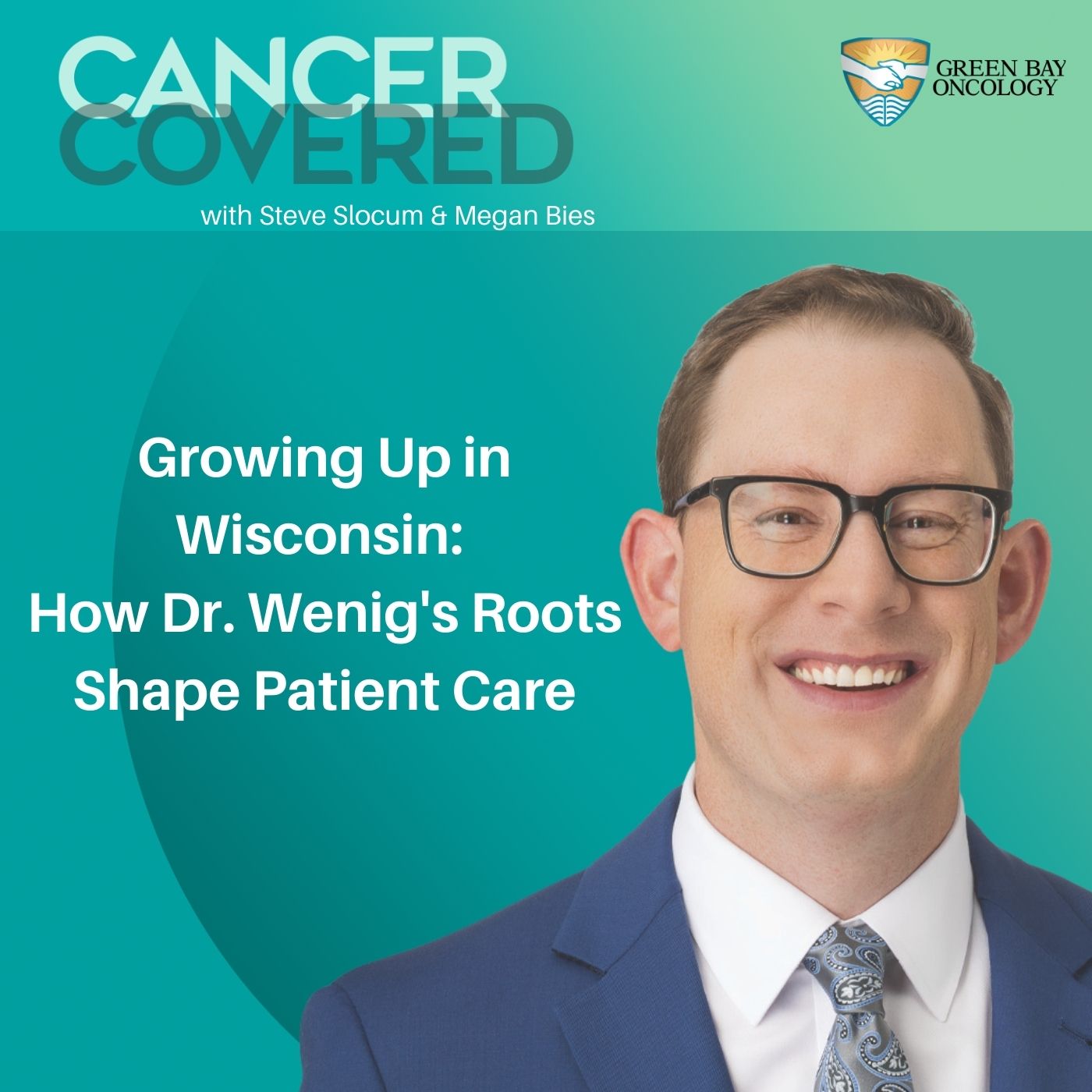
Growing Up in Wisconsin: How Dr. Wenig’s Roots Shape Patient Care
Feb 10, 202500:14:42Tap to summarizeIn this episode of Cancer Covered, we have the pleasure of speaking with Dr. Evan Wenig, a board-certified medical oncologist and hematologist who joined Green Bay Oncology in the fall of 2024. Dr. Wenig shares his journey from a small town in Wisconsin to becoming a dedicated medical professional. In our conversation, he discusses his philosophy on patient care, his inspiration for specializing in oncology and hematology, and his excitement about joining the Green Bay community. We delve into his approach to blending medical expertise with compassionate patient care and his involvement in clinical trials to advance cancer treatment. Dr. Evan Wenig is a board-certified medical oncologist and hematologist at Green Bay Oncology. Originally from Oostburg, Wisconsin, Dr. Wenig completed his undergraduate education at UW-Green Bay, medical school in North Carolina, and subsequent residency and fellowship in Indiana and Michigan, respectively. His background and family experiences profoundly influenced his career choice and compassionate approach to patient care. Dr. Wenig is also actively involved in clinical research to improve oncology treatments. “Optimism is the word that I would choose; my hope is to provide a beacon of lightto patients and their families.” ~Dr. Evan Wenig Today on Cancer Covered: Dr. Wenig’s role includes treating cancerous and non-cancerous blood disorders and solid organ cancers. A significant personal experience, the loss of his older brother to childhood cancer, inspired Dr. Wenig’s career choice and compassionate approach. Growing up in a supportive household equipped Dr. Wenig with the optimism and resilience needed for a career in oncology. His philosophy emphasizes patient-centered care, empowering patients to participate in treatment decisions. Dr. Wenig values the importance of clinical trials in improving medical treatments and patient outcomes. Bonding with the local community and sharing everyday experiences enhances his patient interactions. Dr. Wenig enjoys family time, outdoor activities, and exploring new culinary experiences outside of work, which help him recharge. Dr. Wenig aims to bring optimism and encouragement to his patients, even in their darkest hours. We’ve Got Cancer…Covered. Thanks for tuning into this week’s Cancer Covered with Green Bay Oncology episode. If you enjoyed this episode, please subscribe and leave a review wherever you get your podcasts. Apple Podcasts | Spotify | iHeartPlease share your favorite episodes on social media to help us reach more oncology professionals, cancer patients, and their families. Join us on Facebook, Twitter, Instagram, and LinkedIn. For more exclusive content and information, visit our website.
Transcribe →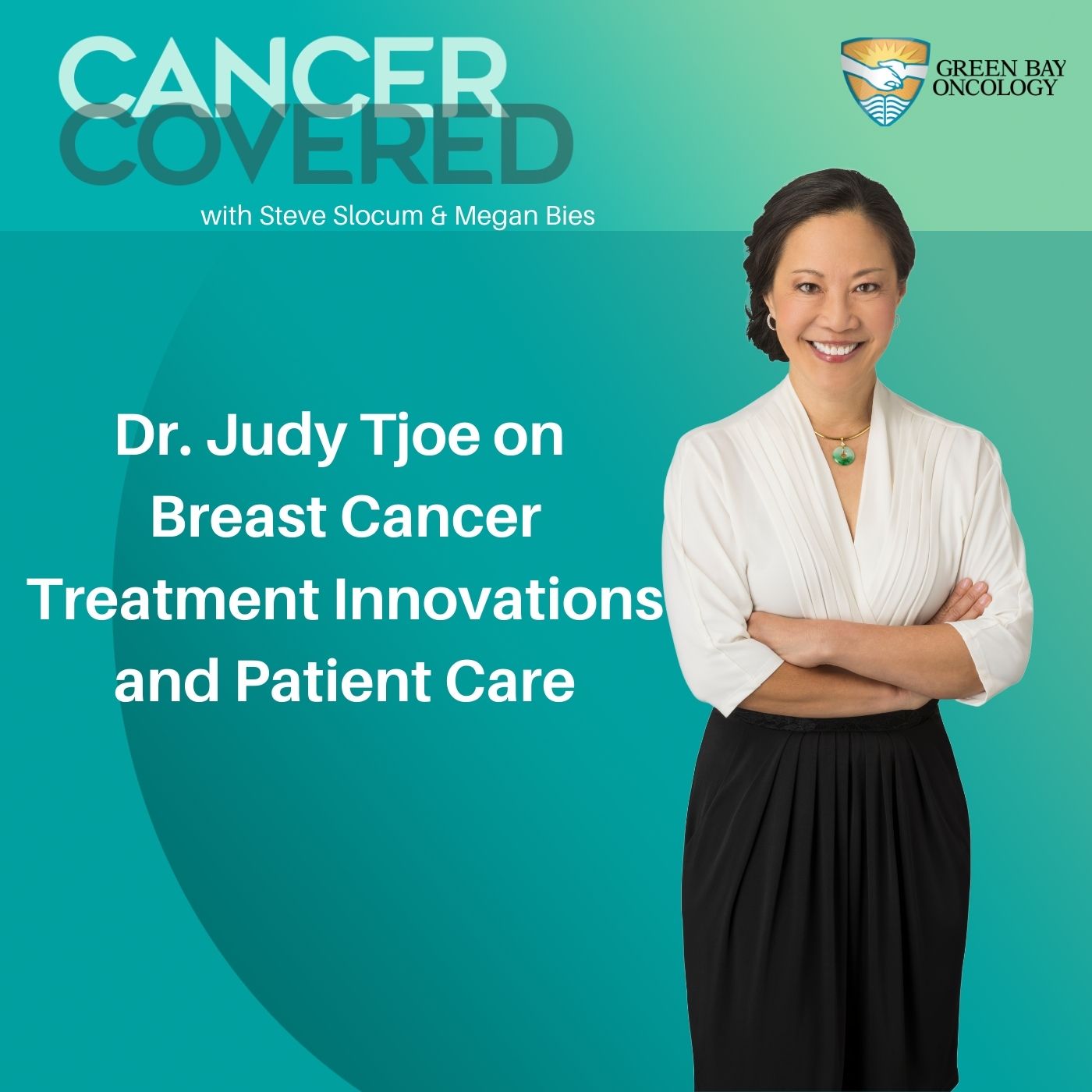
Dr. Judy Tjoe on Breast Cancer Treatment Innovations and Patient Care
Jan 27, 202500:33:00Tap to summarizeIn this episode, Dr. Judy Tjoe joins us to share her journey into the world of breast surgery and oncology. She discusses her motivations for choosing this specialty, the importance of patient-centered care, and her innovative work in integrating exercise into cancer recovery. Dr. Tjoe also details her role in developing a new breast cancer program at Ascension NE Wisconsin – St. Elizabeth Campus Cancer Center in Appleton, WI and her vision for the future of cancer care. Dr. Judy Tjoe is a fellowship-trained breast surgeon who joined Green Bay Oncology in the spring of 2024. With a background that spans medical school at UC San Francisco, specialized training at the Medical College of Wisconsin, and over two decades of experience, Dr. Tjoe is dedicated to the holistic treatment of breast cancer patients. Her commitment to integrating surgical precision with compassionate care and innovative recovery programs marks her as a leader in the field. “How do we fit this cancer treatment, which you weren’t expectingor asking for, into your usual life?” ~ Dr. Judy Tjoe In this episode of Cancer Covered: Dr. Tjoe’s approach focuses on patient-centered care, getting to know her patients and their needs. Building a comprehensive breast cancer program involves integrating various disciplines such as surgery, oncology, genetics, physical and occupational therapy, and patient navigation. Her philosophy is to ensure that the rest of the patient’s life is as minimally disruptive as possible. Dr. Tjoe initially considered pediatric hand surgery and plastic surgery before being guided to surgical oncology. Her patients’ courage motivates her, and she finds profound inspiration in their journeys. Dr. Tjoe pioneered a groundbreaking exercise program for cancer survivors, integrating triathlon training as a means of recovery. She values continuous education and making connections in the medical community to stay updated on evolving breast cancer treatments. Dr. Tjoe’s move to Green Bay Oncology allows her to build a new breast cancer program focusing on personalized, innovative care. Resources mentioned: Green Bay Oncology:https://www.gboncology.com/ Ascension Hospital in northeastern Wisconsin:https://healthcare.ascension.org/ Dr. Judy Tjoe:https://healthcare.ascension.org/find-care For more stories and insights from Green Bay Oncology, tune in to other episodes: Cancer Covered – Our Roots Cancer Care Then & Now We’ve Got Cancer…Covered. Thanks for tuning into this week’s Cancer Covered with Green Bay Oncology episode. If you enjoyed this episode, please subscribe and leave a review wherever you get your podcasts. Apple Podcasts | Spotify | iHeart Be sure to share your favorite episodes on social media to help us reach more oncology professionals, cancer patients, and their families. Join us on Facebook, Twitter, Instagram, and LinkedIn. For more exclusive content and information, visit our website.
Transcribe →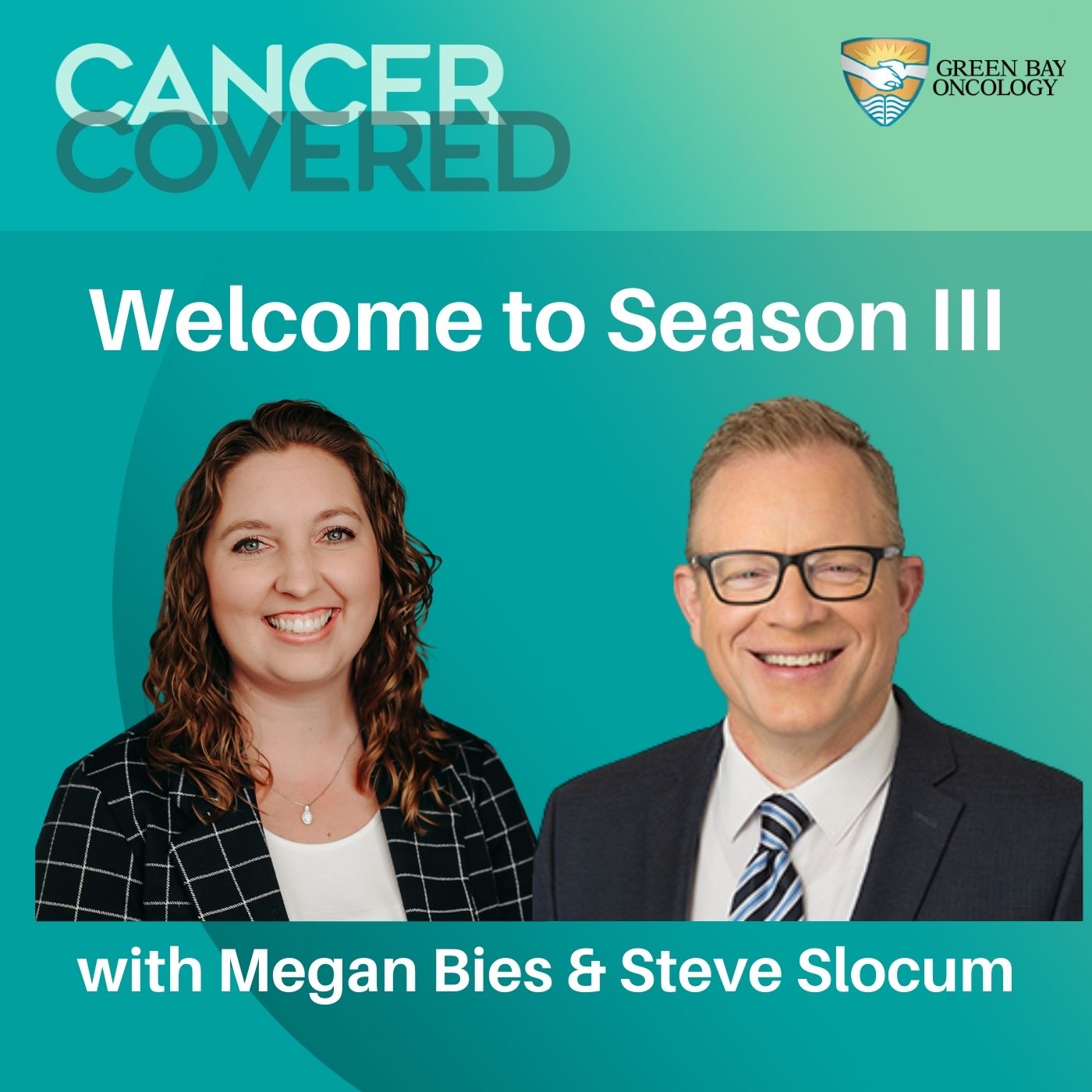
Welcome to Season III
Jan 14, 202500:00:53Tap to summarizeCancer is a complex and multifaceted disease that affects millions of people worldwide. Understanding this disease requires a multidisciplinary approach, combining medical expertise, patient care, and compassionate support for patients and their families. In this introduction, Steve Slocum, Chief Strategy Officer, and I, Megan Bies, Green Bay Oncology’s brand specialist, are excited to present the new season of Cancer Covered. We aim to bridge the gap between you and our team of highly knowledgeable cancer doctors, providing you with the insights and information you need, whether you’re a patient, a family member, or someone keen to learn about cancer-related topics. Throughout this season, we will feature interviews with our trusted cancer experts and introduce you to some of our new providers. We’ll tackle some of the most commonly asked questions, such as whether breast radiation affects the heart and what roles diet and nutrition play in cancer treatment. Join us as we embark on this informative journey together. “Our mission is to connect you with our team of cancer doctors as they share the knowledge and insights they’ve gained over the years.”– Steve Slocum Today on Cancer Covered: The primary mission of Cancer Covered is to connect listeners with knowledgeable cancer doctors. Topics covered will be relevant to patients, family members, caregivers, and individuals interested in cancer-related knowledge. Familiar and trusted experts from Green Bay Oncology will be featured in this season. New providers will also make their debut, sharing their valuable insights. Common questions, such as the impact of breast radiation on the heart, will be discussed. The series will explore diet and nutrition’s significant role in cancer treatment. Listeners can expect various subjects crucial to understanding and managing cancer. The journey aims to be informative and supportive, offering knowledge that empowers listeners. Related Episodes: Our Mission Cancer Care Then & Now Join Our Free Monthly Support GroupNo one should carry the burden of cancer alone. A cancer diagnosis can make you and your loved ones feel isolated and alone – just when you need support the most.Our social workers at Green Bay Oncology know that meaningful connection brings strength and healing. Sharing the experience in a safe space with others on a similar path is often powerful and therapeutic. That’s why we offer a free monthly virtual and in-person cancer support group facilitated for you and your loved ones. Wherever you are on your cancer journey – you are always welcome. To join us, visit: https://gboncology.com/events/ We’ve Got Cancer…Covered. Thanks for tuning into this week’s Cancer Covered with Green Bay Oncology episode. If you enjoyed this episode, please subscribe and leave a review wherever you get your podcasts. Apple Podcasts | Spotify | iHeart Be sure to share your favorite episodes on social media to help us reach more oncology professionals, cancer patients, and their families. Join us on Facebook, Twitter, Instagram, and LinkedIn. For more exclusive content and information, visit our website.
Transcribe →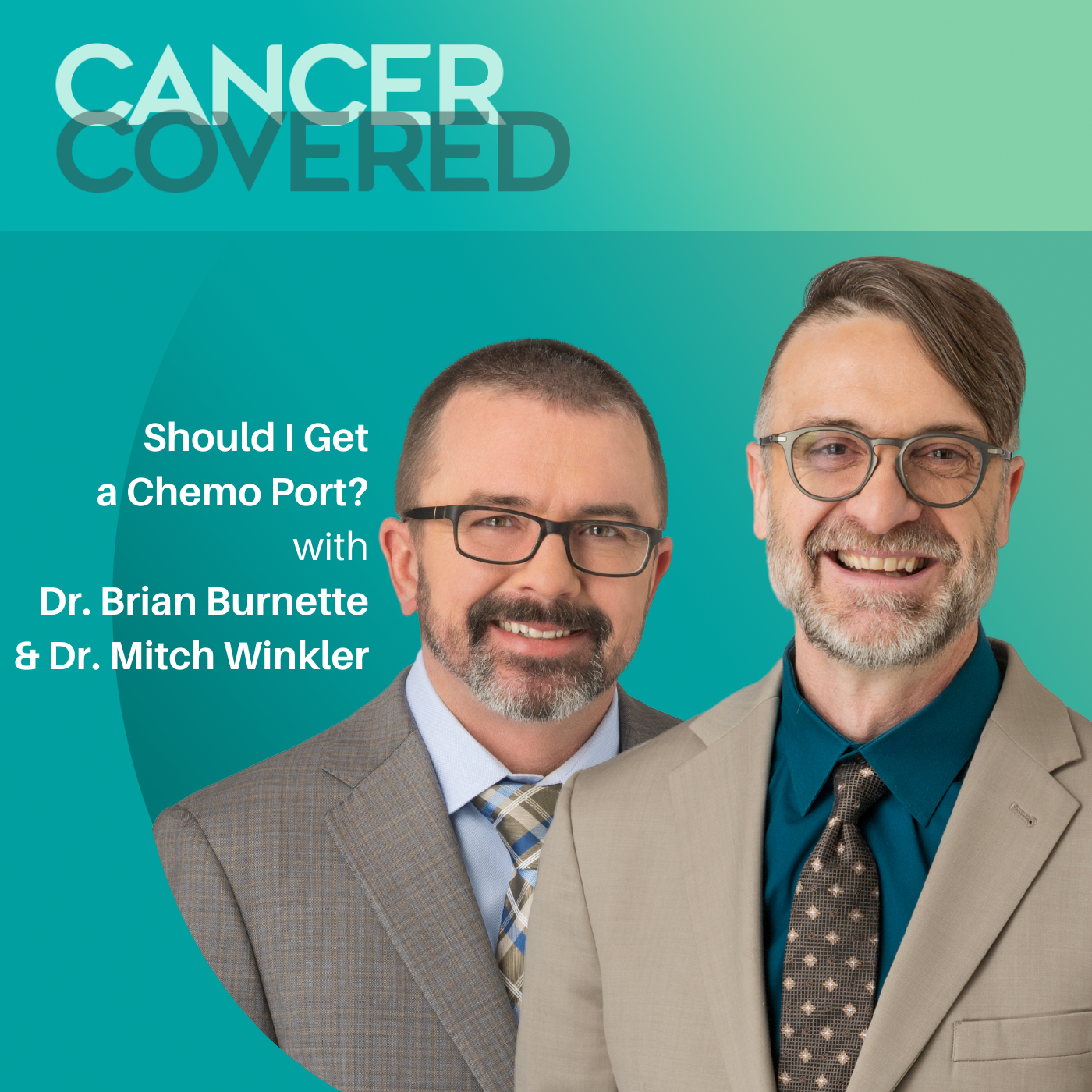
Should I Get a Chemo Port?
Jan 15, 202400:21:04Tap to summarizeOn today’s episode, we dive into the topic of chemotherapy ports. We discuss what they are, how they work, and why and when they’re used and not used in cancer treatment. Exploring the benefits and potential risks associated with ports and the issues surrounding when they should be removed after treatment, it’s an informative and insightful conversation that sheds light on this often inquired-about important aspect of cancer care. Dr. Burnette explains the different types of ports, their placement, and the reasons why they are often preferred over other infusion devices. He also addresses common misconceptions about ports and shares his perspective on when and why they should be removed after treatment. Dr. Burnette’s expertise and compassionate approach to patient care make him a trusted authority on the topic of chemotherapy ports. A native of Upper Michigan, Dr. Burnette completed his internship, residency, and fellowship at the Mayo Clinic after graduating at the top of his class from Michigan State. Most recently, he served as Instructor of Medicine at Mayo. He is well-published and lectures internationally on cancer-related topics. Dr. Burnette treats all cancer types and is excited to serve the people of Green Bay and the surrounding areas. Born in Little Rock, Arkansas, Dr. Winkler attended Hendrix College in Conway, where he received his B.A. in biology. He attended medical school at the University of Arkansas College of Medicine and completed his internship and residency. He completed his oncology fellowship at the Mayo Clinic in Rochester, Minnesota. He is board-certified in internal medicine, medical oncology, hematology, hospice, and palliative medicine. “Oftentimes when you bring up a port, the picture a patient or the family member has in their mind is somebody having a dialysis catheter, a long IV hanging out of the arm, and it’s different than that.” ~ Dr. Brian Burnette Today on Cancer Covered: A chemotherapy port is a device inserted under the skin that connects to a large blood vessel in the body, providing secure IV access for medication infusion. Ports are different from other devices like PICC lines or Hickman lines. While ports are commonly placed in the chest, they can also be placed on other body parts by surgeons or radiologists. Ports must be flushed regularly to maintain their function, usually every four to six weeks. Ports provide a more pleasant experience for patients with difficulty getting IVs in their arms, as they offer secure and easily accessible IV access. Some chemotherapy drugs can be harsh and irritating to the inside of veins, making ports a better option for infusion as they can handle more challenging conditions. Ports are not necessary for all patients receiving medications, but they are particularly useful for treatments that require secure IV access or protracted infusions. The decision to keep a port in after completing cancer treatment is a personal one, but it is important to consider the psychological burden and potential risks associated with leaving it. Join Our Free Monthly Support Group No one should carry the burden of cancer alone. A cancer diagnosis can make you and your loved ones feel isolated and alone – just when you need support the most. Our social workers at Green Bay Oncology know that meaningful connection brings strength and healing. Sharing the experience in a safe space with others on a similar path is often powerful and therapeutic. That’s why we offer a free monthly virtual and in-person cancer support group facilitated for you and your loved ones. Wherever you are on your cancer journey – you are always welcome. To join us, visit: https://gboncology.com/events/ We’ve Got Cancer…Covered. Thanks for tuning into this week’s Cancer Covered with Green Bay Oncology episode. If you enjoyed this episode, please subscribe and leave a review wherever you get your podcasts. Apple Podcasts | GooglePlay |Deezer | Spotify | iHeart Be sure to share your favorite episodes on social media to help us reach more oncology professionals, cancer patients, and their families. Join us on Facebook, Twitter, Instagram, and LinkedIn. For more exclusive content and information, visit our website.
Transcribe →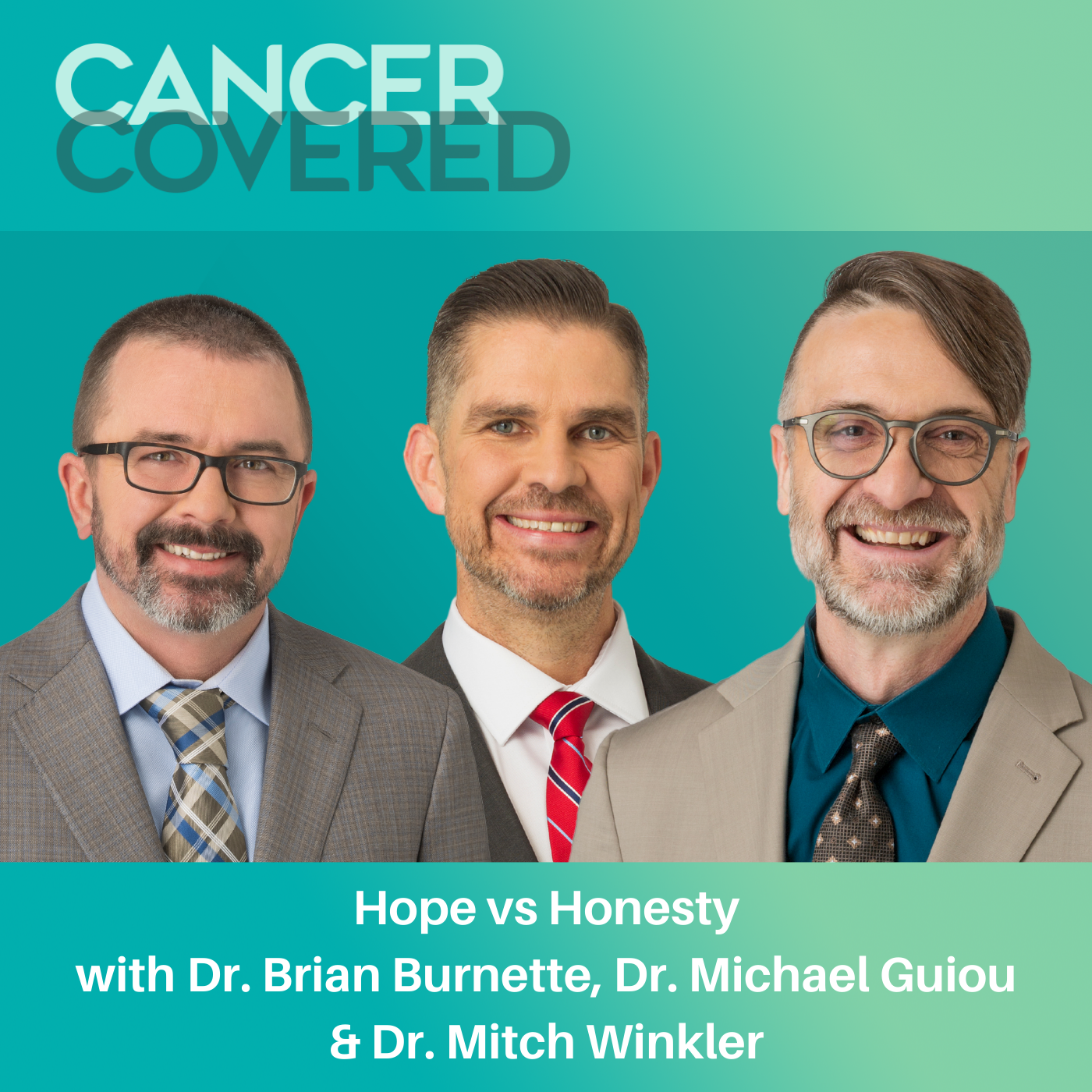
Hope vs Honesty
Jan 8, 202400:25:41Tap to summarizeIn this episode, I had the pleasure of speaking with Dr. Brian Burnette and Dr. Michael Guiou about the importance of having transparent and honest discussions with cancer patients about their prognosis and treatment options. We discussed how many doctors struggle to answer the question of how long a patient with Stage IV cancer will live and the negative impact this can have on patients. Dr. Burnette emphasized the need to set realistic expectations and prepare for the worst while maintaining hope. He explained that about a third of patients will not respond well to treatment and may have a short life expectancy, while another third will respond well and have long periods of disease control. Dr. Guiou added that it is crucial to be honest with patients and not give false hope, as this can lead to unnecessary treatments and emotional harm. We also discussed the importance of ongoing patient conversations about their prognosis and treatment options and the need to respect each patient’s hopes and goals. Overall, the episode highlighted the importance of trust, honesty, and open communication in providing the best care for cancer patients. Dr. Brian Burnett: A native of Upper Michigan, Dr. Burnette completed his internship, residency, and fellowship at the Mayo Clinic after graduating at the top of his class from Michigan State. Most recently, he served as Instructor of Medicine at Mayo. He is well-published and lectures internationally on cancer-related topics. Dr. Burnette treats all cancer types and is excited to serve the people of Green Bay and the surrounding areas. Dr. Michael Guiou was born in Sacramento, California; with his father’s career in the Air Force, he grew up across several states. He attended the University of California Davis School of Medicine in Sacramento and completed a residency at The Ohio State University in Columbus, Ohio. Dr. Guiou loves the kind and caring culture of the Midwest, a trait he found was often lacking in bigger cities where he lived. Dr. Guiou has always wanted to help people and considers it a privilege to care for the patients under his care. “If somebody looks like they’re heading out of this world, and they have an opportunity to spend one last time with the people that mean the most to them, and they weren’t aware that time was short, boy, you just cost them a lot.”~Dr. Brian Burnette This week on Cancer Covered: Uncertainty in Prognosis: Doctors often cannot accurately predict how long a patient with stage 4 incurable disease will live. Admitting uncertainty and discussing the range of possible outcomes is more helpful than providing an average survival statistic. Individualized Outcomes: Patients with the same diagnosis can have vastly different experiences. About a third may not respond well to treatment, a third may have an average response, and a third may respond exceptionally well, living many years longer than expected. Importance of Honest Communication: Clear and honest discussions about prognosis are crucial. Physicians should avoid giving false hope and help patients understand their situation realistically to make informed decisions. Impact of Misinformation: Providing unrealistic expectations can lead to patients missing out on important life events, spending unnecessary resources, and experiencing additional emotional and physical distress. Evolving Conversations: Discussions about prognosis and end-of-life care should be ongoing and evolve as the patient’s condition changes. This helps build trust and prepares patients for potential outcomes. Changing Perceptions of Hope: Hope should not be limited to the prospect of a cure. It can take many forms, such as the hope for quality of life, not being a burden, or having a peaceful death. Patient Autonomy: Modern medical practice emphasizes the role of the physician as an educator and guide rather than a paternalistic decision-maker. Patients should be empowered to make their own informed choices about their care. Hope and Expectation: It’s natural for patients and doctors to hope for the best outcomes, even when they may not align with the most likely expectations. Hope can coexist with a realistic understanding of a patient’s prognosis. Join Our Free Monthly Support Group No one should carry the burden of cancer alone. A cancer diagnosis can make you and your loved ones feel isolated and alone – just when you need support the most. Our social workers at Green Bay Oncology know that meaningful connection brings strength and healing. Sharing the experience in a safe space with others on a similar path is often powerful and therapeutic. That’s why we offer a free monthly virtual and in-person cancer support group facilitated for you and your loved ones. Wherever you are on your cancer journey – you are always welcome. To join us, visit: https://gboncology.com/events/ We’ve Got Cancer…Covered. Thanks for tuning into this week’s Cancer Covered with Green Bay Oncology episode. If you enjoyed this episode, please subscribe and leave a review wherever you get your podcasts. Apple Podcasts | GooglePlay |Deezer | Spotify | iHeart Please share your favorite episodes on social media to help us reach more oncology professionals, cancer patients, and their families. Join us on Facebook, Twitter, Instagram, and LinkedIn. For more exclusive content and information, visit our website.
Transcribe →