Podcast
Cancer Covered
Hosted by Green Bay Oncology · EN
The practice of cancer medicine is complex and demanding. And like anything that takes practice, we’ll spend our whole lives trying to get it right. In each episode, the white coats come off as the dedicated men and women who take on cancer every day unpack the complexities of their work and share stories of how it’s done—and why they keep at it.
31episodes
Episodes
Newest firstAll episodes
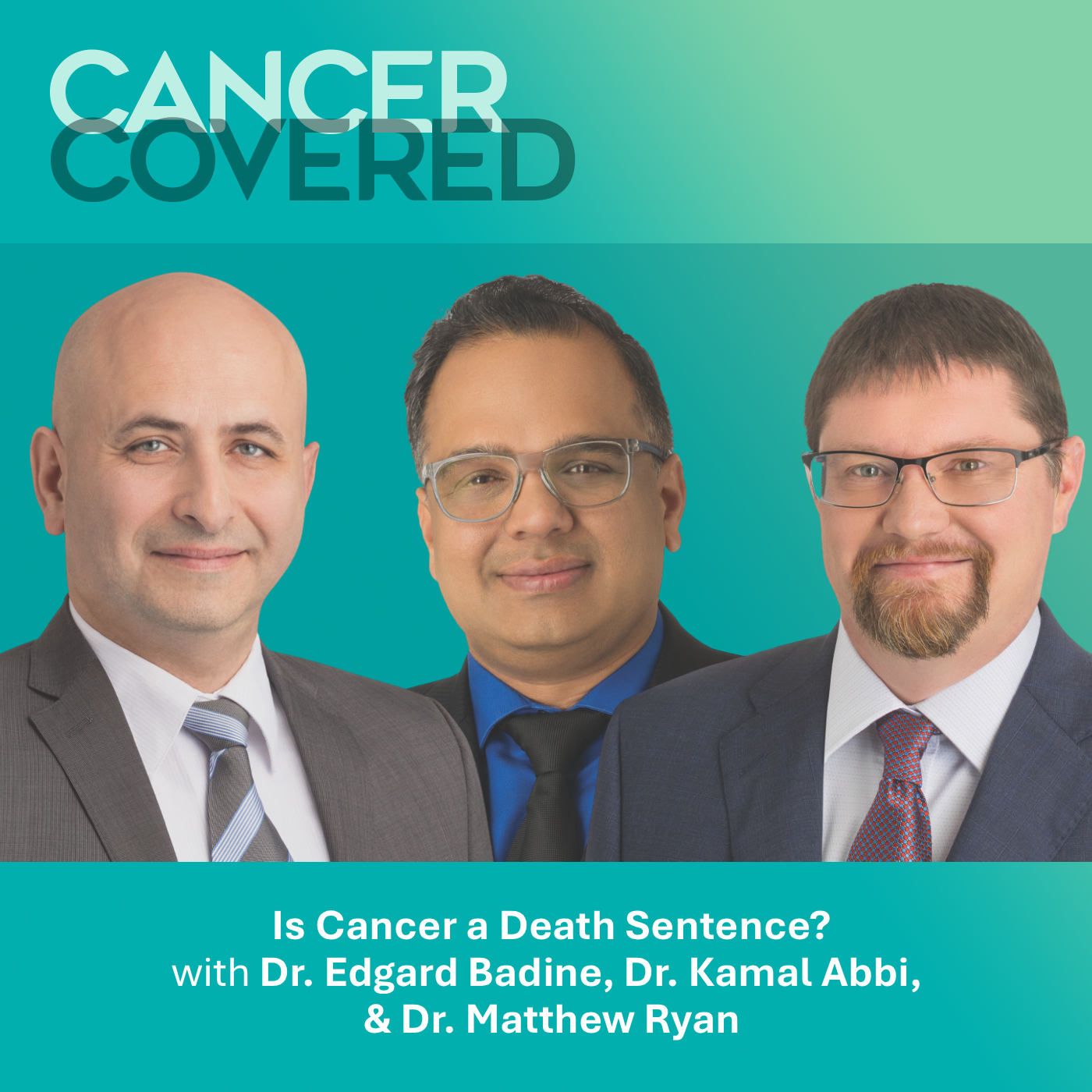
Is Cancer a Death Sentence?
Mar 2200:24:36Tap to summarizeDr. Edgard Badine, Dr. Kamal Abbi and Dr. Matthew Ryan of Green Bay Oncology unpack one of the most common fears patients face after a cancer diagnosis: Is this a death sentence? The physicians discuss why that perception still lingers and how advances in screening, treatment and supportive care have changed what a cancer diagnosis often means today. They also explain how oncologists guide patients through the uncertainty of early visits and why reframing the conversation from fear of death to understanding the plan can help restore a sense of control. “Maybe it ends in death. But that applies to many diseases. The real question becomes: what’s the plan, and what are we hoping for?”— Dr. Edgard Badine On this episode of Cancer Covered, you’ll learn: Why the “death sentence” myth persists: How experiences from the 1970s and 1980s—and portrayals in media—continue to shape public perception of cancer today. How cancer outcomes have improved: From early detection and better imaging to targeted therapies and immunotherapy, physicians discuss the advances that have significantly lowered cancer mortality. Why statistics can be misleading: Doctors explain how survival numbers are averages, why they often lag behind current treatments, and how patients should interpret them. What better questions patients can ask: Instead of focusing only on mortality, asking about treatment options, quality of life, and the plan moving forward. We’ve Got Cancer…Covered. Thanks for tuning into this week’s Cancer Covered with Green Bay Oncology episode. If you enjoyed this episode, please subscribe and leave a review wherever you get your podcasts. Apple Podcasts | Pandora | Spotify | iHeart | TuneIn | Podcast Index Be sure to share your favorite episodes on social media to help us reach more oncology professionals, cancer patients, and their families. Join us on Facebook, Twitter, Instagram, and LinkedIn. For more exclusive content and information, visit our website. Join Our Free Monthly Support GroupNo one should carry the burden of cancer alone. A cancer diagnosis can make you and your loved ones feel isolated and alone – just when you need support the most.Our social workers at Green Bay Oncology know that meaningful connection brings strength and healing. Sharing the experience in a safe space with others on a similar path is often powerful and therapeutic.That’s why we offer a free monthly virtual and in-person cancer support group facilitated for you and your loved ones. Wherever you are on your cancer journey – you are always welcome. To join us, visit: https://gboncology.com/events/
Transcribe →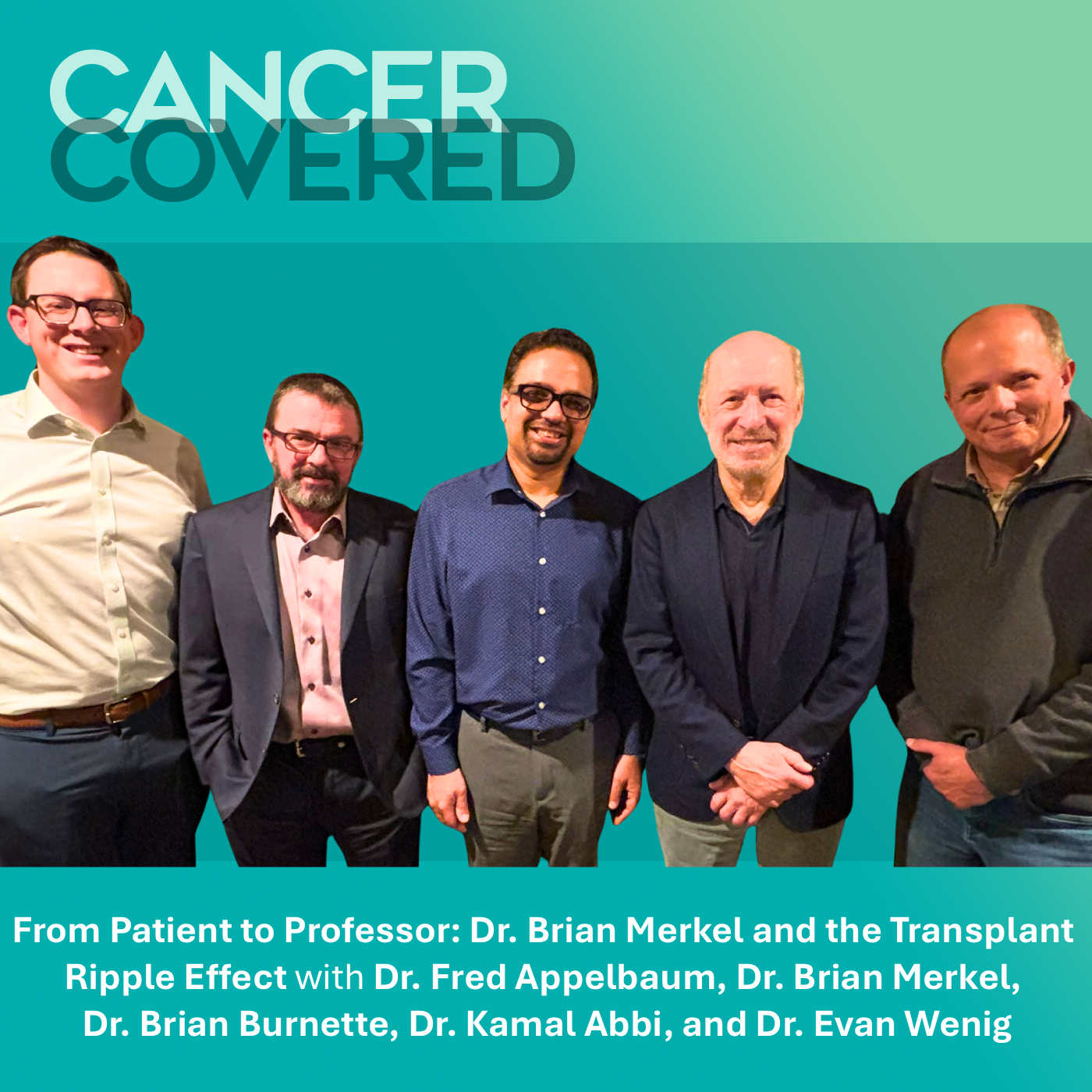
From Patient to Professor: Dr. Brian Merkel and the Transplant Ripple Effect
Mar 800:20:52Tap to summarizeDr. Fred Appelbaum, Executive Vice President of Fred Hutch Cancer Center, joins Green Bay Oncology physicians Dr. Brian Burnette, Dr. Kamal Abbi, and Dr. Evan Wenig, along with Dr. Brian Merkel, Professor and Chair of Human Biology at the University of Wisconsin–Green Bay, to reflect on one of the earliest eras of bone marrow transplantation through the eyes of both patient and physician. Dr. Merkel recounts his leukemia diagnosis at age 18, the reality of informed consent, and the life-or-death decisions that shaped not only his survival, but his future as a scientist and educator. Together, the group explores how transplantation has evolved—from isolation wards and experimental protocols to outpatient care, clearer communication, and a deeper understanding of the human experience of treatment. “I was prepared to die. I really was. But I was determined to live and to do what was necessary for my part to make that happen.”— Dr. Brian Merkel On this episode of Cancer Covered, you’ll learn: What “informed consent” really means: Why understanding risk intellectually is different from living through it—and why family conferences can be one of the hardest parts of the transplant process. How communication reduces fear: The physicians discuss how explaining why treatments are given—using stories, analogies, and repetition—can significantly lower patient anxiety. The role of trust and self-advocacy: From choosing a transplant center to speaking up when something doesn’t feel right, patient confidence and agency matter. How transplantation shaped modern cancer care: Early transplant research laid the groundwork for today’s cellular therapies, including CAR-T, and continues to influence the future of oncology. This episode is the final of a three-part series. Listen to the rest of the conversation here: Part 1: A History of Stem Cell Transplantation Part 2: The Leukemia Patient Experience
Transcribe →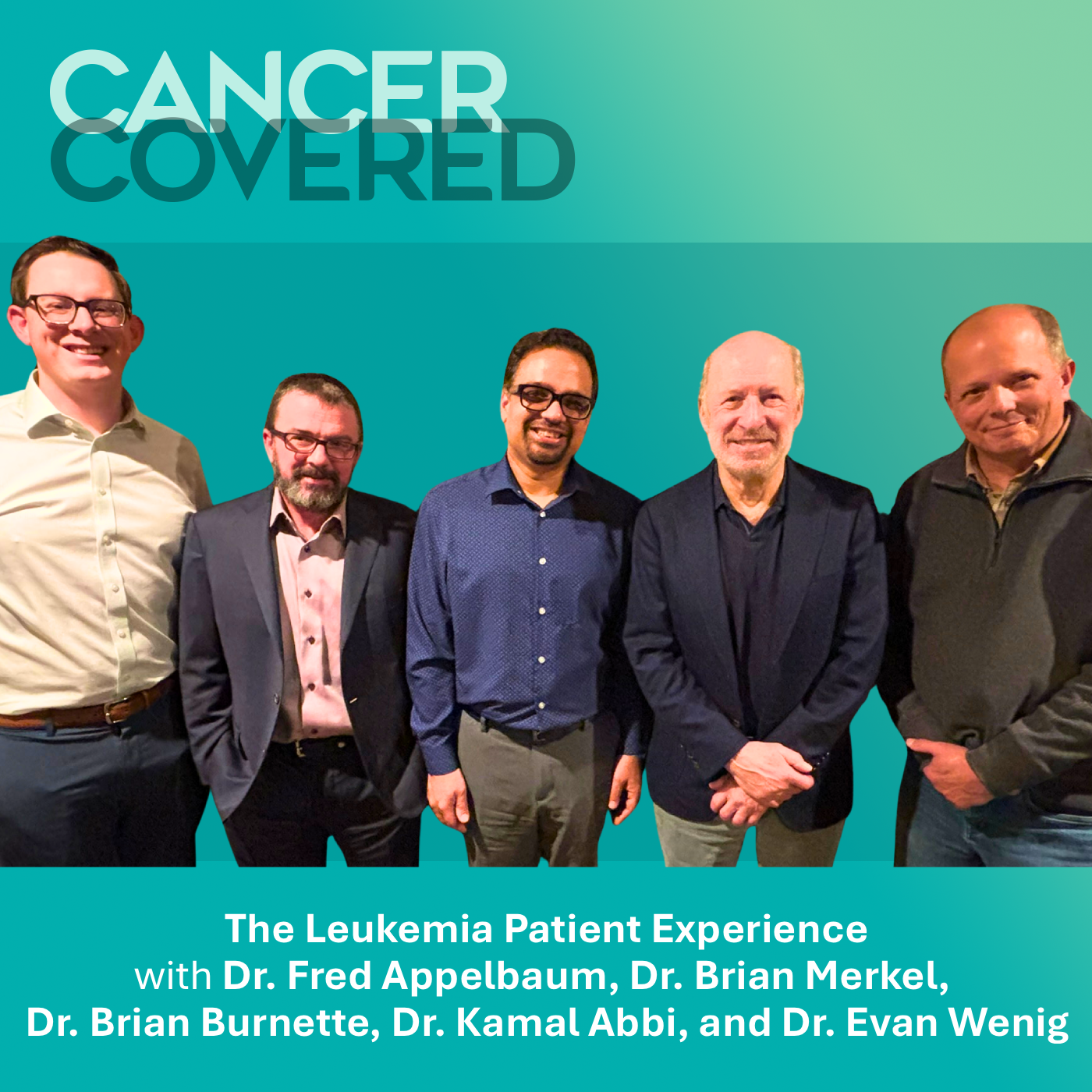
The Leukemia Patient Experience
Feb 2300:18:47Tap to summarizeDr. Fred Appelbaum, Executive Vice President of Fred Hutch Cancer Center, joins Green Bay Oncology physicians Dr. Brian Burnette, Dr. Kamal Abbi, and Dr. Evan Wenig, along with Dr. Brian Merkel, Professor and Chair of Human Biology at the University of Wisconsin–Green Bay. Together, they discuss how the patient experience of leukemia treatment has changed—and where it’s headed. From the psychological toll of isolation to the groundbreaking role of artificial intelligence in drug design, this conversation explores how clear communication, family support, and scientific persistence are giving new hope to patients and their families. “Transplantation is a family affair. It is not something that patients go and do by themselves. It involves everyone, and it is getting safer and safer.”— Dr. Fred Appelbaum On this episode of Cancer Covered, you will learn: Why patients can feel isolated: Many patients, especially young adults, experience emotional isolation during treatment. The doctors discuss why this happens and how families can help close that gap. The importance of self-advocacy: Patients are encouraged to ask questions, speak up, and act as their own advocates so they feel informed and comfortable at every stage of care. How doctors communicate complex information: Physicians often rely on analogies and repeated explanations—what they call “continuous education”—to help patients absorb difficult information during stressful moments. What’s next in cellular therapy: Transplant research laid the foundation for CAR-T cell therapy. Today, artificial intelligence is being used to design new drugs that may one day cure autoimmune diseases—and even HIV. This episode is the second of a three-part series. Listen to the rest of the conversation here: Part 1: A History of Stem Cell Transplantation Part 3: From Patient to Professor: Dr. Brian Merkel and the Transplant Ripple Effect
Transcribe →A History of Stem Cell Transplantation
Feb 800:38:41Tap to summarizeDr. Fred Appelbaum, Executive Vice President of Fred Hutch Cancer Center, joins Green Bay Oncology physicians Dr. Brian Burnette, Dr. Kamal Abbi, and Dr. Evan Wenig, along with Dr. Brian Merkel, Professor and Chair of Human Biology at the University of Wisconsin–Green Bay, to reflect on the bold and uncertain early days of stem cell transplantation and how that work reshaped the treatment of leukemia. From experimental procedures in the 1970s to today’s highly refined transplant and cellular therapies, this conversation traces how risk, collaboration, and perseverance laid the foundation for modern cancer care. “Whoever saves a life, saves the world. And when you sit with a patient, you have to remember that you could just as easily be on the other side of the table.” ~ Dr. Fred Appelbaum On this episode of Cancer Covered, you will learn: How stem cell transplantation began: What leukemia treatment looked like in the early 1980s, why early transplant attempts were considered radical, and how researchers pushed forward despite skepticism and failure. From last resort to standard of care: How advances in supportive care, donor matching, and clinical trials transformed transplantation from an experimental gamble into a life-saving option for many patients. The human ripple effect of innovation: How Dr. Brian Merkel’s own experience as a teenage transplant patient led him to a career in science and teaching, and how survivorship continues to shape future generations of physicians and researchers. Collaboration that changed medicine: Why breakthroughs in transplantation required not just oncologists, but infectious disease specialists, researchers, patients, and families working together over decades. Ethics, empathy, and trust: How physicians navigate risk, hope, and informed consent when treatments are complex, demanding, and deeply personal. This episode is the first of a three-part series. Listen to the rest of the conversation here: Part 2: The Leukemia Patient Experience Part 3: From Patient to Professor: Dr. Brian Merkel and the Transplant Ripple Effect We’ve Got Cancer…Covered. Thanks for tuning into this week’s Cancer Covered with Green Bay Oncology episode. If you enjoyed this episode, please subscribe and leave a review wherever you get your podcasts. Apple Podcasts | Pandora | Spotify | iHeart | TuneIn | Podcast Index Be sure to share your favorite episodes on social media to help us reach more oncology professionals, cancer patients, and their families. Join us on Facebook, Twitter, Instagram, and LinkedIn. For more exclusive content and information, visit our website. Join Our Free Monthly Support GroupNo one should carry the burden of cancer alone. A cancer diagnosis can make you and your loved ones feel isolated and alone – just when you need support the most.Our social workers at Green Bay Oncology know that meaningful connection brings strength and healing. Sharing the experience in a safe space with others on a similar path is often powerful and therapeutic.That’s why we offer a free monthly virtual and in-person cancer support group facilitated for you and your loved ones. Wherever you are on your cancer journey – you are always welcome. To join us, visit: https://gboncology.com/events/
Transcribe →
A Partner in Care: Meet Dr Harsha Poola
Jan 2600:09:24Tap to summarizeMedical oncologist and hematologist Dr. Harsha Poola discusses his journey from a small town in southern India to joining Green Bay Oncology. He shares how witnessing his parents’ dedication to their patients and his own family’s experience with a cancer diagnosis shaped his holistic, patient-centered approach to medicine. “I strongly believe that the paternalistic approach to medicine is no longer valid. The days of a doctor telling you what to do and what not to do are not entirely appropriate anymore. I strongly believe in being a partner to my patients.” ~ Dr. Harsha Poola On this episode of “Cancer Covered,” you will learn: A legacy of care: How growing up as the son of two physicians in India inspired a lifelong commitment to medicine and the importance of being an “extended part” of a patient’s family. The “cheerleader” philosophy: Why Poola views himself as a partner and advocate rather than just a prescriber, emphasizing a collaborative process that factors in a patient’s values, goals and existing medical conditions. The impact of immunotherapy: An exploration of how modern advancements are changing outcomes for patients, while acknowledging the complexity of managing side effects and autoimmune considerations. Beyond the white coat: A look at Poola’s life outside the clinic, from his childhood admiration for Michael Jordan to his “off the beaten path” family adventures hiking Machu Picchu and exploring the Bolivian salt flats. We’ve Got Cancer…Covered. Thanks for tuning into this week’s Cancer Covered with Green Bay Oncology episode. If you enjoyed this episode, please subscribe and leave a review wherever you get your podcasts. Apple Podcasts | GooglePlay |Deezer | Spotify | iHeart Be sure to share your favorite episodes on social media to help us reach more oncology professionals, cancer patients, and their families. Join us on Facebook, Twitter, Instagram, and LinkedIn. For more exclusive content and information, visit our website. Join Our Free Monthly Support GroupNo one should carry the burden of cancer alone. A cancer diagnosis can make you and your loved ones feel isolated and alone – just when you need support the most.Our social workers at Green Bay Oncology know that meaningful connection brings strength and healing. Sharing the experience in a safe space with others on a similar path is often powerful and therapeutic.That’s why we offer a free monthly virtual and in-person cancer support group facilitated for you and your loved ones. Wherever you are on your cancer journey – you are always welcome. To join us, visit: https://gboncology.com/events/
Transcribe →Survivorship and Living with Cancer
Jan 1200:39:47Tap to summarizeMedical oncologists Dr. Brian Burnette and Dr. Kamal Abbi discuss how to bridge the gap between finishing treatment and finding a new normal. They dive into the overlooked complexities of survivorship, exploring how the end of clinical care often marks the beginning of a different, more personal battle with anxiety, physical recovery, and the shifting identity of life after a diagnosis. “We can sometimes get people to that spot where they don’t actually look at cancer as having been a bad thing for them. They may actually live longer and live better after cancer because they’ve made better health choices and better lifestyle choices moving forward with their life.” – Dr. Brian Burnette On this episode of Cancer Covered, you’ll learn: The survivorship cliff: An honest look at the transition from active treatment to surveillance, why it can be an anxiety-provoking state for patients and how the care team works to ensure no one feels abandoned. Reframing the fear of recurrence: Dr. Burnette and Dr. Abbi discuss how they manage the “waiting for the other shoe to drop” mentality by providing realistic contexts for recurrence and treating cancer as a manageable chronic disease. Addressing the unmet needs: A candid discussion on the physical recovery process, including often-taboo topics like sexual health, intimacy, and the importance of clinical trials like GEM-S and FoRtitude in enhancing long-term quality of life. The power of perspective: How a diagnosis often leads to a refocusing of priorities, where patients may find themselves living more intentionally and happily than before their diagnosis. Helpful links Clinical trials exploring ways to improve cancer survivorship: Geriatric Evaluation and Management With Survivorship Health Education for Older Survivors of Cancer, GEM-S Trial (GEM-S) A Targeted Electronic Health Approach to Reduce Fear of Recurrence in Breast Cancer Survivors (FoRtitude) (FoRtitude) E-Mindfulness Approaches for Living After Breast Cancer (HEAL-ABC) LIVESTRONG at the YMCA We’ve Got Cancer…Covered. Thanks for tuning into this week’s Cancer Covered with Green Bay Oncology episode. If you enjoyed this episode, please subscribe and leave a review wherever you get your podcasts. Apple Podcasts | GooglePlay |Deezer | Spotify | iHeart Be sure to share your favorite episodes on social media to help us reach more oncology professionals, cancer patients, and their families. Join us on Facebook, Twitter, Instagram, and LinkedIn. For more exclusive content and information, visit our website. Join Our Free Monthly Support GroupNo one should carry the burden of cancer alone. A cancer diagnosis can make you and your loved ones feel isolated and alone – just when you need support the most.Our social workers at Green Bay Oncology know that meaningful connection brings strength and healing. Sharing the experience in a safe space with others on a similar path is often powerful and therapeutic.That’s why we offer a free monthly virtual and in-person cancer support group facilitated for you and your loved ones. Wherever you are on your cancer journey – you are always welcome. To join us, visit: https://gboncology.com/events/
Transcribe →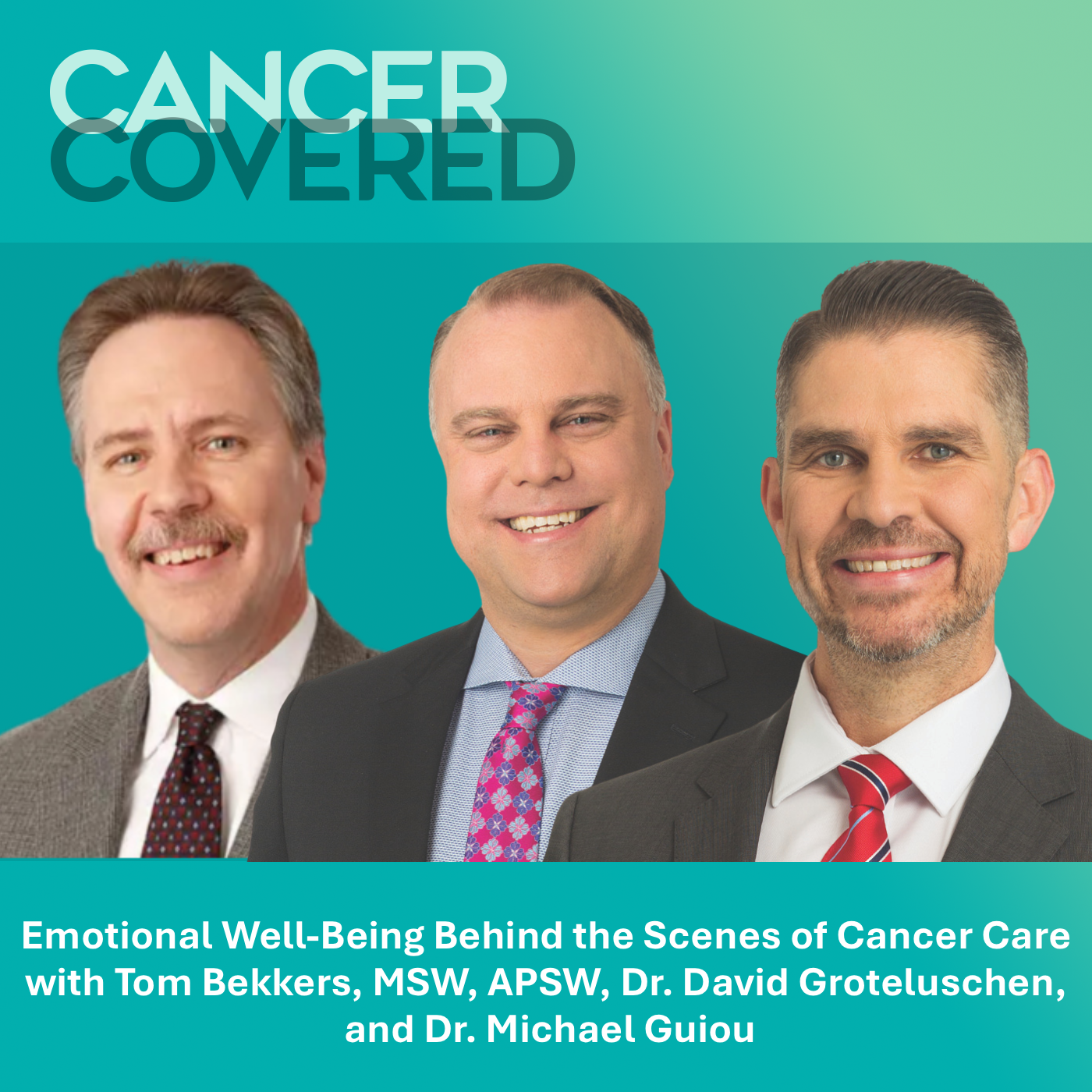
Emotional Well-Being Behind the Scenes of Cancer Care
Dec 2900:10:03Tap to summarizeSocial worker Tom Bekkers joins oncologists Dr. David Groteluschen and Dr. Michael Guiou to peel back the curtain on the emotional weight of cancer care. They explore how the care team supports not only the patients and their families, but also one another, through the most difficult moments of the journey. “Acknowledging that…it takes a special person to work with patients day in and day out… making that an open time or giving them the free time to come and talk… It’s okay to come and share it.” – Tom Bekkers On this episode of Cancer Covered, you’ll learn: The Emotional Weight of Caregiving: An inside look at how doctors and social workers process loss, manage “compassion fatigue,” and the importance of clinical debriefings to ensure the team can continue providing high-quality care. The Provider’s Evolution: Dr. Groteluschen and Dr. Guiou reflect on how their perspective on life and death has matured over time, moving from a feeling of “failure” at a patient’s passing to a focus on providing peace and quality of life. The Importance of Perspective: How working on the front lines of oncology shifts the providers’ personal outlooks, fostering deep gratitude and a commitment to honest communication regarding the goals of care. We’ve Got Cancer…Covered. Thanks for tuning into this week’s Cancer Covered with Green Bay Oncology episode. If you enjoyed this episode, please subscribe and leave a review wherever you get your podcasts. Apple Podcasts | GooglePlay |Deezer | Spotify | iHeart Be sure to share your favorite episodes on social media to help us reach more oncology professionals, cancer patients, and their families. Join us on Facebook, Twitter, Instagram, and LinkedIn. For more exclusive content and information, visit our website. Join Our Free Monthly Support GroupNo one should carry the burden of cancer alone. A cancer diagnosis can make you and your loved ones feel isolated and alone – just when you need support the most.Our social workers at Green Bay Oncology know that meaningful connection brings strength and healing. Sharing the experience in a safe space with others on a similar path is often powerful and therapeutic.That’s why we offer a free monthly virtual and in-person cancer support group facilitated for you and your loved ones. Wherever you are on your cancer journey – you are always welcome. To join us, visit: https://gboncology.com/events/
Transcribe →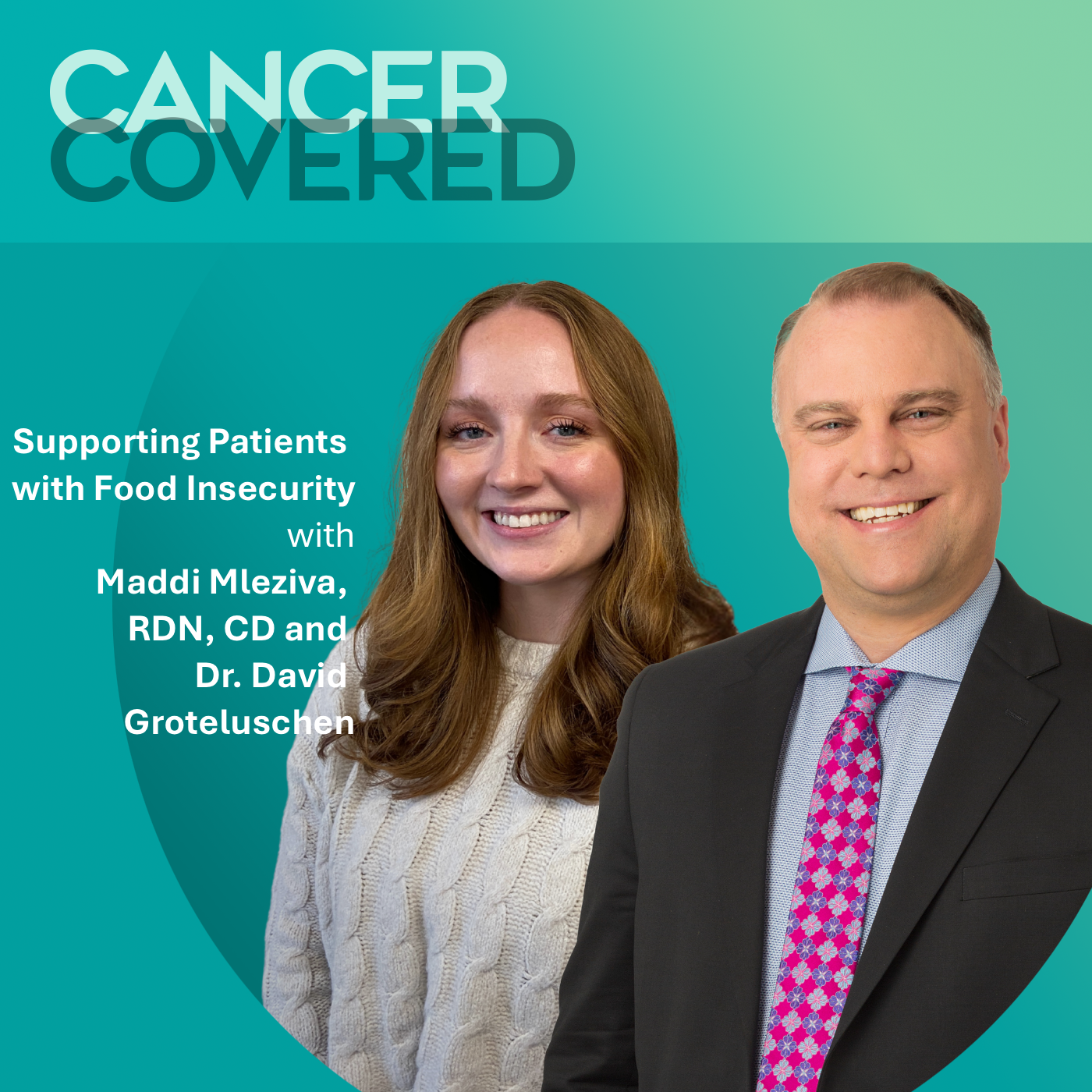
Supporting Patients with Food Insecurity
Dec 1400:38:02Tap to summarizeA cancer diagnosis is more than physical; it requires sufficient nourishment to support the body through treatment and recovery. In this episode, Clinical Dietician Maddi Mleziva joins Oncologist Dr. David Groteluschen to discuss the alarming rate of food insecurity among cancer patients and the collaborative strategies the care team uses to ensure access to vital nutrition. “ Your calorie needs increase pretty significantly with treatment, and that goes in part with the cachexia. Your cells are eating up calories a lot faster because the cancer cells are eating up calories.” – Maddi Mleziva On this episode of Cancer Covered, you’ll learn: The Alarming Reality: Why cancer patients face a significantly higher risk of food insecurity (up to 55%), driven by the staggering economic and social burdens, including the high cost of treatment and potential loss of income. The Nutritional Impact on Treatment: How lack of consistent, nutritious food impairs a patient’s ability to tolerate and recover from treatment, increasing the risk of chemotherapy delays and life-threatening infections due to severe weight loss, or cachexia. Calories Over Perfection: The clinical approach to maximizing a patient’s caloric intake—even with less nutritionally ideal foods like ice cream—when nausea and loss of appetite make eating a challenge, and the importance of families reducing pressure on patients to eat. The Power of Collaboration: How the oncology team—physicians, dieticians, and social workers—collaborate to identify high-risk patients and provide expert, often free, dietary counseling and support, including managing specialized nutritional needs like feeding tubes. Essential Community Resources: A detailed look at the local resources available in Northeast Wisconsin, including food pantries, government aid like SNAP/EBT, Meals on Wheels, and holiday meal programs, all designed to alleviate the emotional and financial burden of food insecurity. We’ve Got Cancer…Covered. Thanks for tuning into this week’s Cancer Covered with Green Bay Oncology episode. If you enjoyed this episode, please subscribe and leave a review wherever you get your podcasts. Apple Podcasts | GooglePlay |Deezer | Spotify | iHeart Be sure to share your favorite episodes on social media to help us reach more oncology professionals, cancer patients, and their families. Join us on Facebook, Twitter, Instagram, and LinkedIn. For more exclusive content and information, visit our website. Join Our Free Monthly Support GroupNo one should carry the burden of cancer alone. A cancer diagnosis can make you and your loved ones feel isolated and alone – just when you need support the most.Our social workers at Green Bay Oncology know that meaningful connection brings strength and healing. Sharing the experience in a safe space with others on a similar path is often powerful and therapeutic.That’s why we offer a free monthly virtual and in-person cancer support group facilitated for you and your loved ones. Wherever you are on your cancer journey – you are always welcome. To join us, visit: https://gboncology.com/events/
Transcribe →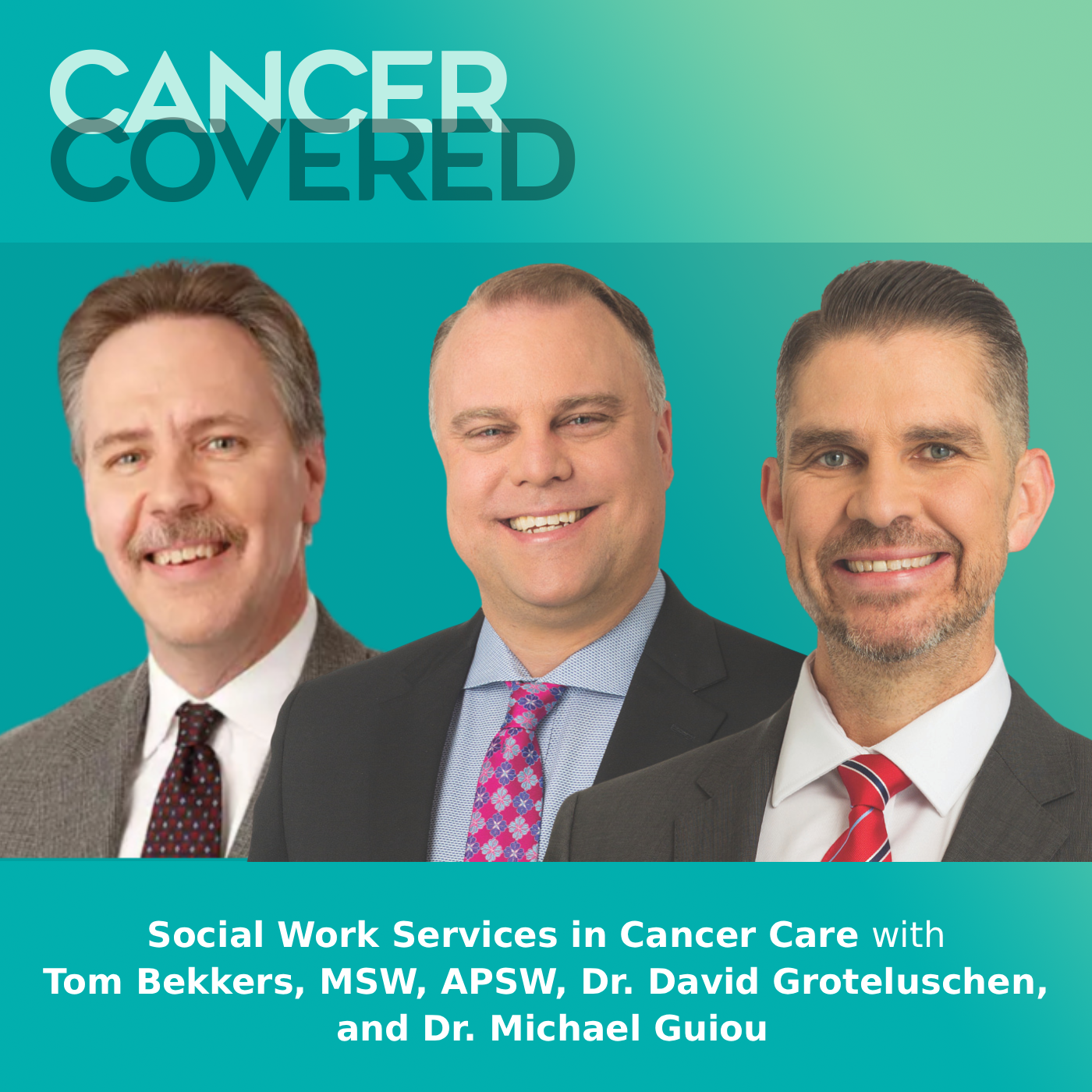
Social Work Services in Cancer Care
Nov 3000:40:39Tap to summarizeA cancer diagnosis is more than physical; it touches every part of a patient’s life. In this vital episode of Cancer Covered, social worker Tom Bekkers joins oncologists Dr. David Groteluschen and Dr. Michael Guiou to discuss the indispensable role of social work in providing comprehensive support for patients and families navigating the emotional, practical, and financial challenges of cancer care. “We address the emotional and psychosocial aspects… Just trying to help give them a chance to feel what they’re feeling and give ‘em permission to experience whatever they’re feeling.” – Tom Bekkers On this episode of Cancer Covered, you’ll learn: The Evolving Role of Emotional Support: How the social worker’s focus shifts across the cancer journey, from dealing with shock and fear at diagnosis, to managing daily challenges during treatment, and finally to addressing goals of care at end-of-life. Why Social Work is Vital for Physicians: The oncologists’ perspective on how social workers enhance care by managing the non-medical side of the equation—including family issues and accessing community resources—which is crucial for treatment success. Control Through Planning: The value of establishing Advanced Directives early, acting as a roadmap for care that ensures a patient’s wishes are known and honored, especially regarding quality of life goals. Community and Hope: The therapeutic benefits of cancer support groups, which break down isolation and offer powerful hope when patients connect with long-term survivors. Navigating Financial Roadblocks: How the care team connects patients with resources to address overwhelming financial anxiety—from insurance concerns and co-pays to transportation needs and month-to-month living expenses. We’ve Got Cancer…Covered. Thanks for tuning into this week’s Cancer Covered with Green Bay Oncology episode. If you enjoyed this episode, please subscribe and leave a review wherever you get your podcasts. Apple Podcasts | GooglePlay |Deezer | Spotify | iHeart Be sure to share your favorite episodes on social media to help us reach more oncology professionals, cancer patients, and their families. Join us on Facebook, Twitter, Instagram, and LinkedIn. For more exclusive content and information, visit our website. Join Our Free Monthly Support GroupNo one should carry the burden of cancer alone. A cancer diagnosis can make you and your loved ones feel isolated and alone – just when you need support the most.Our social workers at Green Bay Oncology know that meaningful connection brings strength and healing. Sharing the experience in a safe space with others on a similar path is often powerful and therapeutic.That’s why we offer a free monthly virtual and in-person cancer support group facilitated for you and your loved ones. Wherever you are on your cancer journey – you are always welcome. To join us, visit: https://gboncology.com/events/
Transcribe →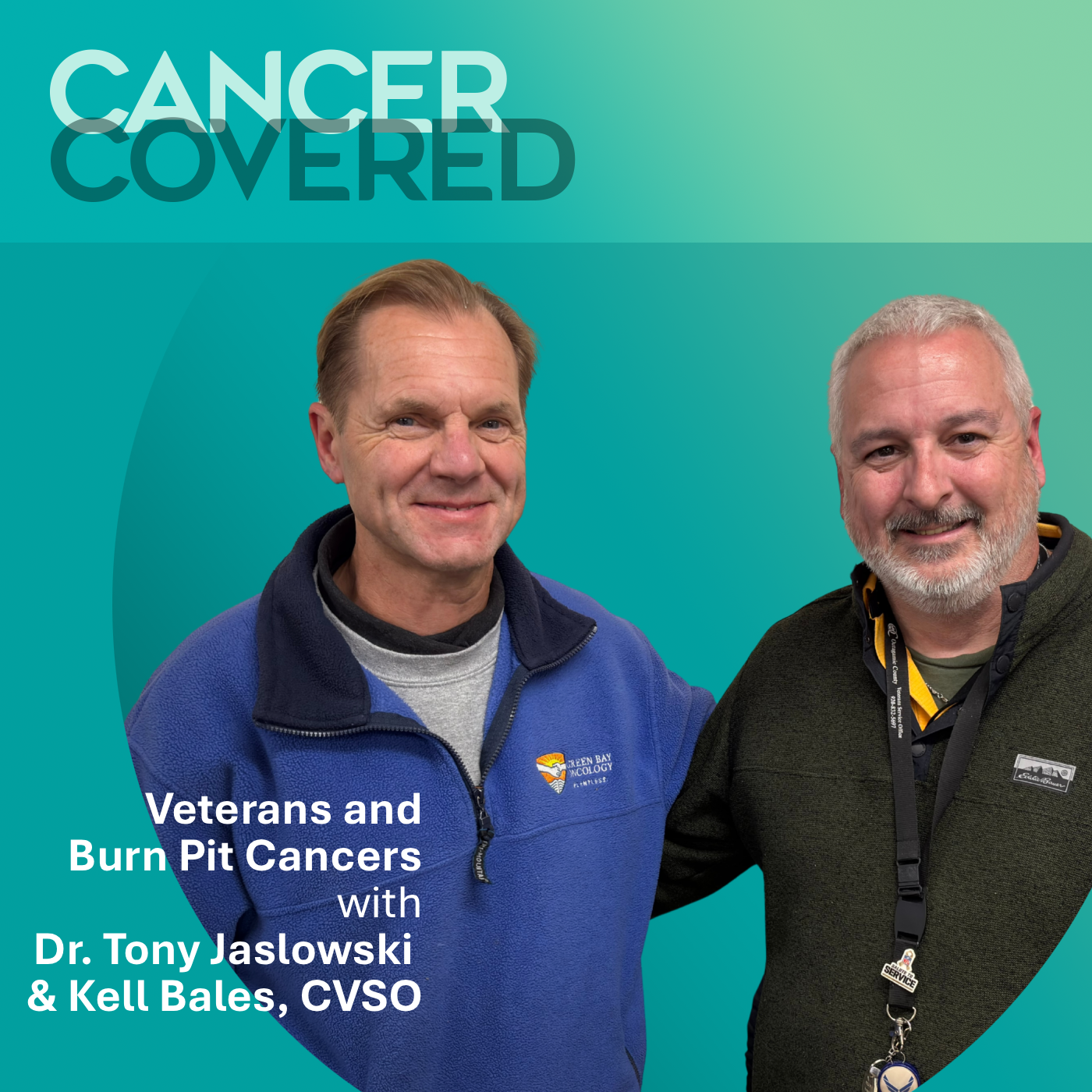
Veterans and Burn Pit Cancers
Nov 1700:35:32Tap to summarizeIn this episode we cover burn pit exposure and cancer that affects many veterans. Medical Oncologist Dr. Tony Jaslowski and Outagamie County Veterans Service Officer (CVSO) Kell Bales discuss the health crisis stemming from military burn pits and the landmark legislation designed to help. The guests break down the extensive use of open-air burn pits used to dispose of everything from trash and fuel to chemicals and medical waste and the subsequent illnesses years later. They then detail the passing of the PACT Act in 2022, a law that significantly expands VA healthcare and benefits for veterans exposed to these toxic substances, explaining what the “presumptive conditions” list means for getting care and why it is critical for veterans, even those who are hesitant, to file a claim. “If you’re not gonna do it for yourself, please consider doing it for your family, for your spouse, for your kids. ‘Cause certain benefit levels will open up new opportunities.” – Kell Bales On this episode of Cancer Covered, you’ll learn: What the inhalation of burn pit smoke and its complex mix of toxins does to the body over time, and the cancers and respiratory illnesses (like lymphomas, kidney cancer, and COPD) believed to be connected. How the PACT Act created “presumptive conditions,” meaning the VA presumes a connection between a diagnosis and service in a burn pit area, simplifying the claims process for veterans. How veterans can enroll in the Burn Pit Registry and VA healthcare, and the difference between receiving care directly from the VA versus through the Community Care program with a local oncologist. Why many veterans are hesitant to file for benefits, and the critical role of the Veterans Service Officer (VSO) in providing free, expert assistance to ensure veterans receive the benefits they’ve earned. How increased documentation and studies spurred by the PACT Act may shape future research and lead to a deeper biological understanding of these cancers, potentially improving treatments. Helpful links to learn more: The PACT Act and your VA benefits: https://www.va.gov/resources/the-pact-act-and-your-va-benefits/ Airborne Hazards and Open Burn Pit Registry: https://www.publichealth.va.gov/exposures/burnpits/registry.asp VA Health Care: https://www.va.gov/health-care/ Find your local VSO Wisconsin: https://wicvso.org/locate-your-cvso-tvso/ Michigan: michigan.gov/mvaa/county-filter-search-locations Nationwide: https://www.nacvso.org/county-veterans-service-officers We’ve Got Cancer…Covered. Thanks for tuning into this week’s Cancer Covered with Green Bay Oncology episode. If you enjoyed this episode, please subscribe and leave a review wherever you get your podcasts. Apple Podcasts | GooglePlay |Deezer | Spotify | iHeart Be sure to share your favorite episodes on social media to help us reach more oncology professionals, cancer patients, and their families. Join us on Facebook, Twitter, Instagram, and LinkedIn. For more exclusive content and information, visit our website. Join Our Free Monthly Support GroupNo one should carry the burden of cancer alone. A cancer diagnosis can make you and your loved ones feel isolated and alone – just when you need support the most.Our social workers at Green Bay Oncology know that meaningful connection brings strength and healing. Sharing the experience in a safe space with others on a similar path is often powerful and therapeutic.That’s why we offer a free monthly virtual and in-person cancer support group facilitated for you and your loved ones. Wherever you are on your cancer journey – you are always welcome. To join us, visit: https://gboncology.com/events/
Transcribe →