Podcast
Catholic Daily Reflections
Hosted by My Catholic Life! · EN
My Catholic Life! presents the beauty and splendor of our Catholic faith in a down to earth and practical way. These daily audio reflections come from the "Catholic Daily Reflections Series" which is available in online format from our website. They are also available in e eBook or paperback format.
May these reflections assist you on your journey of personal conversion!
May these reflections assist you on your journey of personal conversion!
162episodes
Episodes
Newest firstAll episodes
Thursday of the Fourteenth Week in Ordinary Time - An Ever Deepening Mission
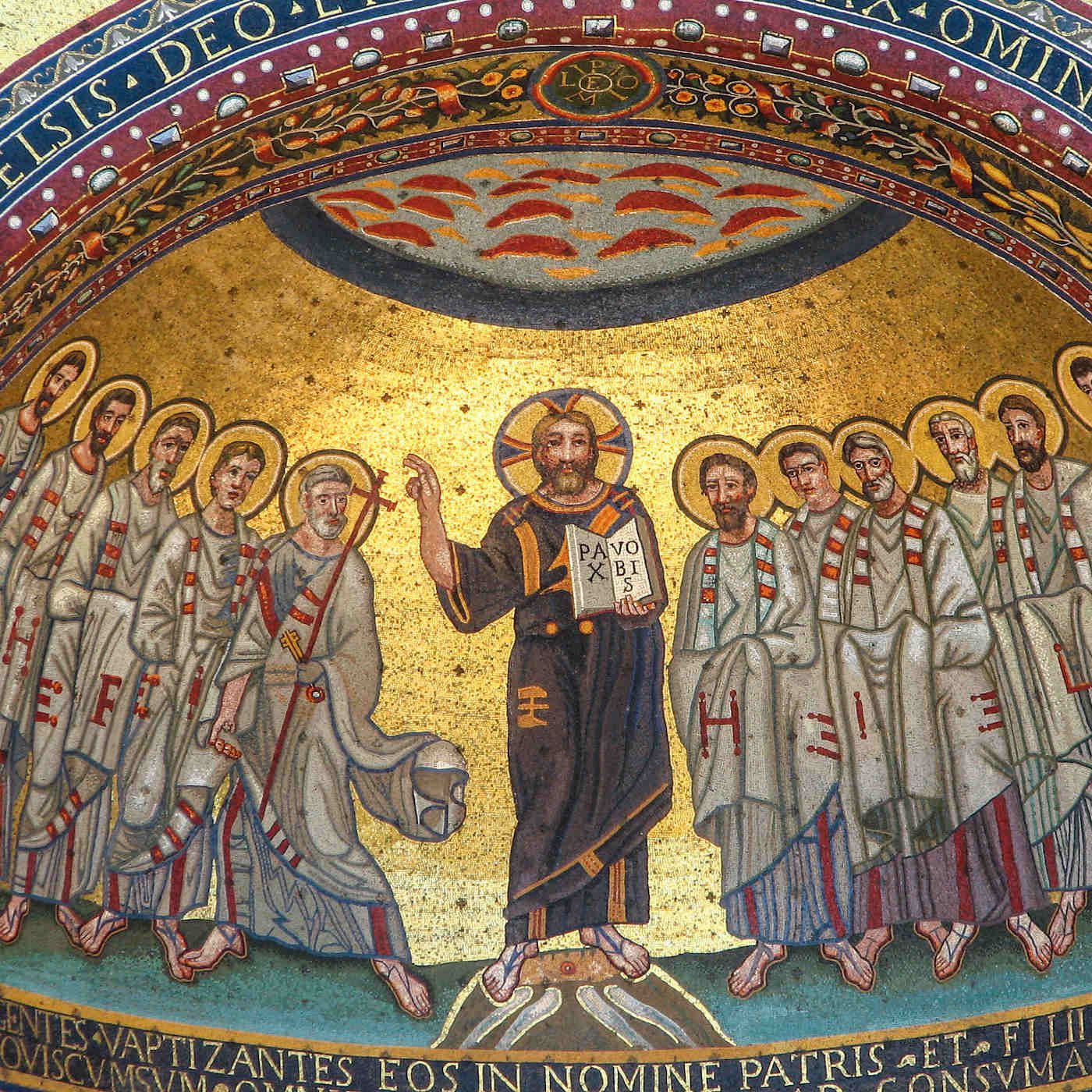
Jul 800:07:21Tap to summarizeRead OnlineJesus said to his Apostles: “As you go, make this proclamation: ‘The Kingdom of heaven is at hand.’ Cure the sick, raise the dead, cleanse the lepers, drive out demons. Without cost you have received; without cost you are to give.” Matthew 10:7–8And they were off! After choosing Twelve of His disciples and naming them Apostles—that is, those who are sent—Jesus sends them out, two by two, into the towns and villages of Israel, places where He Himself would later come. They go before Him, preparing hearts to receive the fullness of the Gospel when the Lord Himself arrives.At this stage, their mission is directed solely “to the lost sheep of the house of Israel” (Matthew 10:6). They are not to go into pagan or Samaritan regions—not yet. Only after the Passion, Resurrection, and the outpouring of the Holy Spirit at Pentecost will they go to the ends of the earth, empowered to “make disciples of all nations” (Matthew 28:19). This first mission, therefore, is a foretaste—a seed of the universal mission that will blossom in the early Church and continue through missionary efforts today.In this twofold sending—first to Israel, then to all nations—we glimpse the pattern of the spiritual life: God first works inwardly, forming and healing the soul, and then sends it outward in love. Our evangelization must arise from an interior communion with Christ, deepened by grace and empowered by the Holy Spirit. Just as the Apostles could not be sent to the world until Pentecost, neither can we bear lasting fruit unless we, too, are first transformed by His Spirit.Consider this twofold process in your life. The Apostles’ first mission can be likened to our calling to witness to the faith within our homes—to spouses, children, relatives, and close friends. But just as the Twelve had to be formed by Christ before proclaiming His Kingdom, we, too, must be formed in the school of grace. The Apostles were first called, taught, shown signs and wonders, drawn to deeper faith, and only then prepared for this first mission.Likewise, before we can effectively evangelize even within our families, our own conversion must be sincere. For example, parents hand on the faith to their children not merely by teaching doctrine, but by living a faith that is visibly alive. Daily prayer, faithful attendance at Mass, and a genuine love for Christ in the home form the atmosphere in which grace can flourish. This must flow from an interior transformation—similar to the Apostles, who left everything to follow Jesus and were gradually conformed to His mind and heart.That the Apostles were sufficiently prepared to proclaim the Kingdom is evident in Jesus’ words as He sends them forth. To “cure the sick, raise the dead, cleanse the lepers, drive out demons,” and to give freely what they themselves had received, reveals that they had already been entrusted with much. Their transformation was not yet complete, but it was real. And Christ, knowing their weaknesses, still entrusted them with His power—because their hearts were open and receptive to grace.So it is with us. Unless we allow Christ to heal, instruct, and sanctify us—unless we live in daily communion with Him—we will struggle to pass on the faith, even to those closest to us. Evangelization does not begin with strategies or words, but with lives deeply conformed to Christ. Only then will we be able to proclaim, with credibility and power, that the Kingdom of Heaven is at hand. Reflect today on this first mission upon which Jesus sent His Apostles. See in their example your own calling: to be formed interiorly by grace so that you become a living witness to the Kingdom of God within you. Begin with those closest to you and, from there, remain attentive to the ways the Holy Spirit leads you to bring the Gospel even farther. As with the Apostles, trust that your response to grace will bear fruit in ways fully known only to God.My Lord and King, You desire that Your Kingdom be proclaimed to the ends of the earth. Please first establish Your Kingdom in my soul, conforming me to Your reign. From there, please use me as an instrument of Your grace for those closest to me and to all to whom You wish to send me. Jesus, I trust in You. Image: Jesus blesses the Apostolic College by Lawrence OP, CC BY-NC-ND 2.0.Source: Free RSS feed from catholic-daily-reflections.com — Copyright © 2026 My Catholic Life! Inc. All rights reserved. This content is provided solely for personal, non-commercial use. Redistribution, republication, or commercial use — including use within apps with advertising — is strictly prohibited without written permission.
Transcribe →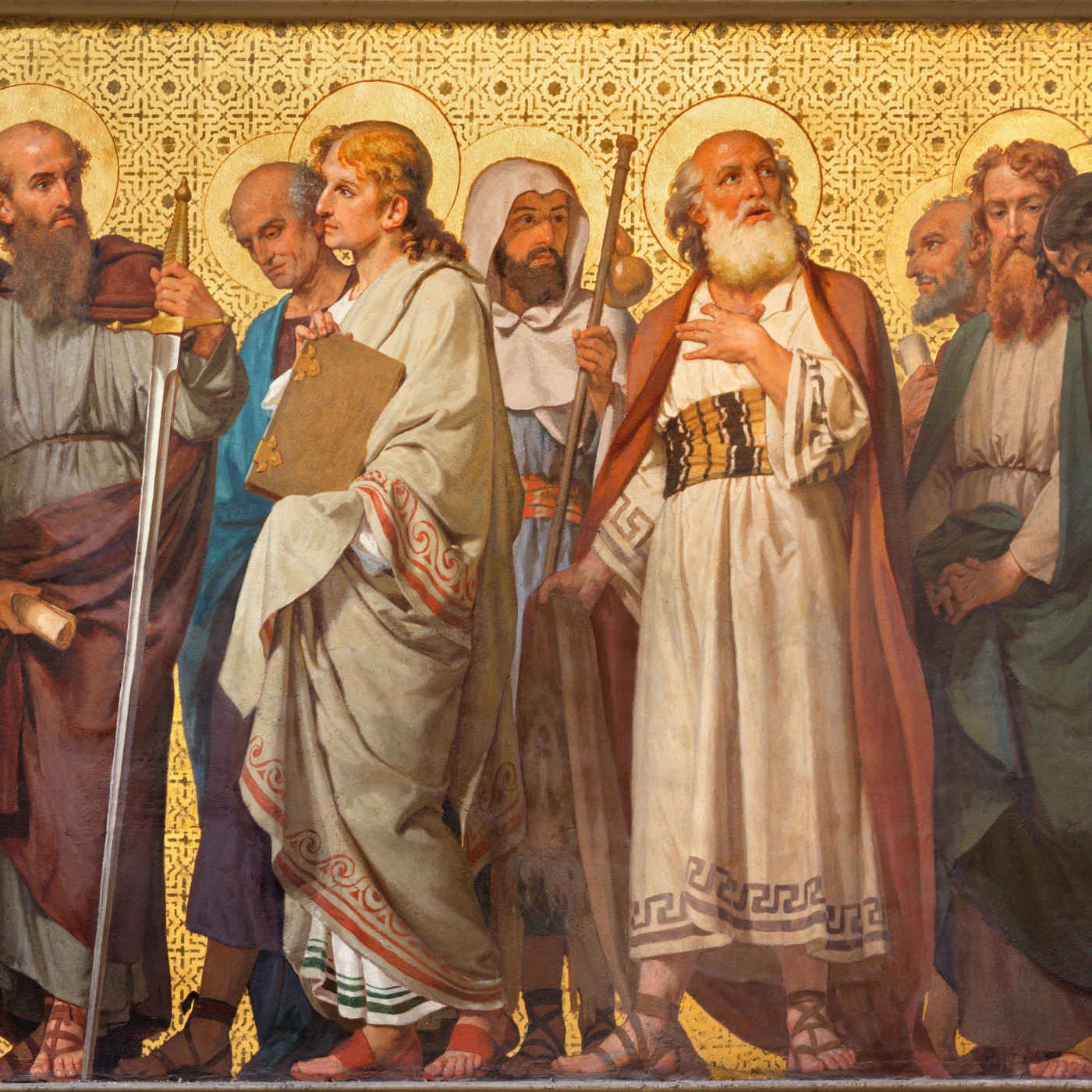
Wednesday of the Fourteenth Week in Ordinary Time - Chosen and Sent
Jul 700:07:01Tap to summarizeRead OnlineChosen and SentJesus summoned his Twelve disciples and gave them authority over unclean spirits to drive them out and to cure every disease and every illness. The names of the Twelve Apostles are these… Matthew 10:1–2Imagine being one of the Twelve. When each of them first encountered our Lord, he could never have imagined what would unfold. Eleven of them would become the foundation upon which the Messiah built His Church. Their words and actions have been recorded and proclaimed throughout the world and will continue to be until the end of time. By God’s will, they preached far and wide with divine authority. They celebrated the Holy Eucharist, transforming mere bread and wine into the Most Holy Body and Blood, Soul and Divinity, of the Lamb of God. Through the laying on of hands, they imparted the Holy Spirit in fullness. They worked miracles in Jesus’ name, and most of them bore final witness to Christ by the shedding of their blood.The reason their lives were so fruitful for God’s Kingdom is because they were chosen and sent by the Son of God. It was not their idea. They didn’t construct their own plan for eternal salvation. They did not map out their futures and execute a vision according to their own will. Instead, they felt the gravity of the mission for which they were chosen and acted when sent by the Savior. Their obedience to the divine will opened the floodgates of Divine Mercy, and grace poured forth upon the world.When you consider your own life, what are your goals and ambitions? What plans have you made for the future? If we want to imitate the fruitfulness of the Apostles, then we are invited to discern for what God has chosen us and to be prepared to respond with generous obedience when He sends us.It’s easy to come up with our own plans in life. We might want to save up money, succeed at work, have a family, form friendships, retire at a certain age, and enjoy many good things. Though all these can be good and might well be part of God’s plan, we must not presume upon His will. With humility, we must continually seek His guidance, remain open to His promptings, and surrender our plans to the providence of the One who knows what will truly bear fruit for eternity.Reflecting on the radical change of life to which Jesus called the Twelve invites us to consider whether Jesus also desires a radical change in our own lives. Certainly, some aspects of our lives are good and holy. If married with children, God’s will surely includes loving and caring for one’s family. Within every vocation, however, there are ways in which we might be called to a new depth of conversion—a radical life of loving, serving, and building the Kingdom of God in ways we never imagined possible.By analogy, consider a person living in poverty who suddenly wins the largest lottery in history. Imagine, further, that the person is quite worldly. Such a fortune would radically change the direction of that person’s life—likely not for the better.Though God does not promise us a material fortune, He desires to bestow upon us supernatural treasure of infinitely greater value. His Mercy is abundant—described by the saints as an ocean, vast and unfathomable, waiting to be poured out in its fullness upon all of creation. Through prayer and conversion, we open the floodgates, and God begins lavishing upon us the priceless treasure of grace. When this happens, our lives change—because God chooses us and then sends us on ever new and glorious missions.Reflect today on the spiritual truth that God has chosen you for some holy and sacred mission. It might not be glorious in the eyes of the world, but it will be glorious in Heaven. Be open. Beg for His grace. Accept your mission. Go wherever He sends you, knowing that you cannot, now, fathom all that God has in store for you. Most glorious God, You have chosen me for some definite purpose. You have called me by name and desire to send me forth to build up Your Kingdom on earth. I accept my calling and open myself to the abundance of grace You wish to bestow so that I may fulfill Your perfect will, doing unfathomable good for Your Kingdom to come. Jesus, I trust in You. Image: Twelve apostles in church Chiesa di San Dalmazzo, by Enrico ReffoSource: Free RSS feed from divinemercy.life — Copyright © 2026 My Catholic Life! Inc. All rights reserved. This content is provided solely for personal, non-commercial use. Redistribution, republication, or commercial use — including use within apps with advertising — is strictly prohibited without written permission.
Transcribe →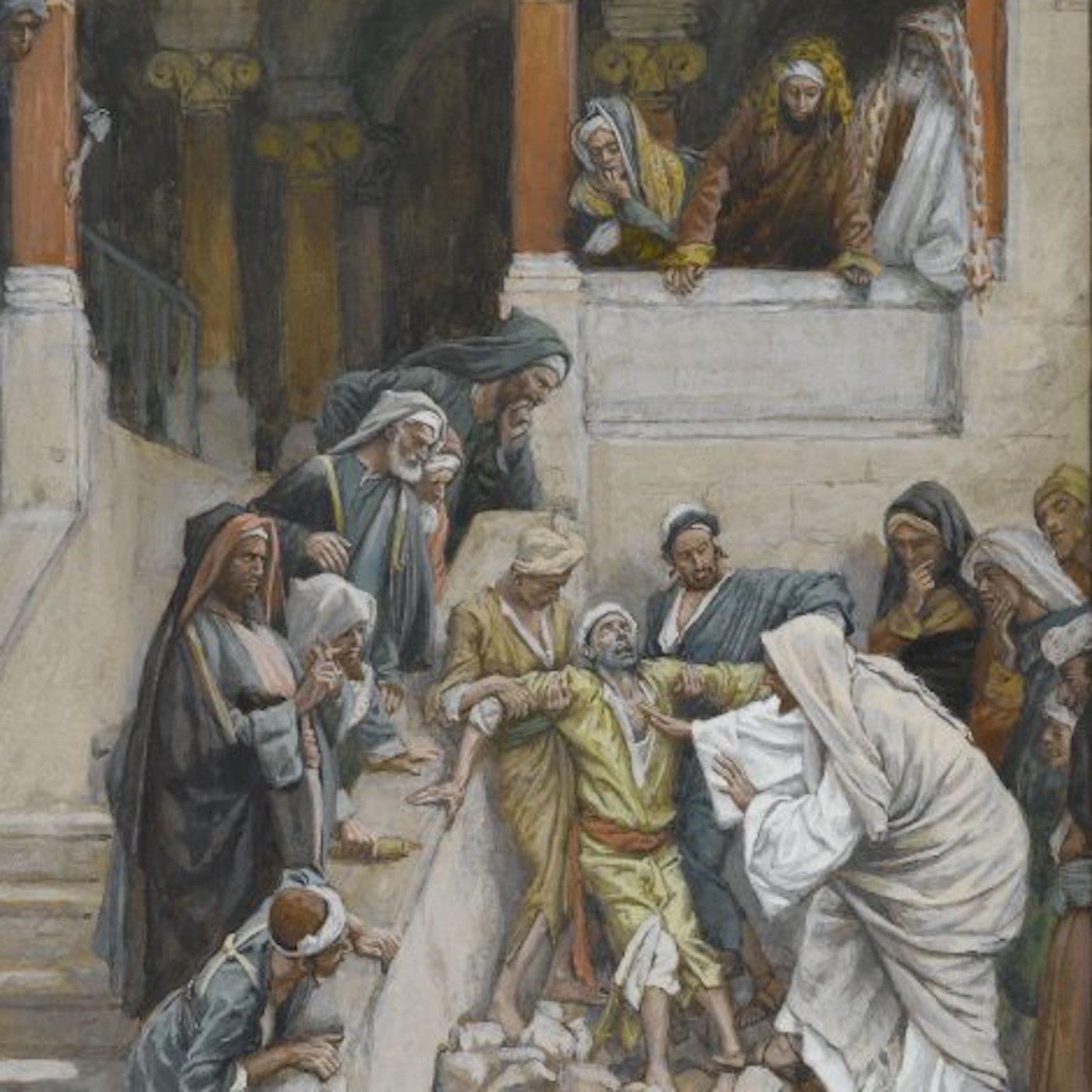
Tuesday of the Fourteenth Week in Ordinary Time - The Words We Speak
Jul 600:07:11Tap to summarizeRead OnlineThe Words We SpeakA demoniac who could not speak was brought to Jesus, and when the demon was driven out the mute man spoke. The crowds were amazed and said, “Nothing like this has ever been seen in Israel.” Matthew 9:32–33Imagine being unable to speak. You could not tell your loved ones about your day, share your hopes, joys, or sorrows. The result would be deep isolation and loneliness, the plague afflicting this demoniac.Metaphorically speaking, this demoniac symbolizes us when we do not have the words to properly express ourselves to another or to God. Our “muteness” is often the result of confused thinking by which we fail to understand ourselves in the light of God’s Eternal Truth. Spiritual muteness is akin to speaking empty words that have no root in divine wisdom. We may speak much, but if our hearts are not attuned to God, our words become noise rather than prayer, reaction rather than revelation, or ramblings rather than the sincere sharing of our hearts.What does it mean to truly communicate with another? It’s not the multiplication of words, speaking over another, winning an argument, or showcasing yourself and your ideas for others to see. True communication begins with the truth—God’s Truth—alive within our souls. When that happens, when our minds are elevated by the gift of faith and our hearts are perfected by divine wisdom, our words become meaningful. When we speak, whether we say much or little, we do more than express words or ideas—we express ourselves, our union with God, our love for others, and the charity God places within us.Ultimately, words are meant to serve the building up of God’s Kingdom. Even mundane communications, such as “What would you like for dinner tonight?” can be spoken in a way that builds God’s Kingdom. But just as words can be vessels of grace, they can also become instruments of harm. When they are spoken in self-centeredness, anger, or gossip, they tear down rather than build up, and inflict damage on God’s Kingdom.In today’s Gospel, we are invited to see the demoniac as a symbol of the times when we speak empty or even harmful words rather than God’s Word. When we speak God’s Word, even in casual speech, we express God’s love as it radiates within our souls. A gentle encouragement, a consoling question about another’s day, a sharing of a joyful encounter, or any other expression of God’s love shining through our human heart is the communication we must strive for.By literally driving the demon out of the man, Jesus gave witness to His divine power and freed the man from his spiritual affliction. When the Word made flesh casts out the demon and the man speaks, it is more than a miracle of speech—it is a restoration of identity. Christ, the Eternal Word, restores human language to its sacred purpose: to give voice to truth, to unite persons in love, and above all, to glorify God.Continuing the metaphor, Jesus also wants to drive out the muteness within us—that is, our sin and every evil temptation to speak empty or damaging words instead of expressing divine truth with charity. Spiritual muteness becomes most deafening when our words echo the evil one’s lies and temptations.When we allow Christ to purify our hearts and minds, He also loosens our tongues. He gives us the grace to pray with authenticity, to speak with clarity, and to witness with courage. This is the fruit of true deliverance—we are freed from evil and empowered for communion.Reflect today on the astonishment of the crowd who cried out, “Nothing like this has ever been seen in Israel!” When God frees us from the burden of empty or harmful speech, our natural response will be astonishment and praise. We are made to express love and truth and to share our lives with others within that love and truth. When this happens, we realize the muteness with which we previously struggled and delight in the freedom we attain.Eternal Word of the Father, speak into the silence of my heart. Drive out all confusion, fear, and sin that renders me mute before You. Heal my soul, loosen my tongue, and teach me to speak Your truth in love. May I never be afraid to proclaim Your goodness, build others up, and strengthen Your Kingdom by giving glory to Your holy Name. Jesus, I trust in You. Image: The Blind and Mute Man Possessed by Devils, by James TissotSource: Free RSS feed from divinemercy.life — Copyright © 2026 My Catholic Life! Inc. All rights reserved. This content is provided solely for personal, non-commercial use. Redistribution, republication, or commercial use — including use within apps with advertising — is strictly prohibited without written permission.
Transcribe →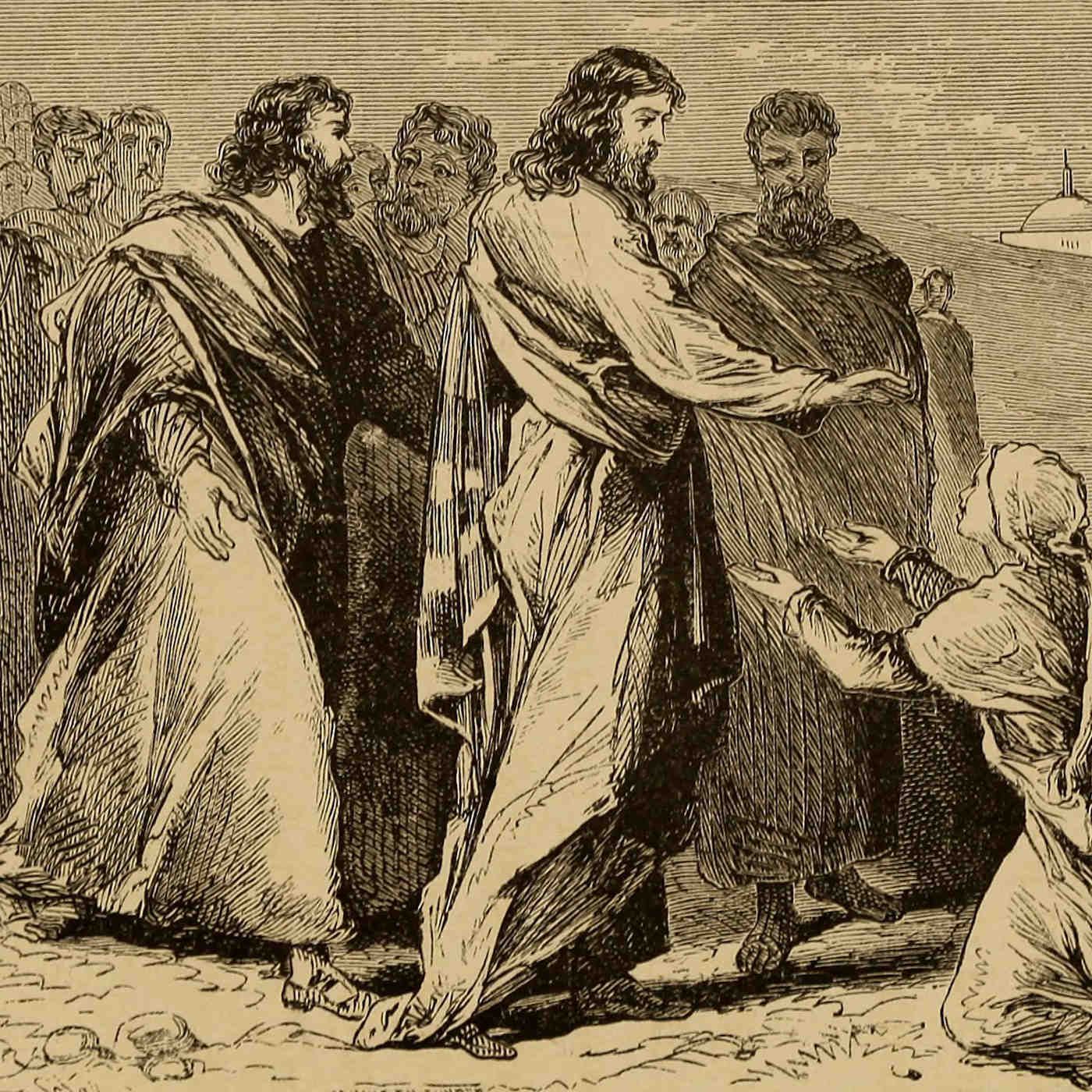
Monday of the Fourteenth Week in Ordinary Time - Responding to Suffering
Jul 500:07:04Tap to summarizeRead OnlineResponding to SufferingWhile Jesus was speaking, an official came forward, knelt down before him, and said, “My daughter has just died. But come, lay your hand on her, and she will live.” Jesus rose and followed him, and so did his disciples. A woman suffering hemorrhages for twelve years came up behind him and touched the tassel on his cloak. She said to herself, “If only I can touch his cloak, I shall be cured.” Matthew 9:18–21Call to mind one of the most painful and difficult moments in your life. Perhaps you endured a serious illness or the illness of a loved one. Perhaps you suffered a deep humiliation or walked with someone close to you through his or her humiliation. Maybe you lost a job, faced mounting bills, and felt helpless. Suffering comes in many forms, and God only permits such trials because, in His wisdom, He perceives a greater good that can come through our patient endurance—if we place all our hope and trust in Him.In today’s Gospel, we meet two unrelated individuals, each burdened with intense suffering. First, a father kneels before Jesus and sorrowfully announces that his daughter has just died. In a remarkable act of faith, he pleads with Jesus to come and lay His hand on her, confident that she will live again. As Jesus proceeds with him, a woman who has suffered silently for twelve years from a hemorrhage approaches from behind and touches the tassel of His cloak, believing that even such a simple act will bring her healing.The sudden death of a beloved daughter and twelve years of physical and emotional anguish are heavy crosses. Though our own trials may differ, we are invited to see ourselves in both of these suffering souls, especially during times of great hardship.The grieving father likely also felt powerlessness. He who had lovingly provided for his daughter from birth—feeding her, protecting her, guiding her—now stands helpless before death, a force he cannot overcome. Or so it seems.The woman with hemorrhages suffered both the physical toll of her affliction and also the social and spiritual isolation imposed by the Mosaic Law. According to Levitical law, her continual bleeding rendered her ritually unclean and cut her off from public worship and communal life. Because her bleeding was constant, so too was her separation—a painful, unending exile. There was nothing she could do to fix her condition. Or was there?In the face of suffering, each of us must choose: Either we turn to God in radical faith and surrender, or we fall into despair, resentment, and rebellion. Suffering rarely leaves us indifferent—it either purifies or hardens the heart. That is why every trial poses a question to us: Will I respond in faith or retreat into bitterness?Both of these suffering souls refused to surrender to despair. Instead, they turned to Jesus with bold and humble faith—one publicly kneeling, the other quietly reaching out. In both cases, their trust was met with Divine Mercy.What the Mosaic Law deemed unclean, Jesus welcomed and restored. He is not defiled by the woman’s touch—He makes her clean. In this, Christ reveals that He is the fulfillment of the Law, the source of every true healing, especially the healing that comes through the Sacraments. In the Eucharist, Reconciliation, and Anointing of the Sick, we too may “touch His garment,” and receive the grace that restores what is broken. Reflect today on the consoling truth that no suffering is too deep, no exile too long, no loss too final for Christ. Whether your wounds are fresh or old, whether you can cry out or can only whisper a prayer in silence, reach for Him. Kneel before Him. Touch the hem of His garment in faith through prayer, the Sacraments, and trustful surrender. He will not turn away. He sees your pain, and if you let Him, He will enter into it, speak words of courage, and raise you up.My empathetic Lord, You see the sufferings of Your people, and Your Heart is moved with compassion for us. When trials arise in my life, help me to see them as gifts—opportunities to step out of my indifference and trust wholeheartedly in You. I believe that You will never permit me to endure anything for which Your grace is not sufficient. Jesus, I do trust in You.Image: Around the tea-table, by Thomas De Witt)Source: Free RSS feed from catholic-daily-reflections.com — Copyright © 2026 My Catholic Life! Inc. All rights reserved. This content is provided solely for personal, non-commercial use. Redistribution, republication, or commercial use — including use within apps with advertising — is strictly prohibited without written permission.
Transcribe →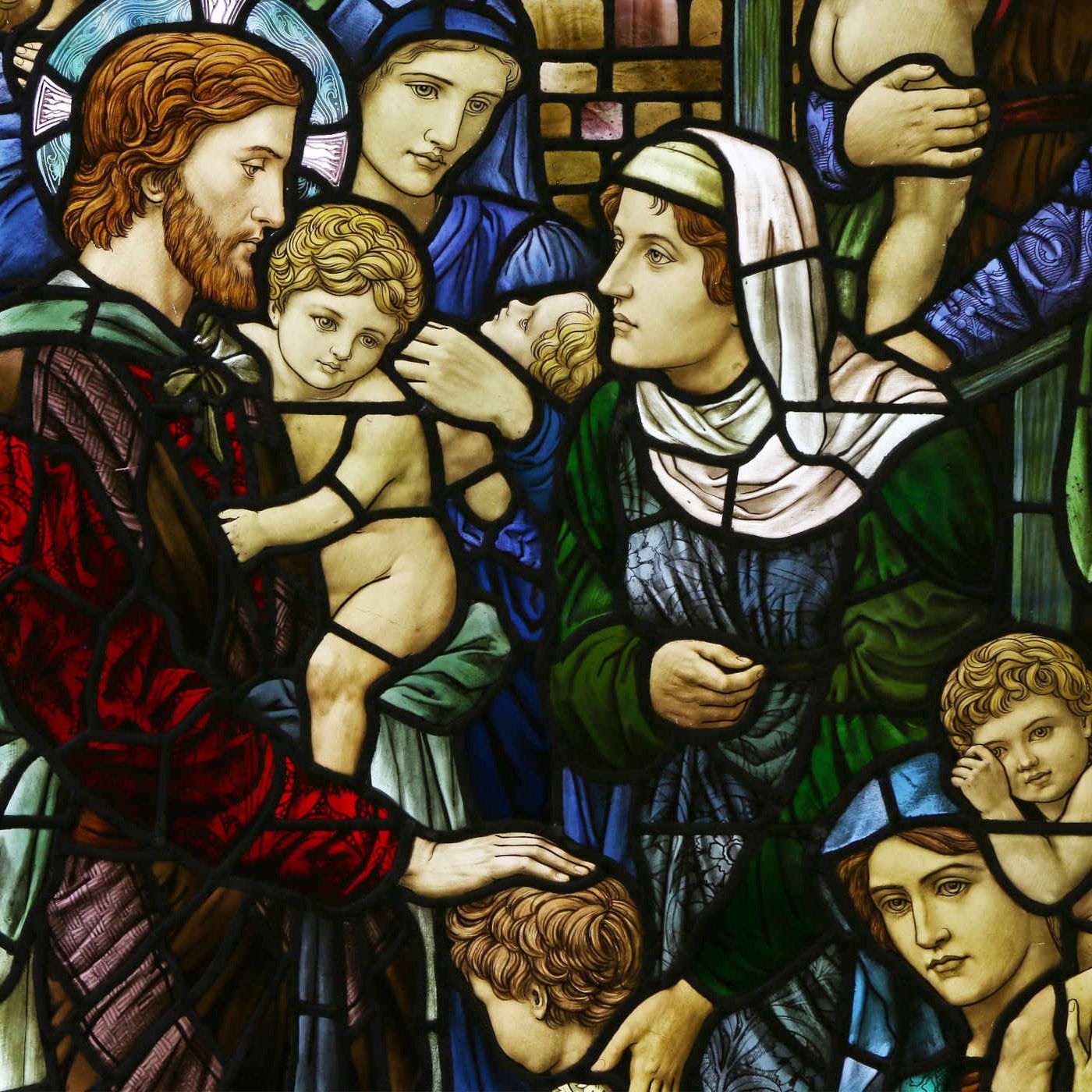
Fourteenth Sunday in Ordinary Time (Year A) - Praying to the Father in the Son
Jul 400:06:45Tap to summarizeRead OnlinePraying to the Father in the SonAt that time Jesus exclaimed: “I give praise to you, Father, Lord of heaven and earth, for although you have hidden these things from the wise and the learned you have revealed them to little ones. Yes, Father, such has been your gracious will. All things have been handed over to me by my Father. No one knows the Son except the Father, and no one knows the Father except the Son and anyone to whom the Son wishes to reveal him.” Matthew 11:25–27This passage beautifully summarizes the entire Christian life—the life to which we are called and in which we find our purpose, meaning, and ultimate fulfillment. Jesus begins by offering praise to the “Father, Lord of heaven and earth.” Though Jesus Himself is fully God, “one in being with the Father”—co-eternal and consubstantial—He nevertheless offers praise to the Father.In the original Greek, the phrase “I give praise to you…” (exomologoumai) indicates an open, public, and full acknowledgment by the Son of the Father’s sovereignty and gracious will. The Father is the All-Powerful Lord of all that exists—everything in the heavens and on earth. Jesus expresses this fundamental stance toward the Father for two reasons: first, because it is eternally true; and second, so that we might humble ourselves and join Him in praying the same prayer—through, with, and in Jesus.This prayer closely parallels the opening of the Lord’s Prayer (the “Our Father”), because both begin with a direct acknowledgment and praise of the Father’s holiness and sovereignty. The Lord’s Prayer is the perfect prayer precisely because it was given to us by Jesus Himself. After addressing the Father, it presents seven petitions. According to Saints Thomas Aquinas and Augustine, the first two petitions—“hallowed be Thy name” and “Thy Kingdom come”—reveal the central purpose of our lives: to glorify God eternally and to be caught up in, and actively participate in that glory by becoming full members of His Kingdom. In today’s prayer, Jesus says “these things” have been revealed “to little ones” and that the Son can choose to reveal the Father to whom He wishes.We are drawn into Jesus’ prayer and intimate relationship with the Father precisely when Jesus reveals the Father to us: “No one knows the Father except the Son and anyone to whom the Son wishes to reveal him.” Because Jesus deeply desires that we come to know and love the Father with the same love He has for Him, His prayer continues by gently inviting us—especially when burdened by weariness, weakness, or sin—to lay our burdens down before His merciful power and glory: “Come to me, all you who labor and are burdened, and I will give you rest” (Matthew 11:28).This tender invitation reveals Jesus’ deepest desire for us: that we would enter into His love for the Father, share intimately in the union between Father and Son, and thus magnify and glorify the Most Holy Trinity—not only in our earthly journey but eternally in Heaven. Indeed, what a sublime and glorious calling we have received!Reflect today upon this beautiful prayer, knowing in your heart that Jesus Himself invites you to pray it with Him, through Him, and in Him. He longs for His voice to resonate within your voice, His love to beat within your heart, and His holy desires to shape your own. Turn your gaze toward the Father—He who is both the Source and ultimate goal of your existence—and strive lovingly and humbly to accomplish all things according to His gracious and holy will.Our Father, You who dwell in the heavens and within the souls of Your sanctified ones, may Your eternal essence, Your holy Name—the One who was, who is, and who is to come, the Great I AM—be honored, praised, and glorified forever. May this glorification shine forth in my life and in the lives of all Your faithful, as we await with joyful hope the return in glory of Your Son, Jesus our Savior, when You, together with Him and the Holy Spirit, will establish the New Heavens and the New Earth. Jesus, I trust in You.Image: Christ with Children by Lawrence OP, CC BY-NC-ND 2.0.Source: Free RSS feed from catholic-daily-reflections.com — Copyright © 2026 My Catholic Life! Inc. All rights reserved. This content is provided solely for personal, non-commercial use. Redistribution, republication, or commercial use — including use within apps with advertising — is strictly prohibited without written permission.
Transcribe →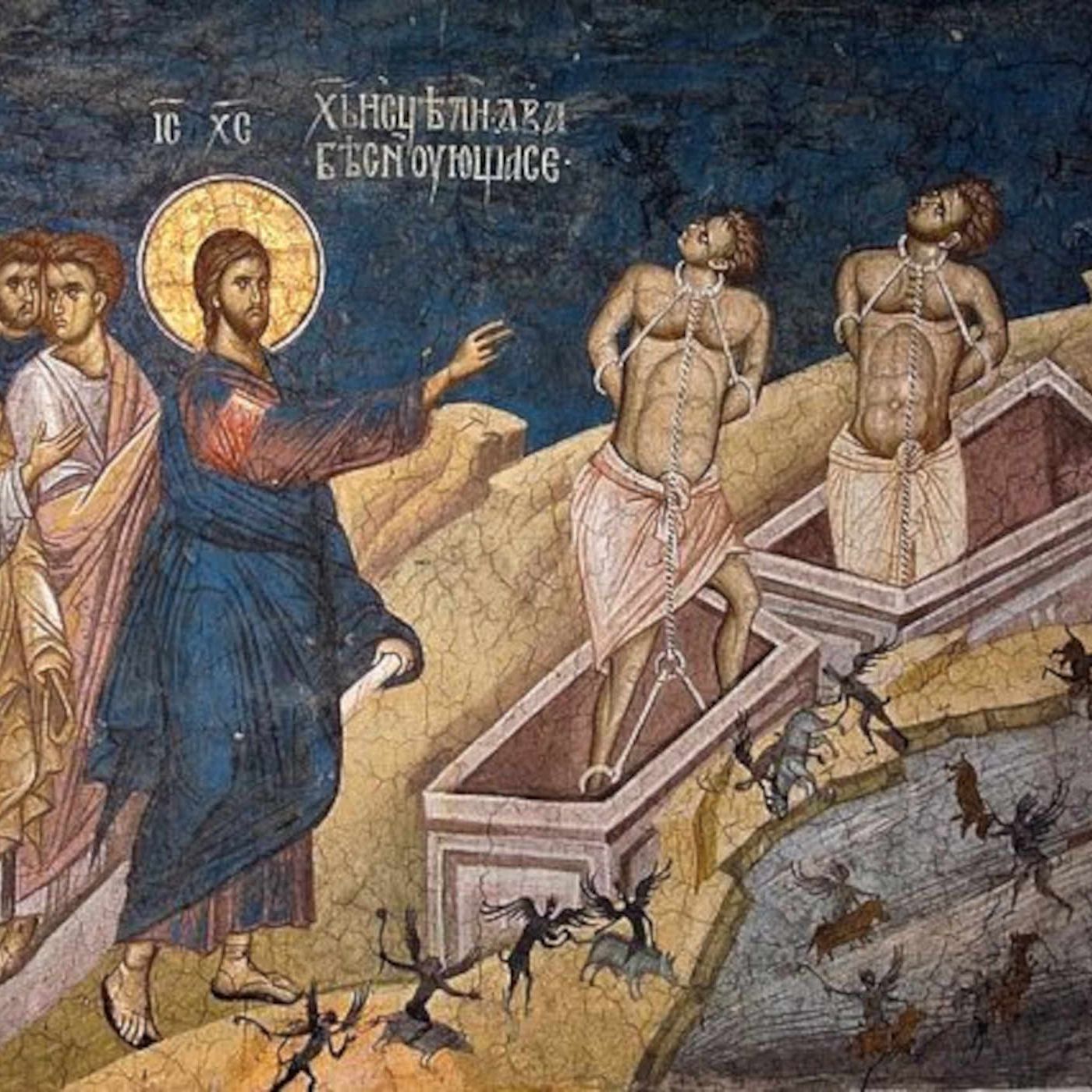
Wednesday of the Thirteenth Week in Ordinary Time - Being Set Free!
Jun 3000:07:21Tap to summarizeRead OnlineWhen Jesus came to the territory of the Gadarenes, two demoniacs who were coming from the tombs met him. They were so savage that no one could travel by that road. They cried out, “What have you to do with us, Son of God? Have you come here to torment us before the appointed time?” Matthew 8:28–29After delivering His Sermon on the Mount and performing many miracles among His own people, Jesus intentionally journeys across the Sea of Galilee into Gentile territory—the region of the Gadarenes, near Gadara, a town within the pagan Decapolis. His choice underscores His mission to extend salvation beyond Israel.The location where Jesus and His disciples arrived was no accident. It was a desolate area filled with tombs, symbols of death, impurity, and spiritual desolation. According to Jewish law, contact with graves rendered one ritually unclean (cf. Numbers 19:16). Spiritually, these tombs vividly illustrate the isolation, emptiness, and lifelessness that sin imposes upon the human soul.The note that the demoniacs “were so savage that no one could travel by that road” further reveals the effects of grave sin. Evil seeks dominance and destruction; it isolates, destroys relationships, and makes peaceful coexistence impossible. This passage reflects the devastating consequences of allowing evil to reign unchecked within one’s soul: It becomes uncontrollable, violent, and destructive. Evil never leads to peace, but rather to chaos, isolation, and fear.By entering into this territory, our Lord reveals His willingness to enter the isolation and desolation we all experience due to sin and every evil attack. He comes to us precisely when we are at our worst, most vulnerable, to set us free from the grip of the evil one and from all of his destructive works.When these two men see Jesus, the demons possessing them immediately recognize Him as the Son of God and acknowledge His authority over them. Their recognition raises an important spiritual question for each of us: Do I also recognize Christ’s presence in my life? Am I aware of His divine authority over sin and evil, and do I trust in His desire and power to set me free? When the demons ask Jesus, “Have you come here to torment us before the appointed time?”, they reveal their full knowledge of their ultimate fate: eternal damnation. They understood this clearly because, even after their fall, demons retain their natural angelic powers. Among these powers is their exceptional intelligence and their capacity to tempt humans by subtly suggesting deceptive thoughts, drawing us persistently away from God’s truth.Because demons know their eternal fate with clarity, they seek to use their intellect and suggestive powers to lead us into the very despair they themselves experience. They have no hope of eternal life. Out of their hatred for God and humanity, they attempt to conform us to their hopelessness, convincing us that we cannot escape sin, that hope is lost, and that we are doomed to misery.Only our Lord can shatter these demonic lies. Only Christ can break the chains of despair, isolation, and sin. By setting these two demoniacs free, Jesus illustrates His deep longing to do the same for us. By demonstrating His authority over the most severe effects of evil, Jesus reveals His absolute authority over every evil we encounter: every sin, temptation, oppressive thought, confusion, and especially despair.Reflect today on Jesus’ choice to cross the Sea of Galilee for the sole purpose of setting these two demoniacs free from their oppression. Our Lord journeys to you with the same resolve. What is it that oppresses you? What thoughts tempt you to fear or despair? What sins do you habitually struggle with? Jesus wants to enter into every form of isolation and desolation you experience. Look for Him, recognize Him when He comes, profess your faith in His authority, and let Him fulfill His deepest desire by setting you free.Most powerful Lord, You have all authority over evil. In my weakness, I cry out to You and plead for Your mercy. Please set me free, O Lord, and protect me from the evil one. Forgive my sins and restore me to deeper communion with You and all Your children. Jesus, I trust in You.Image: Healing of the Gadarene Demoniac, 14th-century fresco, Visoki Dečani Monastery.Source: Free RSS feed from catholic-daily-reflections.com — Copyright © 2026 My Catholic Life! Inc. All rights reserved. This content is provided solely for personal, non-commercial use. Redistribution, republication, or commercial use — including use within apps with advertising — is strictly prohibited without written permission.
Transcribe →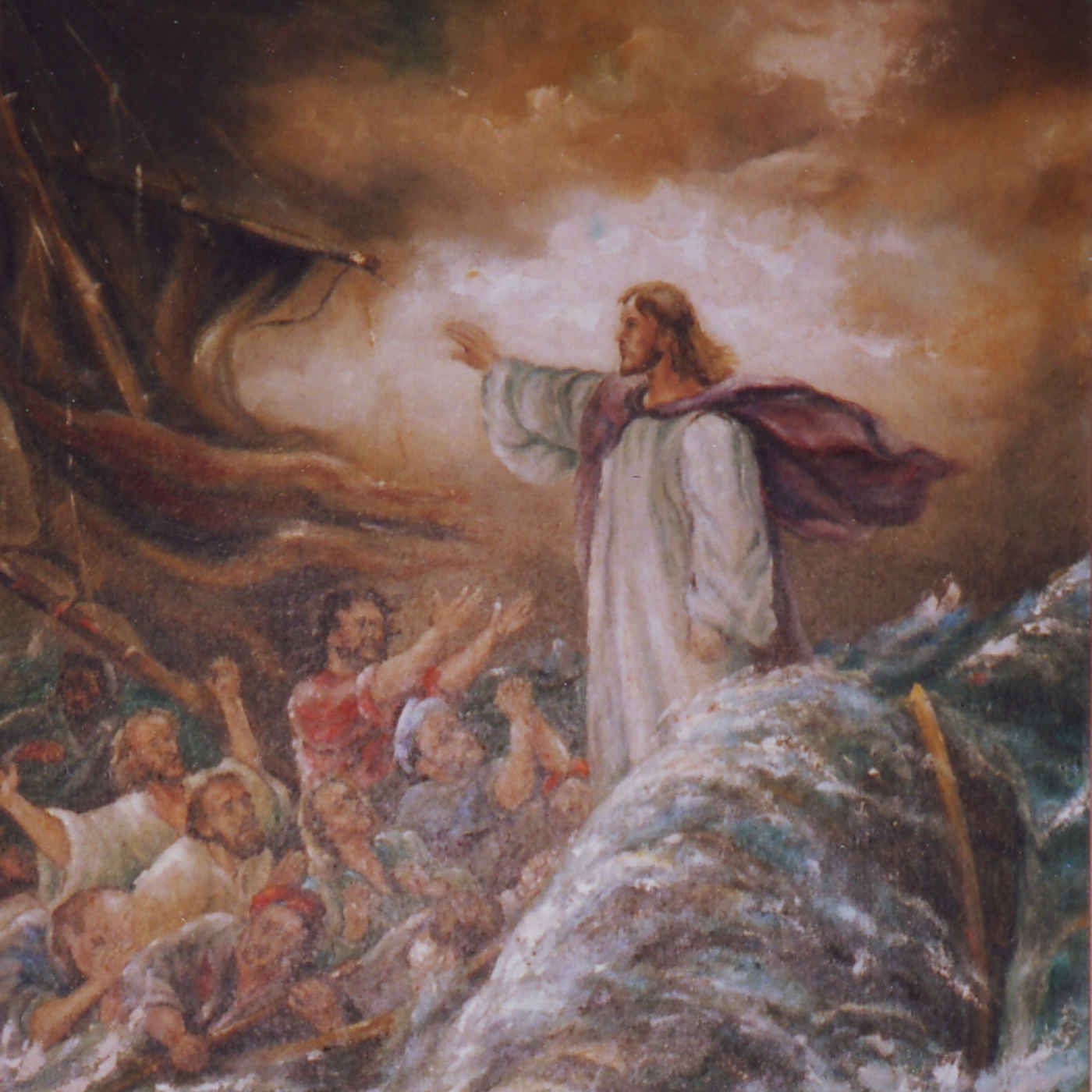
Tuesday of the Thirteenth Week in Ordinary Time - Rejecting the Storm of Vengeance
Jun 2900:07:06Tap to summarizeRead OnlineAs Jesus got into a boat, his disciples followed him. Suddenly a violent storm came up on the sea, so that the boat was being swamped by waves; but he was asleep. They came and woke him, saying, “Lord, save us! We are perishing!” He said to them, “Why are you terrified, O you of little faith?” Then he got up, rebuked the winds and the sea, and there was great calm. Matthew 8:23–26While we should understand Jesus’ teachings and actions in a literal sense, the Early Church Fathers also point to a deeper, symbolic meaning—what is known as the Spiritual Sense of Scripture. As the inspired Word of God, the Gospels contain limitless depth and wisdom. The message found in Jesus’ words and actions can be applied to any part of our lives and answer any questions we struggle with.One such question is how we deal with the storms of life. Some storms come upon us externally, through illness, persecution, or unforeseen trials. When a storm sets in, we often react with fear and anxiety. When the storm is of our own making, such as from sin, the trial is often more severe. Though fear and anxiety are often the ill effects of life’s storms, another more deadly fruit can also arise: the anger that leads to vengeance.In his preaching on this passage, Saint Augustine offers such an insight: “You have heard an insult—it is the wind; you feel anger—it is the wave. When the wind blows and the waves rise, the ship is in danger; so too, when insults stir your heart, your soul is tossed about and put at risk” (Sermon 63 on the New Testament, 2).Because we live and interact with sinful people every day, we will inevitably experience the “wind” of an insult which can lead to the “wave” of angry feelings. When that happens, the question is: What am I going to do with that angry feeling? Augustine warns that insults, which stir up anger, pose a real spiritual danger. He continues: “If, upon hearing an insult, you desire vengeance, the storm swells within you. And behold, if you take vengeance, you may think you have triumphed—but in rejoicing over another’s harm, you have suffered shipwreck yourself.”At some point, we have all allowed a storm to swell within us by seeking vengeance, which inevitably leads to our downfall. When anger gives way to irrational arguments, judgment, condemnation, or passive aggression—such as the “silent treatment”—our “boat” begins to sink.Just as the wind and waves battered the Apostles, leading them to fear, so too does anger batter us, driving us toward vengeance and making things worse. In such moments, there is only one remedy: to cry out with the Apostles, “Lord, save us! We are perishing!”What a perfect prayer in the midst of a trial that is turning into a storm! Had the Apostles ignored the presence of the Son of God—who was with them, asleep, awaiting their call—the storm would have continued, and they might have been shipwrecked. But they cried out, seeing that things were getting out of control.When Jesus woke up, He first gently rebuked them, saying, “Why are you terrified, O you of little faith?” Applying this to our analogy of anger and vengeance, we can hear our Lord asking, “Why did you allow anger to take hold of you and swell into a storm?” Though Jesus, in His mercy, can calm the storm caused by our sin, a deep and abiding faith helps us to forgive the initial insult before it takes root, preventing it from growing into anger and vengeance.Reflect today on any initial “wind” that tempts you toward anger. Choose to forgive and offer mercy in return. If a storm is already brewing in your heart, cry out to Jesus as the Apostles did. Though at times it might seem as if our Lord is asleep, He is always with you. Reject fear and anger the moment they begin to stir; but if they do arise, call upon Him in faith: “Lord, save me! I am perishing!” He will calm the storm. My sleeping Lord, I know that You are always with me, calling me to faith and obedience to Your Word. Strengthen me in moments of temptation, that I may remain faithful and choose mercy over vengeance. When storms arise from my sin, forgive me, Lord, and calm the tempest within, healing the wounds caused by my lack of faith. Jesus, I trust in You. Image: Ernst Georg Bartsch, CC BY-SA 3.0, via Wikimedia Commons Source: Free RSS feed from catholic-daily-reflections.com — Copyright © 2026 My Catholic Life! Inc. All rights reserved. This content is provided solely for personal, non-commercial use. Redistribution, republication, or commercial use — including use within apps with advertising — is strictly prohibited without written permission.
Transcribe →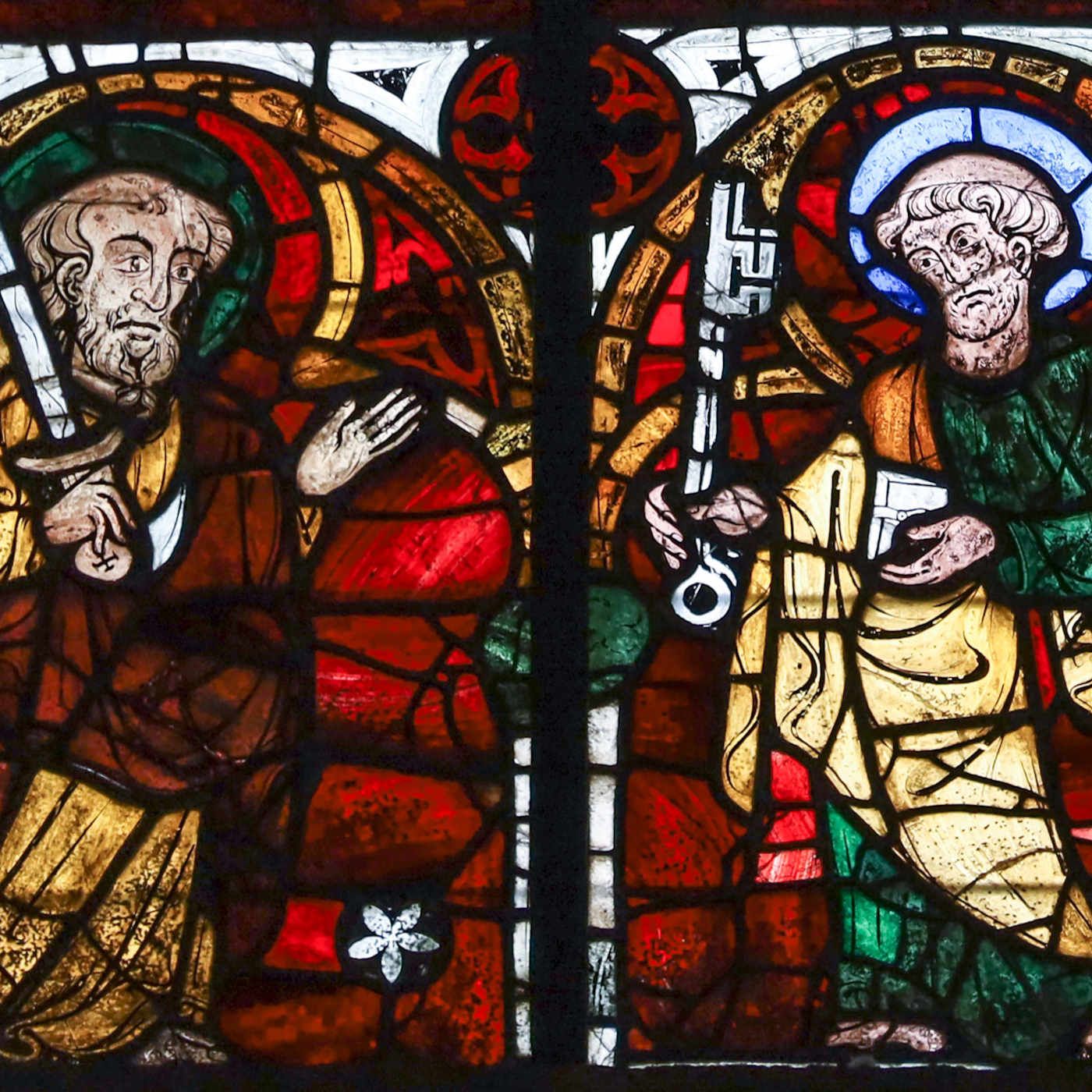
June 29, Solemnity of Saints Peter and Paul - The Church Shall Prevail
Jun 2800:07:50Tap to summarizeRead Online“Blessed are you, Simon son of Jonah. For flesh and blood has not revealed this to you, but my heavenly Father. And so I say to you, you are Peter, and upon this rock I will build my Church, and the gates of the netherworld shall not prevail against it. I will give you the keys to the Kingdom of heaven. Whatever you bind on earth shall be bound in heaven; and whatever you loose on earth shall be loosed in heaven.” Matthew 16:17–19Though the Church will suffer in many ways, She will ultimately overcome all things. As we celebrate the Solemnity of Saints Peter and Paul, we are reminded of this truth by pondering their lives as two of the greatest pillars of the Church. Neither imprisonments, persecutions, nor apparent defeats kept them from fulfilling the mission God gave them. Likewise, the Church will never be overcome, for She remains under the guardianship of divine providence.The Church shall prevail for one simple reason: Jesus said so. He founded the Church upon the Twelve Apostles, giving unique and supreme authority to Peter: “I will give you the keys to the Kingdom of heaven. Whatever you bind on earth shall be bound in heaven; and whatever you loose on earth shall be loosed in heaven.” Though Peter’s given name was Simon, Jesus changed it to Peter—Petros in Greek and Cephas in Aramaic. Both terms can be used as a man’s name but also mean “rock.” Hence, Peter, and the Apostles in union with him, become the rock and immovable foundation upon which the Church is built.By giving Peter “the keys to the Kingdom of heaven,” Jesus granted him singular authority to teach, govern, and sanctify with divine authority. This authority did not end with Peter; it is passed on to his successors through the office of bishop. Since Peter died in Rome, Rome remains the see of the Church’s divinely established governance.Though Peter offers the Church the stability and clarity necessary as the immovable rock foundation, Paul reflects the Church’s missionary role to bring the Gospel to the ends of the earth. This is seen especially in today’s second reading, where Paul, facing the end of his earthly life, proclaims that he has “competed well,” “finished the race,” and “kept the faith.” His life was poured out as a libation for Christ, tirelessly laboring to make the Gospel known to all nations. While Peter ensures the Church’s unity and fidelity to divine truth, Paul embodies her zeal to spread that truth to every corner of the world, calling all people into communion with Christ and His Church.Peter and Paul remain spiritually alive and active today through the unbroken tradition God established through them. Often at World Youth Day, when the Holy Father is present, young people chant, “You are Peter!” It is a beautiful expression of their faith in this foundational truth Christ established. Though every pope is a sinner like the rest of humanity, faith leads us to look beyond human weakness to see the successor of Saint Peter, the solid rock to whom Christ entrusted the keys to the Kingdom of Heaven. Thus, Peter’s mission remains alive today, not only in the person of the Holy Father, but also in our faith in his divinely given authority.Saint Paul remains alive today through the ongoing fulfillment of the mission God gave him. His burning zeal to proclaim the Gospel lives on in every missionary endeavor, every act of evangelization, and every effort to spread the Good News to the ends of the earth. His spirit is especially present in those who courageously preach the Word, catechize the young, defend the faith, and labor tirelessly for the salvation of souls. Just as Peter ensures unity and fidelity, Paul inspires action and outreach, so that the Church may extend Christ’s Kingdom to every land and heart.Reflect today on these pillars of the Church and acknowledge the living witness they gave and continue to give. Renew your faith in Peter, alive in the Holy Father, professing him as the rock foundation. See Paul at work by recognizing the missionary activity of the Church, carried out by countless souls with zeal and courage. Allow their witness to inspire within you a deeper love for the Church, and commit yourself anew to the mission entrusted to you: to remain firmly rooted in the truth and to bring that truth to the world with boldness and charity.Saints Peter and Paul, God called you in powerful and unique ways, making you pillars of the Church. Please pray for us, and for the entire Church, that we may continue the mission Christ entrusted to you. I especially entrust myself to that mission and pray that I may remain faithful to it in imitation of your example. Saints Peter and Paul, pray for us. Jesus, I trust in You. Image: Saint Peter & Saint Paul by Lawrence OP, CC BY-NC-ND 2.0.Source: Free RSS feed from catholic-daily-reflections.com — Copyright © 2026 My Catholic Life! Inc. All rights reserved. This content is provided solely for personal, non-commercial use. Redistribution, republication, or commercial use — including use within apps with advertising — is strictly prohibited without written permission.
Transcribe →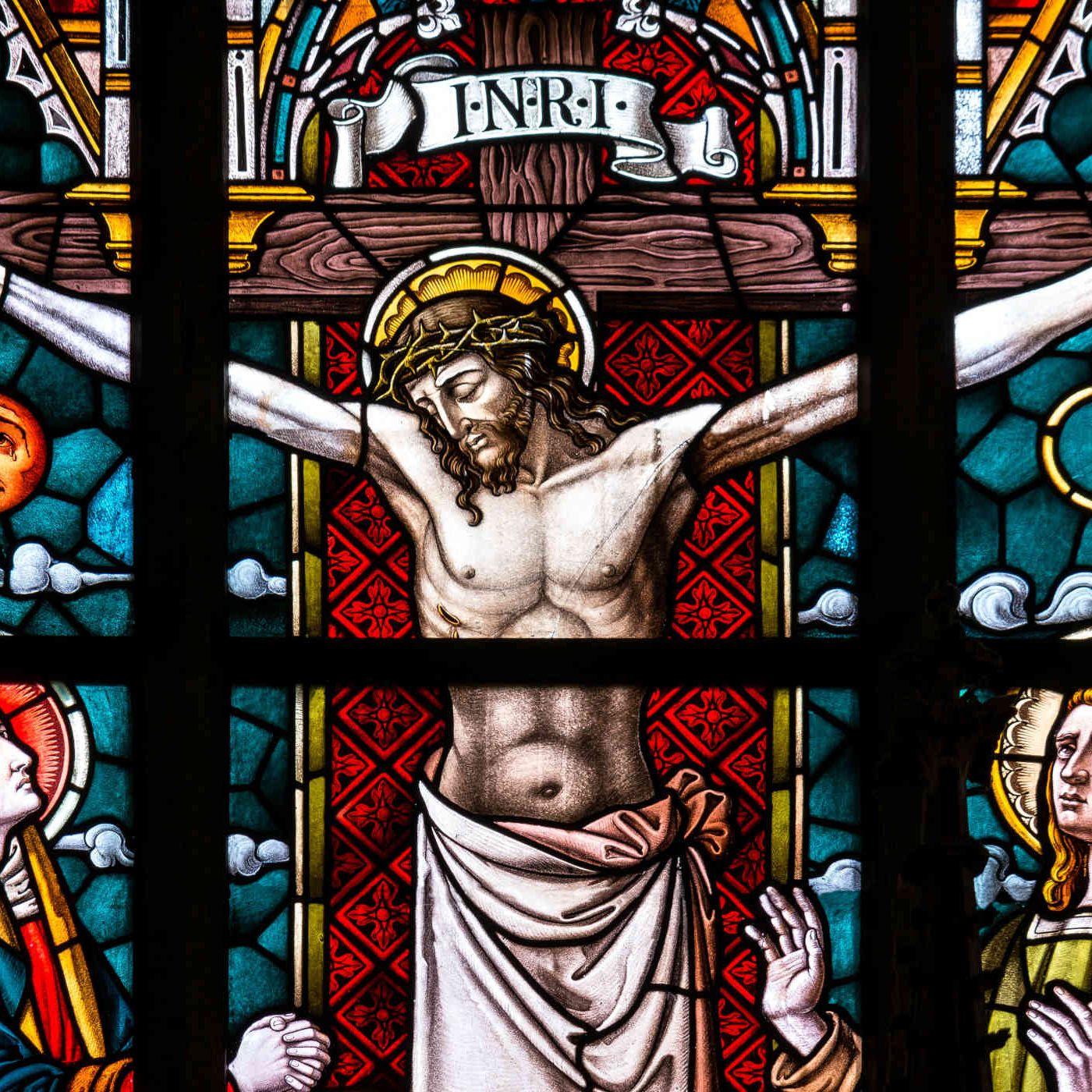
Thirteenth Sunday in Ordinary Time (Year A) - Receiving and Expressing Love
Jun 2700:07:06Tap to summarizeRead OnlineJesus said to his apostles: “Whoever loves father or mother more than me is not worthy of me, and whoever loves son or daughter more than me is not worthy of me; and whoever does not take up his cross and follow after me is not worthy of me.” Matthew 10:37–38When a scribe approached Jesus and asked Him which of the commandments was the greatest, He replied: “‘You shall love the Lord your God with all your heart, with all your soul, with all your mind, and with all your strength.’ The second is this: ‘You shall love your neighbor as yourself.’ There is no other commandment greater than these” (Mark 12:30–31).Today’s Gospel offers a similar teaching: We must love God above all else—even more than father, mother, son, or daughter. By contrasting love for God with love for family, Jesus is not diminishing familial affection; rather, He is revealing that the only way to truly love others is by loving God first.Saint Thomas Aquinas teaches: “God must be loved above all things and before all others out of charity, for He is loved as the source of happiness, whereas our neighbor is loved as one who shares in that happiness along with us” (Summa Theologiae II-II, Q.26, A.2). In other words, God must be loved first because He is the ultimate cause and source of beatitude—the only true happiness. Though we are called to love our families and our neighbors, Christian charity dictates that we love them in relation to God—as fellow recipients of divine happiness.One reason this Gospel is challenging is that our natural affections, though good, must be transformed by divine charity. It is natural to love our parents and children—God designed us with these affections. Even animals instinctively care for their offspring. But Jesus calls us to something higher: a love that is perfected by divine charity, transcending mere emotional attachment or duty. His teaching does not negate natural love; rather, it purifies, elevates, and directs it toward the highest good—God Himself.When Jesus speaks of loving “father or mother” or “son or daughter” more than Him, He is addressing the inner conflict we sometimes experience in our emotions. When natural affection is not transformed by spiritual charity, the love we offer another can do more harm than good. Disordered affection replaces the ultimate good—God—with the lesser good of emotional attachment and human consolation. The real danger arises when our loved ones stray from God’s will, and we, out of misguided affection, affirm them in their error, thereby confirming them in a state lacking true beatitude.The foundation of true love is this: God alone is the source of perfect happiness, for us and for our loved ones. Our belief in God transforms the way we love others. No longer do we merely seek their earthly comfort or emotional well-being; rather, we direct them to the eternal Good—God Himself—who alone fulfills every longing.When we love God first, all our relationships are purified. Instead of loving others with human affection alone, we love them with the very love of God, seeking their ultimate good: eternal life in Him. This purified love does not exclude human affection; rather, it elevates and directs it, ensuring that our love is not merely sentimental but truly transformative through divine charity.Reflect today on those closest to you—those whom God calls you to love with the highest form of love. Are your affections rightly ordered, or do they sometimes compete with the charity God desires to instill in you? If so, turn your heart to God. Seek to love Him above all else. Let Him become the object of your deepest love and desire. When God is first, His love will transform you from within, enabling you to love others not just with natural affection, but with the very love of Christ, leading them to the eternal joy of union with Him. Lord of perfect charity, Your love is pure, holy, and beyond all understanding—so vast, so encompassing, that I will never fathom its depths. Draw me into this love, O Lord, that I may love You above all things. From that love, let the charity of Your Sacred Heart flow through me to others, so that in loving them, I love You. Jesus, I trust in You.Photo by form PxHereSource: Free RSS feed from catholic-daily-reflections.com — Copyright © 2026 My Catholic Life! Inc. All rights reserved. This content is provided solely for personal, non-commercial use. Redistribution, republication, or commercial use — including use within apps with advertising — is strictly prohibited without written permission.
Transcribe →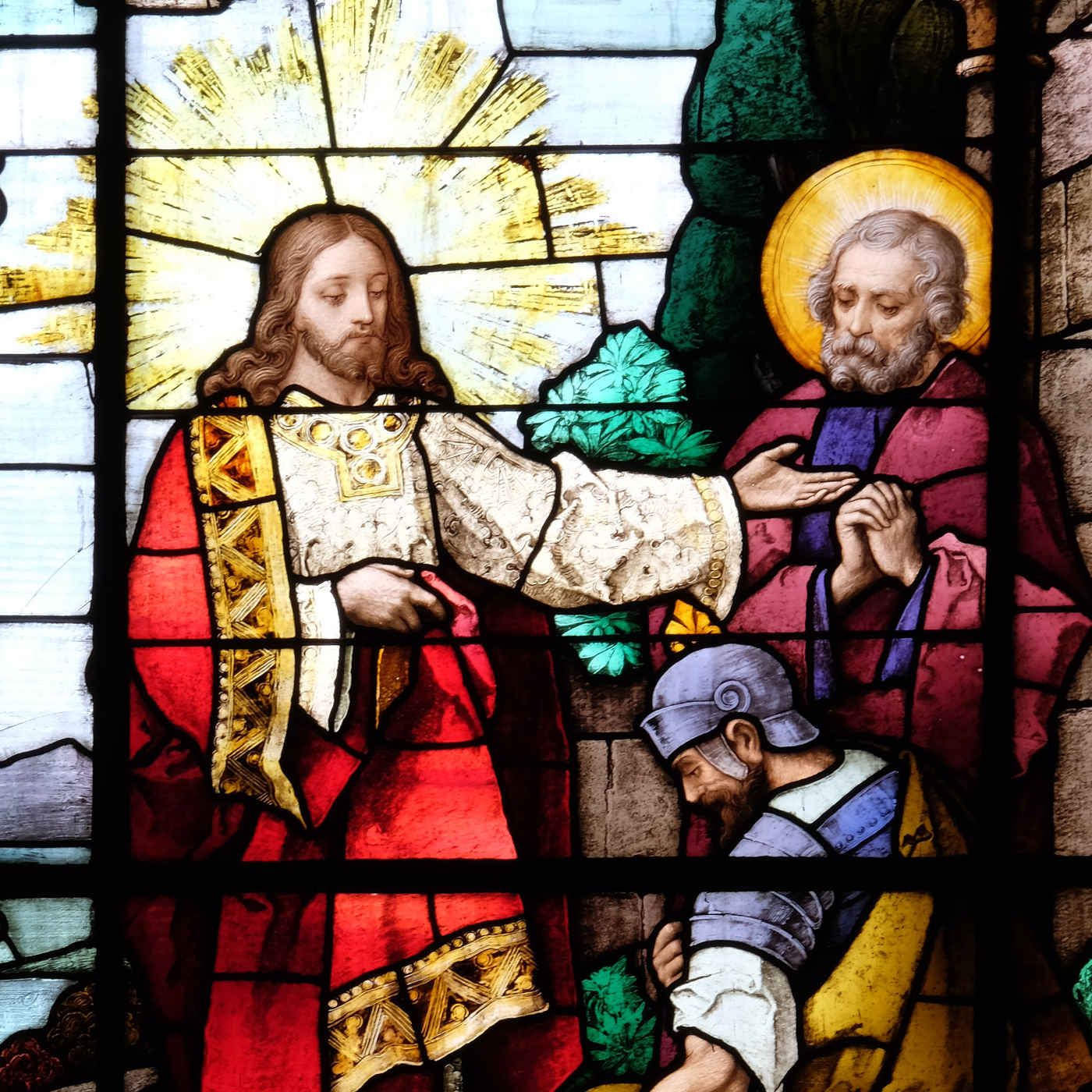
Saturday of the Twelfth Week in Ordinary Time - Faith Beyond Expectations
Jun 2600:06:47Tap to summarizeRead OnlineWhen Jesus entered Capernaum, a centurion approached him and appealed to him, saying, “Lord, my servant is lying at home paralyzed, suffering dreadfully.” He said to him, “I will come and cure him.” The centurion said in reply, “Lord, I am not worthy to have you enter under my roof; only say the word and my servant will be healed.” Matthew 8:5–8From the beginning of time, God continually reached out to humanity, calling them to Himself. After the Great Flood, God established a covenant with Abram—later named Abraham—who responded in faith and obedience. God promised him that his descendants would become a great nation and that “All the families of the earth will find blessing” in him (Genesis 12:3). In today’s Gospel, we see a sign of this promise being fulfilled in the faith of the Roman centurion, a Gentile who recognizes the divine authority of Jesus. His trust in Christ foreshadows the inclusion of all nations in the blessing promised through Abraham.At the time of Jesus, kindness between Jews and a Roman centurion was virtually unheard of. The Romans had conquered Israel, imposing their rule and extracting heavy taxes from the people. Though the Jews were allowed to continue Temple worship and practice their faith in the synagogues, many harbored deep resentment toward their Roman occupiers, longing for the day when the Messiah would come to liberate them.When the Messiah did come, however, many of the Jewish people did not recognize Him—perhaps because their expectations were fixed on a powerful military leader who would restore Israel’s national sovereignty. Instead, Jesus came not as a warrior, but as the Lamb of God, bringing a far greater liberation: freedom from sin and death. He understood the deep-seated bitterness toward the Romans but saw beyond earthly conflicts, viewing all people through the lens of divine Wisdom.Jesus bore no animosity toward the Romans, nor did He seek their political overthrow. Instead, He desired their conversion. While many of the Jews—including the scribes and Pharisees—viewed the Romans as enemies, Jesus extended His compassion even to them, knowing that the promise made to Abraham was not merely for one nation but for all peoples. The centurion’s faith is a sign of this unfolding fulfillment: A Gentile, once an outsider to the covenant, now stands as an example of trust and humility before the Messiah.One of the qualities that could have enabled this Roman centurion to manifest such remarkable faith was his experience of duty and authority as a military officer. Having spent his life exercising command over others, he understood the nature of authority firsthand. He applied this natural understanding to the supernatural authority Jesus possessed. Unlike the Jewish people, the centurion likely had little or no knowledge of the Torah, salvation history, or the prophecies concerning the Messiah. Yet, when he witnessed Jesus’ miraculous power, he recognized in Him an authority far greater than that of earthly rulers. Drawing from his own experience of command—where a word spoken in authority is immediately obeyed—he concluded that Jesus, possessing divine authority, could heal his servant from a distance, merely by speaking the word.Reflect today on the faith of the Roman centurion, whom Jesus praised above all in Israel, saying, “In no one in Israel have I found such faith” (Matthew 8:10). His trust was not based on knowledge of the Law but on a firm belief in Christ’s divine authority. Like him, we must approach Jesus with humility, acknowledging our unworthiness while having absolute confidence in His power to heal and restore our souls. While the centurion’s servant was physically healed, God wills for us whatever draws us closest to Him—whether physical healing or the deeper healing of the soul. Imitate the centurion’s unwavering faith, entrusting yourself to Christ, and He will say to you, “You may go; as you have believed, let it be done for you” (Matthew 8:13). All-powerful Lord, You can do all things and always will what is best for us. Grant me the faith of the centurion, that I may trust in Your power—not only to heal the body but to restore the soul. May I seek Your will above all else and desire the good of others more than any earthly hope. Jesus, I trust in You.Image: Lord, I am not worthy to have you come under my roof, by Carl Geyling's ErbenSource: Free RSS feed from catholic-daily-reflections.com — Copyright © 2026 My Catholic Life! Inc. All rights reserved. This content is provided solely for personal, non-commercial use. Redistribution, republication, or commercial use — including use within apps with advertising — is strictly prohibited without written permission.
Transcribe →