Podcast
Catholic Daily Reflections
Hosted by My Catholic Life! · EN
My Catholic Life! presents the beauty and splendor of our Catholic faith in a down to earth and practical way. These daily audio reflections come from the "Catholic Daily Reflections Series" which is available in online format from our website. They are also available in e eBook or paperback format.
May these reflections assist you on your journey of personal conversion!
May these reflections assist you on your journey of personal conversion!
162episodes
Episodes
Newest firstAll episodes
Tuesday of the Seventeenth Week in Ordinary Time - Entering and Becoming the House of God
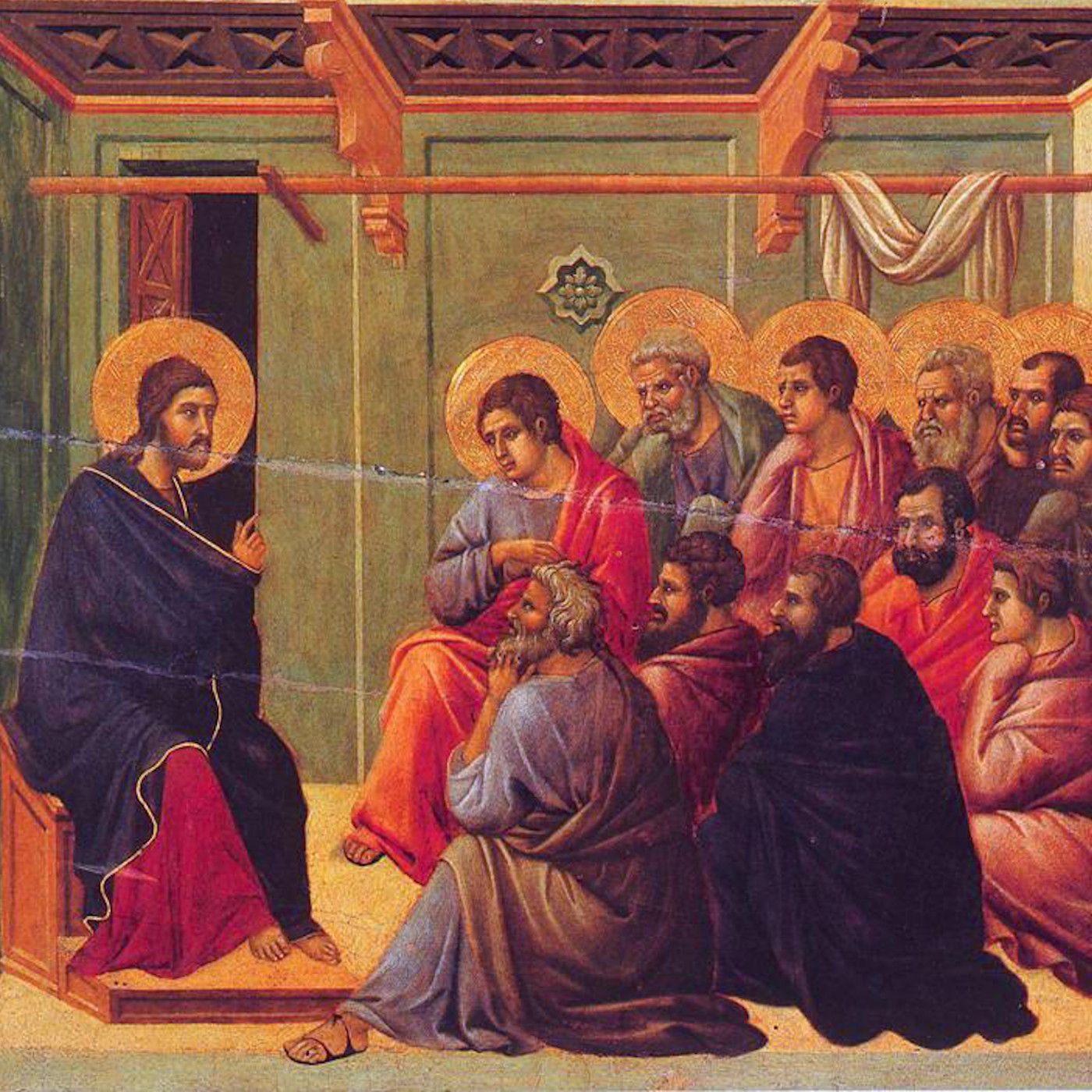
1w ago00:07:09Tap to summarizeRead OnlineEntering and Becoming the House of GodJesus dismissed the crowds and went into the house. His disciples approached him and said, “Explain to us the parable of the weeds in the field.” Matthew 13:36Today’s Gospel begins with a subtle yet significant detail: “Jesus dismissed the crowds and went into the house.” This transition from the public to the private reflects a recurring pattern in the Gospels: Our Lord teaches the crowds in parables, veiling the mysteries of the Kingdom, while reserving their fuller explanation for the disciples in the quiet intimacy of the house. In this context, the house becomes a symbol of the Church—the inner sanctuary where Christ reveals His secrets to those who follow Him not only outwardly, but with humble faith and spiritual hunger.Though the disciples—likely the Twelve Apostles—were uniquely privileged to share this moment with Jesus, in which He explained the Parable of the Weeds among the Wheat in precise detail, this sacred setting is not closed to us. Each of us is invited into this “house” through the life of the Church. Though the Apostles were weak and sinful like all of us, they were nevertheless chosen to be the first bishops—visible shepherds who would continue Christ’s mission after His Ascension. Through their fidelity, the Word of God went forth to the ends of the earth, a proclamation that continues today through their successors.While each of the baptized is called to proclaim the Gospel in accord with his or her vocation and mission, the bishops—and their co-workers, the priests—uniquely form the spiritual household through which Christ continues to speak with clarity. Through their preaching, governance, and sacramental ministry, the hidden mysteries of Christ’s teaching are continually made known. This is not due to their personal merit, but because of the sacred office entrusted to them by Christ through Apostolic Succession. They became the foundation of the Church—the spiritual House of God—in which Jesus continues to minister.Place yourself in this Gospel scene. You, too, are called to draw near to Christ, to enter the house with Him, and to seek understanding with the heart of a disciple. In the Church—this household of faith—the Master still teaches, still explains, still reveals the mysteries of the Kingdom to those who desire to listen.As you prayerfully see yourself in this scene, unite it with your experience of your parish church and other sacred places where God has spoken to you, nourished you, and transformed you. When the Gospel changes us, the Sacraments nourish us, and the Church guides us, it is always Christ who is teaching, feeding, and leading. We must, therefore, learn to see beyond the minister or the building, recognizing Christ’s presence, speaking to us and sanctifying us through His Church.Though the Church—the visible presence of the Kingdom of God on earth—is the privileged place where we encounter Christ, each of us, in our own unique way, is also called to be this “house” for others. Because God dwells within us, His Kingdom is present within our souls. Thus, this Gospel scene is not only about entering the house—it is also an invitation to become that house: a dwelling place where others may encounter Christ, hear His Word, receive His mercy, and be drawn into His love through the witness of our charity.Reflect today on this house. First, see the Church as the house in which Christ speaks to you most clearly. Give thanks for the many ways our Lord has spoken to you and fed you in this sacred House of God. Reflect also on your own soul as a dwelling place of God. Believe that Christ desires to use you to bring others into His presence, dwelling within your soul. Give thanks for this gift, and pray that you may be both a faithful disciple within the house and a radiant house of grace for others to enter and meet Christ our Lord.Most intimate Lord, You desire to reveal to me—and to all Your children—the deep and profound mysteries of Your Kingdom of grace. Draw me to Yourself, to Your House of Grace and Mercy, which resides within Your holy Church. Teach me, sanctify me, and form me according to Your holy will. As You make Your dwelling within me, make my soul a place where others may encounter You, hear Your Word, and receive Your grace. Jesus, I trust in You. Image: Christ Taking Leave of the Apostles, by Duccio di BuoninsegnaSource: Free RSS feed from catholic-daily-reflections.com — Copyright © 2026 My Catholic Life! Inc. All rights reserved. This content is provided solely for personal, non-commercial use. Redistribution, republication, or commercial use — including use within apps with advertising — is strictly prohibited without written permission.
Transcribe →
Saturday of the Fifteenth Week in Ordinary Time - The Quiet Strength of Meekness
3w ago00:06:48Tap to summarizeRead OnlineThe Quiet Strength of MeeknessThe Pharisees went out and took counsel against Jesus to put him to death. When Jesus realized this, he withdrew from that place. Many people followed him, and he cured them all, but he warned them not to make him known. Matthew 12:14–16To souls who love God and are united to Him, today’s Gospel reveals a profound lesson about facing opposition. “The Pharisees went out and took counsel against Jesus to put him to death.” Why? Because of their rigid interpretation of the Sabbath law of rest. But Jesus, as the Son of God, in union with the Father and the Holy Spirit, is the origin of that law. The Sabbath was meant to call to mind God’s rest after the six days of creation—a contemplative rest in which the people reflected upon God’s goodness.The Pharisees had turned the Sabbath into a burdensome obligation, a scrupulous and empty duty. Jesus, the Author and Lord of the Sabbath, saw it very differently. Acts of charity are never to be refrained from—not even on the Sabbath. For the “offense” of healing a man with a withered hand on the Sabbath, the Pharisees began plotting Jesus’ murder.When Jesus realized this, He withdrew from that place. This retreat was not born of cowardice but of meekness—a virtue often misunderstood in our world. Biblical meekness is not weakness or timidity; it is power under perfect control. It is strength harnessed by wisdom and love. Jesus possessed all power yet chose restraint. He could have called down legions of angels to destroy His enemies, but instead, He quietly stepped away. His hour had not yet come.This divine meekness allowed Jesus to continue His mission with quiet determination. Many people followed Him, and He cured them all, bringing healing and restoration to broken lives. In this moment, we see Jesus’ quiet strength perfectly expressed. He did not come to wage war against the leaders of the synagogue but to establish the Kingdom of grace and truth.In keeping with Isaiah’s prophecy, Jesus draws hearts to Himself in silence and mercy. “A bruised reed”—fragile, bent, and seemingly worthless—He will not snap. “A smoldering wick”—flickering, nearly extinguished—He will not quench. Instead, He heals and rekindles, patiently leading justice to victory (cf. Matthew 12:18–21).Consider your own mission and the opposition you face. Do coworkers mock your Catholic practices—perhaps your fasting on Fridays or stepping away for daily prayer? Do family members dismiss your commitment to Church teaching on marriage, sexuality, or the sanctity of life? Do friends challenge your dedication to serving the poor as “wasted time” that could be spent advancing your career?Each of us is called to respond as Christ did—with meekness that reflects true strength. Prayerfully discern whether it is your “hour” to suffer rebuke, or if you are being called, like Christ in today’s Gospel, to turn away from the hostility and focus on those whom God is drawing to Himself through your witness.Reflect today on any opposition you face as you strive to fulfill God’s will. Not every battle must be fought today. Humility and meekness often call us to quietly retreat so we can build up the foundation of God’s Kingdom in other hearts. Of course, the hour of the Cross will come for each of us. When it does, we must embrace it with love. But until that moment, we follow Jesus in discerning, listening, and loving—even in silence. Lord of perfect wisdom, though Your charity was met with hostility by the Pharisees, You did not always confront them. At times, You spoke out; at other times, You withdrew to continue Your mission in silence. Grant me, O Lord, a discerning heart, that I may know when I am called to stand firm in truth and when I must embrace humble silence. May I seek only to do Your will, that Your Kingdom of grace may be more fully established in and through my life. Jesus, I trust in You. Image: La Solitude du Christ, by Alphonse OsbertSource: Free RSS feed from catholic-daily-reflections.com — Copyright © 2026 My Catholic Life! Inc. All rights reserved. This content is provided solely for personal, non-commercial use. Redistribution, republication, or commercial use — including use within apps with advertising — is strictly prohibited without written permission.
Transcribe →
Friday of the Fifteenth Week in Ordinary Time - Loving Beyond Legalism
3w ago00:06:39Tap to summarizeRead OnlineLoving Beyond LegalismJesus was going through a field of grain on the sabbath. His disciples were hungry and began to pick the heads of grain and eat them. When the Pharisees saw this, they said to him, “See, your disciples are doing what is unlawful to do on the sabbath.” He said to them, “Have you not read what David did when he and his companions were hungry…?” Matthew 12:1–3At the heart of the Old Testament Law were the Ten Commandments. But the Law also included numerous statutes, ordinances, and ritual prescriptions. This Old Covenant was good because it reflected God’s Eternal Law yet it lacked the full clarity and interior transformation that would come only in Christ. It is similar to looking through a pair of binoculars that are out of focus—you may perceive the general form, but the finer details are obscured.Jesus did not abolish the Old Covenant. He fulfilled it by revealing its true meaning and restoring its original purpose. In Him, the Law is clarified, elevated, and perfected. Today’s Gospel offers us a glimpse of that divine clarity, as our Lord unveils the deeper meaning of the Sabbath and the spirit that animates the Law—a spirit not rooted in rigid formalism, but in mercy, love, and communion with God.The Pharisees who accused Jesus’ disciples of violating the Sabbath by picking heads of grain misunderstood the very Law they claimed to uphold. Throughout the Gospels, we see how many religious leaders corrupted God’s commandments by reducing them to external legalism—cut off from the life of charity that the Law was meant to foster.Perhaps you have struggled with this same tendency in your own spiritual journey, mentally checking off boxes—Mass on Sunday, Confession once a month, morning and evening prayers. Though these are good, our hearts can still remain distant from God. Like the Pharisees, we too can fall into treating God’s beautiful invitation to relationship as a mere transaction.To emphasize the true spirit of the Law, Jesus quotes the prophet Hosea: “I desire mercy, not sacrifice” (Matthew 12:7; cf. Hosea 6:6). Though sacrifice was good, when external observances become divorced from love, justice, and the desire for union with God, they become lifeless—and even offensive—in God’s eyes.In Christ, we’ve received the complete revelation of truth—the New Law of grace, mercy, and redemption. Through Him, we’re invited to go beyond external observance and enter into the interior transformation the Law was always meant to inspire. This transformation touches every aspect of our daily lives: When we refrain from gossip, it’s not merely to follow a rule, but a recognition of Christ’s presence in others. When we make time for prayer, it’s not to satisfy an obligation, but to nurture the relationship at the center of our existence. When we choose to forgive, it’s not because forgiveness is commanded, but because we’ve experienced God’s mercy and long to extend it to others.This principle extends to every one of Christ’s teachings and precepts faithfully handed down by the Church. We are called to obey not for the sake of obedience alone, but to receive the Divine Mercy that flows from Christ’s Word and to become instruments of that mercy for others.Reflect today on all that God has revealed through the Scriptures and the Church. His teachings are not burdensome rules, but luminous pathways to communion with God. The ultimate purpose of every command God gives is our sanctification and fruitfulness, which culminate in God’s glory. Keep that end in mind, so that all you do may be in harmony with the true purpose of God’s Eternal Law—and never reduced to empty obedience.Father, God and Eternal Truth, all that You revealed through Moses and the prophets was but a reflection of Your Eternal Law. In Jesus, our Lord, You have unveiled the fullness of truth—everything we need to know in order to share in Your Kingdom. Grant me the grace to see every teaching and every law You place before me not as a burden, but as a radiant and glorious pathway to communion with You. Jesus, I trust in You. Image: Christ defends the plucking of the ears of grain on the Sabbath, by Marten van ValckenborchSource: Free RSS feed from catholic-daily-reflections.com — Copyright © 2026 My Catholic Life! Inc. All rights reserved. This content is provided solely for personal, non-commercial use. Redistribution, republication, or commercial use — including use within apps with advertising — is strictly prohibited without written permission.
Transcribe →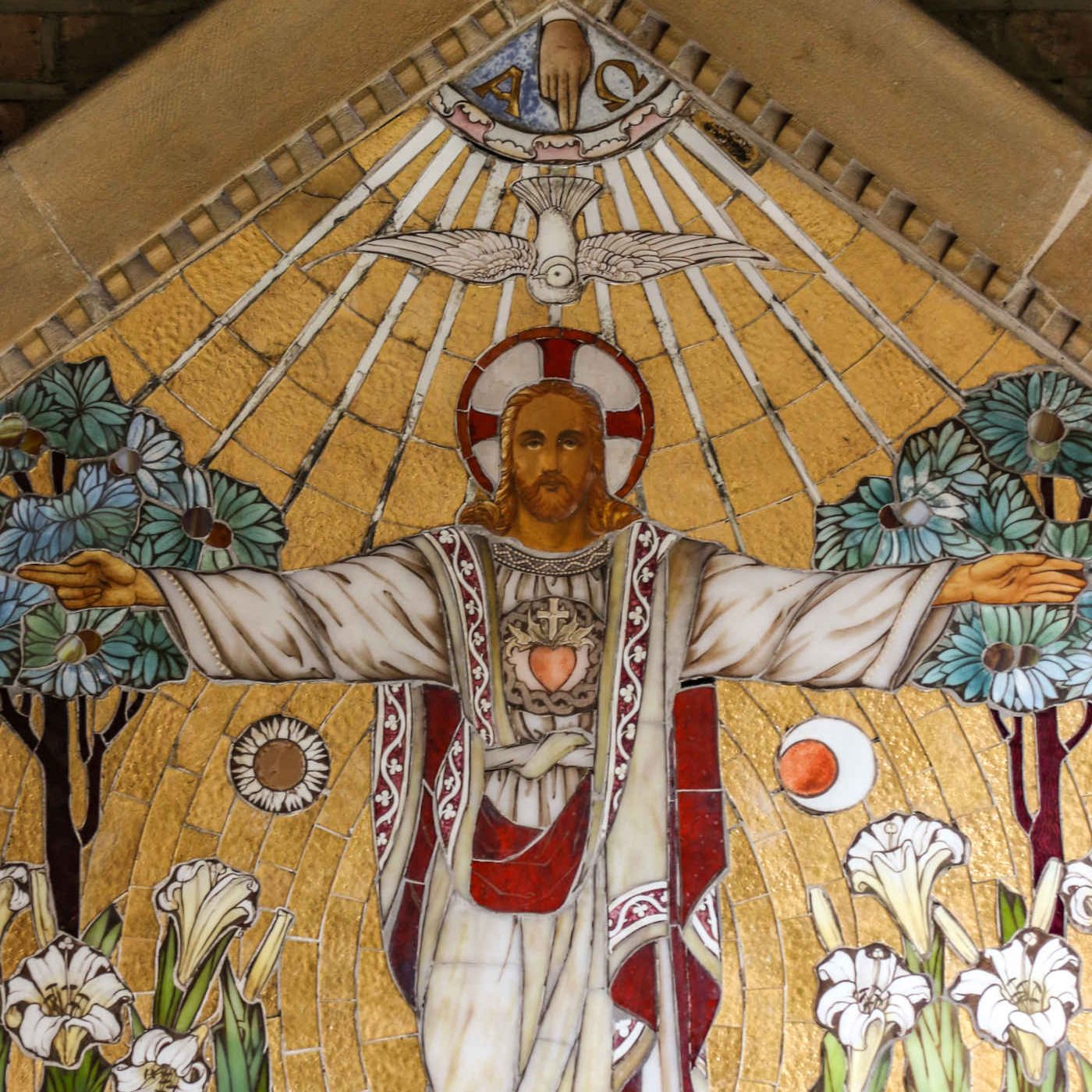
Thursday of the Fifteenth Week in Ordinary Time - The Heavy Burdens of Life
3w ago00:07:29Tap to summarizeRead OnlineThe Heavy Burdens of LifeJesus said: “Come to me, all you who labor and are burdened, and I will give you rest. Take my yoke upon you and learn from me, for I am meek and humble of heart; and you will find rest for yourselves. For my yoke is easy, and my burden light.” Matthew 11:28–30Everything Jesus says is pure truth and pure love. Sometimes we need a loving rebuke to awaken us, but other times—when we are weighed down with heavy burdens—our Lord comes to us with the utmost empathy and care. He overlooks the things that burden us externally and looks instead into our hearts, calling us gently to Himself: “Come to me, all you who labor and are burdened, and I will give you rest.”There are many things that burden us: sin, guilt, suffering, anxiety. Sometimes our burdens are physical; other times they are emotional or spiritual. When these burdens leave us oppressed, confused, or despairing, Jesus does not come to condemn us—even if we are steeped in sin. He comes with the tenderness of His love. If our burdens stem from sin, it is His merciful love that gives us the courage to turn to Him, that He might lift the burden and set us free. If our burdens are physical, He draws near to unite Himself with us, to show us His wounds, and to give us strength to carry the cross. If our burdens come from trials beyond our control or from emotional trauma that weighs heavily on the heart, Jesus is always near—present, caring, and deeply moved by our suffering.In this passage, the Greek word for “labor” suggests more than ordinary effort—it implies exhaustive toil. Likewise, the word translated as “burdened” conveys a weight so heavy that it cannot be borne alone. These burdens may come from the world, from others, from sin, or even from within ourselves. Whatever their origin, Jesus offers Himself as the one who gives rest, who walks beside us, and who makes our burden light through the strength of His love.When we are overwhelmed, it’s hard to notice Jesus’ consoling presence. We might even cry out in frustration, “Where are You, Lord?” When that happens, we need to close our eyes and pray in silence. During the greatest trials, Jesus’ words in today’s Gospel ring most true. He is always near, especially when we are overwhelmed. By stopping, quieting our racing minds, and surrendering our weary souls, we will discover that Jesus is present to us, speaking His tender words: “Come to me, all you who labor and are burdened, and I will give you rest.”Jesus doesn’t always remove our burdens; He does something far greater. He enters into them with us. He lifts us up and carries our burdens alongside us, strengthening us and drawing good even from what we perceive as evil.In those moments He says, “Take my yoke upon you,” which might at first seem confusing. Why, when we are already burdened, would Jesus ask us to carry His yoke as well? Because Jesus’ yoke is not a new weight; it is a gentle invitation into discipleship and communion. The ancient yoke bound two oxen together so they could share the load. When Jesus says, “Take my yoke,” He is inviting us to be yoked to Him. He walks beside us, bearing the greater share of the weight, making this new and graced yoke light. As we walk with Him, we “learn from Him”—not merely by instruction, but through intimacy and imitation.Once yoked to Christ, “you will find rest for yourselves.” This is not the rest that frees us from our crosses. The yoke must still be carried. But now, it is carried with Christ. And carrying our burdens in union with Him becomes an act of supernatural grace, lighter and more restful than even carrying the lightest of burdens alone.Reflect today on the burdens you carry. Identify them honestly. Then close your eyes, breathe deeply, and listen. Hear Jesus say to you personally: “Come to me.” Surrender to Him your toil, your struggles, your griefs, your guilt, and your sin. Take His yoke, walk with Him, and discover the rest that only His meek and humble Heart can give. Most compassionate Lord, when I am weighed down and burdened by sin and the trials of life, I know that You are always near—coming to me, calling me to Yourself with gentle love. I accept Your gracious invitation. Please place Your yoke upon me, that I may walk beside You in peace. Help me to endure patiently whatever afflicts me, trusting always in Your presence and strength. In You alone do I find rest for my soul. Jesus, I trust in You. Image: Venite ad Me by Lawrence OP, CC BY-NC-ND 2.0.Source: Free RSS feed from catholic-daily-reflections.com — Copyright © 2026 My Catholic Life! Inc. All rights reserved. This content is provided solely for personal, non-commercial use. Redistribution, republication, or commercial use — including use within apps with advertising — is strictly prohibited without written permission.
Transcribe →
Wednesday of the Fifteenth Week in Ordinary Time - Gratitude For Divine Wisdom
3w ago00:07:03Tap to summarizeRead OnlineGratitude For Divine Wisdom“I give praise to you, Father, Lord of heaven and earth, for although you have hidden these things from the wise and the learned you have revealed them to the childlike. Yes, Father, such has been your gracious will. All things have been handed over to me by my Father. No one knows the Son except the Father, and no one knows the Father except the Son and anyone to whom the Son wishes to reveal him.” Matthew 11:25–27Jesus’ praise of the Father, as recorded in today’s Gospel, is highly significant. Being both human and divine, His praise originated in His divinity and was expressed through His human nature as a perfect act of divine gratitude. This is significant not only for Jesus, but also for us.As human beings, we are incapable of performing divine acts or attaining the perfection of divine gratitude unless God Himself acts in and through us. Since Jesus’ divinity and humanity are perfectly united in the one Person of the Son of God, He not only offered the perfection of praise to the Father, He also elevated human nature itself, enabling us to do the same in Him.When we pray with Jesus as He says, “I give praise to you, Father, Lord of heaven and earth,” we join in His perfect praise of the Father for His divine wisdom and action in our lives. Our praise, in union with Christ’s, is raised beyond mere emotional thanksgiving. It becomes an all-consuming adoration of the Father and a divinely inspired confession of Who He is and what He has accomplished in us. This praise glorifies God and transforms us. No prayer is more perfect or more consequential in our lives than to give praise to the Father in union with the Son.The cause for Jesus’ praise is also significant. His thanksgiving is directed at the Father’s wisdom in both hiding and revealing “these things.” In the Greek, the verbs for hiding and revealing are strong and deliberate, emphasizing the dramatic contrast between these two actions. From the “wise and learned,” the Father hides these mysteries. The wise and learned, in this context, are not necessarily those who possess education or intelligence, but those who are self-reliant, proud in their intellectual strength, and closed to divine mystery.To the “childlike,” however, the Father reveals these things. The word translated as “childlike” is literally “infants” or “babes” in Greek, referring to those who are humble, open, and trusting—those who recognize their absolute dependence on God. To be childlike is not to be unintelligent; in fact, it implies a higher wisdom. True intelligence is found in the comprehension of divine Wisdom, not merely in worldly knowledge or human learning.This divine wisdom stems from the gift of faith, which opens the soul to deeper understanding. Saint Augustine captures this beautifully when he says, “Understanding is the reward of faith. Therefore seek not to understand that you may believe, but believe that you may understand.” Humble, open, and trusting faith comes first. From there, the gifts of Wisdom and Understanding are granted.This, then, is what Jesus refers to as “these things”: the sacred mysteries of Divine Wisdom and Understanding. They are not accessible to the proud or the self-sufficient, but are freely given to those who approach the Father with the simplicity and trust of spiritual childhood. And when they are granted, this is the cause for Jesus to praise the Father and for us to join in that praise.Reflect today on your own disposition before God. Are you tempted to approach Him with self-reliance, pride in your accomplishments, or a desire to understand everything before believing? Or do you come as a child—humble, trusting, and open to receive the mysteries of grace? Seek the Wisdom and Understanding given to the childlike. When they are bestowed, unite your voice to Jesus’ in offering perfect praise to the Father. In that united praise, you will not only glorify God but also be transformed by the very Wisdom you adore. Father, Lord of Heaven and Earth, make me humble, simple, and open to all that You wish to reveal. With Jesus, Your Son, help me to recognize the bestowal of Your blessings—in my life and in the lives of others. United with the one voice of Your beloved Son, may I forever give You praise and thanksgiving. Jesus, I trust in You. Image: Jesus Goes Up Alone onto a Mountain to Pray, by James TissotSource: Free RSS feed from catholic-daily-reflections.com — Copyright © 2026 My Catholic Life! Inc. All rights reserved. This content is provided solely for personal, non-commercial use. Redistribution, republication, or commercial use — including use within apps with advertising — is strictly prohibited without written permission.
Transcribe →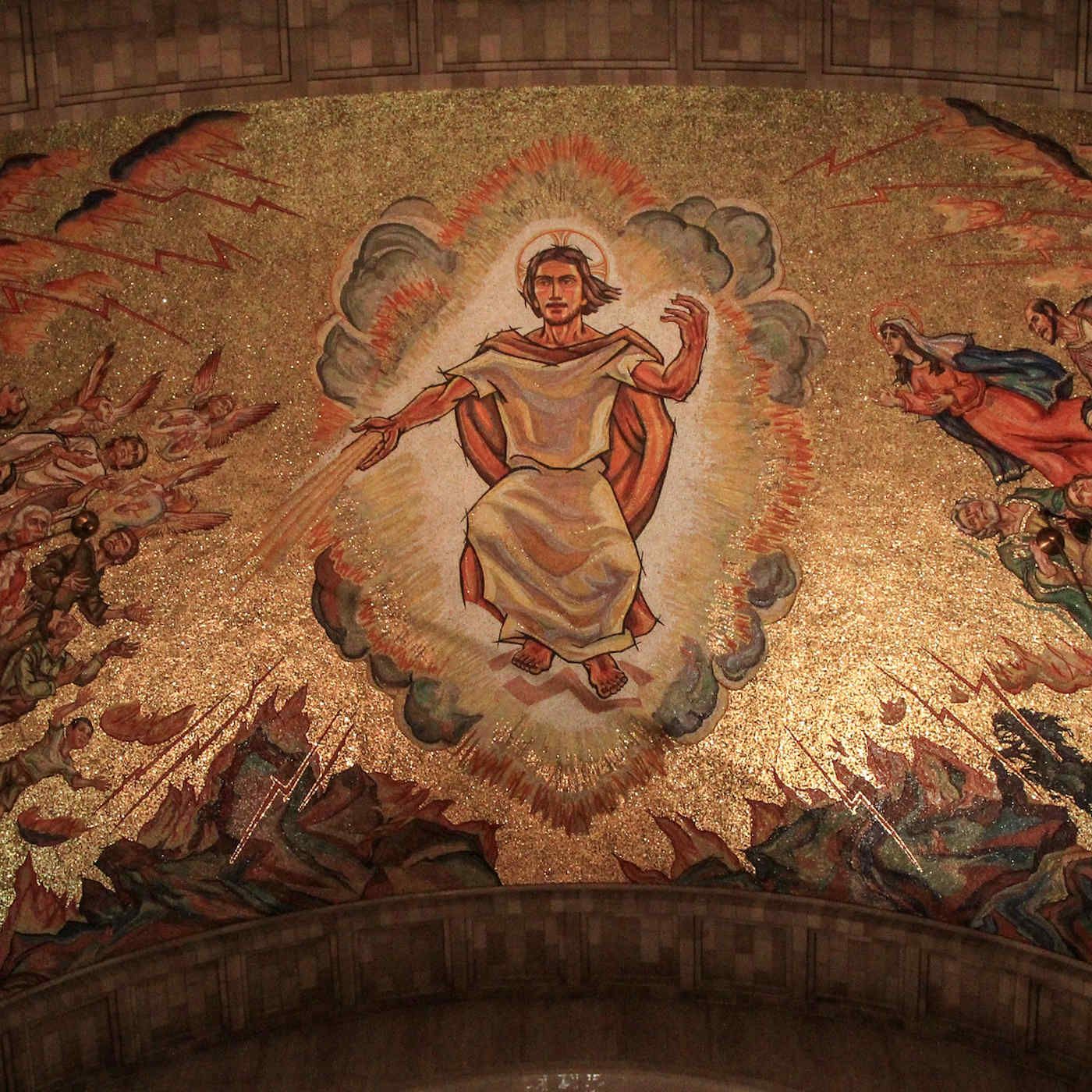
Tuesday of the Fifteenth Week in Ordinary Time - Loving as Is Needed
3w ago00:07:26Tap to summarizeRead OnlineLoving as Is NeededJesus began to reproach the towns where most of his mighty deeds had been done, since they had not repented. “Woe to you, Chorazin! Woe to you, Bethsaida! For if the mighty deeds done in your midst had been done in Tyre and Sidon, they would long ago have repented in sackcloth and ashes.” Matthew 11:20–21Have you ever felt the urge to publicly rebuke someone, crying out in condemnation, “Woe to you!”? Most of us, at one time or another, have experienced that impulse. When we are hurt, dismissed, or sinned against, pride wells up within us, and our wounded hearts may long to strike back with words of righteous anger.But this human reaction is not what moved Jesus when He reproached the towns of Chorazin, Bethsaida, and Capernaum in today’s Gospel. He did not condemn them because He was personally offended or emotionally wounded by their failure to repent. His pride was not injured, nor was He overcome by anger. Christ was fully in control, always responding with divine wisdom, offering exactly what each person needed in that moment.At times, He was gentle, consoling, and compassionate. At other times, He chastised and rebuked. Sometimes He refrained from performing signs and wonders; at other times, He lavished miracles upon the people. At times, He taught in the veiled language of parables, and at other times, He spoke plainly and directly.Jesus always knew how to love in every situation because every situation called for love expressed in different ways. True love is not defined by the one who gives it; it is defined by the one who receives it. What does that mean? It means that Jesus didn’t offer a “one-size-fits-all” kind of love. He didn’t say, “This is me, and this is how I love. Take it or leave it—I’m not changing for you.” No, Jesus’ love was so pure, so other-focused, that it always sought the good of the one He loved and adjusted its expression in order to achieve that good.This is clearly seen in Jesus’ rebuke of the people of these three towns, located on the northern shore of the Sea of Galilee, which were central to much of His public ministry. Capernaum was His home base; Chorazin and Bethsaida were places He frequented. Near this region He delivered the Sermon on the Mount and performed many miracles. Yet despite His tireless preaching and countless signs, few repented. And repentance was the very purpose of His mission. By chastising them—“Woe to you!”—Jesus lovingly sought to jolt them out of their complacency so that they might repent and receive the abundant mercy He and His Father so deeply desired to bestow. In this case, the rebuke was the precise expression of love that these towns needed at that time.Understanding the various expressions of Jesus’ love teaches us much about the nature of divine charity—how God loves us, and how we, in turn, are called to love one another. Though the essence of God’s love is always the same—perfect, complete, selfless, and sacrificial—the expression of that love varies, depending upon what each person most needs and what will most effectively lead them to eternal life.What expression of love do you need to give and receive in your life right now? Do you need God’s consoling hand, His gentle encouragement, or His firm challenge to awaken you from spiritual complacency? Because God’s perfect and unchanging love is expressed in various ways, according to our needs, it is essential to remain open to however He chooses to love us in this moment. In the same way, we should love others generously, purely, and selflessly, mirroring Christ, but the outward expression of that love must be shaped by the real needs of those before us.Reflect today on how God is loving you right now, and ask for the grace to receive that love with trust and humility. Then consider how you are called to extend that same discerning and sacrificial love to others—not merely as you prefer to give it—but as they most need to receive it. Let your love, like Christ’s, always be guided by wisdom and formed by charity, loving others in the way that will best draw them closer to God’s abundant mercy.Most loving God, Your love is perfect, unwavering, and never changing. Please open my heart to receive the expression of Your love that I need most, so that I may always repent of my sins and turn to Your mercy. Grant me the wisdom to imitate Your perfect love for others, offering not merely what I desire to give, but what they truly need in the moment. Jesus, I trust in You. Image: Day of Judgement by Lawrence OP, CC BY-NC-ND 2.0.Source: Free RSS feed from catholic-daily-reflections.com — Copyright © 2026 My Catholic Life! Inc. All rights reserved. This content is provided solely for personal, non-commercial use. Redistribution, republication, or commercial use — including use within apps with advertising — is strictly prohibited without written permission.
Transcribe →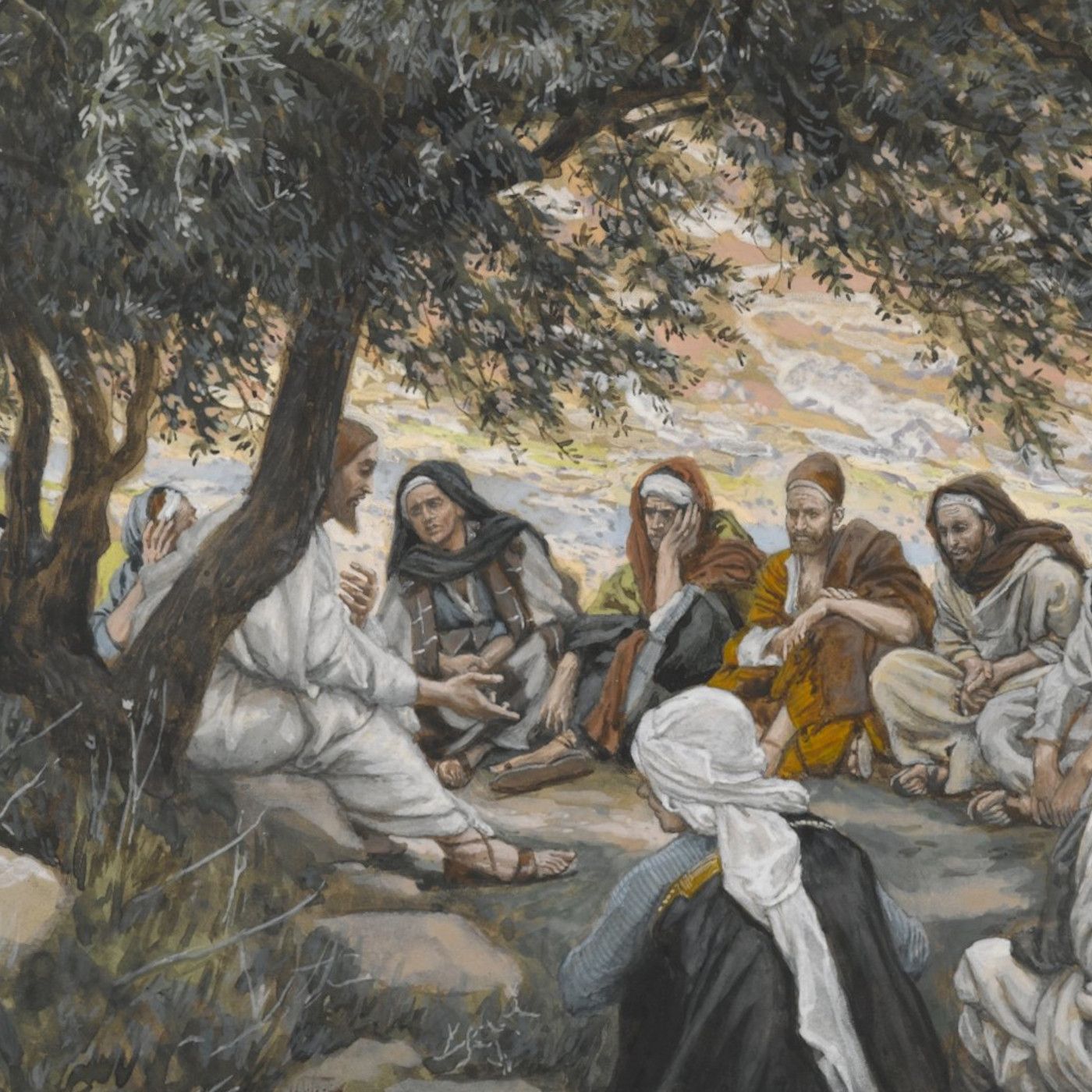
Monday of the Fifteenth Week in Ordinary Time - The Sword of Truth and Peace
4w ago00:06:59Tap to summarizeRead OnlineThe Sword of Truth and PeaceJesus said to his Apostles: “Do not think that I have come to bring peace upon the earth. I have come to bring not peace but the sword. For I have come to set a man against his father, a daughter against her mother, and a daughter-in-law against her mother-in-law; and one’s enemies will be those of his household.” Matthew 10:34–36At first glance, this Gospel sounds like a mistake. Did Jesus really say this? He certainly did. Understanding this passage requires a deep and clear awareness of Christ’s mission. He came to bring the true and lasting peace that comes only through adherence to the fullness of truth and cooperation with the fullness of grace.Note that this teaching was not delivered to the crowds but to the Twelve. Jesus often spoke to the crowds in parables, gently nourishing them with truths they could gradually grasp. But to the Twelve, He spoke with increasing clarity and depth. Today’s Gospel is one such instance.This passage comes from what is sometimes referred to as the Missionary Discourse, in which Jesus prepares His Apostles for the upheaval their mission will bring—first as they go out two by two to the towns of Israel, and later, after the Ascension, when they are sent to the ends of the earth. At first, Jesus’ words seem jarring, even paradoxical, coming from Him who is the Prince of Peace. But when we grasp their meaning, we discover the “tough love” this Gospel both encourages and demands.We all desire peace, especially within our families and communities, but peace is multifaceted and can have different meanings. On a superficial level, peace simply means the absence of conflict. While such tranquility has its place, Jesus came to offer a far greater and more enduring peace: the peace of shalom.Shalom, the Hebrew word for “peace,” signifies far more than the absence of strife. It encompasses the fullness of harmony, justice, and blessing that flow from a right relationship with God. It is a peace rooted in truth and communion with Him. Ironically, true peace can provoke division, especially when the Gospel confronts the sins and falsehoods people are unwilling to abandon.The “sword” our Lord brings is not for destruction, but for purification. It cuts away what is false so that the peace of shalom may take root. The sword Christ promises is the Truth: the living and active Word of God, “sharper than any two-edged sword” (Hebrews 4:12). It cuts through deception, pierces the heart, and forces a choice—a decisive turning toward or away from Him. God directs that sword at each of us, and through us, toward others. Even familial bonds will be tested and purified by the Gospel. Sometimes that purification results in visible division. But often, such division is necessary to bring about a deeper and more lasting unity in God’s truth.Which do you prefer? The mere absence of conflict at any cost—or a peace so deeply rooted in divine truth that it heals, unites, and strengthens bonds of love after purifying them? Certainly, the former is easier. Avoiding conflict is good when it means refraining from sinning against another—whether through anger, harsh judgment, or rudeness. But when conflict arises from purifying love, conveyed through the power of God’s saving Word, then such conflict becomes an act of charity. It does not seek division for its own sake, but aims at the heart—at conversion and truth—rather than at preserving what is fleeting and passing.Reflect today on the kind of peace you seek in your own life. Are there areas in which you’ve settled for comfort rather than truth? Have you avoided necessary spiritual conflict for fear of tension, even when it might have led to growth or reconciliation? Pray for the courage to welcome the “sword” of God’s Word—not to cause division, but to purify—so that the peace of shalom may take root more deeply in your heart, your relationships, and your mission. Prince of True Peace, You did not come to bring superficial peace to the world, but to bring the Sword of Truth—Your Word—that purifies and heals, so that true unity may be found. Pierce my heart with Your Word, O Lord. Cleanse me of all that separates me from You, and make me an instrument of Your purifying truth for those to whom I am sent. Jesus, I trust in You. Image: The Exhortation to the Apostles, by James TissotSource: Free RSS feed from catholic-daily-reflections.com — Copyright © 2026 My Catholic Life! Inc. All rights reserved. This content is provided solely for personal, non-commercial use. Redistribution, republication, or commercial use — including use within apps with advertising — is strictly prohibited without written permission.
Transcribe →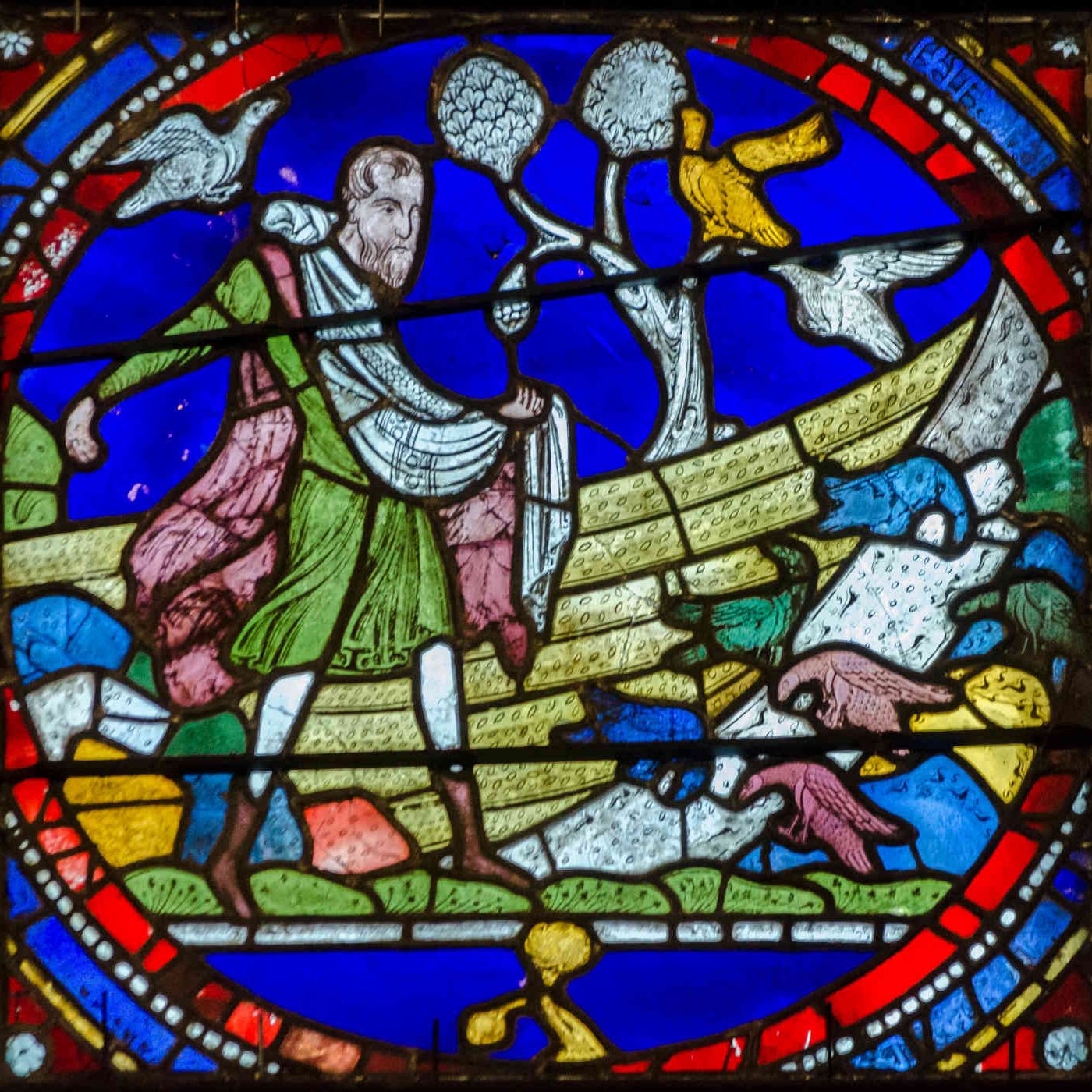
Fifteenth Sunday in Ordinary Time (Year A) - The Generous Sower
4w ago00:06:53Tap to summarizeRead OnlineThe Generous Sower“A sower went out to sow. And as he sowed, some seed fell on the path, and birds came and ate it up…” Matthew 13:3–4In today’s Gospel, the Parable of the Sower is delivered from a boat, as Jesus addresses a large crowd along the shoreline. Jesus uses the natural acoustics of the water to carry His voice to the eager multitude who came to hear Him. Their earnestness offers us an opportunity for self-examination: Am I among that crowd, attentively listening as God speaks to me today? Do I go out of my way to seek, listen, and respond to the Word of God?A parable is a method that both reveals and conceals. It reveals divine truth to those who are humble and receptive, and conceals that same truth from those whose hearts are closed. The truths of the Kingdom are not concepts that can be quickly grasped. They are divine mysteries that must enter the soul and be pondered and nourished. Only the spiritually docile can penetrate their depths and allow God’s Word to transform their lives.The Sower is Christ. The seed is the Word of God, and the soil represents the human heart, in all its various conditions of readiness and receptivity. Some souls await God’s Word like freshly tilled, moist, and fertilized soil. As soon as the seed enters, it begins to grow rapidly—until fully grown and producing good fruit.Other souls are less receptive. Like the path, some hearts are hardened, stubborn, refusing to receive divine truth. The Word is heard, but not truly received. The enemy snatches it away before it can penetrate.Hearts that are like rocky ground are those who initially receive the Word with joy but lack perseverance. When trials come, they fall away. They may attend Mass, read Scripture, or begin with fervor, but without deep interior conversion rooted in prayer, they cannot endure the heat of testing.The thorny heart is the divided heart, where the Word of God is mixed with anxieties, riches, and pleasures. The Gospel is heard—perhaps even cherished—but it is suffocated by worldly attachments, ambition, or fear. Earthly anxieties and the fascination of riches are thorns that smother the soul and prevent it from growing.The good news is that God, the Divine Sower, is not passive. He sows the seed Himself—personally, directly, and abundantly. He is not like a remote monarch seated on a distant throne, waiting for us to come to Him. No—God always takes the initiative. He goes forth like the sower, casting His seed upon us even before we ask.The seed comes to us in two essential ways: truth and grace. As truth, God’s Word enlightens the intellect to know His eternal mysteries. As grace, God’s Word strengthens the will to embrace and live those truths with faith and charity.The Divine Sower sows lavishly. He casts the seed everywhere—on the path, among the rocks, amidst thorns, and upon rich earth. This is not careless, but the work of Divine Mercy. God desires that all be saved and come to the knowledge of the truth. Even where the ground seems hardened, shallow, or choked with thorns, He still sows. He never ceases to speak, to reach out, to invite. He sows even in places we might deem hopeless—until the final moment, when the time for sowing is ended.Reflect today on God’s generous and continuous sowing in your soul. He never ceases speaking to you, calling to you, and planting His Word within you. How receptive are you? Which soil best describes your soul? It’s never too late to respond in this life. God’s Word can grow rapidly within us when our souls are fertile and receptive. Remove the rocks, cut down the thorns, and till the hardened path, so that the abundant seed will make its way into your heart.Divine Sower, You ceaselessly send forth Your truth and grace to enlighten and strengthen us in the mission of building Your Kingdom. Please till the soil of my heart and make it fertile, so that Your Word may take root in me, growing and producing an abundance of good fruit. Jesus, I trust in You. Image: Jules & Jenny from Lincoln, UK, CC BY 2.0, via Wikimedia CommonsSource: Free RSS feed from catholic-daily-reflections.com — Copyright © 2026 My Catholic Life! Inc. All rights reserved. This content is provided solely for personal, non-commercial use. Redistribution, republication, or commercial use — including use within apps with advertising — is strictly prohibited without written permission.
Transcribe →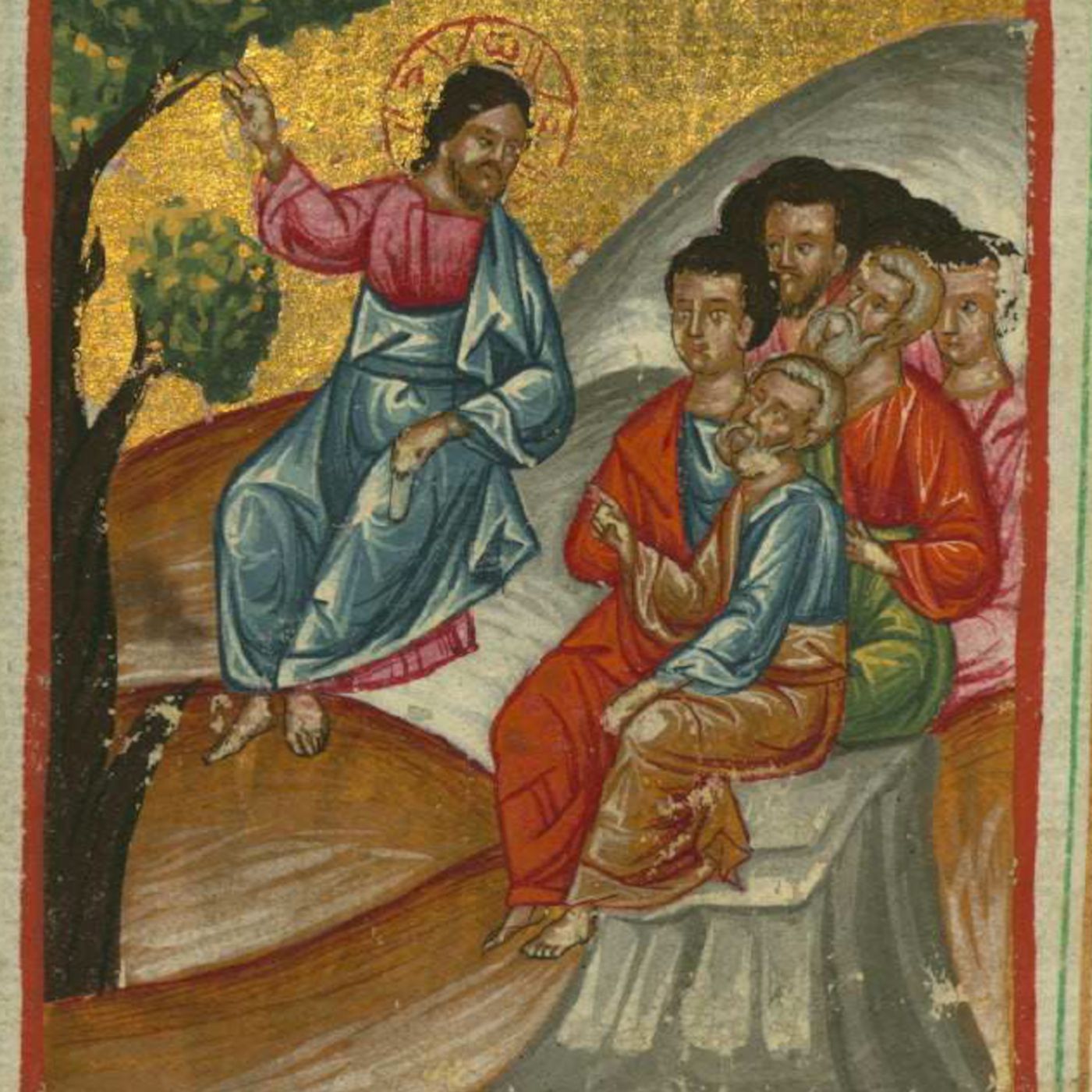
Saturday of the Fourteenth Week in Ordinary Time - Following the Teacher
4w ago00:07:08Tap to summarizeRead OnlineJesus said to his Apostles: “No disciple is above his teacher, no slave above his master. It is enough for the disciple that he become like his teacher, for the slave that he become like his master. If they have called the master of the house Beelzebul, how much more those of his household!” Matthew 10:24–25In Old Testament times, disciples learned from rabbis, often becoming teachers themselves who would pass on and further develop the traditions they received. But in today’s Gospel, Jesus profoundly redefines this relationship. Unlike the other rabbis, Jesus is not another wise teacher in a long line of learned men. He is the definitive and perfect Teacher—Wisdom incarnate, the very Word of God made flesh.Jesus’ disciples can never surpass nor even equal Him in wisdom, holiness, or understanding. Instead, their calling—and ours—is to become perfectly conformed to Christ, humbly imitating His life, sharing in His mission, and even suffering alongside Him. If Christ faced misunderstanding, slander, and rejection, His followers must expect no less.Despite being Wisdom Incarnate, many religious leaders of Israel rejected Him, even accusing Him of acting by the power of Beelzebul. Jesus warned His disciples to expect similar treatment. If the Master was subjected to such unjust accusations, His disciples would inevitably face even greater opposition.This sobering truth was not meant to discourage His Apostles but to prepare them spiritually. Jesus foresaw the fierce resistance and trials they would encounter after His Ascension. Indeed, following Pentecost, the Apostles faced precisely the persecution, misunderstanding, and martyrdom Christ foretold. Yet strengthened by the Holy Spirit, they courageously persevered, faithfully imitating their Master even unto death.In our own lives, we must also accept that authentic fidelity to Christ often invites resistance, misunderstanding, and even suffering. When that happens, we must never despair nor feel abandoned. Christ Himself has walked this path before us. Instead, we are called to imitate our Teacher with humble courage, trusting that our conformity to Him is our greatest reward. By remaining steadfast, we bear witness as true disciples of Christ who find their deepest joy, not in surpassing Christ, but in becoming like Him in love, humility, and sacrifice.At times, we might mistakenly assume that greater faithfulness to Christ should lead to the removal of hardships. On an interior level, this is indeed true: The closer we draw to Christ, the deeper our inner peace becomes. However, externally, this is often not the case. The martyrdom the Apostles experienced was anything but peaceful on a bodily level.This distinction is essential to understand as we strive to become authentic apostles ourselves, participating in Christ’s mission to proclaim the Gospel to the ends of the earth. Do we seek interior or exterior peace? Exterior peace—popularity, superficial relationships, and freedom from difficulties—is pleasant but does not encompass the fullness of the apostolic call. True fidelity in proclaiming the Gospel will, at times, inevitably provoke rejection, hostility, and suffering. Yet in faithfully enduring such trials, we experience the profound inner peace of Christ Himself, a peace which the world cannot give nor take away.Reflect today on any trials that test your faith. Rather than praying for exterior peace, pray for interior strength to face every trial with grace and confidence. Nothing can steal away the deep and abiding interior peace Christ wants to bestow as we engage the world with apostolic zeal. Do not be discouraged by rejection or circumstances beyond your control. Jesus prophesied this. Imitate Jesus instead, laying down your life sacrificially with Him, knowing that if the Master was attacked, so will we, His disciples, be.Teacher of all teachers, I am forever Your disciple, relying entirely upon Your wisdom and strength. Send me forth with the courage of the Apostles to fulfill Your divine mission. When I encounter difficulties, opposition, or persecution, grant me Your peace and confidence, knowing that I, Your disciple, should expect nothing more than You, my Master, lovingly endured. Jesus, I trust in You. Image: Ilyas Basim Khuri Bazzi Rahib, CC BY-SA 3.0, via Wikimedia CommonsSource: Free RSS feed from catholic-daily-reflections.com — Copyright © 2026 My Catholic Life! Inc. All rights reserved. This content is provided solely for personal, non-commercial use. Redistribution, republication, or commercial use — including use within apps with advertising — is strictly prohibited without written permission.
Transcribe →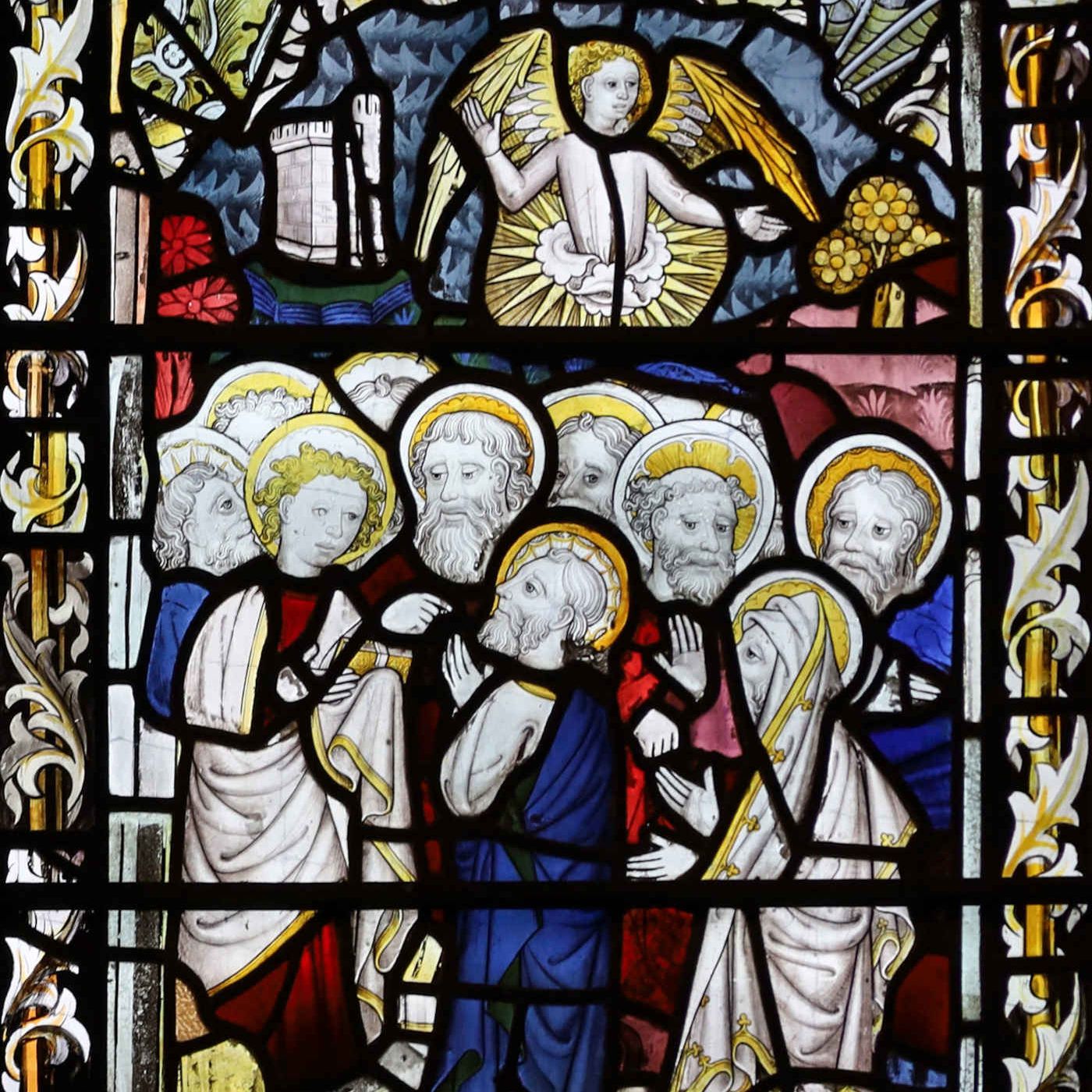
Friday of the Fourteenth Week in Ordinary Time - Heralds of the Gospel
4w ago00:07:12Tap to summarizeRead OnlineHeralds of the GospelJesus said to his Apostles: “Behold, I am sending you like sheep in the midst of wolves; so be shrewd as serpents and simple as doves. But beware of men, for they will hand you over to courts and scourge you in their synagogues, and you will be led before governors and kings for my sake as a witness before them and the pagans.” Matthew 10:16–18No one is naturally drawn to persecution. We flee from it. We are made for communion with one another. In Heaven, and in the New Heavens and New Earth at the end of time, our eternal experience will be of peace, unity, and solidarity with all as we jointly gaze upon and adore the Beatific Vision of the King of the Universe.Today, however, the kingdom of darkness retains a great hold on this fallen world. War, violence, injustice, and divisions of every kind affect families, communities, and nations because hostility is much easier to achieve than the peace and harmony that Christ seeks to establish through the inauguration of His Kingdom.One of the surest ways to avoid persecution is to stand for nothing. Those who hold no moral convictions or remain silent about the truths of the faith are unlikely to draw the world’s wrath. But those who speak with clarity and charity about the eternal truths of the Gospel often find themselves the object of rejection.This was the reality for which Jesus was preparing the Twelve Apostles. Today’s Gospel comes from a lengthy exhortation Jesus delivered to His Twelve as He was sending them out two by two to proclaim the arrival of the Kingdom of God. They were to go forth with courage, rely on divine providence, perform miracles, and prepare the various towns and villages to which they were sent for Jesus’ coming.At first, one might think that entering a Jewish town to share the good news that the Messiah had arrived—and was soon coming to them in person—would be met with much rejoicing. However, that’s not the reality for which Jesus prepared them. He offers a striking image, saying He is sending the Twelve “like sheep in the midst of wolves.” This evokes both the innocence they were to embody and the hostility they would inevitably face. As sheep, they were to act with meekness, vulnerability, and complete dependence on the Good Shepherd’s providence.Today, as our Lord sends us forth to proclaim the Gospel within our families, communities, and world, we should expect nothing other than what the Twelve encountered. For example, those who uphold the Church’s moral teachings publicly often provoke strong resistance. Even proclaiming that salvation is found solely through Jesus Christ can lead to hostility. The accusation is frequently made that such beliefs are intolerant or judgmental, when in truth they are rooted in love and fidelity to God’s revelation—and in genuine concern for the good of every soul. If we wish to continue Jesus’ mission of establishing His Kingdom, we must be prepared for persecution by knowing how to respond to it. Returning hatred for hatred or persecution for persecution is not the Gospel. Instead, we must expect and anticipate hostility when we become messengers of the Truth—and respond with serpent-like shrewdness and dove-like simplicity. We must perceive dangers, avoid traps, and navigate persecution without being naïve. We must also embrace sincerity of heart, freedom from malice, and unwavering peace. Reflect today on whether you are willing to endure hardship for the sake of Christ. Is your heart prepared to speak the truth in love and to receive rejection with peace? Pray for the grace to imitate the Apostles, who went forth not in fear but in trust. Resolve to bring the light of the Gospel into a dark and hostile world with shrewdness, simplicity, fidelity, courage, and meekness, knowing that the Good Shepherd will guide and protect you always, when you act in accord with His perfect will for the mission on which you are sent. Most glorious King, You came to establish Your Kingdom on earth in preparation for the Eternal Kingdom to come. Please send me forth to prepare the way for Your coming—into the hearts of my family and friends, into the wider community, and into every place where You call me to bear witness in the world. May I act with the shrewdness of serpents and the gentleness of doves, with wisdom and humility, as I seek to prepare the way for Your Kingdom of truth and love. Jesus, I trust in You. Image: The Apostles by Lawrence OP, CC BY-NC-ND 2.0.Source: Free RSS feed from catholic-daily-reflections.com — Copyright © 2026 My Catholic Life! Inc. All rights reserved. This content is provided solely for personal, non-commercial use. Redistribution, republication, or commercial use — including use within apps with advertising — is strictly prohibited without written permission.
Transcribe →