Podcast
Cave To The Cross Apologetics
Hosted by Patrick And Tony · EN
Applying's God's Word To Philosophical Thought
22episodes
Episodes
Newest firstAll episodes
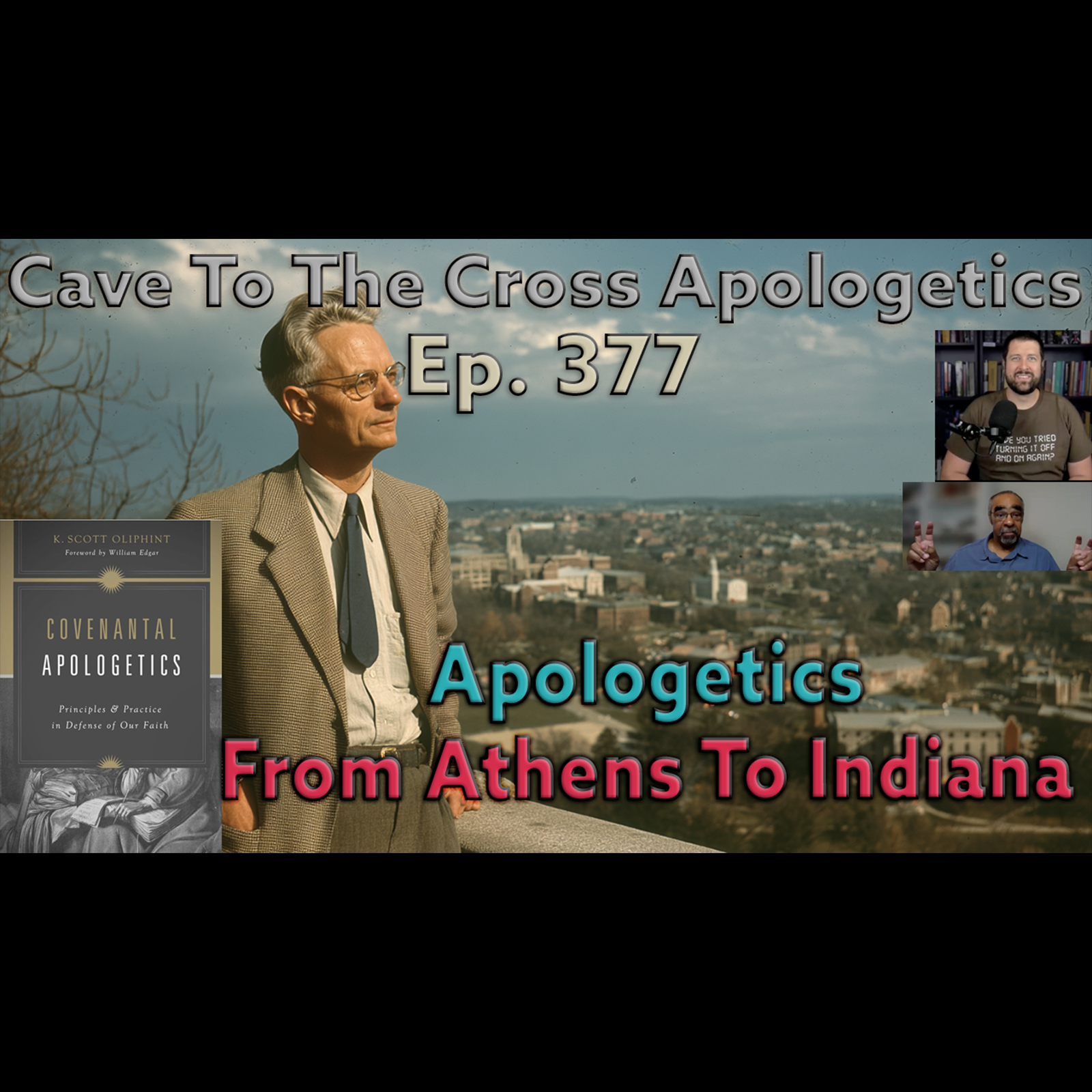
Apologetics – From Athens To Indiana – Ep.378 – Preface – Covenantal Apologetics
3w ago00:33:05Tap to summarizeIn the preface for the new book, William Edgar walks through a short history of 20th century apologetics and takes us from Athens to Indiana. We see the shaky ground that the 20th century landscape had Christianity in and the much needed resurgence that people like Kuyper, Van Til, and now Oliphint will guide us to let the roaring lion go forth - foundation and all.
Transcribe →
Book 15 Announcement – Cave To The Cross Apologetics
4w ago00:04:43Tap to summarizeWow, book number 15! It only feels like yesterday we were on book 5. Well, after The Great Debate that put presuppositionalism on the map - what's to be done after that? Well, you actually have to talk to people. Scary, yes, but how does one actually do that? Well, this book might be of help.
Transcribe →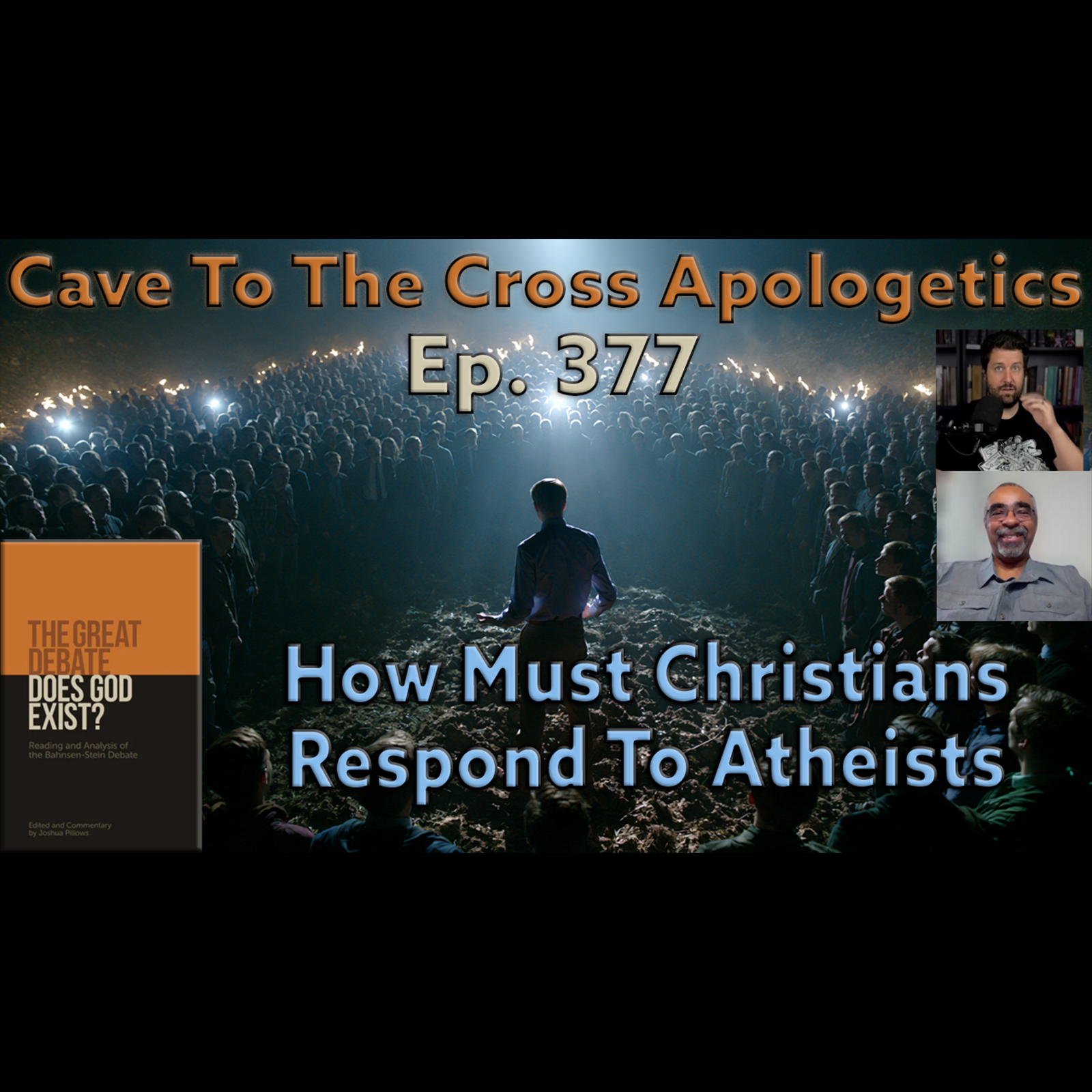
How Must Christians Respond To Atheists – Ep.377 – The Great Debate – Philosophical Tensions And The Need For A Presuppositional Approach – Part 4
Jul 1300:19:39Tap to summarizeConcluding our book, we ask, how must Christians respond to atheists with all these different accountings for science and logic? If we're unable to agree how we provide a basis for our knowledge, is there some sort of area above science and logic we could point to - something transcendental in nature that accounts for science and logic? Well, I'm glad you asked.
Transcribe →
The Necessity Of Doing Apologetics Presuppositionally – Ep.376 – The Great Debate – Philosophical Tensions And The Need For A Presuppositional Approach – Part 3
Jul 600:24:24Tap to summarizeGreg Bahnsen now starts to advance his main argument that because of the confusion within the basis for science and logic, one should attack the foundational worldview using one's own worldview and therefore Christians should do apologetics presuppoitionally. In this episode, we discuss why that's the case.
Transcribe →
The Impasse Between The Two Atheist Worldviews – Ep.375 – The Great Debate – Philosophical Tensions And The Need For A Presuppositional Approach – Part 2
Jun 2900:22:11Tap to summarizeBefore Bahnsen gives us the answer, he's going to give us a problem that can't find the answer within itself. There are two big philosophical camps that many, if not all, atheists hold to. The problem comes in when the two atheist worldviews come into disagreement, and you find both sides saying the other is wrong at this impasse; they can't get past each other. So, is there an answer? Find out the question first.
Transcribe →
Atheist Problem Of Change, Unity, & Diversity – Ep.374 – The Great Debate – Philosophical Tensions And The Need For A Presuppositional Approach – Part 1
Jun 2200:25:57Tap to summarizeIn the final part of the book, we cover Bahnsen's push to encourage all Christians to use the presuppositional apologetic approach. Bahnsen, true to form, pushes the antithesis between the supernatural Christian worldview and everything else. He starts with showing that all other worldviews have issues with change, unity, & diversity - a place where the Christian worldview can swoop in and provide the answer.
Transcribe →
Cave To The Cross Apologetics – The Father’s Responsibility To Educate Children Redux
Jun 1502:42:51Tap to summarizeDon't worry, we'll be back to Bahnsen next week. But first, policy expert Jeff Park and Patrick have to encourage Christian fathers to take an active and central role in the education of their children - even if they're not the primary teacher, although they are primarily responsible.
Transcribe →
Cave To The Cross Apologetics – The Christian Responsibility To Educate Children Redux
Jun 802:35:41Tap to summarizeIt's now Patrick's turn to take a short vacation, so this week and next week will be two redux episodes featuring policy expert Jeff Park and the discussion of the Christian's responsibility to educate their children. In this, we talk about modern education, homeschooling, government policies, and why, ultimately, the Christian should fight to educate their children as they see fit.
Transcribe →
The Only Way To Do Apologetics – Ep.373 – The Great Debate – At War with the Word – The Necessity of Biblical Antithesis – Part 4
Jun 100:24:46Tap to summarizeThe previous three episodes leads up to Bahnsen's claim that presuppositional apologetics is the only way to do apologetics. It's the best tool to show the split between Christianity and every other viewpoint. And the best part, it's biblical and it is found in the Christian message itself.
Transcribe →
Apologetics Should Attack Worldview Foundations – Ep.372 – The Great Debate – At War with the Word – The Necessity of Biblical Antithesis – Part 3
May 2500:31:25Tap to summarizeBahnsen now moves to encouraging the Christian to engage in an apologetic method that attack worldview foundations first and foremost. There's nothing wrong in knowing the positive case for Christianity but when it comes to how one approaches proof and truth, why give up so much of your position to try and achieve a neutral starting point - it's not possible to have and it's not biblical to take.
Transcribe →