Podcast
Cloth Cultures with Amber Butchart
Hosted by Amber Butchart · EN
Welcome back to the Cloth Cultures podcast series. For season 4, Amber Butchart speaks to some of the artists, curators and contributors who are exhibiting at the British Textile Biennial throughout October this year, 2025. Tune in to hear discussions on invention and innovation in textile production, from indigenous knowledge to space-age technology, from the earliest form of shelter, the tent, to space suits, and from natural dyes to the first polymers.
Hosted on Acast. See acast.com/privacy for more information.
10episodes
Episodes
Newest firstAll episodes
Aitor Throup and Andrew Groves
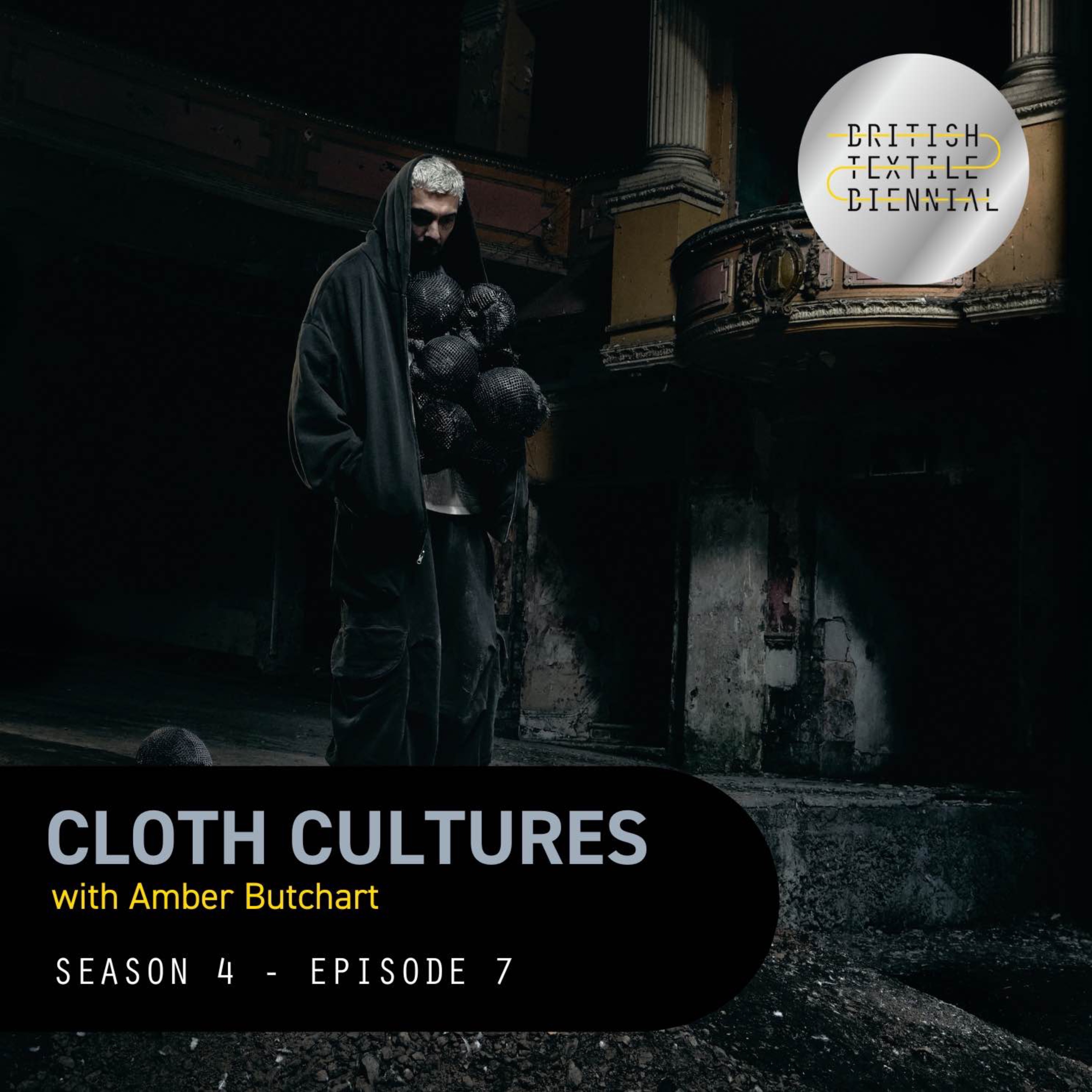
Sep 2201:20:37Tap to summarizeFor our season finale, Amber is in conversation with multi-disciplinary artist and designer Aitor Throup, and Andrew Groves, Professor of Fashion Design at the University of Westminster and founder of the Westminster Menswear Archive. The discussion is a deep dive into the conceptual framework behind Aitor’s practice, considering the avant garde at the intersections of football and fashion, the paradoxes at the heart of terrace style, and how racial discrimination is confronted in his designs. It is linked to Aitor’s retrospective in Burnley for the British Textile Biennial this year, titled From the Moor. Hosted on Acast. See acast.com/privacy for more information.
Transcribe →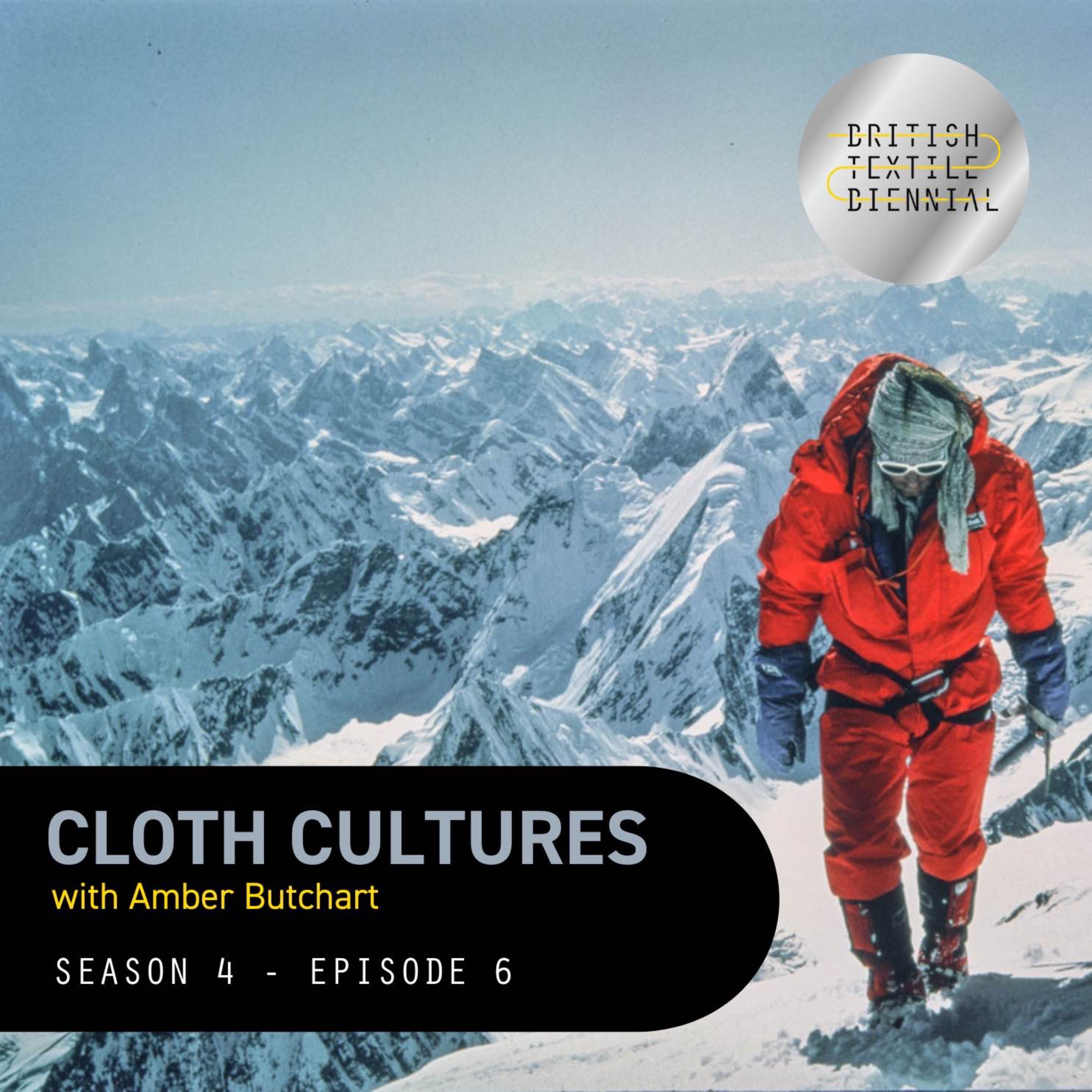
Max Leonard and Henry Iddon
Sep 1901:04:20Tap to summarizeMax Leonard and Henry Iddon are in conversation with Amber Butchart about their book, Mountain Style: British Outdoor Clothing 1953 – 2000, and related exhibition at the British Textile Biennial this year. Listen in for discussions on the evolution of outdoor clothing from mountain summit to street, moving from Everest in 1953 to football terraces and rave subcultures, as well as the factors that made this possible, from indigenous Inuit knowledge to the Right to Roam movement and the importance of Lancashire mills. Hosted on Acast. See acast.com/privacy for more information.
Transcribe →
Dhara Mehrotra and Ninon Ardisson
Sep 1600:41:25Tap to summarizeAmber Butchart talks to artists Dhara Mehrotra and Ninon Ardisson who are both creating work for the British Textile Biennial this year. Tune in to hear them discuss everything from mycelium to slime mould and our potential to learn from these networks, as well as their radical potential for textile futures, biomimicry in design, and the false dichotomy between art and science. Hosted on Acast. See acast.com/privacy for more information.
Transcribe →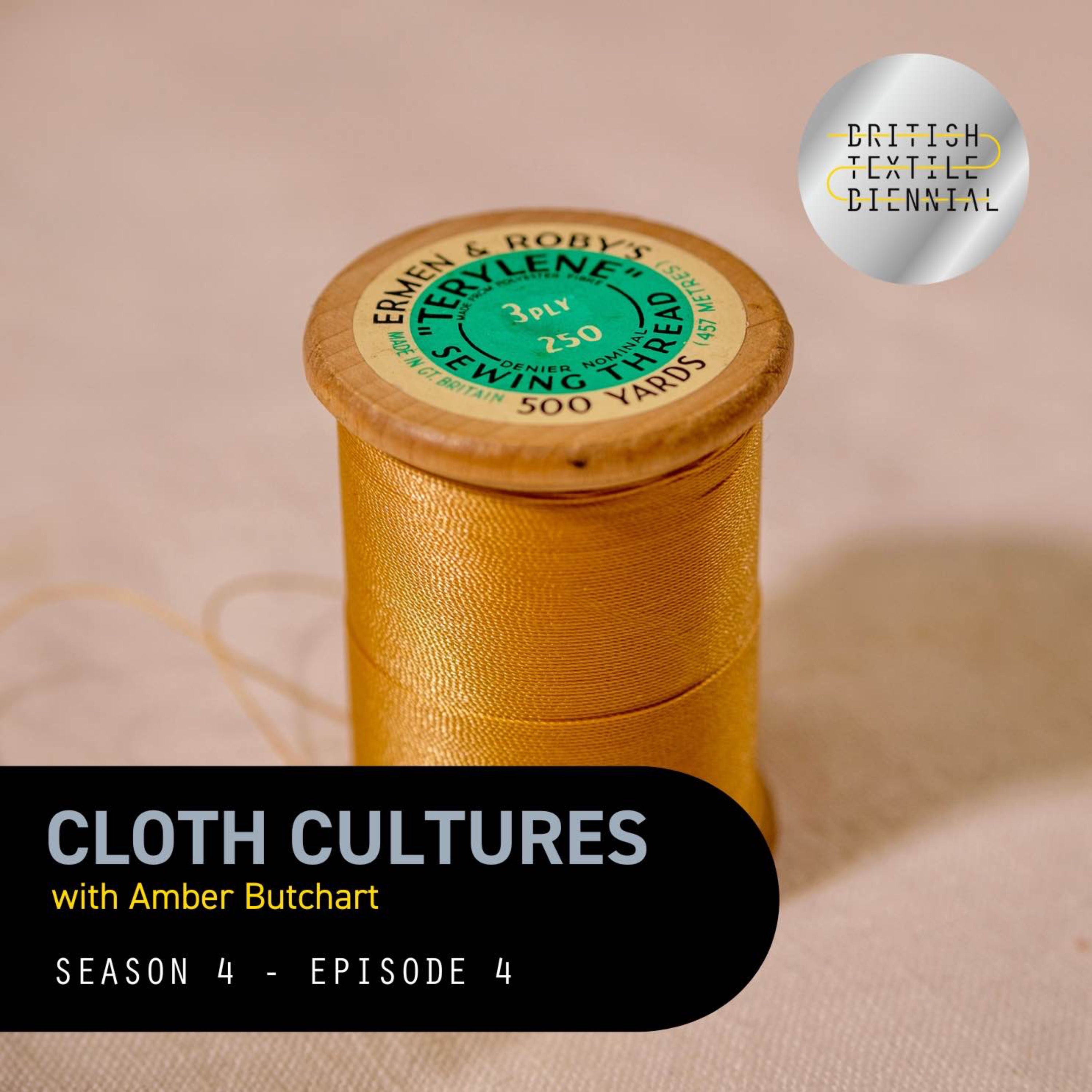
Claire Wellesley-Smith and Amber Butchart
Sep 1600:46:30Tap to summarizeAmber Butchart is in conversation with artist and academic Claire Wellesley-Smith, about their co-curated exhibition The Synthetic Revolution. The show looks at the development of the first polyester fibre made from crude oil by-products in Accrington, which was later branded with the name Terylene. They discuss how this local story became not only global but intergalactic in the post-war decades of the 1950s and 60s. Hosted on Acast. See acast.com/privacy for more information.
Transcribe →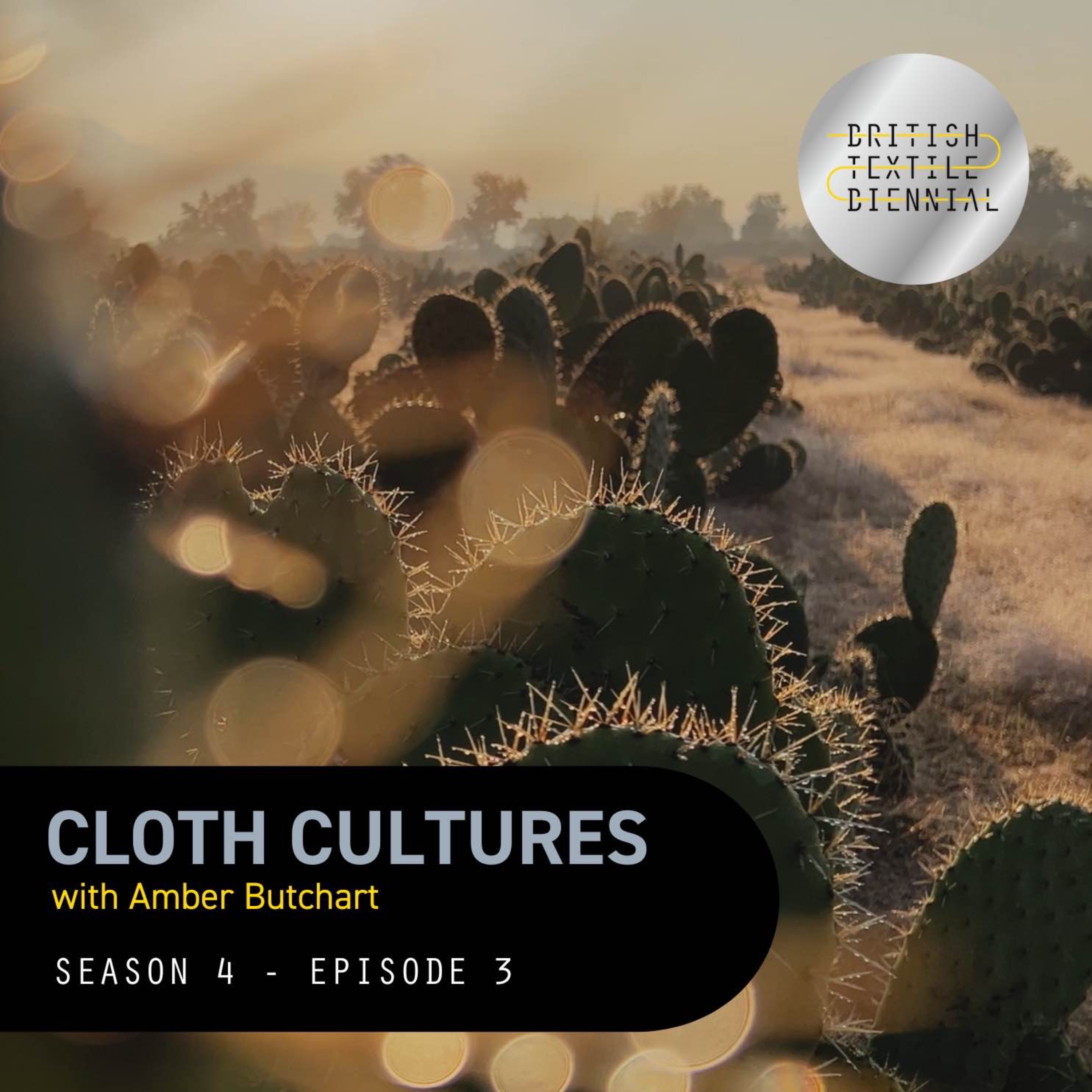
Tania Candiani and Porfirio Gutiérrez
Sep 1600:58:28Tap to summarizeAmber Butchart talks to artists Tania Candiani and Porfirio Gutiérrez about their work centred on cochineal. The cactus-dwelling cochineal insect can be used to produce a bright red pigment, a sacred indigenous colour which was exploited by colonial powers following the Spanish conquest of the area today known as Mexico. This colour transformed European art, but at a great cost. They discuss land, labour and ancestral knowledge through this lens, as well as the conceptual, colonial and economic context and value of art vs craft. Hosted on Acast. See acast.com/privacy for more information.
Transcribe →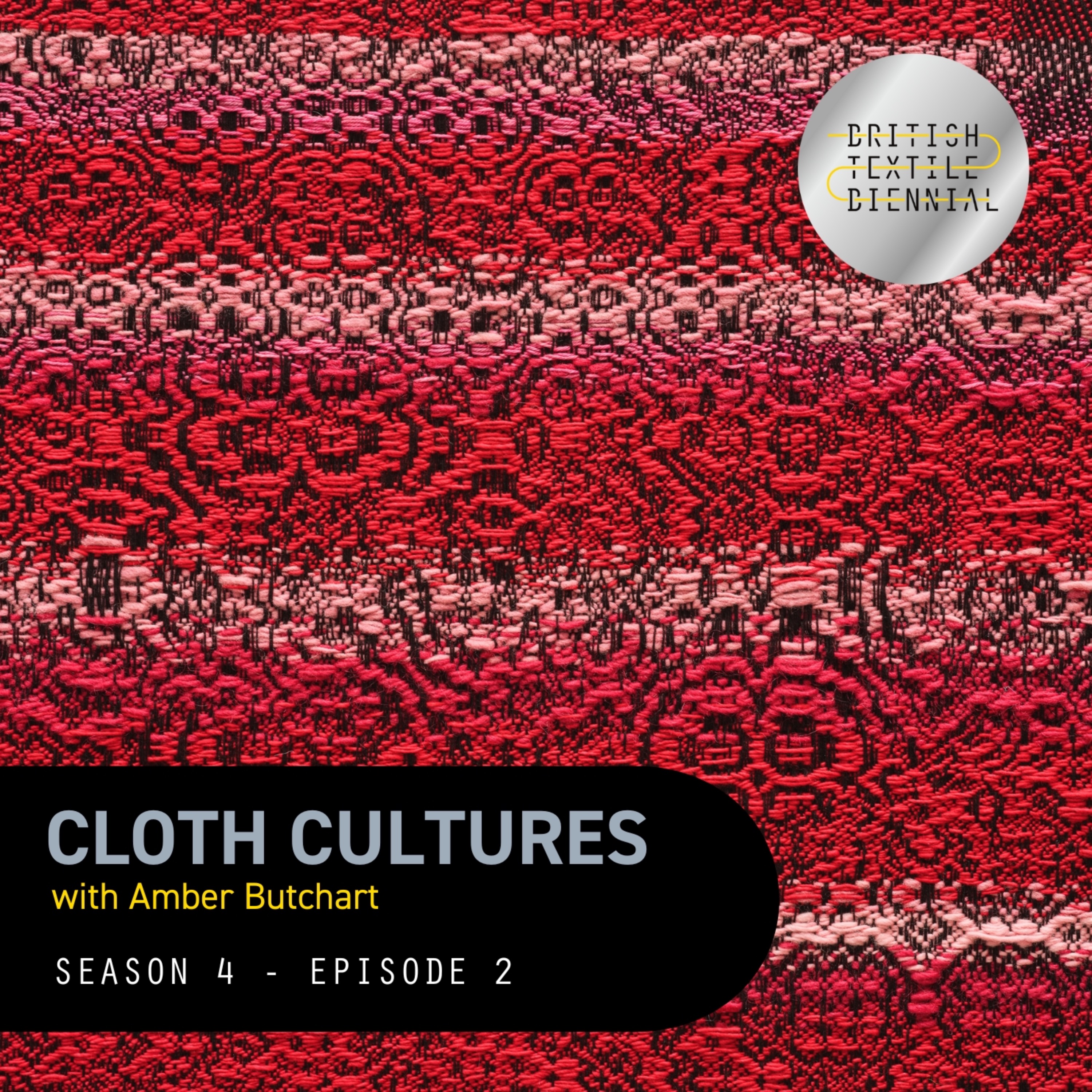
Sarah Rosalena and Crystal Bennes
Sep 1600:54:12Tap to summarizeAmber Butchart is joined by artists Sarah Rosalena and Crystal Bennes about their work which inspired by residencies at major scientific facilities: Mount Wilson Observatory in Los Angeles County, California, and CERN (the European Organisation for Nuclear Research) in Switzerland, the home of the Large Hadron Collider. They discuss the erasure of women and people of colour from conventional scientific histories, as well as the power and precarity of archives, and links between computing and looms. Hosted on Acast. See acast.com/privacy for more information.
Transcribe →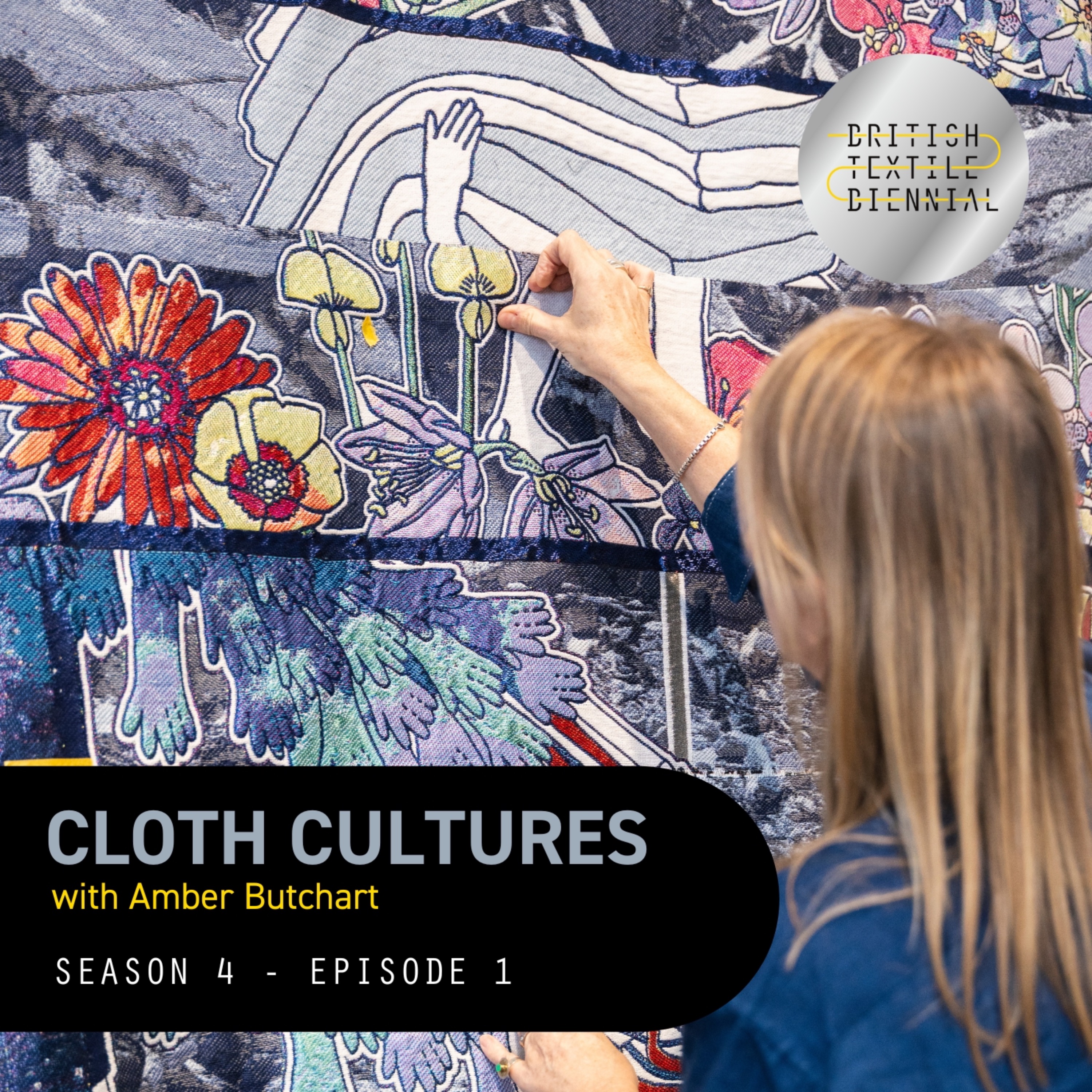
Lucy Orta and Jessica Hemmings
Sep 1600:50:11Tap to summarizeAmber Butchart is joined by artist Lucy Orta who has an expansive survey exhibition of her work with her partner Jorge at the Biennial this year, and writer and professor Jessica Hemmings. They discuss everything from texts to textiles, incarceration and craft, and how Lucy’s work highlights humanity’s impact on the planet, including themes such as displacement, climate change, and migration. Hosted on Acast. See acast.com/privacy for more information.
Transcribe →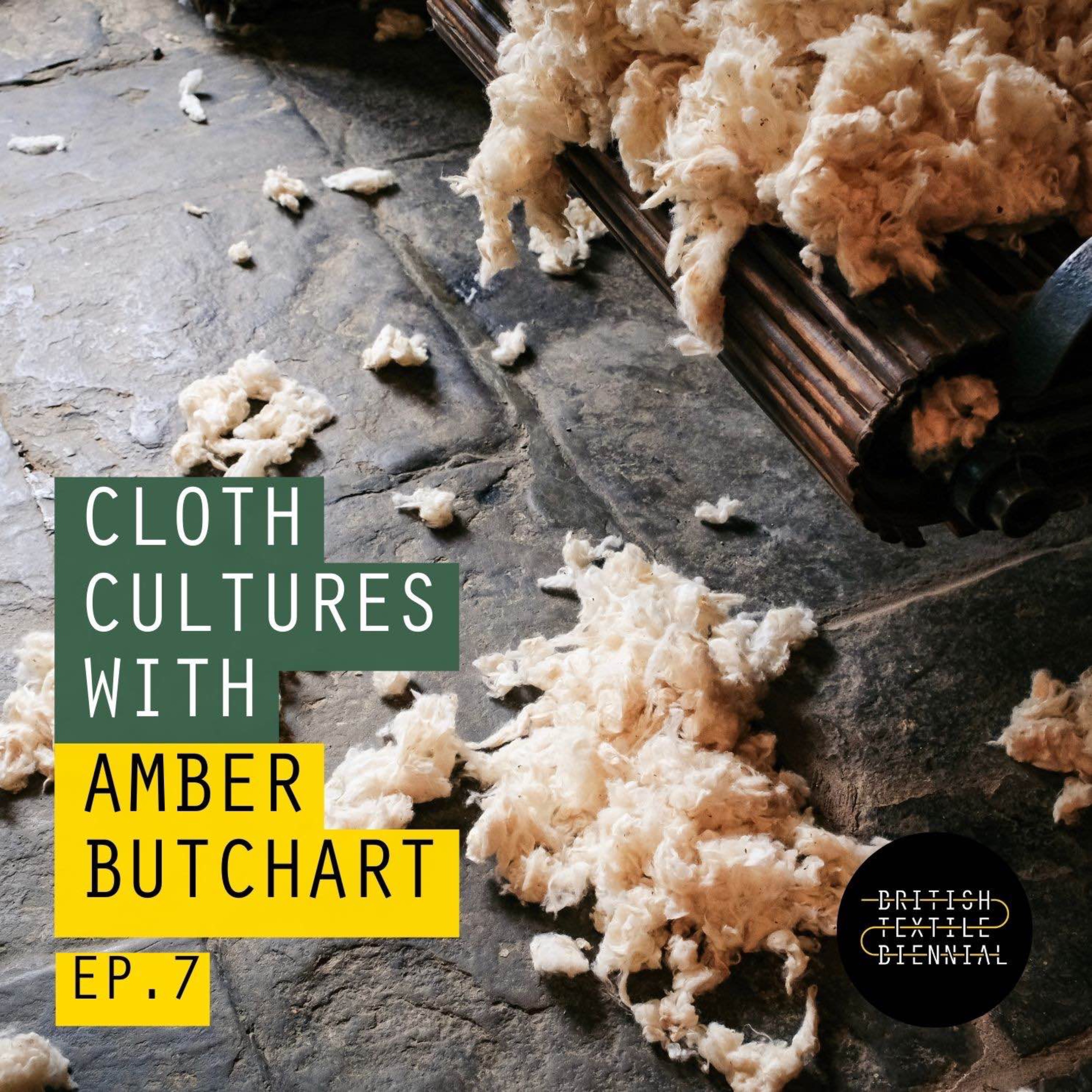
Christine Borland and Eva Sajovic
Aug 31, 202300:58:12Tap to summarizeAmber Butchart talks to artists Christine Borland and Eva Sajovic about everything from feminism to fustian. Both Christine and Eva are exhibiting at the British Textile Biennial in the area around Pendle Hill in Lancashire, notorious today for the Pendle witch trials in the early 17th century that saw 10 people executed for witchcraft. They explore the status, power and identity of women in early modern europe, and the changes brought about by the interconnectedness of the industrial revolution, capitalism and the colonial project, through to AI and its use in contemporary art. Hosted on Acast. See acast.com/privacy for more information.
Transcribe →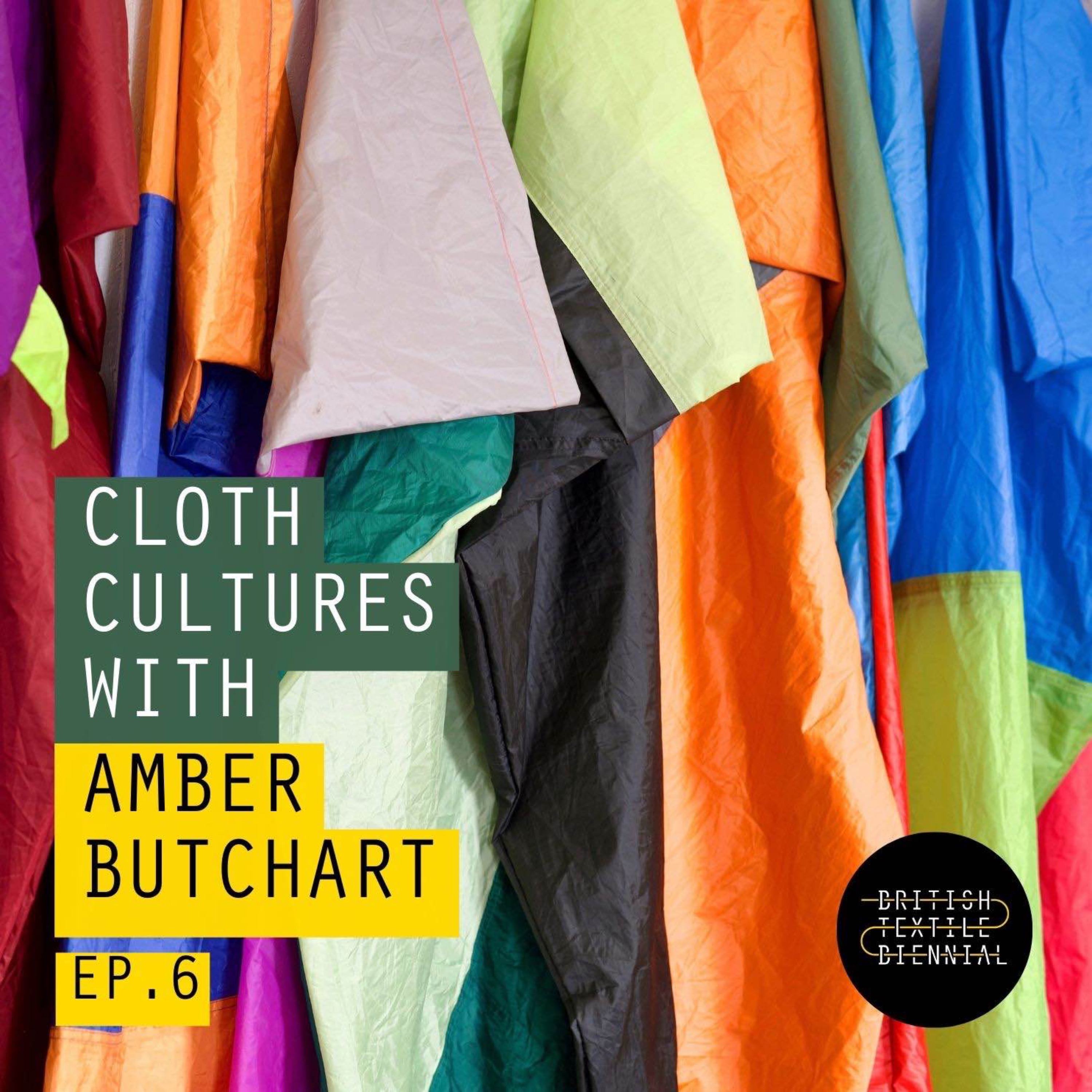
Rebecca Chesney and Dr Mila Burcikova
Aug 31, 202300:58:26Tap to summarizeAmber Butchart talks to researcher Dr Mila Burcikova of the Centre for Sustainable Fashion and artist Rebecca Chesney. Tune in for discussions on fashion, agriculture, and regenerative potentials, festival textile waste, and the fashion seasons vs the actual seasons. As well as art and bees, and tending our wardrobes in the same way we would tend our gardens. Hosted on Acast. See acast.com/privacy for more information.
Transcribe →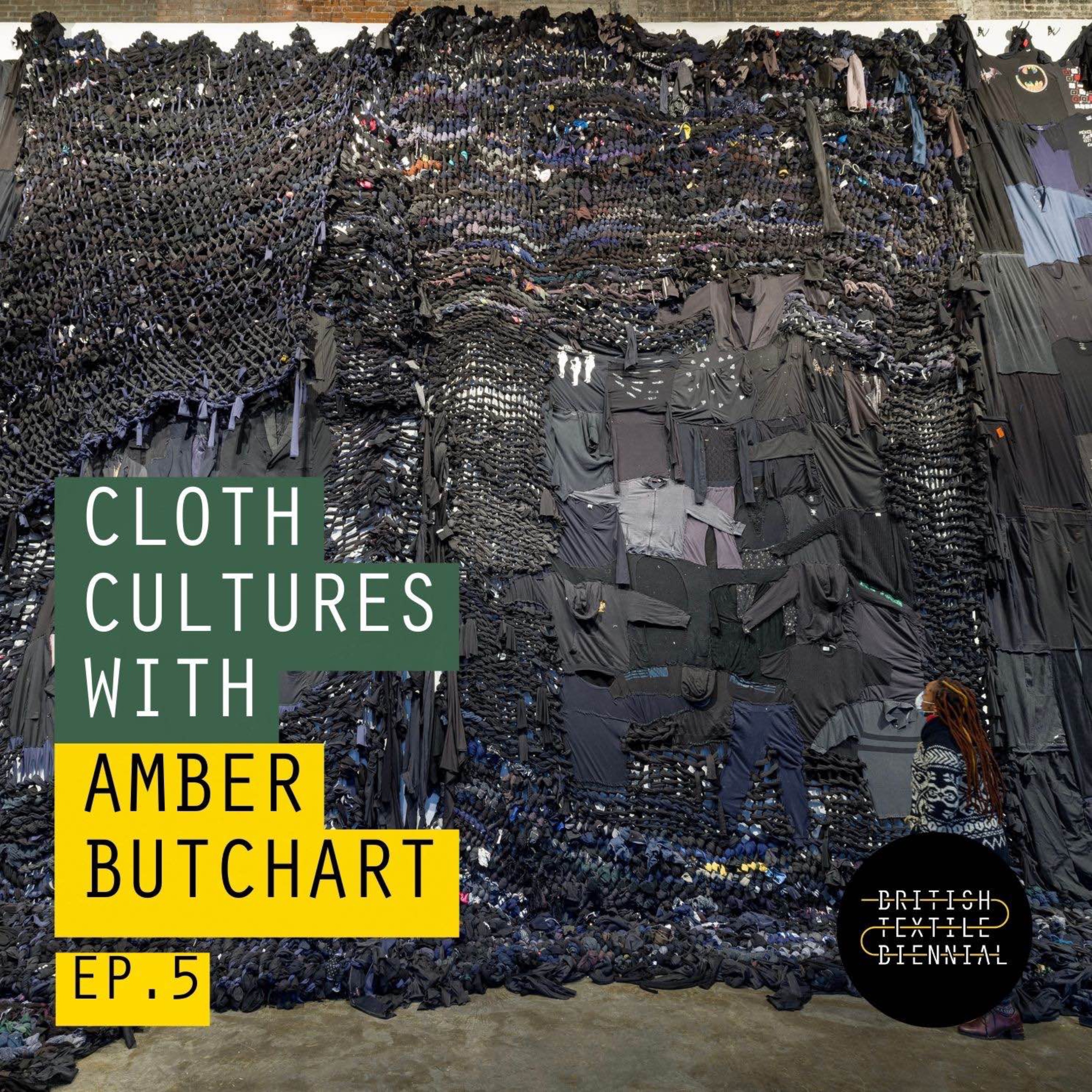
Victoria Udondian and Ibukun Baldwin
Aug 31, 202300:53:26Tap to summarizeAmber Butchart is joined by artists Victoria Udondian and Ibukun Baldwin, both of whom are creating incredible collaborative pieces for the British Textile Biennial this year. Tune in for discussions on migration, clothing and economic empowerment as well as the power of clothing and textiles in storytelling. Hosted on Acast. See acast.com/privacy for more information.
Transcribe →