
Podcast
Conversations with Tyler
Hosted by Mercatus Center at George Mason University · EN
Tyler Cowen engages today's deepest thinkers in wide-ranging explorations of their work, the world, and everything in between. New conversations every other Wednesday. Subscribe wherever you get your podcasts.
58episodes
Episodes
Newest firstAll episodes
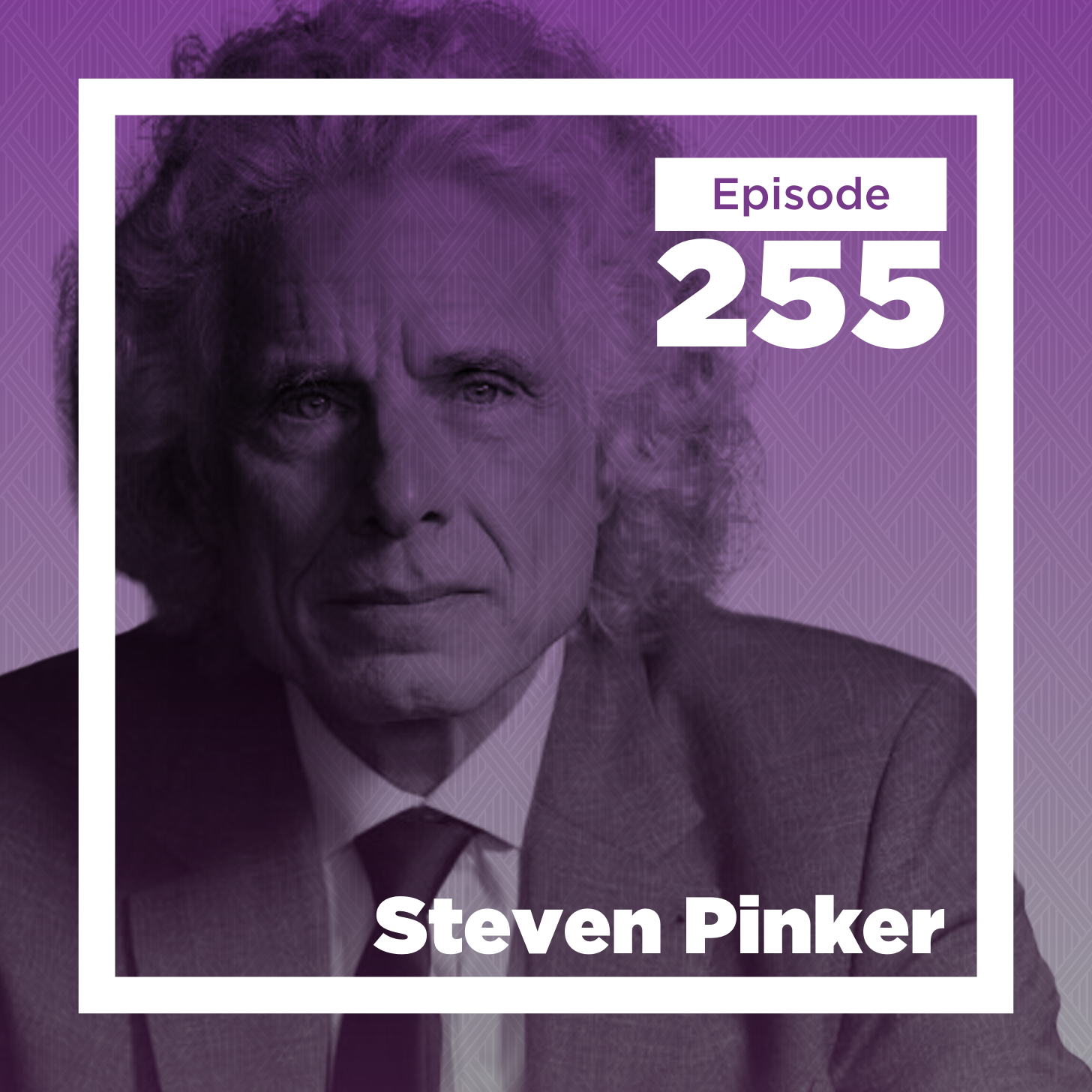
Steven Pinker on Coordination, Common Knowledge, and the Retreat of Liberal Enlightenment
Sep 2400:45:58Summary readySteven Pinker returns to Conversations with Tyler with an argument that common knowledge—those infinite loops of "I know that you know that I know"—is the hidden infrastructure that enables human coordination, from accepting paper money to toppling dictators. But Tyler wonders: if most real-world coordination works fine without recursively looping (a glance at a traffic circle), if these models break down with the slightest change in assumptions, and if anonymous internet posters are making correct but uncomfortable truths common knowledge when society might function better with noble lies, is Pinker's theory really capturing how coordination works—and might we actually need less common knowledge, not more? Tyler and Steven probe these dimensions of common knowledge—Schelling points, differential knowledge, benign hypocrisies like a whisky bottle in a paper bag—before testing whether rational people can actually agree (spoiler: they can't converge on Hitchcock rankings despite Aumann's theorem), whether liberal enlightenment will reignite and why, what stirring liberal thinkers exist under the age 55, why only a quarter of Harvard students deserve A's, how large language models implicitly use linguistic insights while ignoring linguistic theory, his favorite track on Rubber Soul, what he'll do next, and more. Read a full transcript enhanced with helpful links, or watch the full video on the new dedicated Conversations with Tyler channel. Recorded September 12th, 2025. This episode was made possible through the support of the John Templeton Foundation. Other ways to connect Follow us on X and Instagram Follow Tyler on X Follow Steven on X Sign up for our newsletter Join our Discord Email us: cowenconvos@mercatus.gmu.edu Learn more about Conversations with Tyler and other Mercatus Center podcasts here.
Summary
David Commins on Saudi Arabia, Wahhabism, and the Future of the Gulf States
Sep 1700:51:07Summary readyDavid Commins, author of the new book Saudi Arabia: A Modern History, brings decades of scholarship and firsthand experience to explain the kingdom's unlikely rise. Tyler and David discuss why Wahhabism was essential for Saudi state-building, the treatment of Shiites in the Eastern Province and whether discrimination has truly ended, why the Saudi state emerged from its poorer and least cosmopolitan regions, the lasting significance of the 1979 Grand Mosque seizure by millenarian extremists, what's kept Gulf states stable, the differing motivations behind Saudi sports investments, the disappointing performance of King Abdullah University of Science and Technology despite its $10 billion endowment, the main barrier to improving its k-12 education, how Yemen became the region's outlier of instability and whether Saudi Arabia learned from its mistakes there, the Houthis' unclear strategic goals, the prospects for the kingdom's post-oil future, the topic of David's next book, and more. Read a full transcript enhanced with helpful links, or watch the full video on the new dedicated Conversations with Tyler channel. Recorded August 22nd, 2025. This episode was made possible through the support of the John Templeton Foundation. Other ways to connect Follow us on X and Instagram Follow Tyler on X Sign up for our newsletter Join our Discord Email us: cowenconvos@mercatus.gmu.edu Learn more about Conversations with Tyler and other Mercatus Center podcasts here.
Summary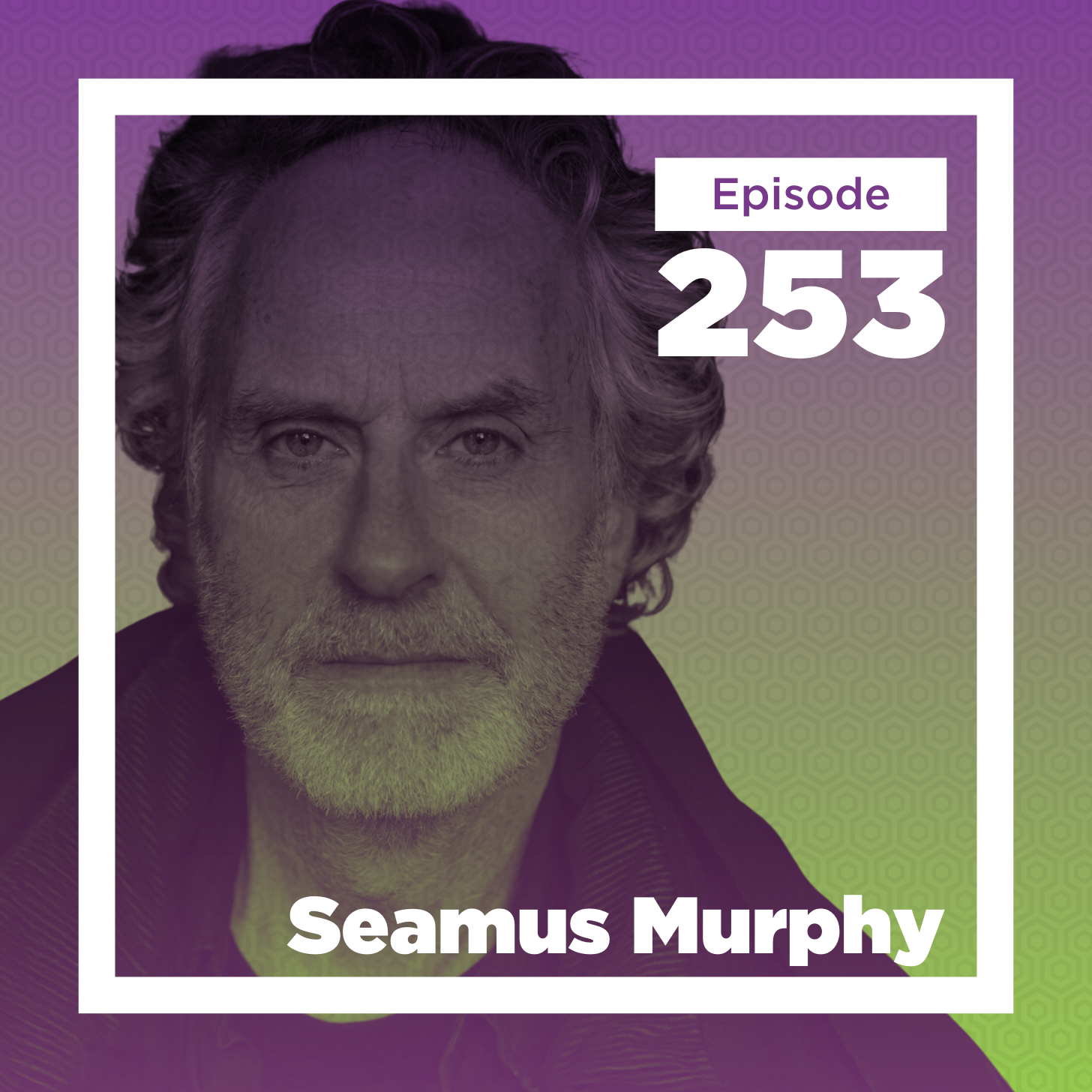
Seamus Murphy on Photographing Patterns Across Cultures
Sep 300:54:41Summary readySeamus Murphy is an Irish photographer and filmmaker who has spent decades documenting life in some of the world's most challenging places—from Taliban-controlled Afghanistan to Nigeria's Boko Haram territories. Having left recession-era Ireland in the 1980s to teach himself photography in American darkrooms, Murphy has become that rare artist who moves seamlessly between conflict zones and recording studios, creating books of Afghan women's poetry while directing music videos that anticipated Brexit. Tyler and Seamus discuss the optimistic case for Afghanistan, his biggest fear when visiting any conflict zone, how photography has shaped perceptions of Afghanistan, why Russia reminded him of pre-Celtic Tiger Ireland, how the Catholic Church's influence collapsed so suddenly in Ireland, why he left Ireland in the 1980s, what shapes Americans impression of Ireland, living part-time in Kolkata and what the future holds for that “slightly dying” but culturally vibrant city, his near-death encounters with Boko Haram in Nigeria, the visual similarities between Michigan and Russia, working with PJ Harvey on Let England Shake and their travels to Kosovo and Afghanistan together, his upcoming film about an Afghan family he's documented for thirty years, and more. Read a full transcript enhanced with helpful links, or watch the full video on the new dedicated Conversations with Tyler channel. Recorded August 21st, 2025. Help keep the show ad free by donating today! Other ways to connect Follow us on X and Instagram Follow Tyler on X Sign up for our newsletter Join our Discord Email us: cowenconvos@mercatus.gmu.edu Learn more about Conversations with Tyler and other Mercatus Center podcasts here.
Summary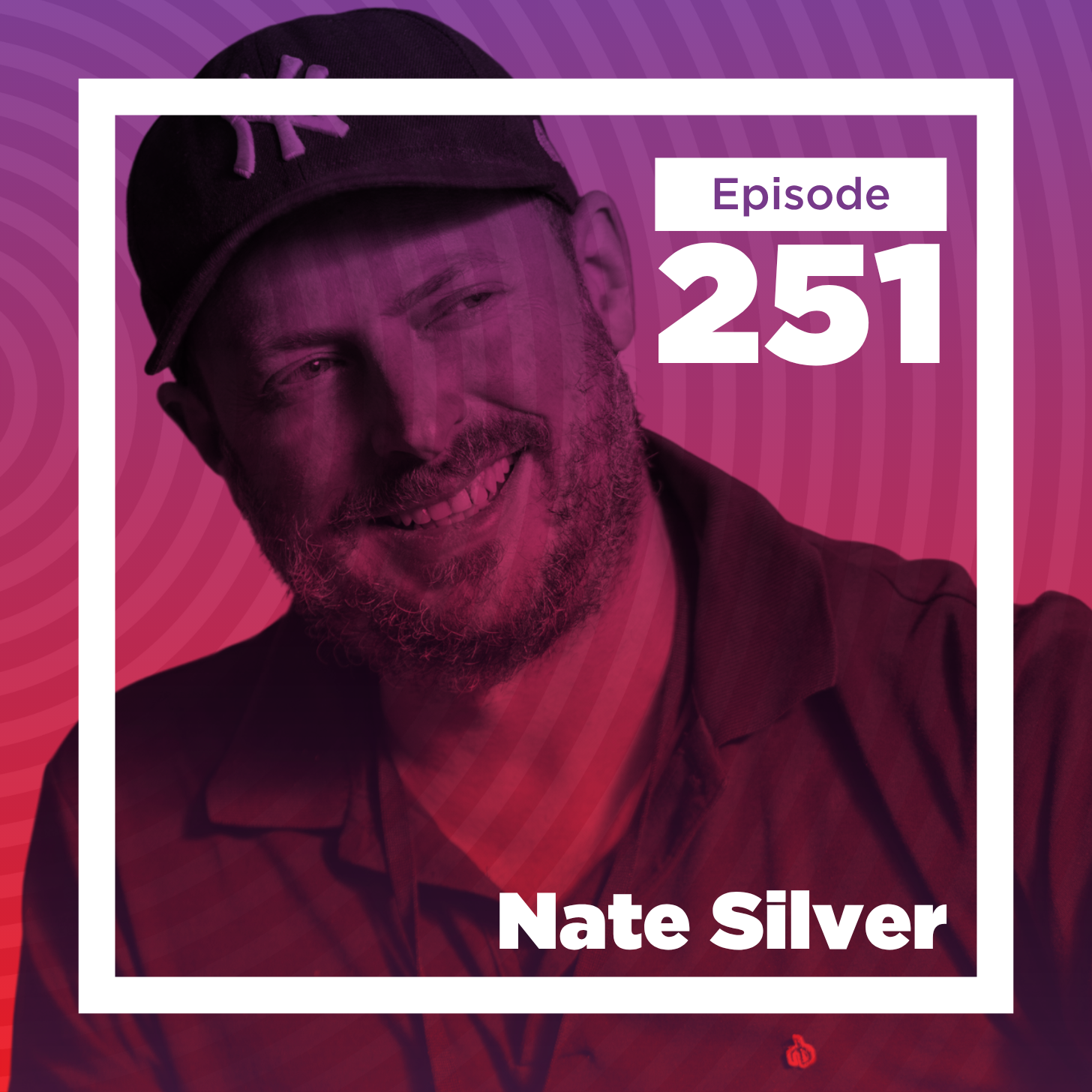
Nate Silver on Life's Mixed Strategies
Aug 13Summary readyIn his third appearance on Conversations with Tyler, Nate Silver looks back at past predictions, weighs how academic ideas such as expected utility theory fare in practice, and examines the world of sports through the lens of risk and prediction. Tyler and Nate dive into expected utility theory and random Nash equilibria in poker, whether Silver's tell-reading abilities transfer to real-world situations like NBA games, why academic writing has disappointed him, his move from atheism to agnosticism, the meta-rationality of risk-taking, electoral systems and their flaws, 2028 presidential candidates, why he thinks superforecasters will continue to outperform AI for the next decade, why more athletes haven't come out as gay, redesigning the NBA, what mentors he needs now, the cultural and psychological peculiarities of Bay area intellectual communities, why Canada can't win a Stanley Cup, the politics of immigration in Europe and America, what he'll work on next, and more. Read a full transcript enhanced with helpful links, or watch the full video on the new dedicated Conversations with Tyler channel. Recorded July 23rd, 2025. Help keep the show ad free by donating today! Other ways to connect Follow us on X and Instagram Follow Tyler on X Follow Nate on X Sign up for our newsletter Join our Discord Email us: cowenconvos@mercatus.gmu.edu Learn more about Conversations with Tyler and other Mercatus Center podcasts here.
Summary
David Robertson on Conducting, Pierre Boulez, and Musical Interpretation
Jul 9, 2025Summary readyDavid Robertson is a rare conductor who unites avant-garde complexity with accessibility. After serving as music director of the Ensemble Intercontemporain, Pierre Boulez’s storied contemporary-music ensemble, he went on to rejuvenate the St. Louis Symphony. Robertson combines a fearless approach to challenging scores with a deep empathy for audiences. Tyler and David explore Pierre Boulez's centenary and the emotional depths beneath his reputation for severity, whether Boulez is better understood as a surrealist or a serialist composer, the influence of non-Western music like gamelan on Boulez's compositions, the challenge of memorizing contemporary scores, whether Boulez's music still sounds contemporary after decades, where skeptics should start with Boulez, how conductors connect with players during a performance, the management lessons of conducting, which orchestra sections posed Robertson the greatest challenges, how he and other conductors achieve clarity of sound, what conductors should read beyond music books, what Robertson enjoys in popular music, how national audiences differ from others, how Robertson first discovered classical music, why he insists on conducting the 1911 version of Stravinsky's Petrushka rather than the 1947 revision, and more. Read a full transcript enhanced with helpful links, or watch the full video on the new dedicated Conversations with Tyler channel. Recorded March 12th, 2025. Help keep the show ad free by donating today! Other ways to connect Follow us on X and Instagram Follow Tyler on X Sign up for our newsletter Join our Discord Email us: cowenconvos@mercatus.gmu.edu Learn more about Conversations with Tyler and other Mercatus Center podcasts here. Photo Credit: Chris Lee
Summary
Gregory Clark on Social Mobility, Migration, and Assortative Mating (Live at Mercatus)
Feb 19, 2025Tap to summarizeHow much of your life's trajectory was set in motion centuries ago? Gregory Clark has spent decades studying social mobility, and his findings suggest that where you land in society is far more predictable than we like to think. Using historical data, surname analysis, and migration patterns, Clark argues that social mobility rates have remained largely unchanged for 300 years—even across radically different political and economic systems. He and Tyler discuss why we should care about relative mobility vs growing the size of the pie, how physical mobility does and doesn't matter, why England was a meritocracy by 1700, how assortative mating affects economic and social progress, why India industrialized so late, a new potential explanation why Britain's economic performance has been lukewarm since WWI, Malthusian societies then and now, whether a "hereditarian" stance favors large-scale redistribution or a free-market approach, the dynamics of assimilation within Europe and the role of negative selection in certain migrations, the challenge of accurately measuring living standards, the neighborhood-versus-family debate over what drives mobility, whether we need datasets larger than humanity itself to decode the genetics of social outcomes, and much more. Read a full transcript enhanced with helpful links, or watch the full video. Recorded February 5th, 2025. Help keep the show ad free by donating today! Other ways to connect Follow us on X and Instagram Follow Tyler on X Follow Gregory on X Sign up for our newsletter Join our Discord Email us: cowenconvos@mercatus.gmu.edu Learn more about Conversations with Tyler and other Mercatus Center podcasts here. Photo Credit: Chris Williams, Zoeica Images
Transcribe →
Ross Douthat on Why Religion Makes More Sense Than You Think
Feb 5, 2025Summary readySign Up for the Boston Listener Meet Up For Ross Douthat, phenomena like UFO sightings and the simulation hypothesis don't challenge religious belief—they demonstrate how difficult it is to escape religious questions entirely. His new book, Believe: Why Everyone Should Be Religious makes the case for religious faith in an age of apparent disenchantment. In his third appearance on Conversations with Tyler, Ross joined Tyler to discuss what getting routed by Christopher Hitchens taught him about religious debate, why the simulation hypothesis resembles ancient Gnostic religion, what Mexican folk Catholicism reveals about spiritual intermediaries, his evolving views on papal authority in the Francis era, what UFO sightings might tell us about supernatural reality, why he's less apocalyptic than Peter Thiel about the Antichrist, and why he's publishing a fantasy novel on Substack before AI potentially transforms creative writing. Read a full transcript enhanced with helpful links, or watch the full video. Recorded January 16th, 2025. Help keep the show ad free by donating today! Other ways to connect Follow us on X and Instagram Follow Tyler on X Follow Ross on X Sign up for our newsletter Join our Discord Email us: cowenconvos@mercatus.gmu.edu Learn more about Conversations with Tyler and other Mercatus Center podcasts here. Photo Credit: Abigail Douthat ©
Summary
Conversations with Tyler 2024 Retrospective
Dec 25, 2024Summary readyDonate to Conversations with Tyler Give Crypto Other Ways to Give On this special year-in-review episode, Tyler and producer Jeff Holmes look back on the past year in the show and more, including covering the most popular and underrated episodes, fielding listener questions, reviewing Tyler's pop culture picks from 2014, mulling over ideas for what to name CWT fans, and more. Read a full transcript enhanced with helpful links, or watch the full video. Recorded December 17th, 2024. Other ways to connect Follow us on X and Instagram Follow Tyler on X Follow Jeff on X Sign up for our newsletter Join our Discord Email us: cowenconvos@mercatus.gmu.edu Learn more about Conversations with Tyler and other Mercatus Center podcasts here.
Summary
Tobi Lütke on Creating Shopify for Americans as a German in Canada
Sep 18, 2024Tap to summarizeTobi Lütke is the CEO and co-founder of Shopify. 20 years ago, he was just a German coder who emigrated to Canada to launch some ecommerce platform with another German. Now he's the world-renowned thought and tech leader who has revolutionized online shopping for billions. He's also the creator of many open-source libraries like Liquid, Active Merchant, and the Typo weblog engine. Tyler and Tobi hop from Germany to Canada to America to discuss a range of topics like how outsiders make good coders, learning in meetings by saying wrong things, having one-on-ones with your kids, the positives of venting, German craftsmanship vs. American agility, why German schooling made him miserable, why there aren't more German tech giants, untranslatable words, the dividing line of between Northern and Southern Germany, why other countries shouldn't compare themselves to the US, Canada's lack of exports and brands, ice skating to work in Ottawa, how VR and AI will change retailing, why he expects to be "terribly embarrassed" when looking back at companies in the 2020s, why The Lean Startup is bad for retailers, how fantasy novels teach business principles, what he's learning next, and more. Read a full transcript enhanced with helpful links, or watch the full video. Recorded July 23rd, 2024. Other ways to connect Follow us on X and Instagram Follow Tyler on X Follow Tobi on X Sign up for our newsletter Join our Discord Email us: cowenconvos@mercatus.gmu.edu Learn more about Conversations with Tyler and other Mercatus Center podcasts here.
Transcribe →
Peter Thiel on Political Theology
Apr 17, 2024Tap to summarizeIn this conversation recorded live in Miami, Tyler and Peter Thiel dive deep into the complexities of political theology, including why it's a concept we still need today, why Peter's against Calvinism (and rationalism), whether the Old Testament should lead us to be woke, why Carl Schmitt is enjoying a resurgence, whether we're entering a new age of millenarian thought, the one existential risk Peter thinks we're overlooking, why everyone just muddling through leads to disaster, the role of the katechon, the political vision in Shakespeare, how AI will affect the influence of wordcels, Straussian messages in the Bible, what worries Peter about Miami, and more. Read a full transcript enhanced with helpful links, or watch the full video. Recorded February 21st, 2024. Other ways to connect Follow us on X and Instagram Follow Tyler on X Follow Peter on X Sign up for our newsletter Join our Discord Email us: cowenconvos@mercatus.gmu.edu Learn more about Conversations with Tyler and other Mercatus Center podcasts here.
Transcribe →