
Podcast
Daily Readings by Wild at Heart
Hosted by John Eldredge · EN
Daily Readings are a daily excerpt from books and teachings from John and Stasi Eldredge and Morgan Snyder.
165episodes
Episodes
Newest firstAll episodes

The Humanity of Jesus
Jun 2900:02:17Tap to summarizeSomething has crept into our assumptions about Jesus that makes it almost impossible to relate to him, not to mention love him. I say "crept" because it has not been a conscious decision; few of the things that shape our actual convictions are. I think much of the creep has happened, ironically, as a result of our attempts to love and revere Christ. But crept in this notion has, and it has done great damage to our perceptions of him, our experience of him.It's the notion that Jesus was really "pretending" when he presented himself as a man.We who worship Jesus Christ hold fast to the belief that he was God. "Very God of very God," as the Nicene Creed states. The heroic actions and miraculous powers of Jesus' life attest to it. So, when we read what we would call the more human moments, we feel that Jesus was sort of ... cheating. With a nod and a wink we know that what's really happening is that Einstein has dropped in to take the first-grade math quiz. Mozart is playing a measure in the kindergarten song flute choir. After all, we're talking about Jesus here. The guy walked on water, raised Lazarus from the dead. He never broke a sweat, right?But then, what do you make of that terrible sweat in Gethsemane? Deeply distressed.Overwhelmed with sorrow.Anguished.This doesn't sound like somebody cheating to me. He begs his Father, with tears, that this awful cup might be taken from him. Please, let there be some other way. He doesn't want to do it. Sweat like blood pouring from his tormented brow. He pleads with his Father, and then he pleads a second time, and then a third. Does this sound like Einstein adding two and two?He was human. Really.Want more? Order your copy of Beautiful Outlaw today.
Transcribe →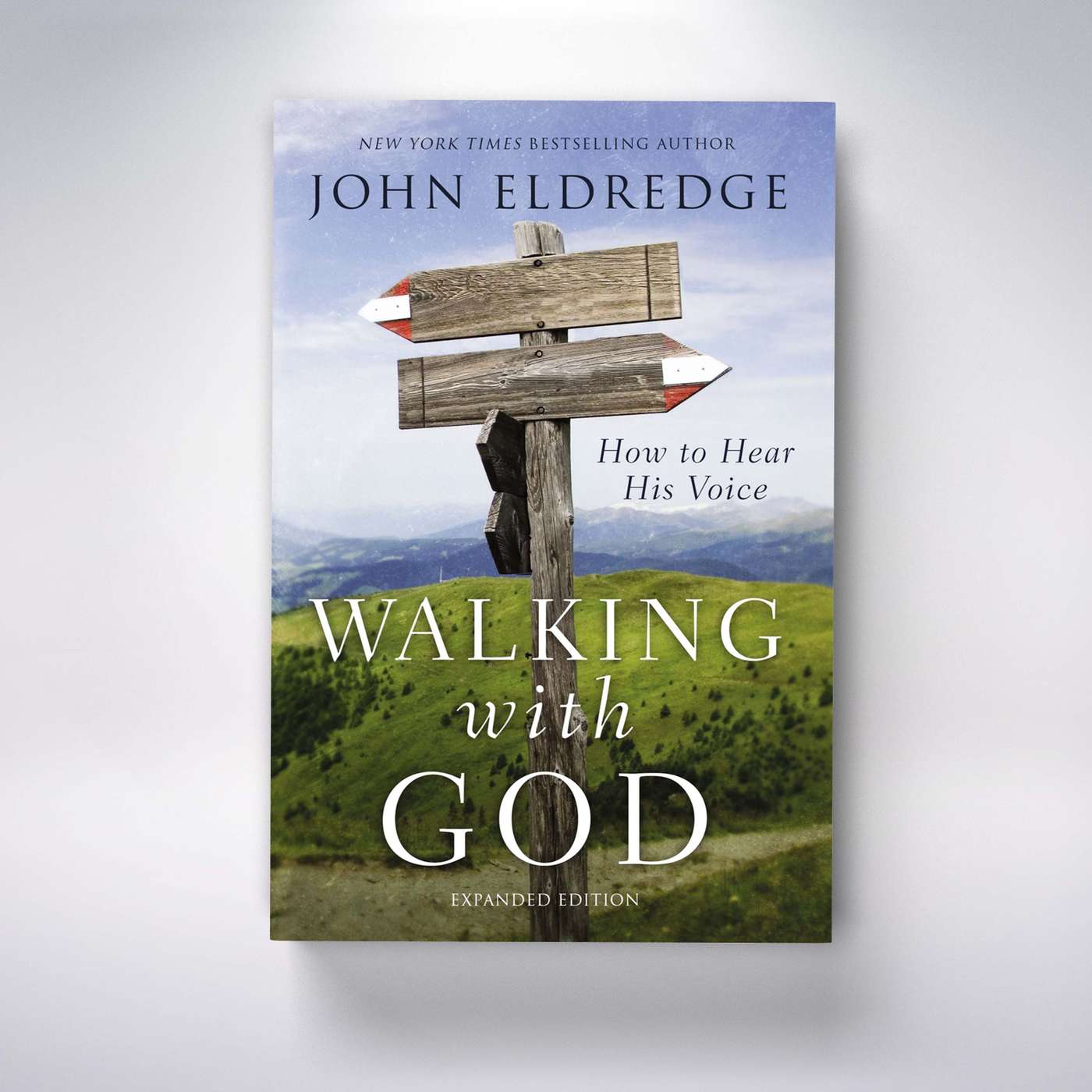
Humanity Restored
Jun 2800:02:38Tap to summarizeJesus says that as our Good Shepherd, he is leading us. What an encouraging thought. Jesus is leading you, and he is leading me. He is shepherding us. I can feel something in my heart loosening even now as I consider this. Okay. I don’t have to make life happen on my own. Now, if Christ takes it upon himself to lead, then our part is to follow. And you’ll find that it helps a great deal in your following if you know what God is up to. True, we may not know exactly what God is up to in this or that event in our lives. “Why didn’t I get the job?” “How come she won’t return my calls?” “Why haven’t my prayers healed this cancer?” I don’t know. Sometimes we can get clarity, and sometimes we can’t.But whatever else is going on, we can know this: God is always up to our transformation.God knew what he was doing from the very beginning. He decided from the outset to shape the lives of those who love him along the same lines as the life of his Son. The Son stands first in the line of humanity he restored. We see the original and intended shape of our lives there in him. After God made that decision of what his children should be like, he followed it up by calling people by name. After he called them by name, he set them on a solid basis with himself. And then, after getting them established, he stayed with them to the end, gloriously completing what he had begun. (Romans 8:29–30 msg)God has something in mind. He is deeply and personally committed to restoring humanity. Restoring you. He had a specific man or woman in mind when he made you. By bringing you back to himself through the work of Jesus Christ, he has established relationship with you. And now, what he is up to is restoring you. He does that by shaping your life “along the same lines as the life of his Son.” By shaping you into the image of Jesus. You can be confident of this. It’s a given. Whatever else might be going on in your life, God always has his eye on your transformation.Want more? Order your copy of Walking with God today.
Transcribe →
Until We Are Broken
Jun 2700:02:13Tap to summarizeTrue strength does not come out of bravado. Until we are broken, our life will be self-centered, self-reliant; our strength will be our own. So long as you think you are really something in and of yourself, what will you need God for? I don’t trust a man who hasn’t suffered; I don’t let a man get close to me who hasn’t faced his wound. Think of the posers you know—are they the kind of man you would call at 2:00 A.M., when life is collapsing around you? Not me. I don’t want clichés; I want deep, soulful truth, and that only comes when a man has walked the road I’ve been talking about. As Frederick Buechner says, To do for yourself the best that you have it in you to do—to grit your teeth and clench your fists in order to survive the world at its harshest and worst—is, by that very act, to be unable to let something be done for you and in you that is more wonderful still. The trouble with steeling yourself against the harshness of reality is that the same steel that secures your life against being destroyed secures your life also against being opened up and transformed. (The Sacred Journey)Only when we enter our wound will we discover our true glory. As Robert Bly says, “Where a man’s wound is, that is where his genius will be.” There are two reasons for this. First, the wound was given in the place of your true strength, as an effort to take you out. Until you go there you are still posing, offering something more shallow and insubstantial. And therefore, second, it is out of your brokenness that you discover what you have to offer the community. The false self is never wholly false. Those gifts we’ve been using are often quite true about us, but we’ve used them to hide behind. We thought that the power of our life was in the golden bat, but the power is in us. When we begin to offer not merely our gifts but our true selves, that is when we become powerful.Want more? Order your copy of Wild at Heart today.
Transcribe →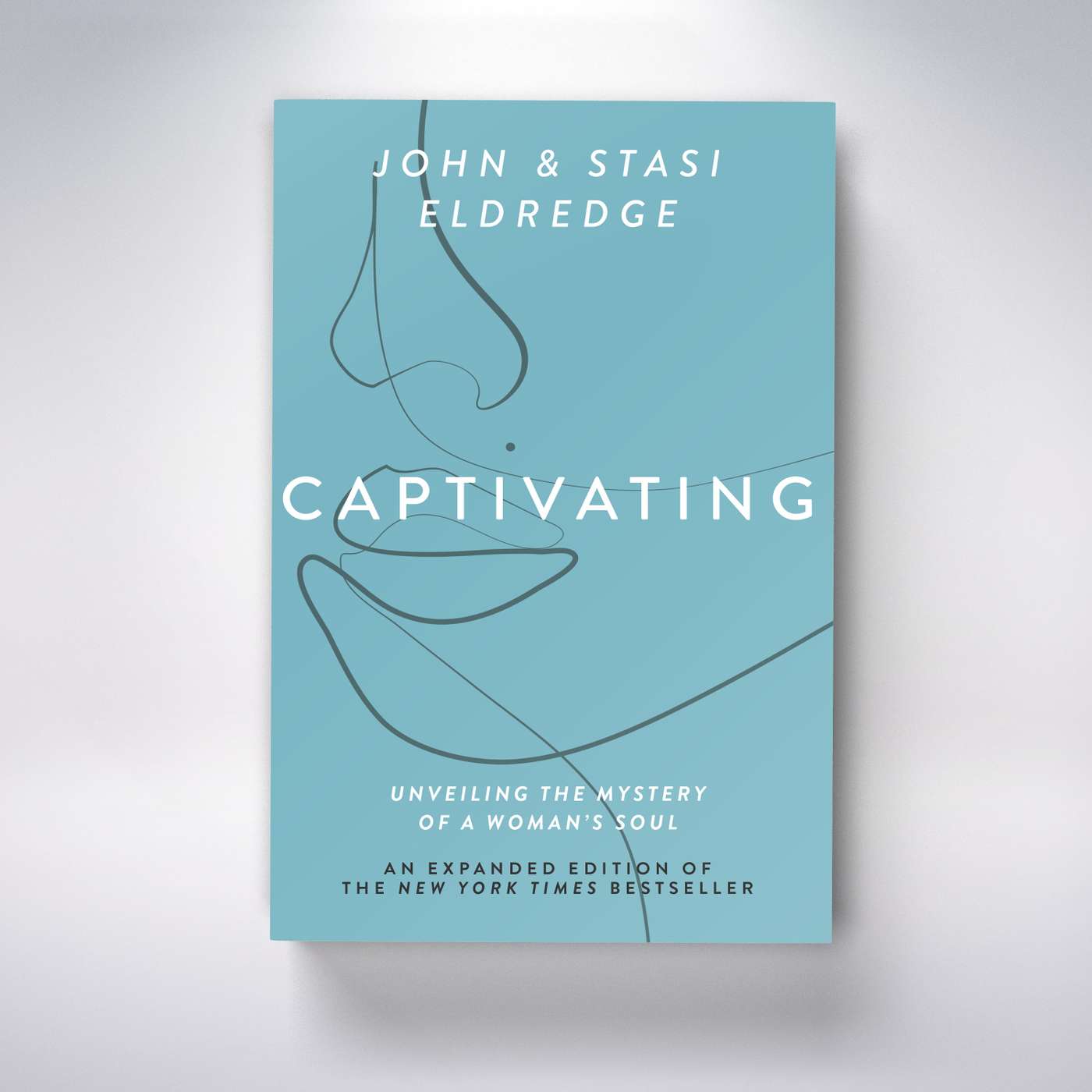
An Unholy Alliance
Jun 2600:02:20Tap to summarizeOver the years we’ve come to see that the only thing more tragic than the things that have happened to us is what we have done with them.Words were said, painful words. Things were done, awful things. And they shaped us. Something inside of us shifted. We embraced the messages of our wounds. We accepted a twisted view of ourselves. And from that we chose a way of relating to our world. We made a vow never to be in that place again. We adopted strategies to protect ourselves from being hurt again. A woman who is living out of a broken, wounded heart is a woman who is living a self-protective life. She may not be aware of it, but it is true. It’s our way of trying to “save ourselves.”We also developed ways of trying to get something of the love our hearts cried out for. The ache is there. Despite the best face we put on our lives, the ache is there. As Proverbs says, “Even in laughter the heart may ache” (14:13). Our desperate need for love and affirmation, our thirst for some taste of romance and adventure and beauty is there. So we turned to boys or to food or to romance novels; we lost ourselves in our work or at church or in some sort of service. All this adds up to the women we are today. Much of what we call our “personalities” is actually the mosaic of our choices for self-protection plus our plan to get something of the love we were created for.The problem is our plan has nothing to do with God.The wounds we received and the messages they brought formed a sort of unholy alliance with our fallen nature as women. From Eve we received a deep mistrust in the heart of God toward us. Clearly, he’s holding out on us. We’ll just have to arrange for the life we want. We will control our world. But there is also an ache deep within, an ache for intimacy and for life. We’ll have to find a way to fill it. A way that does not require us to trust anyone, especially God. A way that will not require vulnerability.Want more? Order your copy of Captivating today.
Transcribe →
Given, Lost, and Recovered
Jun 2500:00:49Tap to summarizeJesus said, “The knowledge of the secrets of the kingdom of heaven has been given to you…” (Matthew 13:11). One of those secrets is this—the entire spiritual realm works on authority. Just like all the kingdoms do in fairy tales (they get all their good ideas from the Gospel). Remember—Adam and Eve were given authority over the earth, to “rule and subdue.” But they forfeited that authority and the devil became the usurping “prince of this world.” Through his cross Jesus cast the dark prince down, and after his resurrection he said, “All authority in heaven and on earth has been given to me” (Matthew 28:18). Authority was given, lost, and recovered.Want more? Order your copy of Love & War today.
Transcribe →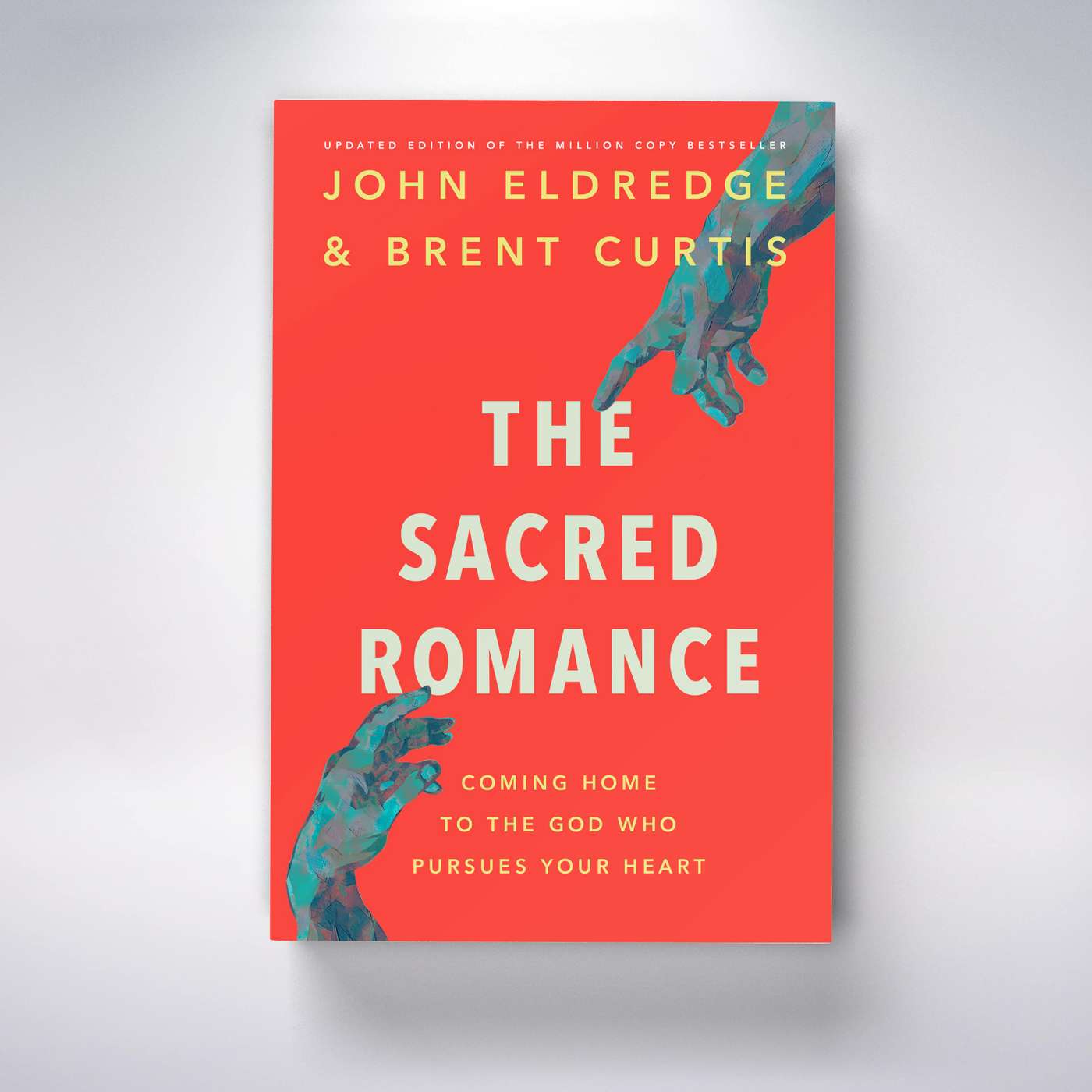
Fairy Tale of the Gospel
Jun 2400:02:02Tap to summarizeAccording to the part of the story God has allowed us to see, the Haunting we sense is his calling us forth on a journey. The resurrection of our heart requires that the Sacred Romance be true and that is precisely what the Scriptures tell us. As Frederick Buechner reminds us in his wonderful book Telling the Truth: The Gospel as Tragedy, Comedy and Fairy Tale, the world of the gospel is the world of fairy tale, with one notable exception:It is a world of magic and mystery, of deep darkness and flickering starlight. It is a world where terrible things happen and wonderful things too. It is a world where goodness is pitted against evil, love against hate, order against chaos, in a great struggle where often it is hard to be sure who belongs to which side because appearances are endlessly deceptive. Yet for all its confusion and wildness, it is a world where the battle goes ultimately to the good, who live happily ever after, and where in the long run everybody, good and evil alike, becomes known by his true name . . . That is the fairy tale of the Gospel with, of course, one crucial difference from all other fairy tales, which is that the claim made for it is that it is true, that it not only happened once upon a time but has kept on happening ever since and is happening still.Let us explore together the drama that God has been weaving since before the beginning of time, which he has also placed in our hearts. Who are the main players in this Larger Story? What is the plot? How do we fit in? As we rediscover the oldest Story in the world, one that is forever young, we journey into the heart of God and toward the recovery of our own hearts. For perhaps God would be reason enough to stay open to the Romance if we knew he would keep us safe. And therein we experience a great fear and confusion.Want more? Order your copy of The Sacred Romance today.
Transcribe →Sharing in His Authority
Jun 2300:01:42Tap to summarizeYou will reign, dear ones, over glorious kingdoms and realms within the great and glorious kingdom of our Father—a role we certainly need some preparation for. In another favorite Narnia story, The Horse and His Boy, the lost prince of Archenland is returned to his father—an orphaned boy, returned to his rightful role, just as we are. But he has some learning to do, some catching up to do before he can assume full responsibility. Shasta, now proclaimed prince, laments to his two horse companions: “It’s far worse for me than for you. I am going to be educated. I shall be learning reading and writing and heraldry and dancing and history and music while you’ll be galloping and rolling on the hills of Narnia.”A prince totally unaccustomed to the ways of the kingdom cannot be entrusted with the throne until he has had some preparation—just as we need “educating.” We really thought this life was simply about getting a nice little situation going for ourselves, and living out the length of our days in happiness. I’m sorry to take that from you, but you and I shall soon be inheriting kingdoms and we are almost illiterate when it comes to ruling. So God must prepare us to reign. How does he do this? In exactly the same way he grows us up—he puts us in situations that require us to pray and to learn how to use the authority that has been given to us. How else could it possibly happen?Want more? Order your copy of Moving Mountains today.
Transcribe →Achilles’ Heel
Jun 2200:04:07Tap to summarizeCamels have an Achilles’ heel. But their vulnerability is hidden by their legendary resilience: these famous “ships of the desert” have been crossing dune seas since before the time of Abraham. The stamina and strength of camels is truly impressive — they can carry heavy loads across leagues of burning desert sand, going without water for weeks while their human companions die of thirst. But the treacherous thing about camels is that they will walk a thousand miles with seemingly endless endurance, giving you little indication they are about to collapse. Then it just happens. As the Alchemist said to Santiago, Camels are traitorous: they walk thousands of paces and never seem to tire. Then suddenly, they kneel and die. But horses tire bit by bit. You always know how much you can ask of them, and when it is that they are about to die. (The Alchemist, Paulo Coelho)Human souls hide an Achilles’ heel too. We have an astonishing capacity to rally in the face of calamity and duress. We rally and rally, and then one day we discover there’s nothing left. Our soul simply says, I’m done; I don’t want to do this anymore, as we collapse into discouragement, depression, or just blankness of soul. You don’t want to push your soul to that point. Right now we’re in a sort of global denial about the actual cost of these hard years (which are not over). We just want to get past it all, so we’re currently trying to comfort ourselves with some sense of recovery and relief. But folks, we haven’t yet paid the psychological bill for all we’ve been through. We would never tell a survivor of abuse that the trauma must be over now that the abuse has stopped. And yet that mentality is at play in our collective denial of the trauma we’ve been through. We need to be kinder to our souls than that. Denial heals nothing, which is why I’m more concerned about what’s coming than what lies behind. In our compromised condition we’re now facing some of the trials Jesus warned us about as we approach what the Scriptures refer to as “the end of the age” (Matthew 24:3). Extraordinary times can be thrilling, but they also tend to be very demanding. Our hearts will need guidance and preparation. It would be a good idea to take the strength of your soul seriously at this time. There is hope, great hope. Jesus Christ knew that humanity would face hard times, especially as history accelerates toward the end of the age. He gave us counsel on how to live through such trials, and now would be a good time to pay attention to what he said. The Creator and Redeemer of our humanity has given us a path toward recovery and resilience. We would be fools to ignore it or push it off to “some other time.” Whatever you believe about the coming years, I think we can all agree that greater resilience of heart and soul would be a very good thing to take hold of. Want more? Order your copy of Resilient today.
Transcribe →
You Have What it Takes
Jun 2100:01:31Tap to summarizeI am here to tell you that you can get your heart back. But I need to warn you — if you want your heart back, if you want the wound healed and your strength restored and to find your true name, you’re going to have to fight for it. Notice your reaction to my words. Does not something in you stir a little, a yearning to live? And doesn’t another voice rush in, urging caution, maybe wanting to dismiss me altogether? He’s being melodramatic. What arrogance. Or, maybe some guys could, but not me. Or, I don’t know ... is this really worth it? That’s part of the battle, right there. See? I’m not making this up.First and foremost, we still need to know what we never heard, or heard so badly, from our fathers. We need to know who we are and if we have what it takes. What do we do now with that ultimate question? Where do we go to find an answer? In order to help you find the answer to The Question, let me ask you another: What have you done with your question? Where have you taken it? You see, a man’s core question does not go away. He may try for years to shove it out of his awareness, and just “get on with life.” But it does not go away. It is a hunger so essential to our souls that it will compel us to find a resolution. In truth, it drives everything we do. Want more? Order your copy of Wild at Heart today.
Transcribe →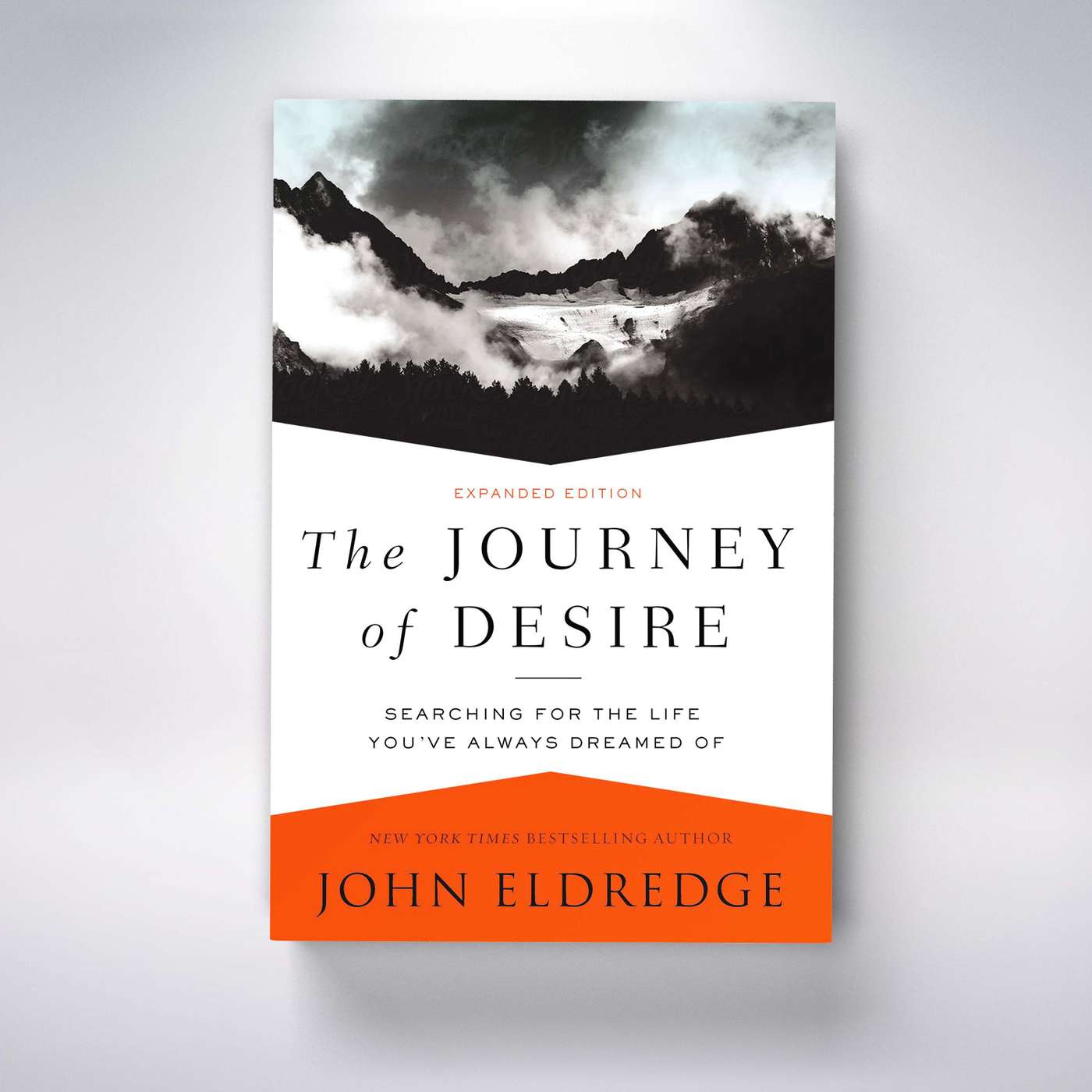
Killing Desire May Look Like Sanctification
Jun 2000:02:56Tap to summarizeYou may recall the story Jesus told of the man who entrusted three of his servants with thousands of dollars (literally, “talents”), urging them to handle his affairs well while he was away. When he returned, he listened eagerly to their reports. The first two fellows went out into the marketplace and doubled their investment. As a result, they were handsomely rewarded. The third servant was not so fortunate. His gold was taken from him, and he was thrown into “outer darkness, where there will be weeping and gnashing of teeth.” My goodness. Why? All he did was bury the money under the porch until his master’s return. Most of us would probably agree with the path he chose—at least the money was safe there. But listen to his reasoning. Speaking to his master, he said, “I know you are a hard man, harvesting crops you didn’t plant and gathering crops you didn’t cultivate. I was afraid I would lose your money, so I hid it” (see Matthew 25:14–30 NLT). He was afraid of the master, whom he saw as a hard man. He didn’t trust his master’s heart. The issue isn’t capital gains—it’s what we think of God. When we bury our desires, we are saying the same thing: “God, I don’t dare desire because I fear you; I think you are hard-hearted.”Even though we may profess at one level a genuine faith in him, at another level we are like the third servant. Our obedience is not so much out of love as it is out of carefulness. “Just tell me what to do, God, and I’ll do it.” Killing desire may look like sanctification, but it’s really godlessness. Literally, our way of handling life without God. The deepest moral issue is always what we, in our heart of hearts, believe about God. And nothing reveals this belief as clearly as what we do with our desire. Want more? Order your copy of The Journey of Desire today.
Transcribe →