Podcast
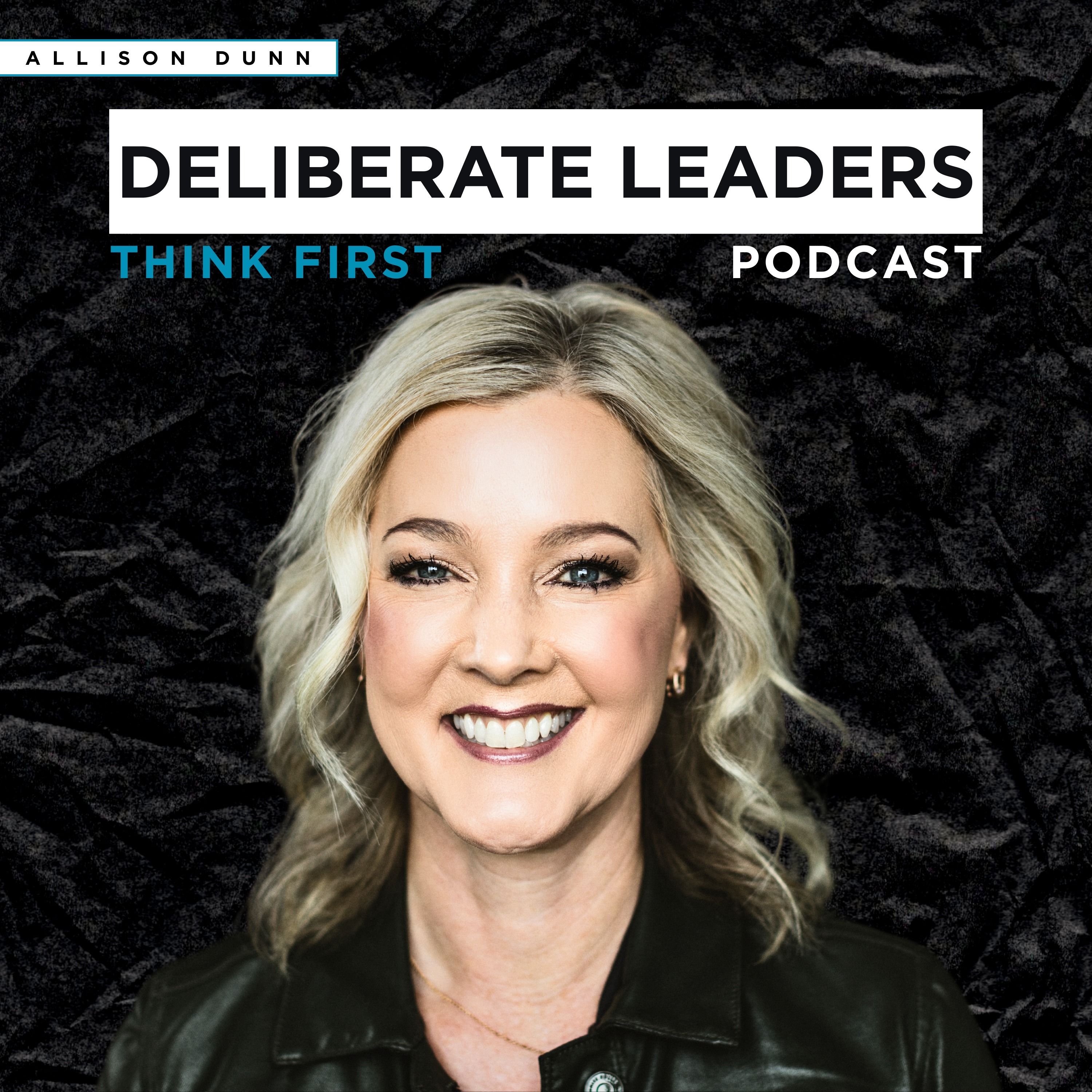
Deliberate Leaders Podcast with Allison Dunn
Hosted by Allison Dunn · EN
Deliberate Leaders Podcast is dedicated to helping leaders build strong, thriving businesses. Join host Allison Dunn, executive business coach and owner of Deliberate Directions, as she spotlights today’s Deliberate Leaders who embrace the values of ownership, accountability, and reliability.
Each episode features best information for business and leaders on topics like culture, communications, employee engagement, leadership, time management, growth strategies, personal development, goal setting, mindset, financial management, business best practices, systems, accountability, recruiting and retaining talent.
37episodes
Episodes
Newest firstAll episodes
What Peers Actually Give You That Nobody Else Can
1w ago00:07:50Tap to summarizeWhat Peers Actually Give You That Nobody Else Can In this episode, Allison Dunn explores how leaders at high levels can overcome loneliness and information gaps by cultivating the right peer relationships. She emphasizes practical steps to build honest, context-rich connections that foster better decision-making and resilience. Key Topics: Differentiating peer groups from networking events, masterminds, or mentorship The importance of lateral relationships at the same leadership level How shared context accelerates honest and meaningful conversations The significance of honesty without consequences in peer relationships Learning to see outside the system through outside perspective How peer reflection rewires leadership operating systems Practical steps: conducting an honest relationship audit The necessity of modeling vulnerability to enable open dialogue Finding intentional communities that foster real thinking out loud Building resilience by sharing burdens and embracing honesty Timestamps: 00:00 - The real purpose of peer relationships at the executive level 00:30 - What peer groups are not and common misconceptions 01:26 - The power of shared context for high-quality conversations 02:23 - Honesty without consequences as a critical element 02:51 - Gaining outside perspective to identify blind spots 03:17 - How peer feedback influences decision quality 03:45 - The shift from loneliness to shared understanding 00:00 - The operating system update that peers can catalyze 00:24 - Conducting an honest audit to identify trustworthy peers 00:51 - Showing vulnerability to model honesty and open dialogue 01:19 - Seeking environments that foster honest thinking 01:48 - Closing tips: building resilient leadership through authentic peer relationships 02:09 - The impact of credible, honest peer support on leadership longevity 02:38 - The power of intentionality and honesty in navigating leadership challenges 03:08 - Promotion of the book "Think First" for strategic thinking habits Resources & Links: Think First by Allison Dunn Deliberate Directions Think First
Transcribe →
Why Old Friends Can't Fill the Gap
2w ago00:07:10Tap to summarizeMost leaders hit a point where the roar of success becomes isolating and their go-to solutions often fall short. If reaching out to old friends or mentors isn't enough anymore, there's a vital type of relationship you’re likely missing. Discover the radical honesty, clarity, and growth that only a peer at your level can provide and why it’s the secret weapon for truly sustainable leadership.When you’re navigating complex decisions and high-stakes challenges, the people closest to you, your team, family, or long-time friends, often want to support you but can't see the full picture. Their feedback may be filtered through love, loyalty, or even fear, making honest confrontation rare and risky. That's why the most valuable insight often comes from someone outside your immediate circle, someone who’s building at the same altitude, facing similar dilemmas, and can tell you what you need to hear, not just what you want to hear.In this episode, we break down: Why your trusted relationships may be inadvertently holding you back rather than pushing you forward The critical difference between support and honest challenge and why true growth demands the latter How to identify and cultivate a peer relationship that fuels your leadership at the highest level The subtle but powerful impact of radical honesty in decision-making and strategic thinking Practical steps to build this rare partnership before it’s too late If you’re a leader climbing higher, whether you're in a C-suite, scaling a startup, or leading a high-growth team, this episode is your blueprint for unlocking authentic, unfiltered insight. Without this kind of relationship, you risk stagnation, misjudged decisions, or burnout. But with it? You’ll gain the clarity to act decisively, the confidence to challenge your assumptions, and the resilience to sustain success.Are you ready to stop having the same conversations and start engaging in the kind of dialogue that truly transforms your leadership? This is essential listening if you want to lead with more intention, make smarter choices, and find the support that actually pushes you forward. The right peer can become your North Star. Don’t miss your chance to find that connection. Think First
Transcribe →
The Leadership Habits That Built Your Success May Be Holding You Back
4w ago00:07:26Tap to summarizeThe Leadership Operating System Every leader develops an internal operating system. It's built from experience, reinforced by success, and often becomes invisible to the person running it. In this episode, Allison explores: Why the habits that created success may eventually create limitations How early-stage leadership instincts differ from scaling-stage leadership needs The hidden ways leaders become organizational bottlenecks Why recurring problems are often systemic rather than isolated The challenge of recognizing your own leadership patterns How authority limits honest feedback Why perspective is often more valuable than advice The role trusted peers play in helping leaders see blind spots How leaders can upgrade their operating system as they grow Key Question: What recurring pattern in your organization might be connected to how you operate as a leader? Resources: Think First: Stop Being the Bottleneck, Start Building Thinkers Deliberate Directions Executive Coaching & Leadership Development Think First
Transcribe →
Why Your Team Stops Telling You the Truth
Jun 3000:07:30Tap to summarizeWhy Your Team Stops Telling You the Truth As companies grow, leaders often face an invisible challenge: they hear less of what's really happening. This isn't because employees are dishonest. It's because people naturally filter information when speaking to someone who holds authority over their career, compensation, and future opportunities. In this episode, Allison explores: How growth changes a leader's information environment Why teams begin filtering information The role power plays in workplace communication How leadership blind spots are created Why people stop raising concerns The hidden cost of operating on incomplete information Why asking for honesty isn't enough How to create psychological safety inside organizations The importance of trusted peers outside your business Key Question: When your team gives you an update, do you believe you're getting the full picture? If not, what have you done to make honesty truly safe? Resources: Think First: Stop Being the Bottleneck, Start Building Thinkers Deliberate Directions Leadership Development & Executive Coaching Think First
Transcribe →
The Loneliness That Grows With Success
Jun 2400:07:00Tap to summarizeThe Loneliness That Grows With Success Success often brings opportunities, influence, and growth. It can also bring something leaders rarely discuss openly: loneliness. In this episode, Allison explores: Why leadership often becomes more isolating as organizations scale How the gap between leaders and their teams naturally widens over time Why people stop telling leaders the full truth The hidden cost of carrying leadership challenges alone How isolation impacts decision-making and strategic thinking The role of trusted peers in preventing leadership blind spots Why honest feedback becomes harder to access as your authority increases How to create relationships where truth can be shared without fear The importance of building support systems outside your organization Key Question: When was the last time someone told you something genuinely difficult to hear? If you're struggling to answer that question, it may reveal more about your leadership environment than you realize. Resources: Think First: Stop Being the Bottleneck, Start Building Thinkers by Allison Dunn Learn more: Deliberate Directions Think First
Transcribe →
The Hidden Cost of Being Easy to Work With
May 2600:06:53Tap to summarizeWhy “easy to work with” can become a leadership liability How small acts of avoidance create cultural drift The hidden relationship between accountability and trust Why high performers notice inconsistent standards first How unclear expectations frustrate teams over time The concept of “autopilot leadership” from Think First Learned helplessness and what it does to workplace culture The difference between Firefighter leadership and Architect leadership Why avoiding hard conversations creates bigger problems later A practical question leaders should ask themselves regularly:“Am I protecting this relationship, or avoiding discomfort?” How deliberate leaders create clarity without sacrificing compassion Why strong cultures are built through consistency, honesty, and accountability Think First
Transcribe →
The Slow Burn Problems Leaders Ignore
May 1900:09:08Tap to summarizeWhy the most damaging leadership problems are rarely the loudest How small tolerated behaviors become cultural standards The hidden cost of waiting too long to address issues Understanding “thinking debt” and how it compounds over time Why reactive leadership narrows long-term vision The difference between Firefighter mode and Architect mode How disengagement and resentment quietly build inside organizations A powerful leadership reframe: “What happens if this pattern continues for another year?” Why systems, not isolated incidents, shape organizational culture How deliberate leaders identify and address problems early before they escalate Reflection questions to help leaders identify their own “slow burn” issues Why resilient cultures are built through consistent, intentional leadership Think First
Transcribe →
The "I'll Just Do It" Habit
May 1200:05:56Tap to summarize• Why the “I’ll just do it” habit feels productive but creates long-term leadership problems • The difference between being the fastest person to solve a problem and the right person to solve it • How leaders unintentionally train teams to become dependent • The hidden cycle of organizational bottlenecks and learned helplessness • Why stepping in too quickly limits strategic thinking across the organization • The shift from reactive firefighting to building thinkers • Coaching questions that encourage ownership and better decision-making • How to scale leadership by multiplying thinking capacity instead of personal effort • Insights from Allison Dunn’s book Think First: Stop Being the Bottleneck, Start Building Thinkers • Reflection question: “Where am I stepping in too quickly, and what is that teaching my team?” Think First
Transcribe →
The Trust Equation Is Broken
May 500:04:15Tap to summarizeWhy “trust takes time” is an incomplete leadership belief Time reveals patterns, it does not create trust The real foundation of trust: consistency in behavior and response How teams evaluate trust through patterns, not words Signs trust is breaking: hesitation, avoidance, filtered communication The impact of inconsistent leadership on team engagement and performance Common leadership gaps: uneven accountability, defensive reactions, shifting expectations Why predictability creates psychological safety The difference between being rigid and being reliable Practical reflection: Where am I being inconsistent without realizing it? How consistent leadership builds high-performing, trust-driven teams Connection to Think First: slowing down reactions to lead with intention Think First
Transcribe →
The Cost of Neutral Leadership
Apr 2900:04:05Tap to summarizeWhat we cover: Why neutral leadership feels reasonable but creates unintended consequences How silence communicates standards more powerfully than words The subtle way culture drifts through unaddressed moments Why high performers feel the impact of inconsistency first The real reason capable leaders avoid addressing issues The connection between neutral leadership and autopilot decision-making A practical leadership lens: “If I don’t address this, what am I teaching my team?” How to address issues without becoming reactive or overly critical The long-term cultural cost of avoidance Key takeaway: Leadership is always teaching. The question is whether you are teaching intentionally or by default. Think First
Transcribe →