
Podcast
Diet Culture Rebel Podcast
Hosted by Bonnie Roney · EN
Ready to eat without guilt, support your actual health, and start giving diet culture the middle finger? You’re in the right place.
The Diet Culture Rebel podcast is your trusted space for breaking free from food rules, healing your relationship with your body, and learning how to eat without shame, stress, or obsession - while honoring your health in a way that actually feels good.
Hosted by Registered Dietitian and Certified Intuitive Eating Counselor Bonnie Roney, each episode delivers straightforward, no-BS guidance to help you ditch diets for good. Through expert interviews and solo deep dives, Bonnie brings you health-promoting, mindset-shifting insights that leave you feeling empowered - not overwhelmed.
“I’ve learned what’s happening inside my brain and body, and [Bonnie] gives incredible suggestions and insights on how to start the process of healing my relationship with food.”
- Diet Culture Rebel listener
With over 200 episodes and thousands of weekly listeners, this podcast is your permission slip to trust your body, reject diet culture, and take your power back - one episode at a time.
Subscribe now and listen every Wednesday.
👉 Connect with Bonnie on Instagram @DietCultureRebel
👉 Learn more about working with the DCR team at DietCultureRebel.com
41episodes
Episodes
Newest firstAll episodes
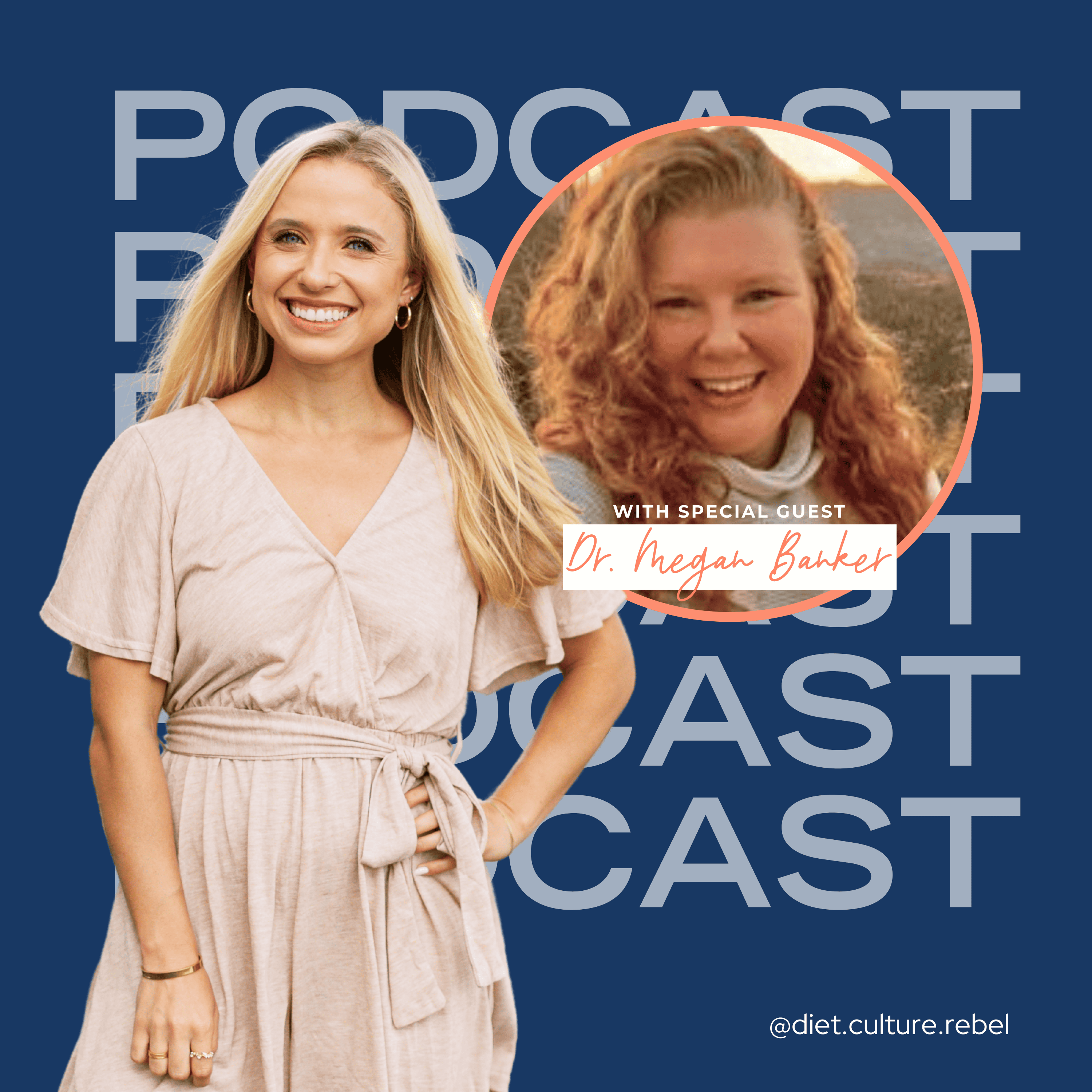
236. You Can Do Hard, Beautiful Things in the Body You Have Right Now With Dr. Megan Banker
Dec 1700:57:00Tap to summarize"I think I had to give myself internal permission to say, ‘You don't have to change your body to do this thing. You can just do the thing. You can do the hike, you can do the climb, and you don't have to lose weight or gain a certain ability to be able to do it.’"We’ve been taught to believe that movement has to be about changing our bodies and pushing ourselves to the limit, but what happens when you strip away the blame and rebuild a relationship with exercise that actually honors your body?In this episode, I sit down with Dr. Megan Banker to unpack her journey of unlearning diet culture, healing from well-intentioned but harmful messages, and the pivotal hike that shifted how she spoke to herself. We dive into the emotional layers that make movement feel hard, and why your body size isn’t the problem.This conversation offers a compassionate lens and practical tools to help you reconnect with movement in a way that truly supports and respects you.✅ What You’ll Learn:Why movement can feel so emotional and how to process those feelings without blaming your bodyPractical ways to approach exercise that support your strength and mobilityHow to reframe negative self-talk and start speaking to yourself with kindness and respectWhy it’s possible (and powerful) to do hard, meaningful things in the body you have right nowThe impact of family and societal conditioning on our relationship with movement, and how to heal from itSteps to build a deeper trust in your ability to take care of yourself with movement and nutrition✨ Connect with Megan:InstagramTikTok🔗 Struggling to know when to eat or when to stop isn’t a failure... it could be a byproduct of following diet rules instead of your body's cues. The free Hunger & Fullness Scale Guide helps you ditch the noise and tune back into the cues your body is sending to build trust with your body and food. Get it at DietCultureRebel.com/hungerfullnessscale.Come back next week for another episode and connect with me over on Instagram at @diet.culture.rebel.Struggling with food, but not sure where to start?You don’t have to feel 100% ready to get support. If you're tired of obsessing over food or feeling stuck in the diet cycle, my team of Registered Dietitians is here to help. We offer one-on-one nutrition counseling—and we accept insurance! Spots are limited, so head to https://dietculturerebel.com/insurance to see if we’re covered in your state and learn how to get started.
Transcribe →
233. Why Food and Body Comments Trigger You (and What to Do About Them)
Nov 2600:33:19Tap to summarize"It helps ground me when I remind myself that what people say about food or bodies reveals their own relationship with food, not mine."Family gatherings can stir up heavy feelings when old patterns of food and body talk resurface, especially when you’re working hard to heal your relationship with food. In this episode, I’m sharing my own experiences with triggering family comments about food and body image, why they stay with us, and how to navigate them without losing your progress. We talk about why these moments can feel especially heavy when you're working on healing your relationship with food, and I offer practical ways to protect your emotional well-being, set boundaries, and stay grounded even when loved ones are stuck in diet culture.✅ What You’ll Learn:Why comments about food and bodies can feel so activating when you’re healing your relationship with foodHow to respond (or not respond) in ways that protect your mental, physical, and emotional well-beingActionable language to set boundaries with loved ones, and how to communicate your needs without confrontationHow to reframe the expectations you put on yourself and others in these momentsSimple self-check-ins, affirmations, and coping strategies for groundedness before, during, and after difficult conversationsThe importance of focusing on what’s in your control and letting go of what isn’t when diet culture talk surfaces🔗 If you’ve ever thought, “Why is it so hard to stop eating when I’m full?” – you’re not alone. And spoiler alert: it’s not about willpower or control. It goes so much deeper than that. Grab the free Honoring Fullness Checklist right now at DietCultureRebel.com/Checklist to start building a more positive relationship with food.💛 Struggling with food, but not sure where to start?You don’t have to feel 100% ready to get support. If you're tired of obsessing over food or feeling stuck in the diet cycle, my team of Registered Dietitians is here to help. We offer one-on-one nutrition counseling—and we accept insurance! Spots are limited, so head to https://dietculturerebel.com/insurance to see if we’re covered in your state and learn how to get started.🎧 Come back next week for another episode and connect with me over on Instagram at @diet.culture.rebel.
Transcribe →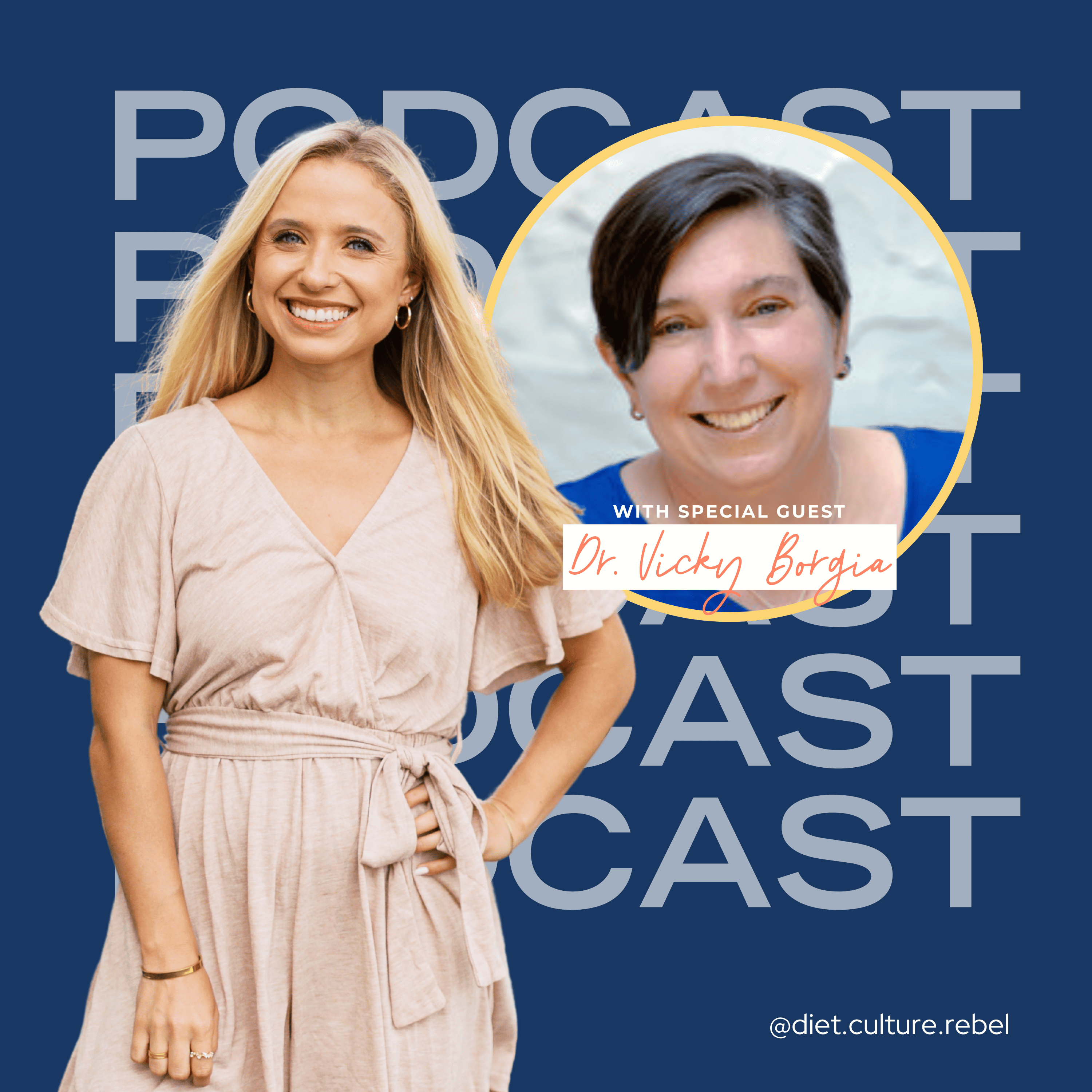
232. Weight Stigma in Healthcare Is NOT in Your Head (and What You Can Do About It) with Dr. Vicky Borgia
Nov 1900:57:33Tap to summarize”Telling someone to lose weight is a really quick way to get through that eight minute visit, and not ask about what people actually eat before you say ‘eat less'."Walking into a doctor’s office shouldn’t leave anyone feeling ashamed, dismissed, or anxious about their body size. In this episode, Dr. Vicky Borgia breaks down how weight stigma actually shows up in medical care and what you can do about it. She shares an inside look at the biases and systemic pressures driving weight-centered decisions, along with her own experiences navigating diet culture as both a provider and person recovering from an eating disorder. You’ll hear what weight stigma really is, how it affects the care patients receive, and simple strategies to advocate for yourself and build a more weight-inclusive healthcare team.✅ What You’ll Learn:Why weight stigma in healthcare is NOT “just in your head” (and how it actually shows up in real appointments)How physician bias, billing pressures, and convenience often drive weight-centered care, not evidence-based medicinePractical strategies to advocate for yourself at the doctor’s office, even if it means declining to be weighedHow to start building a weight-inclusive care team (or set boundaries with the team you already have)What happens when medical advice differs wildly based on body size🔗 Resources:Connect with Dr. Vicky BorgiaDon’t Weigh Me CardsRagen Chastain on SubstackASDAH Health at Every Size® Healthcare Provider ListingM.S.S.I: Size Inclusive HealthcareAubrey GordonWhat We Don't Talk About When We Talk About Fat by Aubrey GordonIf you’ve ever thought, “Why is it so hard to stop eating when I’m full?” – you’re not alone. And spoiler alert: it’s not about willpower or control. It goes so much deeper than that. Grab the free Honoring Fullness Checklist right now at DietCultureRebel.com/Checklist to start building a more positive relationship with food. 💛Struggling with food, but not sure where to start?You don’t have to feel 100% ready to get support. If you're tired of obsessing over food or feeling stuck in the diet cycle, my team of Registered Dietitians is here to help. We offer one-on-one nutrition counseling—and we accept insurance! Spots are limited, so head to https://dietculturerebel.com/insurance to see if we’re covered in your state and learn how to get started.
Transcribe →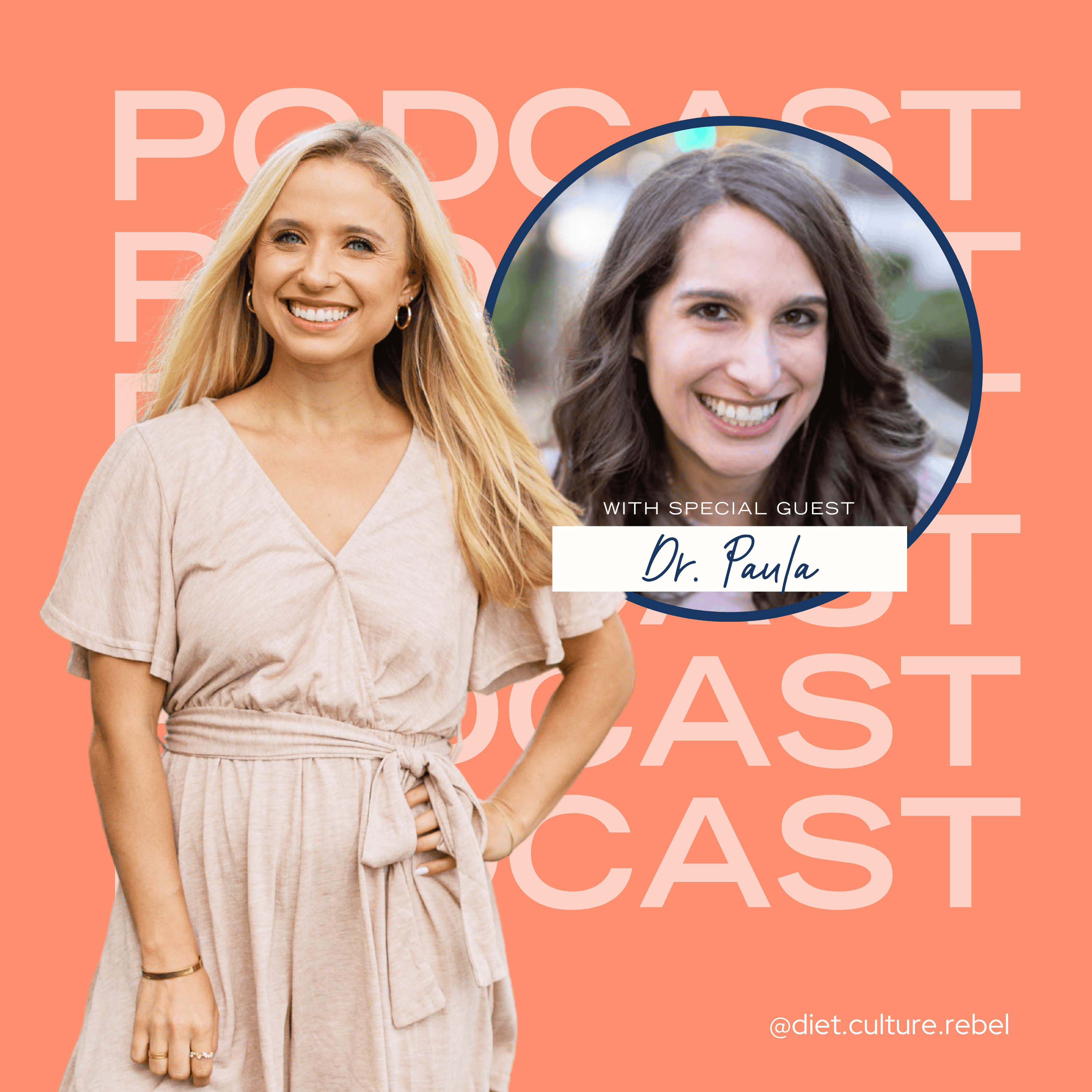
231. Let Go of Toxic Striving & Start Living Your Life with Dr. Paula Freedman-Diamond
Nov 1200:51:16Tap to summarize“You are allowed to enjoy your life. Satisfaction counts, rest is part of health, and your worth was never meant to be measured by a to-do list, a tracker, or a plate.”Are you tired of feeling like your worth is tied to how productive, disciplined, or “perfect” you are? In this conversation with Dr. Paula Freedman-Diamond, we explore how hustle culture, diet culture, and wellness culture overlap to fuel food struggles, anxiety, perfectionism, and toxic striving - and how you can begin letting go of unrealistic expectations so you can reconnect with your body, values, and joy. This episode will inspire you to slow down, question the standards you’re chasing, and start living in a way that actually feels good for you ✨✅ What You’ll LearnHow hustle culture, diet culture, and wellness culture overlap to create toxic striving & perfectionismWhy food struggles and anxiety are connected to chasing external validationWhat it looks like to step out of “do more, be more, control more” mode and build self-trustPractical ways to set boundaries that protect your time, energy & self-worthHow to move toward body trust, rest, satisfaction & values-aligned livingWhy your humanity matters more than any productivity hack or diet plan🔗 Connect with Dr. Paula Freedman-DiamondToxic Striving: Why Hustle and Wellness Culture Are Leaving Us Anxious, Stressed, and Burned Out―and How to Break FreeHumanKind Psych (Therapy for overthinkers)If you’ve ever thought, “Why is it so hard to stop eating when I’m full?” - you’re not alone. And spoiler alert: it’s not about willpower or control. It goes so much deeper than that. Grab the free Honoring Fullness Checklist right now at DietCultureRebel.com/Checklist to start building a more positive relationship with food. 💛Come back next week for another episode and connect with me over on Instagram at @diet.culture.rebel.Struggling with food, but not sure where to start?You don’t have to feel 100% ready to get support. If you're tired of obsessing over food or feeling stuck in the diet cycle, my team of Registered Dietitians is here to help. We offer one-on-one nutrition counseling—and we accept insurance! Spots are limited, so head to https://dietculturerebel.com/insurance to see if we’re covered in your state and learn how to get started.
Transcribe →
230. The Hunger and Fullness Scale: What It Is and How to Use It
Nov 500:31:37Tap to summarize"When we get more in touch with our hunger cues and honor them more consistently, then as a byproduct, we are able to more easily honor our fullness cues."Learning to trust your body after years of dieting and food rules can feel confusing and overwhelming. In this episode, I’m breaking down the Hunger and Fullness Scale, the mindful eating tool that can help untangle the confusion and guide you back to your own internal cues. Inspired by a flood of questions from my Rebel community, we dig into how you can use the scale to make eating less stressful and more enjoyable, and how it can be a practical step toward building lasting body trust.I share how honoring both hunger and fullness, rather than fixating on just one side, can help you move out of your head and into your body, shifting away from diet culture’s restrictive rules. And as always, I’m giving you honest guidance, practical tips, and important reminders that this journey is about progress, not perfection. Whether you’re starting to let go of calorie counting, or simply want to feel more at peace with your eating, today’s episode gives you the gentle push to try something new and the encouragement to trust yourself. What You’ll Learn:How the Hunger and Fullness Scale works and why it’s not just another external ruleWays to use the scale to create more pleasant and mindful eating experiencesWhy tuning into hunger matters just as much as fullnessPractical tips for building body trust with food after years of dietingHow interoceptive awareness can help you connect with your body’s signalsRed flags and reasons the Hunger and Fullness Scale may not be right for everyoneIf you’re ready to make eating easier, more satisfying, and kinder to your body, this episode will give you the tools to start rebuilding trust - one meal, one snack, and one check-in at a time. For more help with using the Hunger and Fullness Scale, grab my free download at dietculturerebel.com/hungerfullnessscale. If you’ve ever thought, “Why is it so hard to stop eating when I’m full?” - you’re not alone. And spoiler alert: it’s not about willpower or control. It goes so much deeper than that. Grab the free Honoring Fullness Checklist right now at DietCultureRebel.com/Checklist to start building a more positive relationship with food.Struggling with food, but not sure where to start?You don’t have to feel 100% ready to get support. If you're tired of obsessing over food or feeling stuck in the diet cycle, my team of Registered Dietitians is here to help. We offer one-on-one nutrition counseling—and we accept insurance! Spots are limited, so head to https://dietculturerebel.com/insurance to see if we’re covered in your state and learn how to get started.Come back next week for another episode and connect with me over on Instagram at @diet.culture.rebel.
Transcribe →
229. Finding Peace After Decades of Sneaky Food Rules and Binge Eating (Kim’s Story)
Oct 2900:37:46Tap to summarize“Once food noise quiets down, it doesn’t just change the way we eat. It changes the way we live.”Food struggles don't always show up as we may expect. They can sneak up on us, disguised as discipline, willpower, or our latest attempt at “being good.” But in reality, those all-consuming thoughts about what, when, and how much we eat are draining. They're like an app running in the background, sapping our energy and joy each day. In this episode, I sit down with Kim, a past client who spent decades tangled in food noise, emotional eating, and hidden food rules she didn’t realize existed.Kim opens up about the reality of secret eating, binge cycles, and the mental toll of battling cravings. Her story is vulnerable, honest, and incredibly relatable. Kim shares what it was like to numb out around food, the shift from excitement to guilt after eating, and how food secretly dictated her self-care, identity, and social life. But things changed, and Kim’s journey will show you how healing your relationship with food is not only possible, but transformative.Together, we explore how intuitive eating moved Kim away from relying on willpower and food rules, toward genuine self-compassion, body reconnection, and emotional growth. Whether you’re used to white knuckling through cravings or hiding evidence of what you ate, Kim’s personal wins, tips, and breakthroughs will give you a clearer lens for spotting sneaky food rules and freeing up mental space so that you can enjoy food on your terms.What You’ll Learn:How to spot sneaky food rules and food noise draining your mental energyPractical ways to honor fullness without relying on willpowerWhy emotional eating isn’t about discipline—and how dieting makes it harderThe power of self-compassion and how it decreases shame and food guiltA simple plan for coping with emotions that doesn’t hinge on food rulesHow healing your relationship with food can expand self-care, compassion, and everyday joyKim’s story is full of hope, real-life strategies, and a reminder that change is possible - even after years of struggle. I’m so grateful to Kim for sharing her journey, and I know her insights will help you quiet your own food noise and build a peaceful relationship with food.If you’ve ever thought, “Why is it so hard to stop eating when I’m full?” - you’re not alone. And spoiler alert: it’s not about willpower or control. It goes so much deeper than that. Grab the free Honoring Fullness Checklist right now at DietCultureRebel.com/Checklist to start building a more positive relationship with food.Struggling with food, but not sure where to start?You don’t have to feel 100% ready to get support. If you're tired of obsessing over food or feeling stuck in the diet cycle, my team of Registered Dietitians is here to help. We offer one-on-one nutrition counseling—and we accept insurance! Spots are limited, so head to https://dietculturerebel.com/insurance to see if we’re covered in your state and learn how to get started.Come back next week for another episode and connect with me over on Instagram at @diet.culture.rebel.
Transcribe →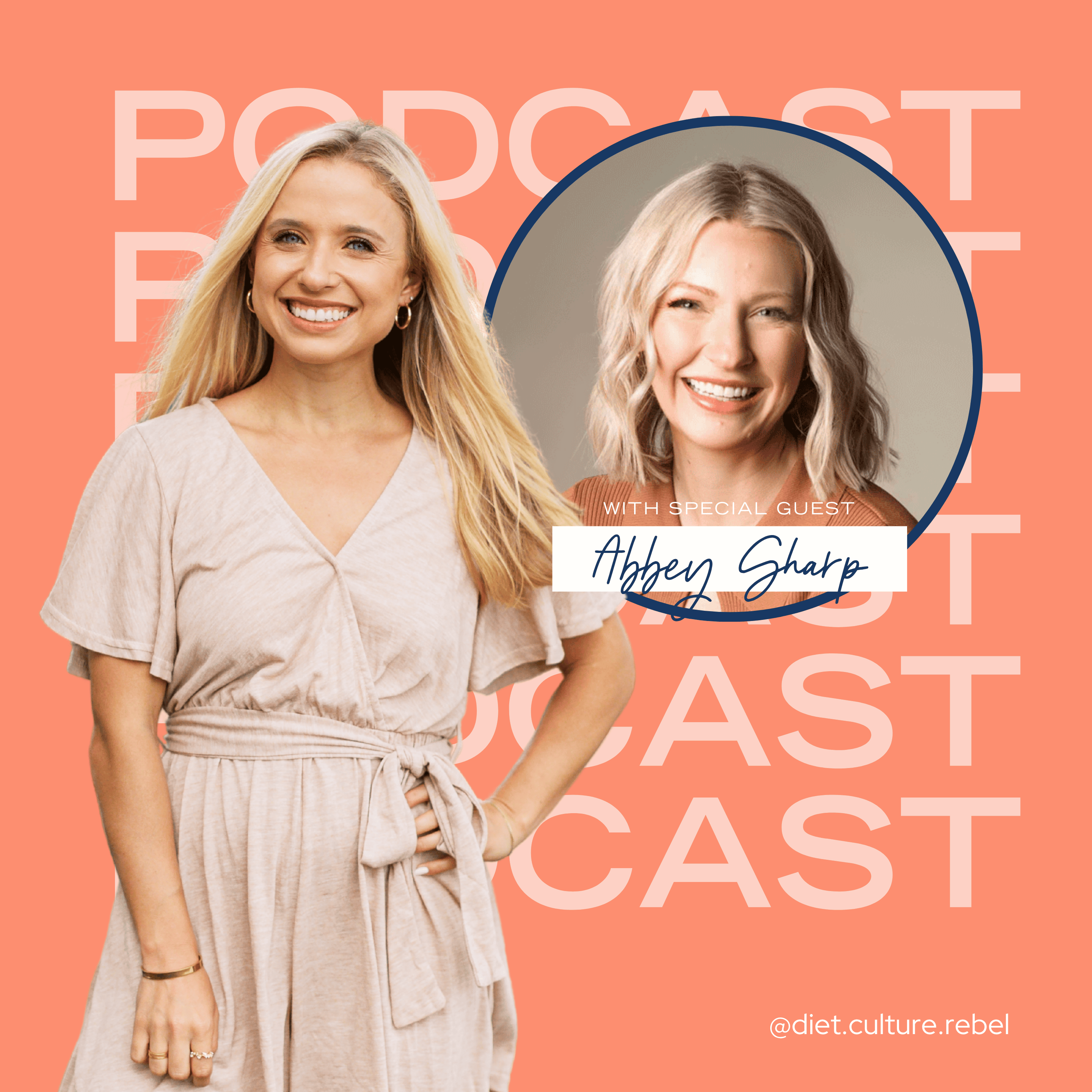
228. Abbey Sharp’s Take on Diet Trends, SkinnyTok, and Healing Your Relationship with Food
Oct 2200:51:38Tap to summarize"I hear from people every single day about how they've been harmed physically and emotionally by things that influencers and content creators online have sold to them."You’ve probably noticed diet trends come and go, from raw vegan frugivore diets to the current protein obsession, but what’s less obvious is how healing your relationship with food changes more than just how you eat. It shifts how you feel, how you relate to others, and even how you view your past. In my conversation with Registered Dietitian and content creator, Abbey Sharp, we dig deep into the messy middle of food healing: from the anger and blame many of us experience at the start, to the compassion and empathy that grows with time.We look back on diet trends that might make you say, “Wait, did we really do that?” - like viral fruit-only diets and food combining rules. Abbey shares her journey combating misinformation online, the harm caused by extreme influencers, and how relentless trends keep fueling confusion and frustration. Together, we talk about the power of not rushing healing and why allowing yourself to feel and reflect can eventually make empathy come easily and naturally.From what it’s like to be on the receiving end of body comments, to how embracing a balanced, non-extreme way of eating is truly health-promoting, this episode reminds us that while diet culture is loud, you are not alone in your healing. Whether you’re in the thick of it or starting to feel things shift, there is hope for a more peaceful, intuitive relationship with food.What You’ll Learn:What it looks like to move from anger and resentment to compassion and empathy in your food healing journeyHow diet culture trends from the early 2010s to today’s “SkinnyTok” cause real harm, especially onlineWhy quick fixes and extreme approaches are not sustainable, and what truly promotes lasting healthHow Abbey handled body comments during a challenging season, and her advice for setting boundariesWhat “fake it till you make it” means when it comes to practicing food freedom and body neutralityThe biggest nutrition myths still floating around online (and which one Abbey would love to erase forever!)Whether you feel stuck or frustrated in your journey, I promise you are not alone in questioning diet culture. I’m so grateful Abbey shared the science, her sass, and her vulnerable real-life stories on the show.Abbey's Resources:TikTokInstagramYouTubePodcast: Bite Back with Abbey SharpGrab the free Honoring Fullness Checklist at DietCultureRebel.com/Checklist to start building a more positive relationship with food.Come back next week for another episode and connect with me over on Instagram at @diet.culture.rebelStruggling with food, but not sure where to start?You don’t have to feel 100% ready to get support. If you're tired of obsessing over food or feeling stuck in the diet cycle, my team of Registered Dietitians is here to help. We offer one-on-one nutrition counseling—and we accept insurance! Spots are limited, so head to https://dietculturerebel.com/insurance to see if we’re covered in your state and learn how to get started.
Transcribe →
227. Overeating, Indecision with Food Choices, and “Too Many” Calories as an Intuitive Eater (Q&A)
Oct 1500:37:51Tap to summarize"Intuitive eating is not about perfectly staying within a calorie number or a maintenance threshold. It is about developing trust with your body and using each eating experience as feedback, not a test of whether you pass or fail."Have you ever felt like you just can’t stop eating certain foods, even when you’re full? Or maybe you find yourself second-guessing every food choice, worried you’re eating too much as you try to follow intuitive eating? These everyday struggles can leave you feeling stuck in guilt, confusion, and chaos around food.In this solo episode, I’m answering real and vulnerable questions Rebels sent me on Instagram. These are questions I hear all the time as a Registered Dietitian and Certified Intuitive Eating Counselor. From why we overeat “delicious” food, to how to handle food indecision and what it means to “eat too many calories” as an intuitive eater, I’m breaking down myths, normalizing the messiness, and offering practical, compassion-filled tools to help you trust your body again.You’ll also hear a relatable story from fellow Rebel, Jaimie, who went from tracking every calorie and overeating while on vacation to truly enjoying food and stopping when full. Together, we’ll look at the patterns that keep so many of us stuck, the real reasons eating can feel chaotic, and why permission, structure, and kindness are game-changers on your intuitive eating journey.What You’ll Learn:Why honoring fullness isn’t about willpower and what’s really behind that “can’t stop eating” feelingHow food rules and restriction actually make overeating more likely, and what to do about itPractical tools for navigating indecision and food guilt so eating can feel less chaoticThe mindset shifts that help you move away from perfectionism with food and listen to your body’s unique needsWhy occasional overeating is normal (even for intuitive eaters) and how every eating experience is an opportunity to learnHow to zoom out and look at the big picture of health, beyond any single meal or calorie countRemember, Rebels - this work isn’t about getting every food choice perfect. It’s about showing up with curiosity, compassion, and a willingness to trust your body one step at a time. Thank you for being part of this community and letting me support you in finding more peace with food. Come back next week for another episode and connect with me over on Instagram at @diet.culture.rebel.Resources:Grab the free Honoring Fullness Checklist at DietCultureRebel.com/Checklist to start building a more positive relationship with food.View the 5 Social Determinants of HealthStruggling with food, but not sure where to start?You don’t have to feel 100% ready to get support. If you're tired of obsessing over food or feeling stuck in the diet cycle, my team of Registered Dietitians is here to help. We offer one-on-one nutrition counseling—and we accept insurance! Spots are limited, so head to https://dietculturerebel.com/insurance to see if we’re covered in your state and learn how to get started.
Transcribe →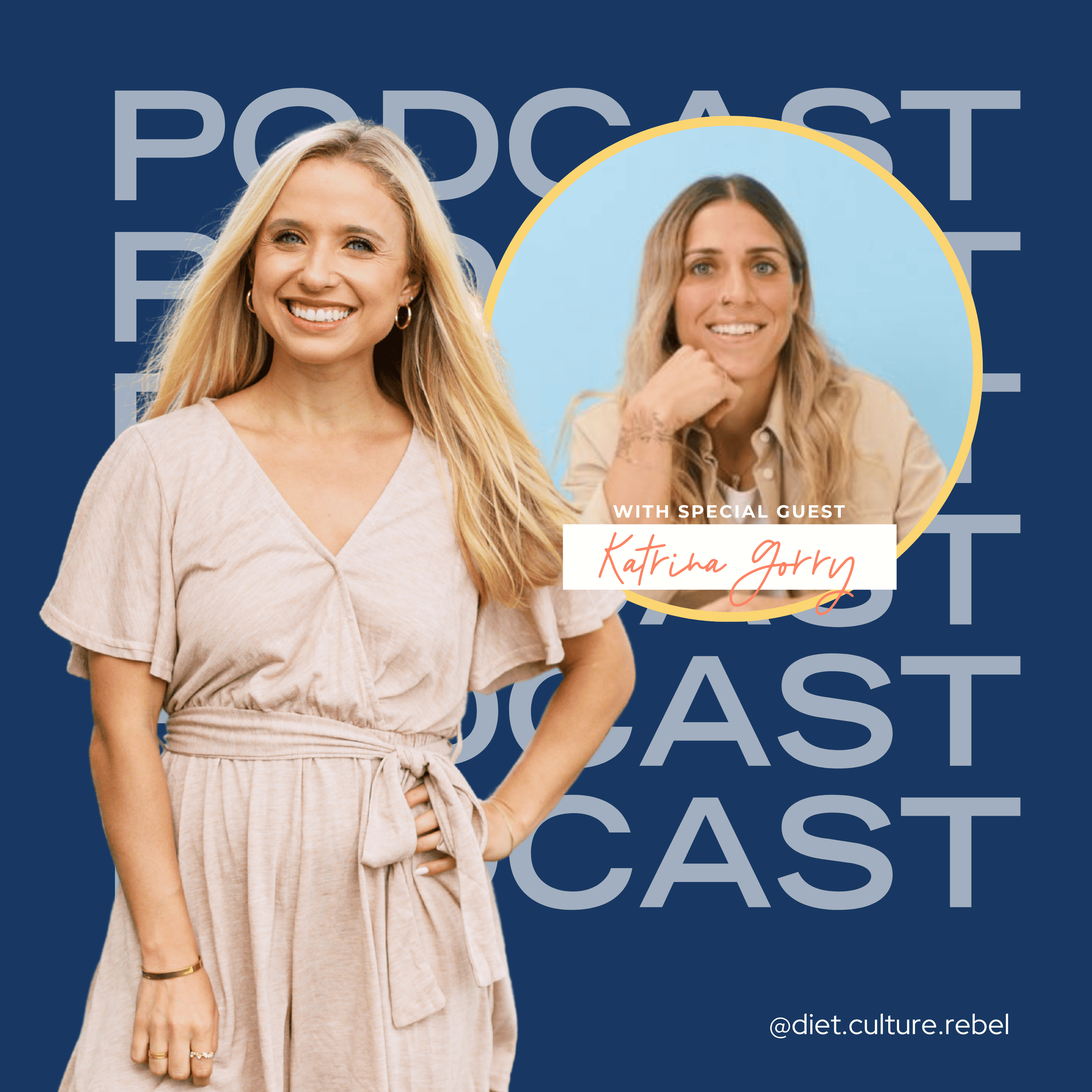
226. Katrina Gorry on the Silent Reality of Disordered Eating in Sport
Oct 800:47:44Tap to summarize"Trainings started to become much harder because I would restrict myself so much. Then the next day, maybe I'd binge a lot, so then I wouldn't eat for a couple days. It all was falling apart in front of my eyes, but I just didn't really know how to get out of it."Behind every sports headline, there’s a story about body image, food, and the unseen pressures athletes face. In this episode, I sit down with Katrina Gorry, professional footballer, West Ham United Women’s captain, and proud mom of two. Katrina opens up about how sport shaped her relationship with food and her body, from the thrill of being the only girl on the pitch to the darker moments of restrictive eating and the long, winding road toward healing.Katrina gets real about the toll of weigh-ins, body scans, and a culture that glorifies hyper-vigilance over food, describing how these “healthy” habits quietly spiraled into something more harmful. We talk about how food became her way to find control during a deeply vulnerable time, what finally made her realize she needed support, and how injury and isolation only deepened the struggle. You’ll hear how years of unspoken food struggles slowly gave way to honest conversations, self-compassion, and ultimately, the transformation she experienced through pregnancy and motherhood.Whether you’re an athlete, a sports fan, or someone who’s ever found themselves stuck in a cycle of food rules and body shame, Katrina’s courage will resonate. We dig deep into why so many food struggles in sport go unnoticed and why sharing these stories - out loud, in community - matters so much.What You’ll Learn:The hidden connection between disordered eating, eating disorders, and the world of sportWhy behaviors like tracking food and obsessing over body metrics are so easily mistaken for “healthy” in athletic settingsHow pressure from coaches, weigh-ins, and team culture can fuel food and body image strugglesWhy recognizing you’re struggling with food is often the first, and hardest, step toward changeWhat the realities of long-term recovery from disordered eating actually look like, both on and off the fieldHow motherhood and pregnancy reshaped Katrina’s relationship with her body and inspired a more compassionate approach to foodThank you so much for listening and for helping create a space where these conversations can spark real change. If Katrina’s story struck a chord, please share this episode with someone who needs it. Make sure to leave a rating and review to help more rebels find their way here, because we all deserve peace and freedom around food.Resources:Katrina Gorry: A Matildas hero's story of football, motherhood and breaking down barriersButterfly Foundation: Support for Eating DisordersKatrina's InstagramGrab the free Honoring Fullness Checklist at DietCultureRebel.com/Checklist to start building a more positive relationship with food.Struggling with food, but not sure where to start?You don’t have to feel 100% ready to get support. If you're tired of obsessing over food or feeling stuck in the diet cycle, my team of Registered Dietitians is here to help. We offer one-on-one nutrition counseling—and we accept insurance! Spots are limited, so head to https://dietculturerebel.com/insurance to see if we’re covered in your state and learn how to get started.
Transcribe →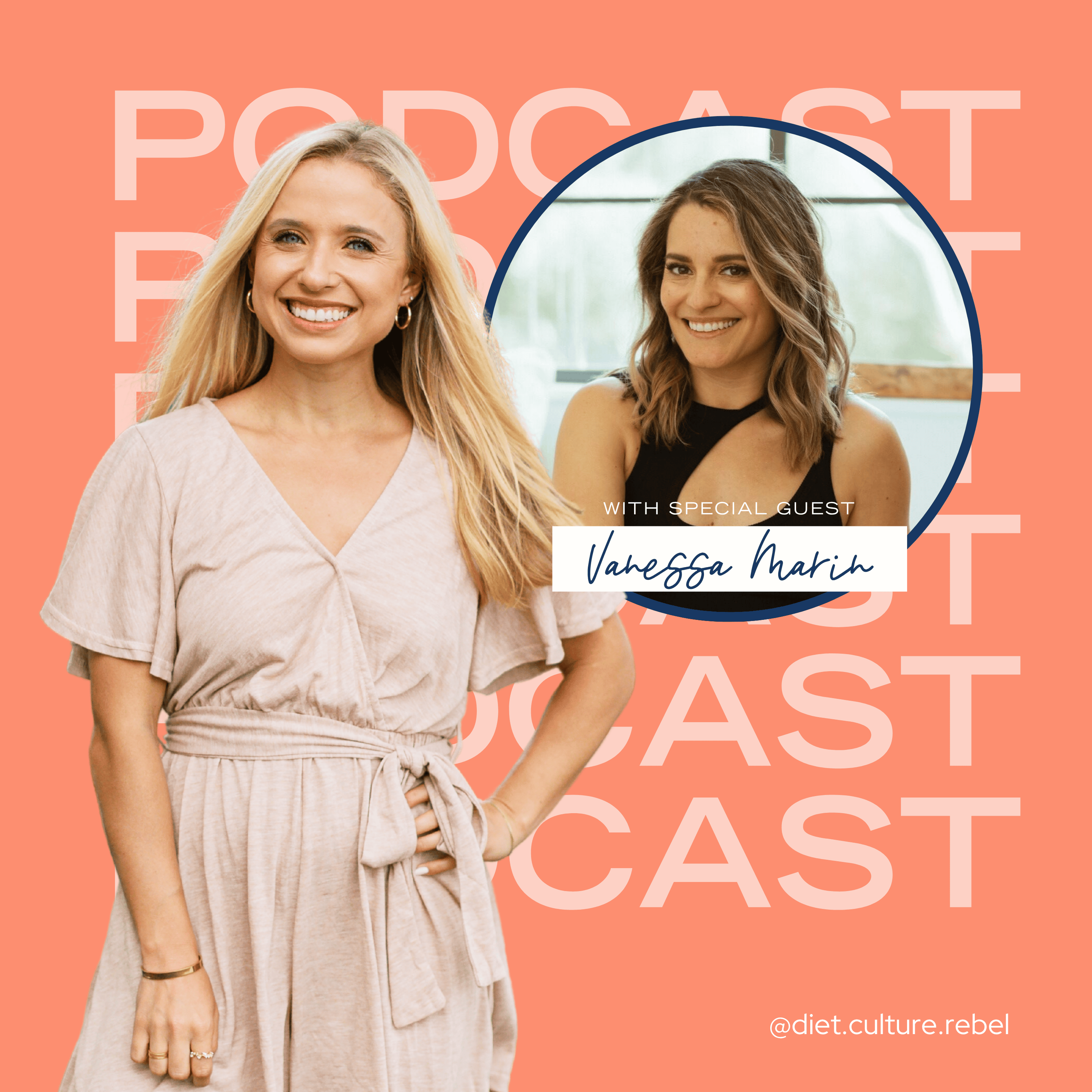
225. The Surprising Link Between Diet Culture and Your Sex Life with Vanessa Marin
Oct 100:45:56Tap to summarize"If you treat your body poorly outside of the bedroom, it's not like you pass through the doorway into your bedroom and all of a sudden you're super tuned into your body and confident."This week, we’re diving into a topic that’s often pushed into the shadows but deeply impacts our well-being: sex. I sat down with Vanessa Marin, a licensed sex therapist, to talk about how the cultural scripts we’ve grown up with shrink women, disconnect us from our bodies, and rob us of joy, in and out of the bedroom. Just like the food rules diet culture imposes, these messages around sex convince us we’re the problem when things don’t feel right, when in reality the system is broken, not us.If you’ve ever felt embarrassed, awkward, or ashamed talking about sex (or avoided the conversation entirely), you’re not alone. Vanessa and I discuss how body image struggles show up in the bedroom, why pleasure is truly an act of rebellion, and simple, shame-free steps you can start taking to reconnect with your body and advocate for your own needs. Whether you’re single or in a relationship, there are actionable takeaways to help you create a more enjoyable and empowered sex life.I know it can be hard to open up about these topics, but the more we have these conversations, the less alone we feel, and the more power we have to create real change. Just like becoming an intuitive eater or ditching diet culture, prioritizing your pleasure is about reclaiming your own narrative and choosing freedom. What You’ll Learn: Why so many of us struggle to talk about sex, and why it’s NOT your fault How cultural scripts teach women to shrink, disconnect from their bodies, and put others’ needs first The surprising ways body image struggles show up in the bedroomHow tuning into pleasure in small, everyday ways can heal your relationship with your bodyFive conversations to have with your partner that will transform your love lifeWhy embracing pleasure is a true act of rebellion (and how collective sisterhood can make advocacy feel less overwhelming)I hope this conversation sparks a little rebellion in you, wherever you are on your journey. Remember: there is absolutely nothing wrong with you, whether we’re talking about food, your body, or your sex life. Permission granted to claim your pleasure, advocate for your needs, and break free from shame. If this episode resonated with you, share it with a friend, leave a review, and let’s keep spreading this message of empowerment.Vanessa’s Resources:WebsiteInstagram: @vanessaandxanderTikTokPodcastBook and Card DeckCome back next week for another episode and connect with me over on Instagram at @diet.culture.rebel.Struggling with food, but not sure where to start?You don’t have to feel 100% ready to get support. If you're tired of obsessing over food or feeling stuck in the diet cycle, my team of Registered Dietitians is here to help. We offer one-on-one nutrition counseling—and we accept insurance! Spots are limited, so head to https://dietculturerebel.com/insurance to see if we’re covered in your state and learn how to get started.
Transcribe →