Podcast
End of Story
Hosted by Marquis Alexa · ENGLISH
History isn’t just dates—it’s people. End of Story tells the most powerful, emotional, and often unsettling true stories from history. From injustice and survival to moments that changed the world, these are the stories you thought you knew… until you hear what really happened. New episodes weekly.
22episodes
Episodes
Newest firstAll episodes
The Starving Time | Cannibalism in Jamestown
Jun 2400:21:04Tap to summarizeWas There Cannibalism in Jamestown? The Story of the Starving TimeDuring the brutal winter of 1609–1610, Jamestown descended into one of the darkest chapters in American history. Starvation, disease, and isolation reduced a colony of hundreds to just a few dozen survivors. For centuries, stories of cannibalism were dismissed as propaganda or desperate rumors—until archaeologists uncovered evidence.In this episode, we examine the remarkable discovery of Jane, a 14-year-old English girl whose skull bears unmistakable cut marks left after her death. Through modern forensic science, archaeology, and historical records, experts reconstructed one of the most haunting stories from colonial America. Jane’s remains became the first direct physical evidence confirming that some settlers resorted to cannibalism during the Starving Time.Who Was Jane?Discover how archaeologists identified Jane, what her bones revealed, and why her story transformed our understanding of early American history. Her remains provide an extraordinary example of how forensic anthropology can reconstruct the lives—and deaths—of people who lived over 400 years ago.Did Cannibalism Really Happen in Jamestown?This episode explores the historical evidence for cannibalism in Jamestown, separating myth from fact.Key TakeawaysThe Jamestown Starving Time was one of the deadliest survival crises in early American history.Jane’s remains provide the first direct archaeological evidence of cannibalism at Jamestown.Forensic archaeology revealed cut marks that show attempts were made to remove flesh after Jane’s death.Hundreds of settlers died during the winter of 1609–1610, leaving only about 60 survivors.The discovery of Jane demonstrates how archaeology can rewrite accepted history centuries later.Historical accounts once considered exaggerated were confirmed through modern scientific evidence.The Jamestown colony survived despite unimaginable hardship, forever shaping the future of English America.Jane’s story reminds us that history is ultimately about real people forced into impossible choices.Content warning: This episode discusses starvation, death, and survival cannibalism.Sources PBS — Secrets of the Dead: Jamestown’s Dark WinterHoward A. Snyder Jesus and Pocahontas: Gospel, Mission, and National Myth. Chapter Four. https://doi.org/10.2307/j.ctt1cg4mj0National Park Service — “A Short History of Jamestown”https://www.nps.gov/jame/learn/historyculture/a-short-history-of-jamestown.htmColonial Williamsburg Foundation — “Jamestown Side”https://research.colonialwilliamsburg.org/Foundation/journal/Winter07/jamestownSide.cfmHistoric Jamestowne Archaeology — “Jane”https://historicjamestowne.org/archaeology/jane/Smithsonian Magazine — “Starving Settlers in Jamestown Colony Resorted to Cannibalism”https://www.smithsonianmag.com/history/starving-settlers-in-jamestown-colony-resorted-to-cannibalism-46000815/History.com — “Evidence of Cannibalism Found at Jamestown”https://www.history.com/articles/evidence-of-cannibalism-found-at-jamestown
Transcribe →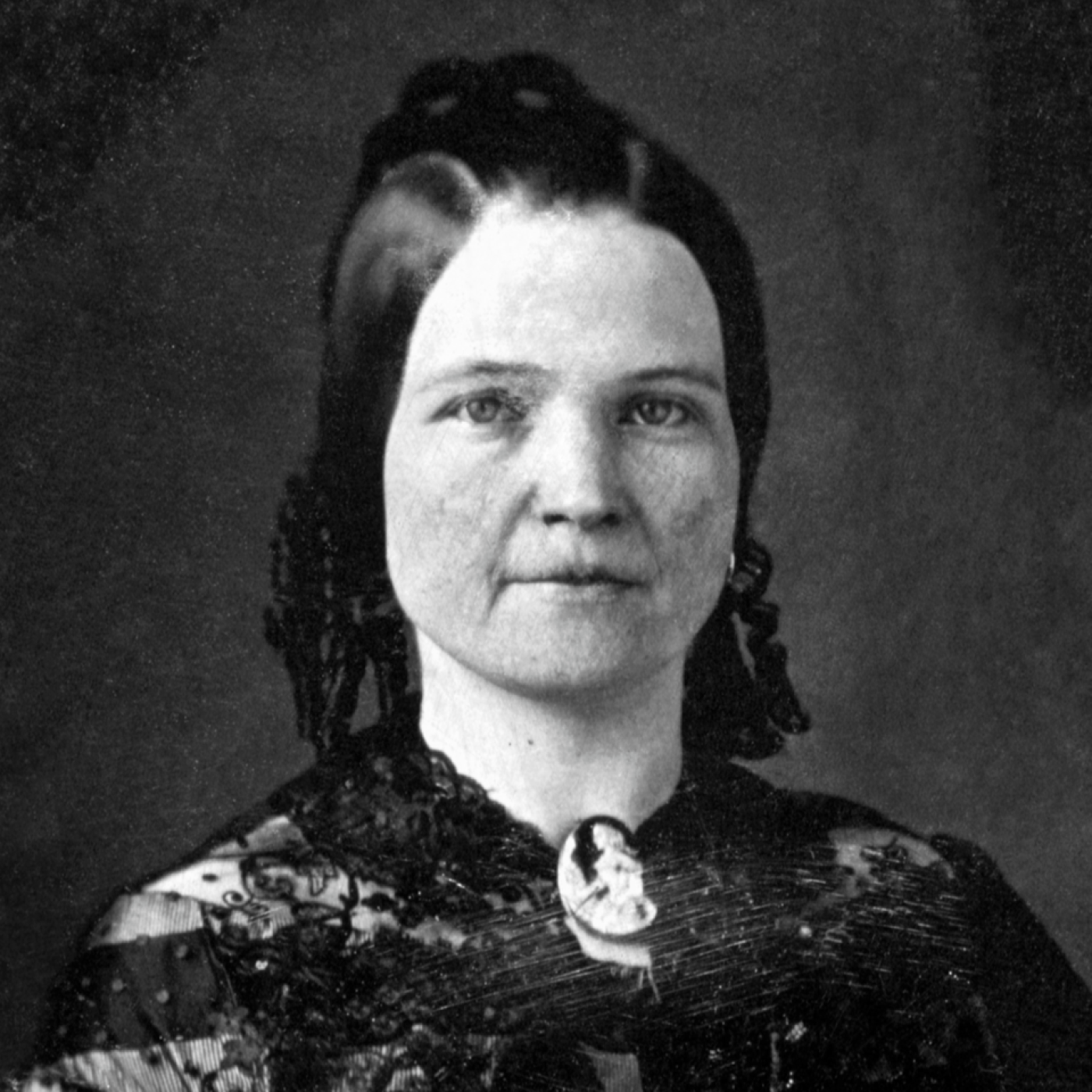
The Tragic Life of Mary Todd Lincoln
Jun 1800:33:08Tap to summarizeWhy Was Mary Todd Lincoln’s Life So Tragic? The Untold Story of America’s Most Misunderstood First LadyMost people know her as the wife of President Abraham Lincoln, but few understand the unimaginable grief, public scrutiny, and personal tragedy that defined her life. From the deaths of three of her four sons to witnessing the assassination of her husband, Mary Todd Lincoln endured a lifetime of heartbreak that few people in history could imagine.In this episode, we explore the true story of Mary Todd Lincoln, separating myth from fact while examining how loss, mental health, politics, and public opinion shaped her legacy. Once admired for her intelligence and wit, she later became one of the most criticized women in American history. Modern historians have begun to reexamine her life with greater compassion, asking whether history judged her unfairly.What Happened to Mary Todd Lincoln?Learn how repeated personal tragedies, including the deaths of her children and the assassination of Abraham Lincoln, affected her emotionally. Explore the events that led to her controversial commitment to an asylum by her surviving son, Robert Todd Lincoln.Was Mary Todd Lincoln Mentally Ill?This episode examines what historians and medical experts believe about Mary Todd Lincoln’s mental health. We’ll explore the evidence behind the long-standing claims while considering how grief, trauma, and the expectations placed on women in the 19th century influenced the way she was treated.Key TakeawaysMary Todd Lincoln endured extraordinary personal loss, including the deaths of three of her four sons.She witnessed the assassination of Abraham Lincoln at Ford’s Theatre in 1865.Historians continue to debate Mary Todd Lincoln’s mental health and whether she was treated fairly.Her institutionalization remains one of the most controversial episodes in presidential family history.Public criticism and political hostility shaped Mary Todd Lincoln’s reputation during and after her lifetime.Modern scholarship has led many historians to reevaluate her legacy with greater empathy.Mary Todd Lincoln’s life reflects the lasting effects of trauma, grief, and public scrutiny.Sources Friends of the Lincoln Collection — “Robert Lincoln Writes About the End of His Mother’s Estrangement” Feather Foster Schwartz — “Mary Lincoln’s Old Clothes” https://featherschwartzfoster.blog/2016/01/05/mary-lincolns-old-clothes/ The White House Historical Association — “Mary Lincoln” CivilWarTalk — “A Tuesday Tea: Goes Shopping With Mary Todd Lincoln” https://civilwartalk.com/threads/a-tuesday-tea-goes-shopping-with-mary-todd-lincoln.204742/ Mary Todd Lincoln House — “Widowhood & Insanity Trial” https://www.mtlhouse.org/widowhood-insanity-trial Mary Todd Lincoln House — “The White House Years” https://www.mtlhouse.org/the-white-house-years“True Womanhood” and Perfect Madness: The Sanity Trial of Mary Todd Lincoln In The Crimes of Womanhood: Defining Femininity in a Court of Law (2009), pp. 69–84 JSTOR https://www.jstor.org/stable/10.5406/j.ctt1xcq1z.8?seq=1
Transcribe →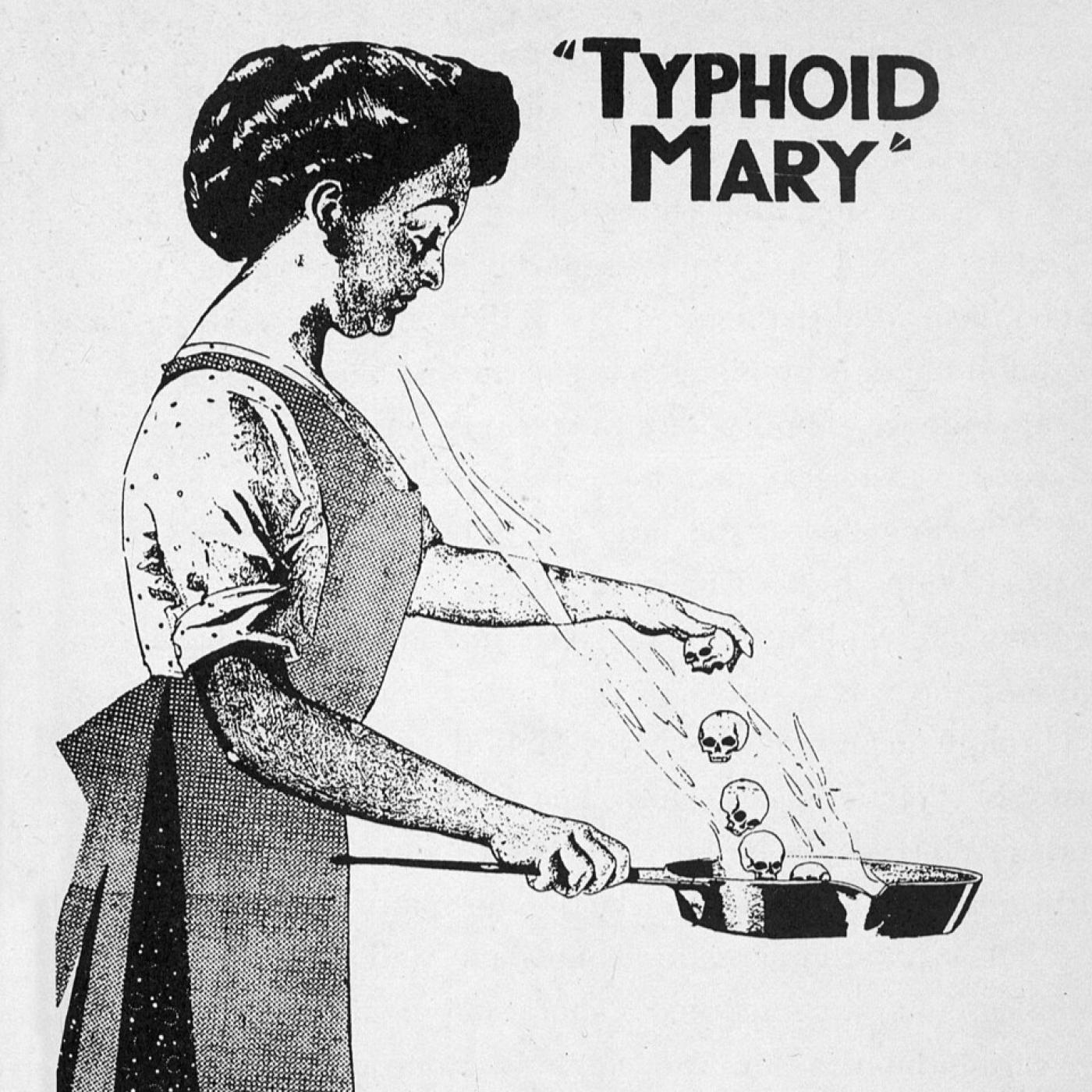
Typhoid Mary | The Woman Behind the Nickname
Jun 1000:24:12Tap to summarizeWho was Typhoid Mary?Most people know the nickname, but few know the woman behind it.Mary Mallon, better known as Typhoid Mary, was an Irish immigrant and cook living in New York City in the early 1900s. Without ever becoming sick herself, she unknowingly spread typhoid fever to dozens of people, making her the first widely identified asymptomatic carrier of the disease in the United States.Public health officials eventually tracked her down, forcibly quarantined her on North Brother Island, and confined her for nearly three decades without ever convicting her of a crime.But was Mary Mallon a reckless danger to society, or was she a victim of fear, prejudice, and an emerging public health system that hadn't yet learned how to balance individual liberty with public safety?In this episode, we separate the myths from the facts and explore one of the most controversial medical and legal cases in American history. From the science of typhoid fever to Mary's life before she became "Typhoid Mary," this is the complete story behind one of history's most misunderstood women.In this episode you'll learn:• Who Mary Mallon really was • How typhoid fever spreads • What an asymptomatic carrier is • Why Mary was quarantined on North Brother Island • Whether her confinement was legally justifiedIf you enjoy history, true crime, medical history, or forgotten stories, or fascinating history, follow the podcast for new episodes every week.Sources:Typhoid Mary by Anthony BourdainNational Museum of Health and Medicine – “Typhoid Mary / Mary Mallon: An Asymptomatic Carrier of Salmonella typhi” https://medicalmuseum.health.mil/micrograph/index.cfm/posts/2020/typhoid_mary_mary_mallon_salmonellaBBC News – “Typhoid Mary: The woman who became a symbol of disease and stigma” https://www.bbc.com/news/world-europe-52291327PubMed Central (PMC) – “Mary Mallon (1869–1938) and the history of typhoid fever” https://pmc.ncbi.nlm.nih.gov/articles/PMC3959940/Cleveland Clinic – “Typhoid Fever: Causes, Symptoms & Treatment” https://my.clevelandclinic.org/health/diseases/17730-typhoid-feverNew England Journal of Medicine (NEJM) – “Typhoid Fever” https://www.nejm.org/doi/full/10.1056/NEJMra020201
Transcribe →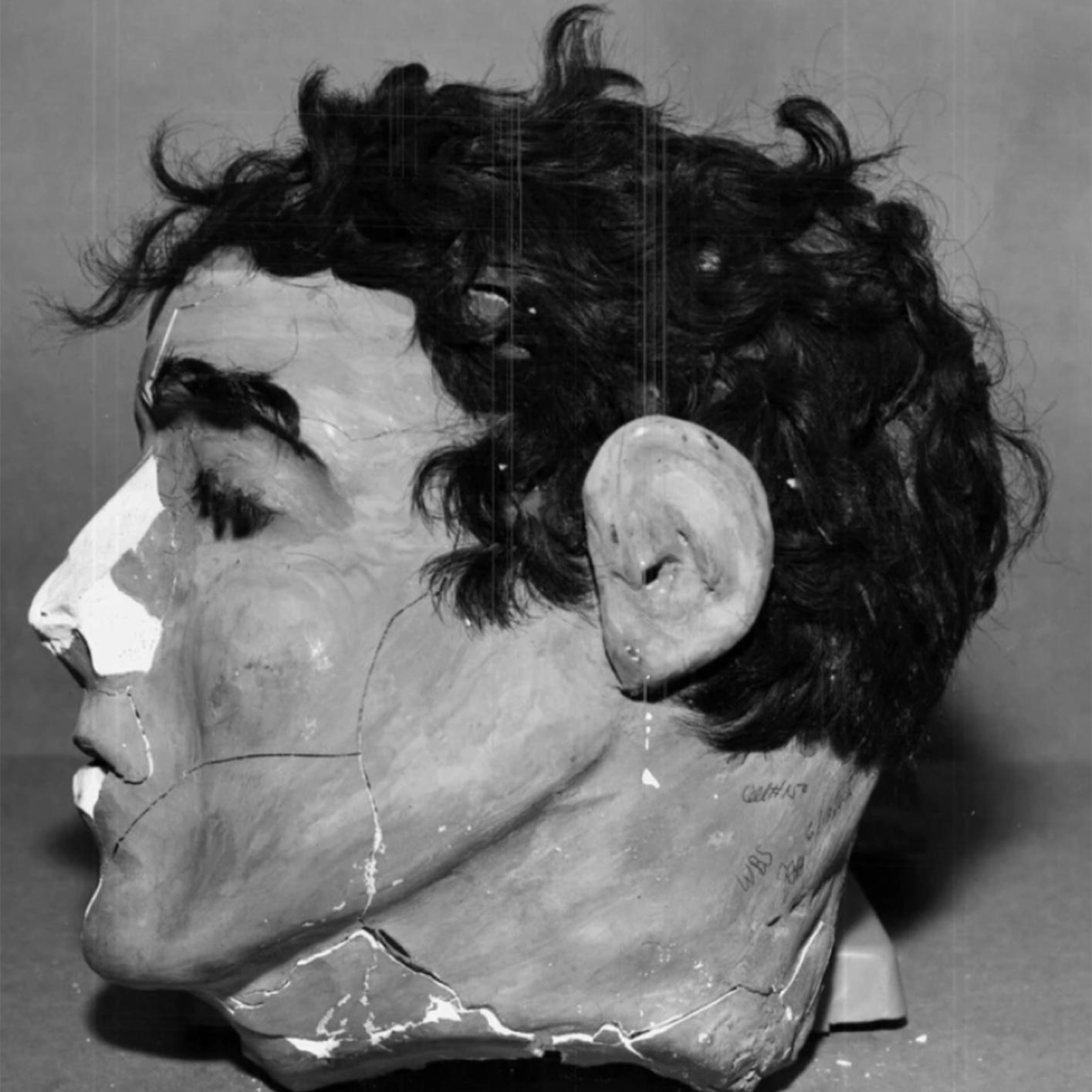
[Listener Suggestion] The Escape from Alcatraz (1962)
Jun 200:23:00Tap to summarizeAmerican criminal history began on a cold June night in 1962. Three inmates disappeared from the most secure prison in America, leaving behind lifelike dummy heads and a mystery that continues to fascinate investigators, historians, and true crime enthusiasts decades later.In this episode, we explore the incredible story behind the 1962 Alcatraz escape, the meticulous planning that allowed the prisoners to break free, and the unanswered question that still sparks debate today: Did the Alcatraz escapees survive?Topics Covered:✔️ 1962 Alcatraz escape story ✔️ Alcatraz prison break explained ✔️ Frank Morris escape plan ✔️ Alcatraz escape evidence and theories ✔️ FBI Alcatraz investigationFor more than sixty years, the disappearance of Frank Morris and the Anglin brothers has remained one of America’s greatest mysteries. Whether they drowned in the frigid waters or successfully escaped to freedom, their story continues to captivate audiences around the world.🎙️ If you enjoy true crime, historical mysteries, unsolved cases, and remarkable stories from American history, this episode is for you.Sources & Further Reading• Federal Bureau of Prisons. "Alcatraz." Bureau of Prisons History.https://www.bop.gov/about/history/alcatraz.jsp• Federal Bureau of Investigation. "Alcatraz Escape."https://www.fbi.gov/history/cases-and-criminals/alcatraz-escape• National Parks Conservation Association. "A Genius, Two Brothers, and Fake Heads: The Escape from Alcatraz."https://www.nationalparks.org/connect/blog/genius-two-brothers-and-fake-heads• BBC Culture. "The Men Who Broke Out of Alcatraz with a Spoon."https://www.bbc.com/culture/article/20240607-it-was-the-cleverest-escape-in-the-prisons-30-years-the-men-who-broke-out-of-alcatraz-with-a-spoon• CBS News. "Scientists Offer New Theory Behind the 1962 Alcatraz Prison Break."https://www.cbsnews.com/news/scientists-new-theory-behind-1962-alcatraz-prison-break/• BBC News. "Alcatraz Escape: FBI Letter Renews Mystery."https://www.bbc.com/news/world-us-canada-42826582• SFGATE. "Does This Photo Prove the Most Famous Alcatraz Escapees Survived?"https://www.sfgate.com/news/article/Does-this-photo-prove-the-most-famous-Alcatraz-6568415.php
Transcribe →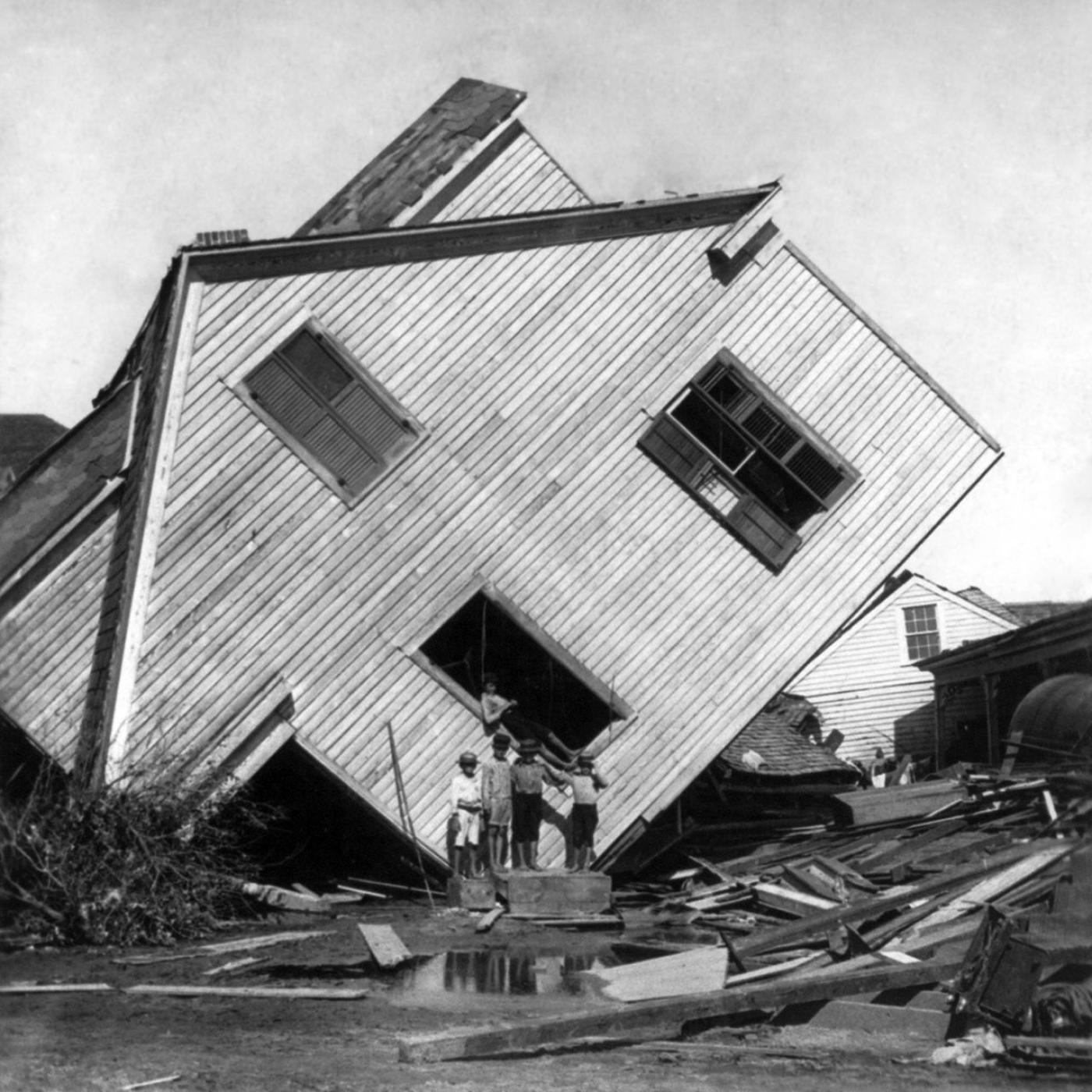
St. Mary’s Orphanage and the Great Storm
May 2800:19:51Tap to summarizeWhat Happened to St. Mary’s Orphanage?In this episode, we tell the heartbreaking true story of St. Mary’s Orphanage during the 1900 Galveston Hurricane, the deadliest natural disaster in American history.As a powerful hurricane approached the Texas coast on September 8, 1900, few residents understood the scale of the catastrophe that was about to unfold. By the time the storm reached Galveston Island, thousands of lives would be lost and an entire city would be devastated.Among the most tragic stories was that of St. Mary’s Orphanage, where the Sisters of Charity and dozens of children faced impossible circumstances as floodwaters rose around them.What Was the 1900 Galveston Hurricane?The 1900 Galveston Hurricane remains the deadliest hurricane in United States history. With storm surge flooding, destructive winds, and little warning, the storm destroyed much of Galveston and killed an estimated 6,000 to 12,000 people.This Episode CoversThe 1900 Galveston HurricaneThe deadliest hurricane in U.S. historySt. Mary’s OrphanageThe children of the orphanageActs of courage during the stormThe aftermath of the disasterThe legacy of the Great Galveston HurricaneKey TakeawaysThe 1900 Galveston Hurricane was the deadliest natural disaster in American history.Thousands of people lost their lives during the storm.St. Mary’s Orphanage became the site of one of the disaster’s most tragic stories.The Sisters fought to protect the children in their care.Storm surge flooding caused widespread destruction across Galveston Island.The hurricane transformed disaster preparedness in the United States.The tragedy remains one of the most remembered events in Texas history.The story highlights extraordinary courage during a natural disasterContent Warning: This episode contains descriptions of a mass casualty event, including the deaths of children.Sources:NOAA National Weather Service Heritage. Isaac Monroe Cline: The Cyclone Pioneer https://vlab.noaa.gov/web/nws-heritage/-/isaac-monroe-cline-the-cyclone-pioneer History.com Editors. 1900 Galveston Hurricane https://www.history.com/articles/1900-galveston-hurricane Galveston Historical Foundation. Storm FAQs https://www.galvestonhistorycenter.org/research/storm-faqs Gilder Lehrman Institute. One of Those Monstrosities of Nature: The Galveston Storm of 1900 https://www.gilderlehrman.org/history-resources/essays/one-those-monstrosities-nature-galveston-storm-1900 1900Storm.com. The Orphanage Story https://www.1900storm.com/orphanage.html Medium. 90 Orphans Sang This Catholic Hymn… https://musettedc.medium.com/90-orphans-sang-this-catholic-mariners-hymn-before-drowning-in-america-s-worst-natural-disaster-c97ac6308327 Tampa Bay Times Archive. Without Warning https://www.tampabay.com/archive/2000/05/28/without-warning/
Transcribe →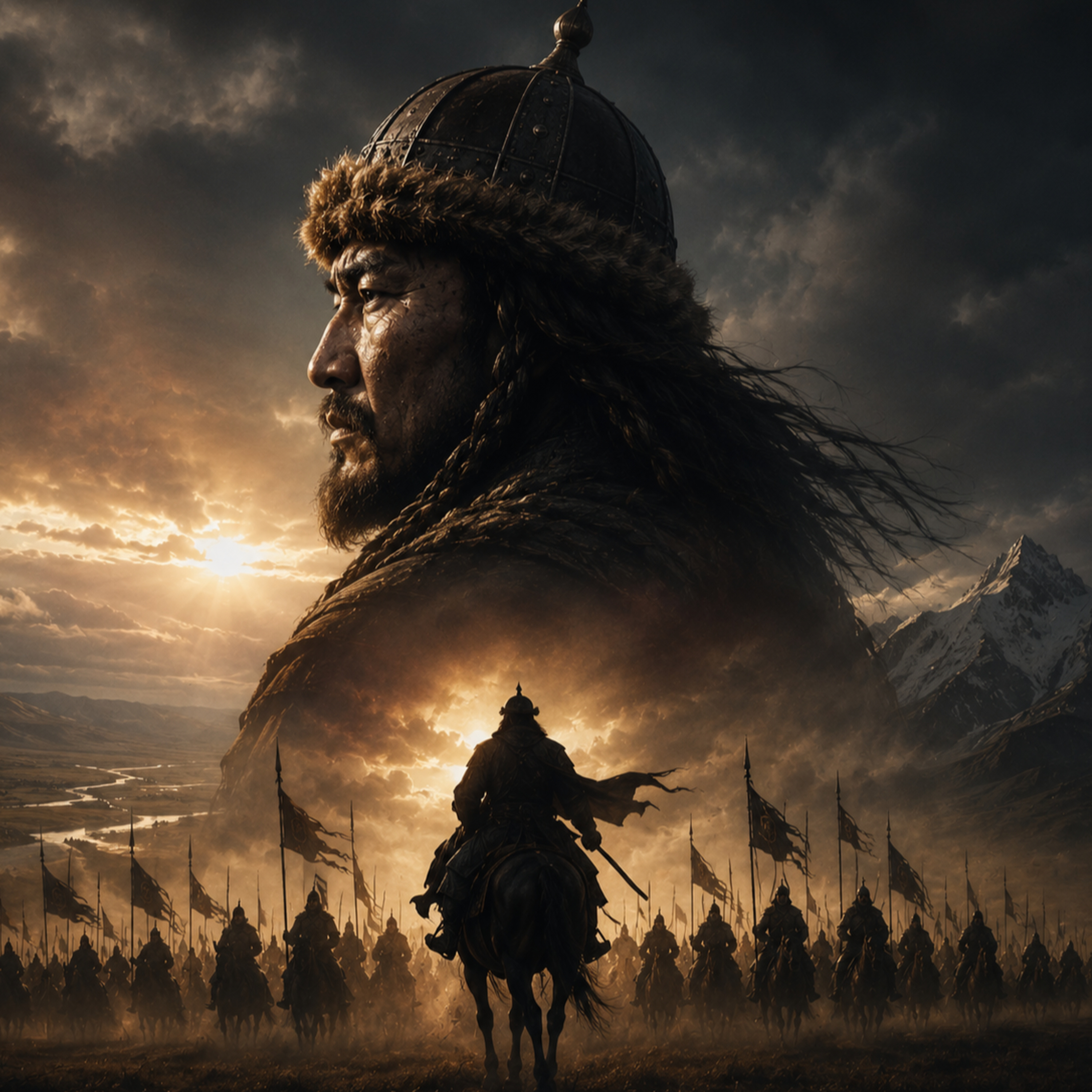
Who Was Genghis Khan? | The Dark Rise of The Mongol Empire
May 1700:33:23Tap to summarizeHow Did Genghis Khan Conquer the World?In this episode, we explore the extraordinary life of Genghis Khan, the Mongol leader who united rival tribes and built one of the largest empires in human history.Born into a harsh and uncertain world on the Mongolian steppe, Genghis Khan rose from obscurity to become one of history’s most influential and feared conquerors. His military campaigns transformed Asia, reshaped trade routes, and changed the course of world history.Who Was Genghis Khan?Genghis Khan was the founder of the Mongol Empire, a vast realm that eventually stretched across much of Asia and into Europe.Before becoming one of history’s most successful military leaders, he faced betrayal, hardship, and years of conflict among competing tribes. His ability to unite the Mongols laid the foundation for an empire unlike any the world had seen before.How Did the Mongol Empire Become So Powerful?The Mongol military relied on speed, discipline, intelligence gathering, and innovative battlefield tactics. Highly mobile horse archers allowed Mongol armies to travel vast distances and strike with remarkable effectiveness.Under Genghis Khan’s leadership, the Mongols conquered territories across China, Central Asia, and beyond, creating one of the largest contiguous empires in history.Was Genghis Khan a Hero or a Villain?The legacy of Genghis Khan remains deeply debated.Some historians view him as a brilliant military strategist who promoted trade, communication, and religious tolerance across his empire. Others focus on the immense destruction, warfare, and loss of life associated with the Mongol conquests.His story remains one of the most complex and controversial in world history.How Did Genghis Khan Change the World?The Mongol Empire connected distant regions through trade and communication networks that helped facilitate the exchange of goods, technologies, cultures, and ideas.The effects of his conquests influenced the development of nations across Asia, the Middle East, and Europe for centuries.This Episode CoversThe early life of Genghis KhanThe unification of the Mongol tribesThe rise of the Mongol EmpireMongol military tacticsConquests across AsiaLeadership and strategyThe debate over his legacyHow Genghis Khan diedThe lasting impact of the Mongol EmpireKey TakeawaysGenghis Khan founded the Mongol Empire.The Mongol Empire became one of the largest empires in history.Mongol armies relied on mobility, discipline, and strategy.The empire expanded across Asia and into Europe.Trade routes flourished under Mongol rule.Historians debate whether Genghis Khan should be viewed as a hero or conqueror.The Mongols transformed warfare during the medieval period.Genghis Khan’s influence extended far beyond military conquest.His legacy continues to shape historical discussions today.Content Warning: This episode contains discussions of war, violence, murder, sexual violence, human suffering, and historical accounts of mass death connected to the Mongol conquests. Some descriptions may be disturbing to listeners. Listener discretion is advised.Sources:Genghis Khan: The Secret History of the Mongols Docuseries from National GeographicBook: The Mongols by Timothy Mayhttps://www.sciencedirect.com/science/article/pii/S1201971221000205https://www.history.com/this-day-in-history/august-18/genghis-khan-dieshttps://historynet.com/genghis-khans-secrets-success/
Transcribe →
By Any Means Necessary: China's One Child Policy
May 400:20:21Tap to summarizeThis episode explores China’s One-Child Policy, one of the most controversial population control policies in modern history. We examine how it was enforced, the methods used by authorities, and the profound human cost experienced by families across the country.Content Warning: This episode discusses the enforcement of China’s One-Child Policy, including forced abortions, sterilization, and the death of infants. Listener discretion is advised.SourcesOne Child: The Story of China's Most Radical Experiment by Mei FongDocumentary: One Child NationWebsites:https://www.britannica.com/topic/one-child-policy/Consequences-of-Chinas-one-child-policyhttps://www.npr.org/2021/06/21/1008656293/the-legacy-of-the-lasting-effects-of-chinas-1-child-policy#:~:text=%22The%20doctors%20would%20inject%20poison,remembers%20Lu%20Bilun%2C%20a%20resident.https://www.bbc.com/news/world-asia-17181951https://chrissmith.house.gov/uploadedfiles/2012-07-09_continued_human_rights_attacks_on_families_in_china.pdfChang, Gordon G.“SHRINKING CHINA: A Demographic Crisis.” World Affairs 178, no. 1, (2015): 35–41. http://www.jstor.org/stable/4355528Feng, Wang, BaochangGu, and Yong Cai. “The End of China’s One-Child Policy.” Studies in Family Planning 47, no. 1 (2016): 83–86. http://www.jstor.org/stable/24720399Hsia,Tao-Tai, Author, Constance A Johnson, and Issuing Body Library Of Congress. FarEastern Law Division. Populationcontrol in the People's Republic of China. [Washington, D.C.: Far Eastern Law Division, Law Library,Library of Congress, 1985] Pdf. https://www.loc.gov/item/2019668313/Wang,Zhihe, Ming Yang, Jiaming Zhang, and Jiang Chang. “Ending an Era of Population Control in China: Was the One-Child Policy Ever Needed?” The American Journal of Economics and Sociology 75, no. 4 (2016): 929–79. http://www.jstor.org/stable/45129326Yuesheng, Sun, and Zhangling, Wei. “TheOne-Child Policy in China Today.” Journal of Comparative Family Studies 18, no. 2 (1987):309–25. http://www.jstor.org/stable/41601462
Transcribe →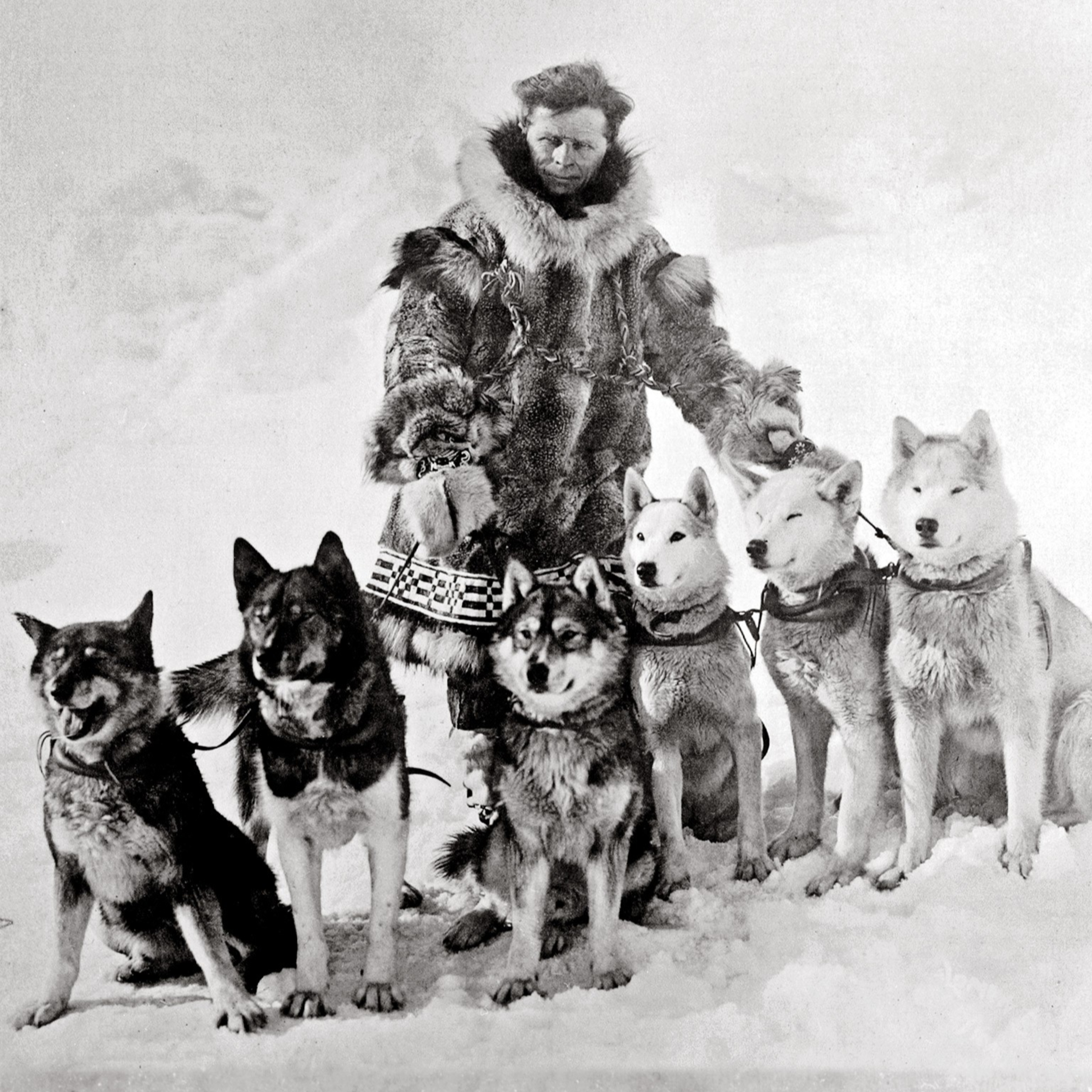
Was Balto a Real Dog? | The 1925 Serum Run
Apr 2000:36:31Tap to summarizeWas Balto a Real Dog? The True Story of the Serum RunIn this episode, we explore the incredible true story of Balto, the famous sled dog who became a national hero after helping deliver life-saving medicine across the frozen wilderness of Alaska.When a deadly diphtheria outbreak threatened the isolated town of Nome in 1925, officials faced an impossible challenge. With winter storms blocking transportation routes and temperatures plunging far below zero, teams of sled dogs and mushers were called upon to carry antitoxin across hundreds of miles of dangerous terrain.Who Was Balto?Balto was a Siberian Husky who became famous for leading the final leg of the historic serum run to Nome. Newspapers across America celebrated his role in the mission, and he quickly became one of the most famous dogs in history.His story inspired books, statues, films, and generations of admirers, but the full story is far more complex than many people realize.What Was the Serum Run to Nome?The 1925 Serum Run, sometimes called the Great Race of Mercy, involved multiple dog sled teams working together to transport diphtheria antitoxin to Nome before the outbreak could spread further.Facing blizzards, dangerous ice, and extreme Arctic conditions, the mushers and their sled dogs raced against time to save lives.Balto vs Togo: Who Was the Real Hero?One of the biggest debates surrounding the story is whether Balto or Togo deserves the most recognition.While Balto led the final stretch into Nome and became world-famous, Togo and his musher covered the longest and most dangerous section of the route. Historians continue to discuss the contributions of both dogs and the many teams that made the mission possible.Why Does Balto’s Story Still Matter?The Serum Run remains one of the greatest rescue missions in history and highlights the courage, endurance, and teamwork of the mushers and sled dogs who risked everything to deliver medicine.More than a century later, Balto remains a symbol of determination, heroism, and survival in the face of impossible odds.This Episode CoversThe diphtheria outbreak in NomeThe 1925 Serum RunBalto’s role in the missionThe story of TogoThe harsh conditions of Arctic AlaskaThe race to deliver life-saving medicineHow Balto became famousThe lasting legacy of the Serum RunKey TakeawaysBalto was a real Siberian Husky involved in the 1925 Serum Run.The Serum Run delivered diphtheria antitoxin to Nome, Alaska.Multiple sled dog teams participated in the rescue mission.Togo completed the longest and most dangerous section of the route.Balto led the final leg into Nome and became internationally famous.The event became known as the Great Race of Mercy.Extreme weather made the mission exceptionally dangerous.The Serum Run helped prevent a larger public health disaster.Balto became one of the most famous dogs in history.The story remains one of Alaska’s greatest survival and rescue legends.Content Warning: This episode contains descriptions of death from diphtheria, as well as accounts of humans and animals enduring extreme and life-threatening conditions.Sources:Book The Cruelest Miles: The Heroic Story of Dogs and Men in a Race Against an Epidemic by Gay Salisbury and Laney SalisburyWebsites https://www.who.int/news-room/fact-sheets/detail/diphtheriahttps://www.alaskamushingschool.com/learn/1925-serum-run-to-nome/
Transcribe →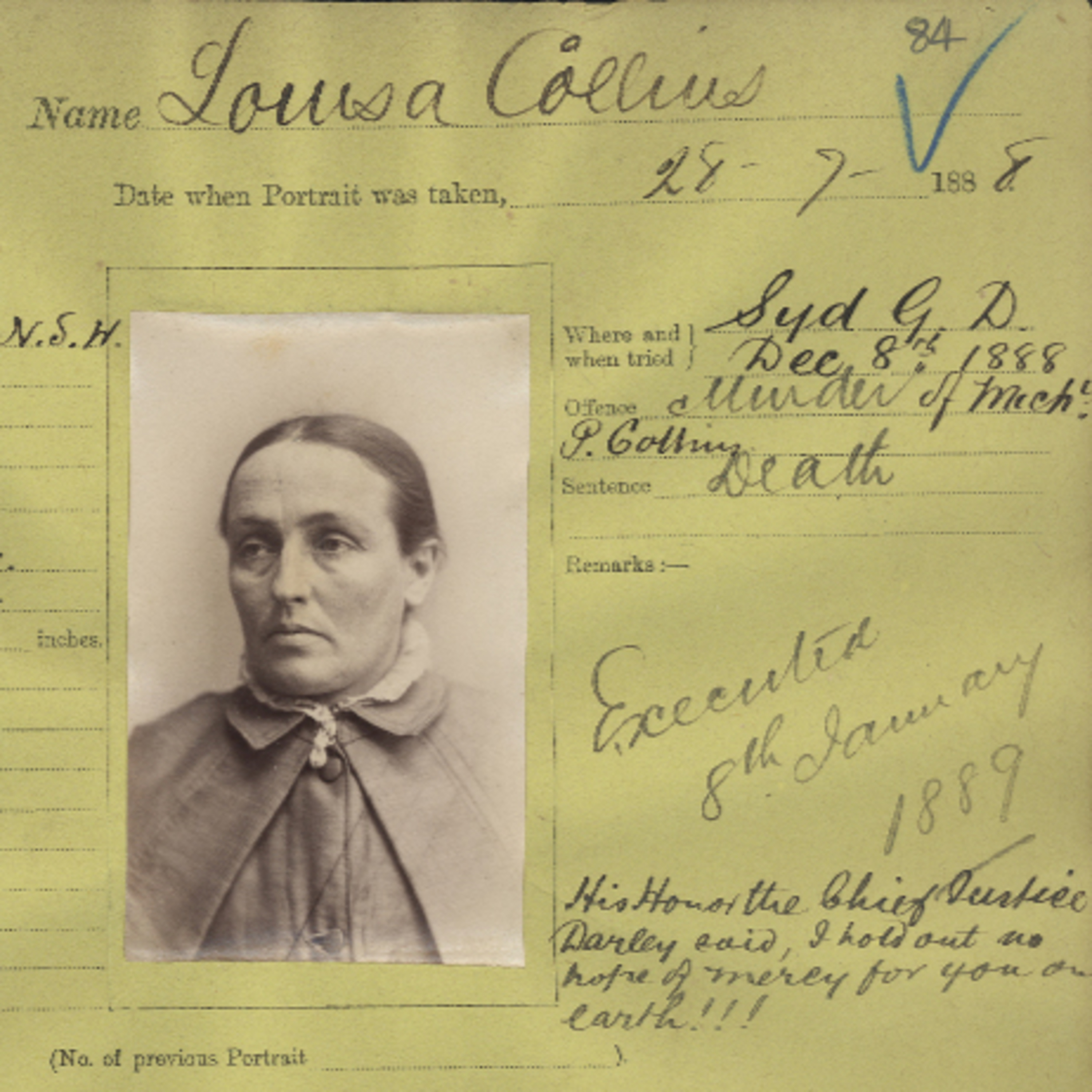
The Hanging of Louisa Collins Part 2: A Case Built on Doubt
Apr 1300:23:43Tap to summarizeWe continue to examine the case of Louisa Collins, the last woman executed in New South Wales, by carefully weighing the evidence both for and against her guilt.Rather than settling on a single interpretation, we break down the medical findings, witness testimony, and circumstantial evidence to ask a difficult question: how strong was the case against Louisa really?We also explore the alternative theories that emerged during and after the trials—from accidental illness and self-poisoning to uncertainty around arsenic detection in 19th-century medicine. As the evidence is re-examined, the case becomes far less clear-cut than it first appears.But this story is not only about one woman’s fate. Louisa Collins’ case became a turning point in public debate and is often seen as part of a wider shift in attitudes toward justice, gender, and the role of women in society. In many ways, it was not just the end of a trial—it marked the beginning of a growing women’s movement and a new wave of public questioning about how women were judged within the legal system.Source:Last Woman Hanged: The Terrible, True Story of Louisa Collins by Caroline Overington
Transcribe →
The Hanging of Louisa Collins | Part 1
Mar 3000:27:52Tap to summarizeWho Was Louisa Collins? Last Woman Hanged in New South WalesIn this episode, we examine the extraordinary case of Louisa Collins, the last woman legally executed in New South Wales and one of the most controversial figures in Australian criminal history.Accused of poisoning two husbands with arsenic during the late nineteenth century, Louisa Collins became the center of a sensational murder investigation that captivated newspapers across Australia. Her case involved multiple trials, disputed evidence, and intense public debate over guilt, justice, and capital punishment.What Happened to Louisa Collins?Authorities believed Louisa Collins poisoned her husbands in separate incidents, leading to a lengthy legal battle unlike almost any other murder case in Australian history. After four back to back trials, she was ultimately convicted and sentenced to death.The execution of Louisa Collins marked a significant moment in Australian legal history and remains one of the country’s most discussed true crime stories.Why Is the Case Still Controversial?More than a century later, historians continue to debate whether the evidence presented at trial would withstand modern forensic scrutiny. Questions remain about arsenic poisoning, witness testimony, circumstantial evidence, and whether justice was truly served.This episode explores:The life of Louisa CollinsThe deaths that sparked suspicionThe arsenic poisoning allegationsMultiple murder trials and appealsPublic reaction to the verdictThe final executionThe historical legacy of the caseAustralian True Crime HistoryThe Louisa Collins case remains an important chapter in Australian true crime, criminal justice history, and the history of capital punishment in Australia. It offers a fascinating look at nineteenth-century investigations, courtroom procedures, and society’s attitudes toward crime and punishment.If you enjoy historical mysteries, famous murder cases, and forgotten true crime stories, this episode provides a detailed examination of one of Australia’s most remarkable criminal cases.Key TakeawaysLouisa Collins became the last woman executed in New South Wales.The case centered on allegations of arsenic poisoning.Multiple murder trials made the case highly unusual.Newspapers closely followed every development of the investigation.Historians continue debating the strength of the evidence.The case remains a landmark in Australian true crime history.Capital punishment played a central role in the story.The execution sparked public discussion about justice and guilt.The case reveals how nineteenth-century criminal investigations worked.Louisa Collins remains one of Australia’s most famous historical crime figures.Warning: This episode covers historical crimes, including poisoning, death, and execution.Sources:Book: Last Woman Hanged: The Terrible True Story of Louisa Collins by Caroline OveringtonNewspaper Article from the Execution: https://trove.nla.gov.au/newspaper/article/115380911
Transcribe →