Podcast
End of Story
Hosted by Marquis Alexa · ENGLISH
History isn’t just dates—it’s people. End of Story tells the most powerful, emotional, and often unsettling true stories from history. From injustice and survival to moments that changed the world, these are the stories you thought you knew… until you hear what really happened. New episodes weekly.
22episodes
Episodes
Newest firstAll episodes
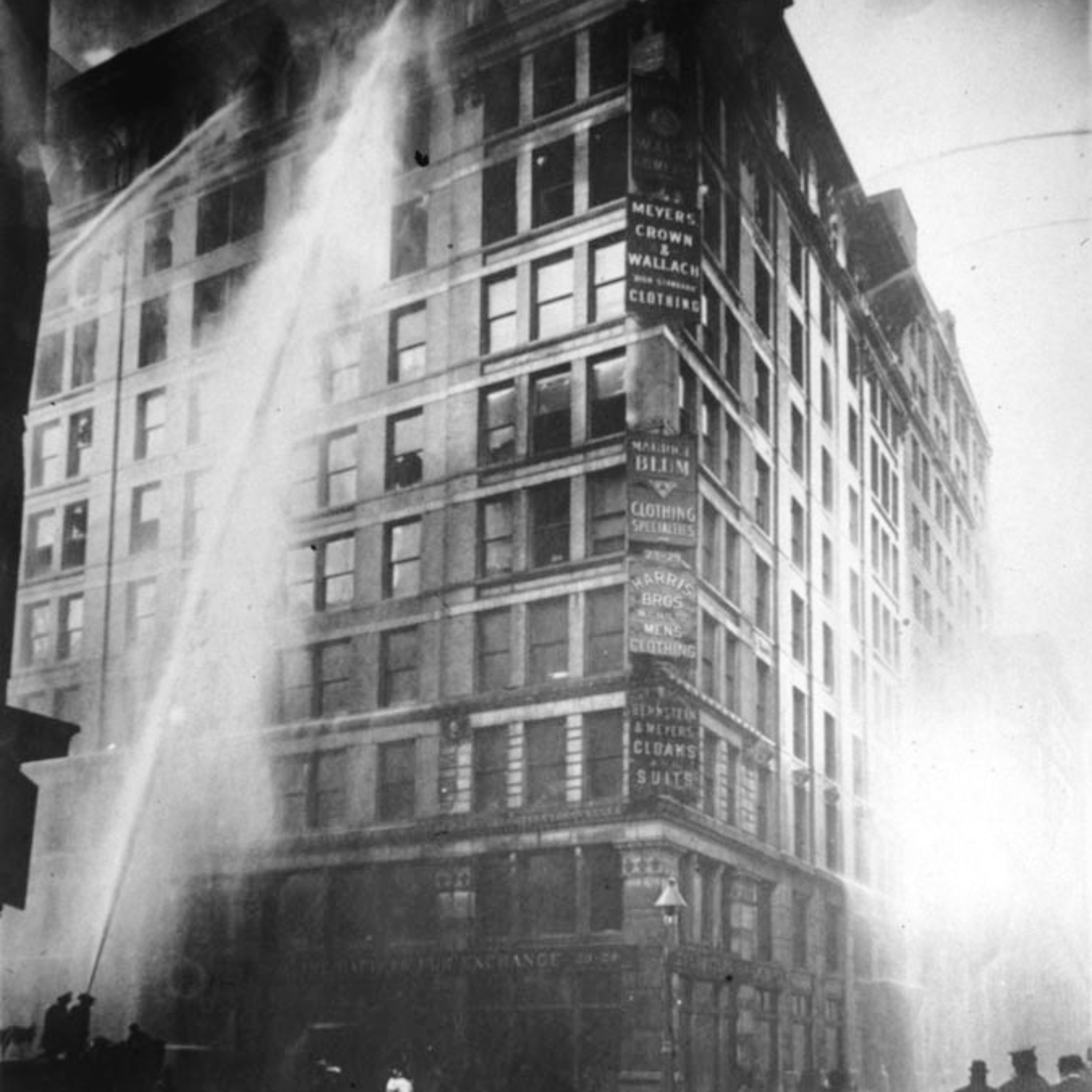
Triangle Shirtwaist Factory Fire of 1911
Mar 2300:24:36Tap to summarizeWhy Were the Doors Locked?In this episode, we examine the Triangle Shirtwaist Factory Fire, one of the deadliest industrial disasters in American history and a tragedy that transformed workplace safety laws across the United States.On March 25, 1911, a fire broke out inside the Triangle Shirtwaist Factory in New York City. Within minutes, hundreds of garment workers found themselves trapped as flames spread through the upper floors of the building.Key TakeawaysThe Triangle Shirtwaist Factory Fire occurred in New York City in 1911.Many victims were young immigrant women working in the garment industry.Locked exit doors became a symbol of unsafe factory conditions.Workplace safety laws were strengthened after the disaster.The event remains one of the most significant industrial disasters.The Triangle Shirtwaist Factory Fire changed American labor history forever.Content Warning: This episode contains discussion of death and a tragic factory fire. Listener discretion is advised.Image Credit:Image of Triangle Shirtwaist Factory fire on March 25 – 1911, first published on the front page of The New York World (March 26, 1911).Author: UnknownSource: Cornell ILR Triangle Fire ProjectLicensed as Public Domain / Wikimedia CommonsSourcesTriangle: Remembering the Fire (HBO Documentary, 2011)Gilder Lehrman Institute of American History – Triangle Shirtwaist Factory Fire Primary Source Collectionhttps://www.gilderlehrman.org/history-resources/spotlight-primary-source/triangle-shirtwaist-factory-fire-1911University of Missouri–Kansas City School of Law – Triangle Shirtwaist Fire Trial Accounthttps://law2.umkc.edu/faculty/projects/ftrials/triangle/triangleaccount.htmlCornell University ILR School – Triangle Factory Fire Project (History of the Fire)https://trianglefire.ilr.cornell.edu/story/fire.htmlCornell University ILR School – Mary Domsky Abrams Survivor Interviewhttps://trianglefire.ilr.cornell.edu/primary/survivorInterviews/MaryDomskyAbrams.htmlCornell University ILR School – Sweatshops and Strikes Backgroundhttps://trianglefire.ilr.cornell.edu/story/sweatshopsStrikes.htmlCornell University ILR School – Sarah Friedman Dworetz Survivor Interviewhttps://trianglefire.ilr.cornell.edu/primary/survivorInterviews/SarahDworetz.htmlEncyclopedia Britannica – Triangle Shirtwaist Factory Firehttps://www.britannica.com/event/Triangle-shirtwaist-factory-fireCornell University ILR School – William Shepherd Testimonyhttps://trianglefire.ilr.cornell.edu/primary/testimonials/ootss_WilliamShepherd.htmlNational Park Service – Triangle Shirtwaist Factory (Brown Building)https://www.nps.gov/places/triangle-shirtwaist-factory-brown-building.htm
Transcribe →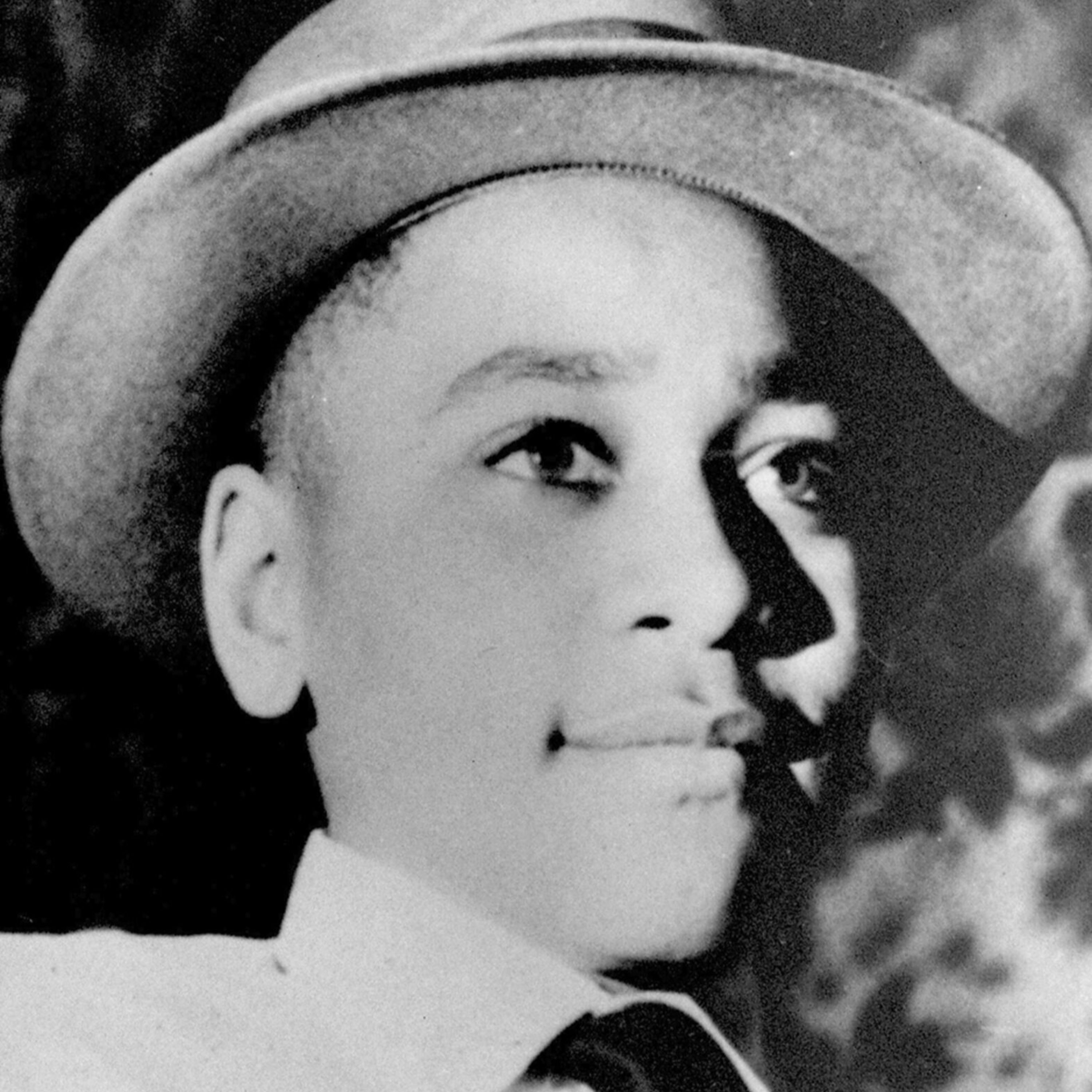
What Happened to Emmett Till?
Mar 1900:23:31Tap to summarizeWhat Happened to Emmett Till?In this episode, we examine the tragic story of Emmett Till, a 14-year-old boy whose murder became a defining moment in American history and helped galvanize the Civil Rights Movement.In the summer of 1955, Emmett Till traveled from Chicago to Mississippi to visit relatives. What happened during that trip shocked the nation and exposed the realities of racial violence and injustice in the Jim Crow South.The case drew national attention, sparked outrage, and became one of the most significant events in the struggle for civil rights in the United States.Clarification: Historian Timothy Tyson wrote in The Blood of Emmett Till that Carolyn Bryant Donham told him during a 2007 interview that parts of her accusation against Emmett Till were not true. The remark was not recorded, and Bryant later disputed that characterization.Sources:Chicago Sun-Times – Emmett Till’s Mother Mamie Bradley and the Fight for Justicehttps://graphics.suntimes.com/sun-times-75th-anniversary/emmett-till-mother-mamie-bradley-mississippi-white-supremacist-civil-rights/American Experience (PBS) – Emmett Till’s Funeralhttps://www.pbs.org/wgbh/americanexperience/features/emmett-tills-funeral/PBS American Experience – Biography of Mamie Till-Mobleyhttps://www.pbs.org/wgbh/americanexperience/features/emmett-biography-mamie-till-mobley/Equal Justice Initiative – Racial Injustice Calendar: Emmett Till Murderhttps://calendar.eji.org/racial-injustice/aug/28Chicago Crusader – Restoration Continues at the Church of Till’s Funeralhttps://chicagocrusader.com/restoration-continues-at-the-church-of-tills-funeral/Encyclopedia Britannica – Jim Crow Lawshttps://www.britannica.com/event/Jim-Crow-lawFamous Trials – Emmett Till Case Materialshttps://famous-trials.com/emmetttill/1755-homeNational Park Service – Emmett Till Biographyhttps://www.nps.gov/people/emmett-till.htmFamous Trials – Emmett Till Chronologyhttps://famous-trials.com/emmetttill/1759-chronologyEqual Justice Initiative – Emmett Till Accuser Admits She Liedhttps://eji.org/news/emmett-till-accuser-admits-she-lied/60 Minutes (CBS News archive) – The Murder of Emmett Tillhttps://web.archive.org/web/20130725144555/http://www.cbsnews.com/stories/2004/10/21/60minutes/main650652.shtmlPhoto: Emmett Till, 1954. Photograph by Mamie Till-Mobley. Public domain via Wikimedia Commons.
Transcribe →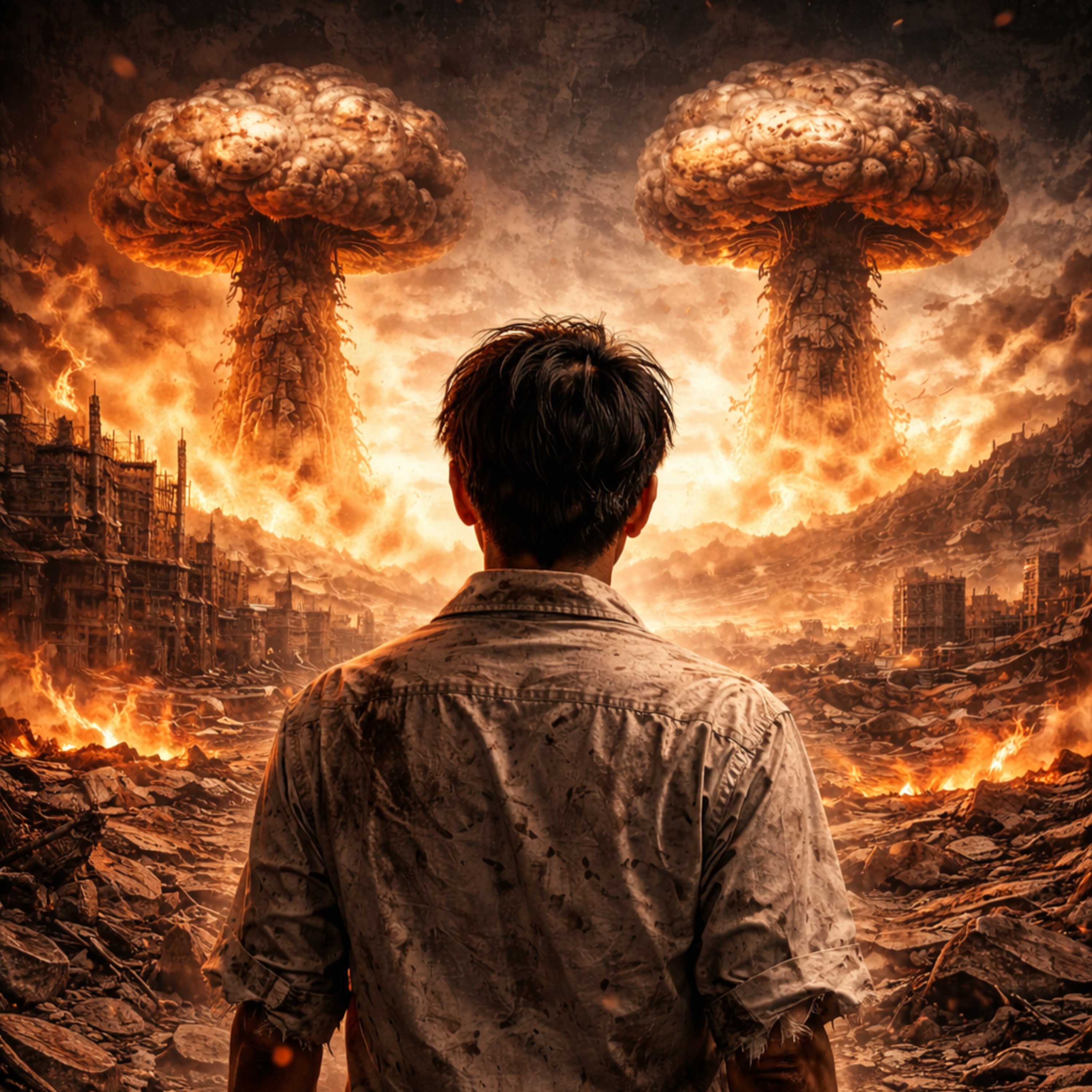
The Man Who Survived Both Atomic Bombs
Mar 1900:27:55Tap to summarizeIn this episode, we explore the extraordinary true story of Tsutomu Yamaguchi, the only person officially recognized by the Japanese government as having survived both the Hiroshima and Nagasaki atomic bombings during World War II.On August 6, 1945, Yamaguchi was in Hiroshima on a business trip when the first atomic bomb exploded. Injured but alive, he returned home to Nagasaki—only to experience the second atomic bombing three days later.His survival remains one of the most remarkable stories of the nuclear age.Who Was Tsutomu Yamaguchi?Tsutomu Yamaguchi was a Japanese engineer whose life became intertwined with two of the most significant events in modern history.Before the bombings, he was an ordinary citizen working during the final months of World War II. After surviving both attacks, he would spend decades sharing his experiences and advocating for peace.What Happened at Hiroshima and Nagasaki?In August 1945, the United States dropped atomic bombs on Hiroshima and Nagasaki, the only use of nuclear weapons in warfare.The bombings caused unprecedented destruction, killed tens of thousands of people, and contributed to the end of World War II in the Pacific.Yamaguchi found himself present in both cities during the attacks.How Did He Survive Both Bombings?After surviving the explosion in Hiroshima, Yamaguchi traveled back to Nagasaki despite his injuries.While reporting to work on August 9, he experienced the second atomic bombing. Against extraordinary odds, he survived both events and lived for decades afterward.His story has become one of the most remarkable survival accounts in history.Why Is His Story Important?Tsutomu Yamaguchi’s experience provides a deeply personal perspective on the human consequences of nuclear warfare.This Episode CoversTsutomu YamaguchiHiroshima atomic bombingNagasaki atomic bombingWorld War IINuclear weapons historyJapanese civilian experiencesSurvival against impossible oddsDouble hibakushaYamaguchi’s legacyWhy Tsutomu Yamaguchi Still MattersFew individuals experienced history as directly as Tsutomu Yamaguchi.His story connects two of the most consequential events of the twentieth century and serves as a reminder of the human impact of war and nuclear conflict.Today, his experiences continue to be studied by historians and remembered around the world.Key TakeawaysTsutomu Yamaguchi survived both the Hiroshima and Nagasaki atomic bombings.He is the only person officially recognized by Japan as surviving both attacks.The bombings occurred on August 6 and August 9, 1945.Hiroshima and Nagasaki remain the only cities targeted with nuclear weapons in warfare.Yamaguchi was injured in Hiroshima but returned to Nagasaki.He survived the second bombing despite being present during both attacks.His testimony became an important part of atomic bomb history.Tsutomu Yamaguchi’s life remains one of history’s most extraordinary survival stories.Content Warning: This episode discusses the atomic bombings of Hiroshima and Nagasaki and includes descriptions of severe injuries, death, and the devastation caused by nuclear weapons. Listener discretion is advised.Sources:Book: The Last Train from Hiroshima by Charles PellegrinoWebsite: https://www.the-independent.com/news/obituaries/tsutomu-yamaguchi-survivor-of-both-the-hiroshima-and-nagasaki-atomic-bomb-blasts-1885195.html?utm_source=chatgpt.comWebsite: https://www.biography.com/history-culture/a44577392/tsutomu-yamaguchi-hiroshima-and-nagasaki-bombing-survivor
Transcribe →
Olive Oatman | Captured by Native Americans
Mar 1800:32:53Tap to summarizeWhy Did Olive Oatman Have a Blue Tattoo?In this episode, we explore the remarkable true story of Olive Oatman, one of the most famous women of the American frontier and a figure whose life has fascinated historians for more than a century.As a teenager traveling west with her family in the 1850s, Olive survived a violent attack that left most of her family dead. She was taken captive and spent years living among Native American tribes before eventually returning to American society.The blue tattoo on her chin would make her instantly recognizable for the rest of her life.Who Was Olive Oatman?Olive Oatman was a pioneer girl whose life became one of the most famous captivity narratives in American history.After her family’s wagon party was attacked in present-day Arizona, Olive and her younger sister were taken captive. The experience would dramatically alter the course of her life and challenge many assumptions about the American West.What Happened to Olive Oatman?Following the attack, Olive lived among Native American communities for several years.She eventually became part of a Mojave community, where she received the distinctive blue chin tattoo that would later make her famous. Historians continue to debate many aspects of her experience, including how she viewed her years among the Mojave and what life was truly like after her return.Why Did Olive Oatman Have a Tattoo?The blue chin tattoo was a traditional cultural marking within the Mojave community.When Olive returned to American society, the tattoo became one of the most recognizable symbols of her story. It helped fuel public fascination with her experiences and contributed to her status as a frontier legend.Why Is Her Story Still Debated?Olive Oatman’s life sits at the intersection of American frontier history, westward expansion, Native American history, and survival.Historians continue to examine how her story was told, how it changed over time, and what it reveals about life in the American West during the nineteenth century.This Episode CoversOlive OatmanAmerican frontier historyWestward expansionPioneer lifeCaptivity narrativesNative American historyMojave cultureThe blue chin tattooSurvival in the American WestWhy Olive Oatman Still MattersThe story of Olive Oatman remains one of the most compelling survival stories in American history.Her experiences challenge simple narratives about the frontier and continue to spark discussion about identity, culture, adaptation, and life in the nineteenth-century American West.Key TakeawaysOlive Oatman became one of the most famous women of the American frontier.She survived a violent attack that killed much of her family.Olive spent years living among Native American communities.She received a traditional blue chin tattoo while living with the Mojave.Her story became one of the best-known captivity narratives in American history.Historians continue to debate aspects of her experience and later accounts.The tattoo became a lasting symbol of her remarkable life.Her story provides insight into frontier life and westward expansion.Olive Oatman remains a significant figure in American West history.Warning: This story includes descriptions of violence, loss, and trauma.SourcesImage: Olive Oatman, c. 1860s. Public domain. Source: Wikimedia Commons.The Blue Tattoo by Margot Mifflin (book)Captivity of the Oatman Girls by R.B. Stratton
Transcribe →
The Woman Who Smuggled 2,500 Children Out of the Holocaust
Mar 1700:37:50Tap to summarizeHow Did One Woman Save 2,500 Children?In this episode, we explore the extraordinary true story of Irena Sendler, a Polish social worker who helped rescue approximately 2,500 Jewish children from the Warsaw Ghetto during World War II.As Nazi Germany occupied Poland and conditions inside the ghetto grew increasingly desperate, Irena Sendler became part of a clandestine effort to save children from persecution, deportation, and death. Her actions would make her one of the most remarkable humanitarian figures of the twentieth century.Who Was Irena Sendler?Irena Sendler was a Polish social worker and humanitarian who worked in occupied Warsaw during World War II.Using her position to gain access to the Warsaw Ghetto, she became involved in efforts to help Jewish families and children facing the escalating horrors of Nazi persecution.How Did Irena Sendler Rescue Children?Working with underground resistance networks, Irena Sendler helped move children out of the Warsaw Ghetto through a variety of methods.The children were placed with foster families, religious institutions, orphanages, and other safe locations. To preserve their identities, records were secretly maintained in the hope that families might one day br reunited.What Happened When She Was Caught?In 1943, Irena Sendler was arrested by the German authorities. She was imprisoned, interrogated, and tortured, but she refused to reveal information about the children or the rescue network. Members of the Polish resistance later helped secure her release, allowing her work to continue.Why Is Irena Sendler’s Story Important?Her efforts saved lives and preserved hope for thousands of families facing unimaginable circumstances. Today, she is remembered as one of the most significant rescuers of Jewish children during the Holocaust.This Episode CoversIrena SendlerThe Warsaw GhettoHolocaust historyWorld War IIJewish children in occupied PolandPolish resistance effortsHumanitarian rescue missionsNazi occupationThe legacy of Holocaust rescuersKey TakeawaysIrena Sendler helped rescue approximately 2,500 Jewish children.She worked in occupied Poland during World War II.The rescues took place in and around the Warsaw Ghetto.She collaborated with underground resistance networks.Every rescue carried the risk of arrest and execution.Irena Sendler was arrested and tortured but protected the children’s identities.Many rescued children were hidden with families, orphanages, and religious institutions.Her story demonstrates extraordinary courage during World War II.Irena Sendler’s legacy continues to inspire people worldwide.Content Warning: This episode discusses the Holocaust, including violence, death, and the persecution of Jewish families, as well as children in extreme danger. Please listen with care. SourcesMazzeo, Tilar J. Irena’s Children: The Story of Irena Sendlerand the Children She Rescued from the Warsaw Ghetto. Simon & Schuster, 2016. Kansas Historical Society. Kansas History Day – Holocaust and Life in a Jar. https://www.kansashistory.gov/p/kansas-history-day-holocaust-and-life-in-a-jar/14874United States Holocaust Memorial Museum. (n.d.). Warsaw. Holocaust Encyclopedia. https://encyclopedia.ushmm.org/content/en/article/warsaw
Transcribe →
Eyam Village: Quarantined Inside with the Black Plague
Mar 1700:28:11Tap to summarizeWhy Did an Entire Village Quarantine Itself?In this episode, we explore the remarkable true story of Eyam, a small English village that made an extraordinary decision during one of history’s deadliest disease outbreaks.When the bubonic plague arrived in Eyam in 1665, villagers faced an impossible choice. They could flee and potentially spread the disease throughout England, or remain isolated and risk their own lives.What followed became one of the most extraordinary acts of sacrifice in public health history.What Was Eyam?Eyam is a village in Derbyshire, England, best known for its role during the Great Plague of 1665–1666.When plague-infected cloth is believed to have arrived from London, the disease spread through the community, threatening not only the village itself but neighboring towns and settlements.Why Did Eyam Quarantine Itself?As the outbreak worsened, village leaders encouraged residents to isolate the community from the outside world.The voluntary quarantine helped reduce the risk of spreading the plague to surrounding areas. Families remained within the village boundaries while supplies were left at designated locations outside the quarantine line.The decision came at an enormous human cost.What Was the Black Plague?The bubonic plague, often associated with the Black Death, was one of the deadliest diseases in human history.Although the Great Plague of 1665 occurred centuries after the medieval Black Death, the same disease continued to cause devastating outbreaks across Europe.Why Is Eyam Still Famous Today?The story of Eyam has become a powerful symbol of sacrifice, community responsibility, and public health.More than 350 years later, historians continue to study the village as an example of how ordinary people responded during a deadly epidemic.The story gained renewed attention during modern discussions about quarantine, pandemics, and disease prevention.This Episode CoversThe village of EyamThe Great Plague of 1665Bubonic plague historyThe Black DeathSelf-quarantine in historyPublic health during epidemicsLife in seventeenth-century EnglandPlague victims and survivorsThe quarantine boundary stonesThe lasting legacy of EyamWhy the Story of Eyam MattersThe people of Eyam faced an impossible moral dilemma during a deadly outbreak.Their decision continues to be remembered because it highlights themes of courage, sacrifice, leadership, and community responsibility during a public health crisis.The village remains one of the most compelling stories connected to plague history and epidemic response.Key TakeawaysEyam became known as the “plague village” of England.The village voluntarily quarantined itself during the Great Plague of 1665.The outbreak was caused by bubonic plague.Residents chose isolation to protect neighboring communities.The quarantine became one of history’s most famous public health responses.Many villagers sacrificed their lives during the epidemic.Eyam remains a significant site in plague history.The story is often cited in discussions about quarantine and disease control.The legacy of Eyam highlights courage and community responsibility during a pandemic.Content Warning: This episode contains discussion of death, disease, and historical suffering related to the black plague.Source:The History and Antiquities of Eyam, William WoodThe Great Mortality by John Kelly for further reading
Transcribe →
Inside Leningrad: A City Starved by Hitler
Mar 1700:24:00Tap to summarizeThe Diary That Recorded an Entire Family’s DeathIn this episode, we explore the heartbreaking story of Tanya Savicheva, a young girl whose diary became one of the most powerful symbols of civilian suffering during the Siege of Leningrad in World War II.As Nazi Germany surrounded the Soviet city of Leningrad, residents faced starvation, disease, extreme cold, and relentless hardship. Among them was Tanya Savicheva, whose brief diary entries documented the loss of her family during one of history’s deadliest sieges.Her words would become an enduring reminder of the human cost of war.Who Was Tanya Savicheva?Tanya Savicheva was a young girl living in Leningrad during World War II.As conditions inside the besieged city worsened, she began recording the deaths of family members in a small diary. The entries were short and simple, but they captured a tragedy experienced by countless civilians during the siege.Today, her diary remains one of the most recognized personal accounts from wartime Leningrad.What Was the Siege of Leningrad?The Siege of Leningrad lasted from 1941 to 1944 and became one of the longest and deadliest sieges in modern history.German and allied forces surrounded the city, cutting off supplies and creating catastrophic shortages of food and fuel. Hundreds of thousands of civilians died from starvation, disease, exposure, and wartime conditions.The siege remains one of the defining events of the Eastern Front during World War II.Why Is Tanya’s Diary So Important?Unlike military reports or official documents, Tanya’s diary reveals the human experience of the siege through the eyes of a child.Her entries documented the deaths of loved ones and illustrated the devastating impact of starvation and isolation on ordinary families.The diary later became an important symbol of civilian suffering during the war.This Episode CoversTanya SavichevaThe Siege of LeningradWorld War IIThe Eastern FrontWartime diariesCivilian survivalStarvation during warChildren’s experiences in WWIIThe human cost of conflictWhy Tanya Savicheva Still MattersFew historical documents communicate the human consequences of war as powerfully as Tanya Savicheva’s diary.Her story remains a symbol of loss, resilience, and remembrance, helping preserve the experiences of civilians who endured one of the deadliest sieges in world history.Key TakeawaysTanya Savicheva was a child living in Leningrad during World War II.Her diary documented the deaths of family members during the siege.The Siege of Leningrad lasted from 1941 to 1944.Starvation claimed hundreds of thousands of civilian lives.Tanya’s diary became a symbol of wartime suffering.The story highlights the experiences of children during World War II.The diary provides a personal perspective on a massive historical tragedy.Tanya Savicheva’s legacy continues to educate people about the human cost of war.Trigger Warning This episode discusses extreme human hardship, including instances of cannibalism during times of famine. Listener discretion is advised.Sources & ReferencesWerth, Alexander. Leningrad 1943: Inside a City Under SiegeReid, Anna. Leningrad: Tragedy of a City Under Siege, 1941-1944Peri, Alexis. The War Within: Diaries from the Siege of LeningradSoka University Russia Center, "Tanya Savicheva Diary and the Life of Olga Berggolts. https://www.soka.ac.jp/en/special/berggolts/tanya/
Transcribe →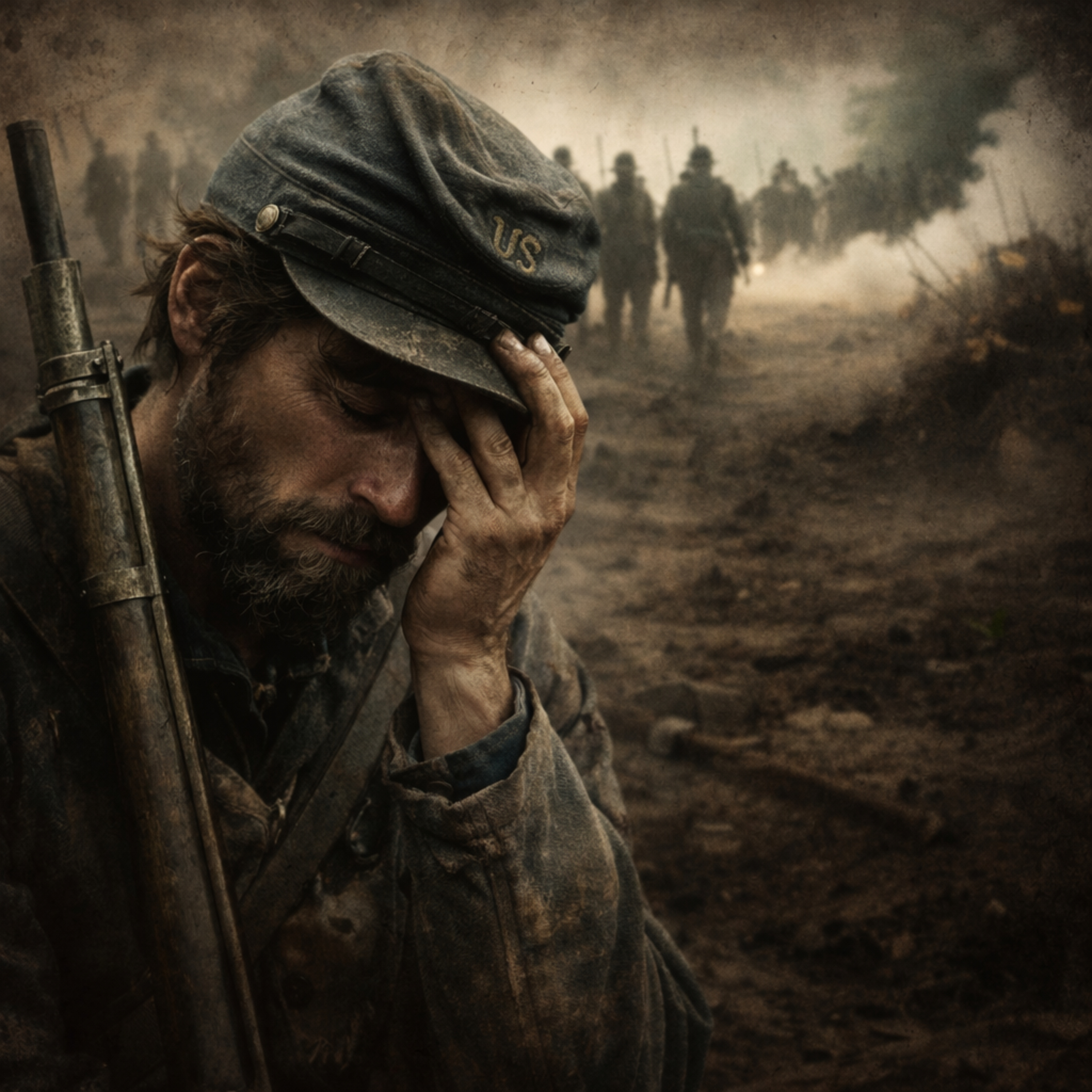
The Hidden Wounds of the Civil War
Mar 200:26:44Tap to summarizeDid Civil War Soldiers Have PTSD?In this episode, we explore a question many historians and psychologists continue to examine: did soldiers who fought in the American Civil War experience what we would now recognize as post-traumatic stress disorder, or PTSD?The Civil War was one of the deadliest conflicts in American history. Soldiers witnessed battlefield carnage, disease, mass casualties, and prolonged psychological stress on a scale few Americans had ever experienced.Although PTSD would not be formally recognized for more than a century, many veterans displayed symptoms that modern observers may associate with combat trauma and psychological injury.What Was Life Like for Civil War Soldiers?Civil War soldiers endured brutal conditions both on and off the battlefield.Combat often involved close-range fighting, devastating injuries, inadequate medical care, and the constant threat of death. Disease, exhaustion, and prolonged separation from family added further emotional strain. For many veterans, the war did not end when they returned home.Did Civil War Veterans Show Signs of PTSD?Historical records describe veterans suffering from nightmares, anxiety, depression, emotional distress, social withdrawal, insomnia, and difficulty adjusting to civilian life.Doctors of the era used different terms to describe these conditions, and many struggled to understand the long-term psychological effects of warfare.How Did People Understand Trauma in the 1860s?During the nineteenth century, mental health knowledge was limited compared to modern standards.Many psychological injuries were misunderstood, dismissed, or attributed to physical illness, personal weakness, nervous disorders, or other conditions recognized at the time.As a result, countless veterans may have suffered without receiving meaningful treatment or support.Why Does This Matter Today?The experiences of Civil War veterans help us understand that combat trauma is not a modern phenomenon.Their stories reveal how warfare can leave lasting psychological wounds and highlight the importance of recognizing and treating mental health challenges among military veterans.This Episode CoversPTSD and military historyThe American Civil WarCombat traumaCivil War veteransMental health in the nineteenth centuryBattlefield experiencesPsychological effects of warHistorical medical understandingVeteran experiences after the warThe evolution of PTSD researchKey TakeawaysThe American Civil War exposed soldiers to extreme combat conditions.PTSD was not a recognized diagnosis during the nineteenth century.Many veterans reported symptoms similar to modern post-traumatic stress disorder.Historians continue to study the psychological impact of the Civil War.Combat trauma has existed throughout military history.Medical understanding of mental health was limited in the 1860s.Veterans often struggled after returning home from war.The Civil War left lasting psychological as well as physical scars.Content warning: Discussion of war violence, trauma, and psychological distress.SourcesBook: Shook Over Hell by Eric T. Dean, Jr.Newspaper Article via Library of Congress: https://www.loc.gov/item/sn98060050/1866-08-31/ed-1/Diane Sommerville’s chapter “A Burden Too Heavy to Bear: War Trauma, Suicide, and Confederate Soldiers” (pp. 23–48) in the edited volume Aberration of Mind: Suicide and Suffering in the Civil War-Era South
Transcribe →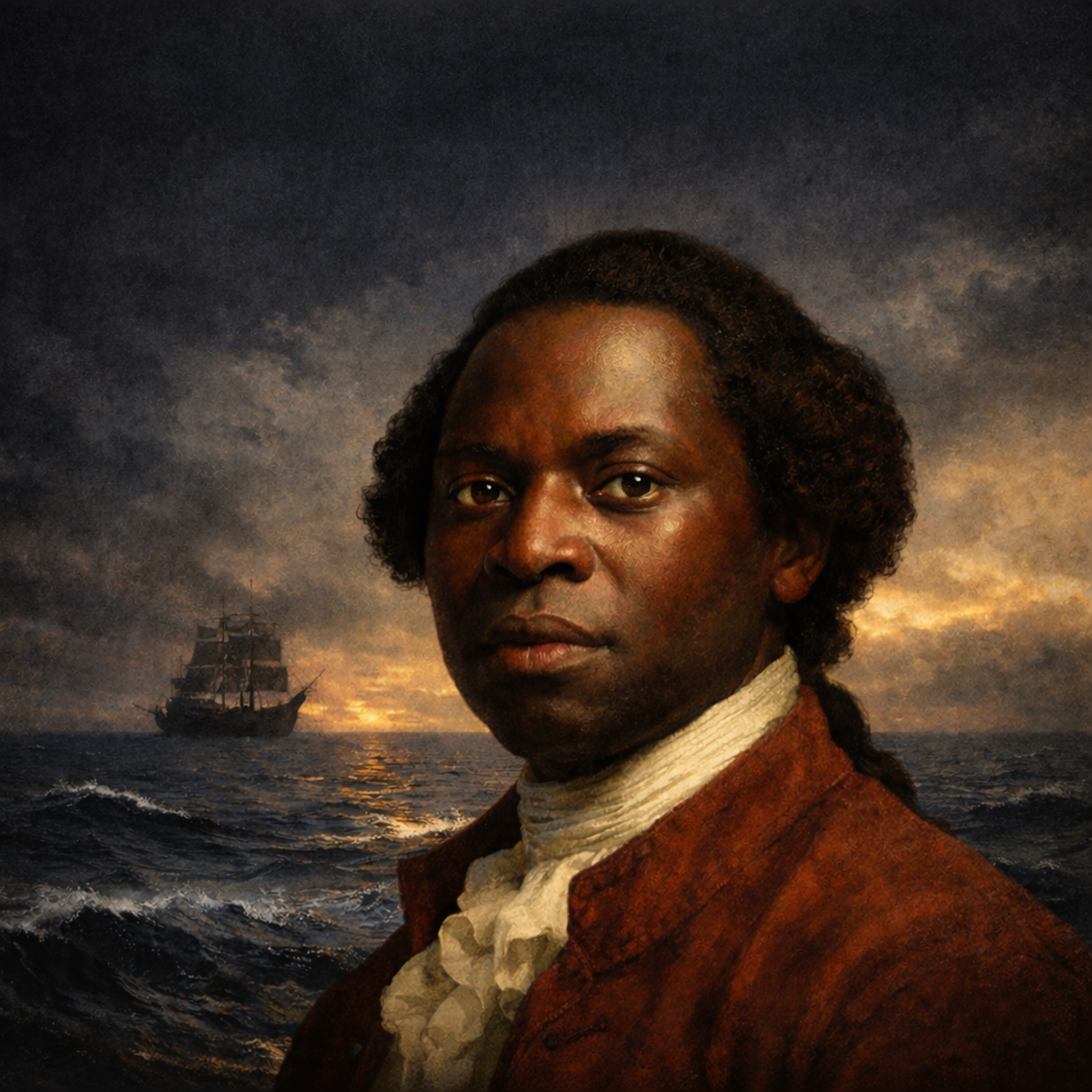
Olaudah Equiano: A Slave's Redemption Story
Feb 2300:27:50Tap to summarizeIn this episode, we explore the remarkable life of Olaudah Equiano, a former enslaved man whose autobiography became one of the most influential books ever written about the Atlantic slave trade.Kidnapped as a child in West Africa and forced into slavery, Equiano endured the horrors of the Middle Passage before eventually gaining his freedom. His experiences would later help fuel the growing abolitionist movement and shape public understanding of slavery throughout the British Empire.His story remains one of the most important firsthand accounts in history.Who Was Olaudah Equiano?Olaudah Equiano was an African writer, abolitionist, and former enslaved person who lived during the eighteenth century.After being sold into slavery as a child, he spent years serving under various owners before eventually purchasing his freedom. His experiences gave him a unique perspective on both slavery and life in the Atlantic world.What Was the Middle Passage?One of the most powerful parts of Equiano’s story describes the Middle Passage, the transatlantic voyage that transported millions of enslaved Africans across the ocean.His account provides historians with a rare firsthand description of conditions aboard slave ships and the human suffering caused by the Atlantic slave trade.How Did Equiano Help End the Slave Trade?After gaining his freedom, Equiano became involved in the abolitionist movement.His autobiography, published in 1789, helped expose the realities of slavery to readers throughout Britain and beyond. The book became widely read and contributed to growing opposition to the slave trade.His writing remains a cornerstone of both Black history and abolitionist history.Why Is Olaudah Equiano Important Today?Equiano’s story offers a personal perspective on one of the most significant and tragic systems in world history.This Episode CoversOlaudah EquianoThe Atlantic slave tradeThe Middle PassageEighteenth-century historySlavery and freedomAbolitionist movementsBlack historyEquiano’s autobiographyWhy Equiano’s Story Still MattersThe autobiography of Olaudah Equiano remains one of the most important historical documents related to slavery.His experiences help modern audiences understand the human impact of the slave trade while highlighting the role individuals can play in challenging injustice.More than two centuries later, his words continue to educate readers around the world.Key TakeawaysOlaudah Equiano was kidnapped in Africa and sold into slavery as a child.He survived the Middle Passage and later gained his freedom.Equiano became a writer and abolitionist.His autobiography became one of the most influential slave narratives in history.His writings exposed the realities of the Atlantic slave trade.The book helped strengthen the abolitionist movement.Historians continue to study Equiano’s account as an important primary source.His life demonstrates resilience in the face of extraordinary hardship.Equiano played a significant role in anti-slavery activism.His legacy remains central to discussions of slavery, freedom, and human rights.Content Warning: This episode contains discussions of slavery, kidnapping, and racial violence. Listener discretion is advised.SourcesWebsite: https://www.neh.gov/project/transatlantic-slave-trade-databaseOlaudah's Narrative available on Project Gutenberg: https://www.gutenberg.org/cache/epub/15399/pg15399-images.html
Transcribe →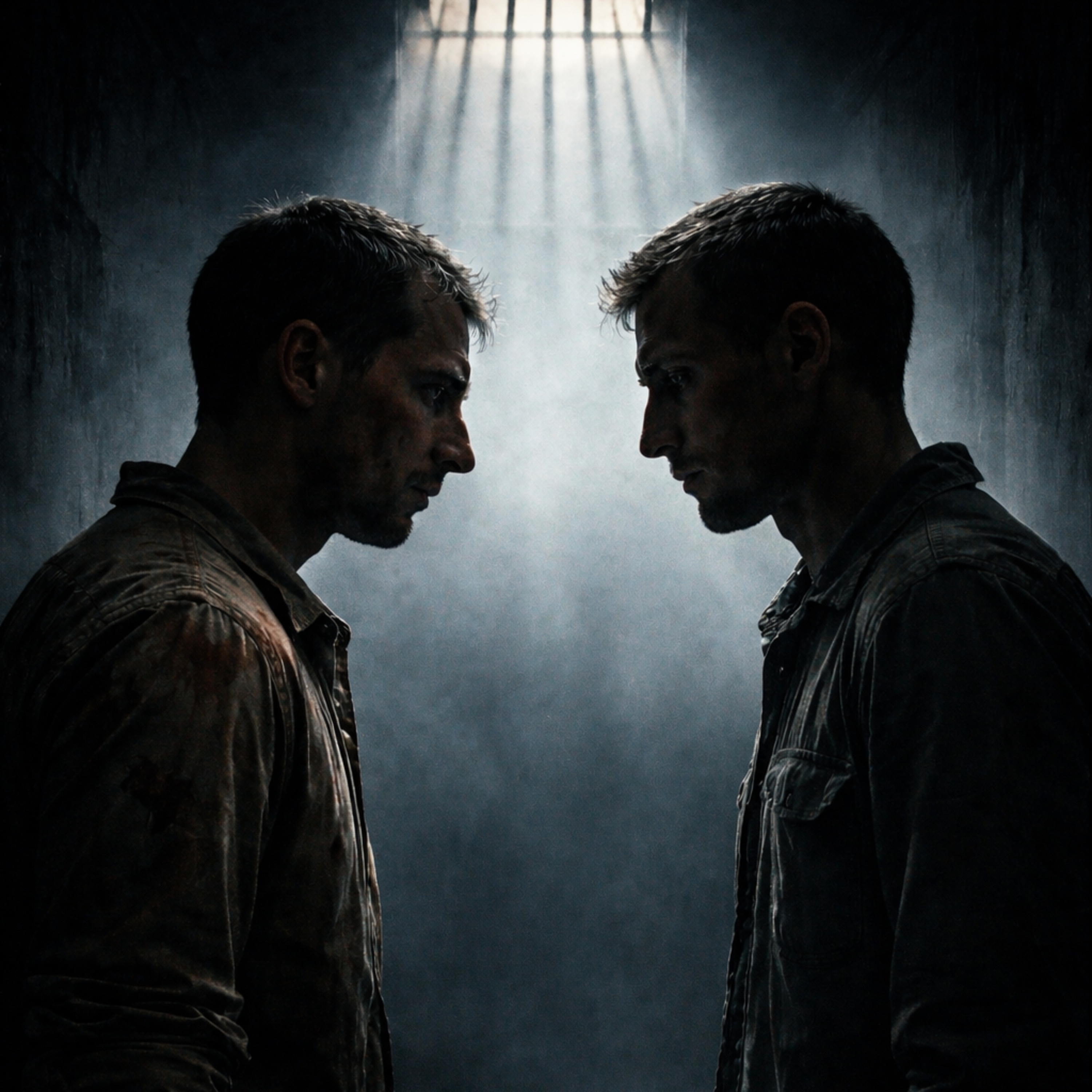
The Pitești Prison Experiment in Romania
Feb 1600:27:23Tap to summarizeCan Torture Change What You Believe?In this episode, we explore the terrifying story of the Pitești Prison Experiment, a re-education program carried out in Communist Romania that many historians consider one of the most extreme examples of psychological and physical abuse in the twentieth century.Between 1949 and 1951, political prisoners inside Pitești Prison were subjected to a systematic campaign designed to break their identities, destroy personal loyalties, and force ideological conformity.The experiment remains one of the most disturbing chapters of Cold War history.What Was the Pitești Prison Experiment?Authorities imprisoned students, intellectuals, religious believers, and political opponents. Inside the prison, selected inmates were used to help carry out a brutal process known as “re-education.”The goal was not simply punishment but the complete psychological destruction and reconstruction of prisoners.How Did the Re-Education Program Work?Victims endured physical violence, humiliation, intimidation, sleep deprivation, forced confessions, and psychological abuse.Prisoners were pressured to renounce personal beliefs, betray friends and family members, and participate in the abuse of fellow inmates.The methods used at Pitești have led many historians to describe it as one of the most severe attempts at coercive ideological transformation ever documented.What Happened Afterward?By the early 1950s, the experiment ended, but the effects on survivors lasted a lifetime.Many former prisoners carried physical and psychological scars for decades. Their testimonies later helped reveal what had occurred inside the prison walls.This Episode CoversThe Pitești Prison ExperimentCommunist RomaniaPolitical prisonersPsychological tortureBrainwashing and re-educationCold War historyHuman rights abusesTotalitarian regimesPrison survivalSurvivor testimonyWhy the Pitești Prison Experiment MattersThe story of Pitești is more than a prison story.It serves as a warning about the dangers of unchecked political power, ideological extremism, and systems designed to strip people of their humanity.The experiences of the prisoners remain an important part of the historical record and continue to be studied by historians, psychologists, and human rights researchers.Key TakeawaysThe Pitești Prison Experiment occurred in Communist Romania between 1949 and 1951.Political prisoners were subjected to extreme psychological and physical abuse.The goal was ideological re-education and forced conformity.Victims were pressured to renounce beliefs and relationships.The experiment is considered one of history’s most severe brainwashing programs.Survivors later documented the abuses that occurred inside the prison.The events remain a significant example of human rights violations.The legacy of Pitești remains relevant to discussions of power, coercion, and human dignity.Content Warning:This episode contains descriptions of extreme psychological and physical abuse.Sources:Book: The Anti-Humans by Dumitru BacuWebsite: https://www.procesulcomunismului.com/marturii/fonduri/pitesti/dbacu/explicatie.htm?utm_
Transcribe →