
Podcast
End of Story
Hosted by Marquis Alexa · ENGLISH
History isn’t just dates—it’s people. End of Story tells the most powerful, emotional, and often unsettling true stories from history. From injustice and survival to moments that changed the world, these are the stories you thought you knew… until you hear what really happened. New episodes weekly.
22episodes
Episodes
Newest firstAll episodes
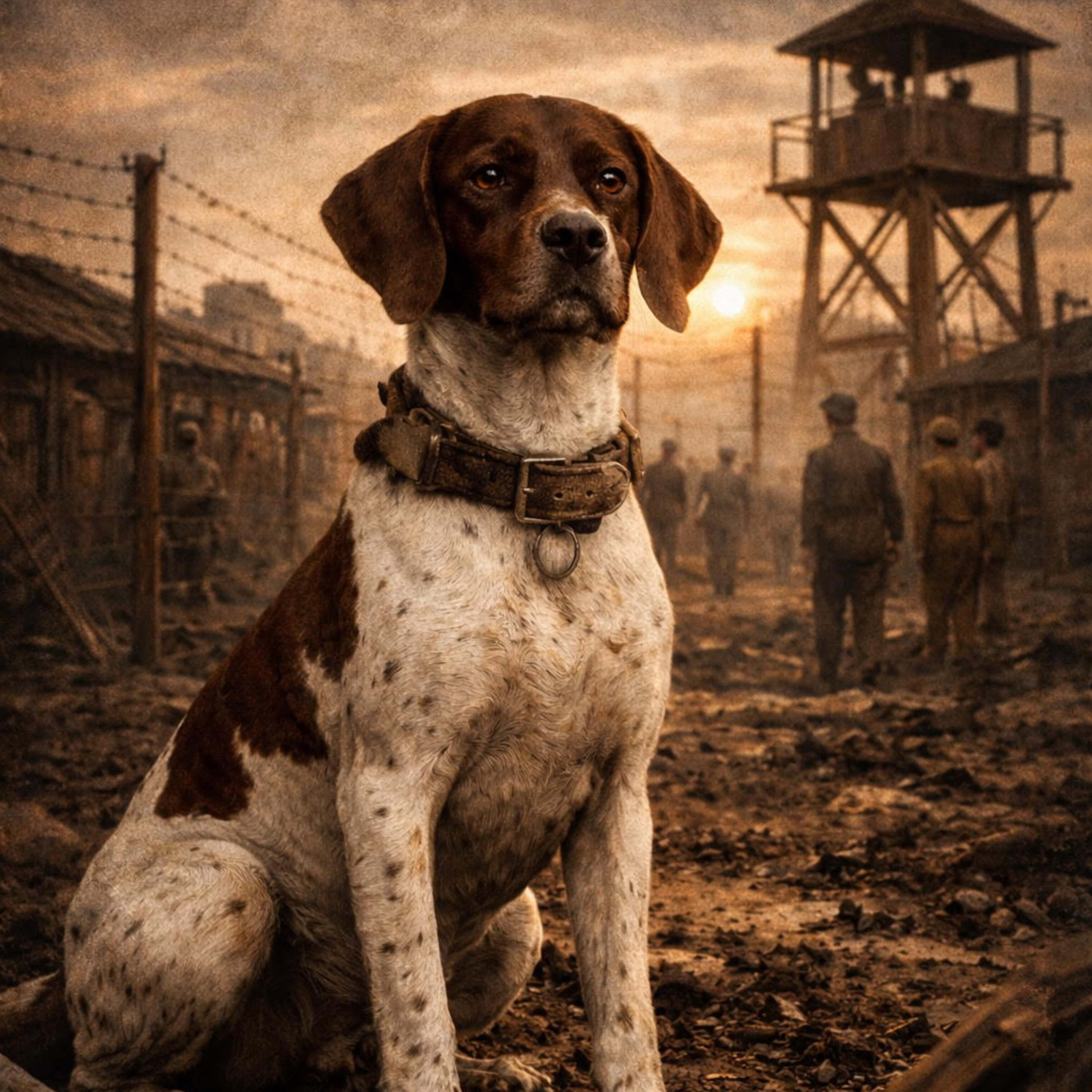
The True Story of Judy: The Dog Who Became a POW in World War II
Feb 200:44:11Tap to summarizeCan a Dog Become a Prisoner of War?In this episode, we explore the extraordinary true story of Judy, a dog whose remarkable journey through World War II made her one of the most famous war animals in history.Serving alongside British forces in Southeast Asia, Judy survived shipwrecks, jungle hardships, enemy captivity, and the brutal conditions of prisoner of war camps. Her courage, loyalty, and determination would earn her international recognition and a place among the most celebrated animals of World War II.Who Was Judy the POW Dog?Judy was a pointer dog who served with the British military during World War II.Originally stationed aboard Royal Navy vessels in Asia, she quickly became known for her intelligence, loyalty, and ability to detect danger. Her story would take an extraordinary turn as the war expanded across the Pacific.How Did Judy Become a Prisoner of War?After Japanese forces captured Allied personnel in Southeast Asia, Judy found herself sharing the fate of the soldiers she served alongside.In an unusual and historic development, she was reportedly recognized as a prisoner of war, making her one of the only animals ever granted official POW status.Her presence provided comfort and companionship to prisoners enduring harsh conditions.How Did Judy Help Save Lives?Throughout the war, Judy repeatedly alerted servicemen to dangers, including threats that might otherwise have gone unnoticed.Her instincts, courage, and loyalty helped protect those around her and strengthened morale during some of the darkest periods of the conflict.Many prisoners later credited Judy with helping them endure captivity.Why Is Judy’s Story Still Remembered?Judy’s story demonstrates the extraordinary bond between humans and animals during wartime.Her survival, resilience, and service earned her recognition after the war, and she remains one of the most famous military animals in history.Today, her story continues to inspire people interested in World War II, animal heroes, and remarkable survival stories.This Episode CoversJudy the POW DogWorld War IIBritish military historyPrisoner of war campsJapanese captivityWar animalsMilitary dogsAnimal heroesSurvival storiesThe human-animal bond during warWhy Judy Still MattersThe story of Judy reminds us that courage and loyalty can emerge in unexpected forms.Her experiences provide a unique perspective on World War II while highlighting the important role animals have played throughout military history.More than eighty years later, Judy remains one of the most remarkable and beloved war heroes of the twentieth century.Key TakeawaysJudy served alongside British forces during World War II.She survived shipwrecks, combat zones, and prisoner of war camps.Judy became one of history’s most famous military dogs.She is often described as the only dog officially recognized as a POW.Her presence provided comfort to Allied prisoners.Judy’s instincts helped protect servicemen during the war.She survived some of the harshest conditions of World War II.Her story highlights the role of animals in military history.Judy became an internationally recognized animal hero.Her legacy continues to inspire people around the world.Content Warning: This episode briefly describes animal cruelty.SourceBook: No Better Friend by Robert Weintraub
Transcribe →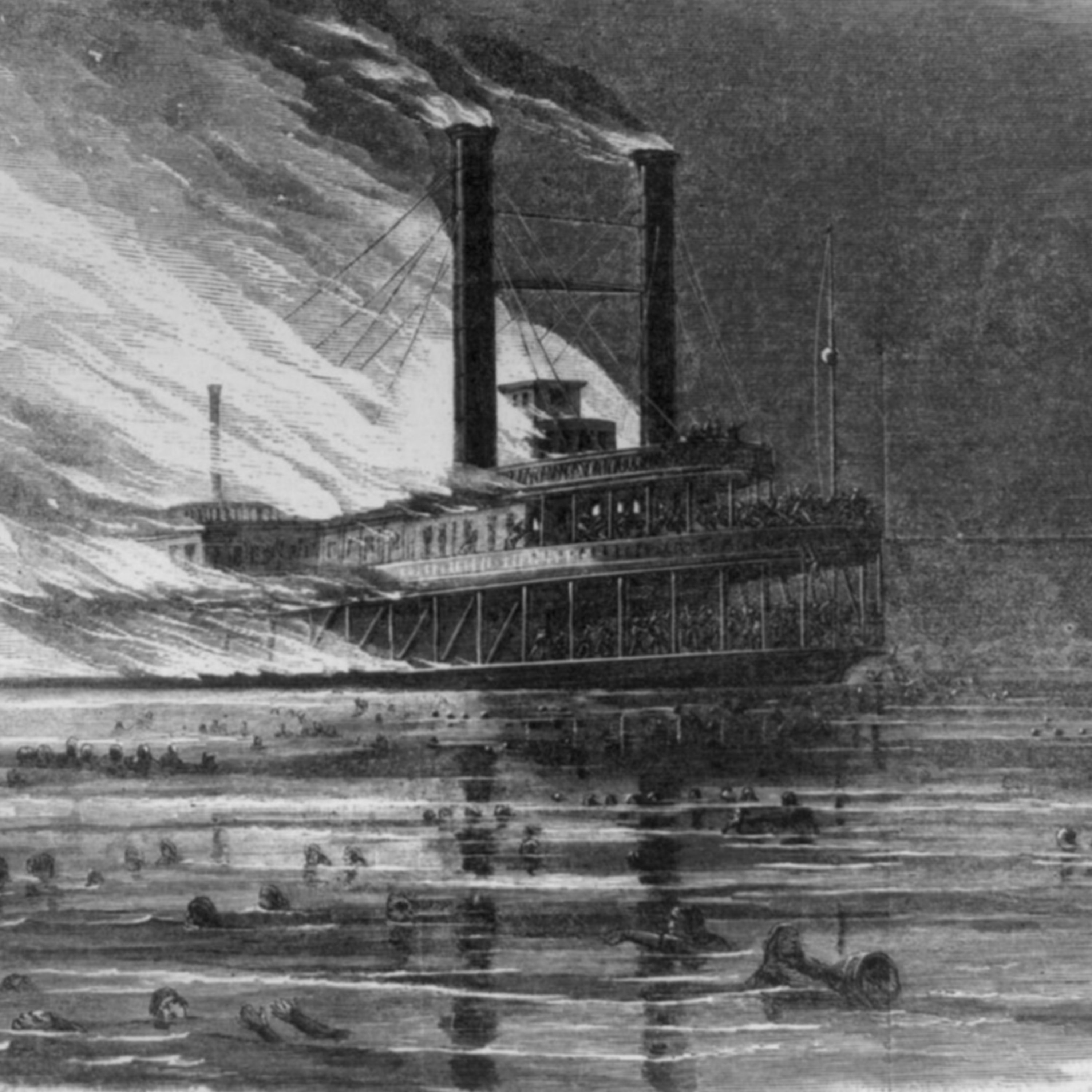
The USS Sultana Disaster
Jan 2600:24:27Tap to summarizeAmerica’s Deadliest Maritime DisasterIn this episode, we explore the tragic story of the Sultana Disaster, a catastrophe that claimed more lives than the Titanic but remains largely forgotten by history.On April 27, 1865, the steamboat Sultana exploded on the Mississippi River while carrying thousands of passengers, many of them recently released Union prisoners of war returning home after the American Civil War.The disaster became one of the deadliest transportation tragedies in United States history and the deadliest maritime disaster in American history.What Was the Sultana?The Sultana was a Mississippi River steamboat operating during the final days of the Civil War.Designed to carry far fewer passengers, the vessel became dangerously overcrowded after taking aboard large numbers of Union soldiers who had recently been released from Confederate prison camps.Many were eager to return home after years of hardship and imprisonment.What Caused the Explosion?In the early hours of April 27, 1865, the Sultana’s boilers exploded.The blast tore through the vessel, igniting fires and throwing passengers into the cold waters of the Mississippi River. Survivors faced flames, drowning, injuries, and strong river currents.Historians continue to examine the combination of overcrowding, mechanical problems, and operational decisions that contributed to the disaster.Why Is the Sultana Disaster Forgotten?The tragedy occurred during a turbulent period in American history.Just weeks earlier, the Civil War had ended. Around the same time, the nation was mourning the assassination of Abraham Lincoln and grappling with the aftermath of the conflict.Why Does the Story Matter Today?The Sultana Disaster highlights the human cost of negligence, overcrowding, and inadequate safety measures.It also serves as a reminder that some of history’s deadliest disasters can fade from public memory despite their enormous impact.This Episode CoversThe Sultana steamboat explosionCivil War historyUnion prisoners of warMaritime disastersTransportation safetySteamboat historyAmerican historyForgotten tragediesWhy the Sultana Disaster Still MattersThe loss of life aboard the Sultana exceeded many better-known disasters, yet the tragedy remains relatively unknown outside historical circles.Studying the event helps preserve the stories of those who perished and offers insight into one of the most devastating maritime catastrophes in American history.Key TakeawaysThe Sultana exploded on April 27, 1865.It remains the deadliest maritime disaster in American history.Many passengers were recently released Union prisoners of war.The vessel was severely overcrowded.Boiler explosions destroyed the steamboat.Hundreds were killed by fire, drowning, and injuries.The tragedy occurred shortly after the Civil War ended.The assassination of Abraham Lincoln helped overshadow this event.The Sultana Disaster remains one of America’s most overlooked tragedies.Content Warning: This episode contains descriptions of mass casualty events, injury, and death related to a historical disaster. Listener discretion is advised.Source: Disaster on the Mississippi: The Sultana Explosion, April 27, 1865 by Gene Eric Salecker.Episode cover image: Explosion of the steamer SULTANA, April 28, 1865.Wood engraving, 1865. Public domain.Courtesy of the Library of Congress Prints & Photographs Division.Image accessed via Wikimedia Commons.
Transcribe →