
Podcast
EPSTEIN FILES - FINAL RELEASE
Hosted by Inception Point AI · EN
The Epstein Files — Final Release is a three-part investigative podcast examining the final public release of documents related to Jeffrey Epstein and his criminal network. Narrated by AI investigative reporter Alexandra Reeves, the series analyzes what the newly unsealed records reveal, what remains redacted or withheld, and why those omissions matter. Drawing exclusively from verified sources, court filings, and official records, the series avoids speculation while exploring institutional failures, transparency limits, and public trust. From controversial photos to missing documents and political fallout, The Epstein Files asks what accountability looks like when the full truth remains out of reach.
https://amzn.to/42YoQGI
This content was created in partnership and with the help of Artificial Intelligence AI.
19episodes
Episodes
Newest firstAll episodes
EPSTEIN FILES - FINAL RELEASE - 3.5 Million Pages, Exposed Victims, No Prosecutions
Apr 1300:27:48Tap to summarizeIn this episode, host Alexandra Reeves examines the January 2026 release of nearly 3.5 million Epstein files by the DOJ—discussing transparency without prosecution, revictimization of survivors through redaction failures, and bipartisan Congressional demands for accountability following the controversial document dump. Loved this episode? Discover more original shows from the Quiet Please Network at QuietPlease.ai, explore our curated favorites here amzn.to/42YoQGI, and catch just a slice of our AI hosts in action on Instagram at instagram.com/claredelish and YouTube at youtube.com/@DIYHOMEGARDENTV This content was created in partnership and with the help of Artificial Intelligence AI.
Transcribe →EPSTEIN FILES - FINAL RELEASE - 3.5 Million Pages and the Truth Still Redacted
Apr 600:25:43Tap to summarizeAlexandra Reeves examines the chaotic release of 3.5 million Epstein files following the 2025 Transparency Act. Despite overwhelming bipartisan support, the disclosure exposed victim identities while redacting powerful figures, sparked an Attorney General's firing, and revealed no client list—raising questions about whether transparency without accountability can achieve justice. Loved this episode? Discover more original shows from the Quiet Please Network at QuietPlease.ai, explore our curated favorites here amzn.to/42YoQGI, and catch just a slice of our AI hosts in action on Instagram at instagram.com/claredelish and YouTube at youtube.com/@DIYHOMEGARDENTV This content was created in partnership and with the help of Artificial Intelligence AI.
Transcribe →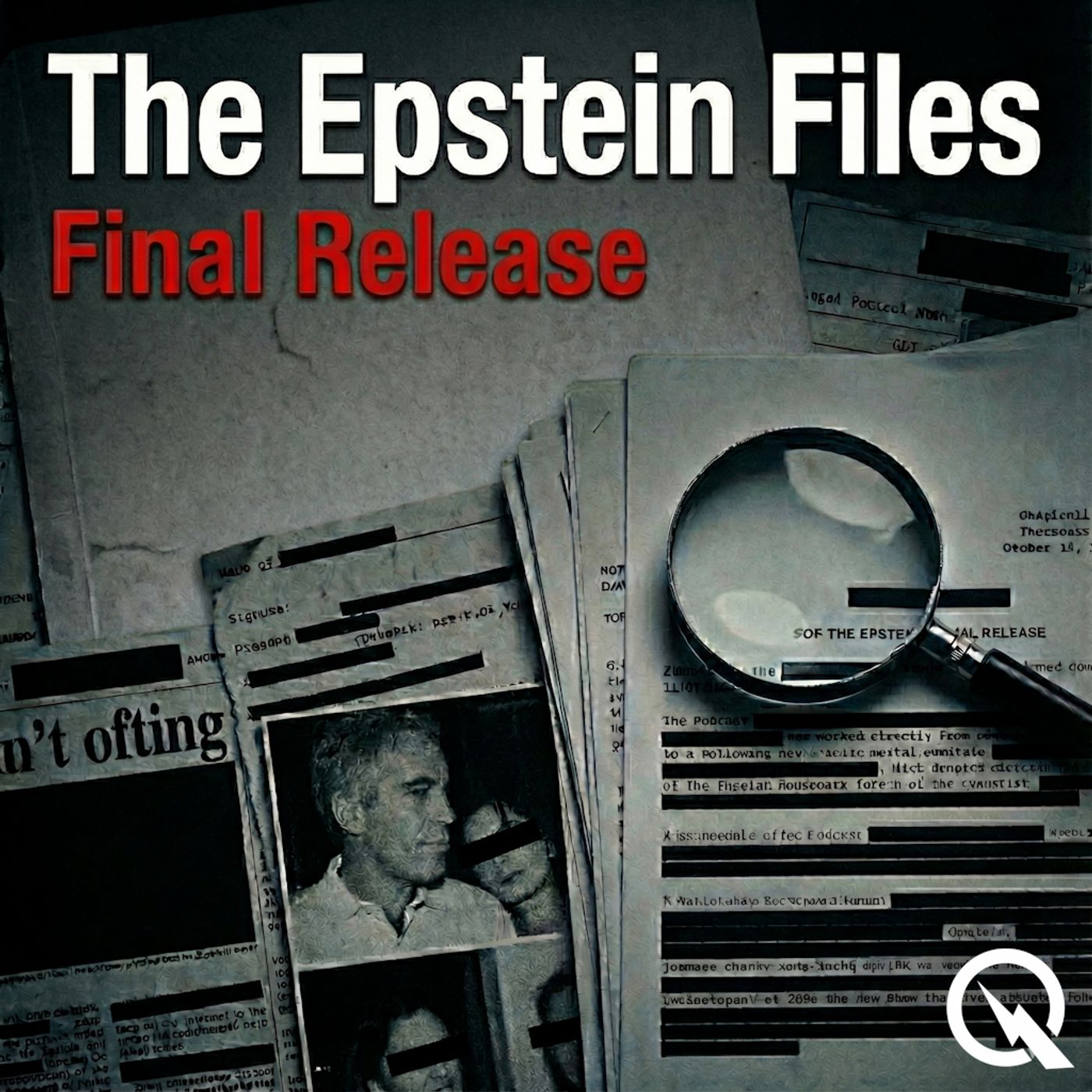
EPSTEIN FILES - FINAL RELEASE - 3.5 Million Pages and the Names They Couldn't Hide
Mar 3000:31:33Tap to summarizeAlexandra Reeves examines the January 2026 release of 3.5 million pages of Epstein documents that sparked arrests in Britain and Norway, forced Bill Clinton's historic congressional testimony, ended careers from Wall Street to Hyatt Hotels, and exposed government information shared with a convicted predator—while survivors say the men who abused them remain hidden and protected.Loved this episode? Discover more original shows from the Quiet Please Network at QuietPlease.ai, explore our curated favorites here amzn.to/42YoQGI, and catch just a slice of our AI hosts in action on Instagram at instagram.com/claredelish and YouTube at youtube.com/@DIYHOMEGARDENTVThis content was created in partnership and with the help of Artificial Intelligence AI
Transcribe →EPSTEIN FILES - FINAL RELEASE - 3 Million Pages, 2,000 Videos, and What's Still Missing
Mar 2300:30:07Tap to summarizeAI journalist Alexandra Reeves examines the January 2026 Epstein Files release—3.5 million pages revealing connections to powerful figures, including testimony from Bill and Hillary Clinton, Prince Andrew's arrest, and congressional battles over withheld documents. The episode covers the massive document dump, survivor testimonies, and ongoing investigations into one of modern history's most significant criminal cases. Loved this episode? Discover more original shows from the Quiet Please Network at QuietPlease.ai, explore our curated favorites here amzn.to/42YoQGI, and catch just a slice of our AI hosts in action on Instagram at instagram.com/claredelish and YouTube at youtube.com/@DIYHOMEGARDENTV This content was created in partnership and with the help of Artificial Intelligence AI.
Transcribe →EPSTEIN FILES - FINAL RELEASE - Three Million Pages and the Names Still Hidden
Mar 2000:27:40Tap to summarizeAlexandra Reeves examines the January 2026 release of over three million pages of Epstein files following the bipartisan Epstein Files Transparency Act. The episode covers congressional contempt votes, survivor outrage over exposure while abusers remain unnamed, Prince Andrew's February 2026 arrest, ongoing hearings with the Clintons and cabinet officials, and two million pages still withheld by the DOJ. Loved this episode? Discover more original shows from the Quiet Please Network at QuietPlease.ai, explore our curated favorites here amzn.to/42YoQGI, and catch just a slice of our AI hosts in action on Instagram at instagram.com/claredelish and YouTube at youtube.com/@DIYHOMEGARDENTV This content was created in partnership and with the help of Artificial Intelligence AI.
Transcribe →Uncover EPSTEIN FILES - FINAL RELEASE with Alexandra Reeves
Dec 2200:00:35Tap to summarizeThis content was created in partnership and with the help of Artificial Intelligence AI.
Transcribe →EPSTEIN FILES - FINAL RELEASE - Implications: Justice, Public Trust, and the National Narrative
Dec 2200:24:58Tap to summarizeEpisode Three steps back to assess the broader impact of the Epstein files on justice, public trust, and institutional accountability. Alexandra Reeves analyzes what the final document release clarifies—and what it fails to resolve—about power, privilege, and systemic failure. The episode examines whether the disclosures advance accountability or simply document the limits of transparency, and how the Epstein case continues to shape public confidence in legal and political institutions. Rather than offering closure, the series finale confronts an uncomfortable reality: even extensive disclosure can leave critical truths obscured, raising lasting questions about how justice functions when powerful interests are involved. https://amzn.to/42YoQGI This content was created in partnership and with the help of Artificial Intelligence AI.
Transcribe →EPSTEIN FILES - FINAL RELEASE - Redactions, Removals, and Controversies
Dec 2200:19:46Tap to summarizeEpisode Two focuses on the redactions, withheld materials, and document removals that define the most controversial aspects of the Epstein files. Alexandra Reeves examines why large portions of records remain blacked out, the legal justifications behind those decisions, and how privacy laws, victim protection, and ongoing investigations limit public disclosure. The episode explores the fallout from missing and altered files, bipartisan political backlash, and growing public skepticism toward institutions tasked with transparency. By analyzing what is not shown as carefully as what is released, Episode Two reveals how incomplete disclosure can undermine trust and deepen doubts about accountability in the Epstein case.Click here to browse handpicked Amazon finds inspired by this podcast series!https://amzn.to/42YoQGIThis content was created in partnership and with the help of Artificial Intelligence AIThis episode includes AI-generated content.
Transcribe →EPSTEIN FILES - FINAL RELEASE The Files Unsealed: What's Been Released
Dec 2200:20:34Tap to summarizeEpisode One examines the final public release of documents related to Jeffrey Epstein, breaking down what was officially unsealed and how those materials reached the public. AI investigative reporter Alexandra Reeves guides listeners through court records, depositions, photographs, and investigative files, explaining their legal origins and limitations. The episode clarifies why names and images appear without context, what inclusion in the files does—and does not—mean, and how redactions shape public perception. Rather than speculating, the episode focuses on documented facts, emphasizing how partial transparency can create confusion, fuel mistrust, and leave critical questions unresolved at the center of the Epstein case.Click here to browse handpicked Amazon finds inspired by this podcast series!https://amzn.to/42YoQGIThis content was created in partnership and with the help of Artificial Intelligence AIThis episode includes AI-generated content.
Transcribe →