Podcast
Finding You: with Dr. Brad Reedy
Hosted by Brad Reedy · EN
Introducing Inner Circle, our new premium Finding You podcast experience. Support the show and receive access to exclusive content, bonus AMA episodes, and more. Join at findingyou.supercast.comFinding You Therapy Programs is an experientially based therapeutic program serving individuals, parents, couples, and families. Email the host drbradreedy@gmail.com
Hosted on Acast. See acast.com/privacy for more information.
35episodes
Episodes
Newest firstAll episodes
Stay in the Room (Book Release and Review) - Ep 716
Apr 800:58:43Tap to summarizeDr. Reedy announces the release of his newest book. Co-authored with Michael and Jeff McLean. It is the story of a gay son and his high profile Mormon father and how they found each other. Dr. Reedy provides commentary on the work that each did to re-connect and celebrate each other. Jeff tells the story of his childhood, raised in a small town in Utah. He chronicles the shame and pain of growing up in a conservative, high cost religion and how all this lead to addiction. Michael tells his story, confessing the mistakes and missteps along the way. It is a compelling story and offer the unique vantage point of a therapist observing the growth that each person experienced. Reedy uses the hero's journey as a way of understanding the tasks that we all must answer if we are to connect and hold each other with compassion and non-judgment. Hosted on Acast. See acast.com/privacy for more information.
Transcribe →
How Our Contexts Shape Us - Ep 715
Apr 300:56:52Tap to summarizeDr. Reedy discusses how our contexts predispose us for certain dynamics in relationships. He explains how inner-work will shape and change our outside world. And he explains the power that old contexts have on our psychology and how regression originates. Hosted on Acast. See acast.com/privacy for more information.
Transcribe →
Addiction: Not Being Present in Your Own Life - Ep 714
Mar 2601:05:20Tap to summarizeDr. Reedy talks about the definition of addiction. A chronic pattern to avoid being present in your own life. He talks about the many faces of addiction, beyond alcohol and other substances. He explains how codependency is an addiction to controlling people, places, and things outside of oneself in order to manage internal states of anxiety, fear and insecurity. He explains that addiction is a spiritual bypass. It is a vertical thirst for a connection to the transcendent, the divine, or God. But without the development of the self, this thirst can lead to a life of imbalance and excess. Hosted on Acast. See acast.com/privacy for more information.
Transcribe →
Boundaries and Love - Ep 713
Mar 2000:55:09Tap to summarizeDr. Reedy discusses the relationship between boundaries and our capacity to love. He explains that we must grapple with fear, shame, and anxiety to honor and attend to our needs so that we can make ourselves more available to love and connection with others. Hosted on Acast. See acast.com/privacy for more information.
Transcribe →The Base and Pace in Psychotherapy - Ep 712
Mar 1101:09:06Tap to summarizeDr. Reedy discusses how therapy first starts with the base: the nervous system we "inherited" from our parents. He explains that until the base (think of soil) is established, skills, tools and insights will be fleeting. He also explains that the biggest barrier for many people is how slow therapy proceeds. It takes a long time with repeated exposure to an adequate therapist to build a stable foundation where new thoughts, new ideas, and new behaviors (think seeds) can more easily become embodied (think fruit of the new growth). Hosted on Acast. See acast.com/privacy for more information.
Transcribe →
When a Loved One Goes for Treatment - Ep 711
Mar 501:00:54Tap to summarizeDr. Reedy discusses roles, tasks, & responsibilities of those left behind when a loved-one seeks treatment. He discusses the systemic view of mental health and how the symptom bearer is a signal, which if listened to, will offer the family insight into the larger project, the deeper issue, and the legacy of trauma passed from one generation through another until someone gets help. He addresses when people go "no contact" and how to respond in ways that do no replicate the original wound. Hosted on Acast. See acast.com/privacy for more information.
Transcribe →
Is it healthy to share my feelings with everyone? - Ep 710
Feb 2601:11:18Tap to summarizeDr. Reedy discusses the psychology of communication skills and sharing our feelings. In this episode, he talks about when sharing our feelings is part of the problem. he explains that we can be discerning about who we share with to better ensure that our feelings will be heard and held by another person. he also explains that "I feel" statement may be best understood as a tool for greater awareness in ourselves and often people use them to try to change the behaviors of others. Hosted on Acast. See acast.com/privacy for more information.
Transcribe →
Loving Someone on the Autism Spectrum - Ep 709
Feb 1801:07:52Tap to summarizeDr. Reedy explores what it truly means to love another person as they are — to "love Other as Other." He reflects on how genuine understanding of others begins with a willingness to look honestly at ourselves. Examining traits associated with the Autism Spectrum, he reveals how many of us share more of these qualities than we might expect. Dr. Reedy then invites listeners to "pan out" — drawing on personal and cultural history — to suspend judgment and encounter others, and themselves, with fresh eyes. Hosted on Acast. See acast.com/privacy for more information.
Transcribe →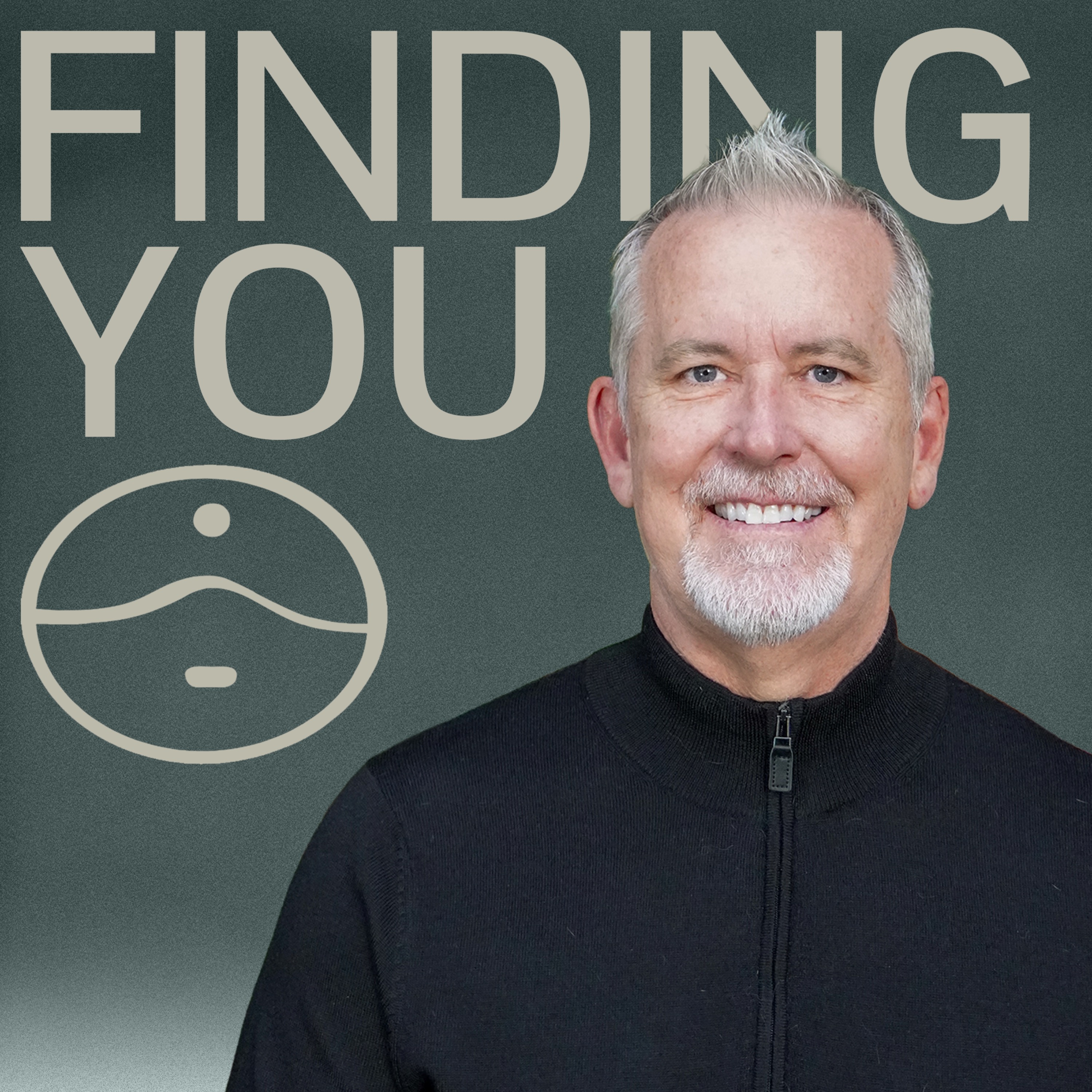
Knowing and Loving Yourself (A.M.A.) – Ep 708
Feb 1300:47:15Tap to summarizeThis Ask Me Anything episode, usually reserved for the Inner-Circle subscribers, is open the public as a sneak peak of what you will get by subscribing to the Inner Circle audience. Dr. Reedy takes questions from the Inner Circle and from the live audience on questions about developing a daily practice to stay conscious and aware of our issues. He talks about how the grief of losing connections with people we are close to as we grow and progress is a necessary part of the heroic journey, of the process of individuation. He explains that the peace we seek is found when we learn to love and accept ourselves (our “horrible, rotten self”) just as we are. He explains that this acceptance of who we are is , paradoxically, the catalyst for growth and change. Hosted on Acast. See acast.com/privacy for more information.
Transcribe →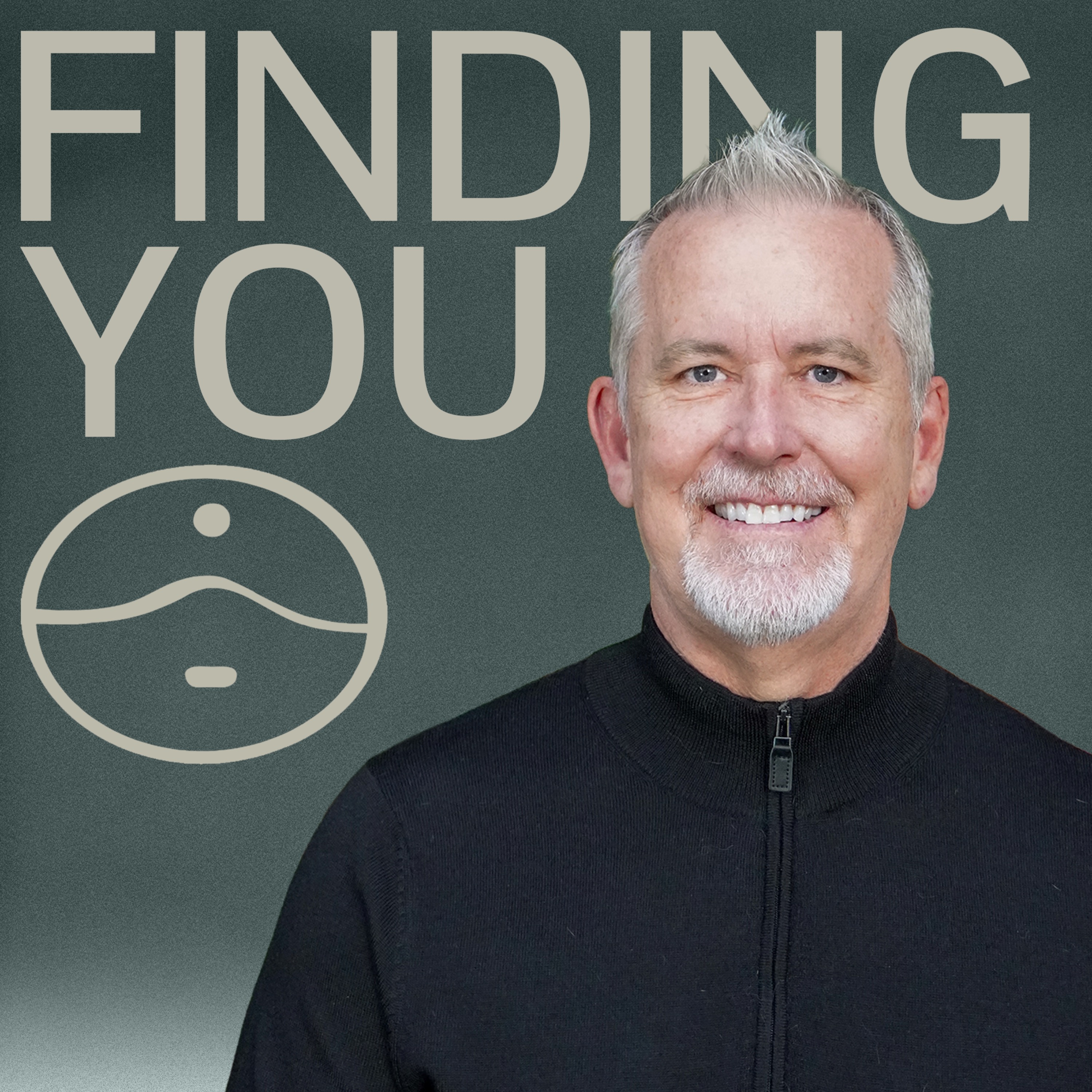
Unlearning – Ep 707
Feb 1101:14:49Tap to summarizeDr. Reedy explains how not knowing is perhaps the end result of our education. He talks about how humility is confidence and how grandiosity is a cover for strong feelings of inferiority and insecurity. Brad shares that dealing with ambiguity is our chief task and that our mental health will largely hinge on our ability to sit with the uncertainty of life. He explains that our need to reduce the world to simple binaries – good and bad, right and wrong, us and them – is rooted in feelings of trauma and overwhelm. Hosted on Acast. See acast.com/privacy for more information.
Transcribe →