
Podcast
Gastropod
Hosted by Cynthia Graber and Nicola Twilley · EN
Food with a side of science and history. Every other week, co-hosts Cynthia Graber and Nicola Twilley serve up a brand new episode exploring the hidden history and surprising science behind a different food- or farming-related topic, from aquaculture to ancient feasts, from cutlery to chile peppers, and from microbes to Malbec. We interview experts, visit labs, fields, and archaeological digs, and generally have lots of fun while discovering new ways to think about and understand the world through food. Find us online at gastropod.com, follow us on Twitter @gastropodcast, and like us on Facebook at facebook.com/gastropodcast.
36episodes
Episodes
Newest firstAll episodes

Where There's Smoke, There's...Whiskey, Fish, and Barbecue!
2w ago00:51:05Tap to summarizeAs anyone who’s spent time by a crackling campfire or a barbecue pit can attest, the scent of smoke is unmistakable—and surprisingly mysterious. Smoke clings to clothing but vanishes in the breeze. You see it, but you can’t hold it. It’s fantastic in whiskey and terrible in toast. So what exactly is smoke—and what does it do to our food and drinks? What’s the difference between cold and hot smoked salmon—and what's a red herring? Is Liquid Smoke made from real smoke? And how did barbecue— smoked meat, cooked low and slow—become a uniquely American tradition? Listen in to find out! (encore) Learn more about your ad choices. Visit podcastchoices.com/adchoices
Transcribe →
America's Forbidden Fruit and Forgotten First Soda: Ask Gastropod
Jul 700:50:12Tap to summarizeFan favorite Ask Gastropod is back, and we’re celebrating the season by solving a pair of trans-Atlantic mysteries! First up: if you have a purple candy in Europe, it’s nearly guaranteed to be flavored with a tart little berry called blackcurrant—while the same color candy in the US is almost always grape. One intrepid Gastropod listener wanted to know: why the difference? We’ve got the story of how a tree so important it was on early Americans coins inspired the botanical witch hunt that made a delicious fruit illegal this side of the pond—and how to try the fabulous flavor we're missing out on! Plus, lager and ale lovers around the world would be deeply confused by the warmly spiced soda that Americans call “root beer.” So where did this non-alcoholic beverage come from, what are these mysterious roots, and why is it called beer? It’s a tale of tea, teetotalers, and a ubiquitous ugly baby—and because we at Gastropod will put our stomachs on the line to get to the truth, we attempted to brew the original recipe to taste it for ourselves. Learn more about your ad choices. Visit podcastchoices.com/adchoices
Transcribe →
Bringing Home the Bacon: From Shakespeare to the Baconator
Jun 2300:48:10Tap to summarizeFor many Americans, bacon is an essential element of the perfect breakfast—not to mention a welcome addition to everything from cheeseburgers to doughnuts. But bacon hasn't always been beloved. Ancient Egyptians elites looked down on pork, Judaism and Islam banned it entirely, and in Shakespeare’s time, calling someone “bacon brains” was a serious insult. So how did we go from bacon shaming to today's full-on baconmania? We’re calling in the bacon experts to uncover how pigs domesticated themselves before becoming the key to world domination, what Sigmund Freud has to do with the ascendance of bacon and eggs as a breakfast staple, and why "bringing home the bacon" is the key to marital bliss. Listen in now for the salty story of humanity's on-again, off-again love affair with these streaky strips! Learn more about your ad choices. Visit podcastchoices.com/adchoices
Transcribe →
What the Shell? Cracking the Lobster's Mysteries
Jun 900:44:02Tap to summarizeConsider the lobster roll: tender chunks of lobster bathed in butter or mayo, sandwiched between two slices of a squishy bread roll… Have we caught your attention yet? Lobster is a summertime staple in New England, a fixture on casino and cruise ship buffets, and a steady partner for steak in the classic surf 'n' turf. Today, the American lobster industry is the single most valuable fishery in the country—but it wasn’t always so. This episode, we're cracking the lobster's many mysteries, including how it went from prison fare to fancy food. There's also the question of what lobster eyes have to do with both the International Space Station and the belief in Intelligent Design, plus the rollicking tale of why it took scientists so long to locate the lobster penis—and what makes lobster sex so, well, steamy? Listen in now for the lobster lore you never knew you needed to know! (encore) Learn more about your ad choices. Visit podcastchoices.com/adchoices
Transcribe →
A Dog's Dinner: What Should We Really Be Feeding Our Pets?
May 1900:50:03Tap to summarizeIn millions of homes, humans aren’t the only creatures sitting down to dinner. So what's on the menu for pets—and what impact does it have on their health, as well as the environment? This episode, we go back thousands of years to figure out what our first furry friends ate, how that's changed over the years, and why. Is serving your dog raw meat and bones more ancestrally appropriate? Can cats be vegetarian? What goes into that dry, brown, extruded industrial kibble? This episode, Gastropod is getting tails wagging with a look at the what our four-legged friends should really be eating to stay healthy and happy. You'll have to sit, stay, and listen to find out what the best options are, for our pets and the planet! Learn more about your ad choices. Visit podcastchoices.com/adchoices
Transcribe →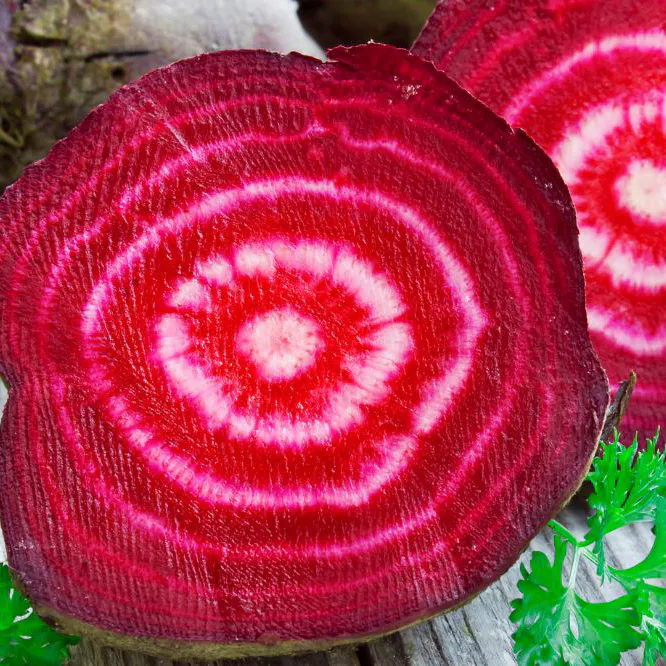
Feel the Beet: The Most Fascinating Woman You've Never Heard Of
May 500:44:52Tap to summarizeFor those who like its earthy flavor, the humble beet can do a lot for a salad or a soup. But could it help end slavery? In the 1800s, one woman believed it could—and she wasn't just any old woman. This episode, meet Lydia Maria Child, who wrote the first children's periodical magazine, the first New England historical novel, and one of America's first successful self-help books—all before she turned thirty, in an era where women were still considered property. This episode, we've got the fascinating story of why she bet big on beets, as well as how, more than a century later, Wolfgang Puck and Martha Stewart paired this much maligned vegetable with goat cheese to spark today's beet renaissance. Meanwhile, for the haters among us: is it possible to de-beet the beet, and get rid of that earthy flavor altogether? Listen in now as we meet the astonishing Lydia Maria Child, in the curious tale of the beet. Learn more about your ad choices. Visit podcastchoices.com/adchoices
Transcribe →
White vs. Wheat: The Food Fight of the Centuries
Apr 2100:52:35Tap to summarizeWhite or whole wheat: while today the question is most frequently asked at the sandwich counter, the debate over the correct answer goes back literally thousands of years. This episode, we dive into the world's longest-running, highest-stakes food fight. Along the way: the invention of sliced bread, the science behind Wonder Bread's curious bounce, and a light dusting of eugenics. Will either win the bread war once and for all? (encore) Learn more about your ad choices. Visit podcastchoices.com/adchoices
Transcribe →
Protein, Pyramids, and Politics: The Forgotten Stories and Controversial Science Behind Government Dietary Advice
Apr 700:55:00Tap to summarizeICYMI, our old friend the food pyramid has been flipped on its head. The Trump administration recently issued new dietary guidelines that it says will "revolutionize our nation's food culture." It's a bold claim—but since when has the government been in the business of telling us what to eat in the first place? How does it know how much of each nutrient will keep us healthy, and why are all the different forms of this advice—the Recommended Daily Allowances or RDAs, those Daily Values on food packaging nutrition labels, and the ever-shifting food pyramid—so confusing, and even contradictory? This episode, we're going back to the beginning to make sense of it all, with some help from pioneering women scientists, horses in obstacle courses, and, of course, Dick Van Dyke. Grab your climbing gear and join us to scale the food pyramid, wade through the swamp of alphabet soup acronyms, and, finally, figure out what this all has to do with what ends up on your plate. Learn more about your ad choices. Visit podcastchoices.com/adchoices
Transcribe →
Sushi's Extraordinary Evolution: From Pickle to Primetime
Mar 2400:45:29Tap to summarizeSushi is everywhere these days—in grocery stores and gas stations, at buffets and birthday parties, in Europe and Latin America and all over the United States. This popularity is especially astonishing when you remember that, just a few decades ago, the idea of eating nuggets of raw fish and rice seemed bizarre, intimidating, and even a little gross to most non-Japanese people. Even more surprising? The simple nigiri and maki rolls we think of as “traditional” sushi are relatively recent inventions, too. This episode, we’re going back to sushi’s origins as a cheesy-tasting fermented fish pickle, to tell the story of how impatience, war, and the 1980s—the glory days of yuppies, Sony Walkmans, and The Breakfast Club—transformed it into the seafood snack we know and love today. Plus listen in now to hear why you're eating sushi all wrong—and what you're missing out on as a result. Learn more about your ad choices. Visit podcastchoices.com/adchoices
Transcribe →
SNAP To It! Why Food Stamps Matter To All of Us—And Why They're Under Threat
Mar 1000:46:45Tap to summarizeSNAP—the federal assistance program better known as food stamps—helps put food on the table of nearly one in eight Americans today. But, as new legislation is phased in over the coming months, more than half of those people are expected to lose some or all of their SNAP benefits. This episode, we're getting to the bottom of why SNAP matters—to all of us, not just those who receive it. Why does the U.S. government give people money just for food, rather than cash, as in other countries? Does it make sense to ban SNAP from being used to buy junk food? And why are so many people still hungry, when American farmers produce more food than we can even eat? For decades, the food stamp program has been the main way the U.S. government puts food on the tables of folks who would otherwise struggle to afford it; for all of those decades, it's been attacked, resented, and subject to political horse-trading. Listen in now, as we explore how SNAP has survived for so long—and whether it's worth saving today. Learn more about your ad choices. Visit podcastchoices.com/adchoices
Transcribe →