
Podcast
Gastropod
Hosted by Cynthia Graber and Nicola Twilley · EN
Food with a side of science and history. Every other week, co-hosts Cynthia Graber and Nicola Twilley serve up a brand new episode exploring the hidden history and surprising science behind a different food- or farming-related topic, from aquaculture to ancient feasts, from cutlery to chile peppers, and from microbes to Malbec. We interview experts, visit labs, fields, and archaeological digs, and generally have lots of fun while discovering new ways to think about and understand the world through food. Find us online at gastropod.com, follow us on Twitter @gastropodcast, and like us on Facebook at facebook.com/gastropodcast.
38episodes
Episodes
Newest firstAll episodes
The Interstitium (Radiolab)
Jul 23, 2024Tap to summarizeGuest episode: In this episode we introduce you to a part of our bodies that was invisible to Western scientists until about five years ago; it’s called "the interstitium," a vast network of fluid channels inside the tissues around our organs that scientists have just begun to see, name, and understand. Along the way we look at how new technologies rub up against long-standing beliefs, and how millions of scientists and doctors failed to see what was right in front (and inside!) of their noses. We also find out how mapping the anatomy of this hidden infrastructure may help solve one of the fundamental mysteries of cancer, and perhaps provide a bridge between ancient and modern medicine. Learn more about your ad choices. Visit podcastchoices.com/adchoices
Transcribe →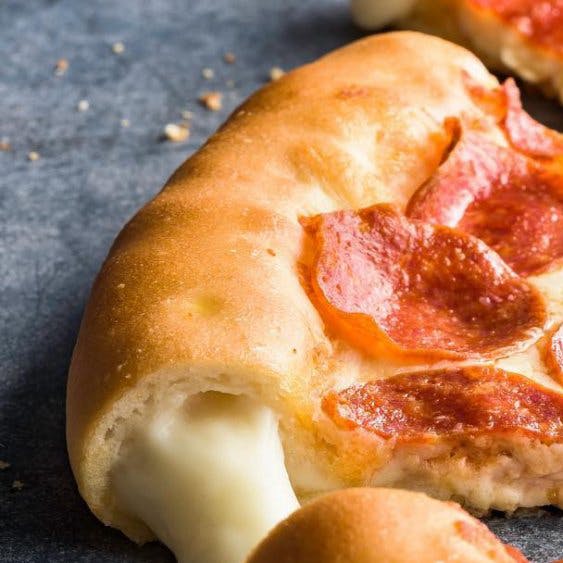
Can You Patent a Pizza?
Mar 5, 2024Tap to summarizeClose your eyes and imagine this: a world without stuffed crust pizza. We know!—but that was the dismal state of the Italian flatbread scene before 1985, when Anthony Mongiello, aka The Big Cheese, came up with an innovation that loaded even more cheese onto pizza, while saving crusts nationwide from the trashcan. It was a multi-million dollar idea, Mongiello was sure—if only he could figure out how to protect his intellectual property and license it. But can you copyright the recipe for stuffing the crust? Could that puffy, cheese-filled rim be trademarked, or the technique for making it qualify as a trade secret? Can you patent a pizza? And did Pizza Hut, which unveiled their own stuffed crust pie in 1995, steal his idea—or does the concept of a cheesy crust belong to humanity as a whole? This episode, we're diving deep into the weird and wonderful world of food IP, via the legendary legal battles to defend Pepperidge Farm's Goldfish, Smucker's Uncrustables, and that futuristic mall treat of the 90s, Dippin' Dots ice cream. Listen in now for the true story of stuffed crust pizza—a story in which creativity, commerce, and lots and lots of cheese collide. Learn more about your ad choices. Visit podcastchoices.com/adchoices
Transcribe →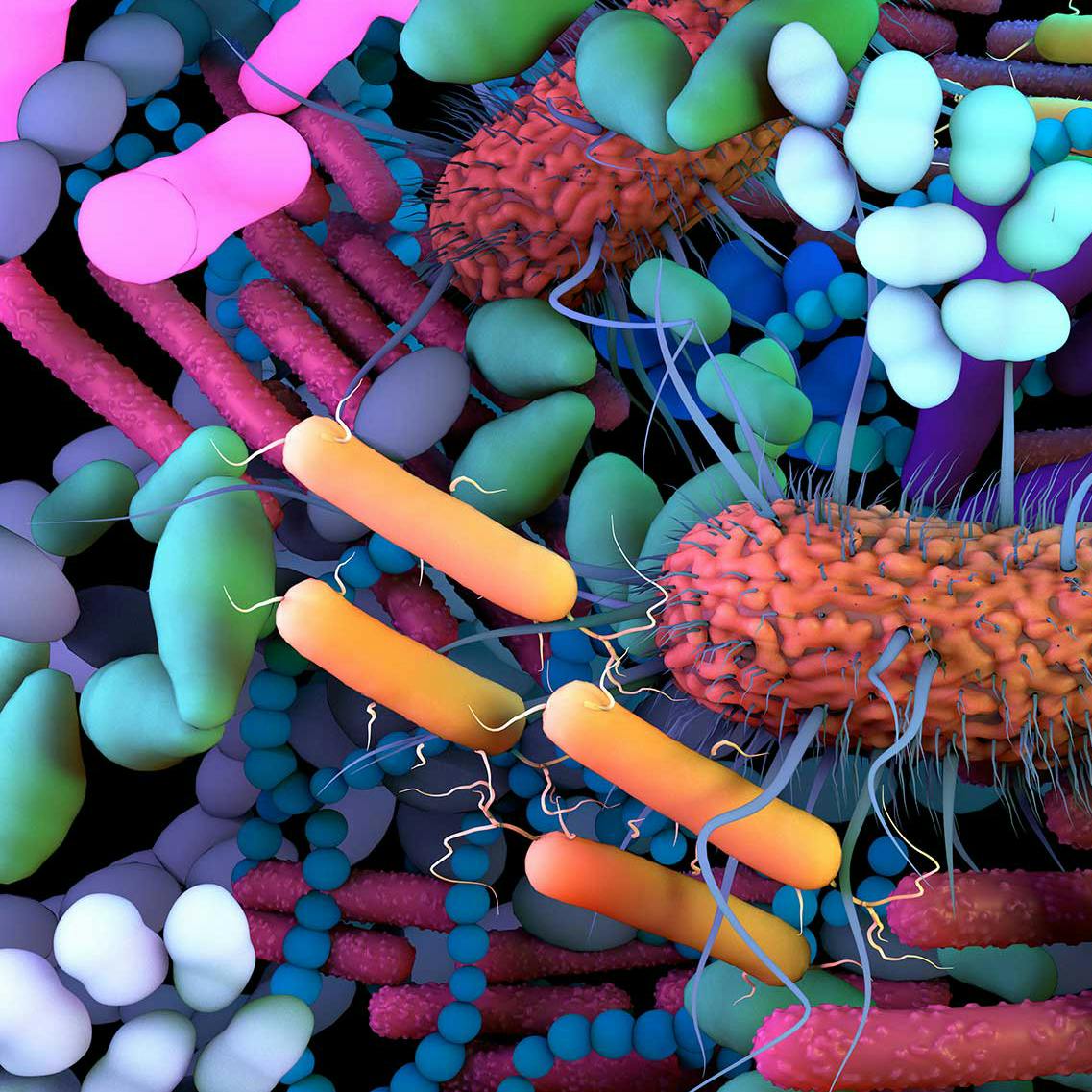
Gut Feeling
Aug 16, 2022Tap to summarizeDo you get butterflies in your stomach when you’re excited? Feel nauseated when you’re nervous? Get a knot in your gut when you're worried something bad is going to happen? Then you’ve experienced what’s called the gut-brain axis: a powerful connection between your brain and your stomach. And, if you’ve been on wellness social media over the last few years, you’ve probably heard that you can hijack this connection to help heal a whole host of mental illnesses, from taking probiotics for PTSD to treating depression with diet. But how much of this is science, and how much is modern-day snake oil? With the help of gastroenterologists, psychologists, and yes, the U.S. military, Gastropod is here to investigate! The answer involves prescription kefir, a trip to an Army base to play video games, and the trials and tribulations of some very melancholy mice—not to mention lots and LOTS of microbes. Listen in for the scoop on how tweaking your gut microbes can change your mind. (But, for your own health, please don’t drink every time we mention our favorite topic during this episode!) Learn more about your ad choices. Visit podcastchoices.com/adchoices
Transcribe →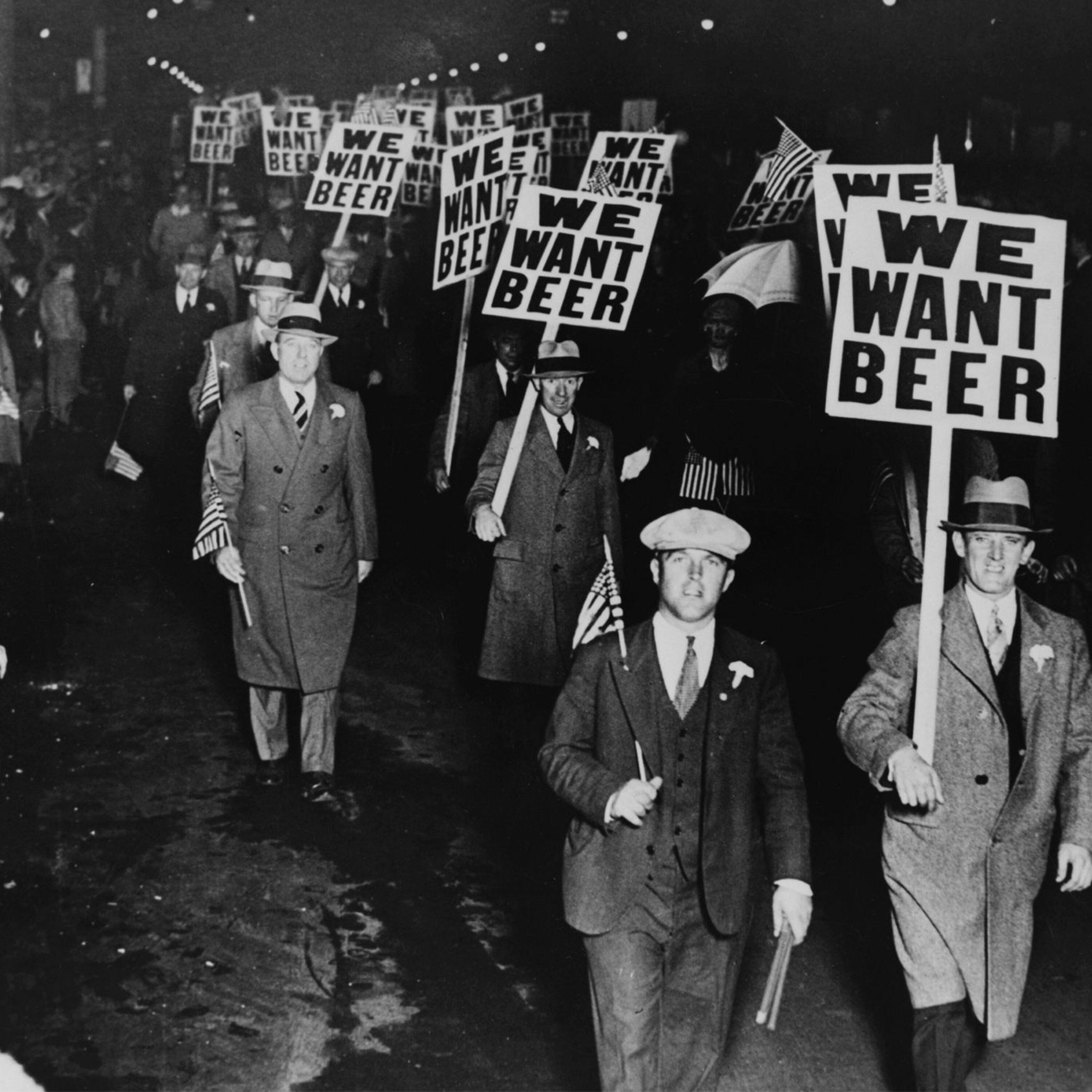
You're Wrong About Prohibition
May 11, 2021Tap to summarizeFor most of us, Prohibition seems like a peculiar American experiment—a doomed attempt by straight-laced religious conservatives to ban alcohol, and, with it, fun. But as it turns out, we've got it all wrong: Prohibition was actually a progressive struggle that united powerless and oppressed people around the world—Leo Tolstoy, Frederick Douglass, Mahatma Gandhi, and Chief Little Turtle, among others—against a system designed to exploit them. Listen in now as historian Mark Schrad reveals the real reasons that Prohibition became "the most popular, most influential, and longest-lived international social-reform movement in the history of the world"—and historian Lisa Lindquist-Dorr tells us about the rum-runners, Cuban entrepreneurs, and corrupt judges who kept booze flowing during those dry years. Learn more about your ad choices. Visit podcastchoices.com/adchoices
Transcribe →
Guest Episode: Mission: ImPASTAble from The Sporkful
Mar 9, 2021Tap to summarizeLearn more about your ad choices. Visit podcastchoices.com/adchoices
Transcribe →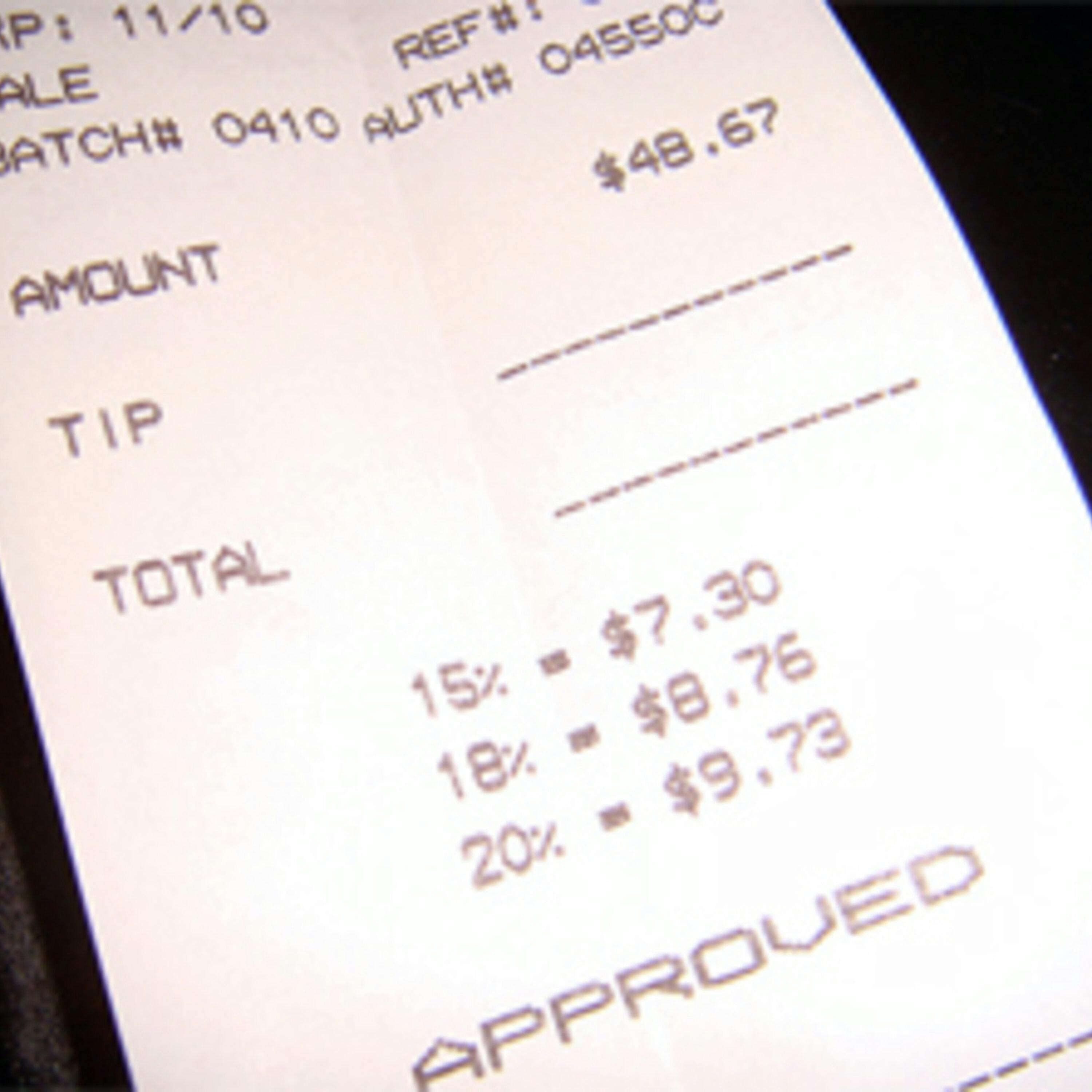
Hot Tips
Feb 16, 2021Tap to summarizeIf you live in the United States, you’re familiar with a curious mathematical ritual that takes place at the end of every restaurant meal—it’s time to tip, with all the stress the process entails. How much should you leave? Who's getting that money? Is it enough? (And will you look like an idiot if you start counting on your fingers?) Unlike many other countries, where people tip by rounding up to the nearest ringgit or krona—or don’t even tip at all—it’s become standard in the U.S. to leave an extra 20 percent of the bill's total for your server. But how did we get here? How did tipping, a practice with roots in feudal Europe, become so ubiquitous in the United States while nearly disappearing from its home continent? And what does the abolition of slavery in the U.S.—and Herman Cain—have to do with the sub-minimum tipped wage of $2.13 today? Is tipping fair—and is there anything we can do about it? Learn more about your ad choices. Visit podcastchoices.com/adchoices
Transcribe →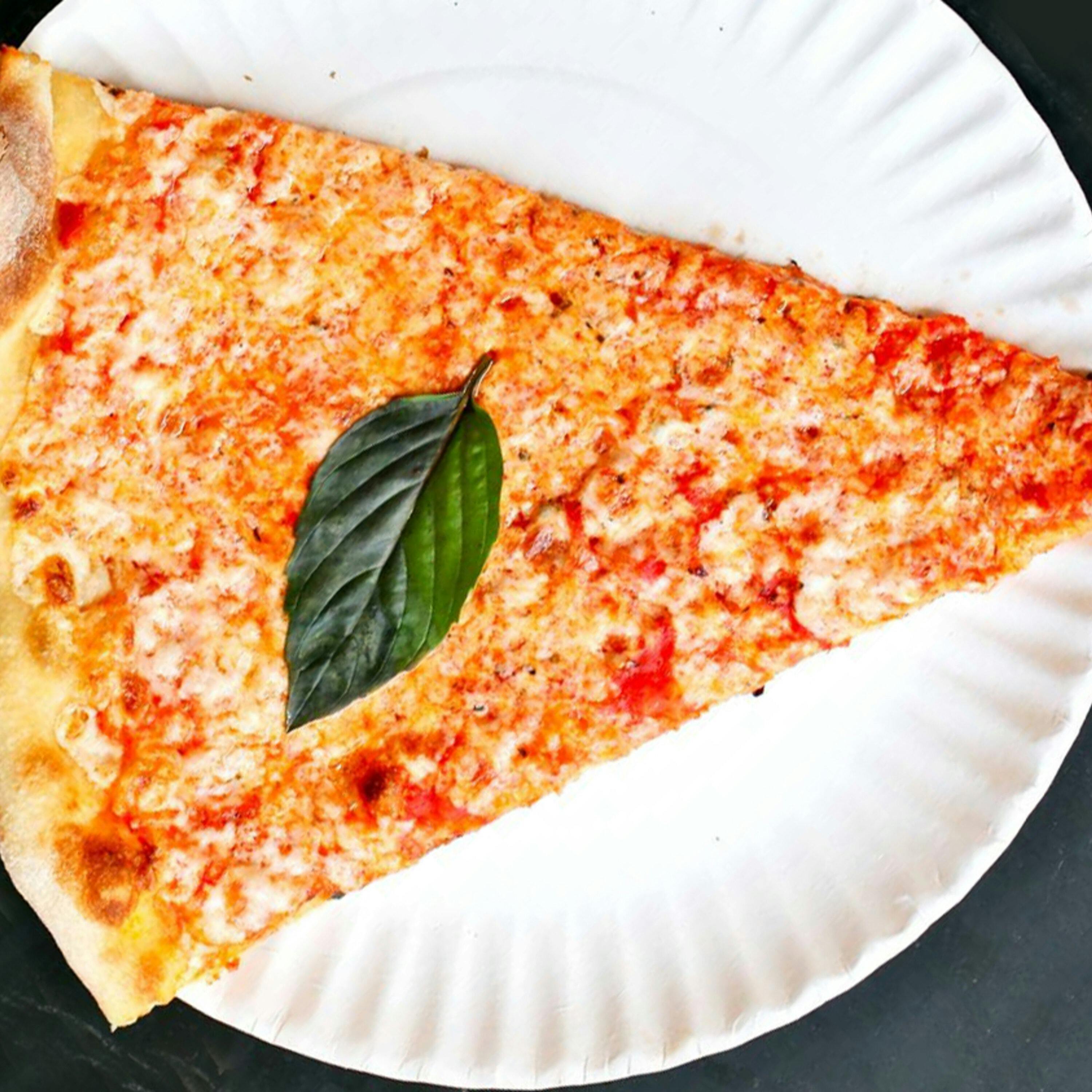
Pizza Pizza!
May 19, 2020Tap to summarizeAt last, an episode on pizza! But that raises a tricky question: what exactly is pizza? As it turns out, the original pizzas from eighteenth-century Naples looked nothing like a standard slice—they were more like a focaccia, topped with oil, herbs, anchovies, or whatever else was on hand. Even after these first pizzas met the tomato, the dish was a local peculiarity—most Italians thought pizza was gross and weird until just a few decades ago. So how did we get from Neapolitan subsistence snack to today's delivery staple? Listen in this episode as we travel with historian Carol Helstosky, author of Pizza: A Global History, and Francisco Migoya, head chef at Modernist Cuisine, from Italy to New York to Brazil and beyond, to tell the story of how pizza conquered the world. All that, plus the tough questions: is Chicago deep dish really pizza? How about bananas on top? What about (gasp) a donut pizza? Learn more about your ad choices. Visit podcastchoices.com/adchoices
Transcribe →
The Cocktail Hour
May 26, 2015Tap to summarizeWhether you sip it with friends, chug it before hitting the dance floor, or take it as a post-work pick-me-up, there’s clearly nothing like a cocktail for bracing the spirit. In addition to its peculiar history as a medicinal tonic, plenty of hard science lies behind the perfect cocktail, from the relationship between taste perception and temperature to the all-important decision of whether to shake or stir. What’s more, according to historian David Wondrich, mixology is “the first legitimate American culinary art”—and one that has since caught on around the world. Raise a glass, and listen in as we discover the cocktail’s historical origins, its etymological connection to a horse’s butt, and its rocky history, post-Prohibition. We also check out an original copy of the world’s first cocktail recipe book at New York City’s bartending mecca, Cocktail Kingdom; take a private cocktail science class with Jared Sadoian of The Hawthorne in Boston; and talk red-hot pokers with culinary scientist Dave Arnold. Cheers! Learn more about your ad choices. Visit podcastchoices.com/adchoices
Transcribe →