← Get Sleepy: Sleep meditation and stories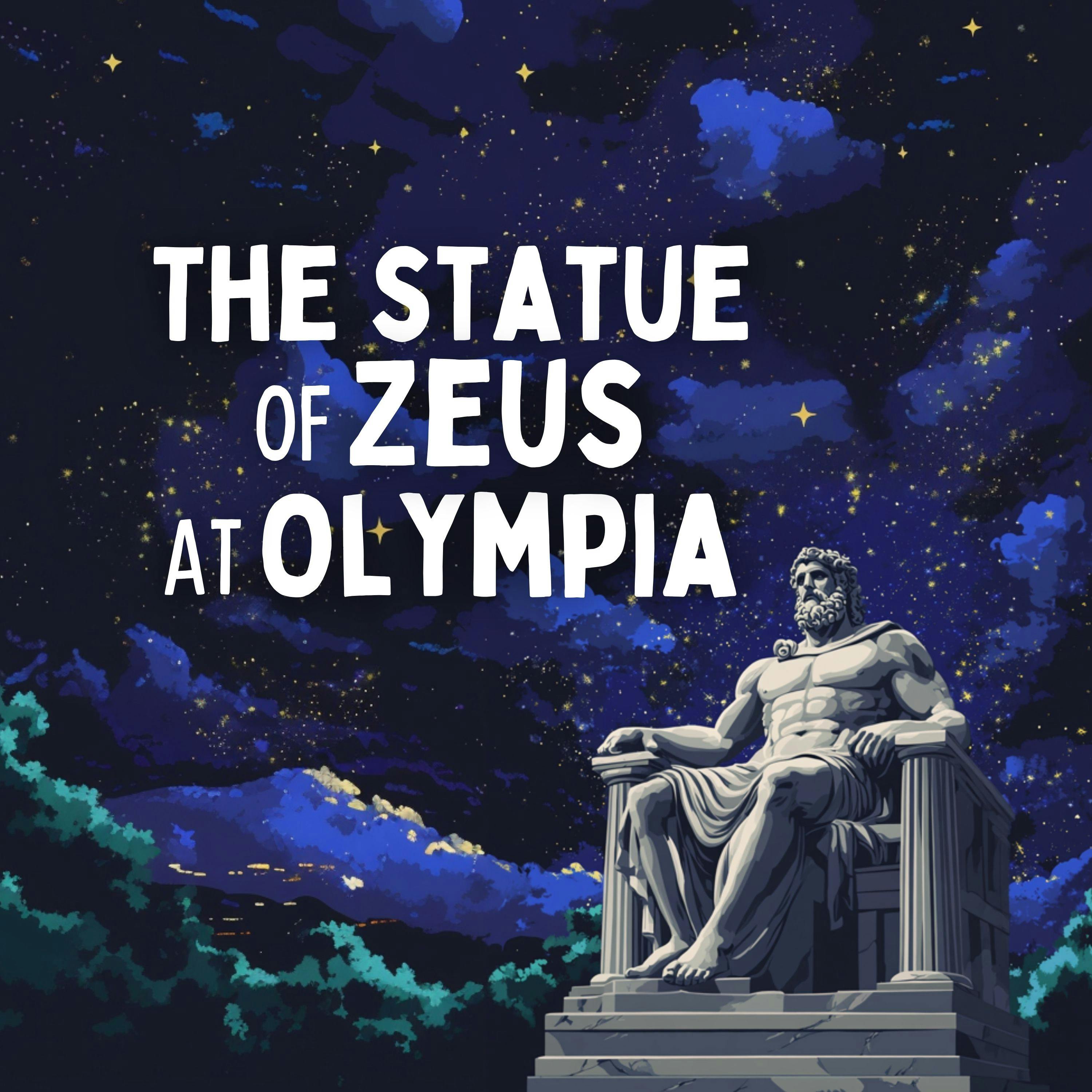
Loading summary
Transcript1 lines
- [00:01]
Thomas
Get Sleepy is a production of Slumber Studios and is made possible thanks to the generous support of our sponsors and Premium members. If you'd like to listen ad free and access weekly bonus episodes, extra long stories, and our entire back catalogue, you can try out premium free for seven days by following the link in the episode notes. Now a quick word from our sponsors. Tonight's episode is sponsored by BetterHelp. Did you know that 6 million men in the US suffer from depression every year and it's often undiagnosed. With all the pressures of the modern world and some of the unrealistic and often toxic online influences out there, it's no wonder that so many of us guys are finding things difficult. But it's okay to struggle. And real, true strength comes from opening up about what you're carrying and doing something positive about it for your own sake and those around you. If you're a man and you're feeling the weight of the world, talk to someone. A friend, a loved one, a therapist. Those conversations are so important and in my experience, they only ever deepen the bond between you and the person listening. As the largest online therapy provider in the world, BetterHelp can provide access to mental health professionals with a diverse variety of expertise. So talk it out with BetterHelp, our listeners get 10% off their first month at betterhelp.com getsleepy that's betterhelp.com sleep get sleepy welcome to Get Sleepy, where we listen, we relax, and we get sleepy. My name is Thomas and it's my honor to be your host tonight. I'll be your guide as we continue our series exploring the seven Wonders of the Ancient World. As with all of this series, tonight's episode was written by Joe Steer. Tonight we'll travel back in time to the 5th century BCE. We'll visit Olympia in ancient Greece to see the statue of Zeus within its own grand temple. This ancient wonder has been lost to time, but will envision the way it might have been in its heyday. First, let's take a moment to unwind and relax. Find a position that feels comfortable to you and close your eyes whenever you are ready. I've been having a bit of difficulty again lately getting as much sleep as I feel I need. And it's got a lot to do with the fact that it's been a really warm start to the summer here in the uk, which doesn't lend itself to an easy night's sleep, of course, but I remember a few nights ago noticing that my mind was just incredibly busy. Thoughts were flying around left, right and center. And it almost felt like I was stuck in a maze trying to find my way out and to feel relieved of all these thoughts that were swirling around and blocking my path to clarity and stillness. Despite that, I've shared many techniques and methods with you all on how to slow and settle the mind's busy activity. There are still those moments for me where I get stuck in a cycle of overthinking. But eventually I manage to remind myself that I'm just the observer, and ultimately I have the control to take the mind elsewhere to a quieter, more restful place. And forgive me if this seems like a strange analogy, but in the same way that we might try to calm an overexcited pet dog or to reassure an upset toddler, the mind tends to respond better to distraction than it does to simply being told to stop. If you simply say to yourself, stop thinking well, you'd have to probably be quite well practiced in mindfulness and meditation for that to instantly work. So instead, you can give the mind gentle distractions, like counting down from a number of your choosing or one of my favorites, picking a category and going through the Alphabet, naming items, places or people for each letter. And of course, you can absorb yourself in one of our dreamy bedtime stories that are designed to gently grasp your attention, but only enough to help you relax and drift off to sleep. So, with that being said, take a nice deep breath in and softly let it flow back out. And now let's travel back in time two and a half thousand years to the town of Olympia in ancient Greece. This is where our story begins. 10 miles away from the golden coastline and the cobalt waves of the Ionian Sea lies Olympia in southern Greece on the lush peloponnesian Peninsula. It's 600 miles from Mount Olympus, where the most important gods are thought to live. And the town is associated with with these 12 Olympians who rule over all aspects of ancient Greek life. It's a small town of huge significance, known to many as the Valley of the Gods. It's a religious sanctuary full of shrines and temples, a site of pilgrimage for Greeks across the land. Citizens visit from their various cities, Athens, Sparta and Corinth, to name a few. They bring gifts, offerings and prayers for the gods in the hopes of receiving protection and wisdom. Many come to take part in the ceremonies held around the year in honour of the different deities. Every four years, they participate in the ancient Olympic Games, in which athletes from every city state compete in different sports. The games are held in honor of Zeus, king of the gods and the most important deity, Zeus is the God of law and order. He is the ruler of the skies as well as of lightning and thunder. It's the temple of Zeus that we've come to visit in the early four hundreds BCE specifically to see the statue inside the temple. One of the seven wonders of the ancient world. The statue will eventually be lost sometime around the 6th century CE. Some will report it being dismantled and stolen after the Roman Empire embraces Christianity. Others will say that it's lost in a fire. Its exact fate will remain a mystery through the ages. Thankfully, we have accounts from those who saw it when it was standing. So now we can see this place that made a Greek man forget all his earthly troubles. The temple that moved the soul of a great Roman general. Take a moment to observe your surroundings. You are standing in ancient Olympia. This mountainous region is rich in nature. It's entirely picturesque, especially in daylight. The hills and mountains are peppered with olive trees, their canopies a shade of deep emerald. The path that you stand on has grass at either side. It's a far lighter green with hints of bright yellow. Looking down to your feet, you see strappy leather sandals. They're as comfortable as slippers, though far better ventilated. The afternoon breeze washes over your feet. It cools your skin as it flows between your toes. You appear to be dressed in a loose fitting garment, an elegant outfit full of folds and creases. It's as light and airy as a thin summer bedsheet, but it has the flair of ancient Greek fashion. The color of the fabric reminds you of flowers. It's a shade of soft yellow. You wonder if it's been dyed using the saffron crocus, which has an orange yellow stigma and a bloom of purple petals. You take in a breath of lovely cool air. There's nothing like the smell of the great outdoors. The air is rich with flowers and nature and the kind of freshness that's only to be found outside. You're not far away from the river Alfios, which flows west across the land beneath the temple complex. The sound of running water is a soothing drone below the constant hum of chirping crickets. As you begin to walk, you take in the light pattering of your footsteps on the path. Your arms sway loosely and your chest feels open. As you crunch across the gravel of this ancient way. You're aware of a building up ahead in the distance. It's raised above the ground behind a white stone terrace. Banners at its front are a hazy blur of Purple statues around its base are too far away to make out clearly just yet. The sound of sweet music is hushed beneath the breeze, though every now and then it resonates above. You're not sure what it is, but it sounds like it comes from a wind instrument. The melody is slow, but also playful. It's just the right tempo to match your mood. Although you're excited to see the temple, you are also in no hurry. You're content to slowly stroll amidst your lovely surroundings, to listen to the birdsong and feel the sunshine on your face. The plane trees around you are broad and leafy. Their leaves rustle where the breeze passes through. A smattering of green is showcased on their branches, including a lovely shade of chartreuse where the leaves meet the sunlight. There are few things as pleasant as as the sounds of nature. All of the concerns that elsewhere seem so important suddenly become very trivial against the symphony of the great outdoors. It's because of this, perhaps, that you lose all track of time. You could have been walking for five minutes or an hour. All that you know is that you've arrived at the building. The Temple of Zeus in ancient olympia. In the 21st century, the building is a ruin, but here and now it's fully intact. It far outshines any artist's recreation that presumes what the building might have looked like. It bears the hallmarks of ancient Greek architecture, being an open air temple of stunning white marble. Tall columns connect the floor to the ceiling. Below a triangular gabled roof. The figures of the Olympians are sculpted in marble across the pediment. Within the frame of the roof, covered in gold, they're as bright as stars when they catch the sunlight. More gold figures shine atop the roof's point. And beneath the pediment on a horizontal band, massive purple banners are more visible. Closer up, they sway gently in the breeze. You don't think you've ever seen a purple quite so vivid as the sumptuous fabric of these decorative banners. Perhaps they look brighter in the afternoon light, especially beside the gleaming white marble. The material looks to be something luxurious. Velvet perhaps, or some other soft textile. The image of an oak leaf is at the centre of each banner. The symbol of Zeus has been embroidered in silver. The same banners are on walls at the forefront of a veranda in the centre of the building. Elsewhere, purple fabric has been draped like bunting between raised poles that are dotted around the terrace. At the centre of the terrace is a marble statue, a bearded man dressed elegantly in a toga. He holds a thunderbolt in one hand. And a staff in the other. He is instantly recognisable as Zeus, the king of the gods. You walk up a small white staircase onto the terrace that's in front of the temple. The statue grows larger in your view with each step forward, despite the fact that the temple behind it makes it appear almost small by comparison. A handful of people are gathering on the patio. They've come to pay their respects. One woman sings and a man dances. Some people talk aloud while others pray in silence. There's a surreal atmosphere around the statue, a blend of reverence, awe and celebration. A sort of quiet joy seems to radiate from the marble itself. It ripples out in waves to the people around its base. However, this isn't the statue that you've come to see. As expertly made and impressive as it is, it speaks to the quality of ancient Greek architecture that this statue is just one of many great sculptures around the complex. Even more lovely, perhaps, are the trees and bushes planted in sections around the stone terrace. Segments of green lawn stand out against the patio, as do the flowers in cast iron vases. Some of these vases are raised on stone posts around or below the level of your eyeline. You can smell the sweet petals as you pass by. On the patio, you see the bees and butterflies that fly happily around them. The stone pathway at the front of the building continues to the right towards a moss covered hillside. It provides a walkway around the Altis, the name given to the sanctuary you stand in. The altis is nearly 200 metres wide, an irregular quadrangle within a sacred groove. As well as this temple, it includes various religious altars and the temple of Hera, queen of the gods. On another day, perhaps, you might explore such a building. But for now, your interests lie just up the terrace. So you turn left onto a wide stone staircase between two stone posts with bowls for holding fire at their top. There's little need for light in the sunshine of the afternoon, but you suspect that the fire is more symbolic than anything. Fires are kept burning in honour of Zeus by the faithful priesthood and their devoted servants. The warmth of the fire is pleasant on your skin, and the sound of hissing charcoal is comforting to hear. Equally lovely is the texture of the carpet below you, a thick purple runner in the center of the staircase. You bend down and run your fingertips across it, savoring the velvety feel. Your footsteps are muted on the soft material, especially with the sound of nearby music also filling the space. It's the same lovely instrument that you heard earlier from somewhere above you. Perhaps inside the temple you follow the sound, walking up and then left, ascending the staircase onto the veranda. Turning around, you face the direction that you came from to see a gorgeous hillside covered in leafy trees. It's obvious why the Greeks chose this location to build their sanctuary to the gods. The views from the temple are scenic and charming, the kind befitting the high God of Olympus. Turning back around, you gaze up at the temple. It's even more enormous. From the uppermost terrace, you suspect that in height, it's perhaps 20 meters tall, though seen close up, it looks more like 40. A ceremonial fire pit burns outside the building. It's 10 times the size of the fires on the stairwell. The air around it is so warm and cozy that to stand beside it is like being wrapped in a blanket. The body of the temple is surrounded by a portico, a rectangular porchway that frames the main building. Another stone staircase provides access to the entrance, where one might walk inside between tall stone columns. A few other people are scattered around the terrace. Some smile and nod as you pass them on the steps. Soon you are walking between the huge columns. Under the gold tassels of a purple banner, you notice rooms to the left and right. Both look sleepy beneath the shade of the roof. The floors are strewn with large soft cushions in different sizes, textures and materials. Rooms are lit by a single fire pit raised on stands of what appears to be copper. They illuminate the colours of the walls and cushions, painting the room in a warm yellow glow. Directly ahead, you see natural daylight where the roof opens out to form a rectangular skylight. But the light is dimmed in the shade of thick columns and another pediment at the back of the building. The room ahead is shaped like a corridor, but it's as grand and wide as the hallway of a palace. The walls are lined with massive white columns with statues, vases and fire pits between them. More purple banners hang down from the walls. They are the colour of hyacinth, like the carpet at your feet. Both the banners and carpet stretch off into the distance, all the way back to the end of the walkway. And there against the wall, is the famous statue, the mighty Zeus seated on his throne. One of the seven wonders of the ancient world. It looks as if it were finished only yesterday. It's just what you'd expect from the ancient cross Greeks, a people renowned for their stylish architecture. The king of the gods couldn't look any grander. He is the stunning focal point of this opulent hallway. Even from afar, the statue looks enormous. It's easily as wide as half of the room from top to bottom, it's at least 12 metres tall and looks even taller on its pedestal of white marble. The statue was made by the sculptor Phidias and completed around 435 BCE. He was also responsible for the Athena Parthenos, the jewel of the Parthenon in ancient Athens. Phidias, in fact, used the same techniques to build the goddess Athena and her father Zeus. Panels of gold and plates of ivory have been laid on top of an inner wooden sculpture. Only Zeus is seated on a throne, a huge structure carved from cedar wood. Every inch of its surface has been painted and decorated in ebony, ivory, gold and gemstones. You recall the words of a Roman historian as you set off slowly walking across the carpet. Livy quoted the General Aemilius Paulus, who had been lucky enough to see the statue up close. According to Livy, the general was so moved that he felt as if he'd seen the God in person. That's exactly how you feel, standing here on this rich purple carpet, as if you've come to a palace to pay homage to a living, breathing king. The size of the statue makes you feel very small and provokes a great feeling of reverence within you. As such, your steps are very slow and measured. You're mindful to take in your sumptuous surroundings. You notice that the carpet is scattered with petals, a mixture of white, yellow and orange. These autumnal colours stand out against the purple backdrop, mirroring the flickering firelight all around. A border has been sewn around the edges of the fabric. Within it is a pattern of oak leaves and acorns. It's hard to believe that it was sewn by hand. You can't imagine the skill or effort that would have been needed to embroider such a piece, nor that required to make the floor underneath it, which is entirely covered in intricate mosaics. The patterns on the floor are perfectly symmetrical. They mirror one another at each side of the carpet, with the statues, vases and fire pits on either side of the walkway and the intricate floor below. The eyes are drawn towards a network of patterns. Geometric shapes are interconnected amongst lines and borders of varying colors. Powder blue rectangles are particularly lovely and not too dissimilar from the skylight. In the ceiling, you see the same colour on the robes of a man. He is leaning against a wall with an instrument in hand. He's holding what you think is an ancient pan flute, the source of the music that you've been hearing this whole time. It looks like a row of thin Cane tubes, diagonal at one end and straight at the other. The musician blows air through the straight end of the flute, producing a tone that is soft and enchanting. For such a small instrument, the sound is surprising. The notes have great depth. They are rich and sweet. Again, you note the slow, easy rhythm. It's perfectly suited to the mood inside the temple. Beside the man is a white marble post topped with a black and gold patterned vase. Lush violet flowers poke out from within it amongst an abundance of dark green leaves. These lovely blooms are as fragrant as perfume. They are sweet, spicy and wonderfully floral. The scent rolls up and down along the grand corridor on the waves of fresh air that flows in between pillars. You sniff at the air, taking in the delightful fragrance. Your breathing is as slow the rhythm of the pan flute. The exotic aroma blends perfectly with the music and adds to an atmosphere that is dreamy and otherworldly. Beyond the flowers is the base of a statue, its top rising to the level of your shoulders. The white marble sides have reliefs at their center, with images of animals in the stone. You see a bull on one side and an eagle on the other. Both are symbols associated with Zeus. These detailed carvings have been gilded and shine in the muted light. The statues atop the pillars are even more dazzling. They're entirely gold from head to toe. A person might spend hours simply admiring the creases in their togas. These statues are lifelike, as if they've just stepped onto the pillars. You're not entirely sure if these figures are acclaimed philosophers, perhaps statesmen or generals. Certainly they give off an air of importance, though they are far smaller than Zeus on his throne. These golden statues face towards the walkway, where you stroll towards Zeus across the purple carpet. The closest ones to the back are positioned behind a barrier, a decorative marble rail that juts out towards the carpet. You pause now just beyond the railings, looking up to see Zeus in all his glory. The statue is breathtaking in both size and grandeur. You feel as if you are standing in the presence of a God. The Olympian is seated on his massive cedar throne, positioned in the shade of the temple rooftop. The throne itself is raised on a platform above a handful of people who pray from the carpet. Zeus is dressed in a rippling gold toga, draped around his waist and across one shoulder. Against it, his skin is sculpted ivory and luminous in the light of the nearby fire pits. In his right hand, the God holds a giant gold staff topped with the figure of an eagle. In his left hand, he carries a smaller gold statue. It's a Sculpture of Nike, the goddess of victory. The skill of the sculptor is visible in the details. The creases of the clothing, the definition of the muscle. The waves of Zeus. Hair and beard seem so lifelike, you can make out every twist and tendril of his curls. What strikes you most is that the God seems so real. You can almost see his hair moving in the breeze. It gives the impression that he might stand up at any moment and unroof the massive temple that was built to house him. Everything about the statue oozes power and authority. Yet you don't feel afraid to stand in his presence. Something about his expression is comforting and reassuring. You sense that he is a friend, a figure you might confide in. You wonder if that's what these people are doing as they pray in silence at the feet of the God. Perhaps they are letting go of their cares and concerns. It's impossible to keep them in the face of such beauty. Elsewhere, a woman speaks aloud to the gods, her voice hushed to the gentlest of whispers. The rhythm of her speech reminds you of a poem she's reciting. Verses, perhaps ones that she she wrote. One man bows low as he kneels on the carpet, his arms outstretched on the purple fabric. When he raises his arms, you can hear that he's singing a chant like hymn that's slow and peaceful. The carpet is thick with the petals of many flowers, so the scent must be strong so close to the ground. Even from where you're standing, the fragrance is enchanting. You breathe in sweet flowers with each inhalation. Behind it, there's a trace of something else that you recognize. It's a clean, fresh smell bordering on grassy. Looking back to the statue, you note that it's glistening and that its surface has been rubbed with a layer of olive oil. This has been used as a protective measure to ensure the sculpture doesn't fade over time. Tiles beneath the throne have a raised rim where oil can collect in a reservoir around the base. A glance across its surface reveals the statue's reflection. Only now the God King looks twice his size. You also catch sight of the gifts on the platform and others scattered beside you on the carpet. In this front section of the temple below the great statue, the patterns of the mosaics are almost completely hidden by gifts. To the left and right, there are mounds of items, offerings to Zeus from his faithful subjects. You see gold, silver and other precious metals, mostly in the form of either coins or jewelry. A chalice of etched copper stands out on one side beside a metallic shield with gemstones around its rim. There are beautiful pieces of handmade terracotta pottery decorated in black. Myths and legends are retold across their surface through silhouetted figures contrasting against the orange. All kinds of foods have been placed in these containers, from the most succulent meats to the freshest of fruits. Enormous patterned jars contain grain and barley, while a range of fine wines are held in tall jugs. You can smell the scent of fruity red wine emanating from a bowl that's been placed on the platform. The libation sits beside bouquets of fresh flowers, treasure filled boxes and two burning fire pits. A feeling of peace washes over you now as you gaze into the bright orange gold flames. They are no less hypnotic than the statue between them as they dance and flicker across a mound of charcoal. The flames of the fire pits are reflected on the statue, on the ivory and gold with its sheen of olive oil. It's as if it's been cloaked in a thin veil of glitter, appearing more ethereal with each passing moment. The fire glows bright, even more so now as day gives way to evening. The sunlight is fading, replaced by the softer shades of dusk. You feel that you've been here for only a few minutes, but you suspect that it's actually been hours. When, eventually, you are ready to leave the statue. You remember those rooms at the front of the temple, those lit by a single fire pit where the floors were scattered with cushions. You take one last glimpse into the face of the God and thank him for the time you've spent beside him. Then you turn and walk in the opposite direction, back along the carpet scattered with petals. The silvery glow of the moon flows in through the skylight, which frames a sky now peppered with stars. The moon casts a soft white sheen across the purple carpet and the silver patterns of leaves around the border. Moonlight bounces off the rims of the fire pits and the black and gold vases. Further up the hall, it pulls on a relief at the base of a statue, spotlighting the eagle sculpted in gold. You notice that the temple is quieter than before. Most of the people have returned to their homes. You wouldn't have thought it possible for the building to feel even more peaceful, but the quiet of nighttime brings a new layer of solace. The musician you saw earlier is no longer inside the building, but you can still hear his pan flute from somewhere outside. You suspect that he's playing as he walks home from the temple. The sounds fade in volume, growing softer by the minute. Soon you reach the end of the carpet and those sleepy chambers near the entrance. The room to your right is empty of people, and the cushions across its floor look plush and inviting. You take off your sandals near the mound of cushions. In the light of the fire pit, it casts a subtle glow across the dark chamber, creating the tones of an evening sunset. The colors of the cushions are dimmed in the light. Shades of dark purple look as deep as the sea. You note that the fabric is soft and luxurious even before you lie back onto the cushions. You let out a sigh as your shoulders drop and you sink down into their soft embrace. You can't remember a time when you felt more comfortable, when your mind felt so still or your body so relaxed. Closing your eyes, you tune into the sounds, the crackling of the fire pit with an occasional hiss and pop. The sound of the pan flute has almost entirely faded. Beyond the hum of crickets and the breeze outside, the sound of your breath is wonderfully calming. It sweeps up and down like waves on a shore. It's the last thing you hear before you feel yourself dozing and you drift into a deep and restful slumber. Here at the temple of Zeus, Sam.