Podcast
Growth Minds with Sean Kim
Hosted by Sean Kim · EN
Impactful conversations with the world's top experts in health, wealth, and love to help you reach your full potential.
Guests include: Robert Kiyosaki (Rich Dad Poor Dad), Steve Aoki, Robert Greene, Dr. Jason Fung, Dr. Steven Gundry, Neil deGrasse Tyson (StarTalk), Dennis Rodman, Wim Hof, Daniel Pink, Doctor Mike, Lewis Howes (School of Greatness), Tom Bilyeu (Impact Theory), Andrew Yang, Dr. Paul Conti, Charles Hoskinson (Ethereum), Dr. Drew (After Dark), Jo Koy, Jordan Belfort (Wolf of Wall Street), Dave Asprey (Bulletproof).
35episodes
Episodes
Newest firstAll episodes
The Shocking Reason Modern Men Have 50% Less Testosterone! | Dr. Neal Barnard
Dec 1101:25:38Tap to summarizeDr. Neal Barnard is a physician, clinical researcher, and founder of the Physicians Committee for Responsible Medicine (PCRM). He is a leading advocate for plant-based nutrition and has conducted groundbreaking studies on how diet affects diabetes, heart disease, and brain health. Dr. Barnard is the author of numerous bestselling books, including The Power Foods for the Brain and Your Body in Balance. Through his research and public education efforts, he has become one of the most influential voices in promoting evidence-based, compassionate nutrition.In our conversation we discuss:(00:00) – Misconceptions and origins of the plant-based diet(02:24) – Early exposure to heart disease and meat connection(05:11) – Discovery that plant-based diets reverse diabetes(06:07) – Portion control vs. natural body regulation(07:38) – Humans as plant-eaters, not natural carnivores(08:53) – Stone Age tools enabled unnatural meat consumption(10:22) – Returning to plant-based diets improves health(14:10) – Reversing diseases through diet changes and research(16:03) – What “plant-based” truly means and typical meals(17:33) – How fat buildup causes insulin resistance(18:53) – Three-week vegan diet and diabetes improvement(20:47) – Why omnivorous diets fail long-term(21:59) – Clarifying vegan vs. plant-based terminology(22:31) – Comparing keto and plant-based diet results(25:12) – Health risks and misconceptions of ketogenic diets(27:36) – The four pillars of a healthy diet(29:37) – Environmental and ethical impact of meat consumption(33:14) – Getting sufficient protein from plants(35:22) – Shrimp farming ethics and environmental damage(39:26) – Food production methods vs. health outcomes(41:31) – Protein intake debates and sarcopenia(45:03) – Plant protein sources and practical meal ideas(47:02) – Dining out and global vegan meal options(49:44) – Supplements: B12, D, iodine, omega-3s(54:06) – Iron sources and risks of excess iron(59:33) – Dairy, hormones, and links to cancer(1:07:06) – Compassion, evolution, and human indifference to animals(1:13:20) – Cultural and economic factors in diet choices(1:20:11) – Ethical debates about plants, pain, and life(1:23:22) – Dr. Barnard’s books and closing reflectionsWatch full episodes on: https://www.youtube.com/@seankimConnect on IG: https://instagram.com/heyseankim
Transcribe →Marketing Expert Reveals Dark Psychology Behind How Billion Dollar Brands Trick You
Dec 501:16:38Tap to summarizeRichard Shotton is a behavioral science expert, author, and consultant specializing in applying psychological research to marketing and consumer behavior. He is best known for his bestselling books "The Choice Factory" and "The Illusion of Choice", which reveal how insights from behavioral science can influence decision-making and brand success. With over two decades of experience in advertising, Shotton works with leading companies to apply evidence-based strategies that drive real-world results. He is also a sought-after speaker, known for making behavioral science practical, engaging, and actionable.In our conversation we discuss:(00:00) – Who benefits from this conversation and book overview(00:44) – Behavioral science applied to business and marketing(01:28) – Psychology principles also shaping personal brands(02:45) – Focus vs variety: the goal dilution effect(03:52) – Study showing multiple benefits reduce credibility(05:27) – Why people trust specialists over generalists(07:06) – Restaurant and brand examples proving focus wins(07:54) – Five Guys story: simplicity and specialization(09:46) – How focus improves both product and perception(10:39) – Exceptions like Amazon and Google’s success(12:14) – Why AI brands should emphasize specialization(17:13) – Applying focus and credibility to personal branding(18:55) – The Pratfall Effect: admitting flaws builds trust(21:30) – Using weaknesses to strengthen authenticity(24:11) – Price perception: high cost implies high quality(26:22) – Smart ways to admit flaws and gain believability(27:27) – Case studies: Avis, Buckley’s, and embracing flaws(31:07) – Kraft’s hidden reformulation and expectation bias(35:31) – Eco-friendly bias and performance expectations(38:40) – The Zeigarnik Effect: memory from incomplete tasks(43:26) – KFC secrecy and Coca-Cola mystery as engagement tools(45:28) – Illusion of effort: visible work increases perceived value(49:20) – Transparency in design: Dyson, kitchens, and websites(54:27) – Behavioral biases as flexible tools for persuasion(57:01) – Testing ideas ethically through observation(1:02:43) – Liquid Death and breaking conventions to stand out(1:07:04) – Repetition and the mere exposure effect(1:10:40) – False consensus: marketers aren’t their audience(1:12:18) – Main takeaway: remove barriers, make it easyLearn more about RichardAstroten - Richard's CompanyAmazon Book Link - Hacking the Human MindChoice FactoryWatch full episodes on: https://www.youtube.com/@seankimConnect on IG: https://instagram.com/heyseankim
Transcribe →How Your Mindset Is Making You Sick & Age Faster | Dr. Ellen Langer
Nov 2701:25:18Tap to summarizeDr. Ellen Langer is a social psychologist and professor at Harvard University, widely regarded as the "mother of mindfulness." Her groundbreaking research explores how mindset influences health, aging, and performance, emphasizing the power of awareness in everyday life. She is the author of several influential books, including Mindfulness and The Mindful Body, which challenge assumptions about control, perception, and well-being. Dr. Langer’s decades of work have transformed how psychology understands the connection between mind and body.In our conversation we discuss:(00:00) – Defining mindlessness: autopilot, past-driven behavior(00:49) – Mindfulness beyond meditation: simply noticing change(01:21) – Embrace uncertainty to pay attention(02:07) – Find novelty in the familiar(04:29) – Question assumptions; rules change with context(11:03) – Mind–body unity vs inherited dualism(14:03) – Placebo shows belief shapes physiology(15:57) – “Counterclockwise”: mindset rejuvenates aging markers(17:31) – Reframing work as exercise improves health(19:35) – Perceived time alters healing and glucose(22:09) – Fatigue depends on framing and context(24:31) – Challenge human “limits”; language shapes ability(28:15) – Prefer mindful imperfection over robotic perfection(33:27) – Behavior makes sense from actor’s perspective(36:47) – GLADO: generous, loving, authentic, direct, open(39:31) – Events are neutral; interpretations create stress(55:39) – Language reframes: forgive/blame, try/hope, remission/cure(1:03:47) – Mindful performance elevates art and creativity(1:07:04) – Keep relationships fresh by noticing change(1:14:34) – Daily cues: notice, reframe, play, stay curiousLearn more about Dr. Langer:https://en.wikipedia.org/wiki/Ellen_Langerhttps://psychology.fas.harvard.edu/people/ellen-langerWatch full episodes on: https://www.youtube.com/@seankimConnect on IG: https://instagram.com/heyseankim
Transcribe →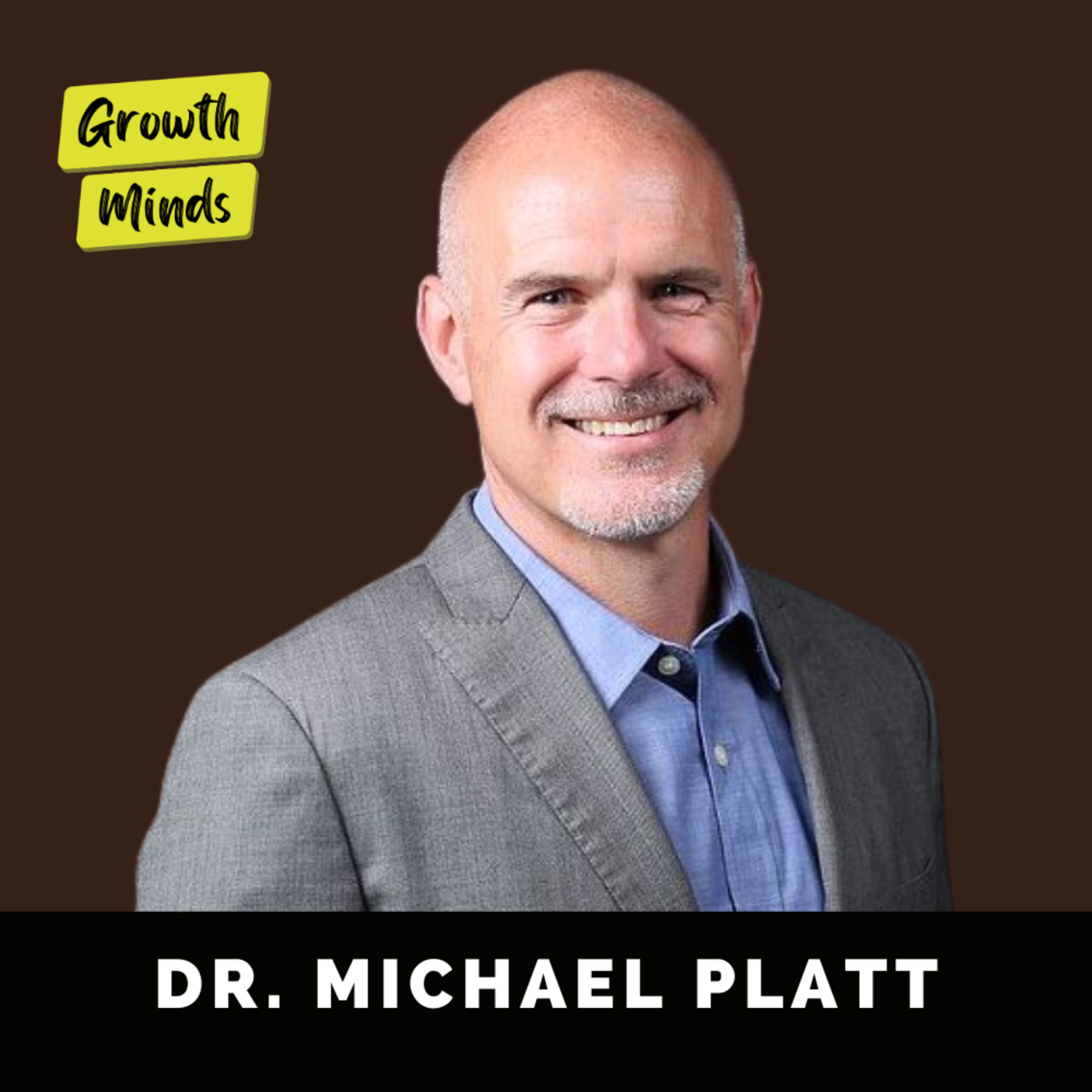
Social Neuroscientist: NEW Data On Scary Link Between AI And Gut Instincts!
Jun 21, 202501:29:06Tap to summarizeDr. Michael Platt is the James S. Riepe University Professor at the University of Pennsylvania, with joint appointments in Neuroscience, Psychology, and Marketing. He serves as Director of the Wharton Neuroscience Initiative and is a leading voice in the emerging field of neuroeconomics. His research explores the neural basis of decision-making and social behavior, integrating insights from anthropology, evolution, and economics. Dr. Platt earned his BA from Yale, PhD from Penn, and completed postdoctoral training at NYU.In our conversation we discuss:(00:00) – Definition of gut instinct from a neuroscience lens(01:34) – Instinct shaped by personal and ancestral experience(03:16) – Evolutionary vs. economic rationality(06:25) – Efficient coding: brain shortcuts and loss aversion(08:01) – Slower decisions = better outcomes (when time allows)(10:17) – Social wiring drives trust and also herd behavior(12:41) – Monkeys predict elections: facial cues and bias(17:56) – Eye contact builds trust and synchronizes brain activity(22:27) – Brain synchrony improves collaboration and empathy(30:15) – Deep conversation prompts foster connection(39:03) – Storytelling increases audience alignment and persuasion(43:51) – Simplicity boosts message clarity and engagement(50:02) – Faking social behaviors erodes trust(01:05:16) – Decision-making tips: slow down, simplify choices(01:20:21) – Overreliance on AI may weaken critical thinkingLearn more about Dr. Platt:Website: https://www.drmichaelplatt.com/Watch full episodes on: https://www.youtube.com/@seankimConnect on IG: https://instagram.com/heyseankim
Transcribe →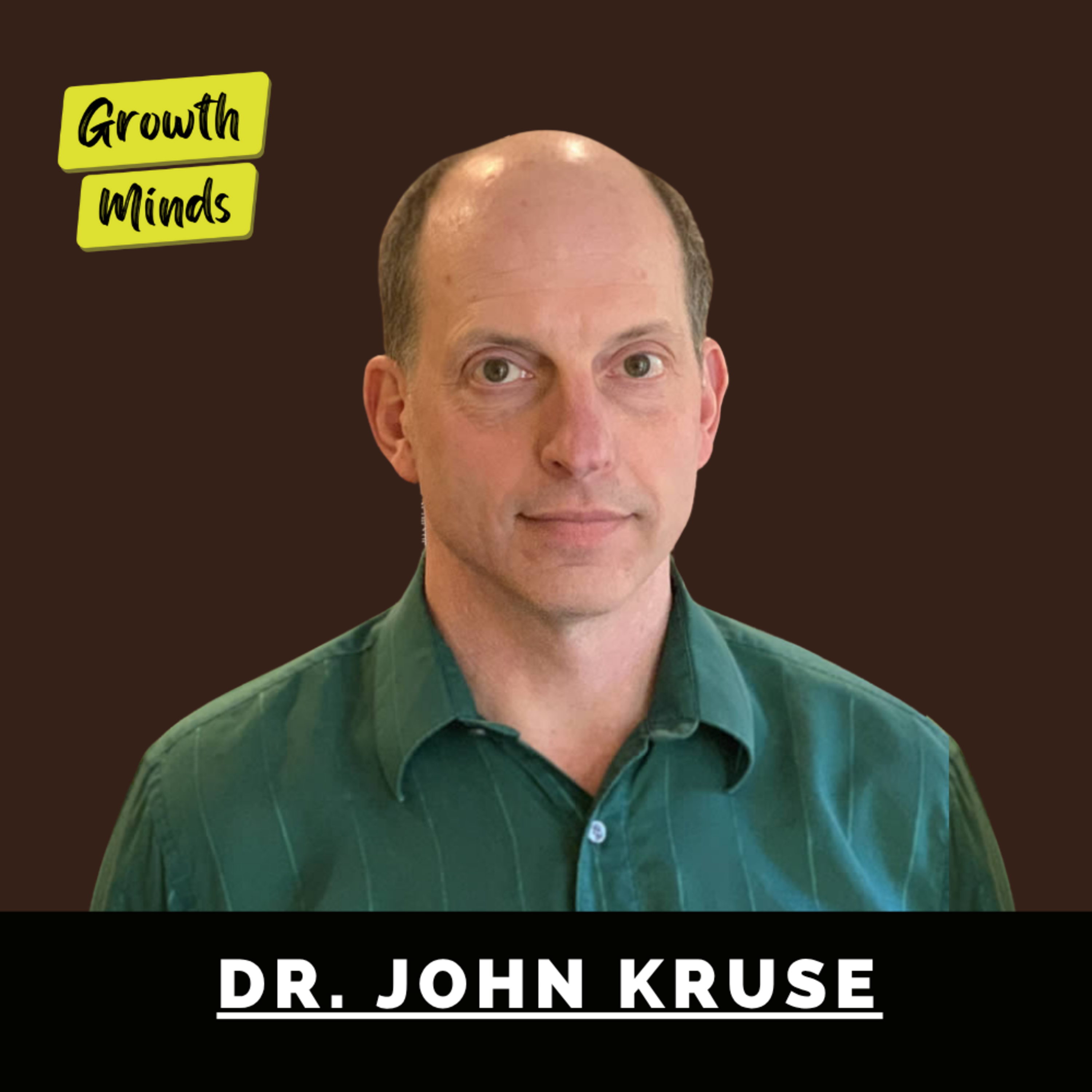
The ADHD Epidemic: "90% Of ADHD Goes Undiagnosed In Adults!" (Why You Can't Focus)
Jun 11, 202501:13:46Tap to summarizeDr. John Kruse is a neuroscientist, psychiatrist, and author with 25 years of experience specializing in adult ADHD. He earned his MD and PhD in Neuroscience from the University of Rochester. Dr. Kruse is known for his book, "Recognizing Adult ADHD: What Donald Trump Can Teach Us About Attention Deficit Hyperactivity Disorder," and focuses on helping patients understand and manage ADHD through various therapeutic approaches.In our conversation we discuss:(00:00) - Defining ADHD and DSM criteria(01:44) - How adult ADHD is diagnosed(03:36) - ADHD vs. other mental conditions(06:10) - Executive function and brain chemistry(08:32) - Biological markers and group overlap(11:38) - ADHD diagnosis trends and underdiagnosis(15:18) - ADHD increase during COVID explained(18:06) - Why adult ADHD went unrecognized(21:24) - Misdiagnosis and long-term consequences(27:17) - Genetics and shared mental health traits(31:01) - Trauma vs. genetic origins of ADHD(39:02) - Life impacts of untreated ADHD(46:19) - Interest-driven attention and hyperfocus(50:05) - ADHD strengths in entrepreneurship(01:11:38) - First steps and treatment optionsLearn more about Dr. John Kruse:YouTube Channel: youtube.com/9Reddit Subreddit: reddit.com/r/DrJohnKruse/Medium Articles: https://www.google.com/search?q=dockruse.medium.comWatch full episodes on: https://www.youtube.com/@seankimConnect on IG: https://instagram.com/heyseankim
Transcribe →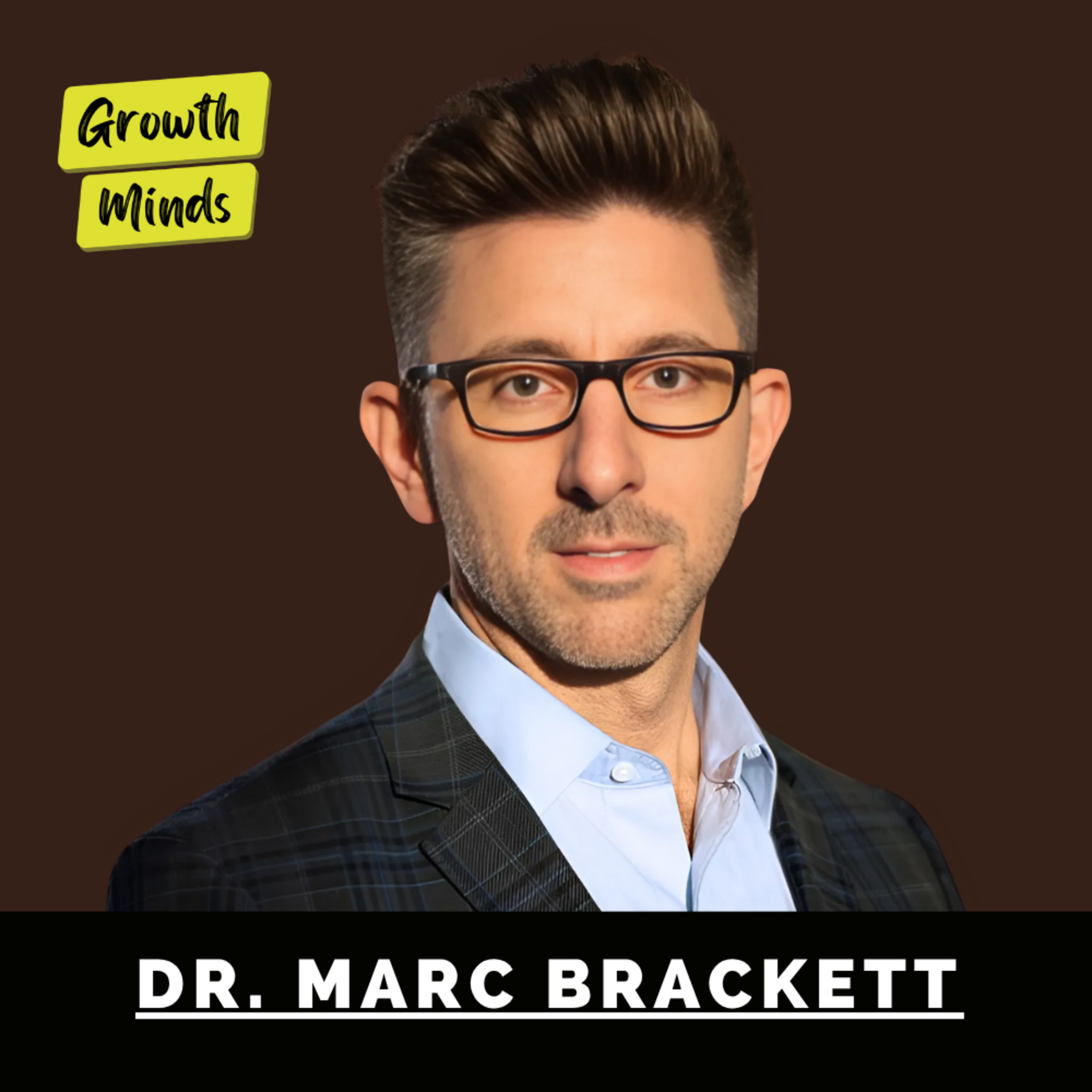
#1 EQ Expert: "How to STOP Overthinking & Attracting TOXIC People In Your Life!"
Jun 4, 202501:13:40Tap to summarizeMarc Brackett, Ph.D., is the founding director of the Yale Center for Emotional Intelligence and a professor in the Yale Child Study Center. He is the author of the bestselling book Permission to Feel. His research focuses on how emotions influence learning, decision-making, relationships, and mental health. Marc also developed RULER, a widely used program for teaching emotional intelligence in schools.In our conversation we discuss:(00:00) - Definition of emotional intelligence (01:26) - IQ vs. EQ (04:54) - Quantifying EQ (11:30) - 5 key benefits of emotional intelligence (22:28) - EQ is malleable and learnable (32:01) - The role of ‘Uncle Marvin’ (38:14) - Suppression vs. regulation (43:25) - Consequences of suppressing your emotions (47:46) - You can be the Uncle Marvin (56:59) - Understanding emotions (01:01:32) - Dealing with imposter syndrome (01:05:23) - AI and emotional support (01:11:00) - Final takeaways Learn more about Dr. BrackettWebsite - https://marcbrackett.com/Wikipedia - https://en.wikipedia.org/wiki/Marc_BrackettInstagram - https://www.instagram.com/marc.brackett/?hl=enApp - https://howwefeel.org/New Book - https://www.amazon.com/Dealing-Feeling-Your-Emotions-Create/dp/1250329590Watch full episodes on: https://www.youtube.com/@seankimConnect on IG: https://instagram.com/heyseankim
Transcribe →
Doctor Reveals How to HEAL Autoimmune DISEASE In 90 Days With Diet! | Dr. Terry Wahls
May 28, 202500:55:52Tap to summarizeDr. Terry Wahls is a clinical professor of medicine at the University of Iowa and a pioneer in functional medicine and nutrition-based therapy. She is best known for developing the Wahls Protocol, a diet and lifestyle program that helped her reverse the symptoms of progressive multiple sclerosis. Once confined to a wheelchair, Dr. Wahls regained her mobility through her science-backed approach to mitochondrial health. Her work focuses on using food as medicine to manage autoimmune and chronic diseases. She is also a bestselling author and speaker, inspiring millions with her personal story and clinical research.In our conversation we discuss:(00:00) – Dr. Terry Wahls being diagnosed with multiple sclerosis(8:30) – Focusing on mitochondria(10:45) – Genetic factors vs. lifestyle(18:25) – Hunter-gatherer diet(24:09) – Effects of being born via C-section on health(28:00) – How to make kids eat healthy(30:32) – What are the best organs to eat?(33:17) – Is there an animal that has the most nutrition?(35:10) – Nutritional benefits of eating testicles(36:22) – Supplements(40:18) – Consuming more protein after age 50(42:18) – The Wahls Protocol(43:50) – What are nightshade vegetables?(47:41)– How chronic stress impacts brain health(51:37) – The rise of environmental toxinsLearn more about Dr. WahlsWebsite : https://terrywahls.com/Instagram: @drterrywahlsPatient Registry : https://terrywahls.com/trialsWatch full episodes on: https://www.youtube.com/@seankimConnect on IG: https://instagram.com/heyseankim
Transcribe →
The Gut Doctor: #1 Superfood To HEAL The Gut & Prevent Disease! | Dr. William Davis
May 21, 202501:28:05Tap to summarizeDr. William Davis is a cardiologist and bestselling author known for Wheat Belly, which exposed the health risks of modern wheat consumption. He advocates for grain-free, low-carb diets and highlights the critical role of the gut microbiome in overall health. His work blends cardiology with functional medicine, helping people reverse chronic conditions through nutrition and lifestyle. Dr. Davis has guided millions in improving their health naturally. His upcoming book, Super Gut Super Body, explores how to build a resilient, optimized body by targeting the microbiome.In our conversation we discuss:(00:00) – Importance of gut health beyond digestion(4:30) – Improvement in taking care of gut health(9:28) – Top signs that someone has an unhealthy gut microbiome(19:32) – How do we get hydrochloric acid in our diet(26:08) – Tactical things that people can do today to improve gut health(33:04) – How to make your silo yogurt(38:20) – Prebiotic and probiotic supplements' effectiveness compared to foods(51:31) – Impact of taking GLP-1s on gut health(55:16) – Fasting effects on the microbiome(58:32) – Modern diet to optimize both your heart and microbiome(1:04:48) – What’s the way for people to get the right information(1:14:01) – The truth about dietary cholesterol and heart disease(1:19:40) – Not washing hands oftenLearn more about Dr. DavisWebsite: https://drdavisinfinitehealth.com/Book pre-order: https://www.amazon.com/SUPER-Body-Composition-Youthful-Contours/dp/0306835991Watch full episodes on: https://www.youtube.com/@seankimConnect on IG: https://instagram.com/heyseankim
Transcribe →
The AI Expert: "Super AI Will Be Unstoppable!"– What’s Coming NEXT _ Stephen Wolfram
May 13, 202502:37:29Tap to summarizeStephen Wolfram is a British-American computer scientist, physicist, and entrepreneur best known for founding Wolfram Research and creating Mathematica and the computational knowledge engine Wolfram|Alpha. A child prodigy, he published scientific papers in physics by the age of 15 and earned his Ph.D. from Caltech at 20. He later developed A New Kind of Science, proposing that simple computational rules can explain complex phenomena in nature. Wolfram has been a pioneer in symbolic computation, computational thinking, and AI. His work continues to influence science, education, and technology.In our conversation we discuss:(00:00) What was the first version of AI?(23:38) What triggered the current AI revolution?(34:19) Did OpenAI base its initial algorithm on Google's work?(46:47) What is the technological gap between now and achieving AGI?(1:15:59) Do you fear an AI-driven world you can’t fully understand?(1:35:15) What do we need to unlearn if AI can replicate human abilities?(1:47:39) What happens when there aren’t enough jobs due to automation?(1:54:01) How is AI reshaping people’s views on wealth?(2:25:48) The future of automating software developmentLearn more about Stephen WolframWebsite: https://www.stephenwolfram.com/index.php.enWikipedia: https://en.wikipedia.org/wiki/Stephen_WolframWatch full episodes on: https://www.youtube.com/@seankimConnect on IG: https://instagram.com/heyseankim
Transcribe →
The Sleep Scientist: "Sleeping After 11PM Is Killing You!" | Dr. Satchin Panda
May 8, 202501:07:27Tap to summarizeDr. Satchin Panda is a renowned neuroscientist and professor at the Salk Institute for Biological Studies. He is best known for his groundbreaking research on circadian rhythms, time-restricted eating, and their impact on metabolism and overall health. His work has significantly influenced the fields of chronobiology and nutrition. Dr. Panda is also the author of The Circadian Code, where he shares practical strategies to optimize health by aligning daily routines with the body's internal clock.In our conversation we discuss:(00:00) – What happens in our bodies when our circadian rhythm is out of sync(06:16) – How to know if your circadian rhythm is out of sync(11:07) – What matters more: timing of sleep or how long is your sleep(15:47) – Consistency in your sleep schedule(18:37) – Importance of getting bright natural light(24:23) – Resetting circadian rhythm for a night shift worker(28:54) – Product recommendation(30:50) – Compensating for lost or poor sleep(34:31) – What are the worst common habits the generation is doing that harm the quality of sleep(40:45) – Eating late in relation to quality of sleep(42:59) – Supplements(48:15) – Prolonged fasting(51:05) – Time window for liquid intake(54:07) – Sipping(56:10) – Exercising in the morning vs in the afternoon(59:24) – Factors that may be overlooked in improving circadian rhythm(1:01:32) – Ideal circadian dayLearn more about Dr. Satchin Panda:https://www.salk.edu/scientist/satchidananda-panda/https://www.instagram.com/satchin.panda/?hl=enhttps://www.linkedin.com/in/satchin-panda-926ba369App: https://www.mycircadianclock.org/Book: https://www.amazon.com/Circadian-Code-Supercharge-Transform-Midnight/dp/163565243XWatch full episodes on: https://www.youtube.com/@seankimConnect on IG: https://instagram.com/heyseankim
Transcribe →