Summary of "Baseball Game Broadcasts 39-07-04 (x) Lou Gehrig's Farewell Speech"
Podcast: Harold's Old Time Radio
Host/Author: Harold
Episode Title: Baseball Game Broadcasts 39-07-04 (x) Lou Gehrig's Farewell Speech
Release Date: March 18, 2025
Introduction
In the episode titled "Baseball Game Broadcasts 39-07-04 (x) Lou Gehrig's Farewell Speech," Harold's Old Time Radio transports listeners back to a seminal moment in American sports history. Hosted by Harold, the show delves into the iconic farewell speech of Lou Gehrig, delivered on July 4, 1939, during a live baseball game. This episode not only revisits the heartfelt words of one of baseball's greatest players but also explores the broader cultural and emotional impact of the speech during the Golden Age of Radio.
Historical Context
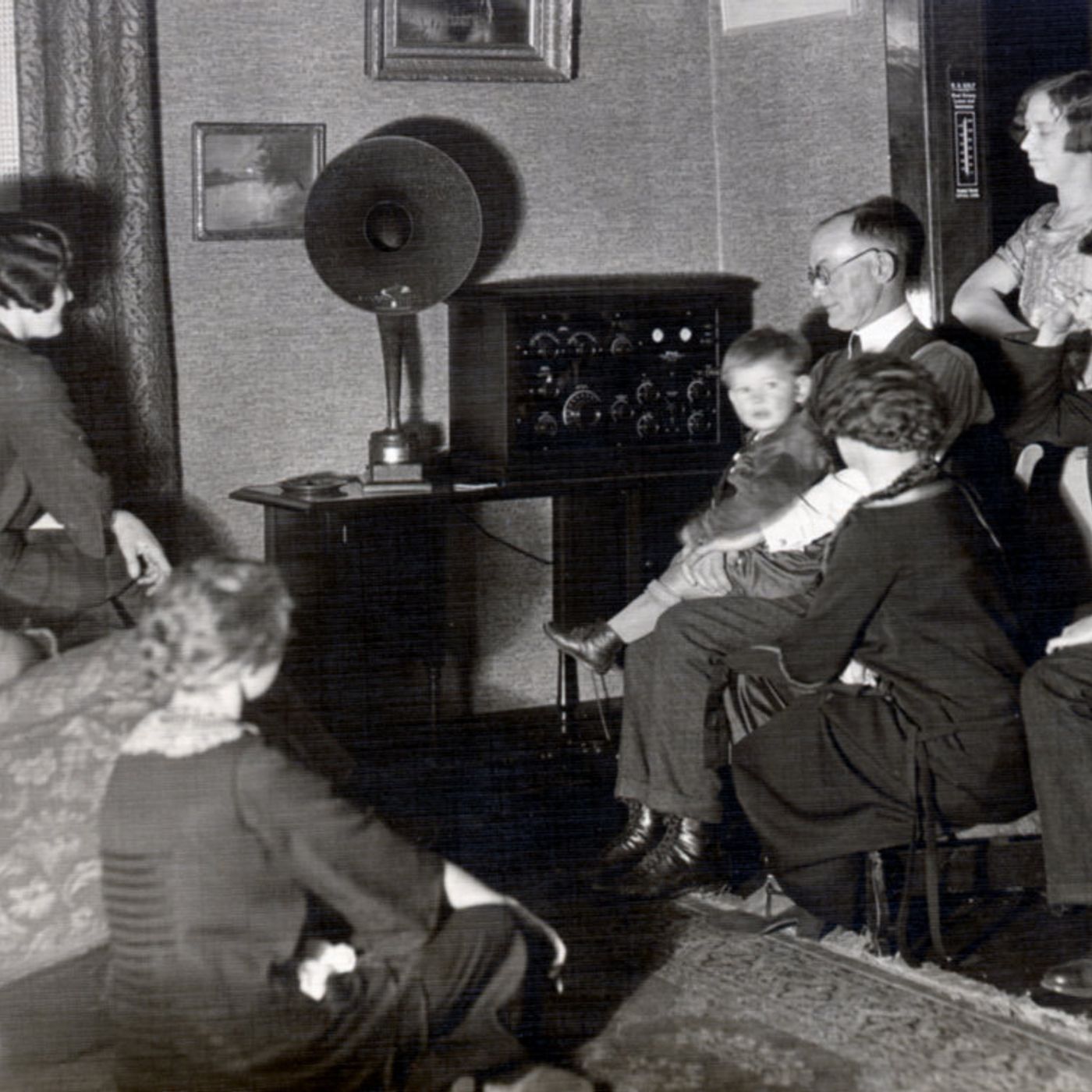
Harold begins by setting the scene of the late 1930s—a time when radio was the centerpiece of family entertainment. With television yet to capture the public's imagination, radio broadcasts like "The Shadow," "Abbott & Costello," and "Dragnet" dominated household airwaves. Amidst this vibrant radio landscape, Lou Gehrig, the celebrated first baseman for the New York Yankees, had established himself as a sports icon known for his remarkable skill and unwavering work ethic.
However, tragedy struck when Gehrig was diagnosed with Amyotrophic Lateral Sclerosis (ALS), a debilitating and terminal illness. Despite the grim prognosis, Gehrig's spirit remained unbroken, leading to the heartfelt farewell speech that would etch his name in history.
The Broadcast: A Historic Moment
The core of the episode focuses on the live broadcast of Lou Gehrig's farewell speech during a Yankees game held on July 4, 1939. Harold meticulously reconstructs the atmosphere of the day, emphasizing the mixture of anticipation and somberness that enveloped the stadium and radio listeners alike.
Notable Quote:
[00:00] Lou Gehrig: "I consider myself the luckiest man on the face of the earth that I might have been given a bad break. But I've got an awful lot to live for. Thank you."
This opening line encapsulates Gehrig's profound humility and resilience. Harold highlights how this statement resonated deeply with fans, capturing both the personal struggle of Gehrig and the collective empathy of the audience.
Key Themes and Discussions
-
Resilience and Optimism
- Harold explores how Gehrig's speech was a testament to human resilience. Despite his diagnosis, Gehrig chose to focus on gratitude and the positive aspects of his life, inspiring countless individuals facing their own challenges.
- Notable Quote:
[01:15] Lou Gehrig: "I don't know if I ever get to see tomorrow again, but I'm staying around to see what I can do."
-
Impact on Fans and Society
- The episode delves into the widespread emotional impact of the speech. Radio being the primary medium, Gehrig's words reached millions, fostering a sense of unity and shared sorrow.
- Harold discusses personal anecdotes from listeners who were moved by the broadcast, illustrating the deep connection between Gehrig and his fans.
-
Legacy in Sports and Media
- Harold analyzes how Gehrig's farewell speech elevated his status beyond that of a baseball player to a national hero.
- The speech has since become a staple reference in discussions about sportsmanship, courage, and the human aspect of athletes.
-
Cultural Significance
- The episode contextualizes the speech within the broader cultural landscape of the 1930s, a period marked by economic hardship and impending global conflict. Gehrig's words provided a beacon of hope and perseverance during uncertain times.
Audio Highlights and Reconstruction
To immerse listeners in the experience, Harold's Old Time Radio features reconstructed audio snippets that mimic the original broadcast. These recreations include the ambiance of the baseball stadium, the crack of the bat, and the hushed anticipation before Gehrig's speech.
Notable Audio Moment:
[00:45] Ambient Stadium Sounds
Harold (narration): "As the crowd hushed, Lou Gehrig stepped up to the microphone, his voice steady despite the emotional weight of his message."
Personal Reflections and Insights
Throughout the episode, Harold interweaves personal reflections and historical analysis, offering listeners a nuanced understanding of the speech's significance. He emphasizes that Gehrig's ability to maintain dignity and optimism in the face of terminal illness serves as a timeless example of inner strength.
Quote for Emphasis:
Harold: "Lou Gehrig didn't just say goodbye to baseball; he imparted a life lesson on how to confront mortality with grace and gratitude."
Conclusion
In concluding the episode, Harold's Old Time Radio reaffirms the enduring legacy of Lou Gehrig's farewell speech. It's more than a sports moment; it's a chapter in American history that captures the essence of the human spirit. The episode serves as both a tribute to Gehrig and a reflection on the power of media to amplify personal narratives, ensuring that such moments continue to inspire future generations.
Final Thoughts
For those who haven't listened to the episode, this summary encapsulates the emotional depth and historical importance of Lou Gehrig's farewell speech as presented by Harold's Old Time Radio. Through rich storytelling, accurate reconstructions, and insightful analysis, listeners can appreciate why this moment remains a cornerstone of sports and cultural history.