← Harold's Old Time Radio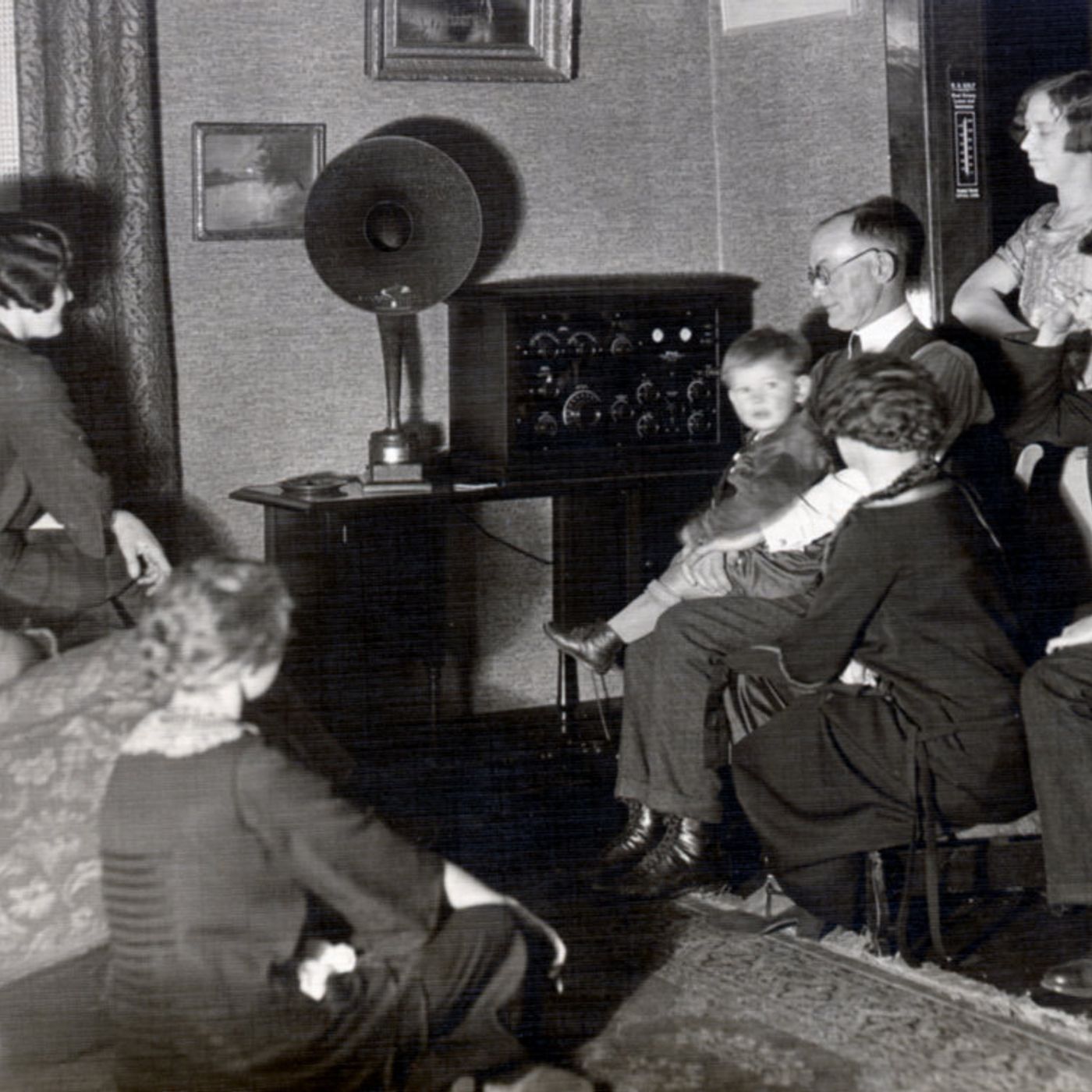
Loading summary
Transcript38 lines
- [00:03]
Dr. Dennis Black
With New Year's resolutions, many of us will make a vow to eat healthier. And that's a good thing. But what about our beloved pets and their Nutrition? Greetings. Naturopathic Dr. Dennis Black here and I'm on a mission to provide better nutrition for cats and dogs. Because truthfully, all pet food is dead food. Which is why we created Ruff Greens and Meow Greens in the first place. We bring their food back to life with live vitamins, minerals, probiotics, enzymes, omega oils, antioxidants and so much more. All in a tasty formula that your dog and cat will love. You can improve your pet's coat digestion energy and have less vet bills. Let 2025 bring a new year and a new pet. Get a Jump Start trial bag. Normally $20 get 100% discount with promo code Best Friend. You just cover the shipping. Go to roughgreens.com use promo code best friend. Bring your pet's food back to life with Rough greens. So good your petal asked for it by name.
- [01:00]
Richard Hernowiecki
What did Billy look like?
- [01:02]
Larry Tyke
A little elf, sort of a real cute smiley face, green and red costume, a little like a Santa hat, big shoes.
- [01:13]
Richard Hernowiecki
The person who seems to know the most about this former local character Billy the Brownie is Richard Hernowiecki of the Milwaukee County Historical Society.
- [01:22]
Larry Tyke
Billy the Brownie actually was a creation of Schuster's Department Stores art department. Schuster's was a large department store in the Milwaukee area. They were purchased later on by Gimbel's, but they did have three stores in the Milwaukee area. And Schusters had a Christmas parade they started. They had their first Christmas parade in 1927. And what they did is they created the idea of Billy the Brownie and the Billy the Brownie program to promote.
- [02:00]
Richard Hernowiecki
The parade that was on local radio. Hernwicke says the first Billy programs ran for only two weeks from early November until the day of the parade. But after five years of the show, it and the character became so popular that a daily program was created on WTMJ radio. Billy the Brownie would run for 15 minutes every day from early November right up until Christmas Eve.
- [02:24]
Larry Tyke
It was always every day, 5:00 to 5:15. And all kids came home from school and they went and they glued themselves to the radio to listen to Billy the Brownie. It started out the program. You could always tell when Billy was going to come on because there was a little tin horn that played a little four note tune. Started with that. Right after that it went to a vocal recording of Jingle Bells. I Remember, every day at 5:00, that was what we had to do. Everything else stopped because you listened to Billy the Brownie.
- [03:08]
Richard Hernowiecki
The person who wrote and produced the show was Larry Tyke. He was also the host, Billy's friend. They would mainly carry the show during the first few weeks before Santa came on the scene.
- [03:19]
Billy the Brownie
Hello.
- [03:19]
Santa Claus
Hi. And let me say, two weeks from today is Christmas Day.
- [03:24]
Narrator
That's right, Billy. And every minute counts if you and Santa are going to be ready to leave and display early enough so we can broadcast. That's right. The boys and girls love to hear that.
- [03:35]
Santa Claus
They can help.
- [03:36]
Larry Tyke
The next thing they would do is they'd take about five or six minutes of the program and they'd read letters that the kids wrote to Santa and they would actually give the kid's name, what town or city they're in, and so forth.
- [03:48]
Narrator
Here is one from 1216 Lois Avenue West Dallas. It says, please may I have a doll, bring a hunting knife for my brother Timmy, a tapestry knitting bag for my mother, a knit dress for Nancy and also for Marlene.
- [04:04]
Larry Tyke
Every kid in the city must have written letters to Santa. And Schusters actually returned a little postcard or an acknowledgement of those cards to all of those kids. And so this became a very big thing, the last part of the program. And this is what made it really sort of unique. There was a story that would be told. The way it would start out is Billy would say or Larry would say, all right, kids, we're now going to get out the magic storybook. All the kids had to face the radio and say that they've been good. If they were good, the magic storybook cover would open and boys and girls.
- [04:51]
Narrator
Face the radio and say, I have been good.
- [04:54]
Billy the Brownie
If enough, say it. The magic book opens.
- [04:57]
Santa Claus
If not, nothing happens. Washed out, busted, gone for broke, kaput. Well, anyway, today I chose a new one. Magic index. Ready.
- [05:11]
Billy the Brownie
Mistletoe and jellybeans Holly wreaths and evergreen.
- [05:16]
Narrator
In the name of Christmas joys tell a story for good girls and boys.
- [05:23]
Billy the Brownie
Abracadabra.
- [05:27]
Narrator
Not yet. Come on, say it.
- [05:30]
Richard Hernowiecki
There.
- [05:30]
Billy the Brownie
There, the book so far.
- [05:32]
Santa Claus
Thank you, Good boys and girls.
- [05:34]
Billy the Brownie
Pages slow down.
- [05:36]
Santa Claus
Here comes our story. Here it is. Ready on siege. Curtain going up.
- [05:42]
Narrator
Say, I know this story. Did we ever tell it before?
- [05:46]
Billy the Brownie
Oh, so long ago. Larry, we might say this is a new story.
- [05:51]
Santa Claus
A one word description of our story.
- [05:54]
Billy the Brownie
All right, it's the Pied Piper of Hamelin.
- [05:59]
Larry Tyke
The last program of the year. Always December 24th was very special that had a little bit different format. It starts out the Same with the horn and the jingle bells. But then you hear Santa loading his sleigh, checking out all the reindeer.
- [06:20]
Narrator
Now, the reindeer, it's two by two. Out in front are Prancer and Dasher. Yep. Then Dancer and Vixen. And then Cupid and Comet. Then nearest the sleigh are Dunner and Blitzen. The great sights. But now I see Santa's headed this way. Hello, Larry. Hello, Santa.
- [06:37]
Billy the Brownie
Hello, dear boys and girls. Got your bells. Prancer, be careful there. Those dolls.
- [06:45]
Santa Claus
Larry, before somebody hollers, here I am. Well, this is it.
- [06:49]
Narrator
Got something fancy for us?
- [06:50]
Santa Claus
Well, no, Larry. More like Thanksgiving Day. So, boys and girls and shusters, mothers and dads and you, Larry, and the engineers here, I want to say with all my might, thank you.
- [07:01]
Larry Tyke
It was. It was a time of innocence. It was a time where kids really believed. You might wonder why the program came to an end in 1955. Well, in 19. By 1955, television was really starting to eat into radio audience. And because Billy was so popular, they were thinking, well, what's the obvious thing to do? Put this into a TV show. And they actually tried two times in two different venues. They tried to create something for a television program. They never aired. It just didn't work. And I think that Larry Tyke, the creator, probably put it better than anybody could have put it when he said, and I'm just quoting from him, he said, you can't put on a screen a picture as pretty as a kid can dream.