Loading summary
A
With the American Express Platinum card, you can unlock over $1,500 in value annually with statement credits on select purchases and other benefits. That means getting access to even more of your favorite things, more jet setting, more trend setting, and more resetting. And downward dog. The stage is set for you to do even more with the American Express Platinum part. Learn more@americanexpress.com US Explore Platinum Terms Apply.
B
The Rest of the Story Patrick Morrissey was a bad man. Maybe from the very beginning. There was something about growing up on the American frontier in the 1850s that helped you stay bad and sometimes get worse early on in his misspent life. Much of Patrick Morrissey's days, even more of his nights, were frittered away in one or another of the town's saloons. Fighting, drinking, playing cards, carousing with shady ladies. Back then and there, you could disappear in a crowd doing the same, because, quite frankly, there were just more bad guys than good guys. At least that's the way it seemed. And the overcrowded jail simply could not accommodate the considerable numbers who deserved to reside there. I know today's movies occasionally romanticize the likes of thereabouts, but what it was was brutal and vile by any measure, and it was also the poison soil in which Patrick Morrissey sprouted and grew up. As one of the town's less ambitious criminals, he was forced to subsidize his drinking and gambling and whoring In a particularly repugnant way, he stole from his own mother. Mrs. Morrissey was a patient, kind woman trapped inextricably by her circumstances, a good person struggling to survive in a bad place and bad times. Then one bleak night in 1872, her son Patrick pounded on her door, demanded more money, and when she refused to open the door, he broke it down. And once inside, Patrick repeated his demand. Mrs. Morrissey said, no, not a penny more for the sordid uses that he would surely put it to. So Patrick struck his mother hard, knocked her to the floor. It was not the first time, but this time, for some reason nobody knows, Mrs. Morrissey gazed up and said, you'd better kill your mother and be done with it. And perhaps for the first time in Patrick Morrissey's life, he obeyed his mother. He he took the knife with which she had been cutting bread and plunged it into her heart. The town was one big den of thieves and murderers, despite which nobody had been hanged for more than six years. No question in Morrissey's mind he was going to get away with matricide. But he hadn't figured on one thing. There was a new sheriff in town. A new sheriff who, unknown to anyone then, would come to be feared as the hanging sheriff. The man who cleaned up the dirtiest town in the Wild East. The Wild East. That's right. While the American west was fast becoming populated by gentlemen, bandits and righteous lawmen from the chivalrous American south, the eastern United States was blotted by a cesspool on the frontier of civilization itself. A dark little hole In Erie County, New York boasted 673 saloons and even more gambling houses and brothels and sex shows. The so called sink of iniquity called Buffalo. Buffalo. But the end of that urban nightmare and the beginning of the beautiful Buffalo we see today was the hanging sheriff who cleaned up the town. The executioner who authored a fitting end to the bad ballad of Patrick Morrissey. The lawman who personally jerked the noose tight around Morrissey's throat and sprang the trap door from under his feet in 1872. The good guy who showed us how the east was won and went on to become president. Stephen Grover Cleveland. Now you know the rest of the story.
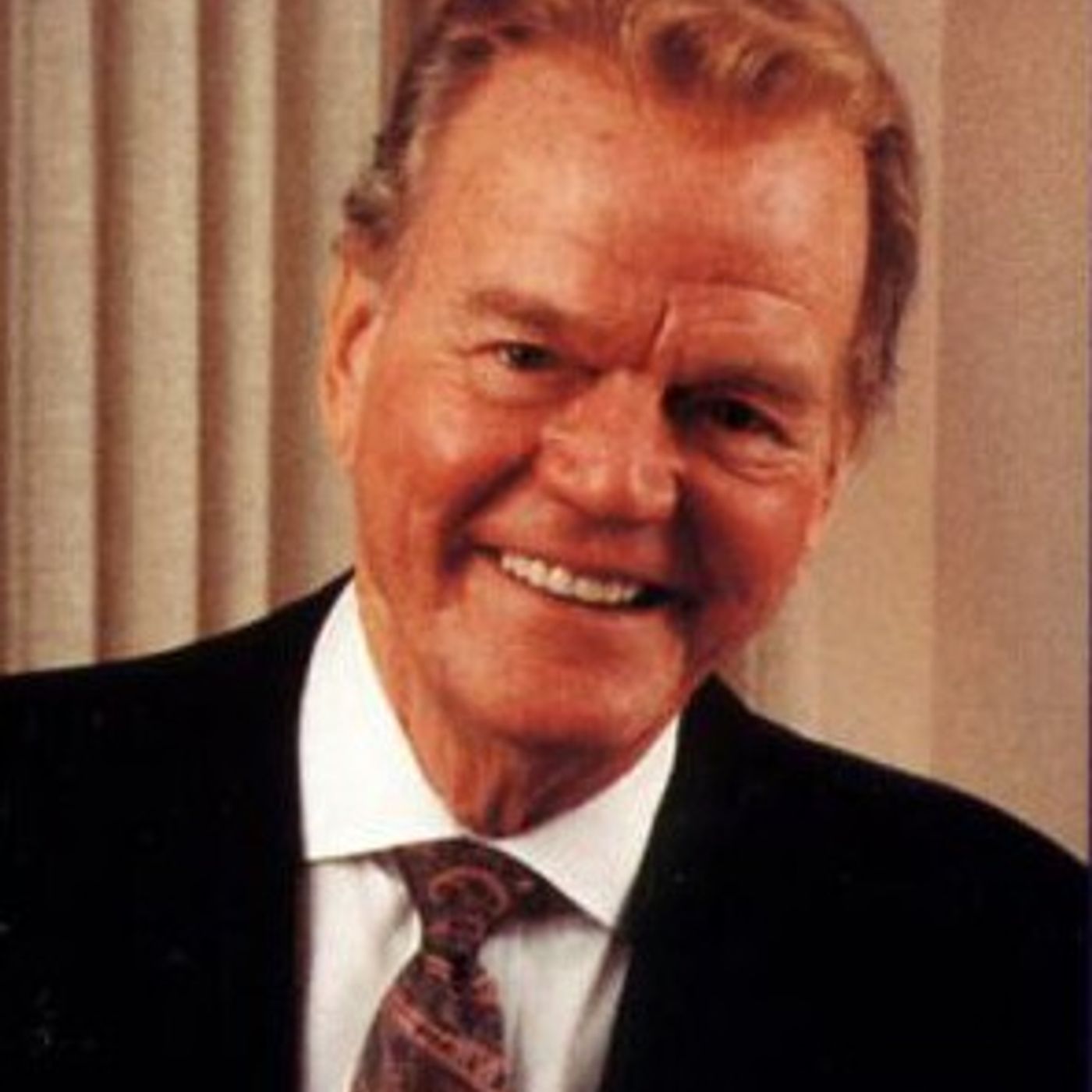
Podcast Summary: Paul Harvey - Grover Cleveland
Podcast Information
In this gripping episode, Harold's Old Time Radio presents a compelling narrative centered around Stephen Grover Cleveland, a pivotal figure who transitioned from a feared lawman to the President of the United States. The story unfolds in the tumultuous American frontier of the 1850s, painting a vivid picture of lawlessness and redemption.
The episode introduces Patrick Morrissey, portrayed as a quintessential outlaw of the American frontier. Growing up in the lawless terrains of Erie County, New York, Morrissey's early life was marred by vice and violence. The host describes him as someone whose "days, even more of his nights, were frittered away in one or another of the town's saloons," engaging in activities like fighting, drinking, playing cards, and other dubious pursuits ([00:30]).
The narrative sets the stage in Buffalo, a city then infamous for its rampant corruption and criminal activities. With "673 saloons and even more gambling houses and brothels and sex shows," Buffalo was dubbed the "sink of iniquity" ([00:30]). The overcrowded jails reflected the sheer number of wrongdoers, overwhelmed by the town's darker elements.
A pivotal moment in the story is Morrissey's heinous act against his own mother, Mrs. Morrissey. Desperate for money, Patrick barges into his mother's home, demanding funds to support his unsavory lifestyle. When denied, he violently assaults her. In a chilling exchange, Mrs. Morrissey implores him, saying, “you'd better kill your mother and be done with it” ([00:30]). Obeying her shocking directive, Patrick murders her with a kitchen knife, an act that starkly illustrates his moral decline.
Against this backdrop of chaos, a figure of hope emerges: the new sheriff in town, Stephen Grover Cleveland. Known as the "hanging sheriff," Cleveland is depicted as a formidable lawman determined to cleanse Buffalo of its rampant crime. The host emphasizes Cleveland's reputation as "the man who cleaned up the dirtiest town in the Wild East" ([00:30]).
The episode highlights the dramatic transformation of Buffalo from a den of vice to a burgeoning American city. Cleveland's efforts to enforce law and order are credited with ending the urban nightmare that plagued the city. The host remarks, “The end of that urban nightmare and the beginning of the beautiful Buffalo we see today was the hanging sheriff who cleaned up the town” ([00:30]).
Cleveland's legacy extends beyond his exploits in Buffalo. His success in restoring order and his reputation for integrity paved the way for his political ascent. The host concludes by connecting Cleveland's earlier life as a steadfast lawman to his eventual role as President of the United States, stating, “The lawman who personally jerked the noose tight around Morrissey's throat and sprang the trap door from under his feet in 1872... went on to become president” ([00:30]).
This episode masterfully intertwines the wild tales of the American frontier with the historical journey of one of America's presidents. Through vivid storytelling and detailed descriptions, listeners gain insight into how Stephen Grover Cleveland's early experiences as a law enforcement officer in Buffalo shaped his path to the highest office in the nation. The narrative not only entertains but also illuminates the profound impact of personal integrity and determination in transforming both a man and a city.
Notable Quotes
Host/Narrator B ([00:30]):
“As one of the town's less ambitious criminals, he was forced to subsidize his drinking and gambling and whoring.”
Host/Narrator B ([00:30]):
“But the end of that urban nightmare and the beginning of the beautiful Buffalo we see today was the hanging sheriff who cleaned up the town.”
Host/Narrator B ([00:30]):
“The lawman who personally jerked the noose tight around Morrissey's throat and sprang the trap door from under his feet in 1872.”
This detailed summary encapsulates the essence of the "Paul Harvey - Grover Cleveland" episode, providing listeners with a comprehensive understanding of the discussions, insights, and historical contexts presented. Through engaging storytelling and strategic quoting, the summary offers a clear and informative overview for both fans and newcomers alike.