Loading summary
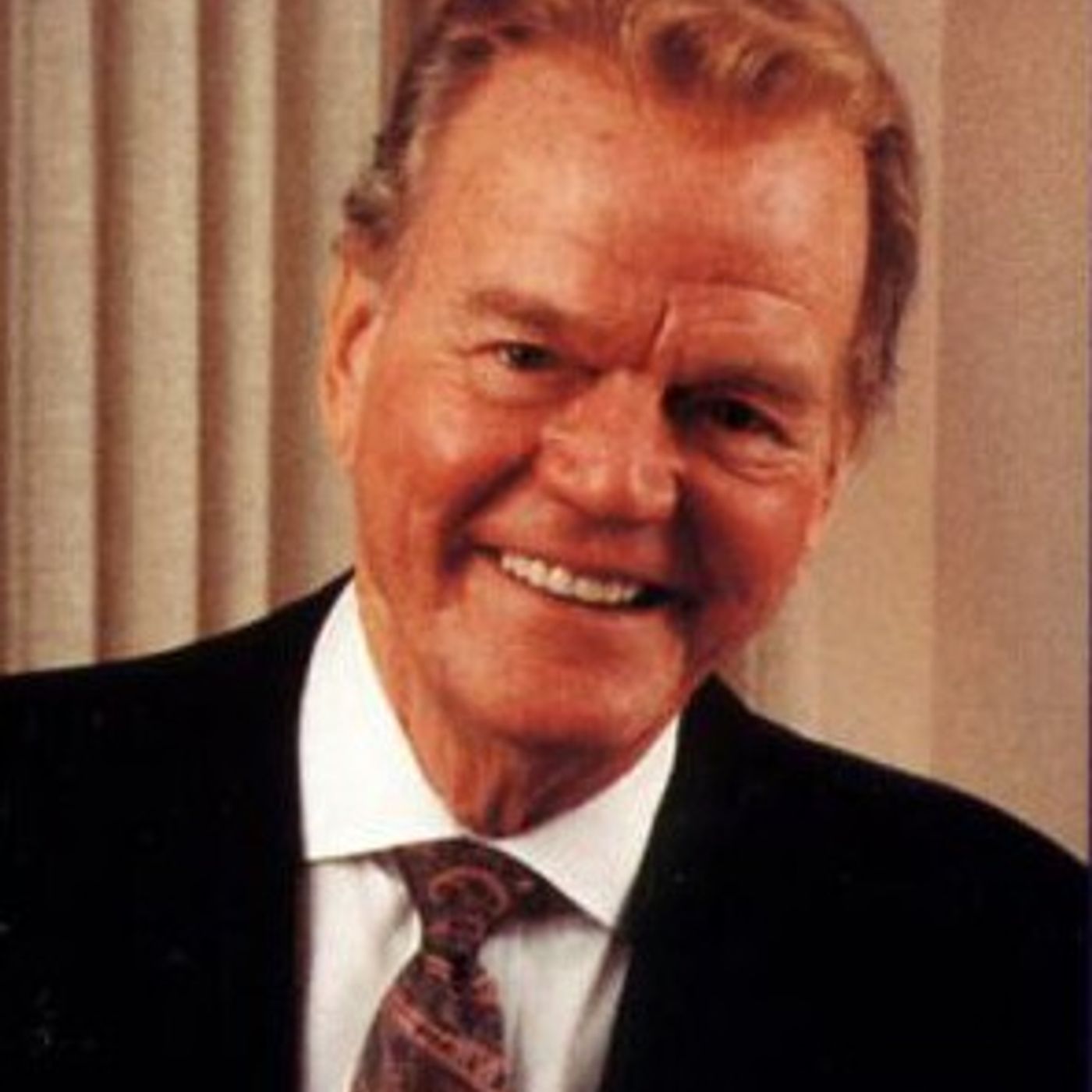
Paul Harvey
Now, the rest of the story. Once upon a time, there was a gourmet chef named John. He employed a young man named Russell. Russell ash a S C H. And Russell could not cook. Now, it's important to understand, if we're to forgive him for what he did, that Russell was no cook. He merely answered mail. He was in charge of John's often voluminous correspondent. I'm going to let you get a piece of paper to write something down in case you'd like to take down a recipe for popovers, because it is a very special recipe. Of all of Chef John's favorite dishes, this remarkable rice pudding and his delectable green turtle soup and all of the others, the one recipe his admirers admired most was his one for popovers. In fact, John's popovers were so popular that even after his recipe had been published in the newspapers, folks still wrote to him asking for copies of the same recipe. I'm going to read it to you now. The ingredients are three eggs, a quarter teaspoon of salt, a half teaspoon of sugar, 1 cup flour, 1 cup milk, 2 tablespoons melted shortening. Before you start mixing these ingredients, grease your pans and preheat them to 450 degrees. Now, beat the eggs for a few minutes until they're frothy. Add the salt and the sugar and the flour and half of the milk and mix again. Only when this mixture is smooth do you add the remaining milk and the melted shortening and blend with the rest. Pour the batter into the preheated popover pans. Bake at 450 for 15 minutes, and then reduce the heat to 400 and continue baking for 15 minutes more. And the recipe makes a dozen popovers. Now, I direct your attention to Chef John's employee, Russell. Russell thought that he had that popover recipe memorized. After all, he'd copied it so many times, answering requests for it. But then, this one time, Russell did not go to the file to retrieve the cooking instructions, and he answered one admirer's request for the beloved recipe, relying entirely on his memory. And Russell got it wrong, something he might not have regarded as significant. He said two teaspoons of shortening instead of tablespoons. One might even have considered it a typographical error. But in any event, the incorrect recipe was never mailed because another of John's employees caught the mistake. And that would have been that, except that John himself found out. And John discovered that Russell had almost sent out a bogus popover recipe. He the gourmet Chef John was most upset. Russell received a scolding letter from his employer. And though he was not fired, along awaited promotion and a raise in salary were. How shall I say this? Well, they were postponed indefinitely because that's how important John considered the bona fide recipe for his popovers. And the very thought that one of his recipes should have a typographical or other error in it, that those popovers might be made by somebody less than perfect. It was just more than he could stand. So you are beginning to imagine how seriously Chef John must have taken his true profession. He was an amateur gourmet cook. He had another job because John, John E. Was also known as J. Edgar Hoover. If you thought FBI agents like Russell Ash spent all of their time cracking federal crime, now you know the rest of the story.
Podcast Summary: Paul Harvey - J. Edgar Hoover
Harold's Old Time Radio
Release Date: April 30, 2025
In this captivating episode of Harold's Old Time Radio, the host delves into a fascinating narrative presented by the legendary radio broadcaster, Paul Harvey. Titled "Paul Harvey - J. Edgar Hoover," the episode intertwines a seemingly simple story about a gourmet chef with the intriguing parallel to one of America's most prominent historical figures, J. Edgar Hoover, the longtime head of the FBI.
Paul Harvey opens the story by introducing listeners to Chef John, a meticulous and passionate gourmet chef renowned for his exceptional culinary creations. Central to the narrative is John's relationship with his employee, Russell, whose role is ostensibly that of a cook but is revealed to be more administrative in nature.
Key Points:
Chef John's Reputation: John is celebrated for his extraordinary dishes, including rice pudding and green turtle soup. However, his most admired recipe is for popovers, a testament to his culinary excellence.
"Of all of Chef John's favorite dishes, this remarkable rice pudding and his delectable green turtle soup and all of the others, the one recipe his admirers admired most was his one for popovers." ([02:15])
Russell's Role: Russell, although employed as a cook, primarily handles correspondence, answering mail and managing recipe requests. Despite his official title, his true expertise does not lie in cooking.
"If we're to forgive him for what he did, that Russell was no cook. He merely answered mail." ([03:20])
The heart of the story revolves around the coveted popover recipe. John's dedication to perfection is evident in his meticulous recipe, which he shares with his admirers through the mail. However, the plot thickens when Russell, overconfident in his memory, attempts to relay the recipe without consulting the written instructions.
Key Points:
The Recipe: Paul Harvey enumerates the ingredients and precise instructions for making the perfect popovers, highlighting John's attention to detail.
"The ingredients are three eggs, a quarter teaspoon of salt, a half teaspoon of sugar, 1 cup flour, 1 cup milk, 2 tablespoons melted shortening... Bake at 450 for 15 minutes, and then reduce the heat to 400 and continue baking for 15 minutes more." ([05:45])
Russell's Mistake: Trusting his recollection, Russell inadvertently alters the recipe by substituting tablespoons with teaspoons for the shortening, a seemingly minor error with significant implications.
"Russell got it wrong, something he might not have regarded as significant. He said two teaspoons of shortening instead of tablespoons." ([07:10])
Preventing the Error: Fortunately, another diligent employee catches Russell's mistake before the flawed recipe reaches the public, averting potential disappointment among their loyal followers.
"The incorrect recipe was never mailed because another of John's employees caught the mistake." ([08:05])
The narrative takes an unexpected turn as Paul Harvey reveals the true identity of Chef John. This revelation draws a parallel between the meticulousness required in maintaining the integrity of a cherished recipe and the unwavering dedication of J. Edgar Hoover in his role as FBI Director.
Key Points:
John's Obsession with Perfection: John's intense reaction to the potential error underscores his deeper commitment to excellence, reflecting Hoover's similar drive in law enforcement.
"The very thought that one of his recipes should have a typographical or other error in it, that those popovers might be made by somebody less than perfect. It was just more than he could stand." ([10:30])
Identity Twist: The story concludes with the surprising revelation that John E., the gourmet chef, is none other than J. Edgar Hoover. This metaphor illustrates Hoover's relentless pursuit of perfection and control within the FBI, much like Chef John's dedication to his culinary craft.
"And John E. Was also known as J. Edgar Hoover. If you thought FBI agents like Russell Ash spent all of their time cracking federal crime, now you know the rest of the story." ([12:50])
Paul Harvey masterfully uses the narrative of Chef John and Russell to draw a compelling analogy to J. Edgar Hoover's tenure at the FBI. The story emphasizes themes of perfectionism, attention to detail, and the far-reaching impact of small errors within larger systems. Through this engaging tale, listeners gain a deeper appreciation for the complexities of Hoover's character and leadership style.
Notable Quotes:
"Russell could not cook. Now, it's important to understand, if we're to forgive him for what he did, that Russell was no cook. He merely answered mail." ([01:10])
"Before you start mixing these ingredients, grease your pans and preheat them to 450 degrees." ([04:00])
"Russell thought that he had that popover recipe memorized. After all, he'd copied it so many times, answering requests for it." ([06:00])
"Paul Harvey - J. Edgar Hoover" is a quintessential example of storytelling that transcends its immediate narrative to offer profound insights into historical personalities. Through the lens of a gourmet chef's dedication to a popover recipe, listeners are invited to reflect on the meticulous nature of leadership and the unintended consequences that can arise from even the smallest of oversights.
For those who cherish the golden age of radio and the art of compelling storytelling, this episode stands out as a memorable blend of humor, history, and human folly, all wrapped into the familiar and comforting format of old-time radio.