Detailed Summary of "Ripley's Believe It Or Not - 1 Minute Episodes: 19xx.xx.xx Town Clock"
Podcast Information:
- Title: Harold's Old Time Radio
- Host/Author: Harold's Old Time Radio
- Episode: Ripley's Believe It Or Not - 1 Minute Episodes: 19xx.xx.xx Town Clock
- Release Date: February 21, 2025
Introduction
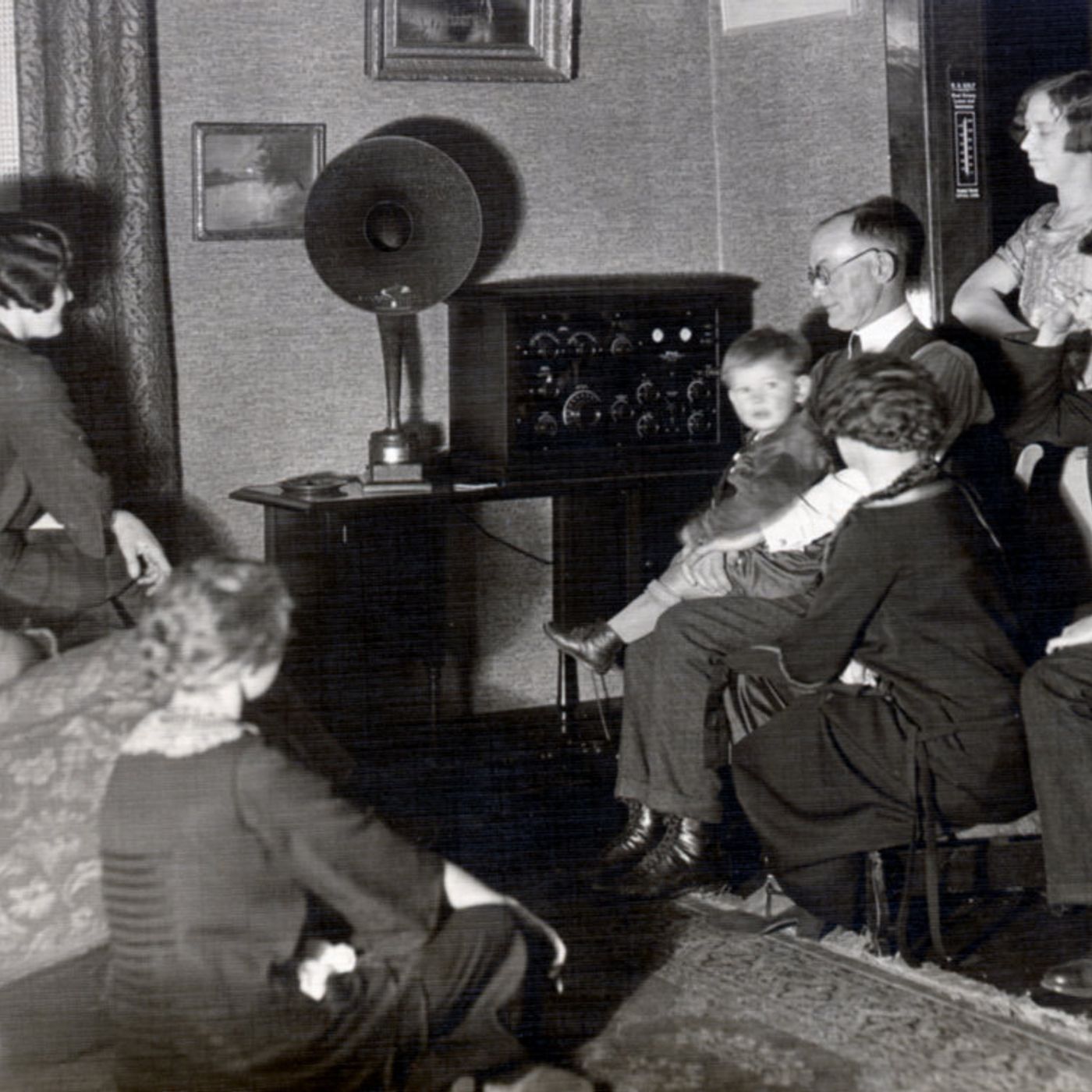
In this captivating episode of "Harold's Old Time Radio", Harold transports listeners back to the Golden Age of Radio, where families huddled around their radios to listen to enthralling stories and intriguing facts. Titled "Ripley's Believe It Or Not - 1 Minute Episodes: 19xx.xx.xx Town Clock," the episode delves into two remarkable tales that exemplify the adage, "Truth is stranger than fiction."
Key Discussions and Insights
1. Hugos, the Count of Provence: A Strategic Ascension to Kingship
The episode opens with an introduction to the enigmatic figure, Hugos, the Count of Provence. Harold recounts Hugos' unconventional path to becoming King of Italy through a series of strategic marriages:
Harold: "Truth is stranger than fiction. And this is the proof. This is Ripley's Believe it or Not. Hugos, the Count of Provence married first the mother, then the daughter, and finally the widow of King Rodolfo II to become King of Italy."
[00:00]
This narrative highlights the intricate and often surprising maneuvers individuals undertook to gain power and influence during turbulent historical periods.
2. The Tale of the Seven-Minute Fast Town Clock in Gurlitz, Germany
Transitioning from personal intrigue to communal resilience, Harold narrates the extraordinary story of a town clock in Gurlitz, Germany, that has been seven minutes fast for over 700 years. The story unfolds as follows:
-
The Conspiracy (1253):
In the year 1253, a group of conspirators in Gurlitz plotted to assassinate the entire city council as they exited their midday meal. Harold sets the scene:
Harold: "In 1253, a band of conspirators in Gurlitz, Germany, set out to kill the entire city council as they emerged from their midday meal."
[00:25]
-
The Clever Intervention:
One of the plotters had a change of heart and decided to thwart the assassination by alerting the authorities. To ensure the conspirators would meet the council at an incorrect time, the town clock was deliberately set seven minutes ahead:
Harold: "The town clock was set seven minutes ahead."
[00:45]
-
The Foiled Plot:
As the conspirators converged on city hall precisely seven minutes earlier than intended, their plan unraveled, leading to their disarmament and the prevention of a catastrophe:
Harold: "And as the criminals converged on city hall seven minutes early, they were disarmed."
[00:50]
-
The Eternal Memorial:
In gratitude for their deliverance, the city council enacted a law mandating that the town clock remain perpetually seven minutes fast, serving as an enduring reminder of their narrow escape:
Harold: "The grateful council passed a law requiring the city to keep the town clock eternally. Seven minutes fast. As a memorial of their deliverance."
[01:10]
Notable Quotes with Attribution and Timestamps
Conclusions and Reflections
This episode masterfully intertwines personal intrigue with communal resilience, showcasing how individual actions and strategic decisions can have profound historical ramifications. The story of Hugos underscores the lengths individuals will go to attain power, while the narrative of the seven-minute fast town clock exemplifies ingenuity and the collective will to preserve safety and memory.
By presenting these tales succinctly within a one-minute format, Harold effectively captures the essence of Ripley's "Believe It Or Not", offering listeners both entertainment and enlightenment. The inclusion of specific timestamps and attributed quotes enriches the narrative, providing authenticity and engagement for both longtime enthusiasts and newcomers to the series.
Final Thoughts
"Ripley's Believe It Or Not - 1 Minute Episodes: 19xx.xx.xx Town Clock" is a testament to the power of storytelling in preserving history's most peculiar and fascinating moments. Harold's adept narration invites listeners to ponder the delicate interplay between time, power, and fate, leaving them both informed and intrigued.