Podcast Summary: Ripley's Believe It Or Not - 1 Minute Episodes: Weird Prophecy
Podcast Information
- Title: Harold's Old Time Radio
- Host/Author: Harold's Old Time Radio
- Episode: Ripley's Believe It Or Not - 1 Minute Episodes 19xx.xx.xx Weird Prophecy
- Release Date: February 25, 2025
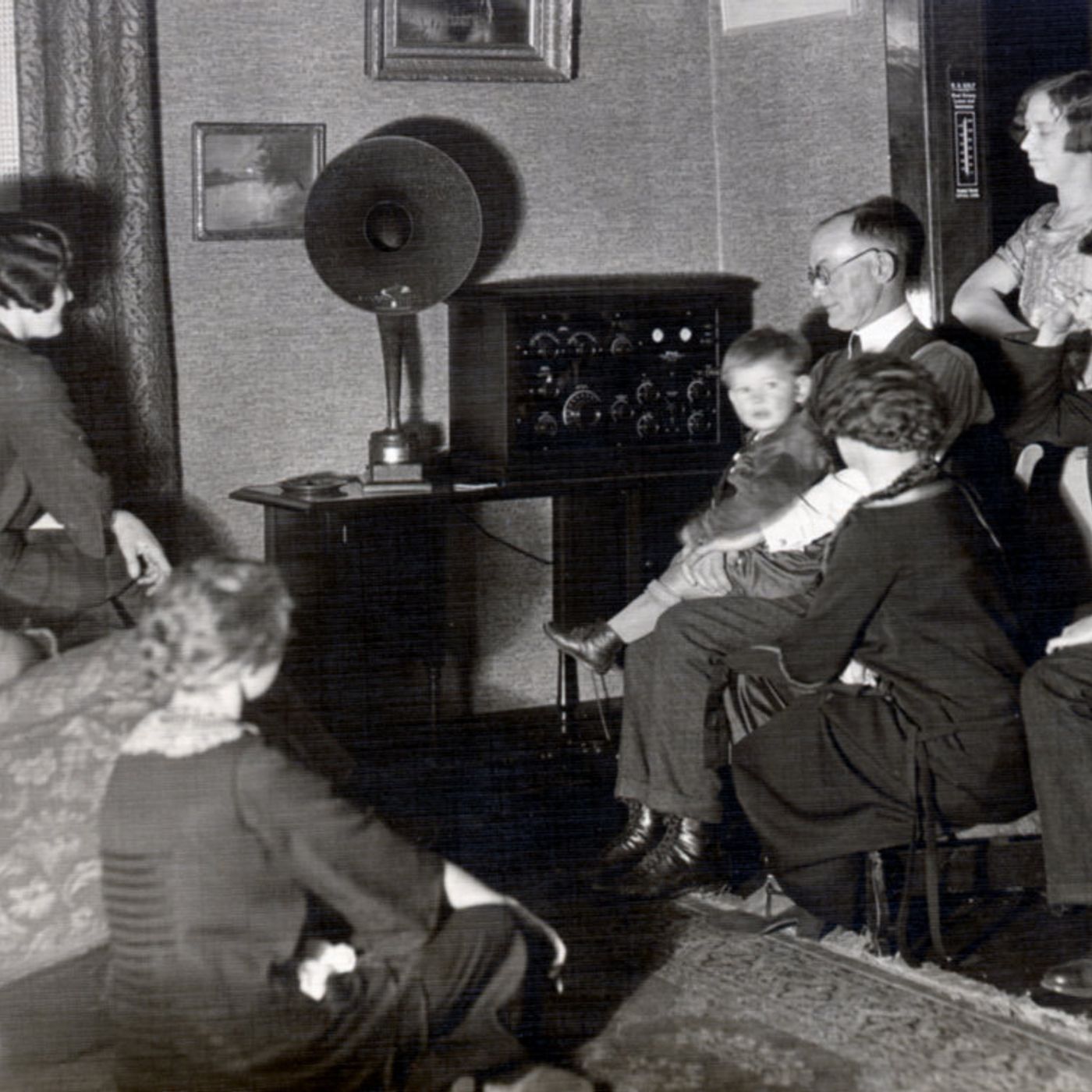
- Description: This episode delves into peculiar and astonishing tales reminiscent of the Golden Age of Radio. Listeners are transported to a time when families gathered around the radio to experience captivating stories like The Shadow, Abbott & Costello, Amos & Andy, and Dragnet. In this particular episode, Ripley's iconic "Believe It Or Not" segment presents listeners with two intriguing stories: one about a silent woman from the Yoruba tribe and another concerning a prophetic event in architectural history.
Introduction: Embracing the Unbelievable
The episode opens with the classic Ripley's phrase, setting the tone for a journey into the extraordinary. "Truth is stranger than fiction. This is the proof. This is Ripley's Believe it or not," [00:00] the host declares, immediately capturing the listener's attention with the promise of astonishing truths.
Story 1: The Silent Aristocrat of the Yoruba Tribe
Ripley introduces us to a fascinating cultural practice within the Yoruba tribe in Africa. He recounts the tale of an aristocratic woman who has taken an extreme measure to maintain her silence. "There is a place in the world where you'll find women of a few words. An aristocratic woman in the Yoruba tribe in Africa bites on an iron nail day and night, so she won't talk too much," [00:15] Ripley explains.
Cultural Significance
This practice highlights the societal expectations and personal sacrifices made within the tribe's aristocracy. The act of biting an iron nail serves not only as a physical restraint against speaking excessively but also as a symbolic gesture reflecting the values and norms of the community.
Reflections on Silence and Power
The story prompts listeners to contemplate the relationship between silence and power. By limiting her speech, the woman perhaps gains a different form of influence or adheres to a role defined by her status within the tribe.
Story 2: The Prophetic Ornament of Notre Dame in Tournai
Transitioning from cultural practices to historical architecture, Ripley shares a tale of uncanny prophecy embedded within a renowned cathedral. "The architect who built the cathedral of Notre Dame in Tournai, Belgium, in the year 1030 left a prophetic ornament on the structure," [00:45] he narrates.
The Prophetic Ornament
Inside the church, one of the pillars features a sculpted likeness of the architect himself, captured mid-tumble. This intricate detail serves as both an homage to the craftsman and, as history would later reveal, a portent of his fate. Ripley notes, "Strangely enough, it shows him in the act of tumbling. The statue featured on the pillar was the work of his own hands," [01:00].
The Architect's Fate
In a twist of fate, the architect meets a tragic end shortly after the ornament's placement. "A short time after the figure was placed on the pillar, the architect accidentally toppled from a high scaffold and fell or tumbled to his death," [01:10] Ripley recounts. This eerie coincidence has led many to view the ornament as a genuine prophecy, blending artistry with foreboding destiny.
Architectural Legacy and Mystery
The inclusion of such a personal and prophetic detail within the cathedral raises questions about the intentions behind architectural embellishments. Was this a mere artistic expression, or did the architect foresee his untimely demise? The mystery surrounding this story adds a layer of intrigue to the already majestic structure.
Conclusion: The Intersection of Culture and Destiny
Ripley's episode masterfully intertwines tales from diverse cultures and historical contexts, showcasing the breadth of human experience and belief. From the self-imposed silence of a Yoruba aristocrat to the foreboding prophecy carved into a Belgian cathedral, listeners are invited to ponder the myriad ways in which truth can indeed be stranger than fiction.
Notable Quotes:
- "Truth is stranger than fiction. This is the proof. This is Ripley's Believe it or not." [00:00]
- "There is a place in the world where you'll find women of a few words. An aristocratic woman in the Yoruba tribe in Africa bites on an iron nail day and night, so she won't talk too much." [00:15]
- "The architect who built the cathedral of Notre Dame in Tournai, Belgium, in the year 1030 left a prophetic ornament on the structure." [00:45]
- "A short time after the figure was placed on the pillar, the architect accidentally toppled from a high scaffold and fell or tumbled to his death." [01:10]
This episode of Harold's Old Time Radio serves as a compelling reminder of the endless wonders and mysteries that our world holds, perfectly encapsulating the essence of Ripley's enduring legacy.