Podcast Summary: Ripley's Believe It Or Not - Moonlighting Doctors
Podcast: Harold's Old Time Radio
Episode: Ripley's Believe It Or Not - 1 Minute Episodes xx-xx-xx (138) Moonlighting Doctors
Release Date: April 7, 2025
Host: Harold's Old Time Radio
Introduction
In this episode of "Ripley's Believe It Or Not," host Harold delves into the fascinating world of physicians who ventured beyond the realm of medicine to make groundbreaking contributions in various other fields. Setting the stage with a captivating fact about Wickham Mill in England—constructed from the timbers of the American warship Chesapeake captured during the War of 1812—Harold emphasizes the theme that “truth is stranger than fiction” (00:00).
Moonlighting Physicians: Beyond Medicine
Dr. Timothy Bright: The Shorthand Pioneer
Harold introduces Dr. Timothy Bright, a physician whose ingenuity extended into the realm of communication. Dr. Bright invented shorthand, revolutionizing the way information was recorded and transmitted. “Physicians have been responsible for many great inventions that had nothing to do with medicine,” Harold remarks (00:15).
Dr. Nicholas Baraban: Innovator of Fire Insurance
Next, the spotlight shifts to Dr. Nicholas Baraban, who ventured into the insurance industry. Dr. Baraban’s invention of fire insurance provided a safety net for countless businesses and homeowners, showcasing the versatility of medical professionals beyond their clinical duties (00:30).
Dr. James Sim: The Waterproofing Expert
Harold then discusses Dr. James Sim of Scotland, whose inventive spirit led to the creation of waterproofing techniques. This innovation had significant implications for various industries, including maritime and construction, further illustrating the diverse talents of these moonlighting doctors (00:45).
Dr. John Gorey: Architect of Modern Refrigeration
Highlighting Dr. John Gorey, Harold explains how his conception of modern refrigeration transformed the food industry and daily life. Gorey's work in this area underscores the profound impact that physicians can have outside their primary field (01:00).
Dr. Richard Gatling: The Rapid Fire Visionary
Perhaps one of the most unexpected contributions comes from Dr. Richard Gatling, who invented the rapid-fire machine gun. Harold notes the controversial yet undeniable influence of Gatling’s invention in both military and technological advancements (01:15).
Dr. William Francis Channing: Fire Alarm Innovator
Finally, Dr. William Francis Channing of Boston is highlighted for his invention of the fire alarm. This life-saving technology reflects the innate desire of these medical professionals to improve safety and efficiency in society (01:30).
Insights and Discussions
Harold reflects on the remarkable ability of these doctors to transcend their medical expertise and impact various sectors profoundly. He posits that the dedication, analytical skills, and innovative mindset required in medicine naturally lend themselves to breakthroughs in other fields. “It’s not just about saving lives in the clinic; it’s about saving and improving lives in every aspect of society,” Harold observes (01:45).
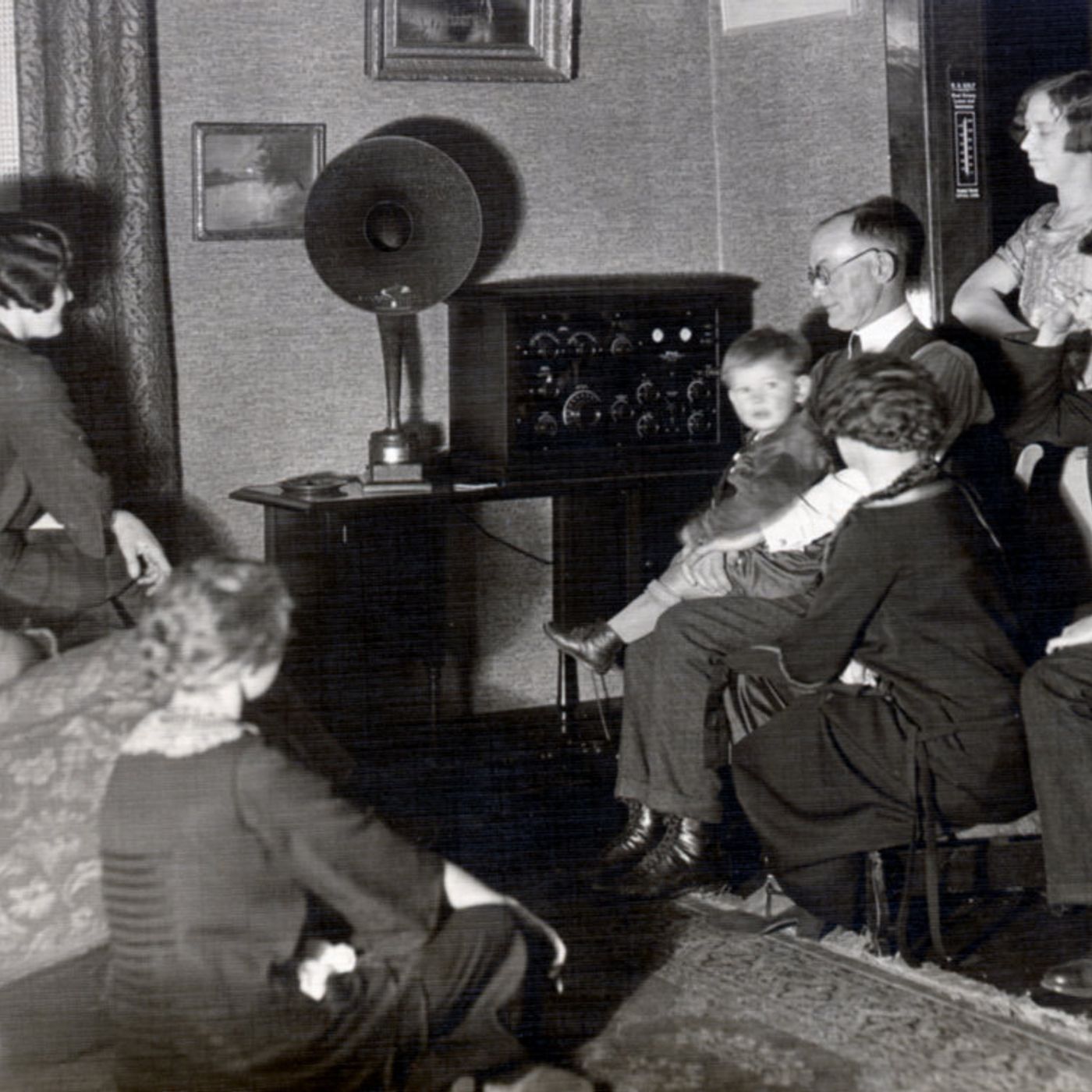
He also touches upon the historical context, noting that during the Golden Age of Radio, when families gathered around the radio, these stories of multi-talented physicians provided both entertainment and inspiration. This dual role of doctors as both healers and inventors added a layer of intrigue to their public personas (02:00).
Notable Quotes
- Harold on Truth vs. Fiction: “Truth is stranger than fiction, and this is the proof.” (00:00)
- On Physicians’ Contributions: “Physicians have been responsible for many great inventions that had nothing to do with medicine.” (00:15)
- On Dr. Gatling’s Invention: “Perhaps one of the most unexpected contributions comes from Dr. Richard Gatling, who invented the rapid-fire machine gun.” (01:15)
- On the Impact of Inventions: “It’s not just about saving lives in the clinic; it’s about saving and improving lives in every aspect of society.” (01:45)
Conclusion
In wrapping up the episode, Harold reinforces the incredible versatility and unbounded potential of physicians. By highlighting the diverse inventions of these moonlighting doctors, he celebrates their ability to effect change far beyond the confines of their medical practices. This episode not only entertains with astonishing facts but also inspires listeners to appreciate the multifaceted contributions of medical professionals in shaping the modern world.
Note: This summary captures the key points and discussions from the episode "Ripley's Believe It Or Not - Moonlighting Doctors." For a complete experience, listening to the full episode is recommended.