Podcast Summary: Ripley's Believe It Or Not - 1 Minute Episodes xx-xx-xx (147) Shyest Women in the World
Podcast Information:
- Title: Harold's Old Time Radio
- Host/Author: Harold's Old Time Radio
- Episode: Ripley's Believe It Or Not - 1 Minute Episodes xx-xx-xx (147) Shyest Women in the World
- Release Date: April 17, 2025
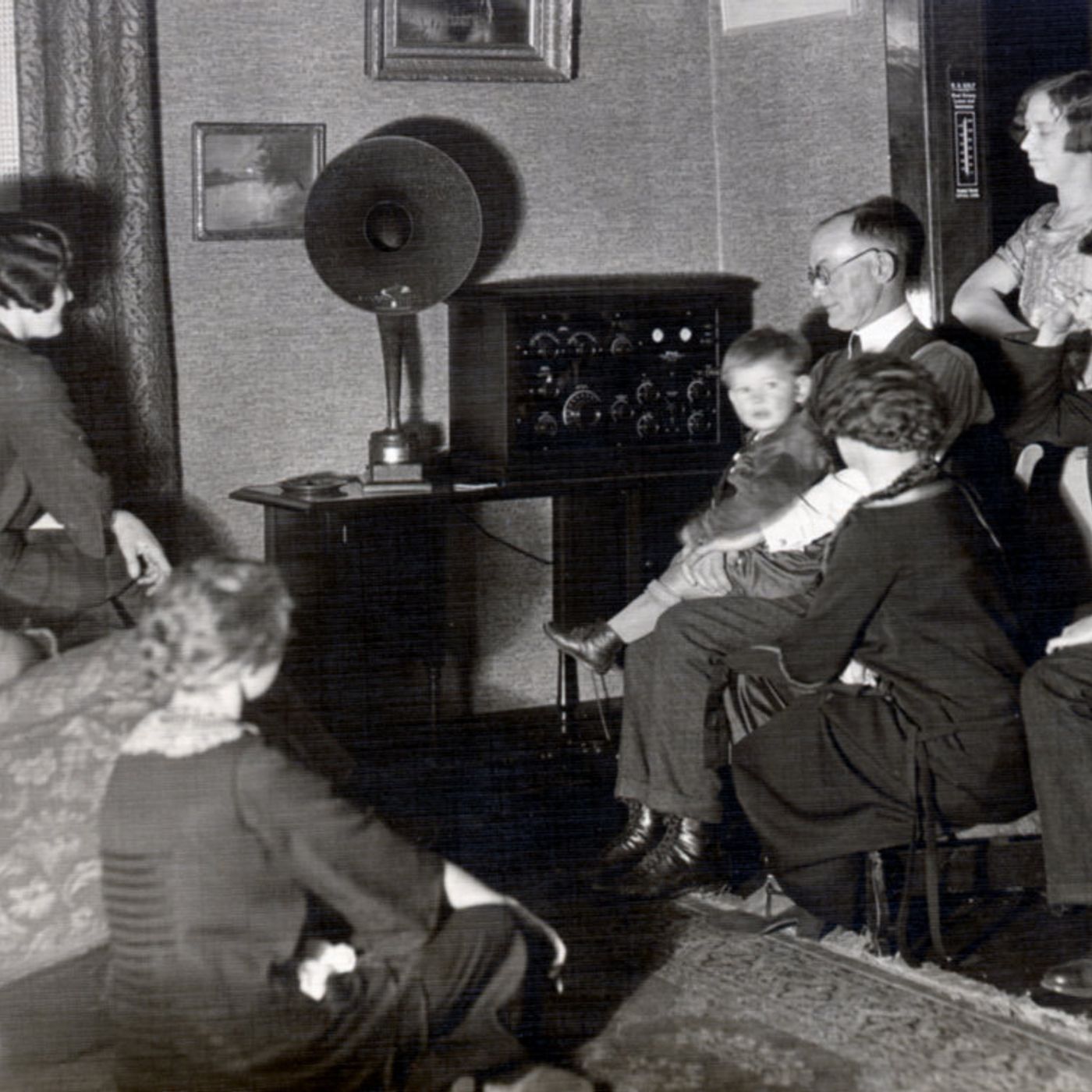
- Description: Radio shows from the Golden Age of Radio. The time before television and the family all sat around the radio and listened to the shows of the time like The Shadow, Abbott & Costello, Amos & Andy, Dragnet, and many more.
Introduction
In the latest installment of "Ripley's Believe It Or Not," hosted by Harold's Old Time Radio, listeners are transported back to the Golden Age of radio with fascinating tales that challenge the boundaries of everyday experiences. This episode, titled "Shyest Women in the World," delves into extraordinary cultural practices that epitomize extreme modesty and seclusion.
Unusual Architectural Anomaly
The episode opens with an intriguing reference to the Samuel Carr House in Jamestown, Rhode Island. The host remarks:
"Truth is stranger than fiction. Now this is the proof. This is Ripley's Believe it or Not." (00:00)
The Samuel Carr House is highlighted for its enigmatic structure—stone on one side and wood on the other—leaving listeners puzzled about the reasoning behind such an unusual architectural choice. This serves as a segue into the main topic, emphasizing the unexpected nature of the stories to follow.
Extreme Modesty in the Comoro Islands
Transitioning from architecture, the focus shifts to the Comoro Islands near Africa, where the host introduces the subject of the episode:
"The familiar veils of the women of North Africa are nothing compared to the modesty portrayed by the women of the Comoro Islands near Africa." (00:10)
The Comoro Islands are portrayed as a place where modesty takes on an almost otherworldly dimension. The women here adhere to an extreme form of seclusion, wearing coverings so comprehensive that they function almost like tents—described as:
"An almost ghost-like cloth that doesn't have any openings, not even slits for their eyes." (00:15)
This level of coverage means that women must navigate their surroundings without sight, relying entirely on touch or the guidance of others. The host elaborates:
"So they must grope blindly or be guided wherever they go, never to be seen by anyone outside the family." (00:20)
Cultural Implications and Insights
This portrayal raises profound questions about the intersection of cultural traditions and individual freedoms. The extreme modesty practiced by the women of the Comoro Islands serves as a stark contrast to more familiar forms of veiling in North Africa, highlighting the vast diversity in cultural expressions of modesty globally.
The episode subtly invites listeners to reflect on how cultural norms shape personal behaviors and societal expectations. It underscores the idea that what might seem extraordinary or even unfathomable to one culture can be a deeply rooted tradition in another.
Conclusion
As the episode draws to a close, the host reinforces the central theme with a recurring Ripley's mantra:
"Believe it or not." (00:30)
This phrase encapsulates the essence of the stories shared—highlighting the remarkable and often unbelievable truths that exist in our world. The discussion about the shyest women in the world not only entertains but also educates, offering a glimpse into a way of life that is both fascinating and thought-provoking.
Notable Quotes
- Announcer: "Truth is stranger than fiction. Now this is the proof. This is Ripley's Believe it or Not." (00:00)
- Announcer: "The familiar veils of the women of North Africa are nothing compared to the modesty portrayed by the women of the Comoro Islands near Africa." (00:10)
- Announcer: "Believe it or not." (00:30)
Final Thoughts
"Shyest Women in the World" is a compelling addition to the "Ripley's Believe It Or Not" series on Harold's Old Time Radio. It effectively captures the listener's imagination by presenting extraordinary cultural practices with clarity and respect. For enthusiasts of historical radio shows and those intrigued by unique global traditions, this episode is a must-listen, offering both entertainment and enlightenment.