Podcast Summary: Ripley's Believe It Or Not - Episode 172: "Condemned a River"
Podcast Information:
- Title: Harold's Old Time Radio
- Host/Author: Harold's Old Time Radio
- Episode: Ripley's Believe It Or Not - 1 Minute Episodes xx-xx-xx (172) Condemned a River
- Release Date: May 10, 2025
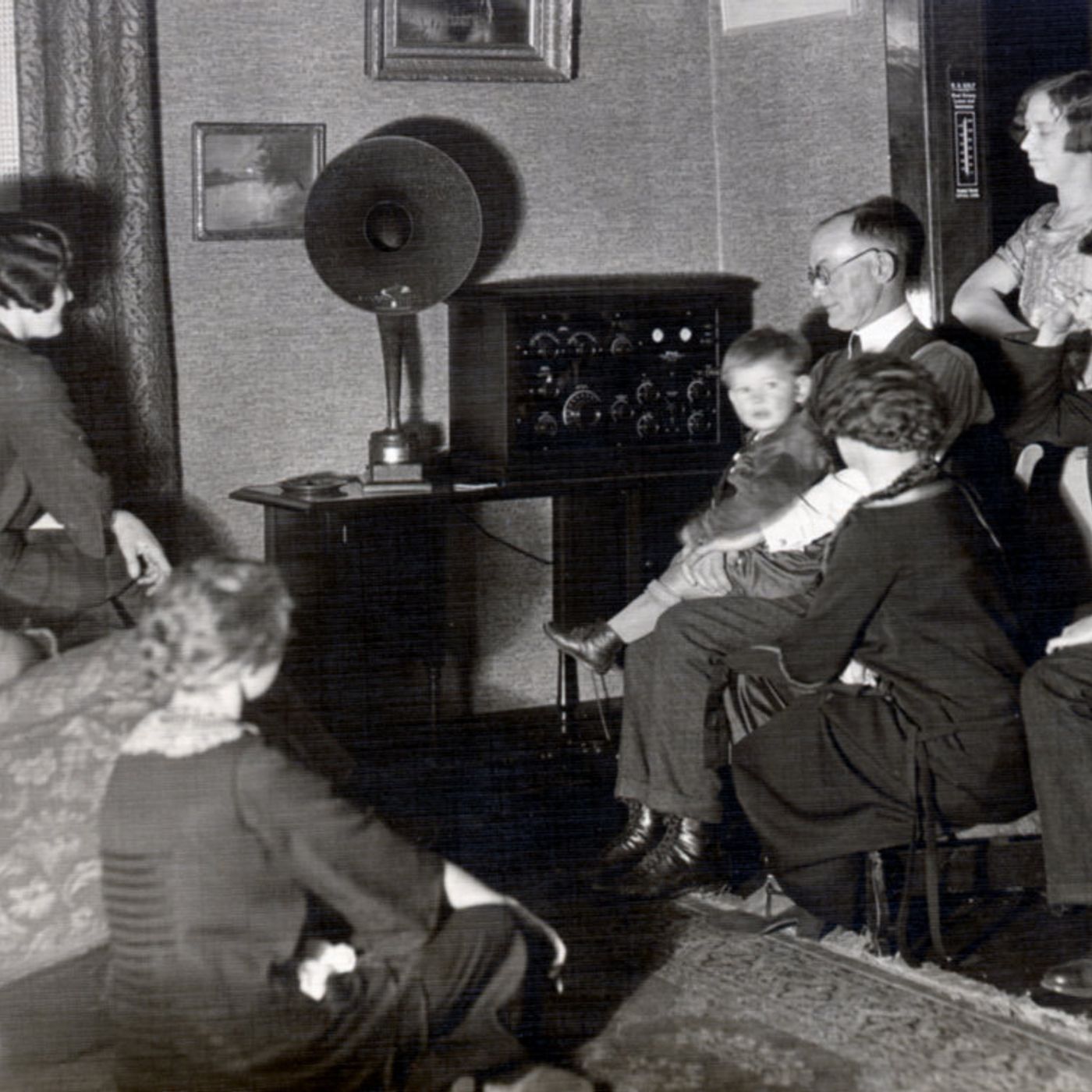
- Description: Showcasing radio programs from the Golden Age of Radio, this episode delves into the peculiar and extraordinary tales that captivated families before the advent of television.
Introduction
In Episode 172 of "Ripley's Believe It Or Not," hosted by Harold's Old Time Radio, listeners are transported to a remarkable historical anecdote that highlights the extraordinary actions of a king and the enduring impact on a natural waterway. This episode exemplifies the show's commitment to uncovering truths that seem stranger than fiction.
Main Story: The Condemnation of the Gidness River
Narrative Overview:
The episode centers around an extraordinary event involving King Cyrus of Persia and the Gidness River, now known as the Diala River in Iraq. The story unfolds with King Cyrus's profound reaction to a personal tragedy, leading to an unprecedented decree against a natural watercourse.
Key Events:
-
The Tragic Incident:
- Event: While crossing the Gidness River, King Cyrus tragically loses one of his sacred white horses in a drowning accident.
- Impact: This loss deeply angers the king, prompting a drastic response to prevent any future tragedies.
-
The King’s Decree:
- Action: In his fury, King Cyrus orders the construction of channels to divert the waters of the river.
- Consequence: This deliberate alteration leads to the cessation of the river's natural flow, effectively "condemning" it to death.
-
The River's Dormancy and Revival:
- Duration: The Gidness River remains dry for an astonishing 1,000 years as a result of the diverted channels.
- Restoration: Eventually, natural sands fill the channels, reversing the king's alterations and allowing the river to flow freely once again over its original course.
Notable Quotes:
- Ripley [00:28]: "The truth is stranger than fiction."
- Ripley [00:50]: "King Cyrus was so incensed, he ordered channels dug to divert the waters of the river."
- Ripley [01:10]: "And the river did die for 1,000 years until the sands dried up the channels and the river flowed once again over its original course."
Insights and Analysis
This episode illuminates several intriguing aspects:
-
Historical Impact of Leadership Decisions:
- Reflection: King Cyrus's decision to manipulate natural waterways underscores the significant influence rulers had over their environment and the long-lasting consequences of their actions.
- Discussion Point: Such actions raise questions about the balance between authority and environmental stewardship in historical contexts.
-
Interplay Between Nature and Human Intervention:
- Observation: The eventual restoration of the river's natural path after a millennium highlights nature's resilience and ability to reclaim what was altered.
- Implication: This narrative serves as an early example of the interplay between human intervention and natural processes, a theme still relevant in today's environmental discussions.
-
Cultural and Symbolic Significance:
- Symbolism: The sacred white horse lost in the river symbolizes purity and important cultural values, emphasizing why the king would react so vehemently.
- Cultural Insight: Understanding the symbolic meanings attached to such elements provides deeper insight into the motivations behind historical actions.
Conclusion
Episode 172 of "Ripley's Believe It Or Not" masterfully recounts the extraordinary tale of King Cyrus and the Gidness River, blending historical facts with the captivating storytelling that Ripley's is renowned for. By presenting such unique and baffling events, the podcast not only entertains but also educates listeners about the profound and sometimes bizarre intersections between human actions and the natural world.
For those unfamiliar with the episode, this summary encapsulates the essence of the story, highlighting the key moments and underlying themes that make it a memorable installment in the Ripley's Believe It Or Not series.
Note: This summary intentionally omits the advertisements and non-content segments from the original transcript to focus solely on the main narrative and its insightful implications.