Podcast Summary: Ripley's Believe It Or Not - 1 Minute Episodes xx-xx-xx (175) Couldn't Say No
Podcast Information:
- Title: Harold's Old Time Radio
- Host/Author: Harold's Old Time Radio
- Episode Title: Ripley's Believe It Or Not - 1 Minute Episodes xx-xx-xx (175) Couldn't Say No
- Release Date: May 12, 2025
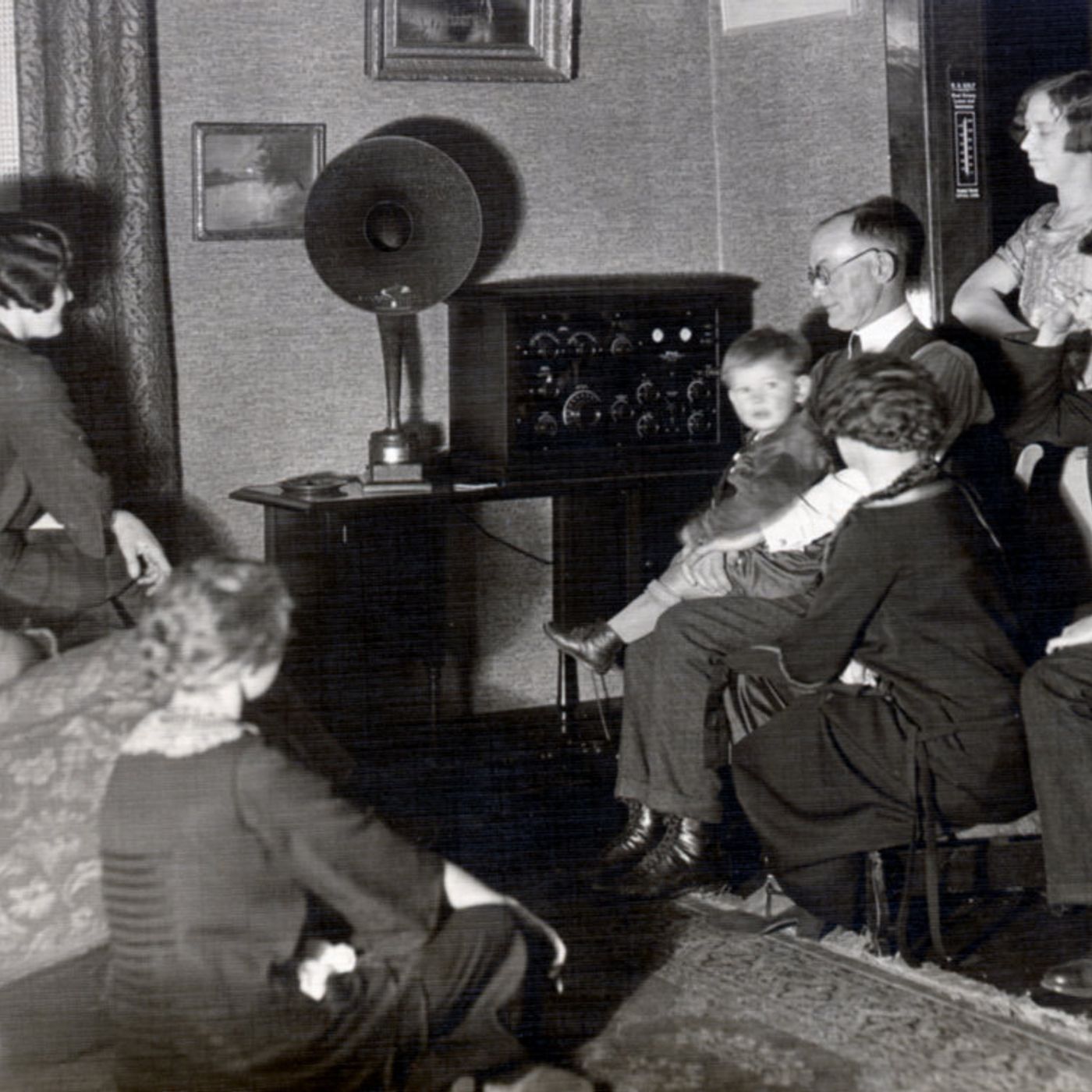
- Description: Relive the captivating radio shows from the Golden Age of Radio, a time before television when families gathered around the radio to enjoy beloved programs like The Shadow, Abbott & Costello, Amos & Andy, Dragnet, and many more.
Introduction
In episode 175 of Harold's Old Time Radio, titled "Ripley's Believe It Or Not - 1 Minute Episodes xx-xx-xx (175) Couldn't Say No," listeners are transported into a brief yet intriguing tale that exemplifies the extraordinary and often bizarre truths highlighted in Ripley's famed series. The episode serves as a window into the peculiar history and human behavior, all encapsulated within a concise one-minute format.
Main Story: Dulu Murad Khan - The King Who Couldn't Say No
The episode delves into the enigmatic figure of Dulu Murad Khan, the ruler of Rawalpindi, India, known infamously as the "cruel philanthropist." This moniker perfectly encapsulates his paradoxical nature—balancing acts of extreme generosity with severe, ruthless measures.
Key Points:
-
Context of the Era:
- During Dulu Murad Khan's reign, the societal norms surrounding begging were harshly enforced, with the death sentence being a lawful penalty for the act. This backdrop sets the stage for understanding Khan's notorious reputation.
-
Khan's Dilemma:
- Khan was frequently confronted by beggars seeking alms. His response to these pleas was starkly binary: he would either bestow a substantial sum of money—a lock of rupees worth approximately $48,500—or condemn the individual to death.
- This extreme approach underscores his inability to say no. When faced with a beggar, he felt compelled to respond, but due to his stringent financial limitations ("momentarily short of cash"), he sometimes resorted to the fatal option.
-
The Duality of Khan's Rule:
- The epithet "cruel philanthropist" arises from this dichotomy. On one hand, Khan demonstrated immense generosity to those he could afford to help. On the other, his scarcity in resources forced him into making life-and-death decisions, reflecting a deep-seated inability to refuse pleas, even at great personal and ethical costs.
Notable Quotes:
-
A (Narrator): "Truth is stranger than fiction. And this is the truth. This is Ripley's Believe It or Not." (00:00)
-
A (Narrator): "Dulu Murad Khan, ruler of Rawalpindi, India, was known as the cruel philanthropist. In a time when the death sentence was administered for the act of begging, Dulu Khan was frequently accosted and asked for money." (00:25)
-
A (Narrator): "He would either give the beggar a lock of rupees worth $48,500 or have the beggar killed. The death sentence was administered when the Dulu Khan was momentarily short of cash because he couldn't bear to say no." (00:45)
Insights and Analysis
Dulu Murad Khan's story is a poignant illustration of the complexities faced by leaders who must balance compassion with authority. His inability to say no, while fostering a sense of duty and moral responsibility, led to tragic outcomes when resources were insufficient. This dichotomy raises profound questions about leadership, ethics, and the human capacity for generosity and cruelty under pressure.
Themes Explored:
-
Moral Dilemmas in Leadership: Khan's choices reflect the broader challenges leaders face when personal morals clash with practical limitations.
-
The Burden of Compassion: His relentless drive to help others, even at extreme costs, highlights the potential perils of boundless compassion without sustainable means.
-
Societal Structures and Punishment: The harsh penalties for begging during Khan's reign provide a stark backdrop for understanding the severity of his actions and the societal norms that enabled such extremities.
Conclusion
Episode 175 of Harold's Old Time Radio masterfully encapsulates a minute-long but impactful narrative that sheds light on the extraordinary lengths to which a ruler might go driven by an intrinsic inability to refuse a plea for help. Through the story of Dulu Murad Khan, listeners are invited to ponder the intricate balance between generosity and authority, and the often tragic consequences that can arise when that balance is disrupted.
This episode, true to the spirit of Ripley's Believe It Or Not, reminds us that truth can indeed be stranger than fiction, offering a glimpse into a historical tale that is as thought-provoking as it is unsettling.