Summary of "Ripley's Believe It Or Not - 1 Minute Episodes xx-xx-xx (213) How Many Happy Days"
Podcast Information:
- Title: Harold's Old Time Radio
- Host/Author: Harold's Old Time Radio
- Episode: Ripley's Believe It Or Not - 1 Minute Episodes xx-xx-xx (213) How Many Happy Days
- Release Date: June 19, 2025
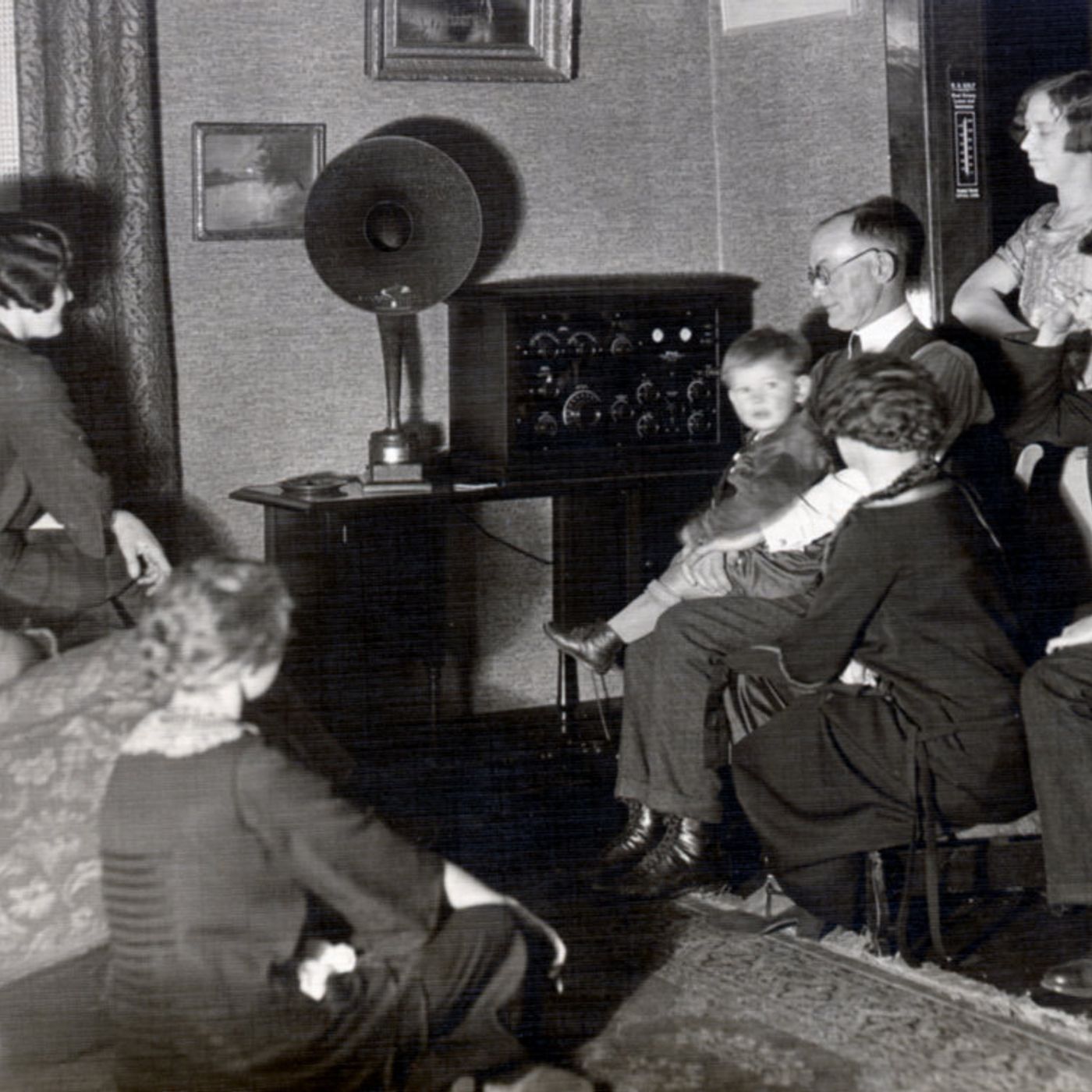
- Description: Radio shows from the Golden Age of Radio. The time before television and the family all sat around the radio and listened to the shows of the time like The Shadow, Abbott & Costello, Amos & Andy, Dragnet, and many more.
Introduction
In this episode of "Harold's Old Time Radio," the host delves into a fascinating historical anecdote inspired by Ripley's Believe It or Not. The segment titled "How Many Happy Days" explores the paradoxical life of Caliph Abdurahman III, a ruler whose immense power and wealth seemingly contrasted sharply with his personal sense of happiness.
The Curious Case of Caliph Abdurahman III
The episode opens with an intriguing statement that sets the tone for the story: "Truth is stranger than fiction. And this is the proof." (00:00). The host introduces Caliph Abdurahman III, a prominent figure who reigned over the most powerful empire in the world for an impressive 49 years. Notably, he had an annual income of $336 million and maintained a harem of 6,321 wives, renowned as the most beautiful women in his empire.
Despite these opulent circumstances, Caliph Abdurahman III harbored a profound sense of dissatisfaction. This dichotomy between external success and internal happiness forms the crux of the episode's narrative.
Key Facts and Highlights
-
Historical Context: Caliph Abdurahman III's reign is highlighted as a period of remarkable prosperity and magnificence. His leadership lasted nearly half a century, underscored by both economic wealth and personal grandeur.
-
Contrasting Happiness: Despite his status and the luxuries that accompanied his position, Caliph Abdurahman III conducted a personal tally of his happiness. In his will, he revealed that throughout his long and glorious reign, he had only experienced 141 days of complete happiness. (00:00)
-
Symbolic Gesture: The host draws a parallel between another historical fact—the first Air Express Delivery made 955 years ago by Caliph Aziz of Cairo, who sent cherries to Baalbek via 600 pigeons. This anecdote serves to illustrate the lengths to which rulers went to showcase their power and reach during that era. (00:00)
Notable Quotes
Insights and Reflections
The episode serves as a poignant reminder that external success and material wealth do not necessarily equate to personal fulfillment or happiness. Caliph Abdurahman III's life exemplifies this age-old paradox, prompting listeners to reflect on their own perceptions of happiness and success.
By juxtaposing the grandiosity of historical empires with the intimate account of a ruler's emotional state, the host invites the audience to consider the true sources of contentment and the often overlooked personal struggles that may lie beneath the surface of apparent prosperity.
Conclusion
"Ripley's Believe It Or Not - 1 Minute Episodes xx-xx-xx (213) How Many Happy Days" offers a captivating glimpse into the life of a historical figure whose legacy is marked not just by power and wealth, but also by a profound lack of happiness. Through compelling storytelling and thought-provoking anecdotes, the episode underscores the timeless lesson that genuine happiness is an internal state, not solely determined by external circumstances.
This detailed summary encapsulates the key elements of the podcast episode, providing a comprehensive overview for those who have not had the chance to listen. By highlighting significant points, notable quotes, and the underlying message, the summary ensures a clear understanding of the episode's content and its broader implications.