Podcast Summary: Ripley's Believe It Or Not - 1 Minute Episodes xx-xx-xx (244) The Word Restaurant
Podcast Information:
- Title: Harold's Old Time Radio
- Host/Author: Harold's Old Time Radio
- Episode Title: Ripley's Believe It Or Not - 1 Minute Episodes xx-xx-xx (244) The Word Restaurant
- Release Date: July 23, 2025
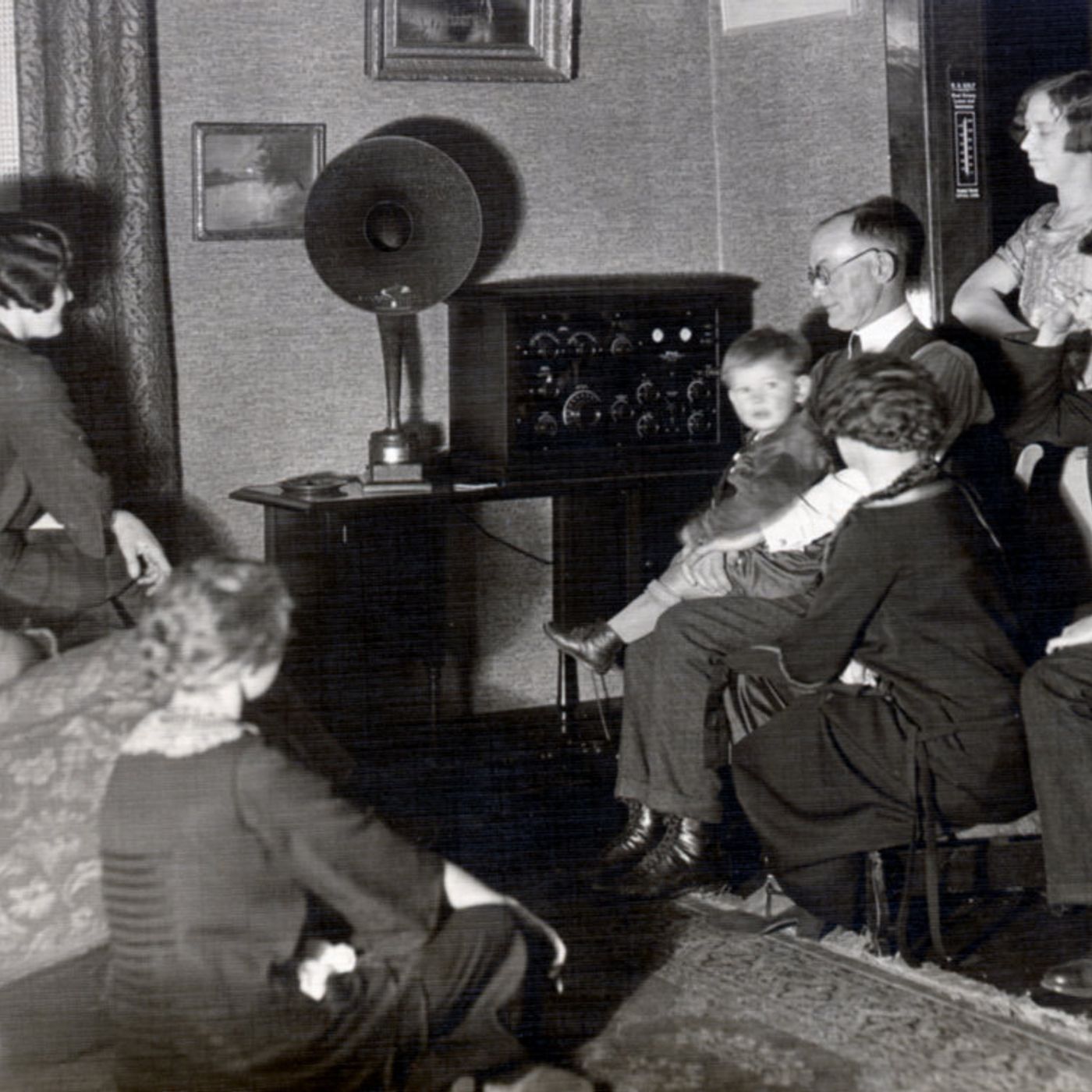
- Description: Relive the golden era of radio with Harold's Old Time Radio, featuring timeless radio shows from the era before television captivated audiences. Join the family around the radio to enjoy classics like The Shadow, Abbott & Costello, Amos & Andy, Dragnet, and many more.
Introduction
In episode 244 of the Harold's Old Time Radio series titled "Ripley's Believe It Or Not - 1 Minute Episodes xx-xx-xx (244) The Word Restaurant," listeners are treated to a fascinating blend of historical anecdotes and linguistic evolution. This episode delves into the extravagant gluttony of a Roman emperor and the intriguing origin of the modern term "restaurant."
The Gluttony of Emperor Vitellius
The episode opens with a compelling assertion: "Truth is stranger than fiction, and this is the proof." (00:00). The host introduces Emperor Vitellius, labeling him as "the greatest glutton in all history." Vitellius's insatiable appetite is highlighted by the astonishing claim that he spent more than $375,000 a day on food alone (00:00). Such an extravagant expenditure underscores the emperor's opulent lifestyle and sets the stage for a deeper exploration of historical excesses.
However, the narrative takes a dark turn with the revelation that despite Vitellius's voracious spending on food, he starved his own mother to death (00:00). This paradoxical behavior not only paints a picture of his personal immorality but also serves as a stark illustration of how wealth and excess can corrupt, aligning with Ripley's uncanny penchant for showcasing the bizarre and contradictory aspects of human history.
The Origin of the Word "Restaurant"
Transitioning from imperial gluttony, the episode delves into the etymology of the word "restaurant." The host explains that until 1776, eating establishments were invariably tied to hotels or inns, lacking a distinct identity as standalone dining venues. This changed with the advent of Chef Boulanger, who is credited with pioneering the first public dining place in Paris (00:00).
A pivotal moment in this narrative is Boulanger's innovative marketing strategy. He placed a sign in front of his establishment featuring an adaptation of a famous quotation from St. Matthew: "Come unto me all ye that are hungry, and I shall restore you" (00:00). This clever play on religious text not only attracted customers but also coined the term "restaurant" from the French word "restaura," meaning to restore or refresh. Thus, Boulanger's establishment was aptly named "restaurant," a term that has since become universally adopted in various languages around the world (00:00).
Notable Quotes
Several memorable quotes punctuate the episode, enhancing its engagement:
-
Host: "Truth is stranger than fiction, and this is the proof." (00:00)
This opening line sets the tone for the episode, emphasizing the unbelievable yet factual nature of the stories to follow.
-
Host: "Come unto me all ye that are hungry, and I shall restore you." (00:00)
This adapted quotation not only serves as a historical fact but also as a linguistic milestone in the creation of the word "restaurant."
Insights and Conclusions
This episode of Harold's Old Time Radio successfully intertwines two seemingly disparate narratives—the excessive indulgence of a Roman emperor and the humble beginnings of a term ubiquitous in today's culinary landscape. Through vivid storytelling and precise historical references, the host underscores Ripley's belief that reality often surpasses fiction in its peculiarity and depth.
The juxtaposition of Vitellius's personal excess with the communal and restorative essence of the first restaurant highlights the diverse ways in which human behavior and societal developments can be both astonishing and enlightening. Moreover, the linguistic journey from "restaura" to "restaurant" exemplifies how cultural innovations can lead to lasting global impacts.
Final Thoughts
For listeners who have yet to tune into this episode, "Ripley's Believe It Or Not - 1 Minute Episodes xx-xx-xx (244) The Word Restaurant" offers a concise yet rich exploration of history and language. By focusing on intriguing facts and presenting them in an engaging manner, Harold's Old Time Radio continues to entertain and educate its audience, keeping the spirit of old-time radio alive and relevant in modern times.