Podcast
Healthy Teens
Hosted by Canadian Paediatric Society · EN
Hosted by adolescent medicine specialist Dr. Nicholas Chadi, Healthy Teens is a collection of smart conversations on issues affecting youth health and well-being. A podcast from the Canadian Paediatric Society.
4episodes
Episodes
Newest firstAll episodes
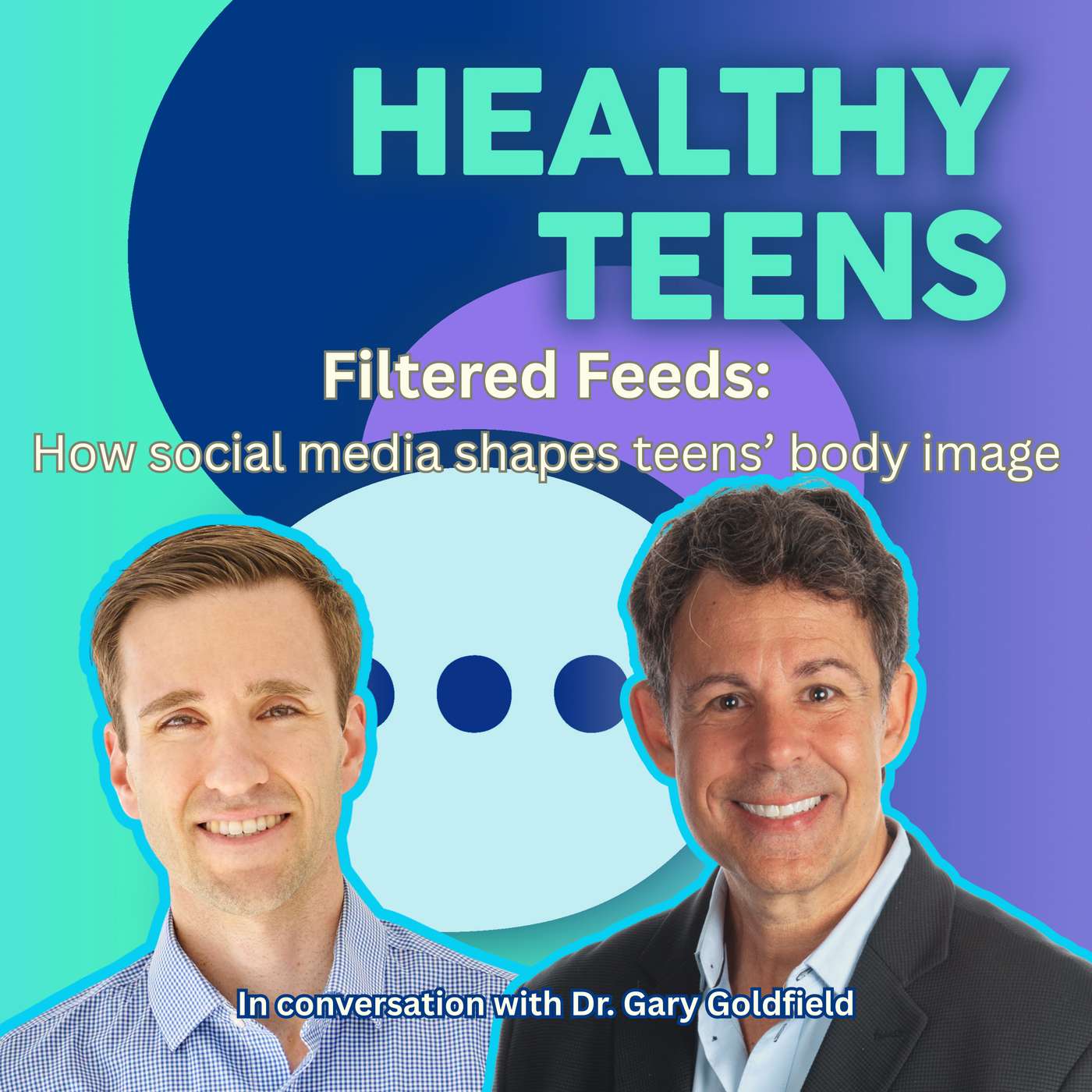
Filtered Feeds: How social media shapes teens' body image
Jun 1100:21:30Tap to summarizeEpisode Summary: Host Dr. Nicholas Chadi speaks with Dr. Gary Goldfield about social media and how it impacts teen body image and mental health. Practical tips for identifying red flags and finding healthy alternatives are discussed. People:Dr. Nicholas Chadi—host and paediatrician specialized in adolescent medicineDr. Gary Goldfield—Senior Scientist at the CHEO Research Institute and a Professor of paediatrics at the University of Ottawa. His research focuses on how physical activity, screen time, and lifestyle factors affect eating behaviors, weight, and mental health in children and youth.Key Takeaways:Heavy use of social media (more than more than 2 hours per day) is linked with lower body image and self esteemYounger teens and girls are disproportionately affected by the harms associated with social mediaParents can engage their teen to understand what needs social media is meeting for them and discuss healthy non-screen alternativesThis is the final episode in a three-part series on screen use in teens. Links to the earlier episodes on cyberbullying and screen use and mental health can be found below· From Schoolyard to Screen: Bullying in a digital world· The Bottomless Scroll: Screen use and teen mental healthAdditional Resources:Canadian Pediatric Society’s Center for Healthy Screen Use: healthyscreenuse.cps.caFrom Dr. Goldfield and the CHEO Research Institute: Cutting social media back to one hour a day boosts mental health and sleep in youth Healthy Teens is brought to you by the Canadian Paediatric Society. Send comments or episode ideas to info@cps.ca with the subject line "Healthy Teens."
Transcribe →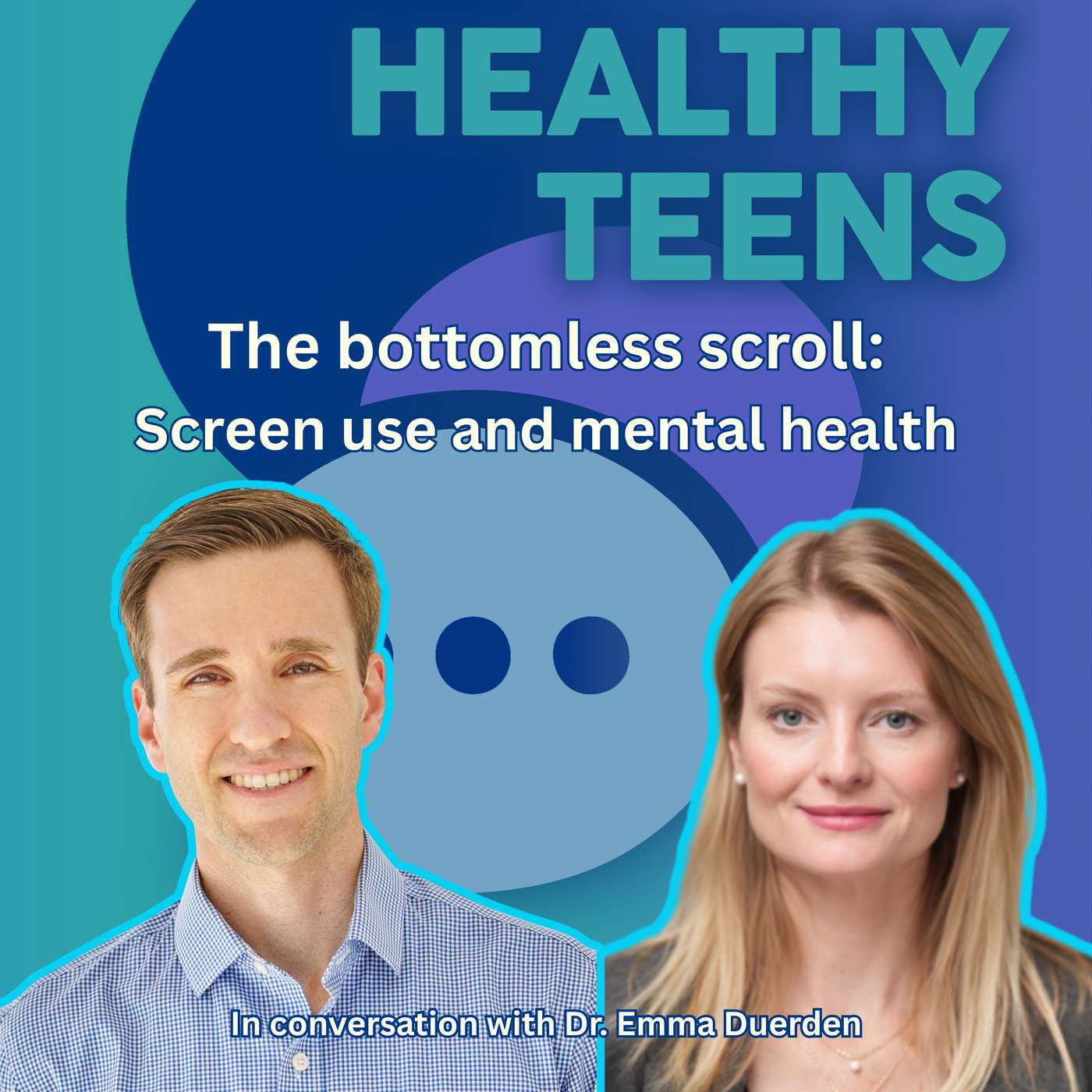
The Bottomless Scroll: Screen use and teen mental health
Feb 1900:29:10Tap to summarizeEpisode Summary:Host Dr. Nicholas Chadi speaks with Dr. Emma Duerden about whether increased teen screen time is connected to rising anxiety and depression. Practical tips for identifying problematic use and managing screen use as a family are covered.People:Dr. Nicholas Chadi—host and paediatrician specialized in adolescent medicineDr. Emma Duerden—Canada Research Chair in Neuroscience and Learning Disorders at Western UniversityKey Takeaways:Excessive screen use (more than 2-3 hours per day) is a risk factor for anxiety and depression in teensInterrupted sleep and daily activities, and behavioural changes like increased irritability, aggression are red flags for problematic screen useThe issues around screen use and social media are beyond individual or family fixes. Increased digital literacy in schools, public health awareness and legislation, and safer products are all key to making screen use safer for kids and teens..Additional Resources:Canadian Pediatric Society’s Center for Healthy Screen Use: healthyscreenuse.cps.caSafer Online Spaces: An advocacy movement to make the Internet safer for kidsThe Developing Brain Lab (Western University)Blog post: Navigating tech with toddlers, kids, and teensFrom Schoolyard to Screen: Bullying in a digital world
Transcribe →From schoolyard to screen: Bullying in a digital world
Dec 1700:30:35Tap to summarizeEpisode Summary: This episode explores the complex issue of cyberbullying among teens, covering its prevalence, impact, and unique challenges. Expert guest Dr. Tracy Vaillancourt provides practical advice for parents, educators, and peers. People:Dr. Nicholas Chadi—host and paediatrician specialized in adolescent medicineDr. Tracy Vaillancourt—Canada Research Chair in Youth Mental Health and Violence Prevention at the University of OttawaKey Takeaways:Bullying, including cyberbullying, has serious and lasting effects on youth.Creating a supportive environment at home and maintaining open conversations about bullying are key.Peers and bystanders play a powerful role in either reinforcing or reducing bullying.Adults—parents, teachers, coaches—can make a difference by being proactive, supportive, and open-minded.Resources Mentioned:Canadian Pediatric Society’s Center for Healthy Screen Use: healthyscreenuse.cps.ca
Transcribe →Eco-anxiety: Finding meaning and connection in a changing climate
Nov 1900:36:26Tap to summarizeSummary: In this episode of Healthy Teens, host Dr. Nicholas Chadi explores the growing phenomenon of eco-anxiety among teens and young adults. With the impacts of climate change becoming more immediate and severe, many young people in Canada are experiencing anxiety, sadness, and even despair about the future. Dr. Chadi is joined by two expert guests to discuss what eco-anxiety is, how it affects youth, and practical ways families and communities can support young people in turning anxiety into action.Guests:Dr. Robert Selles – Registered clinical psychologist and author of Anxiety Canada’s resources on eco-anxiety.Dr. Anna Gunz – Paediatric intensive care physician and founding medical director of Ontario’s Children’s Environmental Health Clinic.Takeaway Messages:Eco-anxiety is a valid and reasonable response to real environmental threats.Small actions and community connections can help mitigate anxiety with hope and purpose.Parents and caregivers can support teens by validating their feelings and exploring solutions together.Every small step counts—no one can be perfect or do everything at once.Resources mentioned:Anxiety Canada's resources for eco-anxiety: https://www.anxietycanada.com/resources-for-eco-anxiety/Land Based Healing | Nature for Healing: https://www.lhsc.on.ca/chehc/land-based-healing-nature-for-healing
Transcribe →