
Podcast
How I Doctor with Dr. Graham Walker
Hosted by Offcall · EN
I built MDCalc 20 years ago because I wanted to save myself and other doctors time and make it easy for them to integrate more evidence into their medical care. Now I’ve launched Offcall to tackle something even bigger: giving doctors back our autonomy — through salary and workload transparency. These ideas shouldn’t be radical…but here we are. I still practice emergency medicine, but I’ve spent my career breaking out of the cookie cutter version of “what a doctor looks like” or “what a doctor’s supposed to do.” That’s why I started How I Doctor: a podcast about the most creative and influential physicians and how they’re rewriting the job description. Medicine wasn’t built for creativity. But I think that’s exactly what it needs. If you’re looking for new role models, different stories, or just proof that fulfillment is still possible in this era of medicine — this show’s for you. Welcome to “How I Doctor,” where we’re bringing joy back to medicine.
If you enjoy the show, please hit the follow button! That will help us continue to bring you more great episodes every week. And don’t forget to sign up for Offcall. Join the growing movement!
Offcall: https://www.offcall.com/
LI: https://www.linkedin.com/company/joinoffcall
TikTok: https://www.tiktok.com/@offcalldotcom
IG: https://www.instagram.com/offcalldotcom/
33episodes
Episodes
Newest firstAll episodes
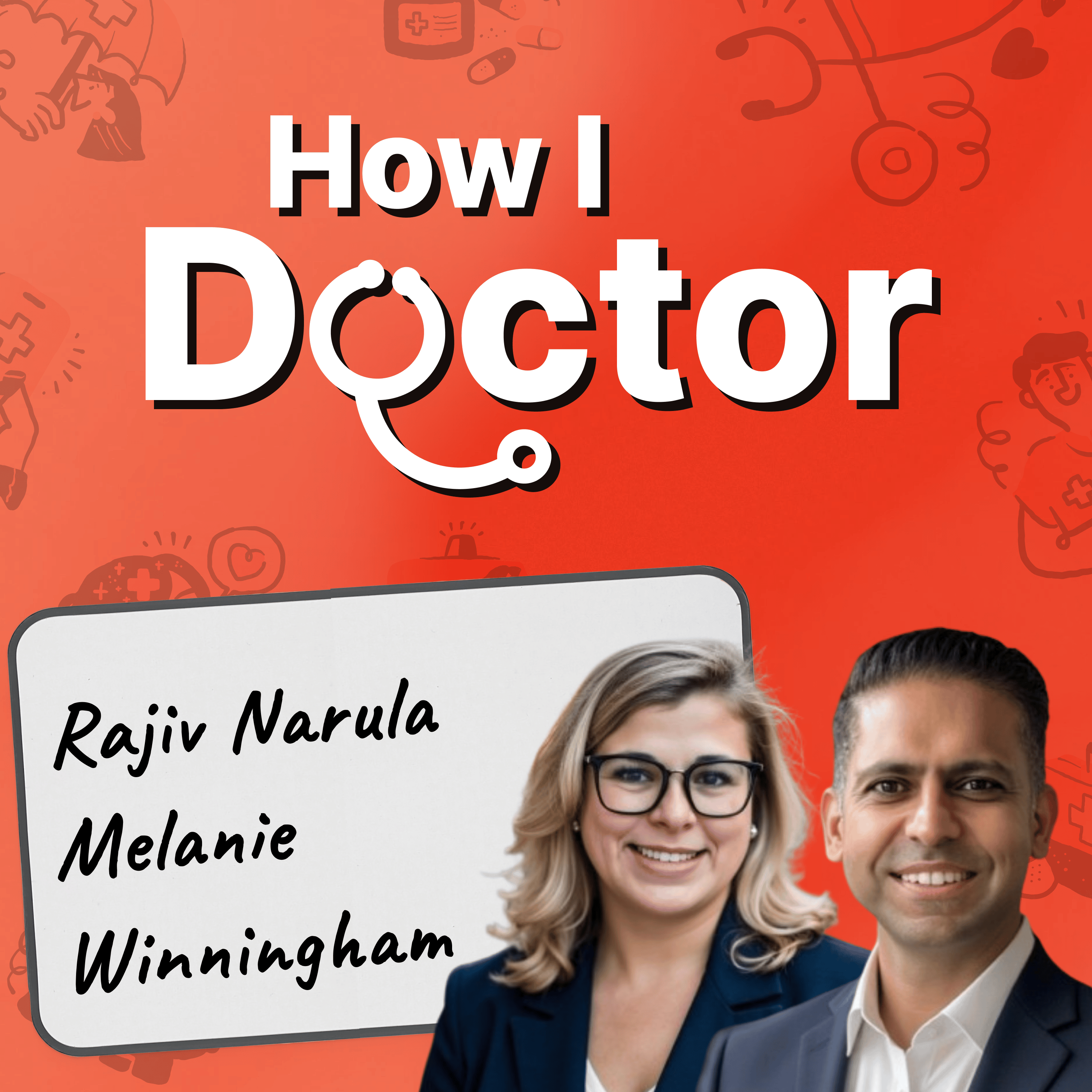
Virtual Neurology at Scale: Raj Narula and Melanie Winningham on How Sevaro Is Transforming Rural Stroke Care
Mar 2600:37:37Tap to summarizeDr. Raj Narula is a vascular neurologist who walked away from a neurointerventional radiology fellowship to build something that could reach thousands of patients instead of one at a time. Dr. Melanie Winningham is a vascular neurologist, medical director of a comprehensive stroke center in Virginia, and VP of Clinical Strategy at Sevaro- someone who has lived the neurology access gap from both sides of it.In this episode of How I Doctor, Dr. Graham Walker sits down with Raj and Melanie to explore one of the most urgent and most invisible crises in American healthcare. What happens when a stroke patient lands in a rural ER at 2 AM and the nearest neurologist is a hundred miles away? For too long, geography has been the single biggest predictor of whether that patient walks out of the hospital. Sevaro was built to change that. This episode gets into what telestroke actually looks like when it's done right. They explain how Sevaro's AI-enabled platform — built by neurologists, for neurologists — puts a board-certified specialist on screen in 45 seconds, eliminates the call center entirely, and follows patients from the acute encounter all the way through rehab and outpatient care.This isn't a pitch for virtual care. It's a clinician's diagnosis of a workforce crisis that isn't getting better and a concrete look at what it takes to build technology that works the way physicians actually practice.If stroke outcomes are going to improve in rural America, it won't be through more neurologists. It will be through smarter infrastructure that makes the ones we have go further.What You'll LearnWhy geography remains the single biggest predictor of stroke outcomes and what it actually takes to close that gap at scale.How Sevaro eliminated the call center entirely and why that single design decision changes everything about the speed and quality of a telestroke consult.What AI is doing inside an acute stroke encounter and where Raj and Melanie draw a hard line between decision support and decision making.Why the neurology workforce crisis is structural and worsening, and how virtual neurology is reshaping who enters the field and why.How keeping patients in their own communities creates a trust loop that improves outcomes over time.Why state licensing requirements are the single regulatory change that would do the most to expand virtual specialty access in rural America.🩺 Offcall is more than a platform — it’s a community. Join today!📝 For a full transcript of this episode click HERE🎧 Subscribe to receive new How I Doctor episodes directly in your feed here: https://episodes.fm/1767429315👨⚕️Follow Dr. Graham Walker onLinkedIn https://www.linkedin.com/in/graham-walker-md/ IG https://www.instagram.com/ubergraham/ Bluesky https://bsky.app/profile/drgrahamwalker.com ✉️ Join our newsletter On/Offcall here https://offcall.beehiiv.com/subscribe 🟧 Follow Offcall on LinkedIn https://www.linkedin.com/company/joinoffcall/ IG https://www.instagram.com/offcalldotcom/ TikTok https://www.tiktok.com/@offcalldotcom
Transcribe →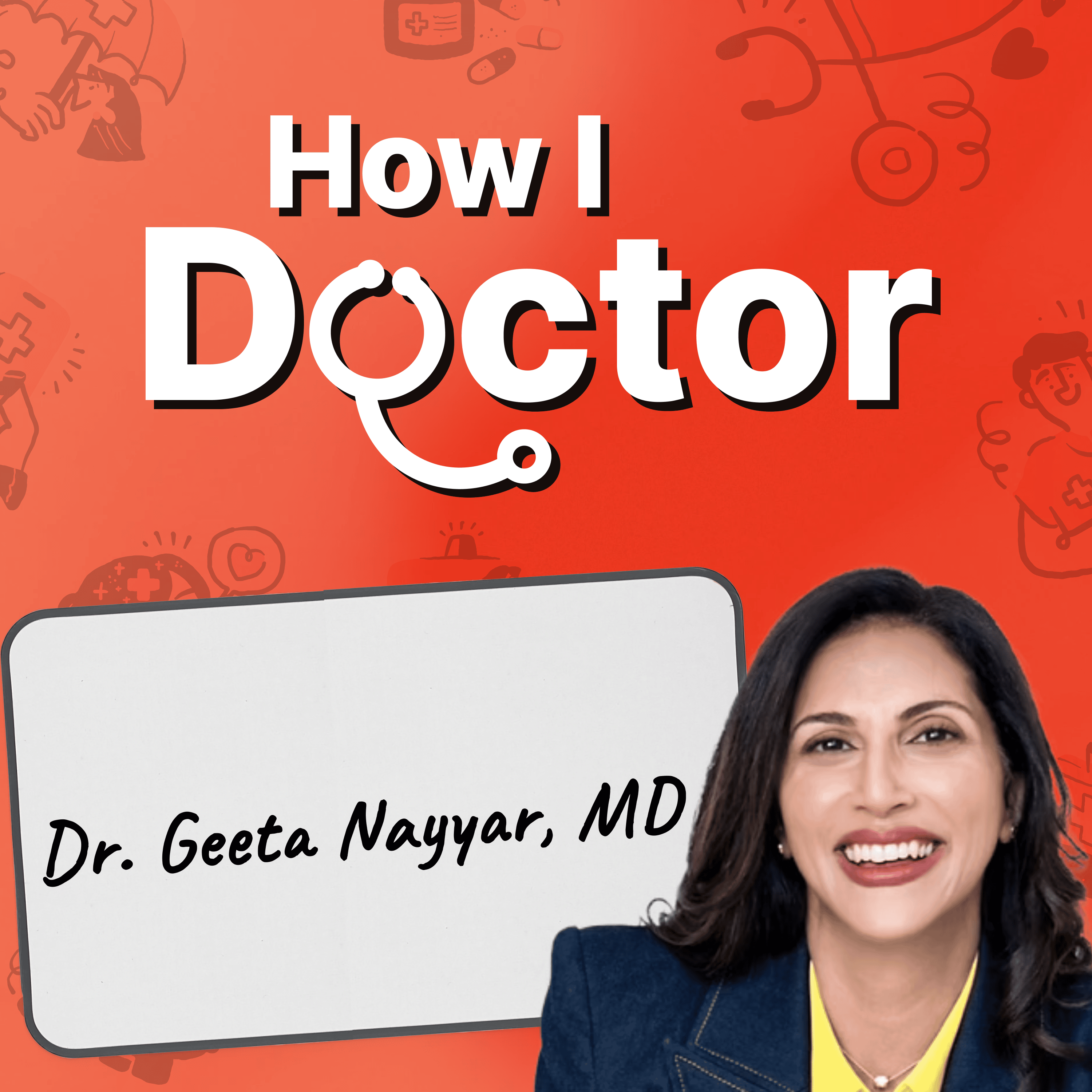
How Medical Misinformation Took Over — and What Doctors Can Do to Take It Back w/ Dr. Geeta Nayyar
Mar 1900:33:03Tap to summarizeMedical misinformation isn't a new problem. But somewhere along the way, it stopped being background noise and became the loudest voice in the room.In this episode of How I Doctor, Offcall co-founder Dr. Graham Walker sits down with Dr. Geeta Nayyar a rheumatologist, former Chief Medical Officer at both Salesforce and AT&T, and bestselling author of Dead Wrong. Together they diagnose how medical misinformation went from the fringes of the bell curve to the halls of power, and what physicians can actually do about it.Geeta doesn't come to this conversation as a distant observer. She's spent her career at the intersection of clinical medicine and health tech, advising organizations from the AMA to Fortune 500 companies on how to navigate a healthcare information landscape that has fundamentally broken down.Her perspective is grounded in something personal too. She saved her own mother's life during fellowship by doing what the system failed to do: gathering all the data, laying it out on the floor, and refusing to accept a diagnosis that didn't add up. That experience drove her into rheumatology and eventually into health tech, motivated by a simple question she still hasn't stopped asking: what does the average patient do when they don't have a doctor in the family?That question has never been more urgent. When patients can't get an appointment for six to nine months, they don't wait. They go to TikTok. They follow influencers who are confident, simple, and wrong. And while wellness gurus monetize confusion, hospitals are still telling their physicians they can't mention their institution on social media. Medicine left a vacuum, and the wrong people filled it.This episode is a call to action for every physician who has watched that happen and felt powerless to stop it. Graham and Dr. G make the case that physicians aren't just allowed to take the microphone. They are obligated to! And that the hospitals and health systems who figure that out first won't just be doing the right thing. They'll be winning.What You'll LearnWhy medical misinformation has moved from the fringes to the mainstream and what changed to make it this dangerousHow hospitals' culture of social media silence created the exact vacuum that wellness influencers now ownWhat the business case for physician content actually looks like and why Cleveland Clinic and Kaiser figured it out before everyone elseWhy confidence is not accuracy, and how to help patients tell the differenceThe practical playbook for physicians who want to build a public presence with their hospital's support, not in spite of itResources & Where to Find Dr. Geeta NayyarWebsiteDead WrongLinkedInInstagram
Transcribe →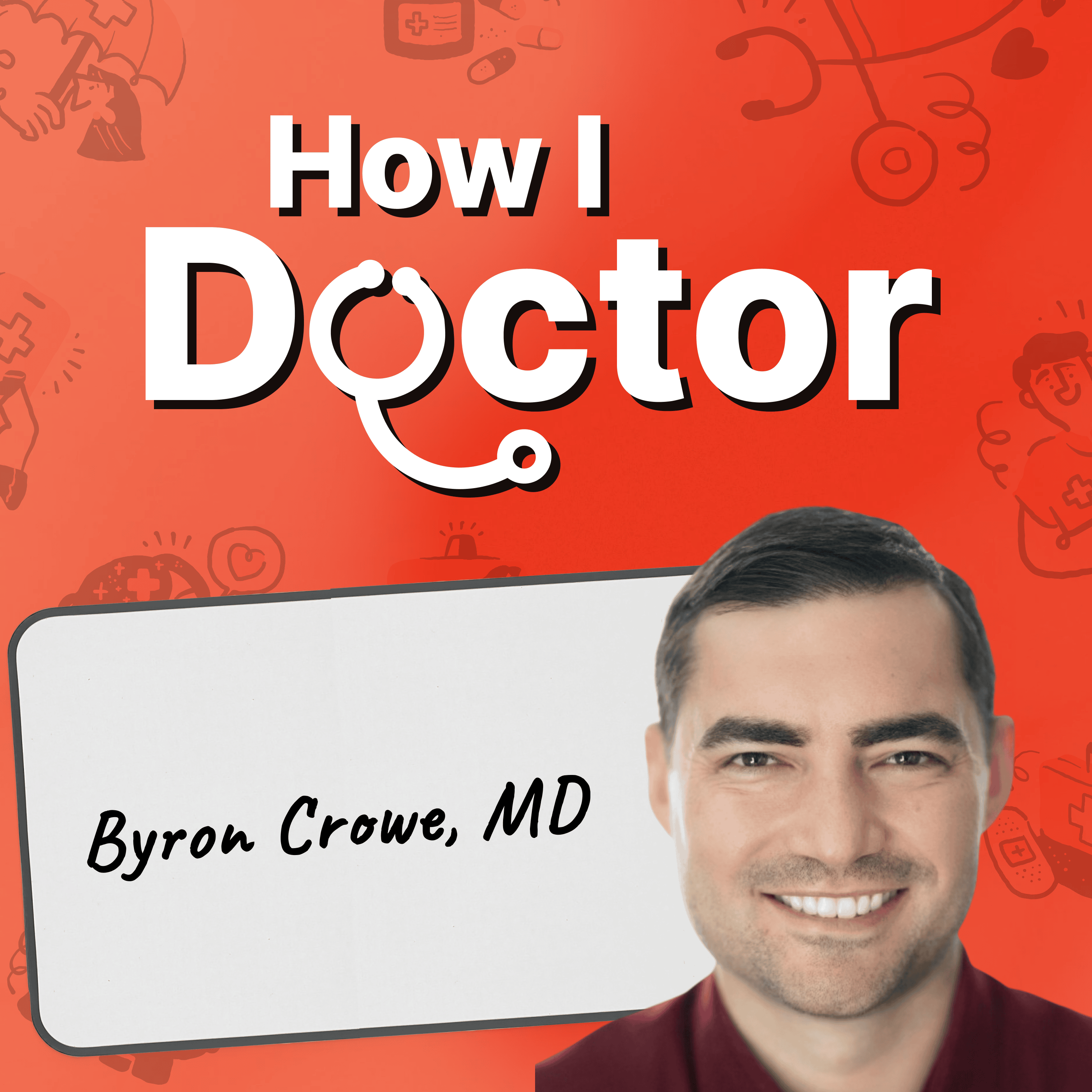
Inside the First Autonomous AI Prescription Program in America w/ Doctronic CMO Dr. Byron Crowe
Mar 1200:36:46Tap to summarizeMost physicians see AI as something happening to medicine. Dr. Byron Crowe is one of the few who decided to make it happen himself.In this episode of How I Doctor, Offcall co-founder Dr. Graham Walker sits down with Dr. Byron Crowe — internal medicine physician, former Harvard Medical School faculty, and Chief Medical Officer of Doctronic — to discuss the most provocative development in healthcare AI yet: the nation's first state-approved program allowing AI to autonomously renew prescriptions, currently live in Utah.This episode doesn't traffic in hypotheticals. The program is running right now. And the questions it raises are ones every physician is going to have to answer eventually — whether they're ready or not. Who's responsible when AI gets a prescription wrong? Is the current system it's replacing actually any better? And if AI can handle the routine work, what does that mean for the physicians who've been doing it? Byron has thought harder about these questions than almost anyone in medicine. He's the first author on the Society for General Internal Medicine's position statement on generative AI. He's published peer-reviewed research in JAMA on AI's diagnostic capabilities. And now he's running clinical strategy for a company that calls itself your personal AI doctor — and means it.Byron doesn't come to this conversation to sell the technology. He comes to make the case that the status quo — millions of prescription refills processed via portal clicks with minimal physician review — is already broken, and that AI done right, with graduated autonomy, genuine accountability, and clinicians at the center, is an improvement worth taking seriously. It's a conversation that will challenge what you think you know about where medicine is headed and who gets to decide.What You'll LearnWhat "AI-native care" actually means and why Byron argues it's a fundamentally new care model — not just a faster version of telehealthHow Doctronic's graduated autonomy model works in Utah, from full physician review of every refill to eventual full autonomy with retrospective oversightWhy Byron believes not a single doctor will lose their job to AI — and what "doctor reassignment" actually looks like in practiceWhat "careworthiness" means as a moral standard, and why Byron thinks it matters more than any technical benchmarkWhy most health AI companies make the same fatal mistake when entering clinical medicine — and how Doctronic is trying to avoid itWhere Byron draws the hard line on AI autonomy — and the one place he says AI should never act aloneResources & Where to Find ByronByron's LinkedInByron's Substack: Always On CallDoctronic🩺 Offcall is more than a platform — it’s a community. Join today!📝 For a full transcript of this episode click HERE🎧 Subscribe to receive new How I Doctor episodes directly in your feed here: https://episodes.fm/1767429315👨⚕️Follow Dr. Graham Walker onLinkedIn https://www.linkedin.com/in/graham-walker-md/IG https://www.instagram.com/ubergraham/Bluesky https://bsky.app/profile/drgrahamwalker.com✉️ Join our newsletter On/Offcall here https://offcall.beehiiv.com/subscribe🟧 Follow Offcall onLinkedIn https://www.linkedin.com/company/joinoffcall/IG https://www.instagram.com/offcalldotcom/TikTok https://www.tiktok.com/@offcalldotcom
Transcribe →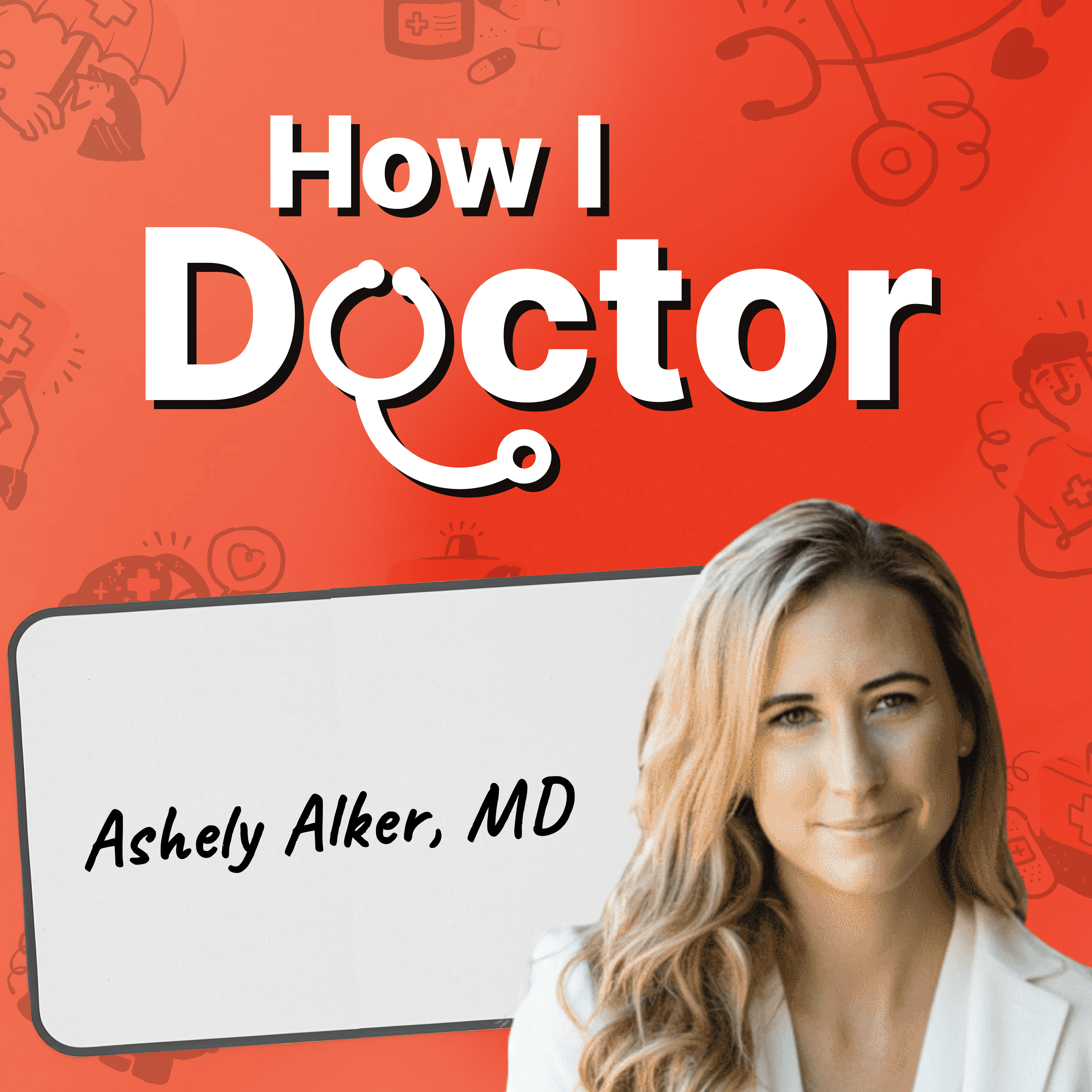
99 Ways to Avoid Death: Lessons from Author and ER Physician Dr. Ashely Alker
Mar 500:32:59Tap to summarizeMost people spend their entire lives trying not to think about death. Emergency physicians don't have that option.In this episode of How I Doctor, Offcall co-founder Dr. Graham Walker sits down with Dr. Ashely Alker an emergency physician, founder of Meaningful Media, and author of 99 Ways to Die and How to Avoid Them.This episode goes somewhere most medical conversations don't. And that's the point.Because death isn't an abstract concept in the emergency department. It's the patient who never documented their wishes and ended up on a ventilator they never wanted. It's the 19-year-old with undiagnosed Marfan syndrome you catch while suturing a hand. It's the lost patients you carry with you forever.Ashely has been thinking about death since her twenties, when she lost her mother and became the de facto medical translator for a family with no one else to turn to. That personal history, combined with years on the front lines of emergency medicine, is what eventually became a book she wrote for the patients who need it most.This episode is an honest conversation about what emergency medicine teaches you about dying and how that changes the way you live.What You'll LearnWhy ER physicians remember their lost patients more vividly than their greatest saves — and what that means for how we process the emotional weight of the workHow Ashlely thinks about the gap between helping people live longer versus helping them live better, and why the ER is the hardest place to close itWhy storytelling is a clinical skill, and how physicians who don't engage with public communication cede the conversation to people with no trainingWhat writing a book about death taught Ashely about being a better doctor and a more intentional human beingResources & Where to Find Ashely99 Ways to Die and How to Avoid Them — available at Amazon, Barnes & Noble, and independent bookstores everywhereAshely's WebsiteInstagramLinkedIn🩺 Offcall is more than a platform — it’s a community. Join today!📝 For a full transcript of this episode click HERE🎧 Subscribe to receive new How I Doctor episodes directly in your feed here: https://episodes.fm/1767429315👨⚕️Follow Dr. Graham Walker onLinkedIn https://www.linkedin.com/in/graham-walker-md/IG https://www.instagram.com/ubergraham/Bluesky https://bsky.app/profile/drgrahamwalker.com✉️ Join our newsletter On/Offcall here https://offcall.beehiiv.com/subscribe🟧 Follow Offcall onLinkedIn https://www.linkedin.com/company/joinoffcall/IG https://www.instagram.com/offcalldotcom/TikTok https://www.tiktok.com/@offcalldotcom
Transcribe →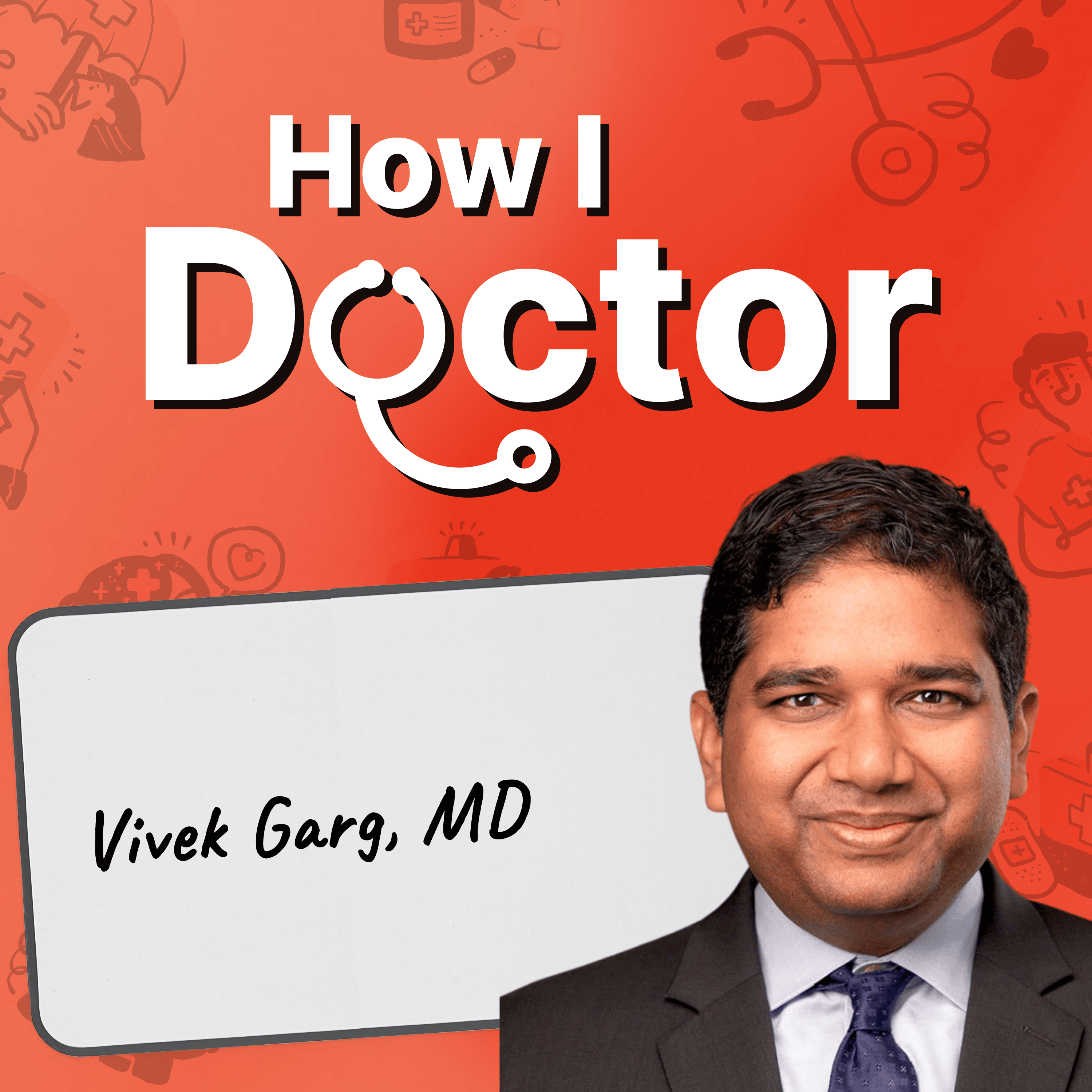
What Will It Take to Actually Build a Quality Healthcare System? NCQA's New CEO Dr. Vivek Garg Has a Plan
Feb 2600:35:12Tap to summarizeEvery quality metric shaping your career, your bonus, and your reputation traces back to one nonprofit most physicians have never thought twice about.In this episode of How I Doctor, Offcall co-founder Dr. Graham Walker sits down with Dr. Vivek Garg, the new President and CEO of NCQA - the National Committee for Quality Assurance - and only the second leader in the organization's 36-year history. This episode is unabashedly nerdy. And that's the point.Because the measures you're chasing, the scores you're being judged on, and the bonuses tied to your performance don't come from nowhere. They come from a deliberate two-year long process of evidence review, statistical validation, and independent clinical committee sign-off. It’s a process most physicians have never seen and don't know they can influence.Vivek doesn't come to this conversation to defend the status quo. He's blunt that the current system produces incomplete data, punishes independent practices for lacking the infrastructure of large health systems, and has overused financial incentives as a lever for change. He calls value-based care underappreciated and AI overhyped, and then spends the rest of the conversation explaining exactly where both could actually move the needle.This episode is an honest reckoning with whether we're measuring what actually matters and what it would take to build a system that clinicians trust and patients actually feel.What You'll LearnWhere your HEDIS scores actually come from and the two-year pipeline behind every measure that lands in your workflowWhy the data feeding your quality scores is often incomplete, lagged, and missing critical parts of your patient's clinical pictureHow Goodhart's Law plays out in real clinical practice — and why even well-designed measures can distort the behavior they're trying to assessWhy independent and small practices carry the same reporting burden as large health systems with entire quality departments
Transcribe →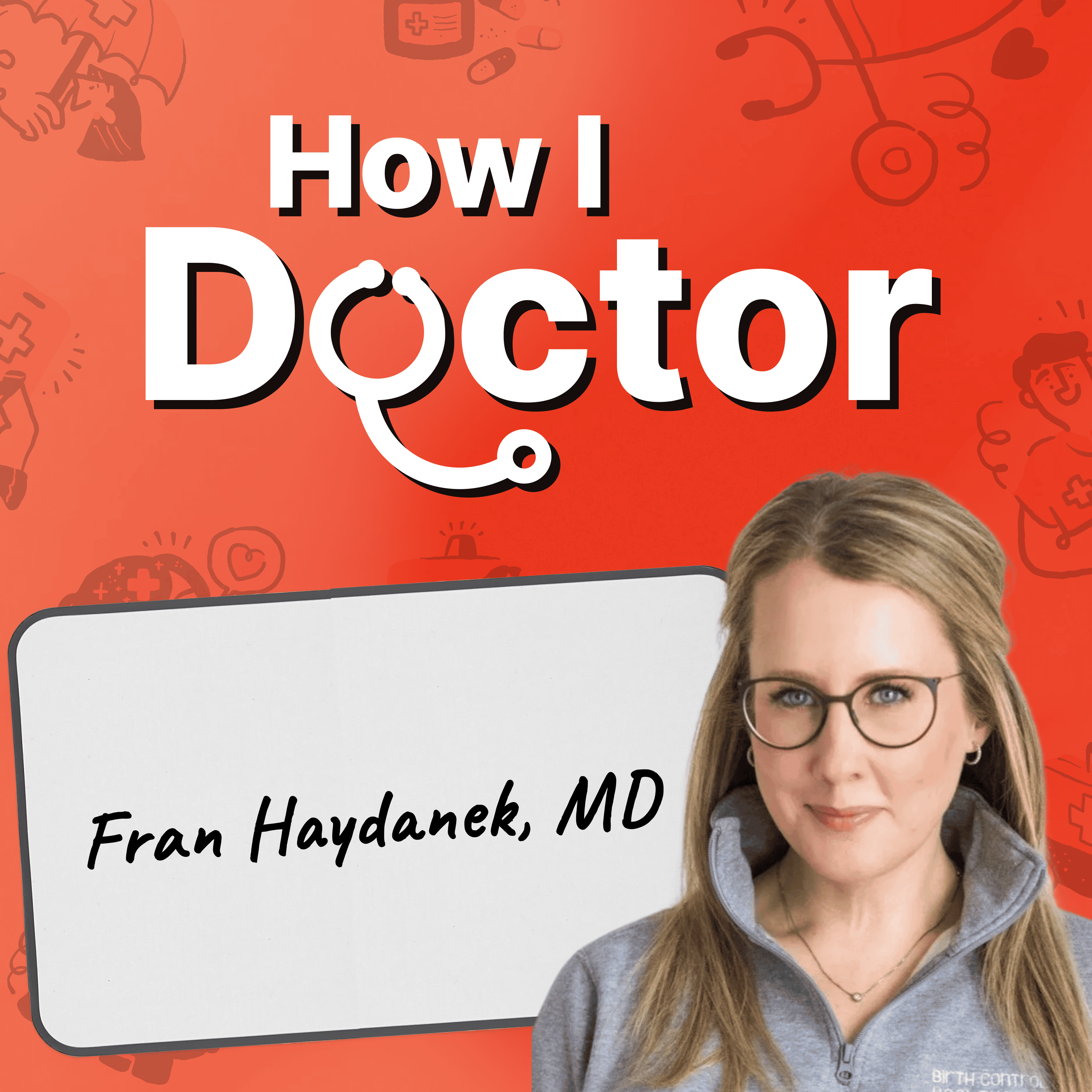
OB-GYN Influencer: How Doctors Can Find Their Social Media Voice and Fight Wellness Misinformation w/ Dr. Fran
Feb 1900:36:55Tap to summarizePhysicians are making more correcting medical misinformation online than delivering babies.In this episode of How I Doctor, Offcall co-founder Dr. Graham Walker sits down with Dr. Fran Haydanek, better known to millions as Paging Dr. Fran, for an unfiltered conversation about medicine in the algorithm era.Fran is a board-certified OB-GYN, residency faculty member, hospital medical director and a physician creator with more than one million followers across TikTok and Instagram. What began as a simple video correcting breastfeeding misinformation during maternity leave has evolved into a full-scale media operation. One that now generates more income than her clinical practice.But this episode isn’t about clicks. It’s about trust.Together, Graham and Fran examine why patients increasingly turn to influencers instead of physicians and why the medical system itself helped create that vacuum. Fran argues that physicians don’t just compete in this digital ecosystem and that they have an obligation to show up in it.This episode isn’t a defense of influencer culture.It’s a reckoning with where patients actually learn about their health and whether physicians are willing to meet them there.What You’ll LearnWhy patients are turning to TikTok for medical advice and how 15-minute visits contribute to the problemWhat it means for medicine when a practicing OB-GYN earns more correcting misinformation than delivering babiesHow religion and politics uniquely fuel misinformation in women’s healthPractical ways any physician can participate in the digital information ecosystemResources & Where to Find Dr. FranWebsite: https://www.pagingdrfran.com/TikTok: https://www.tiktok.com/@pagingdrfranInstagram: https://www.instagram.com/pagingdrfran
Transcribe →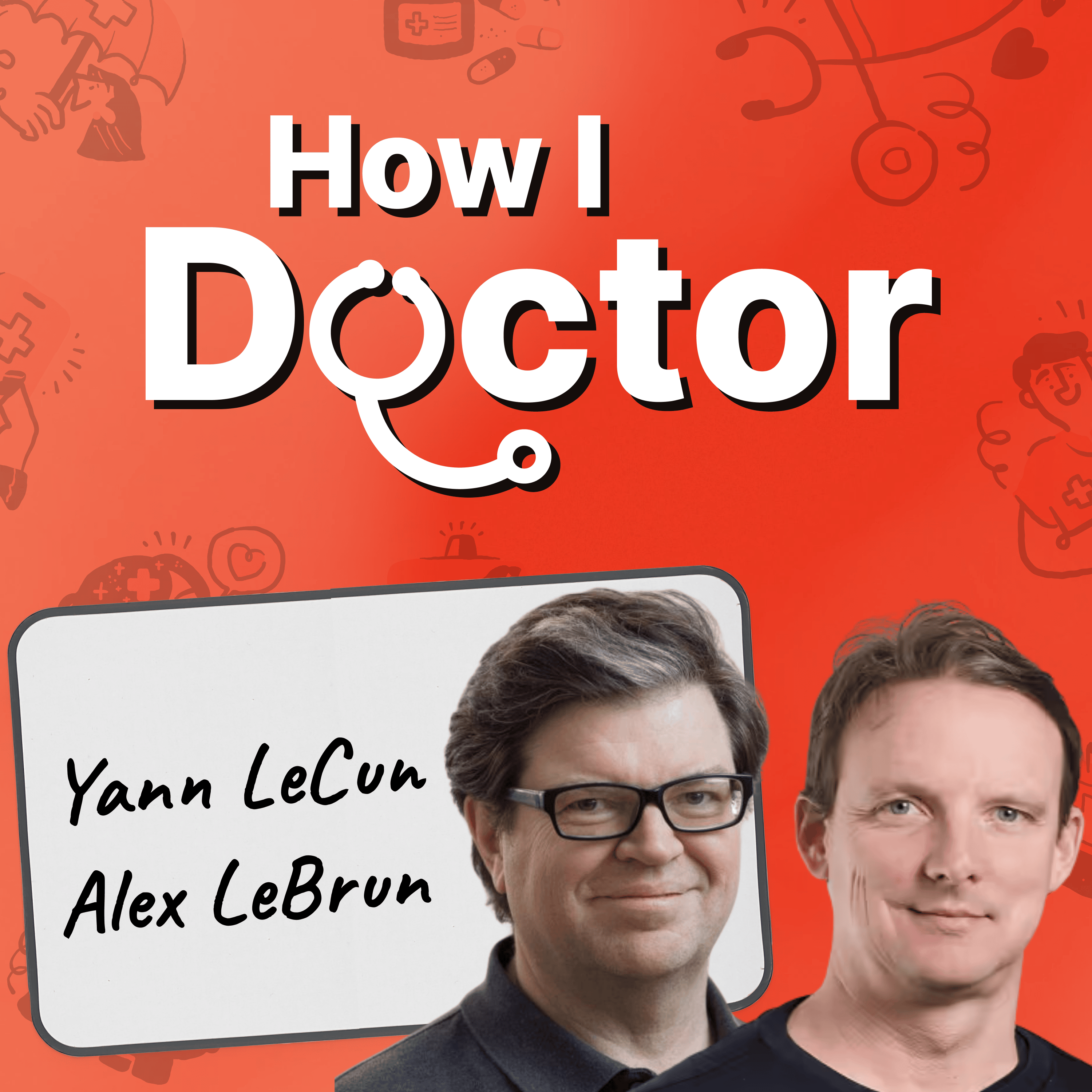
Move Over LLMS! AI Legends Yann LeCun and Alex LeBrun Debut AMI Labs' Bold Ambitions for World Models in Healthcare
Feb 1200:38:14Tap to summarizeYann LeCun is one of the most influential figures in artificial intelligence. Alex LeBrun is the founder of Nabla and newly announced CEO of AMI Labs, a new AI research company he and Yann are building around a bold idea: large language models aren’t enough for medicine.In this special episode of How I Doctor, Dr. Graham Walker sits down in-person with Alex and Yann to explore the next frontier of AI in healthcare - world models. While today’s AI systems excel at predicting the next word, Yann argues that real clinical intelligence requires something deeper: models that can imagine, simulate, and plan.From the limitations of LLMs in high-stakes environments to the concept of building a “patient model” that can predict the consequences of treatment decisions, this episode dives into what it would actually take to build AI that reasons more like a physician. They discuss why documentation was the first breakthrough use case, how 80% accuracy fails in clinical settings, and why reliability, and not hype, will determine who wins in healthcare AI.This isn’t about replacing doctors. It’s about amplifying them.If AI is going to meaningfully change medicine, it won’t be through better chatbots. It will be through systems that understand the world.Watch or Listen🎥 Watch the full video conversation now — exclusively on https://www.offcall.com/learn/podcast/ai-world-models-medicine-yann-lecun-alex-lebrun🔊 Or stream the audio version on your favorite podcast platform.What You’ll LearnHow predicting the next word isn’t the same as clinical reasoning and where LLMs fall short in medicine.What “world models” are and how they differ fundamentally from today’s large language models.Why 80% accuracy isn’t acceptable in healthcare and what reliability really means in clinical AI.Why medical coding may be one of the next frontiers for AI in clinical workflows.How AI assistants could amplify doctors the way a research lab amplifies a professor, by making clinicians smarter, not obsolete.🩺 Offcall is more than a platform — it’s a community. Join today!📝 For a full transcript of this episode click HERE🎧 Subscribe to receive new How I Doctor episodes directly in your feed here: https://episodes.fm/1767429315👨⚕️Follow Dr. Graham Walker onLinkedIn https://www.linkedin.com/in/graham-walker-md/IG https://www.instagram.com/ubergraham/Bluesky https://bsky.app/profile/drgrahamwalker.com✉️ Join our newsletter On/Offcall here https://offcall.beehiiv.com/subscribe🟧 Follow Offcall onLinkedIn https://www.linkedin.com/company/joinoffcall/IG https://www.instagram.com/offcalldotcom/TikTok https://www.tiktok.com/@offcalldotcom
Transcribe →
The Crisis in Primary Care No One Wants to Own with NEJM’s Lisa Rosenbaum, MD
Feb 500:40:48Tap to summarizePrimary care sits at the center of medicine and yet no one seems willing to truly own it.In this episode of How I Doctor, Offcall co-founder Dr. Graham Walker sits down with Lisa Rosenbaum, cardiologist and national correspondent for the New England Journal of Medicine, for a wide-ranging conversation about why primary care remains both indispensable and persistently undervalued.🎧 Before you go any further: If this conversation resonates, make sure you also listen to Lisa’s excellent NEJM podcast, Not Otherwise Specified. It’s one of the most honest, intellectually rigorous explorations of modern medicine and this past season focuses deeply on primary care.Lisa has spent the past year reporting on primary care across the country, and what she uncovers isn’t a story about technology gaps or workforce shortages. It’s a story about culture. About respect. About responsibility. Together, Graham and Lisa explore how modern incentives have quietly shifted medicine away from ownership - of patients, of decisions, and of outcomes - and why primary care has absorbed the consequences more than any other specialty.They dig into uncomfortable but essential questions:Why is the specialty that knows patients best paid and respected the least?How did “referral culture” replace continuity?And what happens to trust between doctors, and between doctors and patients when no one is clearly responsible anymore?Lisa argues that the crisis in primary care is not inevitable, and not intractable but only if medicine is willing to confront its own values.This episode isn’t about nostalgia.It’s about deciding what kind of profession medicine wants to be.What You’ll LearnWhy the crisis in primary care is fundamentally about respect and ownership, not technologyHow modern systems discourage physicians from fully “owning” their patientsThe hidden costs of referral culture and fragmented responsibilityWhy restoring autonomy may be essential to saving primary careWhat gives Lisa hope—and why cultural change is still possible in medicineResources & Where to Find LisaLisa Rosenbaum, MD – National Correspondent, New England Journal of MedicineNot Otherwise Specified (NEJM Podcast)🩺 Offcall is more than a platform — it’s a community. Join today!📝 For a full transcript of this episode click HERE🎧 Subscribe to receive new How I Doctor episodes directly in your feed here: https://episodes.fm/1767429315👨⚕️Follow Dr. Graham Walker onLinkedIn https://www.linkedin.com/in/graham-walker-md/IG https://www.instagram.com/ubergraham/Bluesky https://bsky.app/profile/drgrahamwalker.com✉️ Join our newsletter On/Offcall here https://offcall.beehiiv.com/subscribe🟧 Follow Offcall onLinkedIn https://www.linkedin.com/company/joinoffcall/IG https://www.instagram.com/offcalldotcom/TikTok https://www.tiktok.com/@offcalldotcom
Transcribe →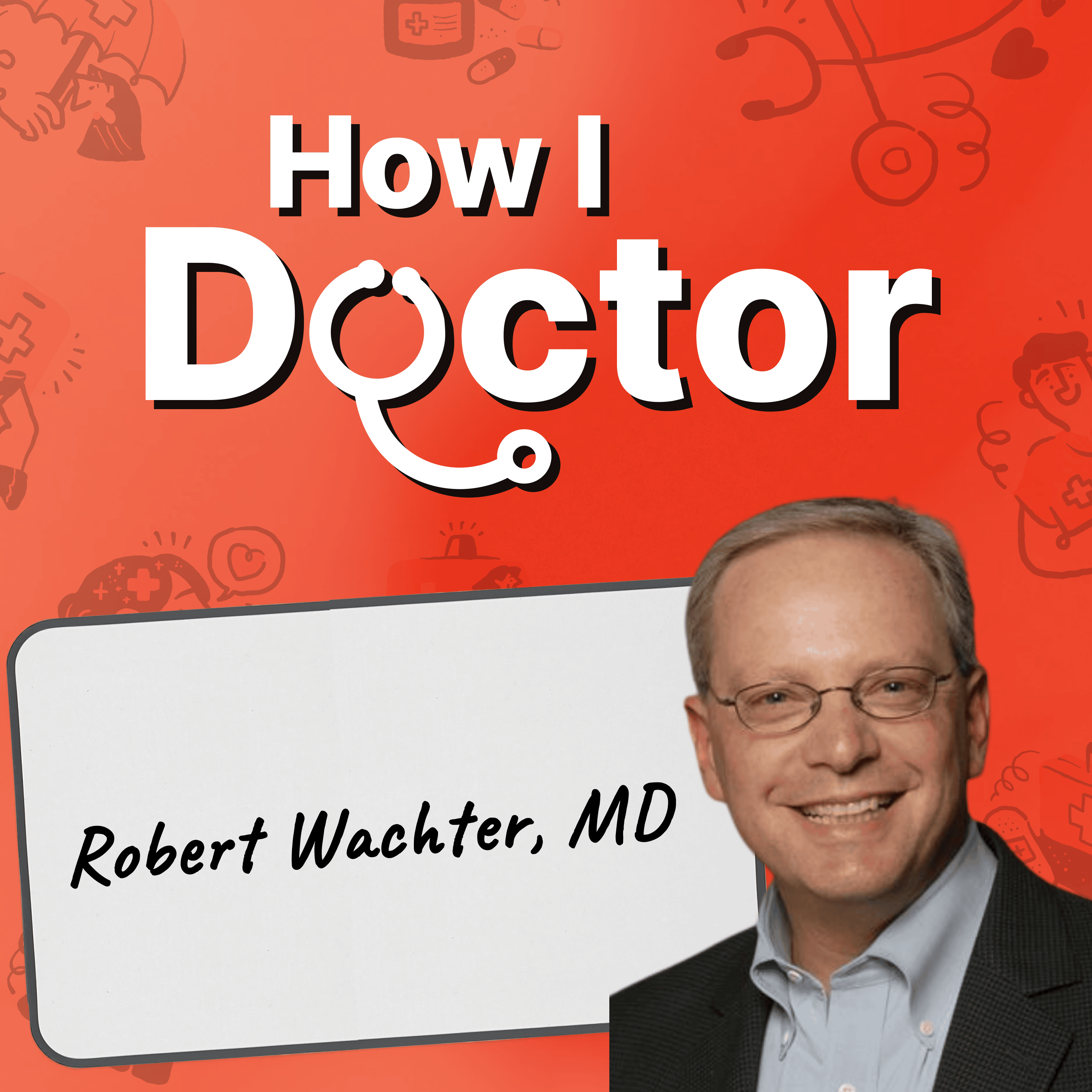
What Doctors Get Wrong About AI with Robert Wachter, MD
Jan 2900:38:02Tap to summarizeAI has arrived in medicine faster than anyone expected, but speed doesn’t guarantee wisdom.In this episode of How I Doctor, Dr. Graham Walker sits down with Dr. Robert Wachter, chair of medicine at UCSF and one of healthcare’s most trusted voices on technology, to unpack what physicians are getting wrong about AI.Drawing from his new book A Giant Leap, Bob offers a rare, grounded perspective: neither hype nor fear, but informed optimism. Graham and Bob explore de-skilling, trust, medical education, workflow realities, regulation, and the very human question of what happens when clinicians start relying on machines that may eventually outperform them.This is a conversation for doctors who are already using AI, and those who are uneasy about what comes next. Not a manifesto, but a clear-eyed guide to thinking better about AI before it reshapes medicine for us.What You’ll LearnWhy AI can both improve clinical judgment and quietly erode core physician skills at the same time.What AI means for medical education, training, and the future of clinical reasoning.Why trust in AI systems may arrive sooner than we expect, and why that’s both rational and risky.How health systems should think about regulation, guardrails, and local accountability.🔗 Resources & Further ReadingA Giant Leap: How AI Is Transforming Healthcare and What It Means for Our FutureRobert Wachter on SubstackRobert Wachter, MD – UCSF Faculty PagePrevious Book: The Digital Doctor🩺 Offcall is more than a platform — it’s a community. Join today!📝 For a full transcript of this episode click HERE🎧 Subscribe to receive new How I Doctor episodes directly in your feed here: https://episodes.fm/1767429315👨⚕️Follow Dr. Graham Walker onLinkedIn https://www.linkedin.com/in/graham-walker-md/IG https://www.instagram.com/ubergraham/Bluesky https://bsky.app/profile/drgrahamwalker.com✉️ Join our newsletter On/Offcall here https://offcall.beehiiv.com/subscribe🟧 Follow Offcall onLinkedIn https://www.linkedin.com/company/joinoffcall/IG https://www.instagram.com/offcalldotcom/TikTok https://www.tiktok.com/@offcalldotcom
Transcribe →
Fix the System, Not the Women: Shikha Jain on Why Medicine Is Failing Female Physicians
Jan 2200:41:09Tap to summarizeMedicine is full of people doing the right thing inside systems that reward the wrong work.In this episode of How I Doctor, Offcall co-founder Dr. Graham Walker sits down with Dr. Shikha Jain, a hematologist-oncologist, professor, and founder of Women in Medicine, to discuss why some of the most essential work in medicine happens after hours, off the clock, and without recognition - especially for women physicians.Shikha makes a clear case for why physician distress isn’t a resilience problem, a time-management issue, or a pipeline failure. It’s a systems problem. From RVU-based compensation models that ignore invisible labor, to unpaid committee work that never counts toward promotion, to insurance barriers that put doctors in the crosshairs while profits flow elsewhere, she explains how modern healthcare quietly extracts more from physicians while valuing them less.Together, Graham and Shikha explore how gender expectations shape leadership, why women physicians are “voluntold” into uncompensated work, and how stereotypes around empathy and agreeableness create double standards that follow doctors from the clinic to the boardroom. The conversation closes with practical guidance for change: how physicians can set boundaries without guilt, how institutions can measure the work that actually matters, and how male allies can show up in ways that help rather than harm.This episode isn’t about blaming individuals. It’s about fixing the system so doctors can keep doing the work that brought them to medicine in the first place.What You’ll LearnWhy physician burnout is a structural failure, not a personal oneHow RVU-based compensation undervalues real clinical and cognitive workThe hidden, uncompensated labor disproportionately carried by women physiciansPractical ways physicians and allies can drive meaningful changeLearn More About Shikha & Women in MedicineDr. Shikha Jain: https://shikhajainmd.comWomen in Medicine: https://www.wimedicine.orgWomen in Medicine Summit September 24-26, 2026: https://www.wimedicine.org/summitOncology Overdrive Podcast: https://oncologyoverdrive.com🩺 Offcall is more than a platform — it’s a community. Join today!📝 For a full transcript of this episode click HERE🎧 Subscribe to receive new How I Doctor episodes directly in your feed here: https://episodes.fm/1767429315👨⚕️Follow Dr. Graham Walker onLinkedIn https://www.linkedin.com/in/graham-walker-md/ IG https://www.instagram.com/ubergraham/ Bluesky https://bsky.app/profile/drgrahamwalker.com ✉️ Join our newsletter On/Offcall here https://offcall.beehiiv.com/subscribe 🟧 Follow Offcall on LinkedIn https://www.linkedin.com/company/joinoffcall/ IG https://www.instagram.com/offcalldotcom/ TikTok https://www.tiktok.com/@offcalldotcom
Transcribe →