
Podcast
Korea JoongAng Daily - Daily News from Korea
Hosted by Newsroom of the Korea JoongAng Daily · EN
Audio recordings of the Korea JoongAng Daily's in-depth, on-the-scene news articles and features informing readers around the world of the issues of the day in Korea.
Under the slogan "Your window to Korea", the Korea JoongAng Daily is an English-language news organization focused on Korea that strives to publish factual, timely and unbiased articles.
65episodes
Episodes
Newest firstAll episodes
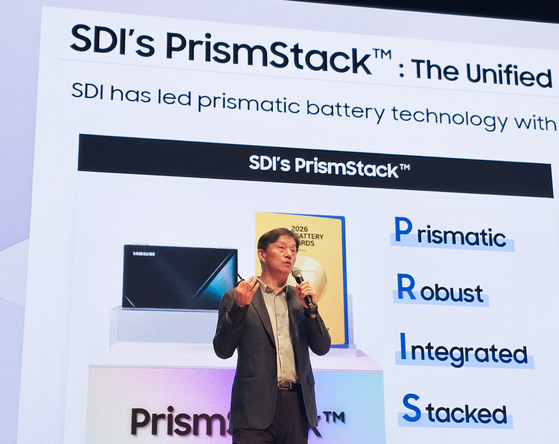
Samsung SDI vows to protect its prismatic battery tech at InterBattery expo
Mar 1100:02:05Tap to summarizeThis article is by Sarah Chea and read by an artificial voice. Samsung SDI warned that it will "not tolerate patent infringement or technological misappropriation" involving its prismatic battery technology, a design renowned for its structural safety that demands exceptionally advanced technical prowess. "Prismatic battery technology and manufacturing processes carry extremely high barriers to entry, and a vast amount of know-how must be accumulated across materials, components, design, manufacturing and process engineering," said Joo Yong-lak, executive vice president and head of Samsung SDI's research and development center, during a speech at the InterBattery 2026 exhibition held at Coex in southern Seoul. "It is not something that can be replicated in a short period of time. If we identify cases of technology theft or patent infringement, we will not stand idly by." Prismatic batteries, which use a rigid metal casing, are known for their structural stability, durability and strong resistance to external shocks, as well as efficient use of internal space that facilitates increased energy density. However, commercialization remains tough due to the complexity of the technology. Domestic rivals, including LG Energy Solution and SK On remain in the development stage of prismatic batteries. Since Samsung SDI first filed a patent for prismatic battery technology in the United States in 1997, the company has registered more than 1,200 related patents. "Chinese and Japanese competitors hold roughly 600 patents in this area, while domestic competitors have only around 30 to 40," Joo added. Samsung SDI also unveiled "PrismStack," a new branding for its prismatic battery lineup at this year's exhibition. Its 700-watt-hour per liter high-energy prismatic battery was awarded the InterBattery Awards 2026. "We are also considering how to further differentiate prismatic technology by integrating it with advanced materials," Joo said. "As a technology leader in this field, we are watching developments very closely."
Transcribe →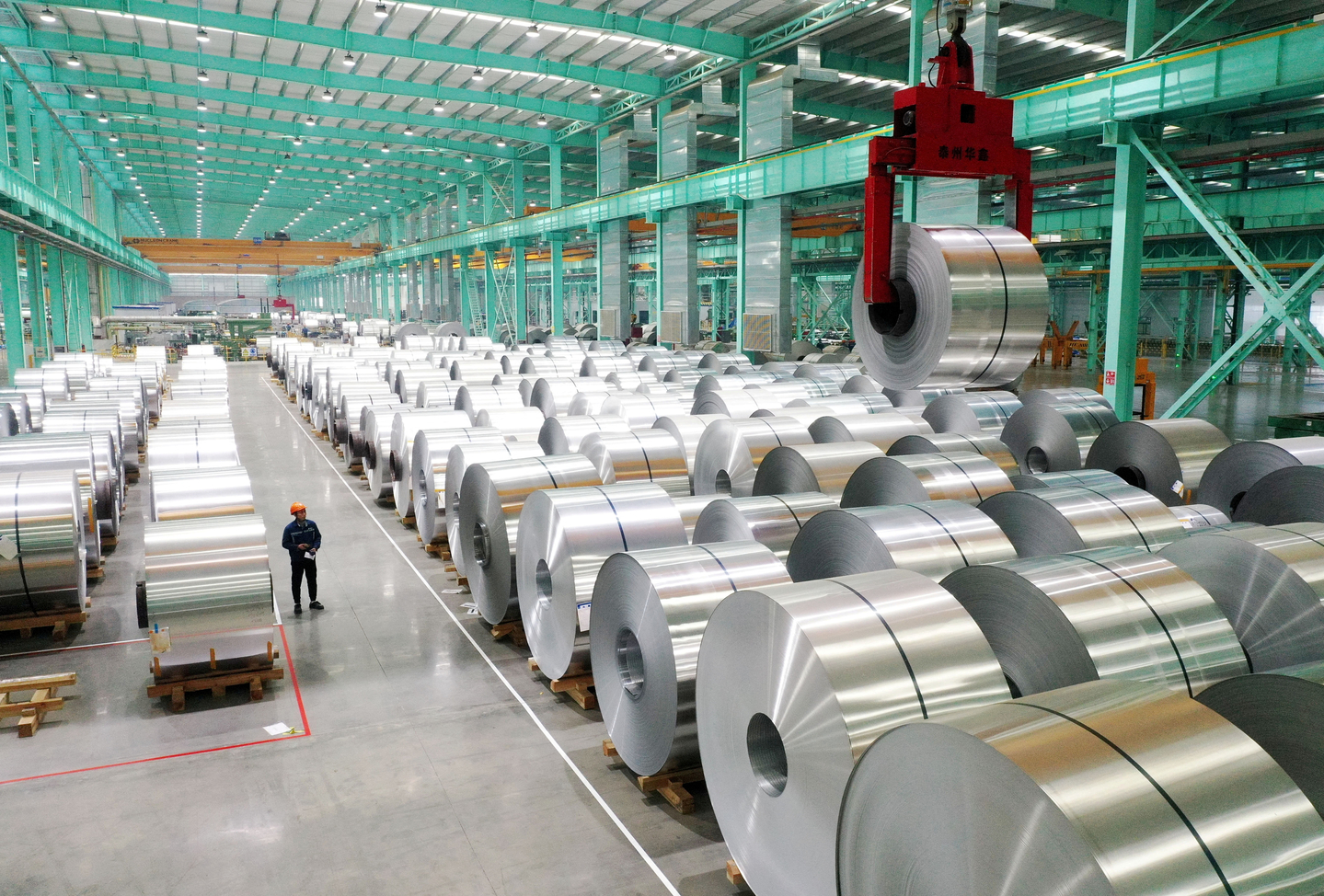
Rising cost of key materials squeezes Korea's home appliance industry amid Iran war
Mar 1100:05:18Tap to summarizeThis article is by Kim Kyung-mi, Lee Su-jeong and read by an artificial voice. Korea's home appliance industry faces rising cost pressures as tensions around the Strait of Hormuz push up prices of key materials such as aluminum and sulfur along with shipping costs. The impact of the Iran war extended beyond higher oil prices and exchange rates. Three-month aluminum futures on the London Metal Exchange reached $3,385.50 per ton on Monday, up about 26 percent from a year earlier, according to data from Trading Economics. The price marks the highest level since 2022, when the Russia-Ukraine war disrupted global commodity markets. Aluminum plays a key role in electronics and home appliances. Manufacturers use it in smartphone frames, refrigerator coolant pipes and evaporators, as well as washing machine motors and control panels. The recent surge reflects supply disruptions tied to Iran blocking the Strait of Hormuz, which came after U.S.-Israeli airstrikes on Iran on Feb. 28. The Middle East produces about 10 percent of the world's aluminum, the second-largest share after China, which accounts for about 59 percent. Like crude oil, aluminum shipments from the Middle East pass through the Strait of Hormuz before reaching global markets. Major smelters in the region including Emirates Global Aluminium, Aluminium Bahrain and Saudi Arabia's Maaden have reportedly warned some customers about potential delays in deliveries. Prices of sulfur have also surged. International sulfur prices recently reached about $661 per ton, roughly 90 percent higher than a year earlier. Sulfur is used to make sulfuric acid, a key chemical used to extract metals such as nickel and copper. Disruptions in supply could, therefore, affect global metal production. Shipping restrictions through the Strait of Hormuz could lead to shortages of sulfuric acid and force some smelters to cut production, a report from Samsung Futures said. Nickel producers in Indonesia and copper mines in Africa depend heavily on sulfuric acid from the Middle East. The region supplies about 25 percent of the world's sulfuric acid. If sulfuric acid shortages push up production costs for metals such as nickel and copper, prices could also rise for products that use those metals, including home appliances and batteries. The rising costs come at a difficult time for Korea's appliance industry, which already faces weak global demand and slowing market growth. Rising logistics costs add further pressure. The Shanghai Containerized Freight Index reached 1,489.19 on Friday, up 156.08 points from Feb. 27. The increase nearly doubled the 81.65-point rise recorded a week earlier. Freight rates on Middle East routes climbed particularly high. Shipping costs reached $2,287 per 20-foot equivalent unit, up 72.3 percent as fuel costs and insurance premiums rose. "Electronics companies will have no choice but to use higher-cost logistics options to maintain production continuity even if transport costs rise," Samil PwC Business Research said in a report. "That could hurt profitability." Industry officials say the biggest concern is that the crisis could continue for an extended period. Korean appliance makers have already faced financial pressure. In the fourth quarter of last year, Samsung Electronics recorded an operating loss of 600 billion won ($407 million) in its Digital Appliances and Visual Display divisions, after posting a profit a year earlier. The loss followed another operating loss of 100 billion won in the third quarter of 2025. During the same period, LG Electronics recorded a combined operating loss of 432.6 billion won in its Home Appliance Solution and Media Entertainment Solution divisions. The latter division, which oversees the company's television business, has posted losses since the second quarter of last year. The division's annual operating loss reached 750.9 billion won. Weak profitability in TVs and appliances pushed LG Electronics into its first quarterly operating l...
Transcribe →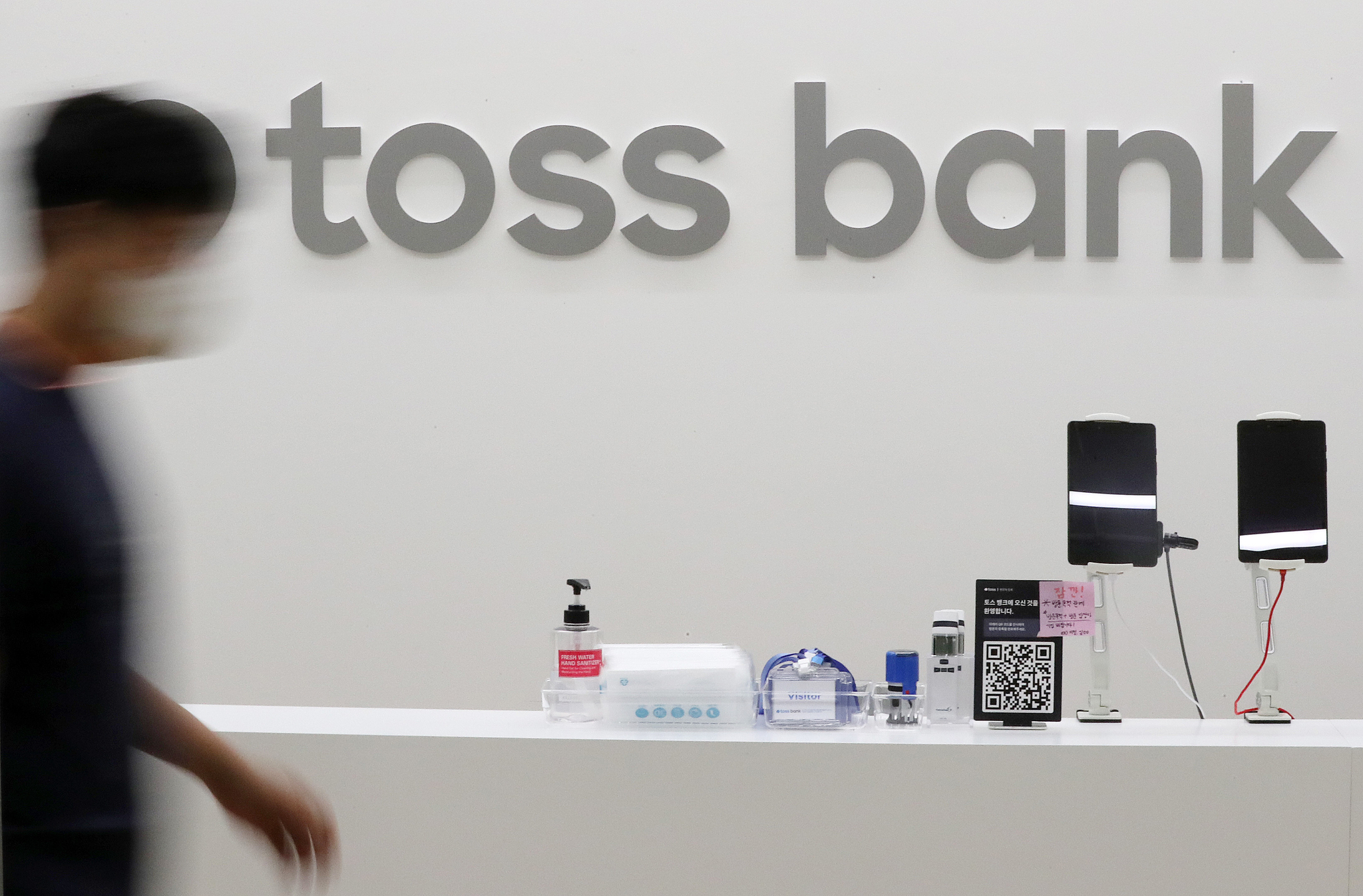
FSS begins inspection of Toss Bank after Japanese yen mistakenly traded at half price
Mar 1100:02:48Tap to summarizeThis article is by Jeong Jae-hong and read by an artificial voice. The Financial Supervisory Service has begun an on-site inspection of Toss Bank after a glitch caused Japanese yen to be traded at roughly half price on the finance app. The regulator is inspecting on Wednesday to determine the cause of the foreign exchange system error and the actual scale of losses, according to industry sources. The problem occurred for about seven minutes at 7:29 p.m. Tuesday. During that period, customers exchanging won for Japanese yen were quoted about 472 won (32 cents) per 100 yen (63 cents). The normal rate at the time was about 934 won per 100 yen, meaning the currency was traded at roughly half its actual value. Trades were made during that window as automatic buy orders were filled and users who logged in after receiving alerts about a sharp drop in the exchange rate bought yen. Toss Bank temporarily suspended yen exchange transactions immediately after recognizing the error and restored the service around 9 p.m., about two hours later. Toss Bank is internally estimating its losses at around 10 billion won, according to industry sources. Financial authorities and Toss Bank plan to determine the exact transaction volume and the cause of the error before discussing whether the trades should be canceled and how customers should be compensated. Whether the trades can be canceled, however, is likely to become a point of contention. Hana Bank had a similar incident in February 2025, in which the Vietnamese dong was mistakenly quoted at one-tenth of its normal rate. At the time, the transactions were canceled under a provision of the Electronic Financial Transactions Act. In this case, however, some in the financial industry say a legal review is needed to determine whether the same provision can be applied because the price gap was about half, not one-tenth. "One-tenth of the normal price is a clear error," a financial industry official said. "But when the exchange rate is off by about half, it is necessary to determine whether the trades can be canceled. Separate from whether the trades are canceled, a compensation plan for customers also needs to be put in place." The occurrence follows a string of incidents caused by system input errors, which has the industry on alert. Cryptocurrency exchange Bithumb mistakenly gave out 620,000 bitcoins, at the time worth $40 billion, after entering the wrong unit for an event prize in February. The incidents have renewed calls to strengthen financial IT system management and internal controls. This article was originally written in Korean and translated by a bilingual reporter with the help of generative AI tools. It was then edited by a native English-speaking editor. All AI-assisted translations are reviewed and refined by our newsroom.
Transcribe →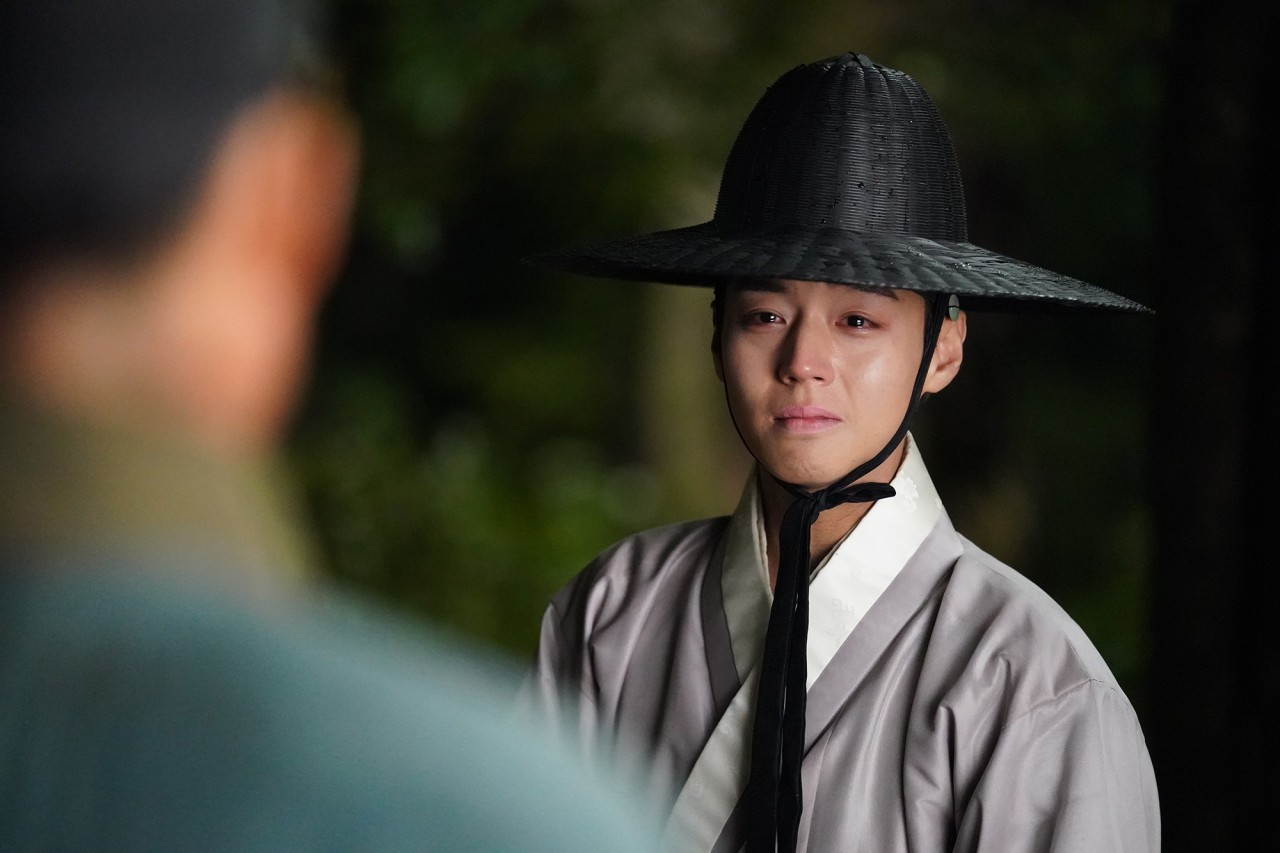
Park Ji-hoon perfects the idol-actor transition: Who else has and who hasn't?
Mar 1000:11:40Tap to summarizeThis article is by Kim Ji-ye and read by an artificial voice. Historical film "The King's Warden" is currently sweeping Korea's box office and has become the nation's first film in two years to surpass 10 million ticket admissions — a benchmark widely considered a major commercial milestone. Powering its popularity are the strong performances of its cast, and one in particular has caught many K-pop fans by surprise: Park Ji-hoon. Formerly well-known as a K-pop idol, his performance in the hit film has drawn particular attention, reflecting a broader trend of K-pop stars increasingly establishing themselves as serious actors. Park first captivated the hearts of voters on the K-pop audition show "Produce 101" (2016-17) season 2, finishing in second place and going on to become a member of Wanna One, the project group formed through the show. Prior to his idol debut, he had also briefly appeared as a child actor. After the band's contract concluded in January 2019, however, Park gradually stepped away from the K-pop scene to pursue a career in acting. He appeared in several TV series, such as JTBC's "Flower Crew: Joseon Marriage Agency" (2019), KBS's "At a Distance, Spring Is Green" (2021). However, it was his role in the action drama "Weak Hero" (2022–25) that truly began to draw attention to his acting abilities. And now, he is being widely applauded by his performance as King Danjong (r. 1452-1455), the tragic young royal who ascended to the throne at just 10 years old, only to be dethroned by his uncle, exiled and killed six years later during the Joseon Dynasty (1392-1910). Online comments praising Park quickly flooded in, with one Naver user writing, "The moment you see his eyes, you get why Park Ji-hoon was cast," which received more than 12,000 likes, while another commented, "It was my first time seeing the actor who played King Danjong, and I already feel like he'll become a great actor." Such responses evidently suggest that Park has overcome the skepticism that often surrounds idols transitioning into acting. Even the film's director Chang Hang-jun noted in an interview that he cast Park without knowing about his background as a K-pop idol. "Had I seen 'Produce 101,' I might not have been drawn to him because of his idol image," Chang said in an interview in January. "But I approached him simply as an actor, which allowed me to see him without any bias." Such hesitation toward idol-turned-actors still exists. Yet Park is among the growing number of performers who are redefining themselves through a successful second career in acting, while others are still in the process of finding their footing. Soaring successfully as an actor One major hurdle that many idol-turned-actors must overcome is the widespread prejudice that they do not take acting seriously or lack the necessary skills. Despite this, they are often cast in leading roles in high-profile productions, and when their performances fall short of expectations, they become the target of severe criticism. Yet some performers have managed to break through that bias, proving to audiences that they can succeed both on stage and on screen, such as Doh Kyung-soo, Yim Si-wan and IU. Before being widely recognized as an actor, Doh was known to fans as D.O., the main vocalist of the boy band EXO. He debuted in 2012 as part of the band under SM Entertainment, one of the largest K-pop agencies in Korea. At the peak of its fame with the hit song "Growl" (2013), Doh started a new challenge as an actor in 2014, which started off on a good note. Though he was just beginning his acting career, Doh quickly gained recognition for his performances in the 2014 film "Cart" and the SBS drama "It's Okay, That's Love" (2014). Critics named him one of the most notable rookie actors of 2014, and he was also voted the most promising idol-turned-actor by a panel of 100 critics. Since then, his K-pop background has not hindered his acting career but rather become an advantage, allowing...
Transcribe →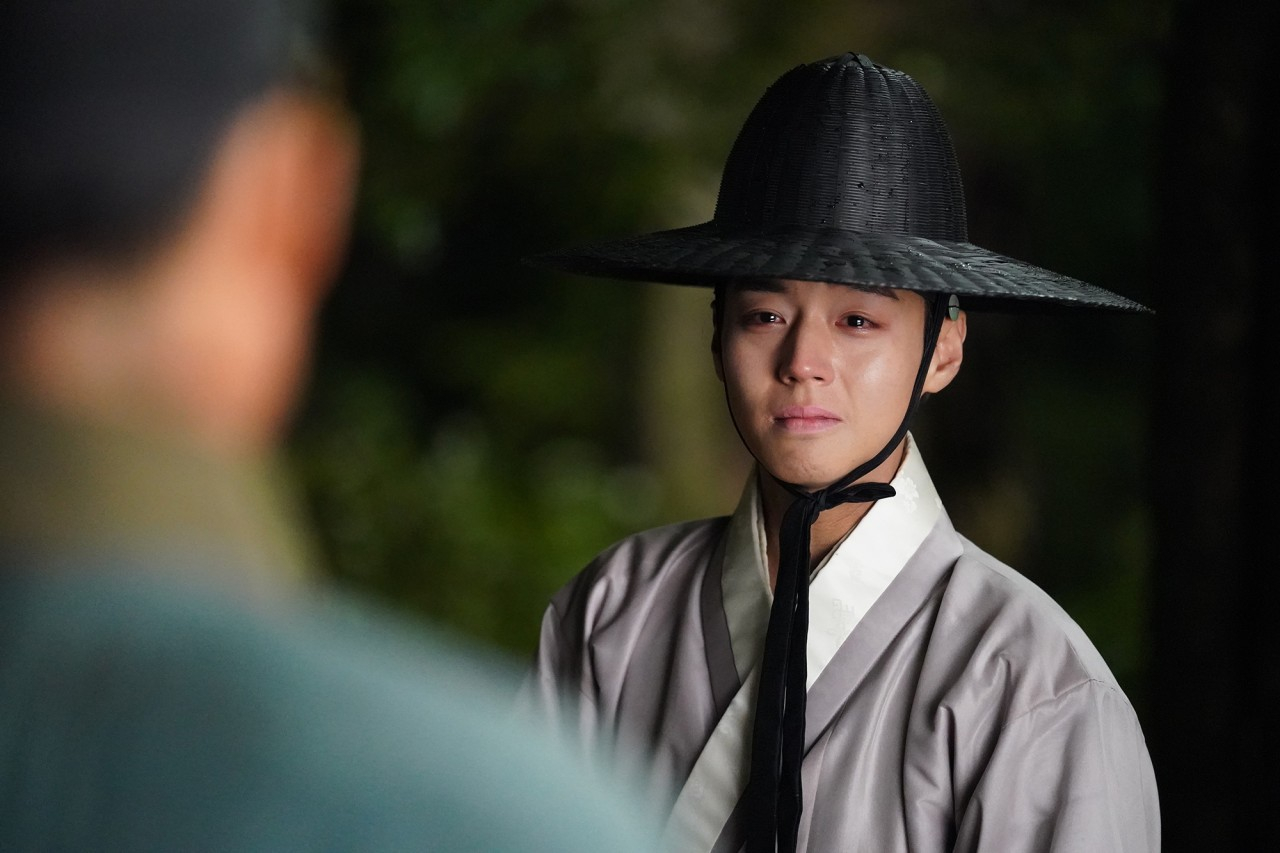
Park Ji-hoon of 'The King's Warden' hits high note while other idol-turned actors fall flat
Mar 1000:11:42Tap to summarizeThis article is by Kim Ji-ye and read by an artificial voice. Historical film "The King's Warden" is currently sweeping Korea's box office and has become the nation's first film in two years to surpass 10 million ticket admissions — a benchmark widely considered a major commercial milestone. Powering its popularity are the strong performances of its cast, and one in particular has caught many K-pop fans by surprise: Park Ji-hoon. Formerly well-known as a K-pop idol, his performance in the hit film has drawn particular attention, reflecting a broader trend of K-pop stars increasingly establishing themselves as serious actors. Park first captivated the hearts of voters on the K-pop audition show "Produce 101" (2016-17) season 2, finishing in second place and going on to become a member of Wanna One, the project group formed through the show. Prior to his idol debut, he had also briefly appeared as a child actor. After the band's contract concluded in January 2019, however, Park gradually stepped away from the K-pop scene to pursue a career in acting. He appeared in several TV series, such as JTBC's "Flower Crew: Joseon Marriage Agency" (2019), KBS's "At a Distance, Spring Is Green" (2021). However, it was his role in the action drama "Weak Hero" (2022–25) that truly began to draw attention to his acting abilities. And now, he is being widely applauded by his performance as King Danjong (r. 1452-1455), the tragic young royal who ascended to the throne at just 10 years old, only to be dethroned by his uncle, exiled and killed six years later during the Joseon Dynasty (1392-1910). Online comments praising Park quickly flooded in, with one Naver user writing, "The moment you see his eyes, you get why Park Ji-hoon was cast," which received more than 12,000 likes, while another commented, "It was my first time seeing the actor who played King Danjong, and I already feel like he'll become a great actor." Such responses evidently suggest that Park has overcome the skepticism that often surrounds idols transitioning into acting. Even the film's director Chang Hang-jun noted in an interview that he cast Park without knowing about his background as a K-pop idol. "Had I seen 'Produce 101,' I might not have been drawn to him because of his idol image," Chang said in an interview in January. "But I approached him simply as an actor, which allowed me to see him without any bias." Such hesitation toward idol-turned-actors still exists. Yet Park is among the growing number of performers who are redefining themselves through a successful second career in acting, while others are still in the process of finding their footing. Soaring successfully as an actor One major hurdle that many idol-turned-actors must overcome is the widespread prejudice that they do not take acting seriously or lack the necessary skills. Despite this, they are often cast in leading roles in high-profile productions, and when their performances fall short of expectations, they become the target of severe criticism. Yet some performers have managed to break through that bias, proving to audiences that they can succeed both on stage and on screen, such as Doh Kyung-soo, Yim Si-wan and IU. Before being widely recognized as an actor, Doh was known to fans as D.O., the main vocalist of the boy band EXO. He debuted in 2012 as part of the band under SM Entertainment, one of the largest K-pop agencies in Korea. At the peak of its fame with the hit song "Growl" (2013), Doh started a new challenge as an actor in 2014, which started off on a good note. Though he was just beginning his acting career, Doh quickly gained recognition for his performances in the 2014 film "Cart" and the SBS drama "It's Okay, That's Love" (2014). Critics named him one of the most notable rookie actors of 2014, and he was also voted the most promising idol-turned-actor by a panel of 100 critics. Since then, his K-pop background has not hindered his acting career but rather become an advantage, allowing...
Transcribe →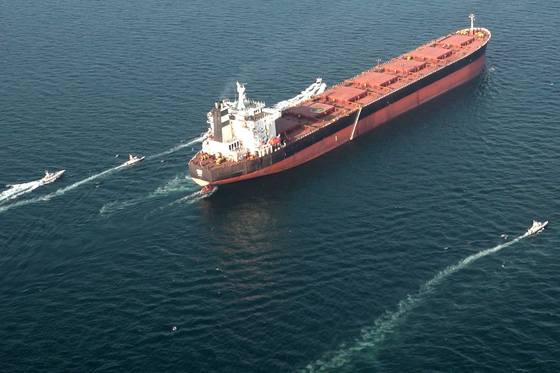
한국, 호르무즈 봉쇄에 미국·호주산 원유 수입 확대 검토
Mar 1000:03:53Tap to summarizeThis article is by Sarah Chea and read by an artificial voice. Korea weighs upping crude imports from U.S. and Australia as Iran blocks Strait of Hormuz 한국, 호르무즈 봉쇄에 미국·호주산 원유 수입 확대 검토 Korea JoongAng Daily 1면 기사 Wednesday, March 4, 2026 With the closure of the Strait of Hormuz choking off Korea's primary artery for Middle Eastern crude, Seoul is weighing an expansion of oil imports from the United States and Australia to blunt the impact from the escalating U.S.-Iran war. choke off: (공급·흐름 등을) 차단하다, 막다 artery: (경제·물류의) 핵심 통로, 동맥 weigh a plan: (계획을) 신중히 검토하다 blunt the impact: 충격을 완화하다 호르무즈 해협 봉쇄로 중동산 원유 수입의 핵심 통로가 막히자, 한국 정부는 격화되는 미·이란 전쟁의 충격을 완화하기 위해 미국과 호주산 원유 수입 확대를 검토하고 있다. Korea depends heavily on the Middle East for roughly 70 percent of its crude oil imports, and nearly 99 percent of the region's shipments bound for Korea pass through the narrow waterway. Korea currently holds oil reserves equivalent to about seven months of supply. depend heavily (on): ~에 크게 의존하다 bound for: ~로 향하는 waterway: 수로, 해협 한국은 원유 수입의 약 70%를 중동에 의존하고 있으며, 이 가운데 한국으로 향하는 물량의 99%가 이 좁은 해협을 통과한다. 현재 한국의 원유 비축량은 7개월치 정도다. "On the supply side, we are carefully managing existing stockpiles and reviewing hiking imports from the United States and Australia, alternative countries to the Middle East," an official overseeing crude imports at the Ministry of Trade, Industry and Resources told the Korea JoongAng Daily on Tuesday. "If the situation deteriorates further, we are also considering demand-side measures, including adjustments to petroleum exports." stockpiles: 비축량 alternative: 대체의, 대체 가능한 deteriorate: 악화하다 adjustment: 조정, 조절 산업통상부에서 석유수입을 관리하는 정부 관계자는 추후 조치에 대한 질문에 "공급 측면에서 기존 비축분을 신중히 관리하고 있으며, 중동 외 대체 국가인 미국과 호주로부터의 수입 확대도 검토 중"이라며 "상황이 더 악화할 경우, 석유 수출 조정 등 수요 조치도 검토하고 있다"고 말했다. Iran's Islamic Revolutionary Guard Corps (IRGC) on Monday warned that "if anyone tries to pass, the heroes of the IRGC and the regular navy will set those ships ablaze." warn: 경고하다 set ablaze: 불태우다 이란 혁명수비대는 월요일(3월 2일) "누구든 통과를 시도하면 혁명수비대와 해군의 영웅들이 선박을 불태울 것"이라고 경고했다. Despite being only about 90 miles long and 21 miles wide at its narrowest point, the Strait of Hormuz possesses critical geopolitical importance as the exclusive maritime corridor linking the Persian Gulf to the Indian Ocean. Roughly 26 percent of global crude and 23 percent of liquefied natural gas shipments flow through the strait every year. narrow: 좁은 possess: (특성 등을) 가지다 exclusive: 독점적인, 유일한 길이 약 90마일(약 145), 가장 좁은 지점의 폭은 21마일에 불과한 호르무즈 해협은 페르시아만과 인도양을 연결하는 유일한 해상 통로로 중요한 지정학적 의미를 가진다. 전 세계 해상 원유 물동량의 약 26%, 액화천연가스(LNG)의 약 23%가 매년 이 해협을 통과한다. It has never experienced a complete blockade, but it has faced multiple disruptions over the decades, including the Iran-Iraq War in the 1980s, tensions between Iranian and U.S. naval forces in 2007 and Iran's seizure of the Advantage Sweet, a crude tanker chartered by Chevron in 2023. blockade: 봉쇄 disruption: 차질, 방해 charter: (배·비행기 등) 용선하다 지금까지 완전하게 봉쇄된 적은 없지만, 지난 수십 년 동안 여러 차례 운송 차질을 겪었다. 1980년대 이란· 이라크 전쟁, 2007년 이란과 미국 해군 간 교전, 그리고 2023년 이란군이 오만만에서 셰브론이 용선한 유조선 어드밴티지 스위트호를 나포한 사례가 대표적이다. The Korean government is also mulling the option of redirecting volumes that are produced overseas back to Korea. "Crude refined in our foreign factories, such as Vietnam, is generally sold locally, but we are considering bringing those home," a representative of the Korea National Oil Corporation told the Korea JoongAng Daily. mull: 검토하다, 숙고하다 redirect: (방향을) 바꾸다, 전환하다 refined: 정제된, 가공된 한국 정부는 해외에서 생산된 물량을 다시 국내로 들여오는 방안도 검토 중이다. 한국석유공사 관계자는 "베트남 등 해외 공장에서 정제된 석유는 일반적으로 현지에서 판매되지만, 이를 국내로 들여오는 방안도 고려하고 있다"라고 말했다. Korea's reserves include the government's stockpiles equivalent to 117.1 days of consumption and private-sector stockpiles covering an additional 104.1 days, together amounting to about seven months. "The government does not foresee an immediate emergency given that reserves amount to roughly 200 days of crude and gas, but the authorities are working to secure alter...
Transcribe →
Einstein Tower: Architecture inspired by relativity
Mar 1000:02:45Tap to summarizeThe author is an architect and a former president of the Korea National University of Arts. In 1911, Albert Einstein proposed the basic idea that would later develop into the general theory of relativity. He suggested that light passing near the sun would bend under the influence of the sun's mass. Six years later, astrophysicist Erwin Freundlich commissioned architect Erich Mendelsohn to design an experimental facility to test this prediction. After four years of planning and fundraising, construction began, and the building was completed in 1924. The structure became known as Einstein Tower. The building itself functions almost like a scientific instrument. It consists of an elongated base and a five-story central tower. At the top, a rotating dome collects sunlight. Through a system of mirrors, the light is directed vertically to an objective lens in the base. It is then projected horizontally into a spectrographic laboratory where the spectrum of the light can be analyzed. Scientists expected the spectrographic experiment to confirm whether light bends near the sun as predicted by Einstein's theory. In reality, however, turbulence on the solar surface and other observational difficulties made precise measurements impossible. Even so, the building's form proved revolutionary. The entire structure is shaped with flowing curves, making it resemble a ship cutting through waves or an airplane preparing for takeoff. It is widely regarded as a representative work of Expressionist architecture created after numerous attempts to visually express the mystery of relativity. Mendelsohn was well versed in the most advanced scientific and artistic ideas of his time. The design combined elements from Wassily Kandinsky's spiritual abstraction, the fascination with speed and energy in Futurism and the organic flexibility of German Art Nouveau. The building was originally planned as a reinforced concrete structure to achieve its fluid form. Because of technological limitations and shortages of materials at the time, however, the design was changed to brick masonry. Curved surfaces were shaped with plaster and finished with sprayed cement so that the building would appear to be concrete. Because the structural change was not fully reflected in the design, cracks and water leakage appeared soon after completion, requiring frequent repairs. Despite these flaws, the tower remains renowned as an architectural work expressing Einstein's ideas about the distortion and curvature of space and time. The tower stands on Potsdam's Telegrafenberg hill, where several scientific institutes are located. In 1999 the area was reorganized as Einstein Science Park, combining research facilities with a site open to visitors. This article was originally written in Korean and translated by a bilingual reporter with the help of generative AI tools. It was then edited by a native English-speaking editor. All AI-assisted translations are reviewed and refined by our newsroom.
Transcribe →
The paradox of regulation: Will Seoul’s jeonse crisis return after six years?
Mar 1000:05:51Tap to summarizeThe author is an editorial writer at the JoongAng Ilbo. There is a moment in the history of Korea's real estate regulation that remains difficult to forget. It occurred on July 30, 2020, when the Democratic Party pushed through two major lease laws during a plenary session of the National Assembly. Despite strong opposition from the conservative bloc, Democratic Party lawmakers forced the bills through with what critics described as the speed of a military operation. Immediately after the vote, Kim Tae-nyeon, then floor leader of the Democratic Party, raised his fist in celebration. The following day, at a meeting of the party's Supreme Council, he said the government's policy determination was firm and warned that stronger additional measures could be introduced at any time. What followed in Seoul's jeonse market was a severe disruption. Jeonse is Korea's distinctive rental system in which tenants provide landlords with a large lump-sum deposit instead of paying monthly rent, with the deposit returned at the end of the contract. According to KB Real Estate, apartment jeonse prices in Seoul rose more than 10 percent in the second half of 2020. It was the highest increase in 34 years since related statistics began in 1986. For tenants searching for housing, the situation felt even worse than the numbers suggested. In some apartment complexes, jeonse listings almost disappeared, making it difficult even to find a property to view. The political backlash soon followed. About eight months after the lease laws were passed, Kim Tae-nyeon held a press conference on April 1, 2021, and bowed his head in apology. "The Democratic Party fell short," he said, pledging that the party would also root out hypocrisy within its ranks. The apology came ahead of the Seoul and Busan mayoral by-elections, as the ruling party attempted to calm public anger over housing policy. In the end, however, angry voters delivered their own verdict at the ballot box, widely interpreted as punishment for the government's failed real estate policies. Now the question arises: could the nightmare of six years ago return? Signs of renewed strain are appearing in Seoul's housing market. According to a recent report from KB Real Estate, Seoul's jeonse supply-demand index reached 166.8 last month. It was the highest level since September 2021, when the shortage triggered by the lease laws was still unfolding. A reading above 100 means that demand exceeds supply. The figure had dropped as low as 45 in January 2023, illustrating how dramatically the market has tightened again within just a few years. This year Seoul also faces what industry observers call a severe "move-in drought," referring to a sharp decline in newly completed apartment units available for occupancy. At the same time, monthly rents have surged. According to the Korea Real Estate Board, the average monthly rent for apartments in Seoul exceeded 1.5 million won ($1,120) for the first time in January. Yet government policy appears to be moving in a direction that may reduce rental supply rather than increase it. One example is the expansion of the land transaction permit system. Under this regulation, apartments purchased in designated areas cannot legally be rented out for at least two years. Buyers must live in the property themselves for that period. If they fail to do so, they may face financial penalties and even criminal punishment. Officials seem to believe that if jeonse supply falls because buyers move in themselves, demand will decline as well. Consider a hypothetical case. If a renter living in Complex A buys a home in Complex B and moves there, the supply of jeonse housing in Complex B will fall. But demand in Complex A would also decrease, theoretically balancing the market. This argument was echoed on Feb. 23 during a meeting of the National Assembly's Finance, Economy, Planning and Budget Committee. Lee Hyeong-il, first vice minister of economy and finance, said the situation should ...
Transcribe →
Warning from Hormuz: Time to redesign energy security
Mar 1000:06:22Tap to summarizeLee Jae-seung The author is a professor of international studies at Korea University and head of the Ilmin International Relations Institute. As the conflict involving Iran intensifies, one of the most sensitive warning lights in the global energy market has begun flashing. The Strait of Hormuz, through which roughly 20 percent of the world's seaborne crude oil shipments pass, can trigger immediate disruption in global energy supply whenever a crisis occurs. It is also a crucial gateway for the energy that flows into the Korean economy. Following the United States' shale revolution, the global energy market entered a period of relatively stable supply conditions. Geopolitical risks, which once caused long-lasting disruptions, no longer translated as easily into sustained shocks. Major economies were able to focus their attention on carbon neutrality and energy transition under these circumstances. Yet the Russia—Ukraine war and renewed tensions in the Middle East have revealed that this stable supply environment was never permanent. The relative calm of the past decade now appears closer to an illusion than a durable reality. One of the most significant changes lies in the position of the United States. Since the end of the Cold War, the United States has effectively acted as a guarantor of energy supply stability in the Middle East. Following the Carter Doctrine, the energy resources of the Persian Gulf were treated as a vital interest of the United States, and the U.S. Navy played a central role in safeguarding navigation through the Strait of Hormuz. However, as the United States has approached energy self-sufficiency, instability in the Middle East no longer constitutes a direct threat to the U.S. energy supply. The security umbrella that Washington once provided for global energy markets can no longer be assumed to open automatically. For Korea, whose energy supply structure is effectively isolated like that of an island, this change carries particular significance. Maintaining a top-10 global economy, an advanced manufacturing base and emerging industries such as AI data centers requires Korea strengthen its own capacity for energy security. This goal cannot be achieved by focusing solely on a single energy source or short-term price stability. Energy security must be assessed through the resilience of the entire energy system. An energy system can be compared to a football team. Each position performs a different role. Renewable energy, widely viewed as the future of the sector, resembles the attacking line. Coal and nuclear power, which have traditionally provided baseload electricity, function as defenders. Natural gas, capable of adjusting output quickly, plays a role similar to that of midfielders. Oil remains central to industry and logistics. A team can win only when every position performs its role effectively. Coordinating these roles is the responsibility of the government. Energy policy and environmental policy share the common objective of addressing climate change, yet they operate on different principles. Environmental policy is based on protection grounded in norms, while energy policy must prioritize practical use and supply management. Recognizing this difference is essential to preventing policy distortions. Energy transition and energy security must function as complementary goals rather than competing agendas. Korea's energy system is currently facing pressure from two sides at once: industrial restructuring and the financial strain on state-run energy companies. Intensifying global competition, oversupply in certain markets and changes in energy demand are accelerating structural adjustments in the oil industry. The Korea National Oil Corporation continues to face serious financial difficulties. The Korea Gas Corp. holds receivables of roughly 14 trillion won ($9.56 billion), while Korea Electric Power Corporation's debt has surpassed 200 trillion won. Accumulating the cost of energy policy wit...
Transcribe →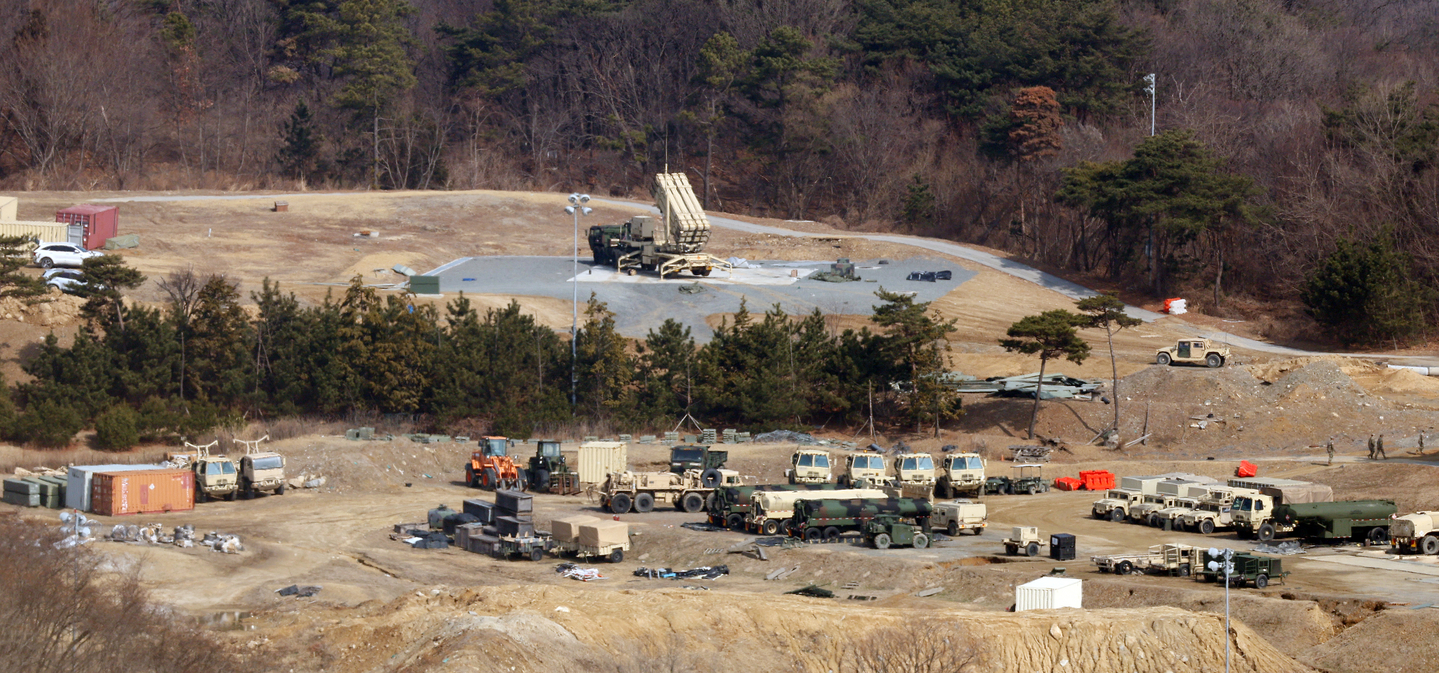
U.S. air defense redeployment raises concerns over weakened deterrence against North Korea
Mar 1000:02:46Tap to summarizePresident Lee Jae Myung said Monday that while his government opposes the redeployment of some U.S. air defense systems stationed in Korea, it cannot fully prevent such moves when Washington deems them militarily necessary. Lee's remarks effectively acknowledged the possibility that U.S. Forces Korea (USFK) assets could be transferred elsewhere. Until now, Korean and U.S. military authorities had maintained an ambiguous position on whether such redeployments were under consideration. Reports in U.S. media suggest that parts of a Terminal High Altitude Area Defense (THAAD) battery deployed in Seongju, North Gyeongsang, may already be moving to the Middle East. Lee attempted to reassure the public by highlighting Korea's military strength. He noted that the country's armed forces rank fifth globally and that annual defense spending equals about 1.4 times North Korea's gross domestic product. He also cited the high morale and sense of responsibility among Korean troops, saying there was no reason for concern. However, public anxiety stems less from North Korea's conventional forces than from its nuclear arsenal. On the same day Lee made his remarks, Kim Yo-jong, vice department director of the ruling Workers' Party of North Korea, issued a warning timed with the start of joint Korea-U.S. military exercises. She referred to "overwhelming special means," widely interpreted as a reference to nuclear weapons. Air defense systems such as Patriot and THAAD are among the first assets that could be redeployed. THAAD, in particular, currently has no direct replacement in Korea. Given the already limited capabilities to counter North Korea's nuclear and missile threats, any reduction of such defenses inevitably raises concern. The possibility of redeploying U.S. forces stems from a 2006 agreement in which Seoul acknowledged Washington's need for "strategic flexibility." Under that arrangement, Korea accepted that U.S. forces stationed on the peninsula might be used elsewhere as part of broader U.S. military strategy. At the time, the agreement was seen as a compromise intended to reduce the likelihood that Korea would be drawn into regional conflicts such as a potential Taiwan crisis. The same framework now limits Seoul's ability to block the movement of U.S. military assets. With the Trump administration's second term emphasizing what it calls alliance modernization, redeployments of USFK capabilities may become more frequent. The Korean government should work to ensure that any redeployed assets return promptly once their missions end, minimizing potential gaps in deterrence against North Korea. Efforts to strengthen Korea's own defense capabilities should also accelerate. This article was originally written in Korean and translated by a bilingual reporter with the help of generative AI tools. It was then edited by a native English-speaking editor. All AI-assisted translations are reviewed and refined by our newsroom.
Transcribe →