
Podcast
Korea JoongAng Daily - Daily News from Korea
Hosted by Newsroom of the Korea JoongAng Daily · EN
Audio recordings of the Korea JoongAng Daily's in-depth, on-the-scene news articles and features informing readers around the world of the issues of the day in Korea.
Under the slogan "Your window to Korea", the Korea JoongAng Daily is an English-language news organization focused on Korea that strives to publish factual, timely and unbiased articles.
65episodes
Episodes
Newest firstAll episodes
More international students look to prove speaking proficiency with Sejong Korean Language Assessment test
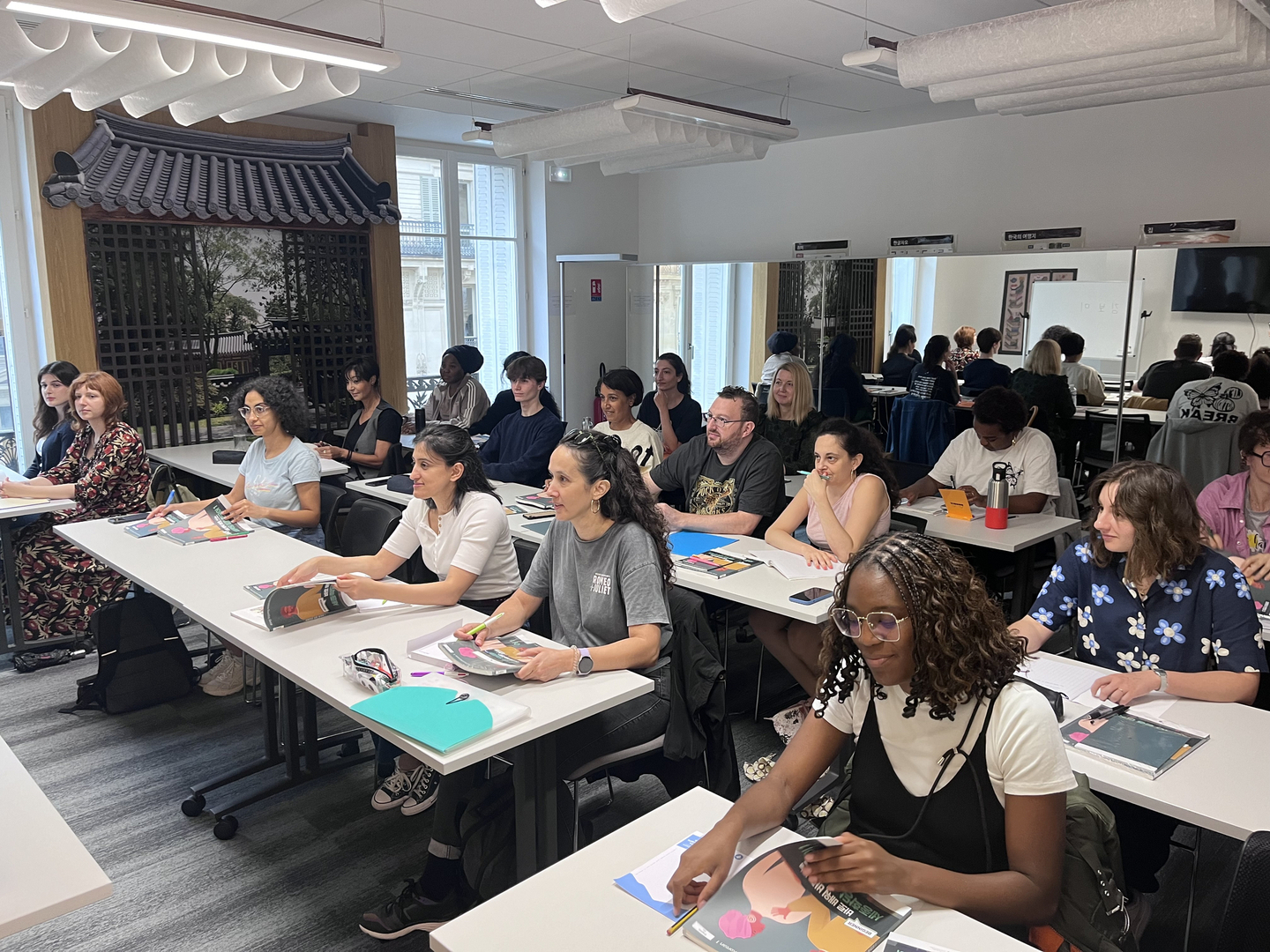
Mar 1000:04:55Tap to summarizeThis article is by Yoon Seung-jin and read by an artificial voice. For many international students planning to study in Korea, the Test of Proficiency in Korean (Topik) has long been the primary exam used to assess language ability for university admissions and visa requirements. That test gauges reading, listening and writing skills, but some educators and learners pointed out that the lack of a mandatory speaking component limits its ability to assess practical communication skills. In response, the King Sejong Institute Foundation (KSIF) launched the Sejong Korean Language Assessment (SKA) in 2022, which included a speaking portion. The exam had about 6,400 test takers last year, about 1,000 more than in 2024 — an 18.5 percent increase. The foundation expects the number of participants to grow to around 15,000 by the end of the year, reflecting added interest among international students seeking alternative ways to prove their Korean language proficiency. What sets the SKA apart According to KSIF staff, what distinguishes the SKA is its emphasis on spoken communication. While the Topik also offers a speaking assessment, it is administered separately and is not a mandatory component of the main exam. "Unlike traditional language tests that focus heavily on reading and writing, the SKA places greater emphasis on practical Korean that learners can use in daily life and professional settings," a KSIF spokesperson said. The speaking section is structured around several scenarios, including casual conversation and workplace discussion, depending on the learner's proficiency level. Through these tasks, test-takers are assessed on their ability to communicate effectively in real-world situations, rather than solely on their knowledge of academic language. The iSKA In addition to the paper-based SKA test, the KSIF also administers the internet-based Sejong Korean Language Assessment, or iSKA. The iSKA adjusts the difficulty of subsequent questions in real time according to a test-taker's proficiency level. KSIF says this allows the exam to measure Korean communication skills more quickly and with fewer questions, tailored to each learner's ability. Although the paper-based SKA is offered in 22 countries, the iSKA is only administered in seven overseas countries with established information technology infrastructure, including Vietnam, France and the United Arab Emirates, according to the foundation. Last year, KSIF also introduced a new testing method, "Bring Your Own Device," at selected test centers. This allows test-takers to complete parts of the exam using their own devices, which the foundation says helps create a more familiar and convenient testing environment, particularly overseas, where equipment availability may vary. According to the foundation, iSKA score reports carry the same administrative validity as SKA results at most organizations, though applicants are advised to check whether both types are accepted. Different scoring methods SKA and iSKA also adopted scoring approaches that differ from those used in other major Korean proficiency tests. While Topik calculates scores based on the number of correct answers and the points assigned to each question, SKA considers additional factors such as question difficulty and response patterns. According to the foundation, this method provides a more detailed assessment of a learner's communication skills. Growing recognition and expanding access The exam has gradually gained recognition among educational organizations. According to KSIF, institutions such as Yonsei University's Global Leaders College, Korea University, Kookmin University and the Korea National University of Arts have begun accepting SKA scores for certain admissions, major declaration and scholarship-related purposes. "The number of institutions recognizing SKA scores is gradually expanding as interest in evaluating practical Korean language ability grows," a foundation spokesperson said. "We plan to ...
Transcribe →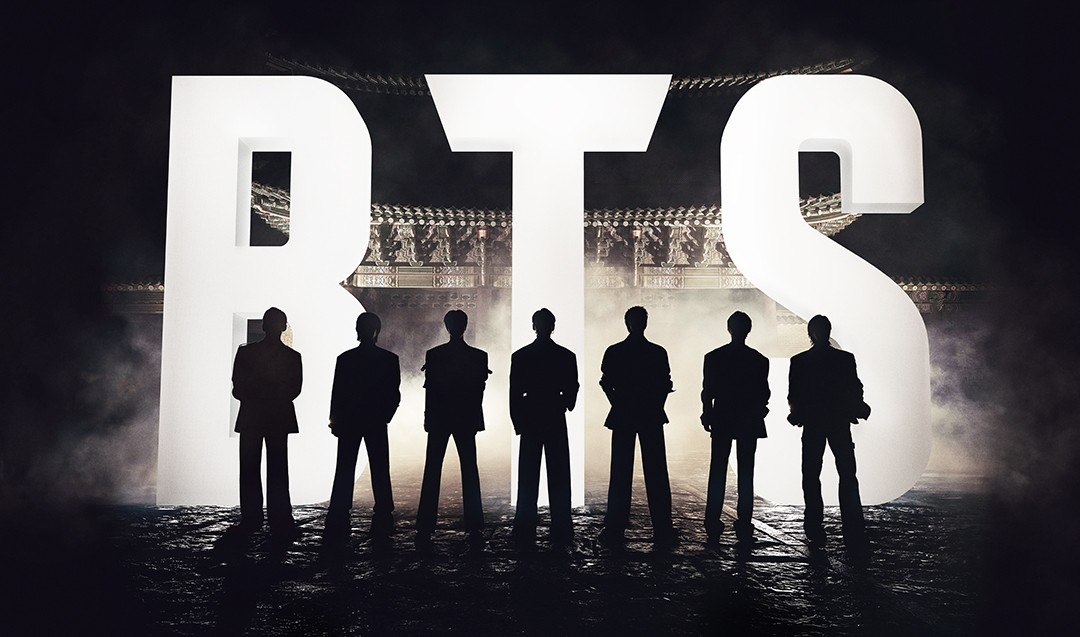
K-pop kept breaking records without BTS. Now the benchmark is back.
Mar 900:10:13Tap to summarizeThis article is by Shin Ha-nee and read by an artificial voice. It is safe to say that BTS redefined what K-pop is capable of. The history of the seven-piece superstar has been marked by relentless new highs and unprecedented milestones, from global recognition to record-shattering chart performances. In the group's three-year absence, however, the K-pop landscape has continued to evolve. BTS, which used to set new records only to break them with its next release, no longer stands unchallenged in every corner of K-pop's hall of fame. Instead, it returns to an industry it propelled onto the global stage — as a formidable contender set out to reclaim its throne in certain areas. Acts such as Blackpink, Seventeen and Stray Kids have built on the septet's global footsteps, expanding the boundaries of what a K-pop act can achieve and rewriting records once thought untouchable. Now, BTS is poised to make history once again with its upcoming fifth full-length album, "Arirang." The question is not whether it will break new records — but which ones will fall in its wake. Here's a look back at the numbers that defined the past three years of K-pop, from the new milestones reached, the records rewritten, and the industry's growth — or stagnation — as told through the numbers. Album sales at unthinkable highs When BTS made history as the first Korean act ever to sell 1 million album copies in the first week of the release with "Love Yourself: Tear" (2018), few expected the number would soon double to 2 million copies with "Map of the Soul: Persona" (2019), and then triple to 3 million with "Map of the Soul: 7" (2020). "Map of the Soul: 7," the group's fourth full-length album, recorded 3.38 million first-week sales, according to Hanteo Chart, one of the most widely cited K-pop chart performance trackers run by Hanteo Global. Then came the Covid-19 pandemic. With tours indefinitely suspended and the global K-pop audience growing amid lockdowns, purchasing power became increasingly concentrated on physical albums, amplifying an already accelerating market. The surge peaked in 2023, when BTS members began to pursue solo careers after Jin's enlistment in December 2022 and younger groups began rising on the horizon amid K-pop's expanding global presence. Seventeen's "FML" (2023) became the first K-pop album to surpass 4 million copies in first-week sales alone. Stray Kids followed with "5-Star" (2023), selling more than 4.6 million copies. Later that year, Seventeen once again broke the ceiling with "Seventeenth Heaven" (2023), which moved 5.09 million copies, an unprecedented all-time high. Since 2024, however, overall physical album sales have entered a noticeable decline, often attributed to a natural market correction following the post-pandemic surge, compounded by growing concerns of environmental impact and increasingly aggressive sales tactics that inflated sales figures. In this stagnated market, BTS's "Arirang" already logged 4.06 million preorders within a week of opening orders. While susceptible to external factors such as logistics, the final tally is highly likely to surpass the group's previous record set by "Map of the Soul: 7," and may once again cross the 4 million threshold — or even the 5 million mark — despite the changed landscape. "I believe the [first-week sales] figure will likely surpass 4 million, and possibly reach 5 million," Hanteo Global CEO Kwak Young-ho told the Korea JoongAng Daily. While acknowledging economic headwinds and market fragmentation, Kwak noted that the comeback's significance as the group's first military release would likely further amplify demand. "Of course, there might be many variables and whether a new record is set should not determine how we celebrate BTS," he said. "But from an industry perspective, reaching 4 to 5 million is certainly within range." K-pop moves stadiums One of the landmark moments of K-pop's global ascent came in 2019, when BTS headlined London's Wembley Stadi...
Transcribe →
‘Pet-friendly’ law not so user-friendly as cafe owners, customers face strict rules
Mar 900:05:30Tap to summarizeThis article is by Woo Ji-won and read by an artificial voice. On the first day that a revised regulation under the Food Sanitation Act took effect, allowing pets inside restaurants and cafes, a Gyeonggi-based cafe owner found herself calling the police. Lee Sang-ah said the incident unfolded on March 1 after a customer became frustrated with a stipulation under the new law. Dog cafes like Lee's typically feature large, open indoor and outdoor spaces with tables lining the walls, enabling dogs to roam freely — offering respite from the limited space of apartments that dominate Korea's housing market. The customer came to the cafe with two dogs. After checking proof of vaccination — a new requirement under the revision — a cafe employee explained the new guidelines, including one that requires businesses to ensure pets cannot move freely inside restaurants and cafes by providing at least one of the following: a designated chair for pets, a cage or carrier, a separate designated space for pets or a device that can secure a pet's leash or harness. As the cafe had prepared strollers, the customer was asked to place the dogs inside one while indoors. The customer, however, expressed frustration and refused when Lee asked her to do so. Lee eventually placed the dogs in the stroller herself to comply with the rules. Tension escalated, and police were eventually called when the situation did not appear likely to calm down. "But I don't think she was wrong. The law is wrong," Lee said. The government revised the Food Sanitation Act to expand restaurant access for customers with pets, as roughly one in three households in Korea now owns a pet, only to find out that the inconvenience it causes far outweighs the benefits. Before the revision, animals were — in principle — not allowed inside establishments serving food, though many pet-friendly cafes and restaurants operated under loose regulations in a legal gray area. Under the revised act, however, pets are allowed to enter as long as a long list of requirements is met: Food must be covered when served. Pets must remain in a carrier or stroller indoors and cannot roam freely. Kitchens and food preparation areas must be physically separated from dining spaces. Staff must also check vaccination records at the entrance, and there must also be enough space between tables to ensure that pets do not come into contact with customers without pets. A petition on the National Assembly's public petition platform calling for the standards to be reconsidered and clearer guidelines to be established had gathered 1,460 signatures as of Sunday, three days after it was posted. Criticism has also spread on social media. "It's frustrating that only dogs with vaccination records can be admitted," a Threads user wrote on Tuesday, noting that some dogs cannot receive vaccines due to reasons such as old age. For many small cafes, meeting the new requirements can be costly or impractical. As a result, some establishments that once welcomed pets are now reversing course. Announcements of cafes turning into "no pet" zones could be seen across social media. The owner of a once-pet-friendly restaurant, who asked to remain anonymous out of concern about possible backlash, also closed its door to pets as of March 1, citing the difficulty of checking vaccination records and providing a separate space or partition for dogs as required under the revised guidelines. "It's difficult to check all vaccination records when the store is busy," the owner said. "There is also the possibility of forged documents. This law could place the entire burden of responsibility on business owners." The requirement to create separate spaces for dogs is also difficult to implement structurally, the owner said. "In the food service industry, interiors are carefully designed in advance to maximize efficiency, including staff movement and the use of carts. Installing new structures or partitions afterward is much more difficult than p...
Transcribe →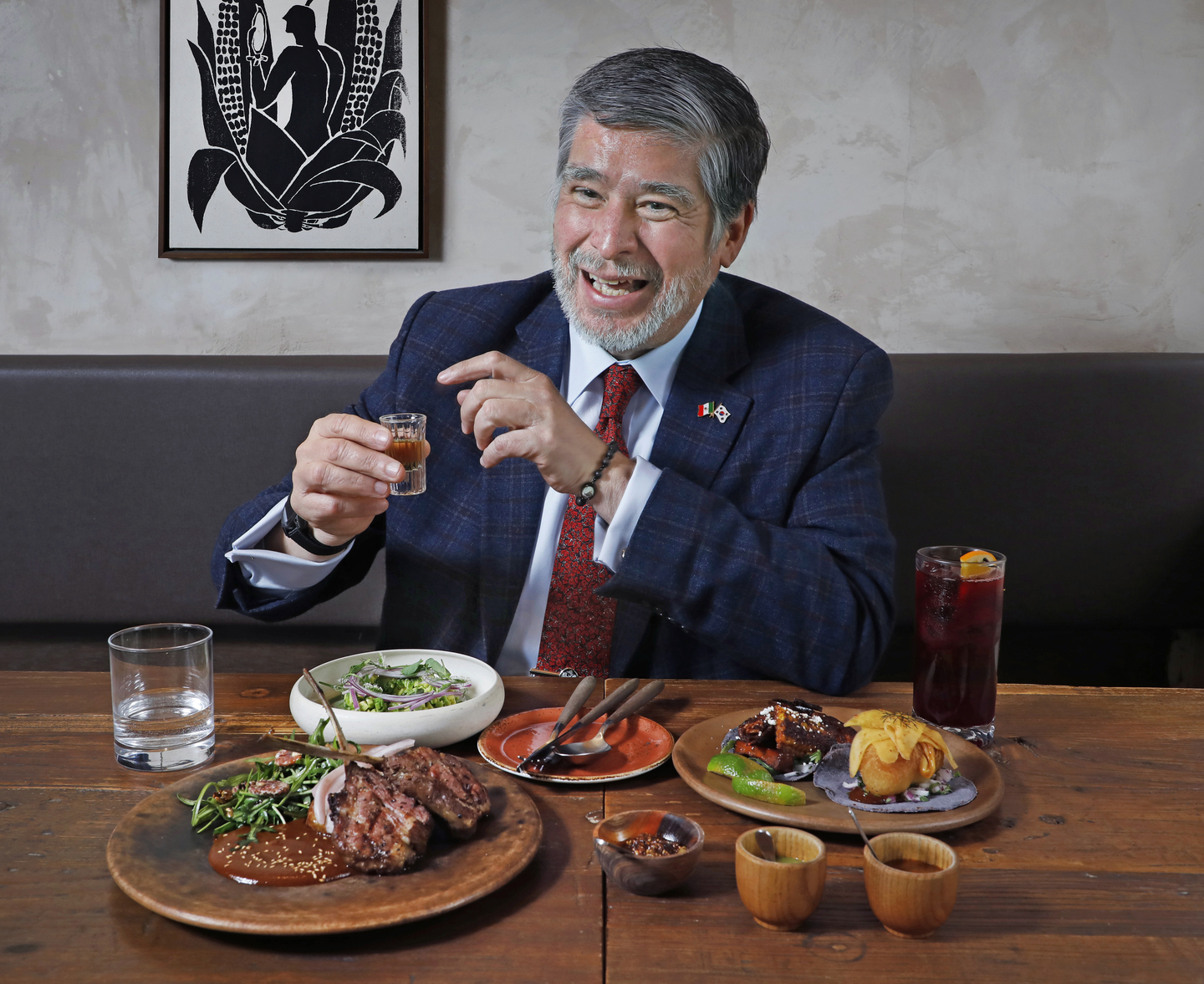
Mexican ambassador points to upcoming FIFA World Cup match, shared cuisine between 'brother' nations
Mar 900:08:25Tap to summarizeThis article is by Seo Ji-eun and read by an artificial voice. Seoul's ambassadors are often gastronomes keen to share a taste of their home cuisine. In this series, the Korea JoongAng Daily asks the diplomatic corps to introduce our readers to their favorite restaurants representing cuisine from their homelands, while chatting about issues of interest to our Korean and global audience. — Ed. Mexican Ambassador to Korea Carlos Peñafiel Soto linked the upcoming 2026 FIFA World Cup to the deeper story of Koreans in Mexico, from the first wave of migration in 1905 to the fifth-generation descendants who now form the heart of the very cities hosting the games. "Mexico and Korea have maintained diplomatic ties for more than 120 years," the ambassador said during an interview at El Molino, a Mexican restaurant in eastern Seoul's Seongsu-dong, on Feb. 13. "Even during the 1910-45 Japanese occupation [of Korea], Koreans living in Mexico were trying to support Korea's freedom and independence from afar." With matches set to take place in Monterrey and Guadalajara — the beating hearts of Mexico's Korean business and residential community — the ambassador describes the upcoming game as a beautiful "match between brothers." Today, Korea stands as Mexico's fourth-largest trading partner, with industry giants such as Samsung, LG and Kia driving the nation's economic engine. Beyond the pitch, the relationship is also visible in culture. Mexico's enthusiasm for K-pop is so strong that Mexican President Claudia Sheinbaum publicly requested in January that BTS hold additional concerts in Mexico City. From savoring tequila "like a kiss" to the parallel significance of Mexico's corn and Korea's rice, the bond between the two nations is as complex as it is passionate. Below are excerpts from the interview, edited for length and clarity. Korea and Mexico are in the same group for the World Cup. This is already our third meeting at the World Cup. This match will take place in Guadalajara and Monterrey in Mexico. The one in Monterrey is especially meaningful, as it is where Korean companies and the Korean community are most active. How prepared are local authorities for the influx of fans in terms of safety and infrastructure? It will be a true pleasure to welcome the Korean national team, the Red Devils, and Korean fans. The Mexican government and the host entities have intensified coordination through biweekly meetings aimed at overseeing infrastructure progress, standardizing security criteria and refining processes related to transportation, hospitality and tourism. For instance, in Jalisco, the local government has invested in new public transportation lines and is reviewing logistics related to tourism, such as the capacity of airports, roads, public transportation and hotels. The FIFA Fan Festival, which will take place in downtown Guadalajara, the capital of Jalisco, will bring together thousands of fans who will enjoy live broadcasts, cultural activities and gastronomy in a safe, festive and inclusive environment. The Mexican government has also been holding technical meetings with FIFA. With high tariffs taking effect from the beginning of this year, what is the position on reviving FTA negotiations or Korea's accession to the Comprehensive and Progressive Agreement for Trans-Pacific Partnership ( CPTPP)? Korea was Mexico's fourth-largest trading partner in 2024. From January through November 2025, trade between the two countries amounted to $27 billion, a 2.6 percent increase compared to the same period in 2024. This momentum has occurred even in the absence of a bilateral FTA. Having an FTA in the future would be important for strengthening trade and investment exchanges, but such an agreement would depend on the existence of favorable political and economic conditions, both domestically and globally. Mexico is currently focused on reviewing its trade agreement with the United States, our main export destination, but we are closely ...
Transcribe →
‘Culinary Class Wars’ Korean taco king serves up authentic Mexican flavors with traditional techniques at El Molino
Mar 900:05:10Tap to summarizeThis article is by Woo Ji-won and read by an artificial voice. [AMBASSADOR'S TABLE - RESTAURANT REVIEW] When people in Seoul try Mexican food, it is often the case that the cuisine resembles something closer to Tex-Mex — a style of food that emerged in Texas through Mexican communities. Traditional Mexican cuisine, however, is not defined by excessively melted cheddar, piles of ground beef or bold, simplified flavors wrapped in flour tortillas. El Molino, located in Seongdong District in eastern Seoul, showcases what an authentic taste of Mexico is like. It begins with handmade tortillas. Corn is ground on a traditional stone mill, then kneaded into dough and pressed into fresh rounds — the foundation of many classic Mexican dishes. "If you go to a proper Korean restaurant, they don't use instant rice," said chef-owner Jin Woo-bum. "It's the same idea." The 32-year-old Jin also starred in Netflix's first season of "Culinary Class Wars" (2024-) as "Korean Taco King." One of the restaurant's most popular offerings is the taco tasting menu, which gives diners a chance to sample a range of regional Mexican flavors. One standout from the tasting course is the Sea Bream Aguachile Verde. Aguachile, often described as Mexico's version of ceviche, features fresh fish lightly aged for two to three days before preparation. The acidity is carefully controlled so the citrus does not overpower the fish. Served with tomato water and avocado, the dish is finished with habanero oil, offering subtle heat. Enjoyed atop crispy handmade taco chips, the tender texture of the fish pairs neatly with the crunch. One way Jin stays committed to tradition-based Mexican cuisine is by focusing on regional detail. One example that highlights this approach is the Chintextle Shrimp Taco. Drawing from Oaxaca's seasoning traditions, grilled shrimp is paired with corn, feta cheese, arugula and candied sweet potato, and then finished with Chintextle chili paste, creating layers of sweetness and spice. "There are many places that pretend to serve Mexican food," the chef said. "We focus on preserving tradition with good ingredients." These tacos stand completely apart from the greasy, cheese-heavy tacos commonly seen elsewhere, offering a glimpse into how tacos are truly enjoyed in Mexico. The kitchen also avoids processed ingredients. Mexican cuisine, he emphasizes, is labor-intensive. Acidity and spice levels are carefully balanced to suit Korean palates without compromising authenticity. Battered fish taco, inspired by Baja California, uses cod fried in fermented batter to enhance crispness. The result is crisp and clean, not heavy. It is layered with chipotle mayo, green mango, salsa macha, onion, cilantro and lime. The mango element references mango with chamoy, a popular Mexican snack that pairs mango with chili powder. Though fruit with fish may seem unusual, the combination offers a fresh contrast. Jin's commitment to Mexican cuisine dates back to childhood. Born in 1993, he moved to the United States in middle school and later enrolled in architecture at the University of California, Berkeley. Growing up in California, he became deeply immersed in Mexican food culture, frequenting restaurants like El Torito and King Taco. It was after completing his military service and briefly working at a startup — where he met businesspeople and chefs — that he decided to pursue Mexican cuisine professionally. "I was young, and I thought I should try what I truly love before it's too late," he said. "That's why I went to Mexico — and I became even more deeply interested." He spent an extensive amount of time in Mexico City and about six months in Oaxaca, working and studying cuisine, including at the restaurant Pujol in Mexico City, which deepened his understanding of regional techniques and ingredients. "What I experienced in Mexico was completely different from what I had known in California," he said. "The range and depth were far greater." His credibility a...
Transcribe →
Meanwhile : Deception and training
Mar 900:02:36Tap to summarizeHan Seon-hwa The author is an honorary professor at UST and former president of the Korea Institute of Science and Technology Information. When a new year begins, many people make fresh resolutions. Among them, one of the most common is the promise to lose weight and become healthier. For that reason, neighborhood gyms have traditionally filled with new members every January. This year, however, the situation appears somewhat different. A way to become slimmer without intense exercise or strict dieting has attracted growing attention. The change is linked to the rapid rise of new anti-obesity drugs. The obesity medications drawing the most attention today are based on GLP-1, or glucagon-like peptide-1. GLP-1 is a natural hormone released in the intestine after eating. It stimulates insulin secretion and induces a feeling of fullness. The human body constantly sends signals related to hunger and satiety. Hormones produced in the gut and pancreas communicate with the brain. The brain interprets those signals and determines whether a person should keep eating or stop. GLP-1–based medications strengthen the signals that indicate fullness so the brain perceives the body as already satisfied. As a result, appetite decreases and stomach movement slows. These effects help regulate blood sugar and often lead to weight loss. In simple terms, the medication adjusts the signals reaching the brain and makes the brain believe that the body has eaten enough. Yet, while such drugs can change appetite signals, they cannot fundamentally alter the brain's basic settings. This explains why many people experience the so-called yo-yo effect after stopping the medication. The brain remembers repetition. When a particular behavior is repeatedly followed by a reward the brain records it as a safe choice worth repeating. That is why the feeling of satisfaction after exercise can be more powerful than simply telling oneself to exercise. For this reason, healthy choices should begin with small and concrete actions. Something as simple as walking for 10 minutes after dinner can become the starting point. When the same action occurs repeatedly in the same situation, the brain gradually automates the behavior, allowing it to happen with less conscious effort. Medication may temporarily alter the signals that influence the brain. But the factor that ultimately reshapes the brain is the repetition of everyday life. Rather than relying on drugs that deceive the brain, cultivating habits that guide the brain toward healthier default choices is a far more sustainable path. This article was originally written in Korean and translated by a bilingual reporter with the help of generative AI tools. It was then edited by a native English-speaking editor. All AI-assisted translations are reviewed and refined by our newsroom.
Transcribe →
AI’s experience bias shocks labor market, hitting unemployed youth first
Mar 900:06:46Tap to summarizeThe author is a professor at Yonsei University College of Medicine and director of the Institute for Population and Talent. The atmosphere in research laboratories has changed. Analyses that once required a week of work from graduate-level researchers can now be completed by artificial intelligence in a few hours. Yet I have not reduced the number of assistants in my lab. Instead, I use AI to conduct more research. Workers in fields where AI is widely used often feel a sense of crisis, fearing their jobs may soon be replaced. By contrast, those in sectors less affected by AI often believe their roles are safe. Economists have begun addressing this issue through more than 20 empirical studies published between 2025 and 2026. So far, overall labor market indicators appear relatively stable. One study tracked 25,000 Danish workers for three years and found no significant changes in income or working hours (Humlum & Vestergaard, 2025). The AI company Anthropic also measured "AI exposure" by combining usage data from its chatbot Claude with U.S. labor statistics (Massenkoff & McCrory, 2026). Unemployment rates in highly exposed occupations were no different from those in less exposed sectors. There are three main reasons for this stability. First, many firms have adopted AI but use it only modestly. A survey of 6,000 executives across four countries found that although 70 percent of firms had introduced AI, managers used it only about one and a half hours per week on average (Yotzov et al., 2026). Second, gains in individual productivity do not immediately increase overall output. After companies adopted AI coding tools, individual productivity rose by about 8 to 9 percent, yet there was no measurable change in total output or employment (Chen & Stratton, 2026). Third, a wide gap remains between theoretical capability and real-world application. In theory, AI could perform up to 94 percent of tasks in computer and mathematics occupations. In practice, however, it currently covers only about 33 percent of those tasks (Massenkoff & McCrory, 2026). The AI revolution, therefore, needs time before productivity gains appear in economic statistics. That transitional gap is the moment we are experiencing. Still, there is reason for concern because the long-term possibility of substitution remains high. Recent data already show early warning signs in youth employment. In software development jobs, employment among workers aged 22 to 25 has declined by about 20 percent. Employment among workers aged 30 or older in the same occupation grew by 6 to 13 percent during the same period (Brynjolfsson et al., 2025). Anthropic's recent research shows a similar pattern. Among workers aged 22 to 25, the rate of new employment in AI-exposed occupations declined by 14 percent, while no comparable pattern appeared among workers older than 25 (Massenkoff & McCrory, 2026). Korea shows a similar trend. Over the past three years, jobs held by young workers declined by about 211,000. Of that decline, 98.6 percent occurred in industries with high exposure to AI. In contrast, employment among workers in their 50s increased by 209,000 in the same sectors, according to the Bank of Korea. AI-driven labor market change is occurring mainly through reduced hiring rather than layoffs. Firms find it difficult to dismiss existing workers. Instead, they slow or suspend recruitment. As a result, the impact falls largely on young people who have not yet entered the work force. Wage patterns show a similar divide. After AI adoption, the number of junior workers declined by 7 to 12 percent while the number of senior workers increased by about 6 percent (Hosseini & Lichtinger, 2025). Starting salaries for junior employees fell by 6.3 percent while senior wages rose slightly (Azar et al., 2025). This form of technological change that favors experience is unusual. How AI is used also matters. When AI replaces call center agents, employment falls. When it assists them, emplo...
Transcribe →
Judicial reform is counter to principles of Kim Byung-ro
Mar 900:05:52Tap to summarizeKang Won-taek The author is a professor of political science and international relations at Seoul National University. President Lee Jae Myung has allowed the so-called "three judicial reform laws" to take effect. Although they were passed through legislative procedures in the National Assembly, the measures amount to a fundamental restructuring of Korea's constitutional order that has remained largely intact since 1948. Formally they are amendments to ordinary laws, but in substance they represent a change closer to constitutional revision. Such a significant transformation has occurred without sufficient public debate, without meaningful consultation between the ruling and opposition parties and without serious consideration of the judiciary's own views. Given these circumstances, several side effects and institutional tensions are likely to emerge. One of the most controversial elements is the introduction of a constitutional complaint system that allows appeals against finalized court rulings. This measure effectively transforms Korea's existing three-tier judicial system into a four-tier structure. Since 1948, the constitutional design has recognized the Supreme Court as the highest judicial authority. By allowing final judgments to be challenged before the Constitutional Court, the reform alters that structure in a fundamental way. The Constitutional Court is now likely to face a sharp increase in its workload. It will also bear greater political pressure when dealing with sensitive issues involving political figures or state power. If the court reaches decisions that differ from those of the judiciary, its rulings may increasingly be interpreted through partisan or political lenses rather than purely legal ones. Another measure expands the number of Supreme Court justices from 14 to 26 over three years. Concerns about this proposal were already raised in this column in September of last year. Expanding the size of a court to change its ideological balance is a well-known political tactic often described as "court packing." Such practices have appeared in countries where democratic institutions have weakened, including Hungary, Poland and Venezuela. Political leaders increase the number of judges in key courts and then appoint allies to fill the new positions, thereby shifting the court's orientation. What are the consequences? In their book "How Democracies Die" (2018), political scientists Steven Levitsky and Daniel Ziblatt noted that in 2004, the government of Hugo Chávez expanded Venezuela's Supreme Court from 20 to 32 justices. In the nine years that followed, the court issued no rulings against the government. Whether Korea will experience a different outcome remains an open question. Perhaps the most unusual provision of the three measures is the introduction of the so-called "crime of distorting the law." Korea's system of governance assigns different responsibilities to each branch of government. The National Assembly enacts laws, the executive branch implements them and the judiciary interprets them. The new measure proposes punishing judges for incorrect interpretations of the law. This effectively creates an external authority empowered to reinterpret judicial interpretations themselves. Of course judges can make mistakes. For that reason Korea's legal system already includes multiple layers of review. A decision can be reconsidered on appeal and ultimately examined by the Supreme Court. Under the new framework, however, litigants who receive unfavorable rulings may claim that the problem lies not with their case but with a judge who allegedly distorted the law. Such accusations could weaken confidence in the stability and authority of the judicial system as a whole. With the passage of the three laws the ruling Democratic Party of Korea has come to exercise influence not only over the presidency — often described in Korea as a "powerful presidency" — but also over the legislature and now potentially th...
Transcribe →
Fears of a fourth oil shock and stagflation call for urgent policy response
Mar 900:03:18Tap to summarizeConcerns over a prolonged war in the Middle East are spreading into what economists describe as a "compound shock," shaking both financial markets and the real economy. The growing fear that the conflict could become a stalemate has intensified market volatility. The impact was immediate. Korea's benchmark Kospi plunged more than 8 percent before recovering slightly to close down 5.96 percent. At one point during trading, the index briefly fell below the 5,200 level. The Korean won also weakened sharply, with the dollar-won exchange rate approaching 1,500 during the session. Global oil prices surged as well. West Texas Intermediate crude, which had already climbed past $100 per barrel, jumped nearly 25 percent at one point during the day. The sharp increase has heightened fears that the world economy could face another oil shock if the conflict drags on. One critical variable in determining the economic outlook is the Strait of Hormuz. About 20 percent of the world's seaborne oil shipments pass through the narrow waterway. Any disruption there could drive global oil prices even higher. The effects are already being felt domestically. The average price of gasoline in Korea has surpassed 1,900 won per liter ($4.90 per gallon). Analysts warn that a Middle East conflict could trigger what some call a "fourth oil shock." Korea's vulnerability is particularly high because it ranks seventh in the world in oil consumption and relies heavily on imports, most of which come from the Middle East. In such a structure, any regional disruption quickly spreads to both industry and households. If high exchange rates, rising oil prices and accelerating inflation occur simultaneously, companies face mounting cost pressures while consumer spending weakens. Economic growth then slows further. This combination has revived fears of stagflation — often referred to in Korea as the return of "S fears." The challenge is compounded by the relatively fragile state of the domestic economy. The government's economic growth forecast of around 2 percent for this year assumes international oil prices in the low $60 range per barrel. If oil prices remain elevated for more than a few months, the economy could face a dual shock of slower growth and rising inflation. Under such circumstances, policy responses must remain realistic and carefully targeted. During an emergency economic review meeting on Monday, officials discussed introducing a temporary gasoline price cap as early as this week. Yet artificial price controls are difficult to sustain and risk distorting the market. Instead, support should focus on sectors most directly affected, including vulnerable households and industries such as transportation and logistics that face immediate fuel cost increases. At the same time, longer-term structural responses are needed. Efforts to promote energy conservation and expand alternative energy sources should be accelerated. The trajectory of the conflict remains uncertain. For policymakers, the priority must be to stabilize financial markets, secure energy supplies and contain inflation at the same time. Only through coordinated measures can the economy withstand the compound shock now unfolding. This article was originally written in Korean and translated by a bilingual reporter with the help of generative AI tools. It was then edited by a native English-speaking editor. All AI-assisted translations are reviewed and refined by our newsroom.
Transcribe →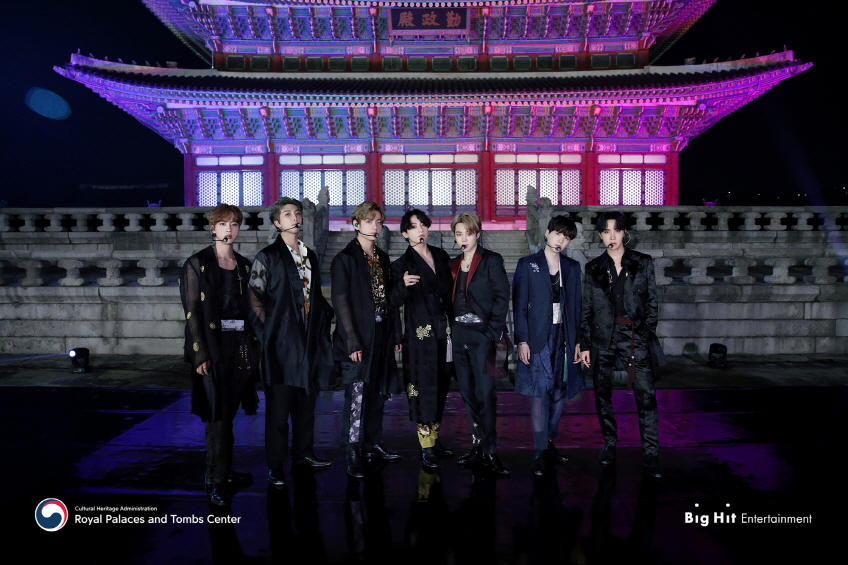
Seoul gov’t to dispatch 3,400 personnel, outlines safety measures for upcoming BTS concert
Mar 900:03:30Tap to summarizeThis article is by Cho Jung-woo and read by an artificial voice. Some 3,400 personnel will be dispatched to ensure safety for the upcoming comeback performance of boy band BTS, the Seoul Metropolitan Government said Monday. The measures were discussed at a joint safety inspection meeting presided over by Seoul Mayor Oh Se-hoon ahead of the show set for March 21 at Gwanghwamun Square in downtown Seoul. The performance will mark the group's first show as a full band after three years and nine months, with about 260,000 people expected to gather. The city plans to dispatch about 3,400 personnel from related authorities, including district offices, Seoul Metro and the Seoul Metropolitan Fire and Disaster Headquarters, to manage safety around the venue. Nearby subway stations will be bypassed and bus routes detoured to control crowds. A total of 2,535 toilets, including portable units and nearby public restrooms opened for the event, will be secured ahead of the performance. Beginning the day before the concert, police will patrol the area around the venue to prevent fans from camping overnight and to crack down on illegal street vendors in order to keep roads clear and ensure public safety. The city will also operate a citizen safety response headquarters, led by the head of the city's Disaster and Safety Office. Eight teams will handle different aspects of the operation, including transportation management, medical response and assistance for foreign visitors. The fire and disaster headquarters will deploy 99 fire trucks and 765 personnel, positioned across three main areas: between Gwanghwamun and the Sejong-daero intersection; between the Sejong-daero intersection and another intersection near Seoul City Hall; and around the concert stage. Entrances at four nearby subway stations — Gwanghwamun Station on Line No. 5, City Hall Station on Lines No. 1 and 2, and Gyeongbokgung Station on Line No. 3 — will be closed, and trains will pass through without stopping. According to the city government, trains will skip Gwanghwamun Station from 2 p.m. to 10 p.m., and City Hall and Gyeongbokgung stations from 3 p.m. to 10 p.m., though the schedule could change depending on crowd conditions. To help disperse concertgoers after the show, 12 additional subway services will be added along the three lines beginning at 9 p.m. On the day of the event, safety instructions and transportation updates will be provided in Korean and English through emergency alert messages for international visitors. The city will also release an online digital guide in Korean and English this month, including transportation information near the venue, emergency contacts and nearby tourist attractions. A separate digital map in Korean, English, Chinese and Japanese will be distributed through QR codes on informational materials. The map will provide real-time updates, including the locations of available toilets and information centers. Staff for the city's 120 Dasan Call Center, which provides assistance in English, Chinese, Japanese, Vietnamese and Mongolian, will also be expanded for two days, on March 20 and 21. About 70 tour guides will be stationed around the area, along with roughly 600 volunteers assisting both residents and visitors. "Our mission will only end when the very last citizen has returned home safely," Oh said during the meeting. He urged officials to prepare meticulously until the end so that fans from around the world can leave with the impression that Seoul's safety standards are "on a different level," hoping that the event becomes a festive celebration.
Transcribe →