
Podcast
Lessons in Lifespan Health
Hosted by USC Leonard Davis School of Gerontology · EN
From the USC Leonard Davis School of Gerontology, this is Lessons in Lifespan Health, a podcast about the science — and scientists — improving how we live and age.
10episodes
Episodes
Newest firstAll episodes
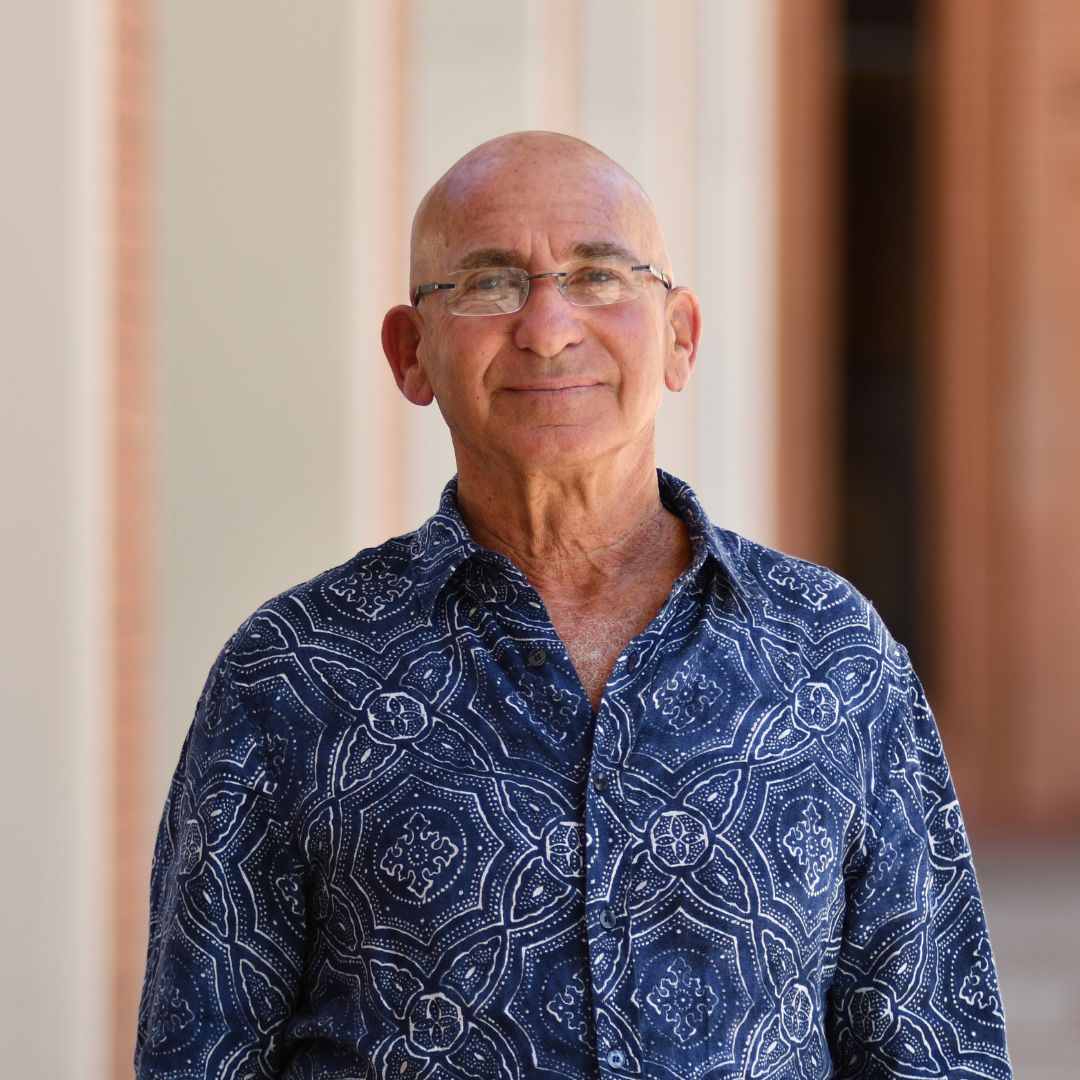
Conscious aging, redefining yourself and finding fulfillment as you age
Sep 19, 202400:33:21Tap to summarizeWayne Lehrer is an author, coach and teacher who leads a yoga class at the USC Leonard Davis School. He joined us to talk about his book, The Art of Conscious Aging and how to redefine yourself and find fulfillment as you age. Transcript I hear all the time, I used to do yoga, but now my body doesn't like it. Well, find a new yoga class. If you remember how it made you feel, then doing it in a new way, maybe a gentler class, maybe a hot yoga class that's in the dark, that's slow, where you hold the poses and no one's looking at you because you may be self-conscious, maybe that's the answer to it. But not doing it is only going to make your life collapse. And I believe that one of the biggest problems with aging is people's worlds get smaller and smaller. Orli Belman (00:00): From the USC Leonard Davis School of Gerontology, this is Lessons in Lifespan Health, a podcast about the science and scientists improving how we live and age. I'm Orli Belman, Chief Communications Officer. On today's episode, how teacher and coach Wayne Lehrer found purpose in aging and is working to help others do the same. Lehrer is the author of The Art of Conscious Aging, the Operating Manual for an Extraordinary Third Act. He also leads a weekly yoga class here at the USC Leonard Davis School. Welcome to our podcast, Wayne, and thank you for being here today. Wayne Lehrer (00:39): Oh, thank you for the opportunity. Orli Belman (00:41): I think it would be helpful to start with some definitions. Let's begin with the terms in your book title. What is conscious aging? Wayne Lehrer (00:48): Well, conscious aging is accepting the fact that it happens for everybody. That's the conscious part of it. You know, most of us live most of our lives under the assumption that we're never going to age, certainly, that we're never going to be old or get older. So conscious aging is how we approach the process and the practice of aging. It's just basically becoming mindful of all of the elements that go into the process of aging, whether it's exercise and diet, sleep, or the subtler things like stress, poor relationships, you know, creating value in the world. So conscious aging is showing up for your life in a way that your life creates value for you and others. Orli Belman (01:32): That's a wonderful idea. And what is the third act? Wayne Lehrer (01:36): So historically, you know, what people normally now refer to as the third act is retirement. Historically, you know, the average lifespan in 1900 was 47 years. So, there wasn't really a third act. You know, people were children, they went to work and then they passed away, basically. And around 1950, with the onset of Social Security and Medicare and all of the other elements that increased life expectancy: the fitness revolution, psychological help, retirement funds, a little bit more disposable income available and a less stressful life, people began to live long enough to have a third act. So basically, life in three acts is the first act of childhood–which I say basically goes from zero to 20–is a time of exploring, discovering who you are, gathering information, finding how you fit into your world and the world. And that's also a period of dependency, could be categorized. Wayne Lehrer (02:42): The second act, starting in your twenties, and for most of, us going to our mid-fifties or 60 years, so about 35 or 40 years, the second act is a time of independence. We develop the ego, the separate self, we explore the world as an individual. We acquire, achieve, build, collect, succeed, compete. And during that time we, you know, sort of begin to build the separate self and what is mine, which could be, you know, my profession, my identity, my family, my place in my community. And then what's historically happened is that 55 or 60 people began to retire. They began to get phased out of their jobs. Empty nest happened and all of a sudden, they're left alone. And historically what happened is people went into a period referred to as retirement, which was really a period of on the highest-level seeking comfort and serenity. Wayne Lehrer (03:41): But on the lower levels what it happened to be was security, being less engaged in life, withdrawing, you know, that just started changing. Now that people have a period of time of 30 or 40 years from the time of retirement–if you retire at 55 or 60 with the average life expectancy rising above 90–there's a good chance you're going to have 30, 40, maybe even 50 more years of life. And so it's as long as the period of the second act. And historically that was seen as a time where you just withdrew and you know, kind of went on this long slow decline towards oblivion, you know. And now for the first time, you know, their health is better, they have some money in the bank, some sense of ways of creating new value and transforming themselves, so it's what I call the new third act. And the new third act is a period of time where you look at how you're going to create value, become an elder, give back, build community and collaboration. Also, if you think about it in the theater or in the film historically, you know, the second act is where all the drama happens. The third act is where the hero rises from the ashes, pulls all the diverse parts of themselves together, finds a new level of who they are, and really makes a difference and redeems themself. At least in the better stories. Orli Belman (05:02): And you've advocated for a different word for retirement. What do you call this new third act instead of retirement and how would you describe it? Wayne Lehrer (05:12): Well, the woman who created AARP called it refirement, but I really think it's a time of reinventing ourselves. You know, where we're looking at all of the gifts we have, all of the professions we've participated in, what we're passionate about and what talks to us in the world, what speaks to us that we feel like we may be the answer to, or we may be able to make a contribution in regard to. And so we have to basically, you know, reimagine, recreate, redesign and reinvent who we are and then reboot as that person. So, you know, I think it's a time of reinvention and reimagining. Orli Belman (05:54): These ideas, are they based on your own personal experience? Wayne Lehrer (05:58): Both my own, those of a lot of my friends. Obviously, I'm in a number of communities right now of people that are, you know, my age or entering into their third act or deep into their third act. And when I look around at the people that are happy and that are actually where they feel that they're in the sweetest point in their life, they're actually in the sweet spot, all of those people are people that have made this transition. And I think the transition is the hardest thing because historically also there's been no role models for a healthy third act. So part of it is observation. A lot of reading. There's a lot of good new research out there. You know, that longtime Harvard study that talks about people that have been, you know, where they followed people for I think 75 years and they found that the people that had long-term relationships, the people that found ways to continue to create value in later life. So yeah, and I also think it's indicative of our time period. So it's really an observation of both our time period and those people that are around me and then my own process of moving through this transition. Orli Belman (07:06): And can you talk a little bit about your own process? I know you've had several careers and maybe you could give some advice to people who finished their first career. Is there anything to take away from your example about restarting, investing yourself and even becoming an entrepreneur? Wayne Lehrer (07:22): It's challenging, especially challenging to do something maybe you've never done before. I put myself in a position or feel called to be in a position where I'm having to use skills I never developed before but based upon all of these other things that I'm very passionate about. So, you know, wh...
Transcribe →
Studying how the brain's blood vessels affect cognitive health
Aug 13, 202400:23:30Tap to summarizeDan Nation is a professor of gerontology and medicine at USC. His research focuses on vascular factors in the brain and how they affect memory decline and dementia in older adults. He joined us to talk about studying blood vessels in the brain to identify early signs of dementia and potential therapies to treat it. Transcript Speaker 1 (00:01): The variability in your blood pressure day to day, month to month, year to year, and sometimes even beat to beat–the variability in your blood pressure is predictive of dementia risk. So higher levels of blood pressure variability are bad, even if you have very well controlled blood pressure levels. And this is important because currently we only treat average blood pressure. There is no treatment for variability in blood pressure. So it's a new area that we should try to look into controlling to see if we can prevent dementia in people who have high variation, even if they're already treated for hypertension. Speaker 2 (00:45): From the USC Leonard Davis School of Gerontology, this is Lessons in Lifespan Health, a podcast about the science and scientists improving how we live and age. I'm Orli Belman, Chief Communications Officer. On today's episode: how Professor Dan Nation is studying blood vessels in the brain to identify early signs of dementia and potential therapies to treat it. Dan Nation is a professor of gerontology and medicine at USC. His research focuses on vascular factors in the brain and how they affect memory decline and dementia in older adults. Welcome to our podcast Dan, and thank you for being here today. Speaker 1 (01:26): Thanks for having me. Speaker 2 (01:28): I wanna start by asking you about blood vessels in our brain. Is there anything unique about the brain's vasculature system, and how did it become the focus of your research? Speaker 1 (01:39): Yeah, it's a great question. So there's actually several things that are unique about the brain vasculature. For one thing, just the number of blood vessels. So you might think about the larger vessels that you can see with the naked eye, but most of the vessels are microscopic. And we have so many blood vessels in the brain that there's actually one blood vessel for every neuron. So every brain cell basically has its own microscopic blood vessel. So it's billions and billions of blood vessels, and this is likely the case because the brain has an incredible need for blood flow to support its very high metabolic rate. And the brain cannot store energy unlike other tissues in the body, and so any energy that the neurons need, they have to get on the fly from blood. So there's a torrential amount of blood flow that's disproportionate to the size of the brain. Speaker 1 (02:34): In addition to that, blood is actually toxic to brain tissue. And so the neurons need a special environment to operate, and so that milieu has to be well controlled. So the blood contains proteins, cells, infectious agents, metals, ions–all of which, if it were to get into the actual brain compartment, would be very toxic and would cause degeneration of the brain cells, cell death. And so their brain has a special structure that divides the blood off from the brain. This doesn't exist in other parts of our body; it's called the blood brain barrier. So that has to have integrity in order for the brain to survive and function properly. In addition, because of that, the way waste products of regular cellular metabolism and so forth, any other toxins that are in the brain, the way that gets moved out of the brain is different than other parts of the body because the lymphatic system in the brain is really different because we have to have this blood-brain barrier. So for a number of different reasons, the vessels are special. A lot of it has to do with the blood-brain barrier because the separation of the blood from the brain means that all of the nutrients have to be pumped actively into the brain. And all of these, again, waste products have to be pumped actively out somehow. And so any dysfunction there could lead to the buildup of toxins in the brain, which would cause degeneration. Speaker 2 (04:11): So your PhD is in psychology, correct? Speaker 1 (04:14): Yeah, neuropsychology. Speaker 2 (04:15): Neuropsychology. So how did you get interested in the vascular system? Speaker 1 (04:19): Yeah, I actually have always studied the vascular system because I was in a neuroscience lab that was focused on relationship between behavior and cardiovascular disease and basically neurovascular function and in particular as a clinical neuropsychologist we're involved in treating patients with neurocognitive disorders of aging, like dementia of Alzheimer's disease. And so I became interested in how these neurovascular factors may contribute to those diseases and to cognitive decline from those experiences. Speaker 2 (04:54): This sounds like a very complex system. What happens to it as we age? Speaker 1 (04:58): So as we get older, most people will develop a number of different vascular changes or will be at risk for different age-related vascular diseases. The most common is hypertension or high blood pressure. As we get older, the odds of developing high blood pressure just go up and up, and ultimately if you live long enough, most people will develop hypertension at some point. The majority of people over the age 65 have high blood pressure. And so that has to do with changes in your overall vascular system that can lead to a hardening or stiffening of the arteries and development of specific changes in the way the blood vessels of the brain work, which can damage the blood-brain barrier, lead to leakage of blood into the brain, decreased blood flow to the brain. And also what we've found is that older adults, their micro blood vessels don't dilate as well, and so they need to be able to dilate in order to provide more blood flow as needed to support brain health. Speaker 2 (06:11): It sounds like you know a lot about what's happening and the inner workings of our brain. Have updated imaging technologies improved our understanding of the role of these small blood vessels, and what can you tell us about your research in this area? Speaker 1 (06:24): Yes, so brain MRI has been very useful because it's usually relatively non-invasive, and we can use MRI to actually study the functioning of these microscopic blood vessels that would be otherwise very difficult to study. And we can actually visualize some microscopic changes such as small bleeds in the brain because they have this blooming artifact on brain MR. So we can see things that are microscopic, and we can study how the blood vessels can dilate or constrict using brain MRI. And we can study whether anything is leaking from the blood into the brain using brain MRI. So there's a lot more that is happening in MRI science that we're constantly monitoring and trying to incorporate into our studies. So I think there will be further advances, and we'll be able to study brain blood vessels even better in the future. Speaker 2 (<a href= "https://www.temi.com/editor/t/2babMHBFj18B_mGud7m-dWUCTb9JEmbS-LyzgpEpMxKaJqFCIbYTYDtqvnrnzulOFVGd2mpMU0...
Transcribe →
Deprescribing and medication management for older adults
Jun 20, 202400:24:26Tap to summarizeMichelle Keller is an assistant professor of gerontology and the Leonard and Sophie Davis Early Career Chair in Minority Aging at the USC Leonard Davis School. She spoke to us about her research focused on improving patient-clinician communication, medication management, and the identification of dementia in minority older adults. Here are highlights from our conversation. On polypharmacy "When it comes to older adults and medications, it's important to understand that while medications can be incredibly beneficial for treating various conditions, they can also present really unique risks in this population. Older adults often take multiple medications at the same time. This is what we call polypharmacy." "Older adults can be more sensitive to certain medications, they might experience side effects more intensely or even at lower doses than younger individuals. … This is particularly true for medications that affect our central nervous system, our brain, right? So, thinking about medications that are sedating or that have some sort of psychoactive effect. These medications, especially when they're combined together, can lead to things like confusion, dizziness and an increased risk of falls." On her study of interventions to address polypharmacy "What we found in this study was that interventions to address polypharmacy can do a great job of reducing medications which are potentially harmful, identifying which medications people should be taking, improving the appropriateness of the medications people are taking, and reducing the total number of medications. So thinking about outcomes related to medications, what we have found is that it is really hard to change more downstream clinical outcomes, things like mortality, falls, hospitalizations, and emergency department visits. We did find that interventions that had multiple components; in other words, where a clinician is meeting face to face with a patient, reviewing their medications, reviewing all the chronic diseases that they have, along with their full patient history of what has happened to them in the past, those interventions tend to have a greater effect on mortality. So in other words, those types of interventions are reducing the risk of that someone actually dies." "We also found that falls decrease when patients fully stop potentially harmful medications. These may be medications where somebody is feeling very dizzy or that make people feel very dizzy or drowsy, medications that may control somebody's blood sugar a little bit too much… So, their blood pressure's a little too low and they may actually fall as a result of these medications. But what we found was that stopping medications such as benzodiazepines, which are often taken for sleep or anxiety, can take months. These types of medications can have withdrawal effects. And so it's really, really important for somebody to work very closely with a healthcare provider to slowly taper these medications down to try to reduce those withdrawal effects." "What we have found in working with other researchers and clinicians is that when patients team up with a healthcare provider, such as their primary care physician or clinical pharmacist who's embedded in the healthcare system, they really are able to stop taking some of these medications, and they feel a lot better. They feel much more energy, they're able to do the things that they really enjoy. They have a greater quality of life. But it's something that just takes time." On the Empower Intervention for benzodiazepines "The typical recommendation for benzodiazepines is that they really should be taken short-term. These are medications that physicians typically recommend somebody take for a maximum of four weeks. What we have found in some of our research is that people are actually taking these for years, if not decades. And so stopping these medications can be quite challenging, and sometimes patients aren't fully convinced about why they should be stopping these medications. So, we took an intervention that started in Canada. It was developed by researchers in Quebec, and this is called the Empower Intervention. And what we did is we tailored it to a health system here in the US. The Empower Intervention is a really great brochure that contains some pretty striking facts about benzodiazepines." "To give you some examples of benzodiazepine, these are like your Xanax, your Ativan, your Klonopin; these are the medications that we're talking about here. These brochures highlighted some really interesting facts, such as the fact that they can be harmful or linked to hip fractures and car accidents, and they can make people feel very tired and weak. What we did for this intervention is we sent these brochures to about 300 people along with a letter from their primary care physician, emphasizing that these medications can be harmful if taken for too long and especially among older adults. So what we did for this study is we compared patients who had received these brochures to patients who did not receive them. So they're going on usual care. Their physicians may have mentioned something to them, this was our control group, right? We didn't send anything to this particular group." "We reviewed the medical records for both groups, and we looked at what kinds of medications they had been prescribed. And what we found is that patients who received the brochures were really activated. You know, when they received this messaging they would send messages in the patient portal to their physicians saying, 'I didn't know that there were these risks of these medications. I would really like to come in and talk to you about them.' They made appointments to start tapering down these medications. What we found was for every 10 brochures that we sent, one person completely stopped taking these medications, which is a really good return on investment. This is a simple intervention. It has now been done in some other health systems in the US, particularly the Veterans Affairs health system." On challenges in de-prescribing "I think some of the challenges that physicians face in de-prescribing is that de-prescribing takes a lot of time. As we all know, our primary care visits are very short; physicians, particularly in the primary care setting, are really rushed through their visits. And so I think having some of these conversations can just be something that's challenging. I also think they're quite complex conversations to have. They may not have received the training, for example, on how to taper a medication in a safe way so that a patient does not feel withdrawal effects. And I do think that there is something about getting physician buy-in … they are concerned [that] if they bring it up, the patient may be angry with them; they may be upset. And so I think really showing physicians ways in which this can be brought up that are really framed around 'how do we center the patient's health and quality of life' – I think those are still questions that we as researchers are working on." On the role of caregivers "It's really important for caregivers to be aware of the medications their loved ones are taking for many reasons. I think they can be amazing advocates in helping bring up potential side effects during doctor's visits. So, for example, if a caregiver is noticing that someone is feeling drowsy or doesn't have that much energy or is feeling dizzy, any sort of cognitive impairments such as those that may be seen in dementia, [they] may actually be a result of medication side effects. So, I think really becoming an advocate for somebody when seeing the doctor is one really important thing that caregivers can do." "Another area where caregivers can play a really important role is among people with dementia. People with dementia can have really some challenges in managing their medications. They may miss doses, they may take several medications twice, so they may have an overdose, or they may take the wrong medication altogether. So, caregivers can play really pivotal roles in helping somebody manage medication changes. There have been some early interventions looking at how to engage caregivers and persons with dementia. And some of the challenges that those researchers have seen is that there [is] often more than one person actually caring for somebody with dementia. And so, engaging that whole group of people who may be working with that person has been a real challenge." On challenges facing patients with language barriers "There is research showing that patients with language barriers have a greater risk of being hospitalized or re-hospitalized because of some of the communication challenges that come with medication management. So, you can imagine that, for example, older adults and their caregivers with language barriers may have a difficult time understanding medication instructions, which can lead to improper use. So when and how to take medications, recognizing potential side effects, understanding the purpose of each medication. And on top of that, you can layer on things, like if somebody doesn't have a great understanding of the condition. We call that disease literacy, or they may have health literacy issues." "Right now, a mentee and I are working on this review of interventions that have been done specifically for patients with language barriers focused on improving medication management. And what we found was that interventions that really engaged people from communities with language barriers have been some of the most effective ways to really help people l...
Transcribe →
Improving the health and well-being of family caregivers
Mar 5, 202400:33:17Tap to summarizeFrancesca Falzarano is an assistant professor of gerontology at the USC Leonard Davis School. Her research is inspired by her personal experience as a caregiver to her parents and explores how to improve the mental health and well-being of family caregivers, including through the use of technology. On young caregivers "I think right now it's estimated that five and a half million individuals are under the age of 18 are caring for a parent or some family member with chronic illness, mental health issues, dementia-related illnesses, and other age-related impairments. So, this is something that's becoming more and more pervasive, and the needs of adolescents are going to vary extremely, and they're going to be extremely different compared to what my needs were as a caregiver versus what a spouse's needs are going to be." "I talked to a ton of first-generation Gen Z caregivers who have really been at the forefront of their loved one's healthcare interactions since they were young teens, just translating and digesting information that a doctor is saying and communicating it to the rest of the family. So there's a lot of burden that we're placing on these individuals without simultaneously understanding what their unique needs are." On dementia caregiving "If you think about dementia itself, it's got a very unpredictable disease course where most of that time is spent in dependency, and you have a variable lifespan anywhere from four to 20 years. So what we are learning is that there are so many things beyond just the caregiver's direct care tasks beyond what they're just doing in the care environment, like bathing or dressing or feeding that go into the caregiving role that individuals are not getting support for, whether that's managing finances, making end of life decisions, navigating the labyrinth that is Medicaid and Medicare, talking to healthcare professionals. It's essentially all of these roles and responsibilities that unfold over time is what we would dedicate one expert to take care of in our, in our school or department. And we're expecting caregivers to have learn on the fly and typically they're getting support and help in crisis." "We learned that caregivers are expecting or anticipating the information, about what to expect about what the disease will look like and about how their responsibilities are going to unfold from the primary care physicians. But as our, my caregiver participants have said, it's a situation of diagnose and adios. So there's very little follow up, there's very little ongoing support that's provided." On long-distance caregivers "Long-distance caregivers... their biggest challenges that they face is that intersection with the formal care system, being able to get adequate communication and information about their loved one's care. And really just feeling involved and being able to adequately manage all of the responsibilities involved in keeping someone safe, but also in terms of their doctor's appointments and their medications and the people that are physically providing care." "I think we need to do a better job at educating the clinicians and the care providers that just because an individual is not in person does not mean they're not a caregiver and they're not really involved in all of the work that goes into that." "The prevalence of dementia is just going to continue to increase and the likelihood that we'll have to provide care for somebody we love is very high. The likelihood that we'll have to do it more than once is also very high. And so really kind of my goal is to normalize caregiving the way we normalize parenting the way we provide all the resources and follow up for somebody who's going on maternity leave and about to give birth to a child. And that we need to start looking and viewing caregiving in a similar way and normalizing it and reducing the stigma as much as possible so we're not embarrassed or ashamed of our circumstances, but we can use it to empower ourselves to get the support we need." On technology "Technology has really opened a lot of doors, particularly in research and behavioral interventions to kind of alleviate stress and poor psychosocial outcomes. We've finally kind of looked at technology as a way to broaden opportunities for these individuals who might not be able to leave the house otherwise." "I think technology can come in because a lot of the issues with the healthcare system and connecting caregivers to formal supports is we don't have enough human bodies in a room to take the time to assess each caregiver to give them the personalized support. We don't have the staffing, the time, just the capacity and technology can really help us improve and personalize that support beyond human capability. And so if I go on Netflix and Netflix can recommend what I want to watch next, Amazon can tell me what I want to buy next. I can go online and use AI to pick out an insurance plan, to pick out what my skincare routine is or my birth control. Why are we not using technology to give more tailored, targeted and precise support to caregivers?" "I think technology can help bring their desire for personalized caregiving navigation to fruition. And I also think it could bring the possibility of a one-stop shop where caregivers can get educated, find resources, connect with other caregivers, and not struggle to find the information and help they need. I think that becomes a lot more feasible when we bring in technology." "I'm working on two tech-focused research projects right now. One of them is kind of, alluding to what I was just talking about, is the development of a self-assessment and referral platform where caregivers can get a sense of what areas they need the most support in. And using AI and machine learning to generate targeted referrals to kind of make the pipeline between identification, assessment and referral more seamless." "I think this is another great thing that we can leverage technology for, is how do we engage people with dementia as well? And so a second research project I'm conducting with my colleagues at Weill Cornell, is a reminiscence therapy web-based platform where, and reminiscence therapy is pretty widely used in clinical settings. There's not as much empirical research done on reminiscence therapy, but we know that it helps the person with dementia recall memories. We know that music and all of these different interactive, prompts and activities done within reminiscence therapy could be really therapeutic for care recipients. And so, and typically in institutional settings they're kind of very general and it's facilitated by a clinician or a therapist in a nursing home. And we are creating right now a reminiscence therapy web app where caregivers are facilitating these activities and documenting meaningful memories with the person with dementia. It's something that they, they can do together. It's something that they can engage in that can promote relationship quality, help with feelings of grief that are so pervasive in both caregivers and patients."
Transcribe →
Aging among Black Americans
Oct 19, 202300:29:59Tap to summarizeLauren Brown is an assistant professor at the USC Leonard Davis School. Her research uses publicly available data to uncover the unique difficulties Black Americans face in maintaining physical and psychological well-being as they age. Her lab both challenges the methods used to study older Black adults and strives to increase diversity in data science research with the goal of increasing the visibility of Black and Brown people via data and storytelling. Quotes from the episode On the role of racism in biomedical and statistical sciences and disease prediction If you think about the history of statistics and where it starts from, the earliest statisticians were actually also eugenicists. And a lot of it stemmed from the fact that Black people at the time that the census had started were property. And it was a way to count and keep up with property until we get to a point in the early 1900s when we start recording actual race in the census and colored being one of the options that you could check. And that being a way we kept track of Black populations, unfree, Black populations in particular, but also freed as well. And that transition of having Black people in the census started what was eventually used as studies that were confirming or trying to confirm biological and genetic inferiority among Black people. So once Black people were started to be included in the census and started included in medical research, clinical research, that research was usually often to compare Black people to white people with the innate goal to say Black people had more muscle mass biologically and genetically or smaller brain circumferences and justify it would a way to justify slavery by suggesting that the biological and genetic inferiority was a part of how Black people became slaves and would justify their continuation as slaves. So you fast forward to today that legacy of, of genetic and biological inferiority in medical, and statistical analyses has now manifested in things like race norming, where we're actually saying like, there are adjustments we use for Black patients in the clinic to justify whether they do or do not qualify for care strictly based on race. And a lot of it is based on false statistics that eugenicists had originally been pushing in the early 1900s. How injustice through data and storytelling affects the health and wellbeing of Black Americans When you think about like an individual, how this may affect one individual Black person, like for example, if we think about George Floyd's killing in 2020, his death originally was considered in the autopsy report performed by the medical examiners due to prior health conditions. They originally blamed his underlying health conditions and drug use as the cause of death. It was only after the family got an independent autopsy that they were able to show that the death was a homicide that then implicated Derek Chauvin and the Minneapolis Police Department, as responsible for the death and the knee on the neck. So this idea of blaming Black biology, is something that persists, I think, in larger society and that the biological inferiority is the cause and the precipice for Black death, and that it's not at all the function of society when actually now we know, you know, based on a lot of great research that the social environment is much more responsible for the fact that Black and Brown people often live shorter lives than white people or any other race and ethnic group in the US. We often live with more disease and disability at the end of life. And a lot of that we know is now it's social conditions, it's discrimination, it's racism, those are at the forefront. But the research doesn't always follow that line of thinking because of the history and the legacy that still exists that we're still combating. And this new level of science is trying to push up against this idea. On diversity in population studies It's been really obvious that a lot of the measurement and the things that people use to measure the wellbeing of Black life is really centered in white populations. And it's not innate or particular to the lived experiences of Black and Brown people. And so I think oftentimes we miss the real story that's happening up underneath a lot of Black health and aging specifically because those studies weren't designed just for Black people. They were designed for all aging populations and to monitor the aging of populations over time. The ethical considerations if you're leaving a whole group of people out or if you're not intentional about measuring their aging, is that you're not able to predict their clinical progression or able to assist their aging process in a way that's meaningful for them. We're doing everything much better for white populations than we are for minoritized populations. And so that the injustice is embedded in the structure of how these studies often come about. And the intention around what I want to do in this work is to help magnify the voices of Black people in these studies so that they more accurately represent the aging experience so that we can get better at predicting disease, preventing disease, and ensuring better aging process. On the Linked Fate Data Collective Linked Fate Data collective is a group of activists, of scholars, of students, of people who are interested in expanding their data science tools in order to promote the accurate depiction of the aging and the living process or the lived experiences of Black and Brown people. The idea being that, you know, most of the data science spaces are very white and male and often then reflect the values of people who are white and male. And I am very passionate about creating a space that looks and feels different for the people that I would love to bring into the data science realm. And you know, how we do that, I think, you know, there's a lot of argument about the pipeline issues of how we get people into data science or how we get people the skills to be able to do this on how we get Black and Brown people interested in data work. The inception of the name Linked Fate comes from a term that was originally used in African American studies. And the term was referring to block voting in Black populations where African Americans vote primarily Democratic with this idea that, you know, their fate is connected to the fate of the larger group. And so, there's an interest in finding a collective voice in order to impact change and power. And that's really what I named this space after is that we have collective voice in data and it's the power of an individual magnified by many that gets people something that's powerful with the data work. And so that's really what this Linked Fate Data Collective is trying to do, is bring underrepresented groups and people and their ideas into a space that will honor the data science that we want to see in the world. And that is not perpetuating scientific racism, that's not perpetuating a lot of the genetic determinism and the things that some of the current science and medical and clinical spaces are perpetuating. On the Black mental health paradox One of the things I like to do in my work is move away from these disadvantaged narratives that really plague the aging story of Black Americans. Most people are very interested in the weathering and accelerated aging of Black Americans, when really there's a lot of trends that suggest that's not the only way that Black Americans are aging. That it's not just weathering stress aging faster, that there are also a lot of other processes that don't act so linearly. One of them is that mental health paradox, which is this data artifact that has been found in like five nationally representative samples now that despite having higher stress burdens, despite facing discrimination, despite having lower socioeconomic status, so lower education, income and wealth and despite having worse physical health, Black Americans have lower rates of depression relative to white Americans. So this could exist for many of reasons. It could really be a data artifact and it just could be that we are not measuring either mental health and depression in Black people in the way that it manifests so that we can measure it. Or it may be that we're not measuring the stress that's most impactful for Black Americans. And so we're not really capturing the stress burden. And so, we don't understand how that translates to mental health. And a lot of the work that I'm doing on the paradox is in that exact realm, which is that the stress experience is not being fully captured for Black Americans. And it's not acknowledging the coping response that Black Americans can use in order to fight the adversity that they're facing. So, my idea here is to restore agency to Black people. That you're not just the sum of your stress exposures, you're also able to react and respond to those. And we have a lot of agency in responding to that and a lot of historical agency and a lot of lessons generationally passed down. And that's a really important way to acknowledge both the incredible hardship that Black Americans face in this country in growing old, bo...
Transcribe →
Using dance to ease Parkinson's symptoms
Jun 21, 202300:29:55Tap to summarizePatrick Corbin is an associate professor of practice at the USC Gloria Kaufman School and an internationally renowned dance artist whose career has spanned over 30 years and bridged the worlds of classical ballet, modern and contemporary dance. He recently spoke to us about his work, exploring the positive effects that dance can have on neurology. On movement and movement therapy Well, on a neurological level movement is cognition. Movement stimulates cognition. So that's sort of the sciencey part. The other part is that dance is a multifaceted, multilingual way of movement, and we're actually in a duet from the time your mother becomes aware of you in the womb, you're already in a duet with her. So you're dancing before you're born. We come into this world dancing and we dance through life. So, it is intrinsic to our development. So why shouldn't it be also important to therapies and things? Movement therapy can range from anything from occupational therapy and living with different disorders to dance class or performative sort of therapies. Also, movement therapy can be sports anything obviously involving movements. Exercise can look like so many different things, and that's why we are getting in touch with each other and starting to work together. Because the more fun the exercise, the more people are going to do it. Dance is fun; therefore, people are going to do it and keep it going. On the benefits of dance in general There are a whole host of different areas where dance brings people together. We dance at parties; we dance at weddings we dance, and we don't even know that we're dancing. So, anybody who says, "ugh, you know, I'm not a dancer, I can't dance." You know you don't even need two legs because that's even ableist going on. Do you move through space and do you like music? Then you dance and it's doing something good for your brain. Because of course, we focus on people maybe with disabilities or syndromes or some kind of situation that way, but actually dance is just really good for everybody, you know? It's all about community. You don't have to do dance in a group setting, but often we do. So, it's always keeping that active, curious, creative form of connection going with others. And also, it makes you feel a little sexy, right? So why shouldn't somebody who's 80 years old who has Parkinson's feel a little sexy? I think that's one of the best things that dance does, it puts us in touch with that sexier self, that sassy self, where you can express so many things through it. And I think that's one of the great gifts it can bring to anybody. On the benefits of dance for people with Parkinson's disease and other conditions The anecdotal evidence is just massive, right? Everybody has stories about their family member who just started going to dance class and their quality of life changed. So, the scientific evidence is quite strong. Also, especially when you're talking motor skills, gait, and speed. When you're talking about the, the experiential evidence we want to talk about dance as, once again, this multifaceted art or form of exercise that brings together other domains other than just the motor. So, you have the sensory, you have the motor, you have cognitive, you have social, emotional, spiritual, rhythmic, and of course your creative process. So, what does that do to the whole person, right? What does that do for somebody who may be, have become isolated for whatever reasons? And, and I'm going to go across the board here with many different kinds of disabilities that this is, these are often invisibilized populations when you're talking about elders or when you're talking about, especially in the past, children with autism, or for instance. Now, one thing I did witness at one time is sometimes what happens the slowing happens so much, or the automaticity is so in decline that an actual freeze will happen. And so there are different ways that you can cue people out of a freeze. And this is specifically in Parkinson's. So, the person who was teaching our class said that when one of her students froze at the door, she just said, no, just do your waltz. Do your waltz and waltz into the room. And they were able to cue themselves in waltz into the room where they were completely frozen and couldn't take a step. So those are the kind of things, immediate things that we actually see in real-time. On USC's Dance and Ability course focused on people with Parkinson's The goals for the course in a broad sense as far as the University and USC Kaufman goes, is that have been wanting to do something that was truly interdisciplinary since I landed here on campus eight, almost nine years ago. And it's been that gentle pressure and getting to know different people. And then that finally culminated this year in getting funded by Arts and Action, which is a great funding organization on campus here at USC that I was able to bring together Giselle Petzinger and Michael Jakowec from Keck Medicine and Neurology. We brought the OT school; we brought the PT school into it. We brought John Walsh from Gerontology. We worked with a community group in Pasadena called Lineage Performing Arts Center where we designed this course together. So, I want to give our students a chance to use their fierce intellects and their fiercely intelligent bodies to start changing things in the world and to start understanding that your research in the studio is real research and it has real effects on people's lives. And the best thing about it, and this was my greatest hope, and was sort of the greatest payoff, was the intergenerational connection that came with our students getting off this campus and going to work with an elder population in Pasadena. And we were just dancing together and the love that filled that room, that number one, are students valuing these amazing people, right, that are, that are dancing through this these elements of trauma in their lives. And those folks up there, you know, maybe viewing young people in a different light than they possibly have been lately…It's all about connection. So, we can sort of complain about the lack of connection because of social media, but what are we doing about it? So that's, that's the other thing I want to do is create a community. And that's what happened. It was really kind of magical up there. On the benefits for caregivers In Parkinson's the caregivers if joining into class are getting every bit of spiritual physical, feedback reward that anybody involved in the classes…The caregivers when we went to Lineage, I noticed that they were taking time to sit and read a book and maybe do a little self-care on their own if they weren't joining in, some were joining in. And so, I know that it offers a respite, and it also offers a moment where they can view the person who's in their care as a dancer, right? As they're doing something, that maybe they're too afraid or don't feel able to do. So that's sort of a power dynamic shift that's kind of a beautiful thing too. When I was working with the children with autism, one of the services that we were providing was a respite for these parents who I mean, these were, these were working-class people in Carlstadt, New Jersey that could not leave their child unattended ever, right? Incredibly intelligent, these kids, one was a computer whiz, and he would go in and just wreck all of the computers. So, I realized that they could go and have a cup of coffee and maybe be just a couple for 45 minutes. So, I know that that's also something that any kind of service you're providing that, that is community and group-oriented, you're taking care of the whole family. And that's another thing that I wanted to impress upon the students. And they got it. The students really, really stepped up. On cross-campus collaboration So, the structure of the class is it's all in the studio, but we have lectures. So, we will have two lectures in a row and then a creative session, then two lectures in a row, creative session. And then we also peppered three times throughout the through that were field trips, field work that will be again in Pasadena in the spring, and of course in the fall will be in Culver City. So, we have whoever might be available to do the lectures. What we tried to do is we tried to give some kind of background in whatever we're studying. So, we had a few lectures with the neurologists about Parkinson's, just what it is. Then we had a creative session with the practitioner from Lineage Performing Arts Center and myself, who was training in dance for Parkinson's at the time. and then we rinse and repeat that cycle over with somebody from occupational therapy, in ...
Transcribe →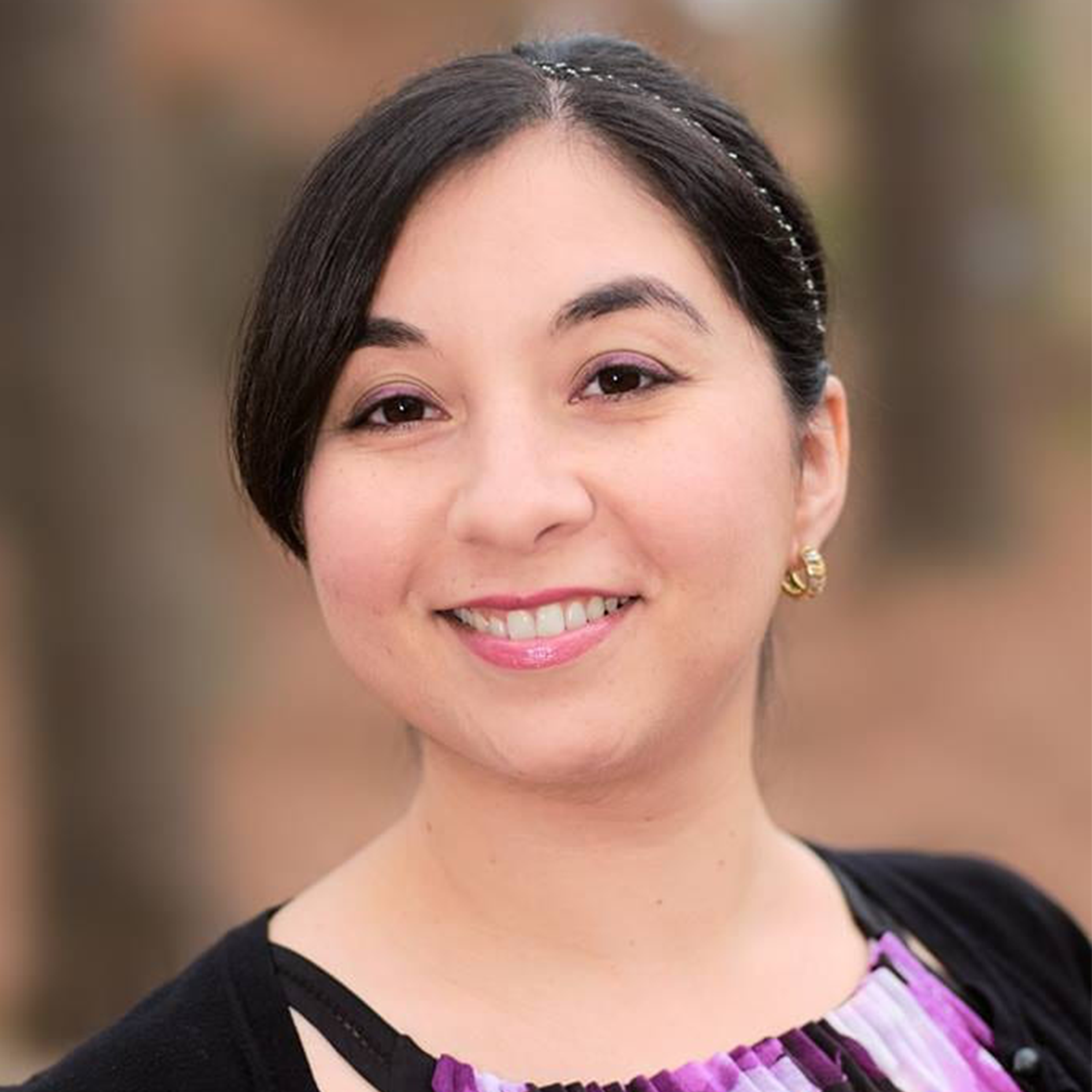
The effects of exercise on the brain
Apr 13, 202300:22:08Tap to summarizeConnie Cortes is an assistant professor of gerontology at the USC Leonard Davis School. Her work straddles the fields of neuroscience and exercise medicine, and she recently spoke to us about her research seeking to understand what is behind the beneficial effects of exercise on the brain with the goal of developing what she calls "exercise in a pill" therapies for cognitive decline associated with aging and neurodegenerative diseases. On brain plasticity and brain aging Brain plasticity we define as the ability of the brain to adapt to new conditions. And this can be mean something like a disease, it can mean something like stress, it can mean something like learning, and it can also mean something like aging. Our brain is actually quite plastic and can respond to a lot of these stimuli. Now, brain aging is a slightly different component to that where we think about what happens during the brain as we get older, the normal wear and tear. What are the differences and the similarities as well between a 75-year-old brain versus a two-year-old brain? What we've come to understand is like most other aging tissues, an aging brain begins to suffer from wear and tear just like a car would and that's where regular maintenance and regular checkups come in. … But essentially things at the biological level begin to slow down and as they slow down, that can affect the way our neurons fire and therefore we get age-associated decline in cognition and memory. On why exercise is good for the brain health That's one of the questions that my lab is trying to answer, but in the field of exercise medicine, we've come to appreciate that exercise is very good for the brain, and it appears to do so in multiple ways. It can affect your cardiovascular health, which has a direct impact on the brain as far as blood flow and essentially clearing the brain out of things it doesn't need. The other way is delivering, metabolites and essential nutrients to the brain during exercise we make a lot of these things that get into our blood and eventually transfer through the blood-brain barrier into the brain. And so as far as the biological mechanisms of how exercise is good for the brain, we really, truly don't know yet. But that is why this field is so exciting and I think we're poised to answer these questions in the next five to 10 years. On whether exercise can prevent or slow cognitive decline or diseases like Alzheimer's that are associated with aging For actually many decades now, we have had anecdotal evidence from the clinics that aging populations that are active, physically active, and or exercise have significantly lower levels of age-associated neurodegeneration, as well as just age-associated cognitive decline. And it's only been in the past, I would say 10 years that we've come to appreciate that it is truly the exercise activity. And so what we find is that consistently, no matter what markers of brain health we look at, those aging populations that are sedentary tend to do worse than those that are physically active. And so the field now is extremely interested in trying to understand why this is happening and can we kind of use these mechanisms and these targets as new therapies down the road. On efforts to develop "exercise in a pill" therapies We all know a hope that exercise is good for us. However, the most at-risk populations that we are trying to help, especially here in the school of gerontology, are populations that usually cannot engage in the level of exercise required. Now in the field, we're still trying to define what an exercise prescription is, but you may have heard you know, three times a week, 90 minutes a day, uh, some sort of cardio. And something that raises your heartbeat, uh, that is, has come from exercise studies in young people. However, elderly populations are sometimes suffering from additional medical conditions or sometimes there's a financial constraint or even an accessibility constraint, and they just cannot engage in that level of exercise. And so what we are trying to figure out is can we design exercise in a pill to perhaps allow them to receive the benefit without having to get on a treadmill three times a week? On when to begin exercising So that's the good news. It doesn't matter when you start, you will always get benefits. So for those of us that are a little bit more on the sedentary side, that's the good news. Now the better news is, is that yes, the earlier you start, the better. But this goes back to this concept of brain plasticity. The brain will respond to these interventions that promote neurotrophic signaling no matter how old you are, which is great for us from a therapeutic standpoint. And so the recommendation of remaining physically active is, start as soon as you can. And today is a good day to start. On the muscle-brain axis and how our muscles and brains communicate One of the challenges that we face in the field of exercise medicine is that exercise changes everything. And so we are always stumbling around this roadblock of, are the changes that we're seeing in our studies, the chicken or the egg, is it a cause or a consequence? Are they driving the benefits that we see or they just a response of the system? And so by narrowing down how different tissues communicate with each other during and after exercise, we're trying to answer this question of who is responsible for driving the benefits. And we focused on skeletal muscle because as you can imagine, it's one of the biggest responders to exercise. You need it to get on the treadmill, you use it to start lifting weights. And so where, first of all, trying to figure out how skeletal muscle responds to exercise and also how this changes with age. And what we have come to understand is that during exercise skeletal muscle secretes messages into the blood circulation that we believe are essentially talking to the brain and telling it to do better. And if we can identify these messages, then we can probably deliver them in the form of medication and therapy. And so this muscle-to-brain axis we believe is essential for the brain benefits of exercise, and we're hoping to use it to start, uh, prioritizing some of these targets for therapy. On exerkines The field of skeletal muscle physiology has known for a very long time that it's an endocrine organ, that it secretes things as it communicates with the rest of the body but the fields of exercise, medicine, skeletal muscle physiology and neurobiology have only started talking to each other in the past five years. And so there's an entire field of research now, um, called the field of exerkines, exercise-associated cytokines, things that come out of skeletal muscle and other tissues during exercise that may be some of these responses that were going after. On rethinking Alzheimer's as not only a disease of the brain Since Alzheimer's disease, was first identified over a hundred years ago now, we've thought about it as a disease of the brain, but recently we've come to appreciate that it may be a disease of the body and the brain is just the most sensitive organ to it. So in Alzheimer's disease patients if you examine some of their blood markers, some of their heart markers, some of their muscle markers, they're actually very different compared to healthy control populations. And so we are coming to appreciate the fact that despite the fact that the brain resides behind the blood-brain barrier and we thought it was isolated from the rest of the body, it's actually in direct communication and conversations with the rest of the body and the periphery. And so in our lab, we truly believe that skeletal muscle can influence the rate at which the brain ages and or develops things like Alzheimer's disease. On differences in how males and females respond to exercise It is only recently that the field is realizing that we don't know what the female brain does in response to exercise. However, from the clinical perspective, we do have some indications that women might be in a position to receive the most benefits from exercise interventions. And this comes from the current understanding that, for example, uh, women are the most at risk for developing Alzheimer's, and exercise is such a potent intervention against it. And so in our lab, we're currently beginning to tease out the sex differences associated with brand responses to exercise and trying to see what might be different. And we have some really interesting findings where, um, after exercise, the hippocampus particularly, which is the area that degenerates during aging and during Alzheimer's disease, it's where we store memory and cognition and it's also the, the brain region that r...
Transcribe →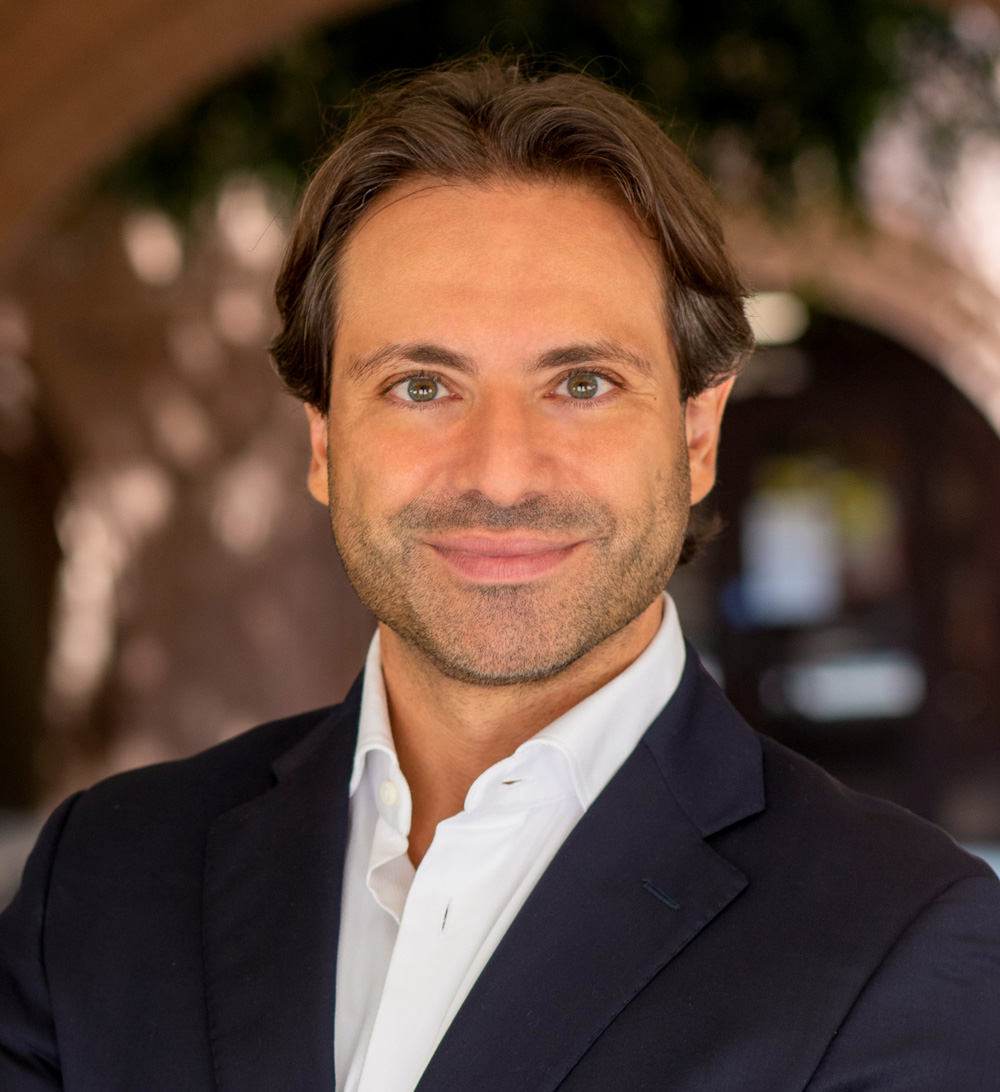
Tips for healthy aging
Feb 2, 202300:25:11Tap to summarizeDr. Roberto Vicinanza MD and PhD and instructional associate professor of gerontology at the USC Leonard Davis School, and a specialist in geriatric medicine, joins us for a conversation about healthy aging, including tips on how to keep the body and mind functioning for as long as possible. Quotes from this episode On the importance of setting small goals "People may have all the good intentions, but they might set up goals that are too ambitious and then when they don't reach that goal, they feel frustrated, and they quit… We have to let them understand that goals must be small…So, an apple a day. We have to eat the apple a day and be happy and recognize when we reach three or four days in a row that we are eating the apple, right? So celebrate the success even of small, very small goals." On keeping your diet simple "Diets cannot be too restrictive for a long period of time. The majority of people will give up. It is important that diet needs to be easy to follow, but at the same time needs to be healthy. When we talk about a simple diet, we are now referring on something that needs to be easy to follow, but also simple in terms of the way we make food. So we have to eat in a very simple way. So, avoiding ingredients that are maybe tasty, but not that healthy. And sometimes they also cover the, the real flavor of, of food. We have this tendency to add always sauces and creams and other things on food that actually cover the real flavor of food and also contain a lot of saturated fatty acids, heat and sodium, sometimes sugar. So, we increase these calories by adding something that we don't really need. Diet must be simple in terms of the type of diet that we have, but also in the way we cook and prepare dishes." On the benefits of the Mediterranean diet "So, the results that, that we have referred to the traditional Mediterranean diet, which is characterized by high consumptions of fruits and vegetables, cereals, legumes, extra virgin olive oil, nuts, and a moderate intake of fish, and a low intake of dairy products and meat products. So, we do have robust evidence suggesting that high adherence to these dietary patterns is linked to positive health outcomes, in particular for cardiovascular diseases, dyslipidemia and diabetes. But another important result was that the adherence to Mediterranean diet was inversely associated with a number of medications. So, patient who were more adherent to Mediterranean diet, they also used less medication. Another interesting observation that we found was related to depressive symptoms and comorbidity. When we analyze our data, we found out that the relationship between comorbidity and depressive symptom was high in older adults…In patients with higher adherence with Mediterranean diet, this correlation was weaker. When Mediterranean diet adherence declines, this relationship was stronger. So Mediterranean diet played seems to play a crucial role in mediating the relationship between the presence of comorbidity and depressive symptoms." On the importance of physical activity "Although we don't have big clinical trials on physical activity, we have small, randomized control trials showing that certain level of physical activity, may have some benefits in terms of improving the cardiovascular health and, utilization of glucose in the muscle in modulating inflammation, improved cognitive function and physical performance. Some of the benefits that we have from being active and also exercise regularly include an improvement in the cardiac output improving the health of the heart by improving cardiac contractility, oxygen uptake. And we know that we don't have to do long sessions of exercise or being extreme physically active. Already, if we walk between 45 to 75, 85 minutes a week, we can already see some benefits. Of course, the more we exercise, the more benefits we see, but at some point we reach a plateau." On sarcopenia "With the aging process, there is a decline in our muscle mass, strength and also performance. And this phenomenon is called sarcopenia. The level of physical activity, the changes in the hormones that occurs in older adults the amount of proteins that we eat when we are old all of these factors may contribute to the onset of sarcopenia, and also the progression of some sarcopenia. In terms of dietary intervention for sarcopenia, it is important in older adults to maintain an adequate protein intake. Recent studies suggest that older adults need to ingest between one to 1.2, 1.3 gram per kilogram a day of protein to sustain their muscle mass and functionality. And this amount can also be adjusted based on the body composition." On weight management "Weight management is a complex problems and obesity is a complex condition that can lead to health problems, including cardiovascular disease, diabetes ... but weight is not the only parameter that we should take into consideration when we talk about weight loss in particularly in older adults. So, it's not only important to monitor the fat content and the weight, but also evaluate the composition of the weight. There is some studies and meta-analysis conducted in older adults showing that even if the BMI is likely higher in older adults, this is not really associated with overall risk of mortality. So, on the other hand, if the BMI is low, below 22 or 23, the risk for mortality increased. Why that happened and why this has been observed, because of course, malnutrition may have some serious consequences in older adults. Weight fluctuations is another risk factor. So not only being underweight, but also this fluctuation of weight in older adults may have a negative effect. So, it's good to have a stable weight, preserve our muscle mass, do not rely only on the weight on the scale, and have an evaluation of the body composition. " On stress "Stress is an adaptive mechanism that allows the body to perform better in certain circumstances and situations, and to cope with temporary threats. However, when process become chronic these adaptive mechanisms of the body become destructive. Chronic activation of stress can alter our metabolism, can disrupt our endocrine system, including the reproduction, the reproductive system, glucose metabolism, but it can also affect our immune system and other many cell function. And all of these can accelerate the aging process. Now we also known that chronic stress may affect also our chromosomes. A large body of evidence has linked stress with shorter telomeres, and shorter telomeres are associated with cellular, aging, inflammation and chronic diseases." On healthy aging "Aging is a dynamic and complex process where biological, psychological, environmental, and behavioral factors are involved. And the complex interactions of these factors explain, at least in part why there is significant inter-individual variability in the way we age. But it also suggests that modification of some of these factors, when possible, can also slow down the aging process. I think that we cannot feel satisfied by considering healthy aging only when there is absence of disease. I think we should be a little bit more ambitious and consider aging as a physiological process that despite all the biological changes that occurred during this process, allow us to maintain an adequate physical, mental, and social wellbeing by preserving not only our basic functions, but also our functional reserve and functional capacity as long as possible. This will have a tremendous impact not only in terms of quality of life, but also or our loved ones and the community will live."
Transcribe →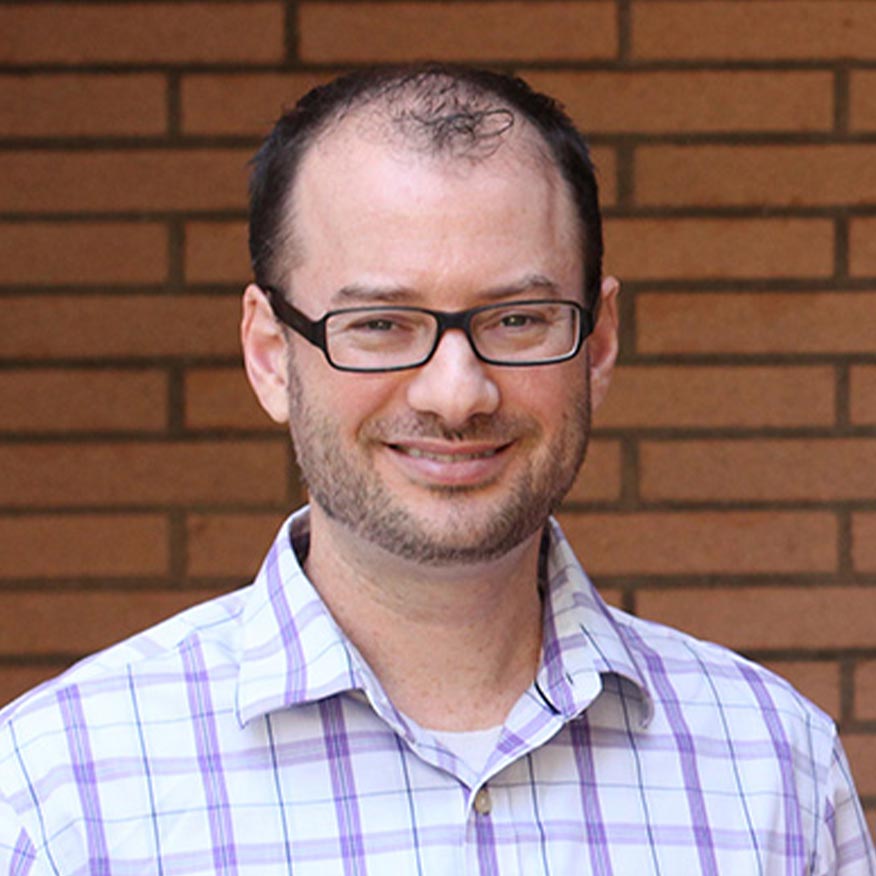
Cellular balance across the lifespan
Aug 30, 202200:27:13Tap to summarizeDion Dickman, associate professor of neuroscience and gerontology, joins George Shannon to discuss how the nervous system processes and stabilizes the transfer of information in healthy brains, aging brains and after injury or disease. Quotes from the episode: On synaptic plasticity: "Synapses are essential, fundamental units of nervous system function and plasticity is this remarkable ability to change. And throughout early development into maturation and even into old age, synapses just have this amazing resilience to change and adapt to different situations and injury disease, things like that. So synaptic plasticity is really the essence of what it means to grow and mature and change throughout life. Things like learning and memory all depend on changes in synaptic function and structure and it's really a key area of research for many of us." On challenges to maintaining nervous system stability: "You can imagine in the incredibly complex environment of your brain, where neurons are making synapses with thousands of other neurons, that itself is a big challenge to maintain stability. Sometimes I'm kind of amazed that we don't walk around like raving lunatics half the time and our brains remain stable. When you think of disorders of excitability or stability, things like seizures and various forms of defects in cognition ultimately come down to not being able to stabilize or maintain your neural circuit function. And this really just comes down to normal development that all of your nervous system has to stay stable and your synapses are the key substrates to maintain stability." On the aging brain: ".. a lot of studies are showing is that this cognitive decline that happens in aging really is ultimately due some sort of a maladaptive reduction in plasticity. And it's kind of amazing, but, young humans, our brains are remarkably plastic and resilient, and that resiliency and plasticity seems to degrade over time and into old age… We think as old age happens .. people's memories start to lapse, even in the absence of any disease, they're not quite as sharp. We think this all ultimately comes down to some limitations imposed on neuroplasticity and that's a major area of the research. On studying diseases like schizophrenia, which cannot be seen in brain imaging: "There are no good biomarkers for neuropsychiatric diseases like schizophrenia and bipolar and things like that. So, there are basically two ways to study these kinds of diseases. One is through behavior where you try to get animals to model behaviors that mimic neuropsychiatric diseases. There's some good work happening rodent systems. Although I find it to be honest, very difficult to know whether a mouse is showing the defect in social interaction, for example, that are characteristic of autism or schizophrenia for that matter. So the alternative instead is not to actually model the disease in drosophila or mice, but to take humans in which we can mine their genetics to find genes highly associated with the disease in humans and find out what the fundamental function of these genes are. And that's kind of the strategy that we take. So we found about 30 genes now that when mutated in drosophila give rise to defects in this process of homeostatic plasticity at synapses, and the vast majority of these genes have links to human diseases that give rise to neuropsychiatric diseases like autism spectrum disorder, schizophrenia, seizure disorders and, bipolar disorder as well. And so I think by understanding the fundamental functions of individual genes, we can extrapolate what might be happening in humans when those genes aren't functioning properly." On the importance of sleep: "…one of the most fascinating questions in neuroscience, or really science more generally is what is the function of sleep? What is the essential function of sleep and what role does synaptic homeostasis and disease play a role in sleep behavior? So, it's quite interesting that almost every neuropsychiatric disease has a sleep disorder associated with it. That's already very interesting. If you look at schizophrenics, their sleep patterns tend to be very fragmented. Whereas people with depression, chronic depression seem to sleep too much, much more than is needed and many neurodegenerative diseases of old age like Parkinson's, and Alzheimer's one of the earliest predictors of these are sleep dysfunction at earlier stages and there's also many studies that have shown that if you treat the sleep dysfunction, you can improve the symptoms of neuropsychiatric disorders. A schizophrenic, for example, might get if you improve their sleep, their symptoms, cognitive symptoms seem to improve children with autism spectrum disorder have, big defects in sleep behavior during development. And it's thought that if you treat the sleep defect, you can improve the phenotypes of autism. So a lot of research seems to be showing that synaptic homeostasis and plasticity and sleep behavior and disease all share really important and synergistic links between them. And I think that really is the major challenge for the future is to understand what happens to synapses during sleep. What happens to synapses during various neuropsychiatric diseases and can this intimate relationship between sleep and, and synaptic plasticity be targeted as a way to improve and treat psychiatric and neurodegenerative diseases." On bringing a multidisciplinary approach to research: This is a big advantage, I think of especially working at USC, in, you know, straddling different schools like Dornsife and gerontology and really being able to throw everything we can in our toolkit at a question or a problem. So, our lab is a drosophila genetics lab. We do neurogenetics. But we do electrophysiology to understand how synapses function we do basic imaging to see synaptic structures and how they work. But we also do a lot of super resolution imaging. Now we've got a super resolution microscope that we've recently purchased that allows us to look at the nano architecture of synapses and how they might change during defects and plasticity and disease. And finally, we're doing things like calcium and voltage imaging to really see the dynamics of how, you know, visualize plasticity happening in real time or dysfunction happening as they go on. So I think having a large toolkit to throw everything we can at a question really lets you see the same problem from many different perspectives. On the value of basic scientific research: "Science is for me a curiosity driven process. It's great that there are ramifications to disease and health and humans, but what initially inspired me was just to understand how does nature work and how does the nervous system work. And so I want to just say supporting basic research, basic science, even if it doesn't have any direct implications on disease right away, I think is really important as part of scholarship, as part of what we at the mission of our university, but also just as our world. I think to study basic processes and just understand how nature works and then the applications of them with all evolve. You know CRISPR CAS9, as many of you have probably heard about, all came from basic research and now it is going to revolutionize health and disease."
Transcribe →
A balancing act: homestasis under stress
Jul 27, 202200:32:09Tap to summarizeKelvin Davies is a Distinguished Professor of gerontology, molecular and computational biology, and biochemistry and molecular medicine at USC. Over the course of his career, he has played a central role in defining the pathways and mechanisms by which the body is able to maintain balance under stress and in uncovering the role aging plays in disrupting this balancing act. He recently joined Professor George Shannon to discuss his research on how the body is able to maintain balance under stress and the implications it could have for preventing age-related disease and decline. Quotes from this episode On the concept of adaptive homeostasis "So every organism that we've looked at is able to adapt to stress. And I'm talking not about psychological adaptation, but adaptation at a cellular or molecular level. And we've been working on what are the pathways which that adaptation occurs. And what we came up with over a series of a number of years is the concept of adaptive homeostasis. "What we found with adaptation is that successful adaptation actually involves the turn-on of a number of genes, a key one being something called NRF2. And NRF is a sort of a master regulator that turns on about another 200 genes. When I say 'turn on,' what I mean is that those genes start making their protein products. So the code in that gene starts being read, turned into a protein product. Thousands of proteins are then made. Many of them at least are enzymes that have a job to do. And all of those enzymes have a role in enabling you to adapt." On adaptive homeostasis and aging "As organisms age, the capacity for adaptive homeostasis declines. That's been true in everything we've looked at all the way from bacteria to yeast, to worms, to flies, to mice. "NRF2 activity is modified in aging. And so it doesn't work as well … And the reason we think that happens is that there's another gene that's turned on in aging that inhibits NRF2 responsiveness. It turns out that that gene might actually be helping to protect you against cancer. So one of the things that cancer cells are very good at is avoiding stress and adapting to stress. And in fact, NRF2 works really, really well in most cancer cells, better than in normal cells. So it looks as if the body is adapting to age by inhibiting its own NRF2 thus decreasing adaptive homeostasis in order to diminish the increase in cancer. We all know that cancer increases with age. Maybe it would increase twice as much if you didn't have this offset by inhibiting NRF2 in the cancer cells. And the price you pay is that you're also inhibiting NRF2 in your normal cells at the same time." On understanding the role of enzymes and backup systems "What we've learned over the years is that the body treats important enzymes much more like the way that NASA treats important components in a space shuttle. In other words, if something is important, let's have a backup to it. And if it's really important, let's have a backup to the backup. And if it's life-threatening, let's have a backup to the backup to the backup. And the problem is when you knock out one enzyme if you don't know if there's a backup enzyme to that one, then, and that takes over, then you'll completely mask the effects you're seeing. "We had a great example of that in my lab several years ago where we found an enzyme that was induced during chemical stresses that stopped DNA being read. So basically protein RNA synthesis and protein synthesis were stopped by this particular enzyme that got turned on during stress situations. If you inhibited that enzyme, it didn't make any difference because there was a backup to that enzyme. And if you inhibited the backup, it didn't make any difference either because there was a backup to the backup. So it turned out what was really important in cells is that if you're being stressed to the point where it could be lethal for that cell, all of these things will get turned on simultaneously and any one of them can do the job. You're willing to spend the extra chemical energy, so to speak, to turn all of them on to make sure that you don't die from the stress. So that, that's why I think just looking at one enzyme or another is not the way to go. And I think most people would follow that ethos today." On the role of sex in the adaptive response "What we found is that the females adapt better than males. Females generally lose less of their adaptive homeotic capacity with age than do males. So sorry, men we're losing out there. And also curiously, and this we don't understand, female flies responded to certain oxidants very well and others less well and males responded differently to different oxidants than did females. So there were some oxidants to which males responded relatively well [and] females didn't respond well and vice versa. This is sort of the power of molecular biology. "These days, we are able to do experiments with flies, where you can switch the sex of a fly from male to female or female to male. We wanted to do that basically to see whether or not we were right about the maleness or femaleness of the adaptive response. And it turns out when you switch a male fly to a pseudo female or a female to a pseudo male, genetically, they exactly switch their adaptive homeostatic capacities to the new sex." On future research directions "So everything basically in physiology is explained by homeostasis, but the homeostatic range is flexible and you can change it by training and by doing various other things. I think what we're seeing is the beginning of understanding how that process kicks off, or those kinds of processes kick-off, how they begin that involves NRF2 and similar enzymes and similar genes. But then after the initial response, if you're looking at a long-term adaptive response, that's a whole different set of genes and set of proteins that are involved that we're only at the very, very beginning of understanding I would say." On the importance of being a mentor "If you're going to be an educator or a professor, it should be a major part of what you do. I've been fortunate enough to receive several mentoring awards, and I'm very proud of them. And I think they're some of the most important work that I've done. "Over 30 postdocs have gone through my lab over the years and a similar number of PhD students have done their PhDs in my lab. Many of them have gone through and done their work very well. And, and we've said goodbye, and I see them occasionally and others of them are family members … They are literally a part of Joanna, my wife and I, my family; we see them all the time. We are very close to many of them and follow their careers and have had relationships with some for over 30 years. It's a really a joy in terms of some of the best aspects of being a university professor. I think it's one of the things I've enjoyed most, I must say. And hopefully I've been able to be of some help some of those people over the years and to occasionally steer them in the right direction."
Transcribe →