Loading summary
Transcript61 lines
- [00:00]
NPR Announcer
Support for this NPR podcast and the following message come from Carvana. Selling your car. Carvana has offers so good they're almost inexplicable. Sell your car 100% online in minutes. Visit Carvana.com today.
- [00:15]
Karen McNenney
It's interesting when I use the phrase first, my first husband, my dear first husband, People assume he's dead. He's not dead. But if he were, we would speak about him in a way that had so much kindness and compassion and regard and respect. He isn't someone I want to ex off this planet or out of our family. He is a wonderful influence and support to our children and I would never wish that he were gone.
- [00:48]
Mariel Segarra
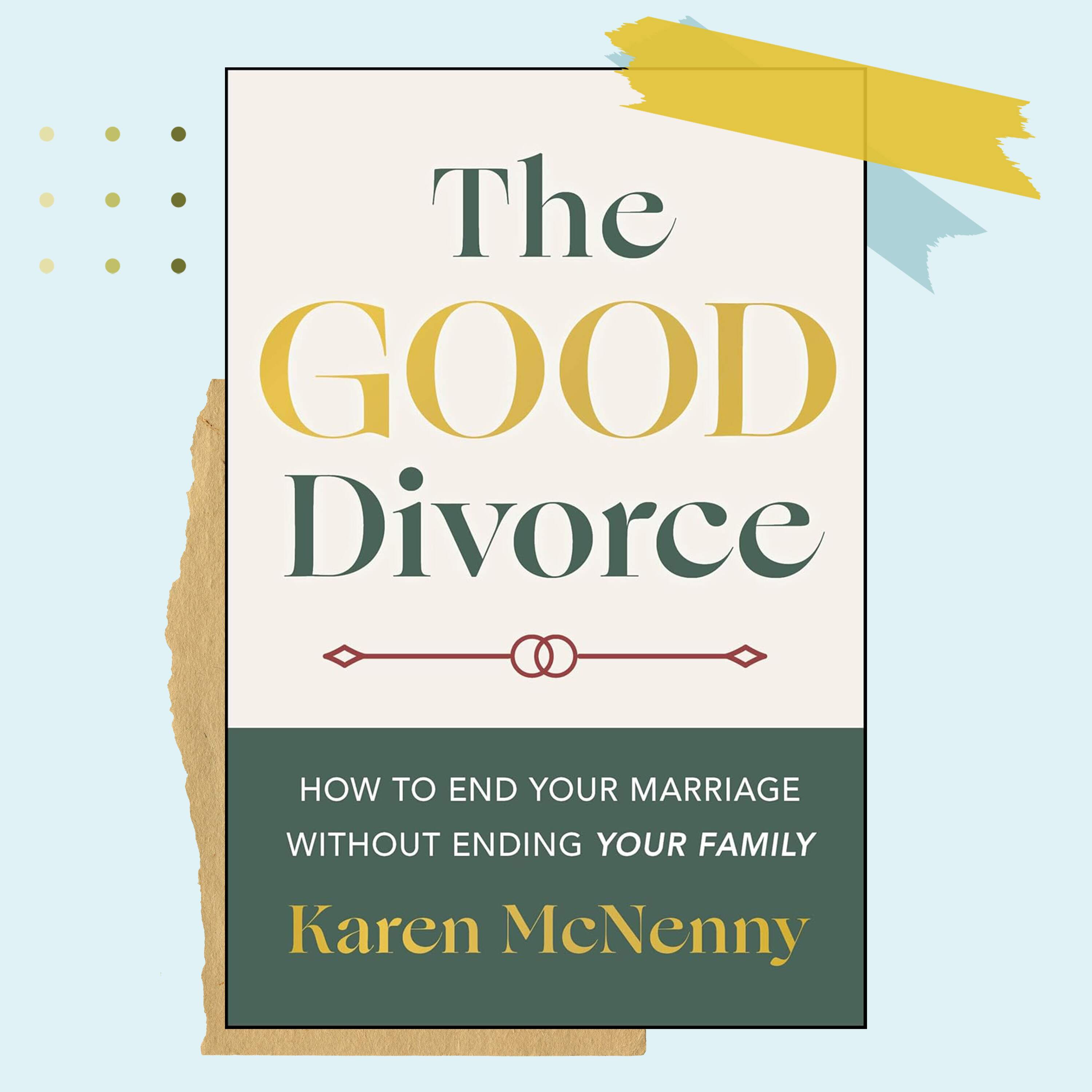
You're listening to Life Kit. I'm Mariel Segarra and that was Karen McNenney, certified divorce coach and certified co parenting specialist, talking about why she doesn't call her former husband her ex. Karen wrote a book called the good how to end your marriage without ending your family.
- [01:05]
Karen McNenney
The best time to talk about divorce is before you need to talk about divorce.
- [01:10]
Mariel Segarra
But when you go into a marriage or you're engaged, it's hard to talk about divorce because your soon to be spouse is like, what are you planning to divorce me? Like you're already thinking about this, right?
- [01:23]
Karen McNenney
It has this big negative connotation. And you know, my, my metaphor for that is every time we fly, they say take out the safety card in the backseat pocket and we're going to review together what to do should there be turbulence. If this plane is going down and we don't sit there and think, why is this airline so pessimistic? Why are they planning for us to crash? Why do they do it every time? We know the drill, but nope, we want you to be prepared, what to expect. So I feel like the book is the safety card for marriage.
- [02:00]
Mariel Segarra
When people get married, they tend to think of it as a forever commitment. But of course, divorce happens now. Karen says the paradigm of a good divorce will not work for everyone.
- [02:11]
Karen McNenney
And I want to be really clear and compassionate about those who find themselves in marriages where there's active addiction or abuse or domestic violence or crime, coercion or unmanaged mental health issues. There are times where, you know, skipping off into the sunset in a good divorce, amicable collaborative process is not possible and maybe not even appropriate. But I think there are many more of us that just need to get unmarried and we don't have all of that other trauma who, if we knew that there was a different exit strategy, we would take it.
- [02:53]
Mariel Segarra
On this episode of Life Kit, what It means to have a good divorce. You actually say divorce is a tool and not a weapon.
- [03:04]
Karen McNenney
Yeah.
- [03:05]
Mariel Segarra
How did you come to that realization?
- [03:09]
Karen McNenney
As I was facing down my own divorce, which has now been about 15 years ago, I was so afraid of what was on offer. Oh, I'm set for a future of destruction and despair and high debt and a lifetime of resentment. I'm like, I cannot become enemies with the father of our children. So we had to really change the framework and the thinking. And I thought to weaponize is so destructive. But if we looked at divorce as a tool, we're going to renovate and transform this family, we're not going to destroy it. That's a very different paradigm to start from. And if you don't have children, I don't see any reason why you cannot take the same path that is less destructive. You know, those who don't share children get a little more of a clean break. They get to walk away and not necessarily stay connected. But maybe you own a business together, maybe you became best friends with your brother in law. So lots of ways to dissolve without destruction.
- [04:18]
Mariel Segarra
And it sounds like there are ways forward where you could end up still being friends or you could just be, you know, cordial to each other or co parents. It depends on the relationship itself and what you started with.
- [04:32]
Karen McNenney
Oh, I think you're exactly right, Marielle and I like to remind people, you don't have to be friends, but can you be friendly? And it's not only the relationship that we had when we were courting each other, falling in love, getting married, having our children, but it really is identifying early enough that the marriage is starting to deteriorate. A lot of us wait too long until the core relationship has so much damage that's been done to it. I think in part because we don't have much social permission to change our marital status. We're all about change in this culture. Change where you live, change your job, change your major, change your hairdo. Change, change, change. But don't change your marital status. And as a result of that, not only do we stay too long, but during that extended stay of resistance to make an elegant exit, we start building a case against our current spouse because we feel we have to justify why we're walking out the door.
- [05:49]
Mariel Segarra
Takeaway 1 Think of divorce as a tool, not a weapon. A tool to change your life, to be happier, to develop a better co parenting relationship, to get distance from a dynamic that's not working and is dragging you and your spouse down. And if divorce is a tool it's a good idea to pull it out of the box sooner rather than later to start the process before you and your spouse hate each other. Of course, there are instances where an amicable, collaborative divorce process is not possible or appropriate. But a lot of couples could benefit from a good divorce.
- [06:23]
Karen McNenney
And to be clear, good divorce doesn't mean easy. This stuff is not easy. It's hard. It's painful. There's grief. It's very challenging, even under the best of conditions. But after the paperwork is done, after the ink has dried, the assets have been divided, can you and your co parent sit on the same side of the bleachers during the basketball game? Can you see yourself still as a partnership and an ability to have thoughtful conversations about your kids and what they're going through, what support they need? So the good divorce is protecting the future of the family while we dissolve the marriage?
- [07:10]
Mariel Segarra
And what about if you don't have kids?
- [07:12]
Karen McNenney
For those that don't have kids, you're protecting your health, your mental health, your physical health. What we know is that if we are doubling down with resentment and bitterness, all of that gets stored in the body and shows up in different ways. You deserve a pathway that's less destructive.
- [07:38]
Mariel Segarra
After the break, we talk about the tenets of a good divorce.
- [07:46]
Karen McNenney
This message comes from MIDI Health, a
- [07:48]
Mariel Segarra
virtual care platform for women in perimenopause and menopause.
- [07:52]
Karen McNenney
Chief Medical Officer Dr. Kathleen Jordan shares the wide range of symptoms they work to address for women in midlife. There's dry eyes, dry hair, dry skin. There's dry mouth, trouble sleeping, panic and anxiety attacks. When we ask patients about common symptoms, on average they report six MIDI Health committed to helping women in midlife with perimenopause and menopause care. Accessible via telehealth visits@joinmidi.com this message comes
- [08:21]
NPR Announcer
from NPR sponsor Carvana. Carvana makes car buying easy 100% online prices down to the penny, delivered to your door. Why make car buying hard when it could be easy? Visit Carvana.com today. Terms may apply. This message comes from Betterment. Their automated investing and saving tools give you the quiet confidence of someone who knows where to put their money with tax smart tools that help grow your after tax returns year round. Get started today@betterment.com that's B E T T E R M E N T.com investing involves risk performance, not guaranteed. Betterment is not a tax advisor, nor should any herein be considered tax advice. Please consult a qualified tax professional.
- [09:06]
Karen McNenney
250 years ago, the nation's founders considered a free press a critical protection for we the people. Today, the NPR network proudly upholds your First Amendment rights with reporting accountable only to you. It's something we protect together. Power a truly independent press. Support the NPR Network at NPR
- [09:31]
NPR Announcer
a
- [09:31]
Mariel Segarra
lot of us have basically a mini beauty product store in our bathrooms, and it's easy to feel like if you don't use the right serums, creams, acids and toners, you're somehow doomed to having bad skin. But do you really need all those products? Life Kit made a special newsletter series to help you figure out your skin care goals and what you actually need. Sign up@npr.org skincare or or find the link in the description for this episode. When you got divorced, you had a therapist give you and your former husband a sort of playbook with tenets. And one of them was do no more harm.
- [10:12]
Karen McNenney
It was a really powerful reminder when she used those words, do no more harm. There's already been enough harm done. And that was so true. So now we can stop it. We're no longer working on the marriage. You get to move on. And that's actually a very liberating perspective.
- [10:32]
Mariel Segarra
Yeah, it can be a relief. We don't have to have these fights anymore.
- [10:36]
Karen McNenney
Yeah, we don't have to have those fights anymore. We don't have to keep contorting ourselves. We don't have to keep this household that is maybe building in conflict. It's a complex emotional journey because we do feel relief of walking away from some of those things and maybe even specifically our spouse and the challenges. But with it, there is extraordinary grief that comes with divorce that I think is often underestimated and under supported. If my spouse had died, people would have been checking in with me regularly. I never would have spent a holiday alone in that first year. There probably would have been a meal train. But he didn't die. But my marriage died. My family structure died. My identity as a wife and partner died. So much grief through these transformations. So supporting friends in all those ways that you would, as if there had been an actual death is doing a lot for your friends who are going through divorce.
- [11:42]
Mariel Segarra
So I guess on the side of the person who's getting divorced, do you think there's an element of letting your community know that you need support? Because it's not always obvious.
- [11:53]
Karen McNenney
It's not obvious and it's awkward. So one of the tools that I encourage clients to do is to really put a communication strategy together. And it's not just how we tell the kids, but it's also a communication strategy to the grandparents, to the circle of support around the kids, teachers, coaches, mentors, and to our shared community. And under the best conditions. It's really extraordinary when a couple can write that message together, not unlike a marriage announcement, but in this case it sounds more like we've made a really difficult decision. We wanted to let you know we're not going to court. Don't expect a battle. Please don't ask us why, just ask us how we're doing. Doing. We're on the same side of the kids. You don't need to pick sides. And in doing so, we've given everyone the same information as once. It's a unified message that comes from the parent team and it allows your community to know how best to support you. And it takes all the gossip and wonder about what is going on and it gives everybody clarity
- [13:12]
Mariel Segarra
takeaway 2 Do no more harm. You and your spouse may have already done emotional harm to each other in this breakup process. Commit to doing no more. You can set that tone by sending a joint message to your community, letting them know that they don't need to pick sides and that you still have respect for each other. And speaking of community, let your friends and family know how they can support you in this moment. They may not immediately know what to do, but but if you could use a meal train or help moving into your new place or just some company, tell them. Another tenet that that therapist gave you was work towards indifference. What does that mean?
- [13:55]
Karen McNenney
I asked myself the same question in the moment, Marielle. I'm like, indifference. Does that mean I just don't care? I have no feelings? Like, that's impossible. So I had to go back and really examine what indifference means. And what it's come to mean for me is I just don't get triggered. All those pokey hotspots. When he says a thing and does a thing that used to just irritate me or accumulatively over time kind of led to the disillusion of the marriage. It now means that, oh, yep, that's just who he is. It's kind of like the stranger on the street, the person in traffic, the individual who cut in front of you in the grocery line. You're like, I'm not even bothered. I'm indifferent. It allows me to emotionally regulate myself from a wiser, more conscious part of my brain so that I'm not constantly triggered and walking around with all these big feelings in reaction to my former spouse. And that, my dear, is not a light switch experience. That does not happen overnight. That is more like a dimmer switch going up and down and up and down. And the gift of time really helps us to, to get there.
- [15:16]
Mariel Segarra
I think that part of this is also about not having the same fight over and over again. Sometimes people get out of a relationship and then they're still having the same fights with that person, whether in their head in real life.
- [15:33]
Karen McNenney
It's so true.
- [15:34]
Mariel Segarra
Yeah. And you don't have to. I mean, I understand if you have kids, like some of the same dynamics might start to show up again, but you have dissolved a lot of your tether to this person. Probably living in separate places now. So you have more freedom to like let them do how they do and you do how you do and just start to accept, okay, this is how they roll through the world. As long as they're keeping our kids safe and they're not harming them in any way. Like it is what it is. Yeah.
- [16:11]
Karen McNenney
I think we forget that our former spouse is the same person as our spouse. As you said, like eh, that's how they roll. And early on as a parent that now your kids, for 50% of the time, potentially, you don't see them, you don't know what they're having for breakfast, you don'. What they wore to school that day. What is that other parent doing or choosing? And I can remember being with a friend and just being all torn up about what was or wasn't happening in that other home, which is a really common effect that can happen post divorce. And my friend turned to me and said, are your kids in mortal danger? I'm like, of course they're not. She's like, okay, then if they're having Froot loops and wearing two different shoes, you gotta let it go.
- [16:59]
Mariel Segarra
Karen Takeaway 3 Work towards indifference. Ideally, that means when your former spouse does something that would have triggered an emotional reaction from you before, it just doesn't anymore. If they show up late or they're sarcastic or their house is a mess, none of that is your problem. Now if you have kids together, yes, you need to make sure that your children are safe and free from harm, but the other parent doesn't have to do everything the way you do it. If you don't have kids together, you don't have to stay in touch with this person at all. Unless you both want to. Either way, just remember, you don't have to relive all those old fights you used to have with them in person or in your head. After the break, we talk about splitting kids into two homes and who to see first when you want a good divorce? It's not an attorney.
- [17:51]
NPR Announcer
This message comes from Betterment. Their automated investing and saving tools give you the quiet confidence of someone who who knows where to put their money with tax smart tools that help grow your after tax returns year round. Get started today@betterment.com that's B E T T E R M E N T.com investing involves risk performance, not guaranteed. Betterment is not a tax advisor nor should any information herein be considered tax advice. Please consult a qualified tax professional.
- [18:21]
Mariel Segarra
If you do have kids and you're splitting into two homes, what are some ways to make that change easier for them?
- [18:30]
Karen McNenney
Starting with the schedule Thinking about we don't want our kids to be ping pongs. What can happen is a family writes a parenting plan that says kids shall be here and here. And I don't even like to call it a custody plan. That just sounds like a possession. Our kids are not possessions. I like to call it a residential schedule. Where are the kids in residence? And being able to let that residential schedule grow and change and evolve in the moment, but also over time with your children. Our kids were five and seven when we divorced, so it was three or four nights at a time in each home. And then by the time they got to be about 8 or 10, it made sense to go a week in each residence. After Covid, the kids came to us and said, can we just have two weeks in a house we want to be able to settle in more? Okay. And I know a lot of parents who are so rigid about the schedule that even if grandma comes to town unexpectedly for three days and you turn to spouse and say, hey, can we change things up a little bit? There's no flexibility that doesn't serve anyone. So I really recommend, you know, liberate the calendar and the schedule and let it grow with your kids appropriately and let it bend and flex. The other thing is to really think about gear and how to organize gear. When kids are young, you can duplicate things across both homes pretty easily. But when it comes to the hockey gear and the ski gear and the bicycles, then those are items that are going to have to be coordinated between parents, not the children's responsibility, certainly not when they're young. We do the parenting business offstage and then it just magically happens for kids.
- [20:25]
Mariel Segarra
Takeaway 4 Flexibility is key when you co parent with a former spouse, think about what's best for the kids, not for you. And do the business of parenting privately, not in front of Your kids also try to make the transitions easier for them. One thing Karen and her former husband did, they didn't call their houses Mom's house and dad's house because the kids belonged in both places. So they name the houses after the streets they lived on. You, on the other hand, might call your houses the Park View House and the Riverview House, or the Blue house and the Yellow house. You can also ask your kids to name them something creative. For folks who are looking for a cooperative divorce and not an acrimonious one, where can they start?
- [21:13]
Karen McNenney
Well, first steps. Don't call an attorney. Look for some alternative experts. Divorce coaching I think Katherine Woodward Thomas, her book Conscious Uncoupling teaches us so much about the emotional journey of the relationship rupture that we also really underestimate. We forget that there's a breakup when we're just focused on dividing assets.
- [21:40]
Mariel Segarra
I think you mentioned in the book there are some models where each spouse has a lawyer, but it's still a cooperative, friendly environment.
- [21:49]
Karen McNenney
The collaborative law movement was designed by an attorney who recognized that he was tired of sitting in courtrooms and watching families destroy each other. So collaborative law is recognized by the American Bar association. And the strategy is not so much that like you're you and your spouse have to be collaborative, like you're coming to the table, all amicable and cooperative. It's really telling the attorneys they need to collaborate because attorneys are trained to fight for their client to the death against the opposing counsel. And if that opposing counsel is representing your co parent, well, now we've got trouble that's going to echo for decades. But in collaborative law, you each come with your own attorney. You sit at the table together. There's often a neutral financial person at the table helping to talk about those finances. And there's also often a mental health professional or a child life specialist. So you have this wraparound service. And within the good divorce model that I guide people through, we work on family and then finances and the attorneys. At the very end, I guide couples to write their parenting plan, make their financial decisions, the restructuring of how they're going to live. There's so much pre work, the communication plan. And then we show up at an attorney's office who's willing to do the written legal work and they become much more of an administrator of divorce.
- [23:40]
Mariel Segarra
Takeaway 5 if you want a cooperative divorce, Karen says, don't start with an attorney. Seek the advice of other experts first, like a divorce coach, a licensed marriage and family therapist, or co parenting specialist. And know that There is a legal model called collaborative law where you each have an attorney, but you come up with a plan together and also get the help of mental health and parenting specialists. The goal is to reach a settlement without going to court. Given what you know about divorce, what questions do you think couples should be asking themselves before they get married?
- [24:18]
Karen McNenney
1. This is a legal business contract. Really understand what it is that you're saying yes to not planning a wedding. Not the romantic love part, but the business part. Which is why I actually think those prenuptial agreements that as a culture have been put into this bucket of unromantic threatening. There is no harm, in my opinion, in having a prenuptial agreement that even, even if you decided not to file it or write it out, having the conversation about what would be in it, what are the implications? Oh, you're bringing an inheritance. What happens if that gets entangled? Oh, what does it mean if we buy this house together? What does it mean if one of us works more and one of us works less? Like we just don't know. And so often when people arrive at the threshold of divorce, one of the first they're like, we don't know what we're doing. We don't know anything about this. Get educated about the business part of it. I would also suggest that we underestimate what it is to be roommates, like life partners in the day to day. What are your value systems around cooking, cleaning, where you spend time, how much alone time you need, like these really fundamental areas of compatibility. Because I think it's easy to fall in love and not actually know if you're compatible.
- [25:57]
Mariel Segarra
Do you think you'd get married again?
- [26:02]
Karen McNenney
Yes. Long pause. I think it's an abstract question right now because I am a solo pilot of my life, I very much want to be re partnered in a way that is secure and deep and rich and supportive. And I don't know that the legal marital construct is something that I would say yes to. Again, I'm not saying no. I'm saying, huh, I don't know. But I absolutely hope that I get to say yes to a lifelong commitment with a partner, as I believe we often are given the opportunity to become a better version of ourself through partnership. And that isn't just romantic partnership, but all relationships.
- [26:59]
Mariel Segarra
Well, I. I wish that for you too.
- [27:02]
Karen McNenney
Thank you.
- [27:04]
Mariel Segarra
Karen, thank you so much for this.
- [27:06]
Karen McNenney
It's been a delight. Thank you.
- [27:09]
Mariel Segarra
Okay, time for a recap takeaway.
- [27:12]
NPR Announcer
1.
- [27:12]
Mariel Segarra
Think of divorce as a tool, not a weapon, and pull it out of the box sooner rather than later. Start the process before you and your spouse absolutely hate each other. Takeaway 2 Do no more harm. One way to set that tone is by sending a joint message to your community telling them they don't need to pick sides and you still have respect for for each other. Takeaway 3 Work towards indifference. Takeaway 4 Flexibility is key when you co parent with a former spouse and takeaway 5 if you want a cooperative divorce, Karen says, don't start with an attorney. Instead, seek the advice of other experts like a divorce coach, a licensed marriage and family therapist, or a co parenting specialist. And consider coming to a settlement through a legal model called Clinical Collaborative Law. All right, that's our show. Before we go, what do you think? Would you rate and review Life Kit in your podcast app? Here's one review from user Sarita Papita. What a cute name. I love Life Kit so much. They always have interesting topics that help me learn, spark curiosity, and inspire me. Thanks for helping me be a better human Life Kit. You are welcome, Sarita Pepita, we really appreciate you and your reviews. And if you're not Sarita Pepita and you haven't left a review yet, go ahead. What are you waiting for? Let us know what you appreciate about Life Kit with a review in your podcast app. This episode of Life Kit was produced by Sylvie Douglas. Our visuals editor is CJ Ricolon and our digital editor is Malika Grebe. Meghan Cain is our senior supervising editor and Lauren Gonzalez is our executive producer. Our production team also includes Andy Tagle, Margaret Serino, and Claire Marie Schneider. Engineering support comes from Sina Lofredo and Jimmy Keeley. I'm Mariel Segarra. Thanks for listening. The fatal shooting of a teenager at a protest in Seattle has gone unsolved for six years.
- [29:14]
NPR Announcer
This is open in your face. How are there no answers?
- [29:18]
Mariel Segarra
Our investigation has uncovered new evidence and witnesses who say they've never talked to police.
- [29:23]
NPR Announcer
Did police ever call you?
- [29:24]
Mariel Segarra
Not once. Listen to We Keep Us Safe, a new true crime series on the Embedded podcast from npr.
- [29:33]
Peter Sagal
Hi, it's me, Peter Sagal, host of Wait, Wait, don't tell Me. It's summer. And if you want to turn your pool party into a nerdfest, check out our news quiz. We got comedians, we got celebrities, we got games to help you. You laugh about the week's news. Yeah, that news. It'll be just like we're all hanging out at your backyard barbecue. Listen every week to Wait, Wait, don't tell me. On the NPR app or wherever you get your podcasts?