
Podcast
Life Kit
Hosted by NPR · EN
Everyone needs a little help being a human. From sleep to saving money to parenting and more, host Marielle Segarra talks to experts to get the best advice out there. Life Kit is here to help you get it together.
Support public media by joining NPR+ at plus.npr.org. You’ll get perks for over 25 NPR podcasts, including sponsor-free listening and helpful curated playlists by topic for Life Kit.
Support public media by joining NPR+ at plus.npr.org. You’ll get perks for over 25 NPR podcasts, including sponsor-free listening and helpful curated playlists by topic for Life Kit.
291episodes
Episodes
Newest firstAll episodes
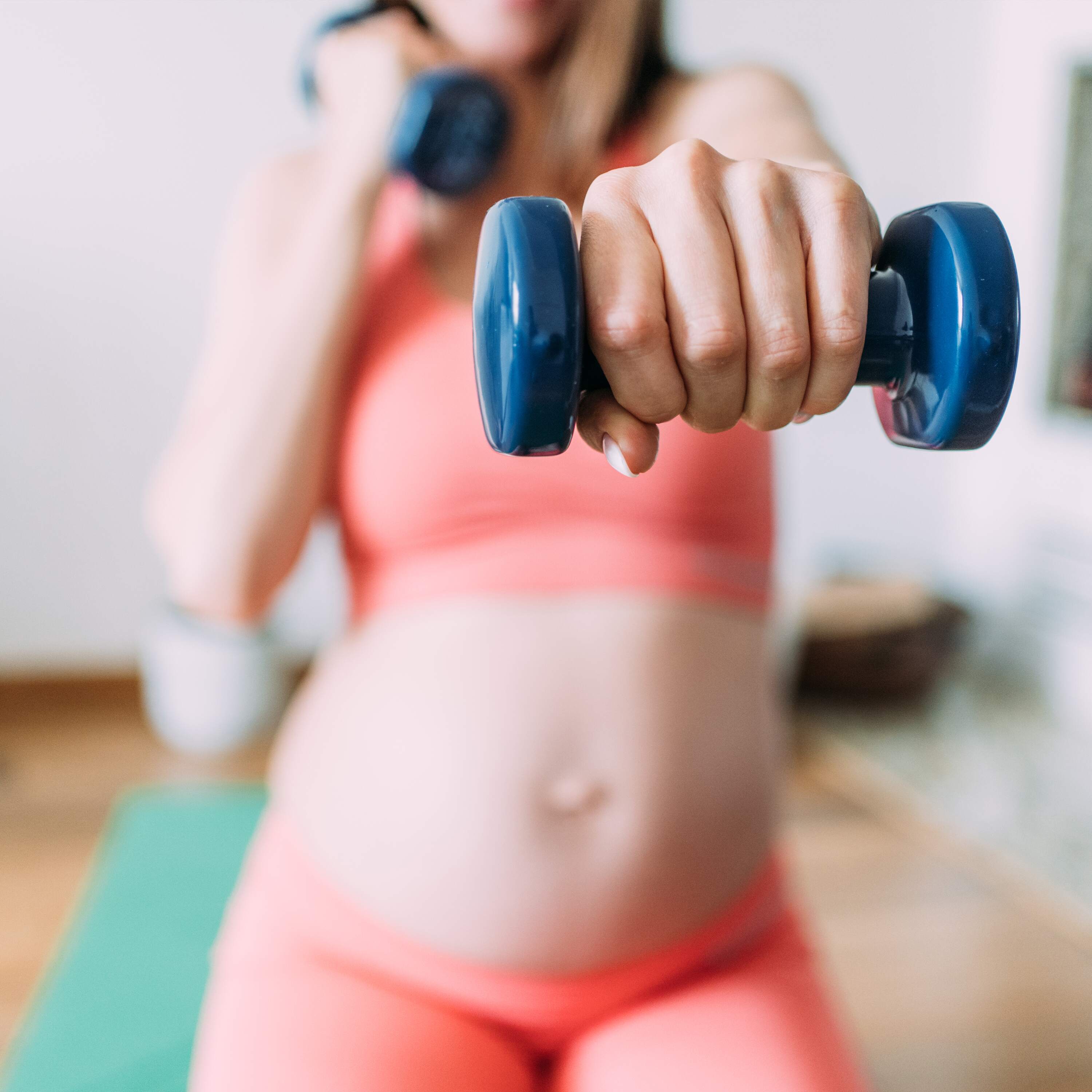
Don't stop exercising just because you're pregnant
3d ago00:29:39Summary readyMany people pause physical activity during pregnancy -- but research shows that exercising while pregnant is good for your health and your baby's health. If you're unsure which kinds of exercise are on the table, fear not. Life Kit reporter Andee Tagle takes you through the workout guidance for each trimester and how you can physically prepare for your due date.Follow us on Instagram: @nprlifekitSign up for our newsletter here.Have an episode idea or feedback you want to share? Email us at lifekit@npr.orgSupport public media with NPR+ and enjoy perks for over 25 podcasts like this one. This show’s perks include sponsor-free listening and convenient playlists of popular help topics like personal finance, getting healthy, and more. Learn more at plus.npr.org.See pcm.adswizz.com for information about our collection and use of personal data for sponsorship and to manage your podcast sponsorship preferences.NPR Privacy Policy
Summary
Find your side quest
4d ago00:26:27Summary readyIn gaming, a side quest is a mission outside the main narrative or goal that players can take for fun. In life, it functions similarly. It's a hobby or activity that doesn't have any purpose other than bringing more whimsy, sparkle and exploration into your life. In this episode of Life Kit, host Marielle Segarra and Brittany Luse of NPR's It's Been a Minute talk to experts about how to find a side quest that builds your world's lore and brings you back to life.Follow us on Instagram: @nprlifekitSign up for our newsletter here.Have an episode idea or feedback you want to share? Email us at lifekit@npr.orgSupport public media with NPR+ and enjoy perks for over 25 podcasts like this one. This show’s perks include sponsor-free listening and convenient playlists of popular help topics like personal finance, getting healthy, and more. Learn more at plus.npr.org.See pcm.adswizz.com for information about our collection and use of personal data for sponsorship and to manage your podcast sponsorship preferences.NPR Privacy Policy
Summary
Free yourself from 'information overload'
1w ago00:23:46Summary readyDo you check your phone to set a reminder, then get sidetracked by every targeted social media ad? Or plan to spend your day in focus mode only to be derailed by your TV? We encounter dozens of screens everyday, each of them with an abundance of information calling for our attention. But there is a way to set better boundaries with your tech. This episode, Manoush Zomorodi, host of NPR's TED Radio Hour and author of Body Electric, explains how to free yourself from "information overload."Follow us on Instagram: @nprlifekitSign up for our newsletter here.Have an episode idea or feedback you want to share? Email us at lifekit@npr.orgSupport the show and listen to it sponsor-free by signing up for Life Kit+ at plus.npr.org/lifekitSee pcm.adswizz.com for information about our collection and use of personal data for sponsorship and to manage your podcast sponsorship preferences.NPR Privacy Policy
Summary
How to have better conversations
1w ago00:19:45Summary readyCalled 'supercommunicators,' these people have the exceptional ability of creating authentic connections with others — just by listening and talking. This episode originally ran on Februrary 20, 2024 Follow us on Instagram: @nprlifekitSign up for our newsletter here.Have an episode idea or feedback you want to share? Email us at lifekit@npr.orgSupport the show and listen to it sponsor-free by signing up for Life Kit+ at plus.npr.org/lifekitSee pcm.adswizz.com for information about our collection and use of personal data for sponsorship and to manage your podcast sponsorship preferences.NPR Privacy Policy
Summary
Savings strategies that actually work
2w ago00:22:09Summary readyYou know you want to save for that vacation, those new tires and more generally, the future. But what savings approach actually works? Certified financial planner Tania P. Brown recommends trying savings buckets. By creating separate categories — or buckets — for your savings, you can prioritize your goals, plan ahead and set rules for when you'll tap into each fund. In this episode, Brown shares tips on building sinking funds and emergency funds, as well as other types of savings accounts, so you can stay motivated and on track with your financial goals.Follow us on Instagram: @nprlifekitSign up for our newsletter here.Have an episode idea or feedback you want to share? Email us at lifekit@npr.orgSupport the show and listen to it sponsor-free by signing up for Life Kit+ at plus.npr.org/lifekitSee pcm.adswizz.com for information about our collection and use of personal data for sponsorship and to manage your podcast sponsorship preferences.NPR Privacy Policy
Summary
What to do when you're too upset to think straight
2w ago00:22:42Summary readyStressed, anxious, or angry? Distress tolerance tools — from dunking your head in a bowl of ice water to imagining yourself in a calm setting — can help. In this episode, clinical psychologist Shireen Rizvi shares dialectical behavior therapy skills from the recent book she co-authored, Real Skills for Real Life. These physical and mental exercises can help you care for yourself, so you can think more clearly, problem solve and make it through life's painful and frustrating moments.Follow us on Instagram: @nprlifekitSign up for our newsletter here.Have an episode idea or feedback you want to share? Email us at lifekit@npr.orgSupport the show and listen to it sponsor-free by signing up for Life Kit+ at plus.npr.org/lifekitSee pcm.adswizz.com for information about our collection and use of personal data for sponsorship and to manage your podcast sponsorship preferences.NPR Privacy Policy
Summary
A decision coach's approach to making hard decisions
2w ago00:22:26Summary readyIn this episode, decision coach Nell Wulfhart shares exercises to make speedier decisions, when to ask others for guidance and how to deal with any regret. This episode originally published June 2, 2025.Follow us on Instagram: @nprlifekitSign up for our newsletter here.Have an episode idea or feedback you want to share? Email us at lifekit@npr.orgSupport the show and listen to it sponsor-free by signing up for Life Kit+ at plus.npr.org/lifekitSee pcm.adswizz.com for information about our collection and use of personal data for sponsorship and to manage your podcast sponsorship preferences.NPR Privacy Policy
Summary
Before you fibermaxx, know these tips
3w ago00:14:42Summary readyFiber is a dietary superhero. It lowers cholesterol, helps regulate blood sugar levels and keeps your hunger in check. But chances are, you're not getting enough of it. NPR health correspondent (and fiber fanatic) Maria Godoy shares easy ways to up your fiber intake. Plus, the science of what fiber does in your body and how having more in your diet could help you. This episode was originally published Sept. 19, 2023.Follow us on Instagram: @nprlifekitSign up for our newsletter here.Have an episode idea or feedback you want to share? Email us at lifekit@npr.orgSupport the show and listen to it sponsor-free by signing up for Life Kit+ at plus.npr.org/lifekitSee pcm.adswizz.com for information about our collection and use of personal data for sponsorship and to manage your podcast sponsorship preferences.NPR Privacy Policy
Summary
When your best friend tells you to stop texting her
3w ago00:16:32Summary readyAdvice inbound. In this edition of Dear Life Kit, we're pulling wisdom from the Life Kit archives to help you: -Support a friend who is imposing distance -Escape your kids' exhausting schedule -Handle a tricky conversation about money with your family -Call out some bad energy in your friend's marriage Have a question for the Life Kit team? Write us or send a recording to lifekit@npr.org. Questions about money, health, home and family life, staying organized, sticky social situations — we want them all. We may answer your question in a future episode. Follow us on Instagram: @nprlifekitSign up for our newsletter here.Have an episode idea or feedback you want to share? Email us at lifekit@npr.orgSupport the show and listen to it sponsor-free by signing up for Life Kit+ at plus.npr.org/lifekitSee pcm.adswizz.com for information about our collection and use of personal data for sponsorship and to manage your podcast sponsorship preferences.NPR Privacy Policy
Summary
Summer fun that doesn't break the budget
3w ago00:12:19Summary readyWondering how to have fun this summer without spending a fortune? All you need is a little creativity. Go on a "penny date." Throw a movie marathon party. Swap houses with a friend. With a little imagination, you can bring delight and joy — at a low cost — to your sunny days ahead. This episode originally aired Aug. 1, 2023.Follow us on Instagram: @nprlifekitSign up for our newsletter here.Have an episode idea or feedback you want to share? Email us at lifekit@npr.orgSupport the show and listen to it sponsor-free by signing up for Life Kit+ at plus.npr.org/lifekitSee pcm.adswizz.com for information about our collection and use of personal data for sponsorship and to manage your podcast sponsorship preferences.NPR Privacy Policy
Summary