Podcast
Making Gay History | LGBTQ Oral Histories from the Archive
Hosted by Eric Marcus · EN
Intimate, personal portraits of both known and long-forgotten champions, heroes, and witnesses to history brought to you from rare archival interviews.
16episodes
Episodes
Newest firstAll episodes

Stonewall National Monument on “Endangered” List
1w ago01:49:44Tap to summarizeToday, the National Trust for Historic Preservation designated the Stonewall National Monument in NYC as one of America’s "11 Most Endangered Historic Places." As an antidote to the threat of erasure facing the country’s only national monument dedicated to LGBTQ+ history, MGH is re-releasing its season about the Stonewall uprising with the support of the National Trust for Historic Preservation and the National Parks Conservation Association. MGH's Stonewall 50 season first aired in June 2019. Visit our season webpage to access background information, archival photos, and other resources, as well as episode transcripts. ——— To learn more about listener data and our privacy practices visit: https://www.audacyinc.com/privacy-policy Learn more about your ad choices. Visit https://podcastchoices.com/adchoices
Transcribe →
The Nazi Era: Episode 12: Epilogue
Apr 10, 202500:27:15Tap to summarizeIn this final episode, we reflect on why there are so few testimonies from LGBTQ people who survived the Nazi era and on the responsibility we have to honor the testimonies we do have in the face of the unfolding dark times here at home.Visit our episode webpage for additional resources, archival photos, and a transcript of the episode.For exclusive Making Gay History bonus content, join our Patreon community.———-Audio of the 1990 interview with Josef Kohout used by permission of QWIEN, the Center for Queer History in Vienna. -The Josef Kohout book excerpt is from Heinz Heger’s The Men with the Pink Triangle, Haymarket Books, Chicago, 2023. Used by permission of the publisher. Original German edition Die Männer mit dem rosa Winkel © 1972/2014 MERLIN VERLAG Andreas Meyer Verlags GmbH. & Co. KG, Gifkendorf, Germany. English translation by David Fernbach © 2004 MERLIN VERLAG Andreas Meyer Verlags GmbH. & Co. KG, Gifkendorf, Germany.-Audio of Dr. Walter Reich and Rabbi Sharon Kleinbaum from the October 10, 1996, ceremony courtesy of the United States Holocaust Memorial Museum, Washington, D.C. -RG-50.030.0841, oral history interview with Gary H. Philipp, courtesy of the Jeff and Toby Herr Oral History Archive, United States Holocaust Memorial Museum, Washington, D.C. For more information about the United States Holocaust Memorial Museum, go here. ——— To learn more about listener data and our privacy practices visit: https://www.audacyinc.com/privacy-policy Learn more about your ad choices. Visit https://podcastchoices.com/adchoices
Transcribe →
The Nazi Era: Episode 11: Fredy Hirsch
Apr 3, 202500:30:59Tap to summarizeCharismatic German Jewish athlete Fredy Hirsch dedicated himself to inspiring and protecting children imprisoned by the Nazis. In this episode, survivors of Theresienstadt and Auschwitz whose lives were made tolerable, sometimes even joyful, thanks to his selfless efforts share their memories. Visit our episode webpage for additional resources, archival photos, and a transcript of the episode.For exclusive Making Gay History bonus content, join our Patreon community.———-The following interview segments are from the archive of the USC Shoah Foundation – The Institute for Visual History and Education: Dina Gottliebova-Babbitt, © 1998 USC Shoah Foundation Michael Honey, © 1997 USC Shoah Foundation Peter Mahrer, © 1998 USC Shoah Foundation Helga Ederer, © 1997 USC Shoah Foundation Yehudah Bakon, © 1996 USC Shoah Foundation Melitta Stein, © 1996 USC Shoah Foundation Eva Gross, © 1996 USC Shoah Foundation Chava Ben-Amos, © 1997 USC Shoah Foundation For more information about the USC Shoah Foundation, go here.-The following interview segments are from the United States Holocaust Memorial Museum Collection, Washington, D.C., courtesy of the Jeff and Toby Herr Foundation: RG-50.030.0488, oral history interview with Ursula Pawel RG-50.477.0497, oral history interview with John Steiner, gift of Jewish Family and Children's Services of San Francisco, the Peninsula, Marin and Sonoma Counties RG-50.106.0061, oral history interview with Rene Edgar Tressler For more information about the United States Holocaust Memorial Museum, go here.-The Rudolf Vrba audio was drawn from footage created by Claude Lanzmann during the filming of Shoah. Used by permission of the United States Holocaust Memorial Museum and Yad Vashem, the Holocaust Martyrs and Heroes’ Remembrance Authority, Jerusalem.——— To learn more about listener data and our privacy practices visit: https://www.audacyinc.com/privacy-policy Learn more about your ad choices. Visit https://podcastchoices.com/adchoices
Transcribe →
The Nazi Era: Episode 10: Kenneth Roman
Mar 27, 202500:36:34Tap to summarizeKenneth Roman was 15 when the Nazis rolled into his Polish hometown. After they liquidated the Jewish ghetto to which he and his family had been confined, he was sent to a series of forced labor camps and finally a concentration camp, where a sadistic block elder made him his “batman.”Visit our episode webpage for additional resources, archival photos, and a transcript of the episode.For exclusive Making Gay History bonus content, join our Patreon community.———The interview with Kenneth Roman is from the archive of the USC Shoah Foundation – The Institute for Visual History and Education, © 1998 USC Shoah Foundation. For more information about the USC Shoah Foundation, go here.——— To learn more about listener data and our privacy practices visit: https://www.audacyinc.com/privacy-policy Learn more about your ad choices. Visit https://podcastchoices.com/adchoices
Transcribe →
The Nazi Era: Episode 9: Margot Heuman
Mar 20, 202500:29:33Tap to summarizeGerman Jewish survivor Margot Heuman attributed her survival of the Nazi concentration camps to her friendship with another teenage girl. It wasn’t until the end of her life that she confided in lesbian historian Anna Hájková about the intimate nature of the friendship.Visit our episode webpage for additional resources, archival photos, and a transcript of the episode.For exclusive Making Gay History bonus content, join our Patreon community.———The interview with Margot Heuman is from the archive of the USC Shoah Foundation – The Institute for Visual History and Education, © 1994 USC Shoah Foundation. For more information about the USC Shoah Foundation, go here.——— To learn more about listener data and our privacy practices visit: https://www.audacyinc.com/privacy-policy Learn more about your ad choices. Visit https://podcastchoices.com/adchoices
Transcribe →
The Nazi Era: Episode 8: Lucy Salani
Mar 13, 202500:35:54Tap to summarizeLucy Salani was assigned male at birth, so when she came of age she was conscripted into the Italian army. She soon deserted—the first of several daring escapes that eventually landed her in Dachau. She’s one of the only trans people to testify about their experiences in Nazi concentration camps.Visit our episode webpage for additional resources, archival photos, and a transcript of the episode.For exclusive Making Gay History bonus content, join our Patreon community.———Lucy Salani interview footage courtesy of Matteo Botrugno and Daniele Coluccini, directors of the 2021 documentary C'è un soffio di vita soltanto (A Breath of Life). The film was produced and released in Italy by Blue Mirror and Kimerafilm and distributed internationally by True Colours.——— To learn more about listener data and our privacy practices visit: https://www.audacyinc.com/privacy-policy Learn more about your ad choices. Visit https://podcastchoices.com/adchoices
Transcribe →
The Nazi Era: Episode 7: Gad Beck
Mar 6, 202500:28:11Tap to summarizeAfter the 1942 deportation of his boyfriend, 19-year-old Jewish Berliner Gad Beck vowed to help others escape the same fate. He became a prominent resistance member and used his resourcefulness, sexual barter, and chutzpah to save fellow Jews from the Nazi murder machine.Visit our episode webpage for additional resources, archival photos, and a transcript of the episode.For exclusive Making Gay History bonus content, join our Patreon community.———RG-50.030.0361, oral history interview with Gad Beck, courtesy of the Jeff and Toby Herr Oral History Archive, United States Holocaust Memorial Museum, Washington, D.C. For more information about the United States Holocaust Memorial Museum, go here.——— To learn more about listener data and our privacy practices visit: https://www.audacyinc.com/privacy-policy Learn more about your ad choices. Visit https://podcastchoices.com/adchoices
Transcribe →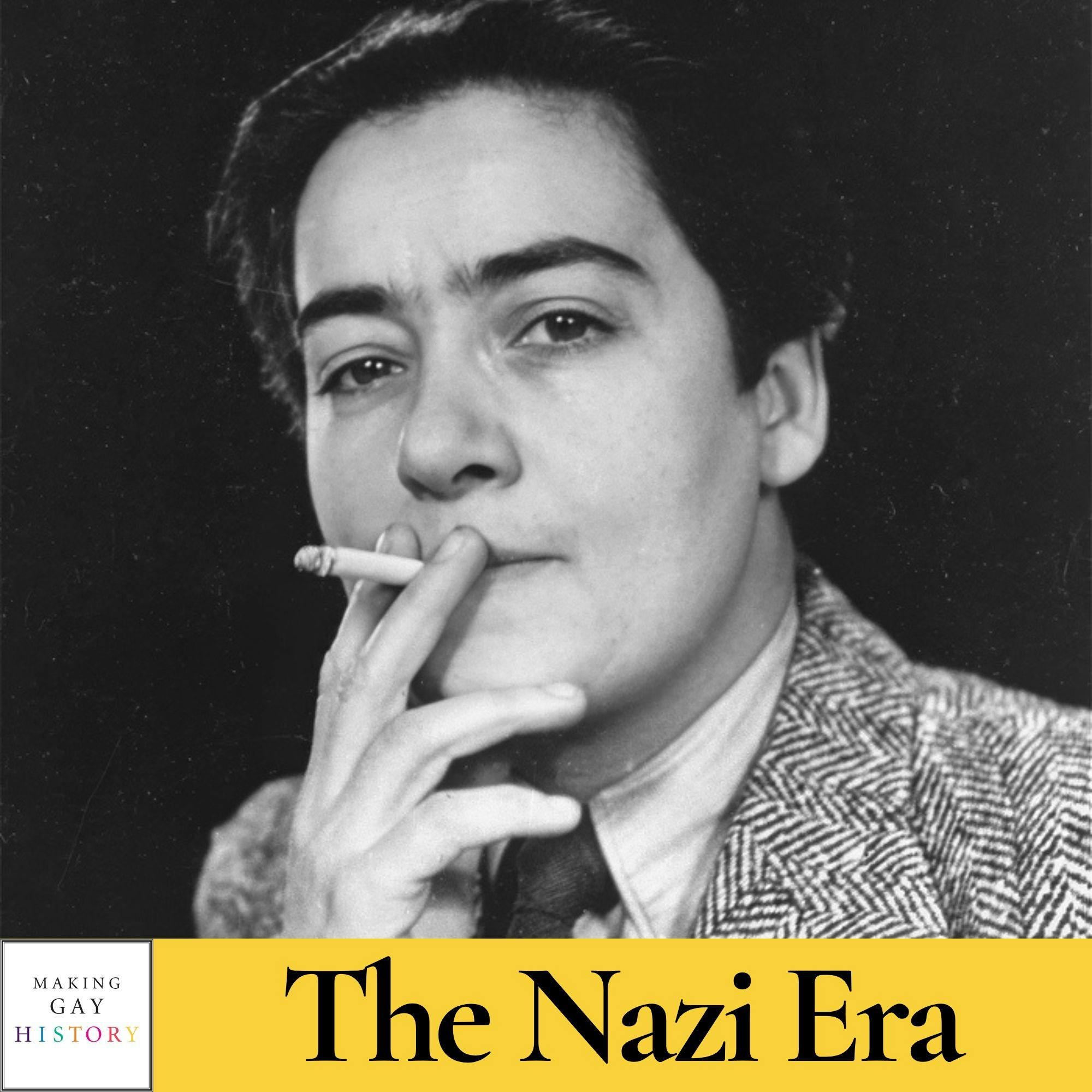
The Nazi Era: Episode 6: Frieda Belinfante
Feb 27, 202500:30:59Tap to summarizeWhen the Nazis invaded the Netherlands in 1940, 36-year-old conductor Frieda Belinfante disbanded her orchestra and dedicated herself to helping others. She forged IDs to save Jews from deportation and joined a resistance group that carried out a daring act of sabotage.Visit our episode webpage for additional resources, archival photos, and a transcript of the episode.For exclusive Making Gay History bonus content, join our Patreon community.———RG-50.030.0019, oral history interview with Frieda Belinfante, courtesy of the Jeff and Toby Herr Oral History Archive, United States Holocaust Memorial Museum, Washington, D.C. For more information about the United States Holocaust Memorial Museum, go here.——— To learn more about listener data and our privacy practices visit: https://www.audacyinc.com/privacy-policy Learn more about your ad choices. Visit https://podcastchoices.com/adchoices
Transcribe →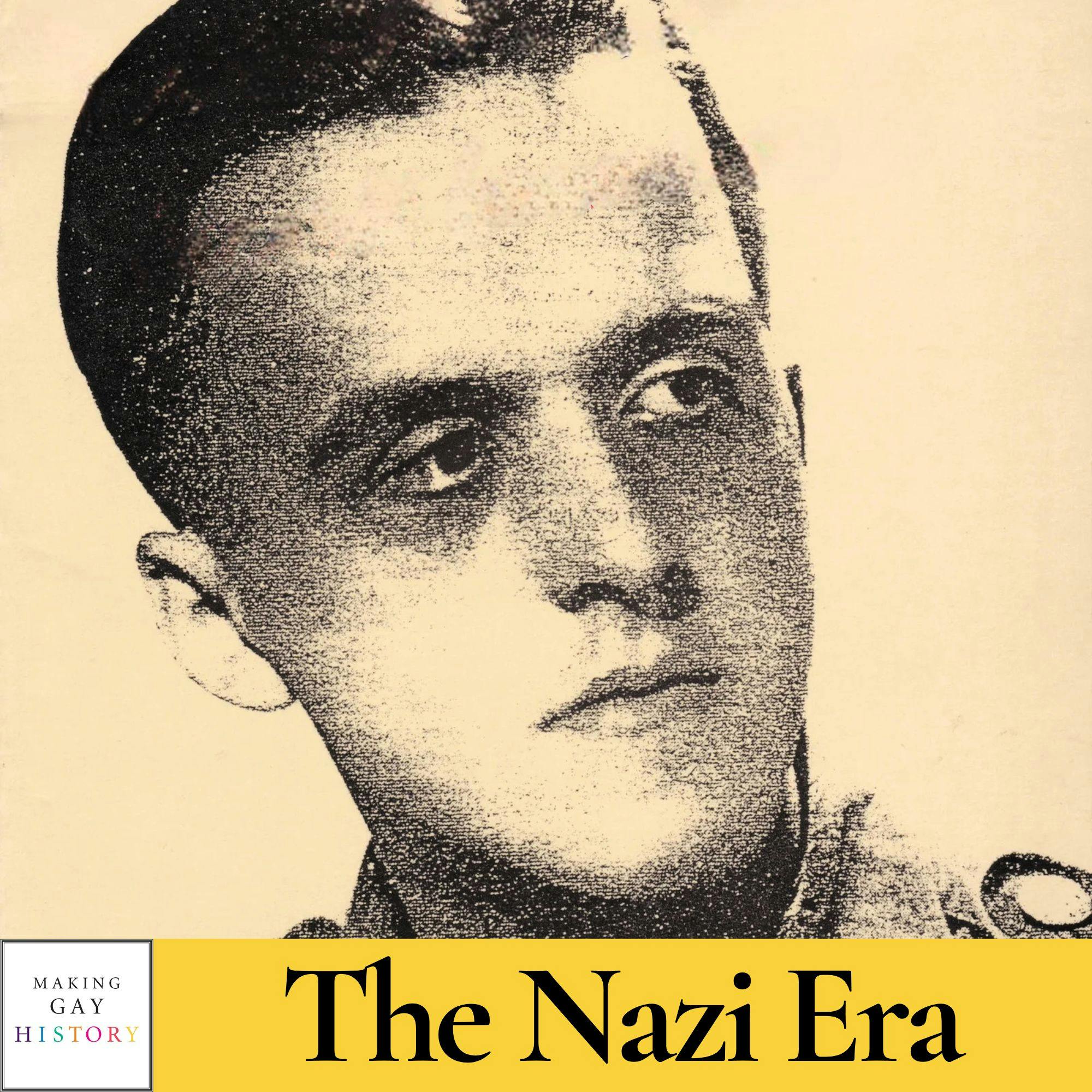
The Nazi Era: Episode 5: Pierre Seel
Feb 20, 202500:27:07Tap to summarizeIn 1939, French teenager Pierre Seel had his watch stolen at a cruising spot in his hometown. When he reported the crime to the police, he was placed on a list of suspected homosexuals. Two years later, with the city now under Nazi occupation, he was summoned by the Gestapo.A note about language: the person featured in this episode refers to Roma people by the now offensive term gypsies. To stay true to the original French testimony, we’ve not updated that term in our voiceover translation. Visit our episode webpage for additional resources, archival photos, and a transcript of the episode.For exclusive Making Gay History bonus content, join our Patreon community.———-The first interview with Pierre Seel, conducted in 1993 by Daniel Mermet, is provided courtesy of Là-bas si j'y suis.-The second interview with Pierre Seel, conducted by Laurent Aknin, is from the archive of the USC Shoah Foundation – The Institute for Visual History and Education, © 1996 USC Shoah Foundation. For more information about the USC Shoah Foundation, go here.——— To learn more about listener data and our privacy practices visit: https://www.audacyinc.com/privacy-policy Learn more about your ad choices. Visit https://podcastchoices.com/adchoices
Transcribe →
The Nazi Era: Episode 4: Stefan Kosinski
Feb 13, 202500:29:49Tap to summarizePolish teenager Stefan Kosinski was beaten, tortured, and sent to prison. His crime? He fell in love with a Viennese soldier serving in the German army. When the soldier was sent to the Eastern Front, Stefan sent him a love letter, which was intercepted by the Nazis.Visit our episode webpage for additional resources, archival photos, and a transcript of the episode.For exclusive Making Gay History bonus content, join our Patreon community.———RG-50.030.0355, oral history interview with Teofil (Stefan) Kosinski, courtesy of the Jeff and Toby Herr Oral History Archive, United States Holocaust Memorial Museum, Washington, D.C. For more information about the United States Holocaust Memorial Museum, go here.——— To learn more about listener data and our privacy practices visit: https://www.audacyinc.com/privacy-policy Learn more about your ad choices. Visit https://podcastchoices.com/adchoices
Transcribe →