
Podcast
Medical Definitions
Hosted by Юрий Дольц · EN
Medical Definitions Podcasts
11episodes
Episodes
Newest firstAll episodes
Acute fatty liver of pregnancy. Medical Definition of Acute fatty liver of pregnancy. Podcast
Jul 10, 202200:01:07Tap to summarizeFull version - https://youtu.be/18QMYTVbU-o Acute fatty liver of pregnancy - liver failure in late pregnancy, usually of unknown cause. Symptoms include nausea and vomiting, abdominal pain, yellowing of the skin and eyes (jaundice), frequent thirst (polydipsia), increased urination (polyuria), headache, and altered mental state.
Transcribe →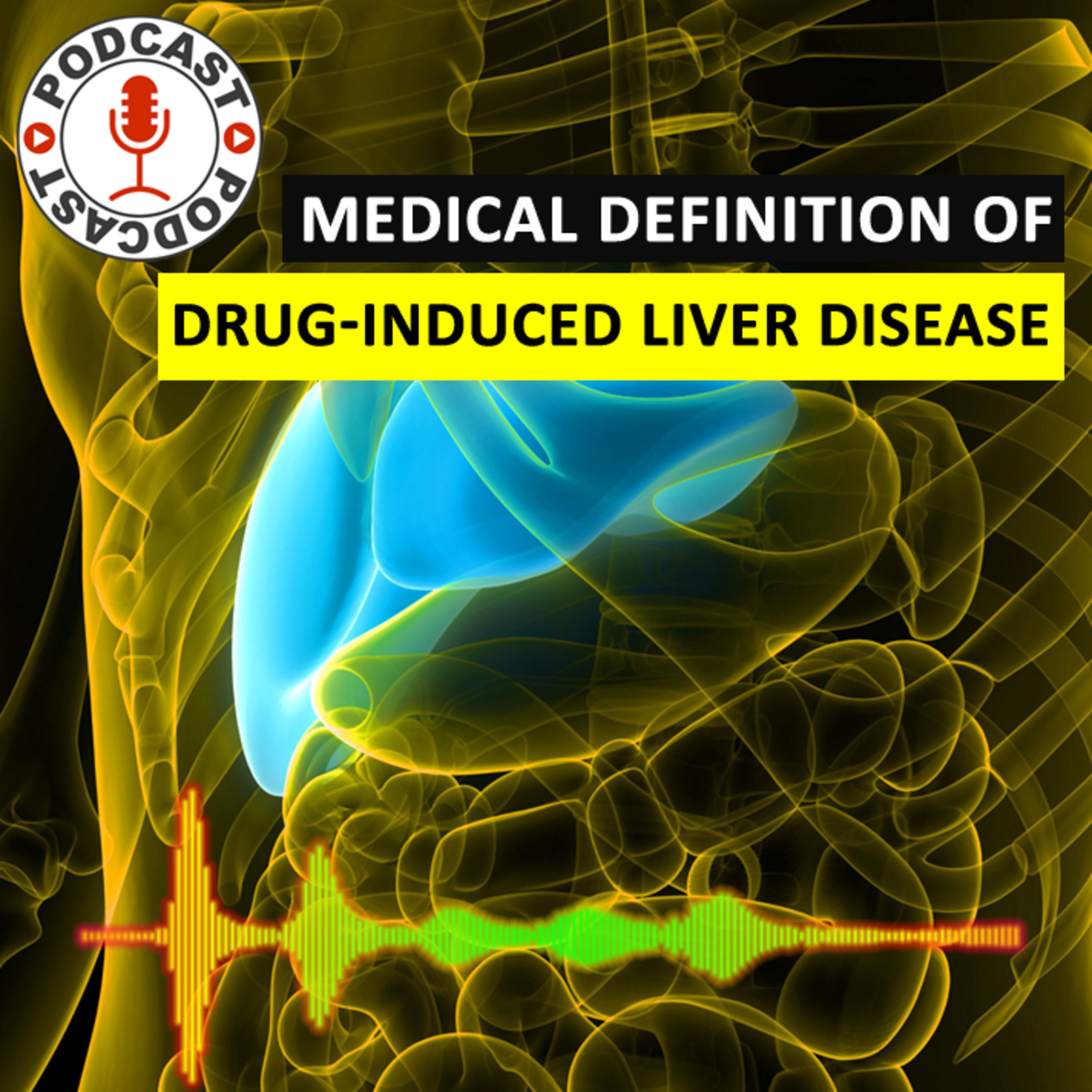
Drug-induced liver disease. Medical Definition of Drug-induced liver disease. Podcast
Jul 10, 202200:01:28Tap to summarizeFull version - https://youtu.be/nbIAiR4mCTM Drug-induced liver diseases are diseases of the liver that are caused by physician-prescribed medications, over-the-counter medications, vitamins, hormones, herbs, illicit ("recreational") drugs, and environmental toxins.
Transcribe →
Nausea. Medical Definition of Nausea. Podcast
Jul 10, 202200:00:48Tap to summarizeFull version - https://youtu.be/rURTL_2lKAg Nausea - an unpleasant sensation vaguely referred to the epigastrium and abdomen, with a tendency to vomit. Nausea may be a symptom of a variety of disorders, some minor and some more serious.
Transcribe →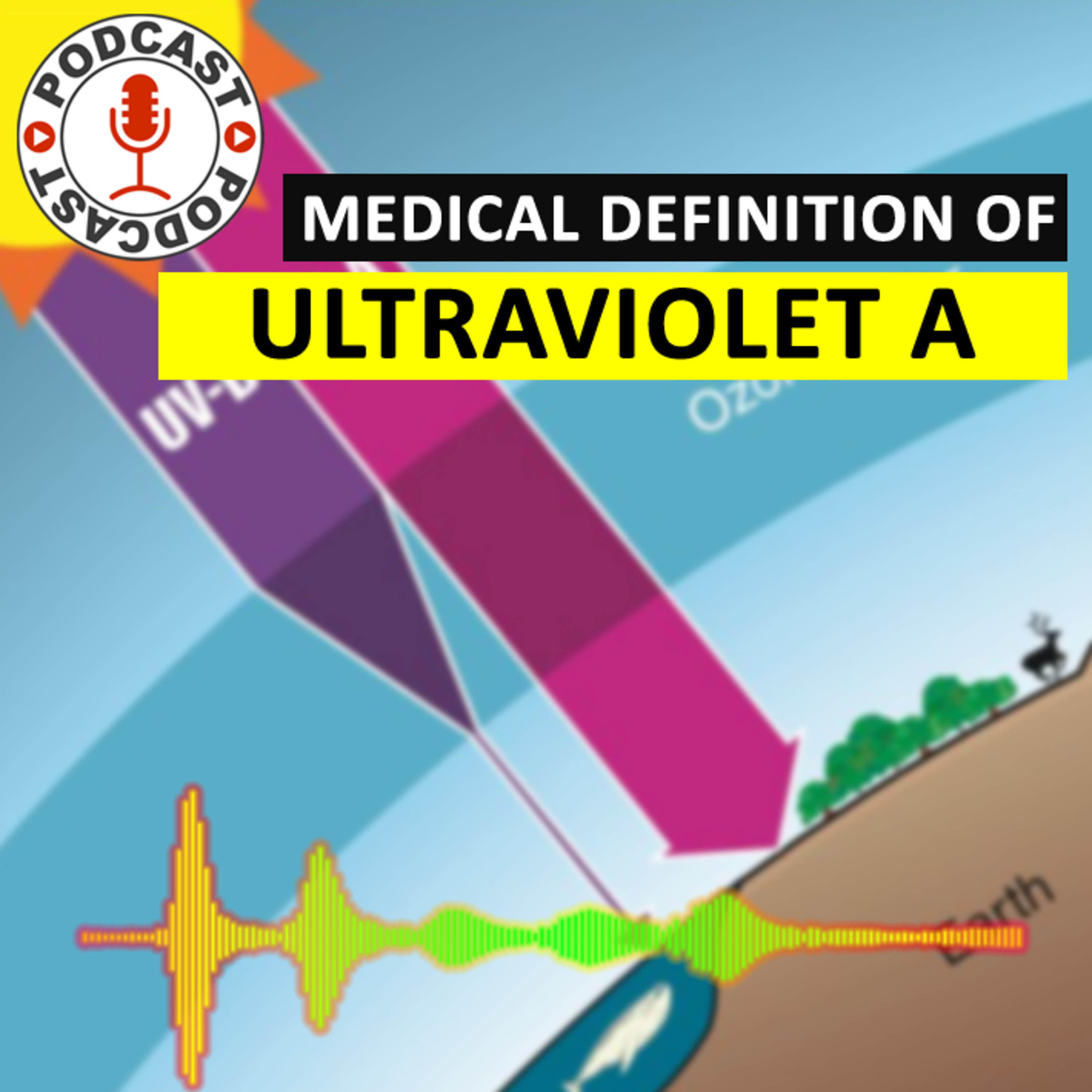
Ultraviolet A. Medical Definition of Ultraviolet A. Podcast
Jul 10, 202200:01:00Tap to summarizeFull version - https://youtu.be/96-tA-3SHgI Ultraviolet A. One of the three types of invisible light rays (together with ultraviolet B and ultraviolet C) given off by the sun.
Transcribe →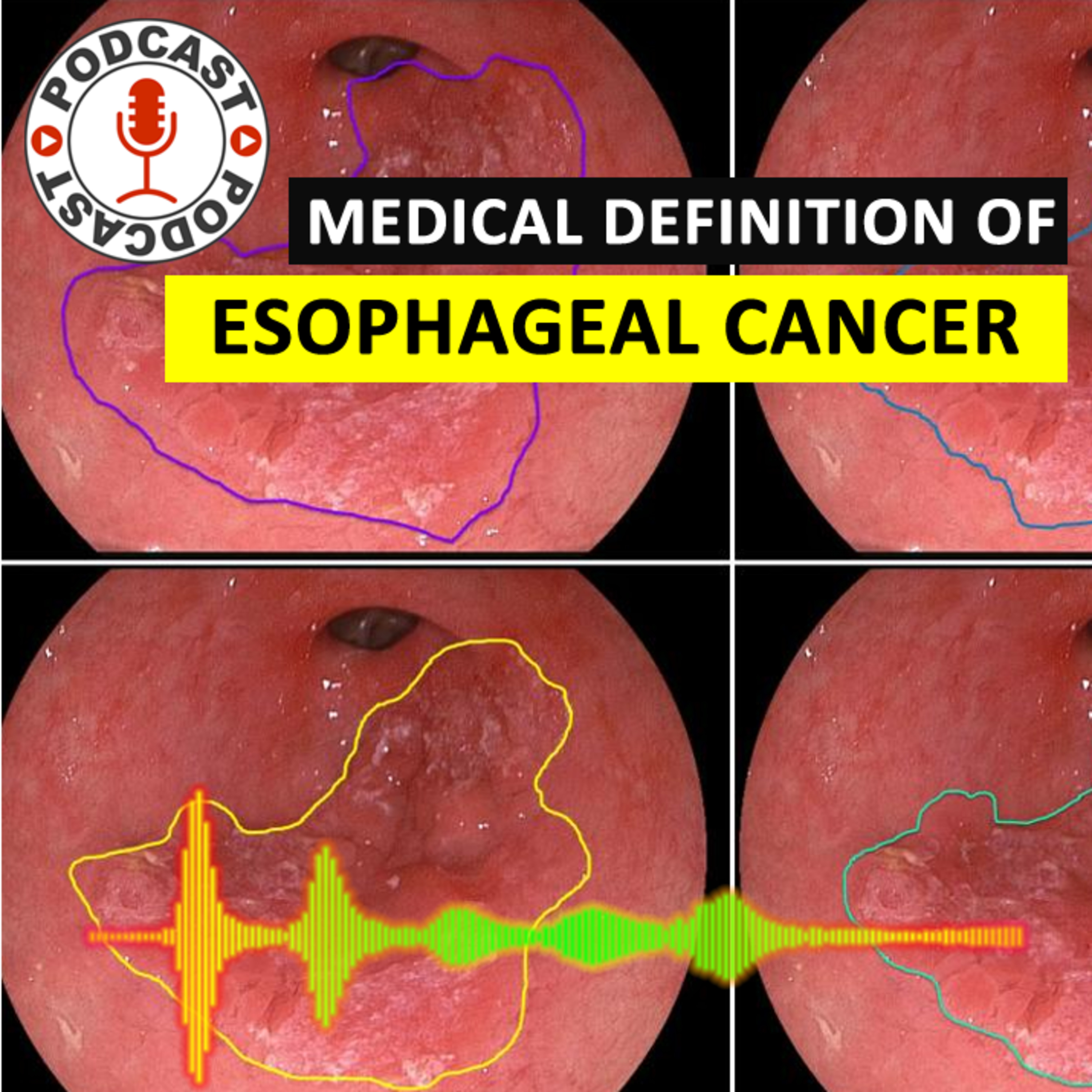
Esophageal Cancer. Medical Definition of Esophageal Cancer. Podcast
Jul 10, 202200:02:16Tap to summarizeFull version - https://youtu.be/Egg7kx7Dahc Esophageal cancer is a malignancy that develops in tissues of the hollow, muscular canal (esophagus) along which food and liquid travel from the throat to the stomach. Esophageal cancer usually originates in the inner layers of the lining of the esophagus and grows outward. In time, the tumor can obstruct the passage of food and liquid, making swallowing painful and difficult. Since most patients are not diagnosed until the late stages of the disease, esophageal cancer is associated with poor quality of life and low survival rates.
Transcribe →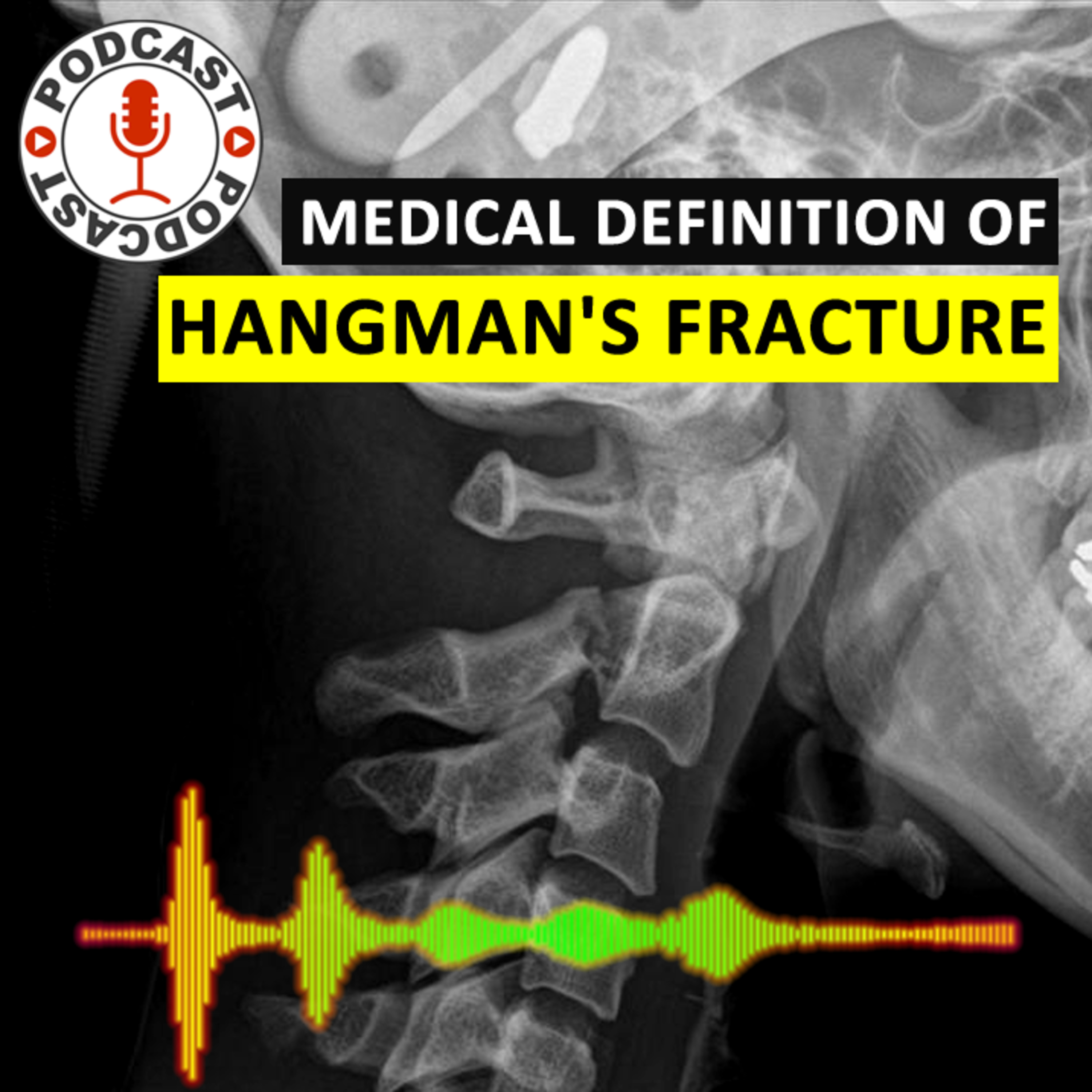
Hangman's Fracture. Medical Definition of Hangman's Fracture. Podcast
Jul 10, 202200:00:46Tap to summarizeFull version - https://youtu.be/g4gj2WF0QpE A hangman’s fracture is a bilateral fracture traversing the pars interarticularis of cervical vertebrae 2 (C2) with an associated traumatic subluxation of C2 on cervical vertebrae 3 (C3). It is the second most common fracture of the C2 vertebrae following a fracture of the odontoid process. In the acute setting, a rigid cervical collar should be immediately placed. The majority of Hangman’s fractures may be successfully treated with external orthosis alone. Vascular imaging should be performed in all C1 to C3 fractures. Management options vary depending on the specifics of the injury. This activity describes the presentation, evaluation, and management of hangman's fracture and highlights the interprofessional team's role in the care of affected patients.
Transcribe →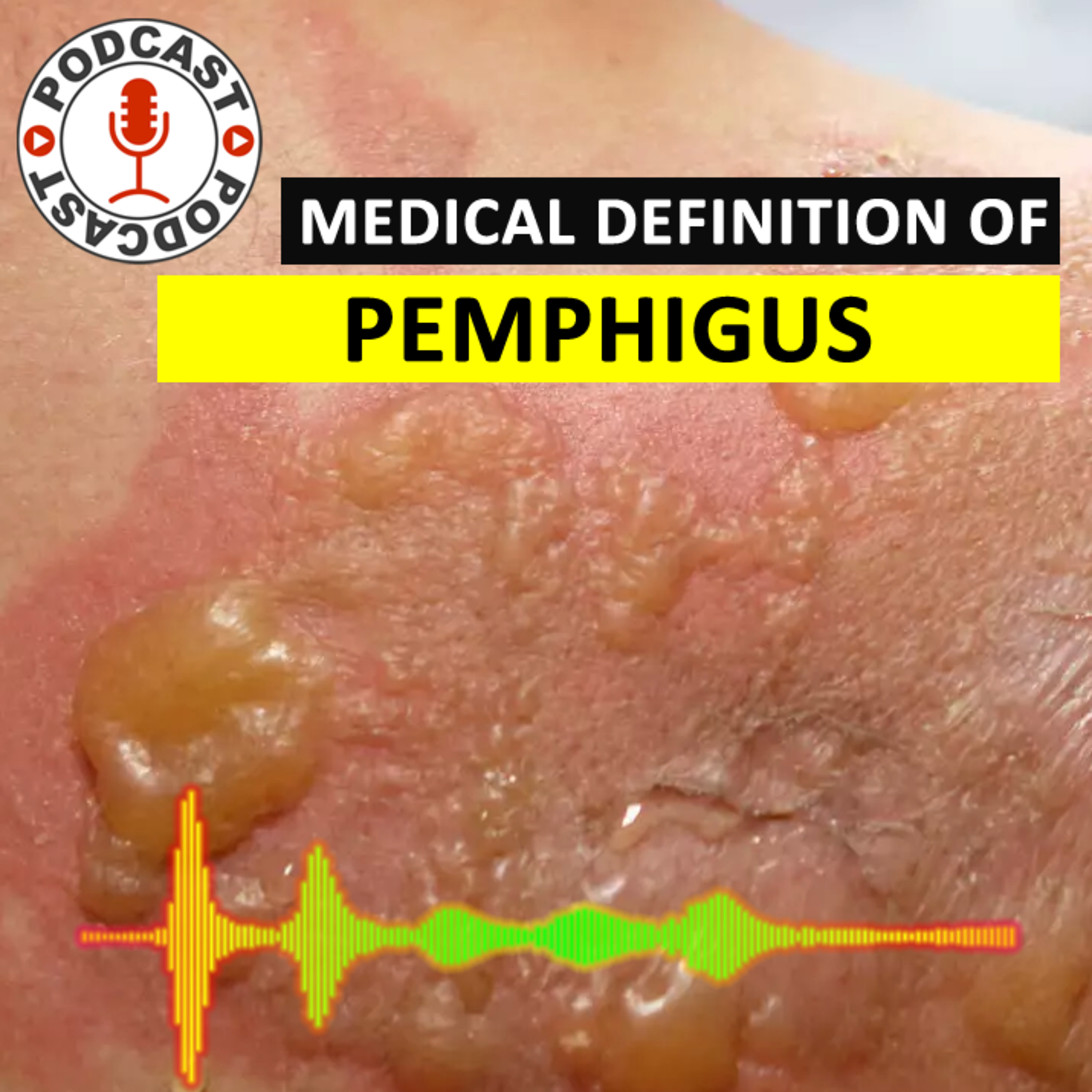
Pemphigus. Medical Definition of Pemphigus. Hailey-Hailey disease. Podcast
Jul 10, 202200:01:31Tap to summarize Full version - https://youtu.be/EZ6uU3MLZCM Pemphigus - any of a group of diseases characterized by successive crops of large bullae (“water blisters”). Although rare, they are serious and require prompt treatment. The cause is unknown; they seem to occur only in adults and can occur in acute or chronic form. The term is often used alone to refer to pemphigus vulgaris.
Transcribe →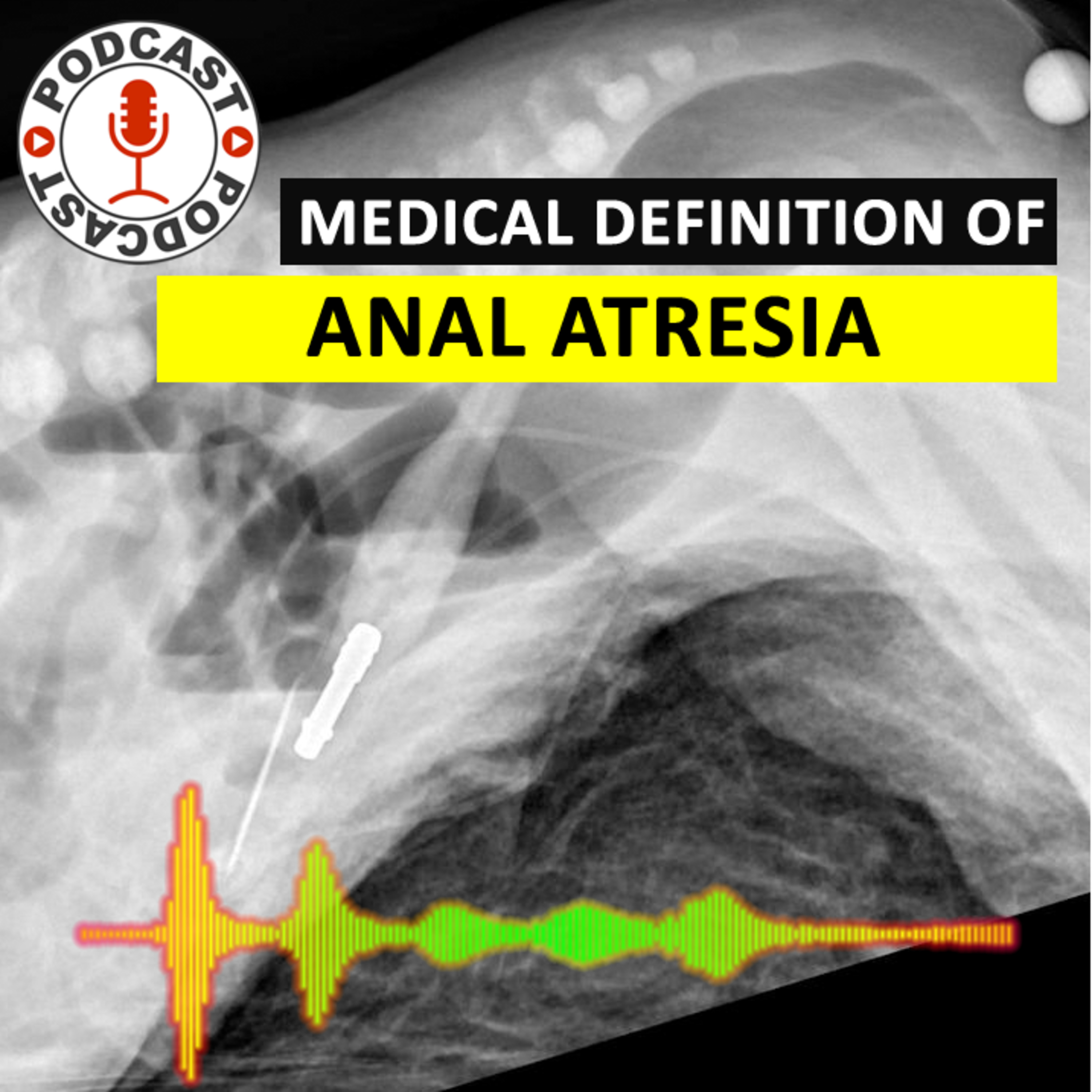
Anal Atresia. What is anal atresia? Medical Definition of Anal Atresia. Podcast
Jul 10, 202200:01:32Tap to summarizeFull version - https://youtu.be/wggiF9nBwM8 Anal atresia is a congenital abnormality in which there is no opening at the end of the digestive tract, where the anus normally is. It is part of a wider spectrum of abnormalities involving the anus and last part of the bowel, the rectum. Anorectal malformations (ARMs) can range from mild abnormalities with only a thin membrane covering the anus to more severe abnormalities with the rectum ending high up in the belly. The rectum may be connected to the skin or other parts of the body, such as the bladder or the vagina, through a channel, called a fistula.
Transcribe →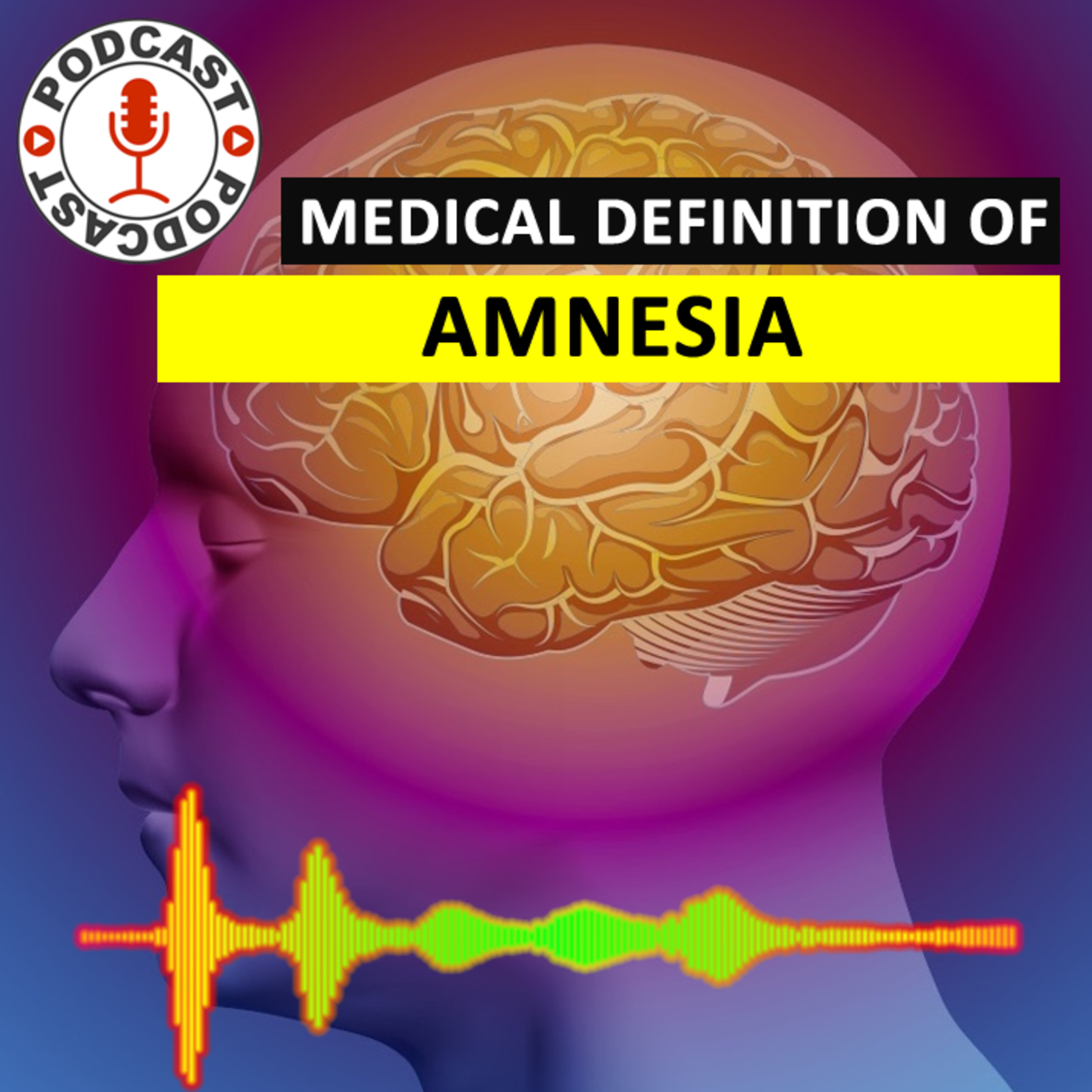
Amnesia. Medical Definition of Amnesia. Podcast
Jul 10, 202200:01:30Tap to summarizeFull version - https://youtu.be/71C_AEOpvGw Amnesia refers to the loss of memory. Memory loss may result from two sided (bilateral) damage to parts of the brain vital for memory storage, processing, or recall (the limbic system, including the hippocampus in the medial temporal lobe).
Transcribe →
Ventricular Septal Defect. Medical Definition of Ventricular Septal Defect. Podcast
Jul 10, 202200:01:05Tap to summarizeFull version - https://youtu.be/ld_YSokqrLY A ventricular septal defect happens during pregnancy if the wall that forms between the two ventricles does not fully develop, leaving a hole. A ventricular septal defect is one type of congenital heart defect. Congenital means present at birth. In a baby without a congenital heart defect, the right side of the heart pumps oxygen-poor blood from the heart to the lungs, and the left side of the heart pumps oxygen-rich blood to the rest of the body.
Transcribe →