Podcast
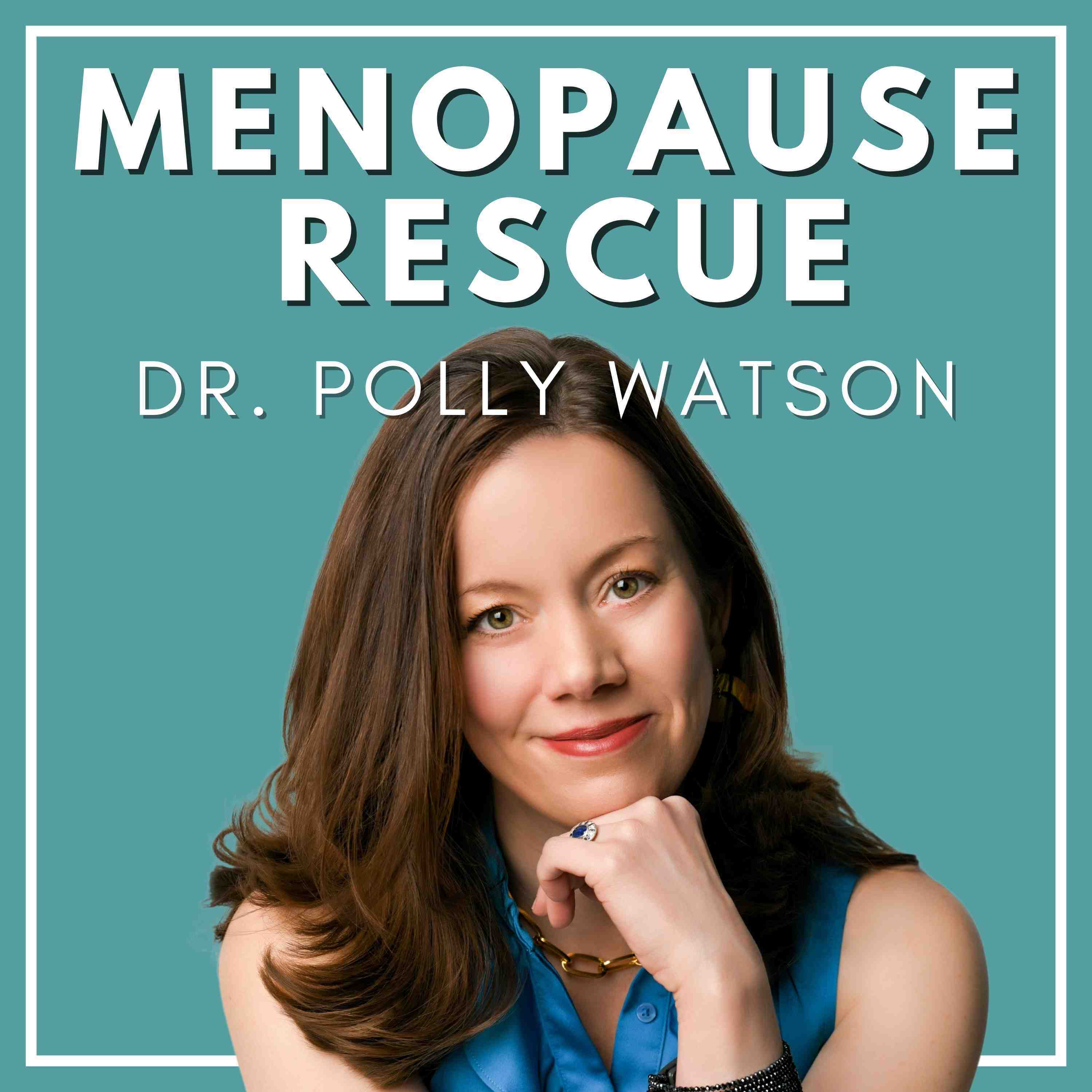
Menopause Rescue
Hosted by Dr. Polly Watson · EN
Women may spend over a decade of their lives experiencing symptoms around menopause transition, while just over 10% of women’s healthcare professionals feel comfortable treating menopause. The conversation around menopause has evolved beyond hot flashes and night sweats to include how hormonal changes affect bone, brain, mood, heart and mental health. Midlife women can feel like they are drowning in symptoms. Many of them are not well served by health care providers who haven’t updated their knowledge on hormones since the WHI 20 years ago and influencers who are peddling potions and lotions which may not be effective. Menopause Rescue is here to give you a hand up.
I’m a board certified gynecologist with certification in menopausal medicine as well as functional medicine. My goal is to revolutionize the menopause dialogue, using the transition as a spark to ignite health promotion. Secondly, we will discuss solutions for low libido, weight gain, mood changes, brain fog, hot flashes and night sweats, insomnia and sexual pain and dive into the nuances of each topic, empowering women to determine what is uniquely relevant for them.
This podcast is for women who are curious about their health and curate a mindset around menopause as an opportunity for growth. Many of us at this time in our lives are at a high point in our relationships and our careers. We know ourselves and know how to create boundaries and have defined our values in a way that we simply didn’t have the wisdom to do in our 20 and 30s. Women in their 40s and 50s are at the perfect moment to take up some space in their lives and step into this transition with strength. Every other week we will gather to review topics that are relevant to menopause and take you behind the scenes with hormone specialists to help you cull and decipher health recommendations to find your unique solution.
30episodes
Episodes
Newest firstAll episodes
Lipoprotein(a) & Menopause: The Hidden Heart Risk Marker
6d ago00:51:19Tap to summarizeCould your cholesterol and heart disease risk be changing during menopause without you realizing it? Have you been told hormone therapy protects your heart, but wondered what the research actually says? In this episode, Dr. Polly Watson is joined by integrative cardiologist Dr. Regina Druz to unpack the complicated relationship between lipoprotein(a), menopause, cardiovascular disease risk, and hormone therapy in women. Together, they explain what current research shows about genetics, inflammation, cholesterol markers, and emerging treatment options so women can make more informed decisions about their long-term health. 🌸 Lipoprotein(a), also called Lp(a), is a largely genetic cholesterol particle linked to higher cardiovascular disease risk. 🌸 Women can experience spikes in Lp(a) during pregnancy and menopause, which may affect long-term heart health. 🌸 Oral estrogen may lower Lp(a) levels, but it can also increase inflammation and blood clot risk. 🌸 Transdermal hormone therapy appears safer for cardiovascular risk, but research is still evolving. 🌸 Exercise, sleep, nutrition, and muscle health remain some of the most important tools for protecting heart health during midlife. 🌸 Advanced testing like ApoB, coronary calcium scores, and genetic risk assessments may help personalize prevention strategies. 🌸 New treatments like PCSK9 inhibitors and future gene-editing therapies may change how elevated Lp(a) is managed in the coming years. If you’ve been confused by mixed messages around cholesterol, menopause, and hormone therapy, this episode offers a more balanced and evidence-informed perspective. You’ll leave with a clearer understanding of what we know, what we still don’t know, and practical ways to support your long-term cardiovascular health. 📘 Try our 10-minute new patient intro course: https://hormonewellnessmdacademy.teachable.com/p/are-we-a-good-fit-new-patient-welcome-course 🩺 Looking for Personalized Hormone Care in North Carolina or Alabama? Hormone Wellness MD provides expert, evidence-based hormone care for women across North Carolina and Alabama. We care for patients in Raleigh, Charlotte, Wilmington, Chapel Hill, Durham, Greensboro, and Birmingham. If you’re ready for expert care rooted in evidence and empathy, we’d love to support you. Website: https://hormonewellnessmd.com Email: info@hormonewellnessmd.com Call: (919) 364-3430 📲 Follow Hormone Wellness MD: Instagram: https://www.instagram.com/hormonewellnessmd Podcast: https://hormonewellnessmd.com/podcast
Transcribe →Mast Cell Activation Syndrome in Midlife Women: Symptoms, Histamine & Hormones
3w ago00:40:30Tap to summarizeHave you ever wondered why symptoms like bloating, migraines, anxiety, rashes, dizziness, or food sensitivities seem to get worse during perimenopause? Have you been told your symptoms are “normal” even though your body feels like it’s reacting to everything? In this episode of Menopause Rescue, Dr. Polly Watson and Kate Willis NP-C break down mast cell activation syndrome (MCAS), histamine intolerance, and the growing connection between immune dysregulation, hormones, and women’s health in midlife. They explain how these conditions may contribute to symptoms across multiple body systems and share practical strategies to help calm inflammation, support the nervous system, and improve quality of life. 🌸 Mast cells are part of the immune system and can affect the skin, gut, brain, heart, and nervous system when they become overactive. 🌸 Histamine intolerance and mast cell activation syndrome are related, but they are not the same condition. 🌸 Hormonal shifts during perimenopause and menopause can trigger or worsen mast cell symptoms in some women. 🌸 Symptoms like migraines, IBS, anxiety, flushing, heart palpitations, dizziness, and fatigue may all be connected through immune dysregulation. 🌸 Nervous system regulation, stress reduction, and trauma-informed healing can play a major role in calming mast cell activity. 🌸 Common triggers can include infections, mold exposure, alcohol, certain foods, environmental chemicals, and chronic stress. 🌸 Treatment options may include low-histamine nutrition, antihistamines, supplements, mast cell stabilizers, and lifestyle changes that support healing. If you’ve been struggling with symptoms that don’t seem to fit neatly into one diagnosis, this episode will help you better understand what may be happening in your body. You’ll walk away with practical insights, validation, and hopeful next steps for supporting your health in midlife. 📘 Try our 10-minute new patient intro course: https://hormonewellnessmdacademy.teachable.com/p/are-we-a-good-fit-new-patient-welcome-course 🩺 Looking for Personalized Hormone Care in North Carolina or Alabama? Hormone Wellness MD provides expert, evidence-based hormone care for women across North Carolina and Alabama. We care for patients in Raleigh, Charlotte, Wilmington, Chapel Hill, Durham, Greensboro, and Birmingham. If you’re ready for expert care rooted in evidence and empathy, we’d love to support you. Website: https://hormonewellnessmd.com Email: info@hormonewellnessmd.com Call: (919) 364-3430 📲 Follow Hormone Wellness MD: Instagram: https://www.instagram.com/hormonewellnessmd Podcast: https://hormonewellnessmd.com/podcast
Transcribe →Strength Training, Pelvic Floor Therapy & BRCA: What Women Need to Know in Midlife
Jul 300:41:03Tap to summarizeAre you avoiding strength training because your joints hurt or you’re afraid of getting injured? Have you ever wondered if pelvic floor symptoms, painful sex, or chronic tightness are connected to stress and movement patterns in the body? In this episode of Menopause Rescue, Dr. Polly Watson is joined by physical therapist Dr. Amanda Fultineer to discuss strength training, pelvic floor therapy, menopause health, and recovery after preventive surgery. Together, they explain how movement, mobility, and personalized physical therapy can help women build strength, reduce pain, improve function, and feel more confident in their bodies through every stage of midlife. 🌸 Strength training supports bone density, metabolic health, mobility, and long-term independence for women in midlife. 🌸 Pelvic floor dysfunction is often connected to breathing patterns, stress, posture, hip mobility, and muscle tension throughout the body. 🌸 Many women avoid exercise because of pain, but the right physical therapy approach can help modify movements safely instead of avoiding them completely. 🌸 Pelvic floor therapy involves far more than internal work and can include strength training, mobility exercises, breathing techniques, and education. 🌸 Amanda shares her personal experience with the BRCA2 mutation, preventive mastectomy, and navigating changing recommendations around surgical menopause and hormone therapy. 🌸 Women recovering from mastectomy or pelvic surgery often benefit from proactive physical therapy to restore strength, shoulder mobility, and quality of life. 🌸 The conversation emphasizes the importance of self-advocacy, individualized care, and helping women understand that pain and dysfunction should not simply be accepted as “normal.” If you’ve been struggling with pain, pelvic floor symptoms, fear of exercise, or uncertainty about how to stay strong in midlife, this episode offers practical guidance and reassurance that there are effective, evidence-based ways to support your body and improve your quality of life. 📘 Try our 10-minute new patient intro course: https://hormonewellnessmdacademy.teachable.com/p/are-we-a-good-fit-new-patient-welcome-course 🩺 Looking for Personalized Hormone Care in North Carolina or Alabama? Hormone Wellness MD provides expert, evidence-based hormone care for patients in Raleigh, Charlotte, Wilmington, Chapel Hill, Durham, Greensboro, and Birmingham. If you’re ready for expert care rooted in evidence and empathy, we’d love to support you. Website: https://hormonewellnessmd.com Email: info@hormonewellnessmd.com Call: (919) 364-3430 📲 Follow Hormone Wellness MD: Instagram: https://www.instagram.com/hormonewellnessmd Podcast: https://hormonewellnessmd.com/podcast
Transcribe →Inflammaging & Menopause: The Hidden Driver of Weight Gain, Fatigue, and Chronic Disease
Jun 1800:44:30Tap to summarizeAre you doing all the “right” things but still struggling with fatigue, weight gain, brain fog, or rising cholesterol in midlife? Have you wondered why hormones alone don’t always fix how you feel? In this episode of the Menopause Rescue, Dr. Polly Watson and Kate Willis, NP-C explore inflammaging—chronic low-grade inflammation that accelerates during perimenopause and menopause and impacts everything from metabolism to heart health. They explain how lifestyle habits, gut health, sleep, hormones, nutrition, and recovery all work together to help women reduce inflammation, improve energy, and support healthier aging. 🌸 Inflammaging is chronic low-grade inflammation that quietly increases as we age and can affect the brain, heart, metabolism, joints, and immune system. 🌸 Hormone therapy can be incredibly helpful during menopause, but it works best when paired with strong lifestyle foundations. 🌸 Gut health and microbiome diversity play a major role in regulating inflammation and immune function. 🌸 Simple lab tests like CRP, ferritin, and hemoglobin A1c can provide important clues about hidden inflammation and metabolic health. 🌸 Overtraining without enough recovery can increase inflammation and leave women feeling more exhausted instead of energized. 🌸 A plant-forward, fiber-rich diet supports healthier aging by improving gut health, cholesterol, blood sugar, and inflammation. 🌸 Small, sustainable habits around sleep, movement, stress management, and nutrition can meaningfully improve long-term health and vitality. If you feel overwhelmed by conflicting health advice in midlife, this episode offers a grounded, practical approach to aging well without perfection or expensive testing. You’ll walk away with clear, realistic strategies to help you feel stronger, healthier, and more empowered in the second half of life. 📘 Try our 10-minute new patient intro course: https://hormonewellnessmdacademy.teachable.com/p/are-we-a-good-fit-new-patient-welcome-course 🩺 Looking for Personalized Hormone Care in North Carolina or Alabama? Hormone Wellness MD provides expert, evidence-based hormone care for women across North Carolina and Alabama. We care for patients in Raleigh, Charlotte, Wilmington, Chapel Hill, Durham, Greensboro, and Birmingham. If you’re ready for expert care rooted in evidence and empathy, we’d love to support you. Website: https://hormonewellnessmd.com Email: info@hormonewellnessmd.com Call: (919) 364-3430 📲 Follow Hormone Wellness MD: Instagram: https://www.instagram.com/hormonewellnessmd Podcast: https://hormonewellnessmd.com/podcast
Transcribe →Mast Cell Activation Syndrome (MCAS): Symptoms, IBS, POTS & Why It’s Often Missed
Jun 500:38:39Tap to summarizeHave you been told your symptoms are “normal” or “all in your head”? Do you struggle with IBS, migraines, dizziness, or unexplained inflammation that no one can connect? In this episode, Dr. Polly Watson sits down with Dr. Amy Doherty to unpack Mast Cell Activation Syndrome (MCAS) and why it’s finally gaining recognition in conventional medicine. Together, they explain how mast cells, histamine sensitivity, and nervous system overload can drive chronic symptoms—and what you can do about it. 🌸 Mast Cell Activation Syndrome exists on a spectrum and doesn’t always look like a dramatic allergic reaction. 🌸 Histamine receptors are found throughout the body, which is why MCAS can affect the gut, brain, heart, skin, and hormones. 🌸 Many patients with IBS, POTS, migraines, or chronic sinus issues may actually have underlying mast cell dysfunction. 🌸 Lab testing can be tricky, and clinical questionnaires are often more practical and accessible. 🌸 Treatment may include antihistamines, supplements like quercetin, dietary changes, and trigger avoidance. 🌸 Regulating the unconscious nervous system is one of the most powerful tools for calming immune overactivation. 🌸 Healing is not about “shame 2.0,” but about helping the body feel safe again. If you’ve felt dismissed or confused by symptoms that cross multiple systems, this episode offers validation, science-based clarity, and practical next steps to help you move forward. 📘 Try our 10-minute new patient intro course: https://hormonewellnessmdacademy.teachable.com/p/are-we-a-good-fit-new-patient-welcome-course 🩺 Looking for Personalized Hormone Care in North Carolina or Alabama? Hormone Wellness MD provides expert, evidence-based hormone care for women across North Carolina and Alabama. We care for patients in Raleigh, Charlotte, Wilmington, Chapel Hill, Durham, Greensboro, and Birmingham. If you’re ready for expert care rooted in evidence and empathy, we’d love to support you. Website: https://hormonewellnessmd.com Email: info@hormonewellnessmd.com Call: (919) 364-3430 📲 Follow Hormone Wellness MD: Instagram: https://www.instagram.com/hormonewellnessmd Podcast: https://hormonewellnessmd.com/podcast
Transcribe →Cardiovascular Risk in Midlife Women: Insulin Resistance, Inflammation & Heart Health Part 2
May 2200:31:28Tap to summarizeAre you wondering if you really need a statin? Have you been handed a prescription but never fully understood your true cardiovascular risk? In this episode, Dr. Polly Watson and Kate Willis, NP-C, break down the complexities of statins, cholesterol guidelines, and cardiovascular risk in midlife women. They explain how to understand your personal risk profile so you can make informed, confident decisions about medication, lifestyle, and long-term heart health. 🌸 Early statin research had limitations, including selective reporting and short study durations that may not reflect decades of use. 🌸 Statins clearly lower LDL cholesterol, but the difference between relative risk and absolute risk reduction matters when evaluating true benefit. 🌸 Current guidelines identify specific groups who benefit most from statins, including those with established heart disease, very high LDL, or diabetes. 🌸 Risk calculators, coronary artery calcium (CAC) scoring, and the MESA arterial age tool can help personalize decision-making. 🌸 Advanced biomarkers like ApoB and lipoprotein(a) provide deeper insight beyond a standard cholesterol panel. 🌸 Lifestyle changes—like improving blood sugar, strength training, and nutrition—can significantly reduce cardiovascular risk, especially in lower-risk patients. If you’re in perimenopause or menopause and want clarity instead of confusion about heart health, this episode gives you practical tools and better questions to bring to your next appointment. 📘 Try our 10-minute new patient intro course: https://hormonewellnessmdacademy.teachable.com/p/are-we-a-good-fit-new-patient-welcome-course 🩺 Looking for Personalized Hormone Care in North Carolina or Alabama? Hormone Wellness MD provides expert, evidence-based hormone care for women across North Carolina and Alabama. We care for patients in Raleigh, Charlotte, Wilmington, Chapel Hill, Durham, Greensboro, and Birmingham. If you’re ready for expert care rooted in evidence and empathy, we’d love to support you. Website: https://hormonewellnessmd.com Email: info@hormonewellnessmd.com Call: (919) 364-3430 📲 Follow Hormone Wellness MD: Instagram: https://www.instagram.com/hormonewellnessmd Podcast: https://hormonewellnessmd.com/podcast
Transcribe →Cardiovascular Risk in Midlife Women: Insulin Resistance, Inflammation & Heart Health Part 1
May 800:41:47Tap to summarizeAre you being told your cholesterol is “normal” but still worried about your heart health? Wondering if supplements are enough—or if you should consider a statin? In this episode, Dr. Polly Watson and Kate Willis, NP-C, break down cardiovascular risk in midlife women and explain how to interpret labs beyond standard cholesterol numbers. They share a clear, practical framework to help you understand your true risk and decide when lifestyle, supplements, or medication may be appropriate. 🌸 LDL alone does not tell the full story—markers like ApoB, Lp(a), fasting insulin, triglycerides, homocysteine, and uric acid offer deeper insight into cardiovascular risk. 🌸 “Normal” lab ranges are based on population averages, not optimal health. 🌸 Insulin resistance is one of the biggest drivers of heart disease—and one area where you have real agency. 🌸 Inflammation and oxidative stress quietly increase cardiovascular risk, especially during perimenopause and menopause. 🌸 Lifestyle habits like strength training, blood sugar balance, and quality sleep form the foundation of prevention. 🌸 Supplements can support specific patterns of risk, but they cannot replace movement and healthy habits. 🌸 Statins have a role in certain high-risk patients, especially when plaque is already present. If you’re a midlife woman trying to make sense of your labs and protect your long-term health, this episode offers clarity, context, and practical next steps. You’ll walk away feeling empowered to make informed decisions about your heart. 📘 Try our 10-minute new patient intro course: [https://hormonewellnessmdacademy.teachable.com/p/are-we-a-good-fit-new-patient-welcome-course](https://hormonewellnessmdacademy.teachable.com/p/are-we-a-good-fit-new-patient-welcome-course) 🩺 Looking for Personalized Hormone Care in North Carolina or Alabama? Hormone Wellness MD provides expert, evidence-based hormone care for women across North Carolina and Alabama. We care for patients in Raleigh, Charlotte, Wilmington, Chapel Hill, Durham, Greensboro, and Birmingham. If you’re ready for expert care rooted in evidence and empathy, we’d love to support you. Website: [https://hormonewellnessmd.com](https://hormonewellnessmd.com) Email: [info@hormonewellnessmd.com](mailto:info@hormonewellnessmd.com) Call: (919) 364-3430 📲 Follow Hormone Wellness MD: Instagram: [https://www.instagram.com/hormonewellnessmd](https://www.instagram.com/hormonewellnessmd) Podcast: [https://hormonewellnessmd.com/podcast](https://hormonewellnessmd.com/podcast)
Transcribe →The Physical Therapy Perspective on Menopausal Hip Pain: Gluteal Tendinopathy & Movement Patterns
Apr 2400:47:42Tap to summarizeIs your hip pain getting blamed on aging—or brushed off with “just take ibuprofen”? Have you noticed lateral hip pain showing up during perimenopause or menopause without a clear explanation? In this episode, Dr. Polly Watson is joined by Dr. Bridget Ochuko to explore menopausal hip pain and the often-overlooked diagnosis of gluteal tendinopathy. Together, they explain how combining hormone care with movement-based physical therapy can reduce pain, restore function, and protect long-term mobility. 🌸 Gluteal tendinopathy is a common cause of lateral hip pain in menopause and is frequently misdiagnosed or dismissed as aging. 🌸 Declining estrogen can weaken tendons, increase inflammation, and slow healing in the musculoskeletal system. 🌸 Hip pain does not always show up on both sides, even when hormonal changes are systemic. 🌸 Movement patterns, sleep positions, footwear choices, and prolonged sitting all influence hip and pelvic stability. 🌸 Weak glutes often lead to an overactive pelvic floor, creating a cycle of pain and dysfunction. 🌸 Physical therapy can serve as first-line care, helping patients avoid unnecessary imaging, medications, and delays in treatment. If you’re dealing with persistent hip pain in midlife—or feeling unheard in the healthcare system—this episode offers clarity, validation, and practical next steps to help you move with less pain and more confidence. 📘 Try our 10-minute new patient intro course: https://hormonewellnessmdacademy.teachable.com/p/are-we-a-good-fit-new-patient-welcome-course 🩺 Looking for Personalized Hormone Care in North Carolina or Alabama? Hormone Wellness MD provides expert, evidence-based hormone care for women across North Carolina and Alabama. We care for patients in Raleigh, Charlotte, Wilmington, Chapel Hill, Durham, Greensboro, and Birmingham. If you’re ready for expert care rooted in evidence and empathy, we’d love to support you. Website: https://hormonewellnessmd.com Email: info@hormonewellnessmd.com Call: (919) 364-3430 📲 Follow Hormone Wellness MD: Instagram: https://www.instagram.com/hormonewellnessmd Podcast: https://hormonewellnessmd.com/podcast
Transcribe →Sustainable Weight Loss: A Metabolic Health Approach (Part 2)
Apr 1000:33:22Tap to summarizeAre you gaining weight in midlife even though you haven’t changed how you eat or exercise? Do you feel like your body suddenly stopped responding to all the things that used to work? In this episode, Dr. Polly Watson is joined by Kate Willis NP-C to unpack why weight loss in perimenopause and menopause is far more complex than calories alone. Together, they explain how understanding hormones, metabolism, and inflammation can help women create sustainable, realistic progress instead of constant frustration. 🌸 Hormonal shifts in perimenopause and menopause change body composition, increasing fat gain while reducing lean muscle. 🌸 Declining estrogen can worsen insulin resistance, making weight gain more likely even without lifestyle changes. 🌸 Gut health and fiber intake play a major role in appetite control, inflammation, and blood sugar balance. 🌸 Strength training and adequate protein are essential to protect muscle and metabolic health during midlife. 🌸 Chronic stress, poor sleep, and elevated cortisol can stall weight loss despite “doing everything right.” 🌸 GLP-1 medications and hormone therapy are tools—not shortcuts—and work best when layered onto strong lifestyle habits. If you’re a midlife woman feeling confused, blamed, or stuck, this episode offers validation, clarity, and science-backed guidance to help you move forward with confidence and compassion. 📘 Try our 10-minute new patient intro course: https://hormonewellnessmdacademy.teachable.com/p/are-we-a-good-fit-new-patient-welcome-course 🩺 Looking for Personalized Hormone Care in North Carolina or Alabama? Hormone Wellness MD provides expert, evidence-based hormone care for women across North Carolina and Alabama. We care for patients in Raleigh, Charlotte, Wilmington, Chapel Hill, Durham, Greensboro, and Birmingham. If you’re ready for expert care rooted in evidence and empathy, we’d love to support you. Website: https://hormonewellnessmd.com Email: info@hormonewellnessmd.com Call: (919) 364-3430 📲 Follow Hormone Wellness MD: Instagram: https://www.instagram.com/hormonewellnessmd Podcast: https://hormonewellnessmd.com/podcast
Transcribe →Sustainable Weight Loss: A Metabolic Health Approach Part 1
Mar 2700:29:24Tap to summarizeAre you gaining weight in midlife even though you’re eating well and exercising? Do you feel tired, hungry, and stuck no matter what you try? In this episode, Dr. Polly Watson and Nurse Practitioner Kate Willis discuss sustainable weight loss in perimenopause and menopause and why midlife weight gain is more complex than most people realize. They break down the science behind insulin resistance, hormones, stress, and metabolism—and explain practical steps that actually work. 🌸 Midlife weight gain is often driven by hormonal shifts, muscle loss, and changes in metabolic rate—not just calories. 🌸 Insulin resistance can increase belly fat, hunger, and fatigue, even when blood sugar looks “normal.” 🌸 Strength training and adequate protein are essential to improve insulin sensitivity and protect muscle. 🌸 Prioritizing protein, healthy fats, and fiber helps stabilize blood sugar and reduce cravings. 🌸 GLP-1 medications and metformin can be helpful tools when layered onto strong lifestyle foundations. 🌸 Chronic stress and elevated cortisol can worsen insulin resistance and impact thyroid function. 🌸 Sleep, sunlight exposure, and simple nervous system practices can improve metabolic health over time. If you’re navigating perimenopause or menopause and feel frustrated by stubborn weight gain, this episode offers clarity, validation, and realistic, science-backed steps you can start today. 📘 Try our 10-minute new patient intro course: https://hormonewellnessmdacademy.teachable.com/p/are-we-a-good-fit-new-patient-welcome-course 🩺 Looking for Personalized Hormone Care in North Carolina or Alabama? Hormone Wellness MD provides expert, evidence-based hormone care for women across North Carolina and Alabama. We care for patients in Raleigh, Charlotte, Wilmington, Chapel Hill, Durham, Greensboro, and Birmingham. If you’re ready for expert care rooted in evidence and empathy, we’d love to support you. Website: https://hormonewellnessmd.com Email: info@hormonewellnessmd.com Call: (919) 364-3430 📲 Follow Hormone Wellness MD: Instagram: https://www.instagram.com/hormonewellnessmd Podcast: https://hormonewellnessmd.com/podcast
Transcribe →