Podcast
The ADHD Channel for Women (formerly MissUnderstood)
Hosted by Understood.org · EN
From Understood, this is The ADHD Channel for Women (formerly MissUnderstood) — the first-ever podcast channel for women with ADHD.
For decades, women with ADHD have been overlooked and undiagnosed. That’s finally beginning to change. But there’s still so far to go.
That’s where The ADHD Channel for Women comes in. We’re a channel made by women with ADHD, for women with ADHD. And we’re talking about the things we want to hear. Women with ADHD need (good!) information, smart takes on ADHD topics, and so much more.
Hang out with Cate Osborn and guests as they discuss ADHD, relationships, and sex on Sorry, I Missed This. Get answers to ADHD questions you didn’t know you had from Dr. Monica Johnson on ADHD and…. Or join journalist Rae Jacobson on Hyperfocus for deep dives, personal stories, and real talk about neurodivergence.
49episodes
Episodes
Newest firstAll episodes
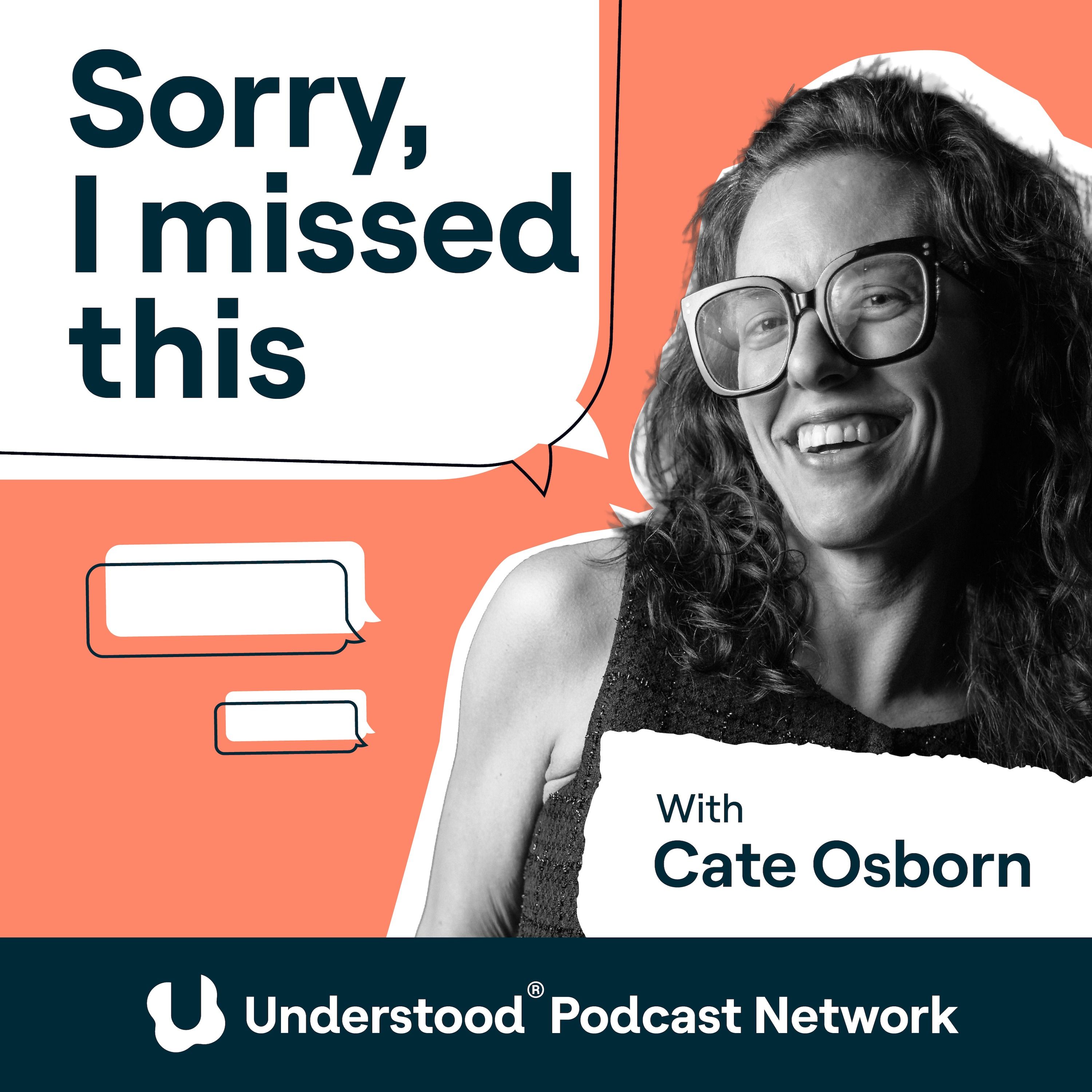
Why money fights are never really about money | Sorry, I Missed This
1w ago00:33:58Tap to summarizeMoney is one of the biggest sources of conflict in relationships — and for people with ADHD, it comes with an extra layer of shame most people don’t talk about. Cate sits down with Dr. Christine Hargrove, a financial therapist who specializes in ADHD, to unpack why money fights escalate so fast, why who’s the “mental load carrier” matters more than who earns more, and why people with ADHD often give better financial advice to their friends than they follow themselves. Christine breaks down the concept of “money meaning” — the idea that when couples fight about spending, they’re rarely fighting about the actual dollars. They discuss financial self-efficacy, the five types of couple coping (and which ones actually work), and why body doubling might be the most underrated financial tool for ADHD brains. Cate also opens up about her own history with compulsive spending, debt, and the shame that kept her from asking for help — and what finally changed. If you’ve ever felt “bad with money” or avoided opening an app because of what you might see, this episode is for you. For more on this topic Watch: Why is money so hard with ADHD? A financial therapist explains Watch: Money problems and ADHD? Here’s a financial therapist’s advice For a transcript and more resources, visit Sorry, I Missed This on Understood.org. You can also email us at sorryimissedthis@understood.org. Understood.org is a nonprofit organization dedicated to empowering people with learning and thinking differences, like ADHD and dyslexia. If you want to help us continue this work, donate at understood.org/give Hosted by Simplecast, an AdsWizz company. See pcm.adswizz.com for information about our collection and use of personal data for advertising.
Transcribe →
ADHD and avoidance
2w ago00:13:03Tap to summarizeDoes replying to a text feel harder than it should? Or do you struggle when someone reminds you to do something you were already planning to do? In this episode, Dr. J breaks down the real science behind ADHD avoidance: how the nervous system mistakes tasks for threats, why perfectionism makes starting feel risky, and what actually happens in your brain before a shutdown. Plus, practical strategies to interrupt the avoidance loop without shame, force, or another failed to-do list. For more on this topic Watch: ADHD and accountability Listen: ADHD and procrastination For a transcript and more resources, visit The ADHD Channel for Women on Understood.org. You can also email us at podcast@understood.org. Understood.org is a nonprofit organization dedicated to empowering people with learning and thinking differences, like ADHD and dyslexia. If you want to help us continue this work, donate at understood.org/give Hosted by Simplecast, an AdsWizz company. See pcm.adswizz.com for information about our collection and use of personal data for advertising.
Transcribe →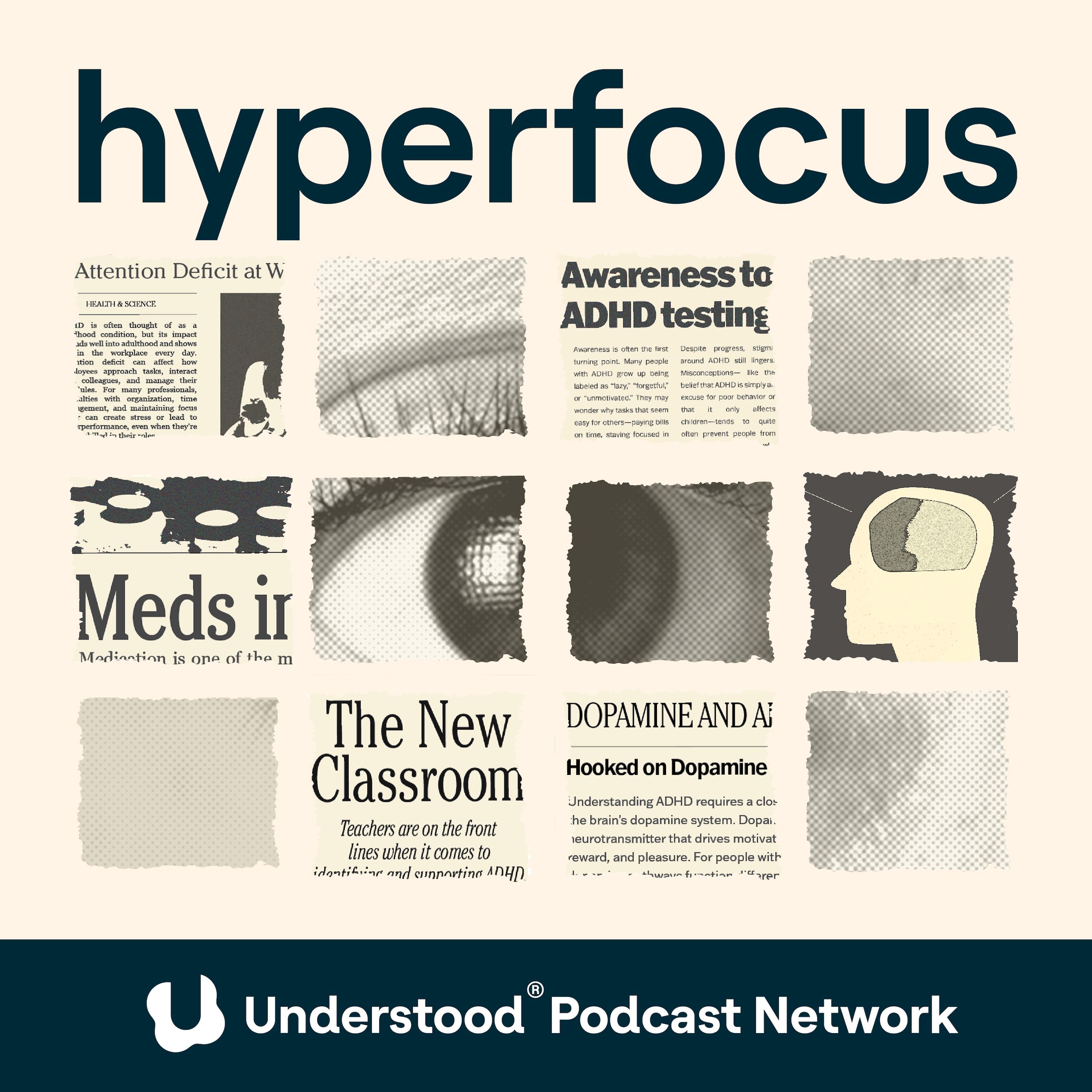
What the rise of fidget toys means for neurodivergence | Hyperfocus
2w ago00:17:42Tap to summarizeFidget toys, like NeeDohs, are sold out and banned in classrooms. Journalist Anna North joins us to unpack how fidget toys went from gag gifts to a generational obsession, and what that shift reveals about neurodivergence, attention, and play. Plus, fidget toys are not just for kids. We look at how they are destigmatizing fidgeting for neurodivergent adults. And we dig into the science behind fidgeting, the history of the fidget spinner, and whether this wave of acceptance for sensory needs will survive. For more on this topic: Read: Why your kid is obsessed with squishy toys Watch: Can I get rid of my adult sensory issues? For a transcript and more resources, visit Hyperfocus on Understood.org. You can also email us at hyperfocus@understood.org. Understood.org is a nonprofit organization dedicated to empowering people with learning and thinking differences, like ADHD and dyslexia. If you want to help us continue this work, donate at understood.org/give Hosted by Simplecast, an AdsWizz company. See pcm.adswizz.com for information about our collection and use of personal data for advertising.
Transcribe →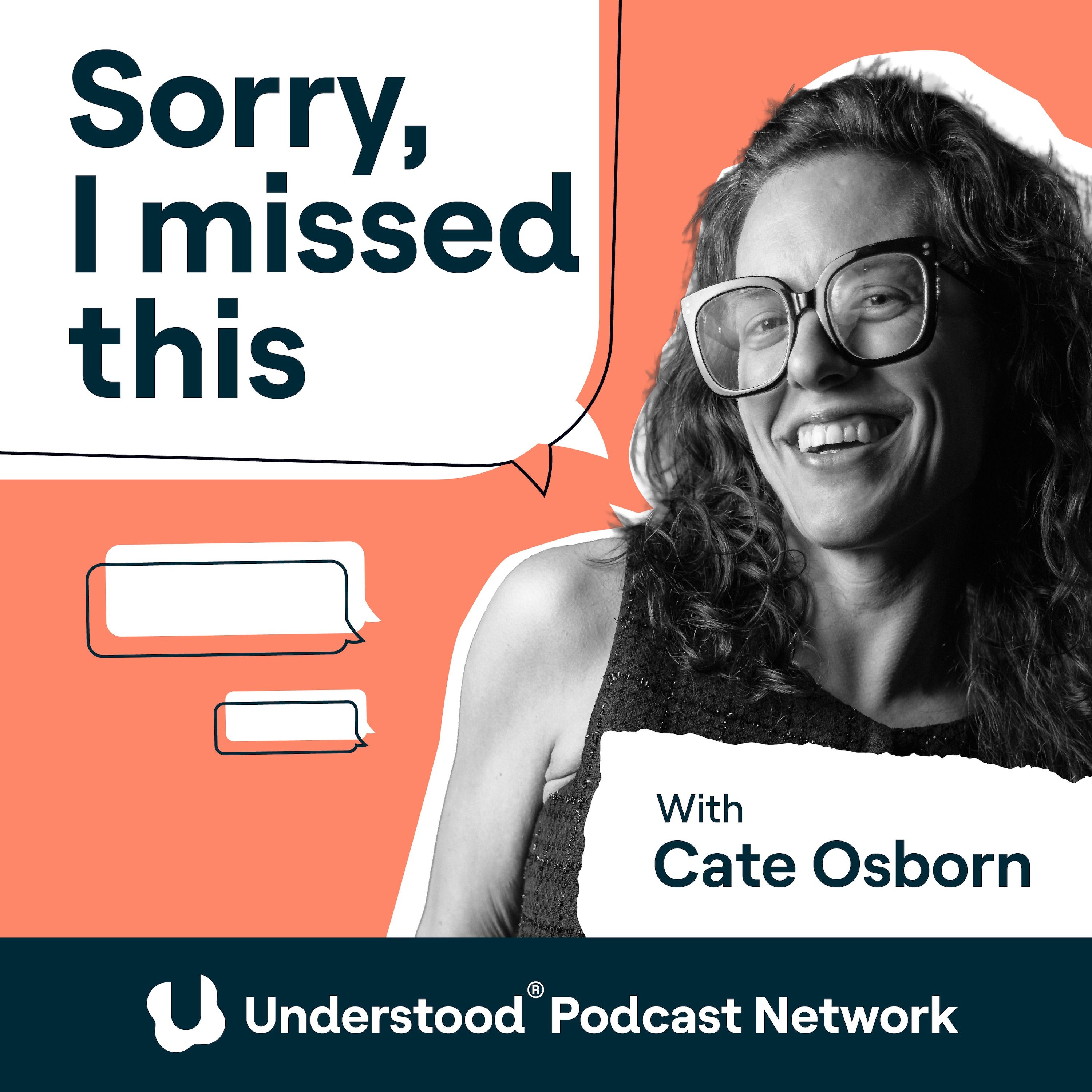
Parentification: The hidden pattern in ADHD relationships | Sorry, I Missed This
3w ago00:30:09Tap to summarizeEver feel like you’re the “parent” in your relationship — managing everything while your partner just... coasts? You’re not alone. And it’s not just you being controlling. Host Cate Osborn talks with ADHD coach Kristen Carder (host of I Have ADHD, author of the upcoming You’re Not in Trouble) about why ADHD relationships so easily slide into parent-child dynamics, and how to climb back out. They get into why resentment is the red flag to watch for, and Kristen’s favorite mantra for “de-centering” an overfunctioning partner (“there is no sun — we’re equals here”). Plus eldest daughter syndrome, and why chicken nuggets for dinner is sometimes the healthiest choice you’ll make all day. Honest, funny, and genuinely useful if you’ve ever wondered whether you’re parenting your partner instead of loving them. For more on this topic Listen: Sorry, I Missed This: When ADHD turns chores into conflict Watch: ADHD expert answers 8 top questions on romantic relationships For a transcript and more resources, visit Sorry, I Missed This on Understood.org. You can also email us at sorryimissedthis@understood.org. Understood.org is a nonprofit organization dedicated to empowering people with learning and thinking differences, like ADHD and dyslexia. If you want to help us continue this work, donate at understood.org/give Hosted by Simplecast, an AdsWizz company. See pcm.adswizz.com for information about our collection and use of personal data for advertising.
Transcribe →
ADHD and the boredom spiral
4w ago00:16:23Tap to summarizeBoredom isn’t just annoying for ADHD brains. It can feel unbearable, even painful. Dr. J breaks down the real science behind why: dopamine sensitivity, warped time perception, and an overactive default mode network. Learn why boredom fuels doomscrolling, impulsive spending, avoidance spirals, and relationship friction. Then get four practical strategies to work with your brain instead of against it, from micro-rewards to environmental design to building genuine boredom tolerance. For more on this topic Watch: ADHD and dating: Why the spark burns bright (then fades fast) Read: ADHD and boredom For a transcript and more resources, visit The ADHD Channel for Women on Understood.org. You can also email us at podcast@understood.org. Understood.org is a nonprofit organization dedicated to empowering people with learning and thinking differences, like ADHD and dyslexia. If you want to help us continue this work, donate at understood.org/give Hosted by Simplecast, an AdsWizz company. See pcm.adswizz.com for information about our collection and use of personal data for advertising.
Transcribe →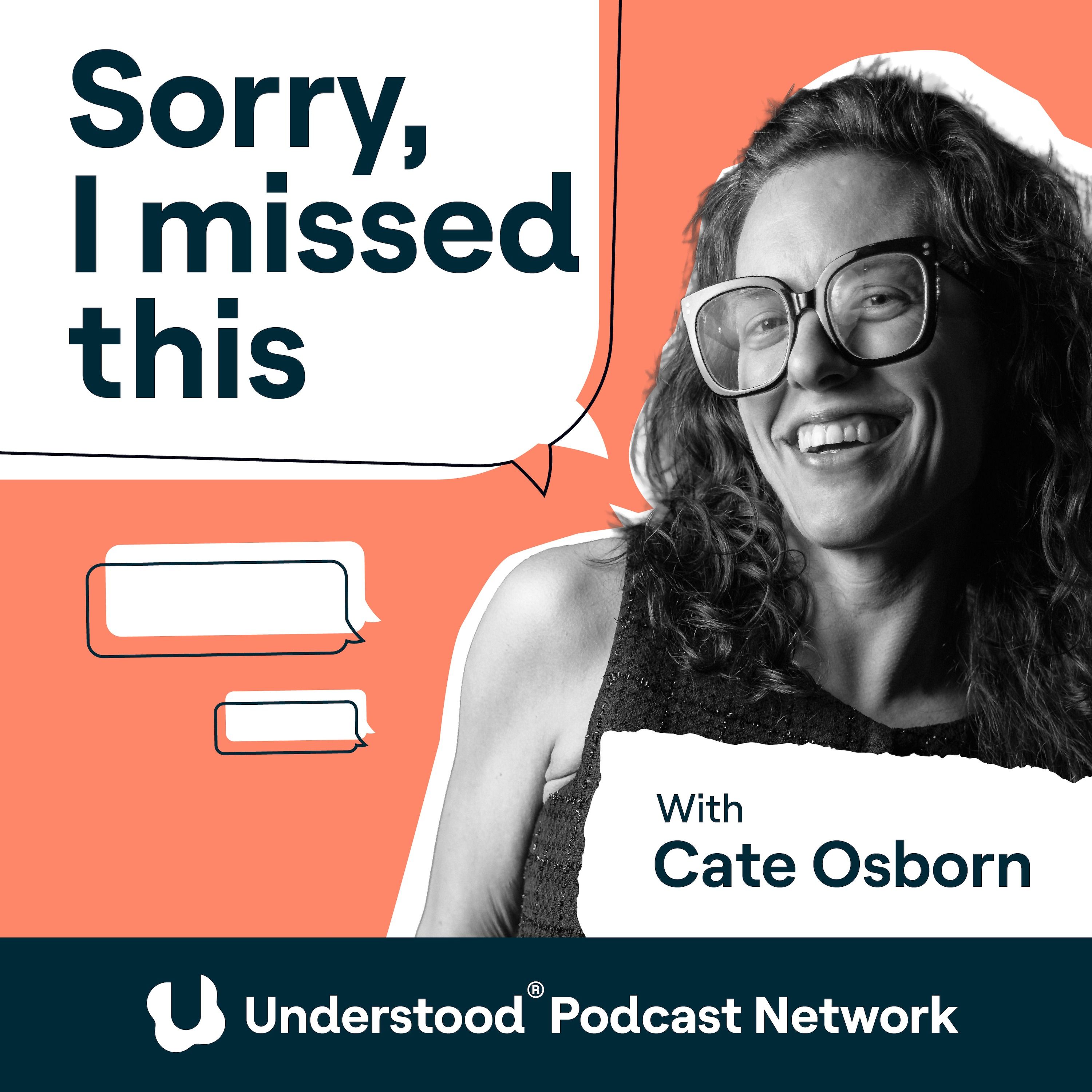
ADHD and impulse control: The science behind why willpower fails | Sorry, I Missed This
Jul 200:24:45Tap to summarizeDoes ADHD really mean poor self-control? Or is that the myth that’s been making everything harder? Dr. Polaris Koi is a philosopher who studies ADHD and self-regulation (and is an ADHDer themselves). In this episode, Cate and Polaris get into why “just try harder” is not only unhelpful advice — it’s based on science that most researchers don’t even believe anymore. They talk about why impulsivity in ADHD adults rarely looks like the textbook version (hi, compulsive shopping and 3 a.m. tattoo urges). How shame and anxiety make executive function worse. And why learning to work with your brain’s patterns beats white-knuckling your way through every temptation. Plus why some ADHDers end up over-controlled — which comes with its own set of problems. If you’ve ever told yourself you’re just lazy, bad at relationships, or fundamentally broken because you can’t seem to get it together, this one’s for you. For more on this topic Listen: ADHD and impulsive spending Watch: ADHD break-ups: Impulsive texts and overthinking regrets For a transcript and more resources, visit Sorry, I Missed This on Understood.org. You can also email us at sorryimissedthis@understood.org. Understood.org is a nonprofit organization dedicated to empowering people with learning and thinking differences, like ADHD and dyslexia. If you want to help us continue this work, donate at understood.org/give Hosted by Simplecast, an AdsWizz company. See pcm.adswizz.com for information about our collection and use of personal data for advertising.
Transcribe →
ADHD and family vacations: Why you can’t relax
Jun 3000:12:28Tap to summarizeFamily vacations are supposed to be fun. So why do they feel like a project you can’t stop managing? If you have ADHD, travel is basically a multi-day test of your executive functions. Between planning paralysis, sensory overload, sleep disruptions, and lack of routine, vacations can leave you feeling more stressed than refreshed. And the strain can be even worse for women, who tend to carry a disproportionate amount of the mental load for a family. In preparation for your Independence Day travels, Dr. J breaks down exactly why trips are so draining for ADHD brains. And she shares five practical strategies to help you actually relax on your next vacation. Happy July 4th! For more on this topic Watch: ADHD and perfectionism Listen: Breaking the burnout cycle: What is rest? For a transcript and more resources, visit The ADHD Channel for Women on Understood.org. You can also email us at podcast@understood.org. Understood.org is a nonprofit organization dedicated to empowering people with learning and thinking differences, like ADHD and dyslexia. If you want to help us continue this work, donate at understood.org/give Hosted by Simplecast, an AdsWizz company. See pcm.adswizz.com for information about our collection and use of personal data for advertising.
Transcribe →
ADHD and perimenopause: Why your symptoms are suddenly worse
Jun 1600:15:02Tap to summarizeIf your ADHD symptoms have spiked out of nowhere, perimenopause might be the culprit. Estrogen plays a direct role in dopamine regulation. When it fluctuates, your focus, memory, and emotional regulation take the hit. This episode breaks down exactly what’s happening in your brain, why the strategies that used to work may be failing you now, and how to adjust your support system for this stage of life. For more on this topic Listen: ADHD and: Menopause Watch: ADHD and hormones For a transcript and more resources, visit The ADHD Channel for Women on Understood.org. You can also email us at podcast@understood.org. Understood.org is a nonprofit organization dedicated to empowering people with learning and thinking differences, like ADHD and dyslexia. If you want to help us continue this work, donate at understood.org/give Hosted by Simplecast, an AdsWizz company. See pcm.adswizz.com for information about our collection and use of personal data for advertising.
Transcribe →
Why people with ADHD can’t sleep (and what actually helps) | Hyperfocus
Jun 1100:25:10Tap to summarizeIf you have ADHD, you’re probably exhausted — and there’s a real neurological reason for it. Sleep expert Marlee Boyle, co-founder of Sleep Works, joins us to explain why ADHD brains are wired against a good night’s rest. Plus how perimenopause can make it worse. She walks us through CBT-I techniques, the truth about melatonin, and some surprisingly low-tech tools that can fix your circadian rhythm. If you have trouble falling asleep or staying asleep, this one is for you. For more on this topic Watch: ADHD and sleep: 5 strategies to finally beat insomnia Listen: PMDD: Why women with ADHD are 4x more likely to struggle For a transcript and more resources, visit Hyperfocus on Understood.org. You can also email us at hyperfocus@understood.org . Understood.org is a nonprofit organization dedicated to empowering people with learning and thinking differences, like ADHD and dyslexia. If you want to help us continue this work, donate at understood.org/give Hosted by Simplecast, an AdsWizz company. See pcm.adswizz.com for information about our collection and use of personal data for advertising.
Transcribe →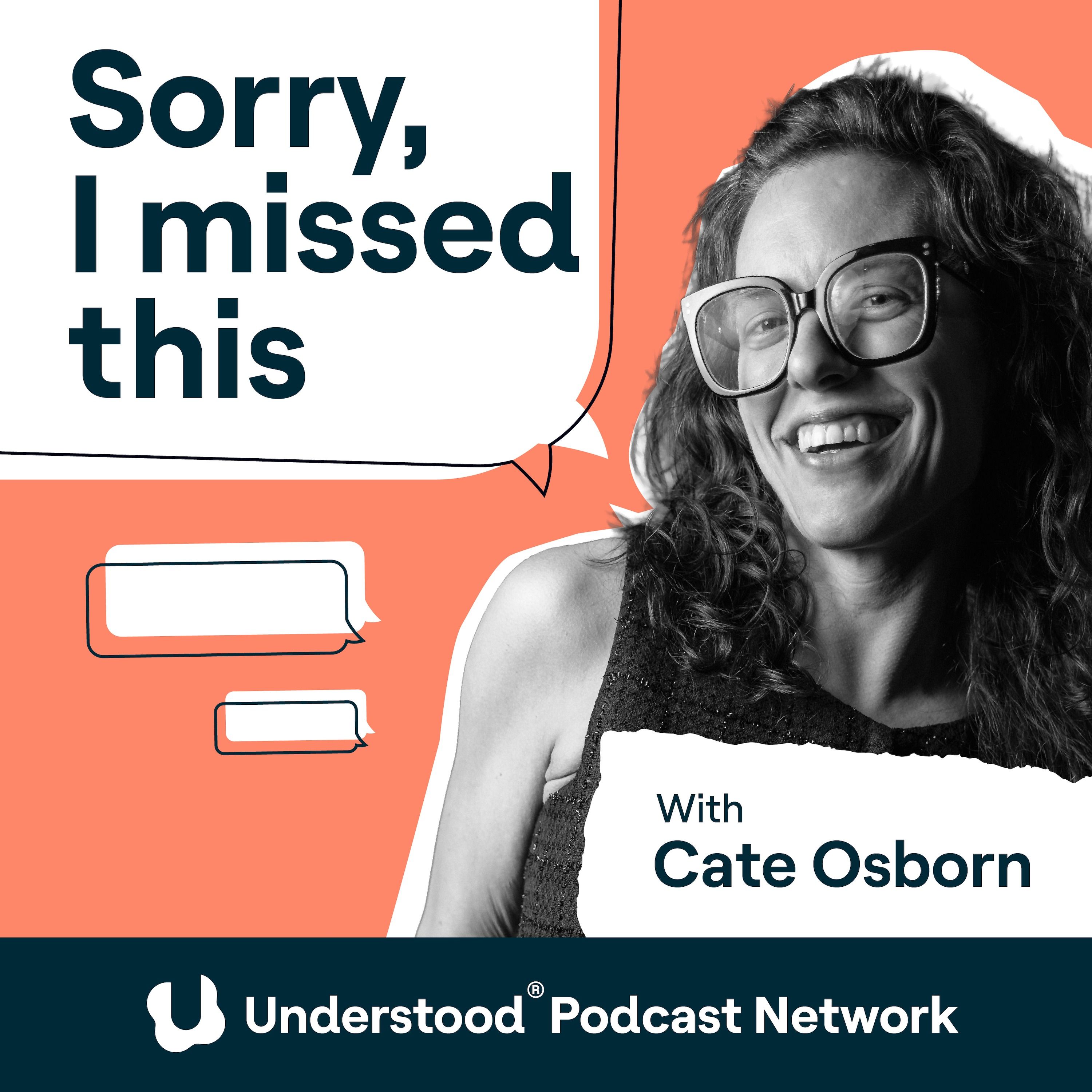
Why neurodivergent women can’t stop reading smut and romantasy | Sorry, I Missed This
Jun 400:18:54Tap to summarizeDid you know that women with ADHD consume explicit fiction at dramatically higher rates than neurotypical women — and there’s a neurological reason? Dr. Erika Miley is a licensed mental health counselor, certified sex therapist, and author of the only dissertation published on ADHD and women’s sexuality. After surveying over 2,000 participants, one thing kept surfacing: smut. Romantasy, explicit romance, audio erotica — all of it. In this episode, she explains why the ADHD brain is uniquely drawn to literary erotica, how smut raises the arousal threshold enough to sustain focus, and why neurodivergent women are using it for everything from processing emotional vulnerability to getting through household chores. Find Dr. Miley at erikamiley.com. For more on this topic Watch: ADHD and sex Watch: Too much or not enough: ADHD sensory challenges and sex For a transcript and more resources, visit Sorry, I Missed This on Understood.org. You can also email us at sorryimissedthis@understood.org. Understood.org is a nonprofit organization dedicated to empowering people with learning and thinking differences, like ADHD and dyslexia. If you want to help us continue this work, donate at understood.org/give Hosted by Simplecast, an AdsWizz company. See pcm.adswizz.com for information about our collection and use of personal data for advertising.
Transcribe →