Podcast
Money, Meet Meaning
Hosted by Interfaith America and Tom Levinson · EN
How do we find meaning in our life with money?
In a culture where money shapes nearly everything we do—yet remains taboo to discuss—Money, Meet Meaning explores how faith and wisdom traditions have long grappled with wealth, possessions, and purpose.
This award-winning podcast features candid conversations, practical insights, and centuries-old teachings brought into today's world. The podcast was created by Interfaith America and Tom Levinson and co-sponsored by Apella Wealth, in partnership with the Religion News Service and Princeton University’s Faith and Work Initiative.
From spending and generosity to technology and consumerism, each episode illuminates timeless guidance for navigating our financial lives—whether you’re religious, spiritual, or simply searching for meaning in money.
Season 1 was named Best Religion Podcast by the Religion News Association and received an Award of Excellence from the Religion Communicators Council (Wilbur Awards).
31episodes
Episodes
Newest firstAll episodes

Bringing Your Whole Self to Work
Jun 900:23:09Tap to summarizeAfter hearing from three faith-driven entrepreneurs, Tom and Amber turn to a question that sits at the center of modern work life: Can you bring your whole self to work – or does faith inevitably get left at the door? Drawing on insights from Eboo Patel, Jenna Nicholas, and Tim Busch, they explore what it looks like to integrate values not just personally, but structurally – through decisions, leadership, and cultures we help create. They wrestle with real-world dilemmas: doing a deal that conflicts with your beliefs, investing in ideas that challenge your values, and deciding whether to make your business explicitly faith-based or quietly values-driven. Along the way, concepts like taqwa (conscience), shalom (wholeness), and “work as worship” offer language for something many people feel but struggle to name. It’s a thoughtful close to the season and an invitation to live and work with greater coherence, wherever you are. For more episodes and info, visit Money, Meet Meaning. Learn more about your ad choices. Visit megaphone.fm/adchoices
Transcribe →
Building What You Believe
Jun 201:00:18Tap to summarizeWhat happens when faith doesn’t stay personal but becomes the foundation for how you build, invest, and lead? Amber and Tom explore faith-based entrepreneurship through three distinct voices, each integrating spiritual conviction into their real-world work. Tim Busch shares how his Catholic faith shaped a model of principled entrepreneurship grounded in dignity, care for his employees, and building literal chapels in his hotels, where priests are invited to stay for free. Jenna Nicholas, inspired by the Bahá’í faith, brings a long-term, values-driven lens to investing – where profit and purpose are not at odds. And Eboo Patel reflects on building an institution rooted in pluralism, drawing inspiration from the Prophet Muhammad’s example of market-building as an act of community-building. Across traditions and sectors, a shared thread emerges: faith is not just a personal belief – it’s a blueprint for action. These conversations offer a look at how spiritual values can shape not only what we believe but what we build. About the Guests: Tim Busch is a businessman, lawyer, and Catholic philanthropist. Learn more about his projects with the Napa Institute and the Pacific Hospitality Group. Jenna Nicholas is an investor, entrepreneur, advisor, author, coach, and speaker. Find Jenna on LinkedIn, Instagram, and on her website. Recognized as “one of America’s best leaders” by U.S. News and World Report, Eboo Patel is the Founder and President of Interfaith America, the nation’s leading interfaith organization. For more episodes and info, visit Money, Meet Meaning. Learn more about your ad choices. Visit megaphone.fm/adchoices
Transcribe →
To Preserve or to Repurpose?
May 2600:25:58Tap to summarizeAfter their conversation with Amy Butler, Amber and Tom turn to an emotionally charged question facing many faith communities today: Is it more faithful to preserve a dying congregation – or to repurpose its financial assets for new life? They explore what’s really at stake when institutions decline: not just budgets and buildings, but memory, identity, and the stories held in stained glass, pews, and potluck halls. Drawing on personal stories from their own lives, listener responses, and Pastor Amy’s idea of “holy disruption,” Amber and Tom wrestle with whether closure can sometimes be an act of faith, rather than failure. Along the way, they imagine creative alternatives – shared spaces, affordable housing, selling air rights, renting during the week – that honor both sacred history and present-day needs. It’s a thoughtful conversation about grief, stewardship, and what it means to believe in resurrection – not just preservation. For more episodes and info, visit Money, Meet Meaning. Learn more about your ad choices. Visit megaphone.fm/adchoices
Transcribe →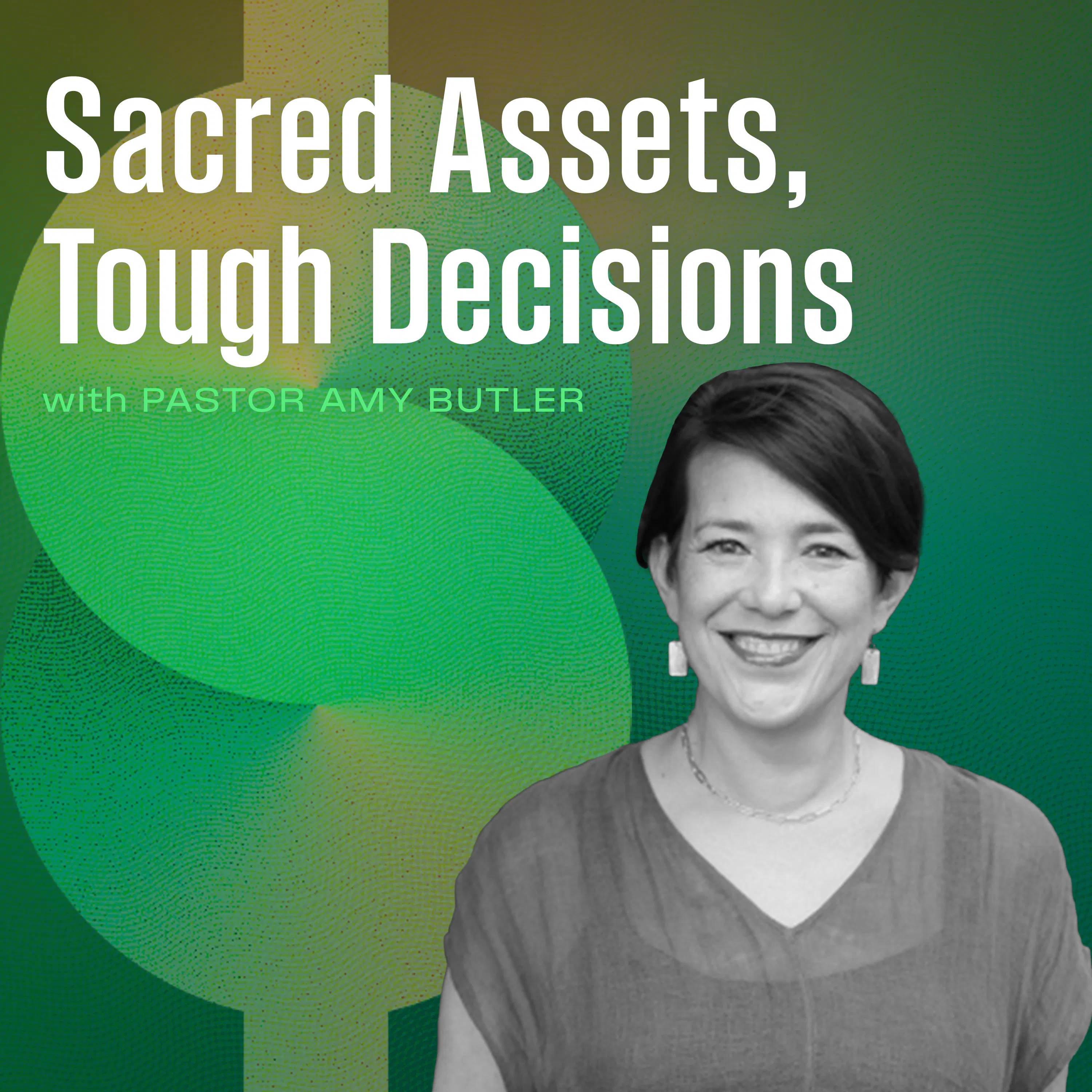
Sacred Assets, Tough Decisions
May 1900:50:02Tap to summarizeMany of us were taught an unspoken deal: live faithfully, do the right things, and life will work out. In this episode, Amber and Tom gently - but firmly - challenge that transactional model of faith and money with Amy Butler, a pastor, author, and founder of Invested Faith. Amy shares how her own ministry journey exposed the limits of “cosmic vending machine” theology – and why she believes faith communities are called to something deeper: interdependence. Drawing from her books Beautiful and Terrible Things and Holy Disruption, she explores how churches can move beyond scarcity thinking and creatively repurpose their assets to fund social enterprises that challenge unjust systems. Along the way, the conversation gets refreshingly practical: why pastors need balance sheets, not just Bible studies; why financial literacy is a form of pastoral care; and why closing or transforming institutions can be holy work. It’s a hopeful, grounded look at how faith communities can steward money, power, and privilege with courage, imagination, and a little disruption. About Pastor Amy Butler: Pastor Amy Butler has led some of the most iconic pulpits in America, including becoming the first woman to lead New York's Riverside Church. She's a writer, community builder, and founder of Invested Faith, a movement helping congregations use their aging assets to fund the work of faith-rooted social entrepreneurs building businesses that are changing unjust systems. Amy’s Books: Beautiful and Terrible Things Holy Disruption (co-authored with Dawn Darwin Weaks) For more episodes and info, visit Money, Meet Meaning. Learn more about your ad choices. Visit megaphone.fm/adchoices
Transcribe →
Effort, Surrender, and the Money in Between
May 1200:26:24Tap to summarizeAfter their conversation with Amjad Quadri, Amber and Tom turn to a deeper question beneath financial decision-making: What is actually in our control, and what do we need to let go of? Drawing on the islamic concept of rizq – the idea that our provision is ultimately in God’s hands – they explore the tension between effort and surrender in everyday financial life. From saving for retirement to pursuing a calling, managing debt, or stepping back from work, they wrestle with how to act responsibly without becoming consumed by outcomes. Amber connects the conversation to the idea of “solving for peace,” while Tom reflects on the wisdom of focusing on inputs rather than results. Along the way, real-life scenarios bring the tension into focus, and ancient wisdom – including the Serenity Prayer – offers a way through it. It’s a thoughtful guide to making financial decisions with intention, trust, and a little more peace of mind. For more episodes and info, visit Money, Meet Meaning. Learn more about your ad choices. Visit megaphone.fm/adchoices
Transcribe →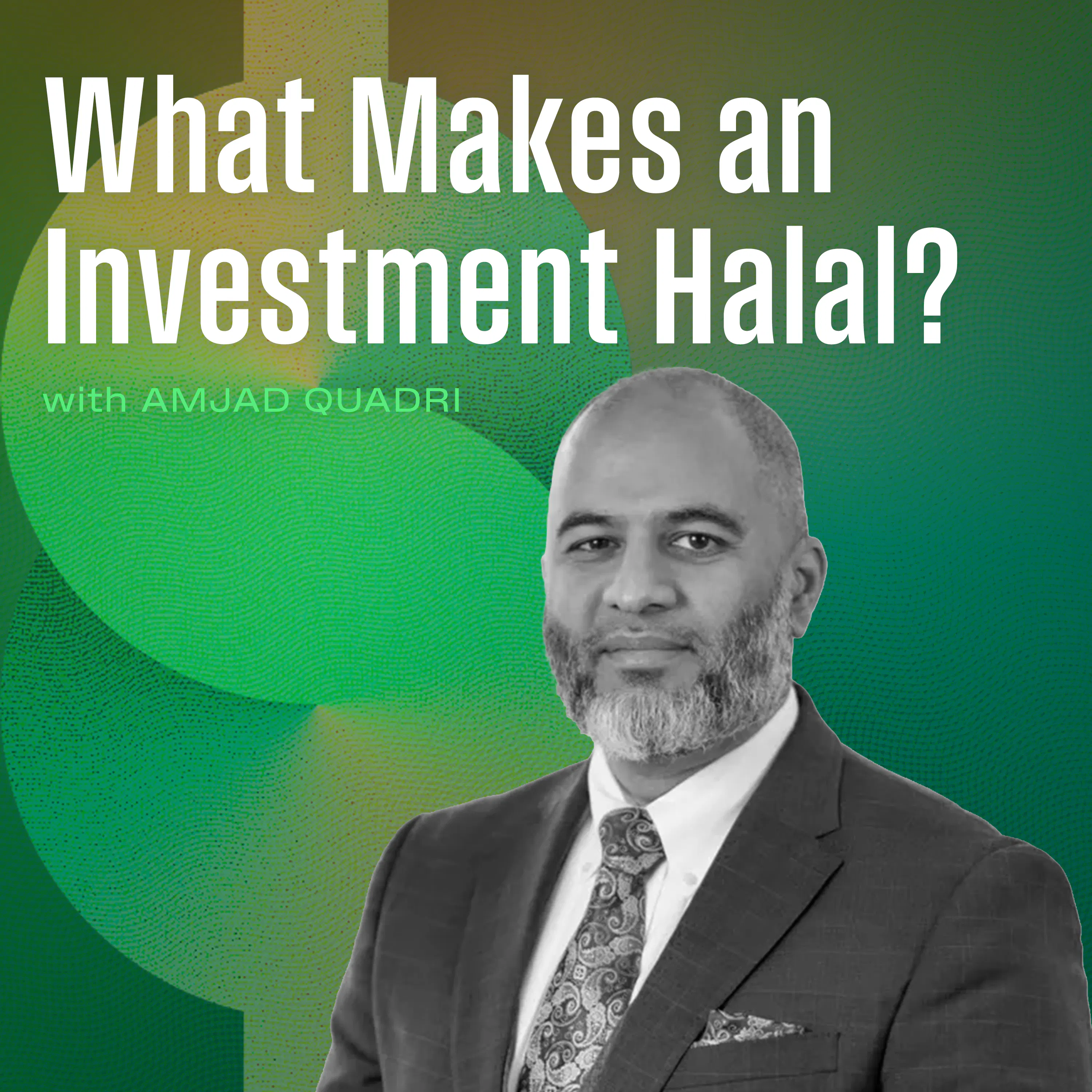
What Makes an Investment Halal?
May 500:47:02Tap to summarizeWhat does it mean to invest in a way that aligns with your deepest beliefs? In this episode, Tom and Amber explore the principles of halal investing with Amjad Quadri, who works at the intersection of faith and finance. Amjad explains how Islamic investing avoids “sin stocks” like alcohol, gambling, and interest-based lending – and how it’s guided by both spiritual principles and practical financial frameworks. From navigating homeownership without traditional mortgages to understanding gratitude and trust through a faith lens, he offers a window into a system that is both disciplined and deeply values-driven. The conversation reveals a broader appeal, with many non-Muslim investors drawn to the approach. The episode wraps with a lively “Halal or Not at All?” segment, putting real-world financial dilemmas to the test. The conversation is a thoughtful look at what it means to invest with intention, regardless of your specific spiritual beliefs. About Amjad Quadri: Amjad M. Quadri joined the Chicago office of Saturna Capital in June 2015. As a Regional Manager, he brings experience in Islamic banking, including business and product development. You can find Amjad on LinkedIn. Learn more about your ad choices. Visit megaphone.fm/adchoices
Transcribe →
How Much Should We Give?
Apr 2800:30:54Tap to summarizeAfter their conversation with philanthropists Kim Duchossois and Jessica Swoyer Green, Amber and Tom return to explore one of the thorniest questions in generosity: If you have more, should you give more? What unfolds is a candid, thoughtful look at the tension between purpose and self-preservation – between the call to give and the instinct to save. Drawing on wisdom from Jewish teaching, Christian scripture, and behavioral science, Amber and Tom dig into why giving is hard to do – yet why it feels so good – and how to know how much giving is “enough.” They wrestle with questions about timing, limits, legacy, and control: Is it better to give now or later? How much should we direct our gifts? And what do we owe our children – security or the opportunity to struggle and grow? It’s a warm and honest conversation about generosity, trust, and the values that guide us when the stakes are high. For more episodes and info, visit Money, Meet Meaning. Learn more about your ad choices. Visit megaphone.fm/adchoices
Transcribe →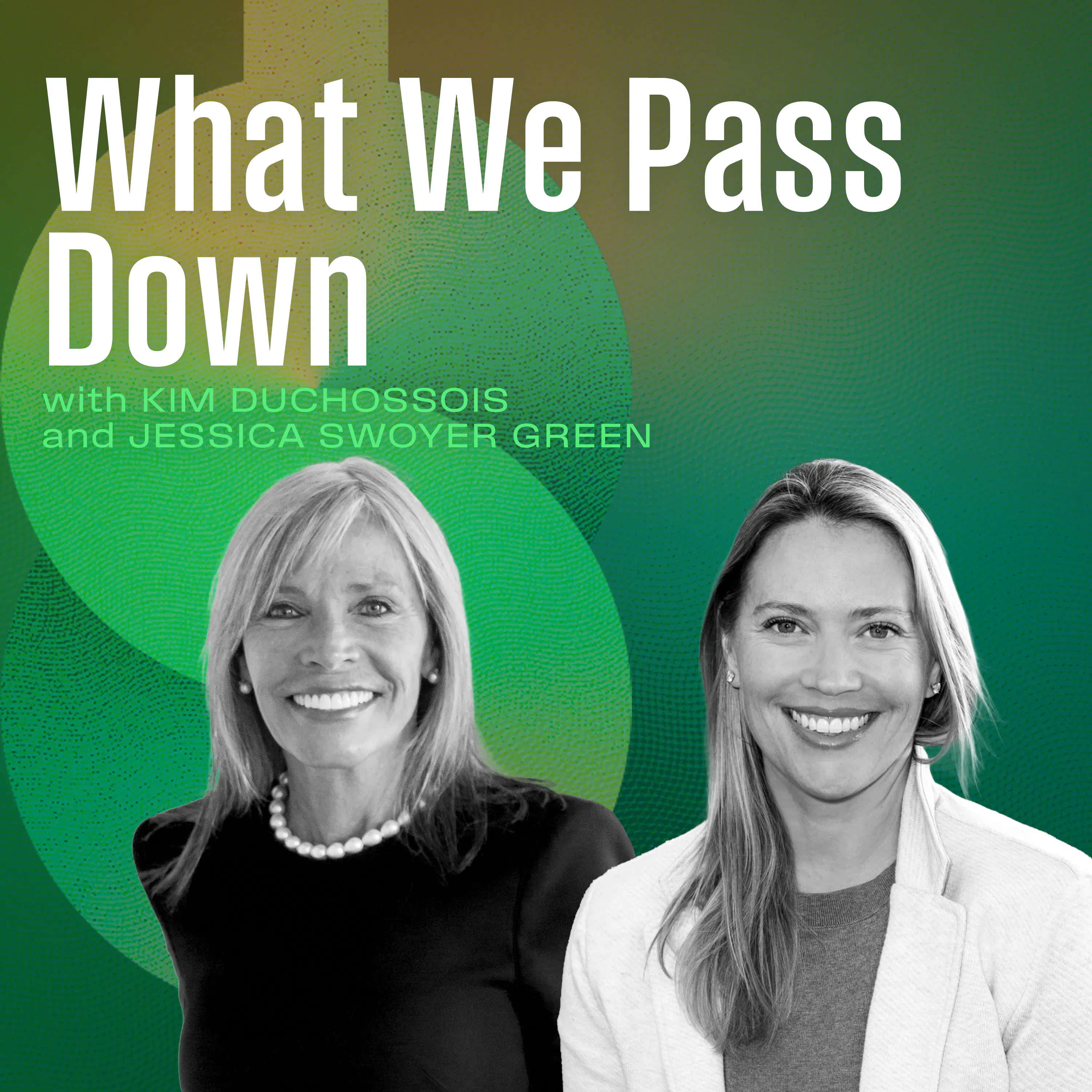
What We Pass Down
Apr 2101:07:27Tap to summarizeWhat does it mean to leave a legacy? In this episode, hosts Amber Hacker and Tom Levinson sit down with Kim Duchossois and Jessica Swoyer Green, a mother-duo from one of Chicago’s most community-minded philanthropic families, to explore what gets passed down through generations besides wealth. Kim and Jess share how their family shifted from transactional to transformational giving, the rising influence of women in philanthropy, and why values like integrity, empathy, and connection can matter more than a balance sheet. Together, they look honestly at the challenges of raising children with grounded values, navigating generational transitions, and choosing service over status. Whether you’re thinking about your own family’s story, what you hope to hand down, or how generosity can reshape a community, this conversation offers a rare window into a legacy built not on money but on meaning. About Kim Duchossois & Jessica Swoyer Green: Kim Duchossois and Jessica Swoyer Green are a prominent philanthropic mother-daughter duo redefining generosity across generations. For more episodes and info, visit Money, Meet Meaning. Learn more about your ad choices. Visit megaphone.fm/adchoices
Transcribe →
Ethical Spending Without Losing Your Mind
Apr 1400:24:21Tap to summarizeAfter talking with Harvard Business School’s Nien-Hê Hsieh about moral gray zones in leadership, Tom and Amber zoom in on the everyday gray zones most of us face: What do you do when ethical clothing costs twice as much? Should you switch banks if yours funds fossil fuels? How much label-scanning is too much? From private school garage sales as a surprisingly ethical hack to choosing a local community bank over a national giant, they explore creative “third ways” that move beyond cynicism or naïveté. Tom introduces the idea of a spending “shot clock” – a time limit to keep values-driven decisions from turning into analysis paralysis. Grounded in listener questions and ancient wisdom from the Bhagavad Gita, this episode offers practical guidance for the conscious consumer – and helps us let go of the illusion that any purchase can ever be perfect. Learn more about your ad choices. Visit megaphone.fm/adchoices
Transcribe →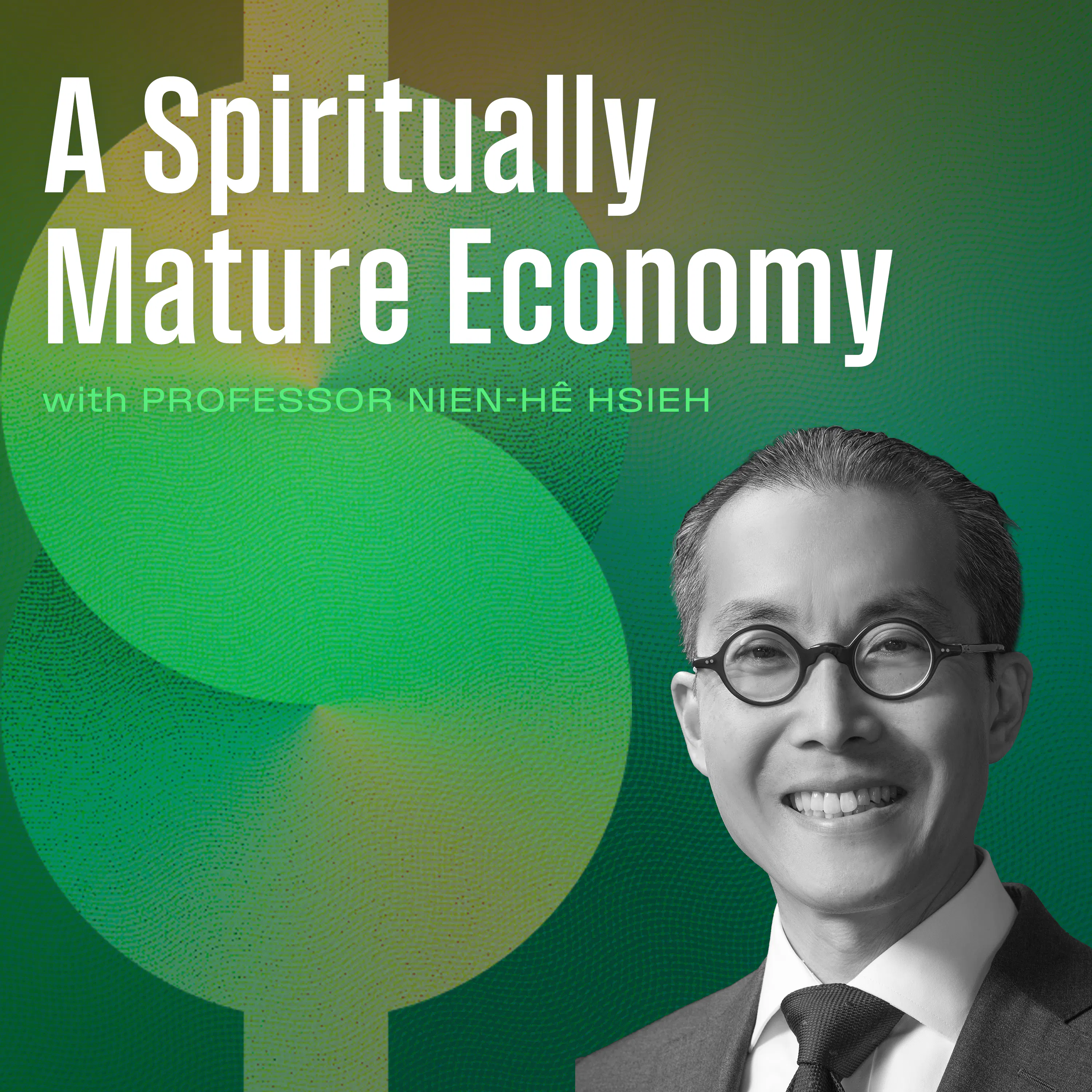
A Spiritually Mature Economy
Apr 700:43:36Tap to summarizeEver tried to buy some chocolate and ended up in a spiral of label-scanning and ethical cross-checking? Tom and Amber open this episode with the dizzying reality of ethical consumerism – and then zoom out. They’re joined by Nien-Hê Hsieh, who grew up with the Doomsday Clock on his family’s kitchen counter – a daily reminder that money, power, and human choices carry existential weight. Now a professor at Harvard Business School, Professor Hsieh teaches leaders how to navigate the moral gray zones where profit, fairness, and human dignity collide. From childhood lessons about generosity and anxiety to teaching The Spiritual Lives of Leaders, Professor Hsieh explores the tension between ambition and integrity. He challenges listeners to imagine a “spiritually mature economy” – one that treats money not as an end, but as a tool for care, justice, and shared flourishing. Learn more about your ad choices. Visit megaphone.fm/adchoices
Transcribe →