Podcast
No Small Endeavor with Lee C. Camp
Hosted by Tokens Media · EN
What does it really mean to live a good life—in our politics, our faith, our work, and our relationships?
On No Small Endeavor with Lee C. Camp, we explore the ideas, practices, and public debates that shape human flourishing today. Each week you’ll hear thought-provoking conversations with bestselling authors, philosophers, neuroscientists, psychologists, theologians, artists, and political leaders—people wrestling with the biggest questions of meaning and purpose in our time.
Together we ask:
How can religion be a force for healing instead of division?
What does neuroscience reveal about happiness, habits, and productivity?
Where do politics and justice meet the pursuit of the common good?
How do truth, beauty, and goodness help us live well—personally and collectively?
If you care about faith, politics, social justice, science, or the search for meaning, you’ll find courageous, practical conversations here. Because pursuing a meaningful life is no small endeavor—and we’re with you on the road.
Learn more at nosmallendeavor.com.
80episodes
Episodes
Newest firstAll episodes
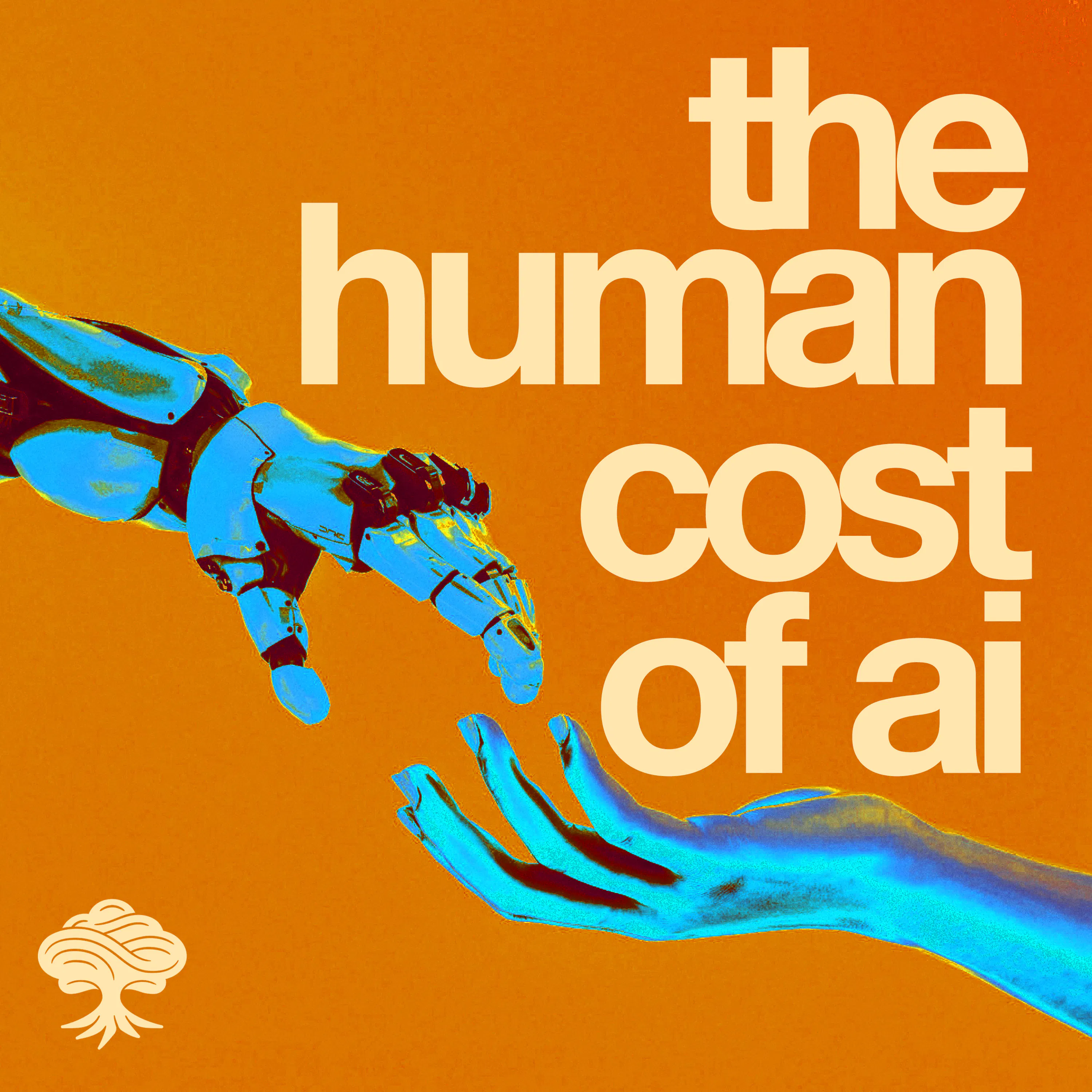
256: The Human Cost of AI: Money, Sex, and Tools
Apr 600:53:34Tap to summarizeWhat if the greatest danger of AI isn’t that it becomes human, but that it reshapes what it means to be one? In part one of this series, we explore artificial intelligence through a sobering insight: every ship we build also creates the possibility of a shipwreck. The question is not whether AI will save us or destroy us, but how our own formation may already be the collateral damage of its rise. To trace the human cost of AI, we follow three fault lines: tools, sex, and money. We examine how these technologies shape our habits and desires, and how they are shaped by the systems of power we live within. Along the way, we hear from leading scholars and technologists, including computer scientist Josh Brake, philosopher Joe Vukov, MIT professor Rosalind Picard, journalist Garrett Graff, and data scientist Rumman Chowdhury. Together, they challenge the idea that AI is merely a neutral tool, revealing how it quietly directs our attention, relationships, and sense of purpose and inviting us to reconsider what it means to live well and remain human, in an age of powerful machines. Key Ideas: -Rethink “Just a Tool” Technologies are never neutral; their design subtly shapes our habits, attention, and even our sense of agency. -Ask Who You’re Becoming The deeper question isn’t what we use AI for, but how it forms our character and communities over time. -Resist the Illusion of Understanding AI systems can mimic human thought, but they do not understand meaning—reminding us to value uniquely human forms of knowing. -Guard Your Desire AI’s ability to simulate intimacy risks reshaping our longings, training us toward convenience over genuine relationship. -Follow the Incentives Behind every AI system are economic forces that prioritize engagement and profit, often at the expense of human flourishing. -Recover a Fuller Humanity Being human is more than intelligence—it includes embodiment, relationships, and moral responsibility that no machine can replicate. Show Notes, Resources, and Transcript for abridged episode 1 of The Human Cost of AI Join NSE+ — our subscriber-only community — for ad-free listening, member-only bonus content, and early access to live show tickets. Your membership helps make No Small Endeavor sustainable. No Small Endeavor: An award-winning podcast that asks what it means to live a good life. Through conversations with leading thinkers across theology, philosophy, psychology, politics, and the social sciences, we explore human flourishing, meaning and purpose, faith and culture, science and religion, virtue and character, religion and spirituality, community, and the practices that help shape a good life grounded in truth, beauty, and goodness. Follow @nosmallendeavor Host Lee C. Camp: Lee has worked as a professor of theology & ethics for more than 25 years, teaching and writing on topics of faith & politics, inter-religious dialog, and human flourishing at the intersection of theology, moral philosophy, and social sciences. Follow @leeccamp Learn more about your ad choices. Visit megaphone.fm/adchoices
Transcribe →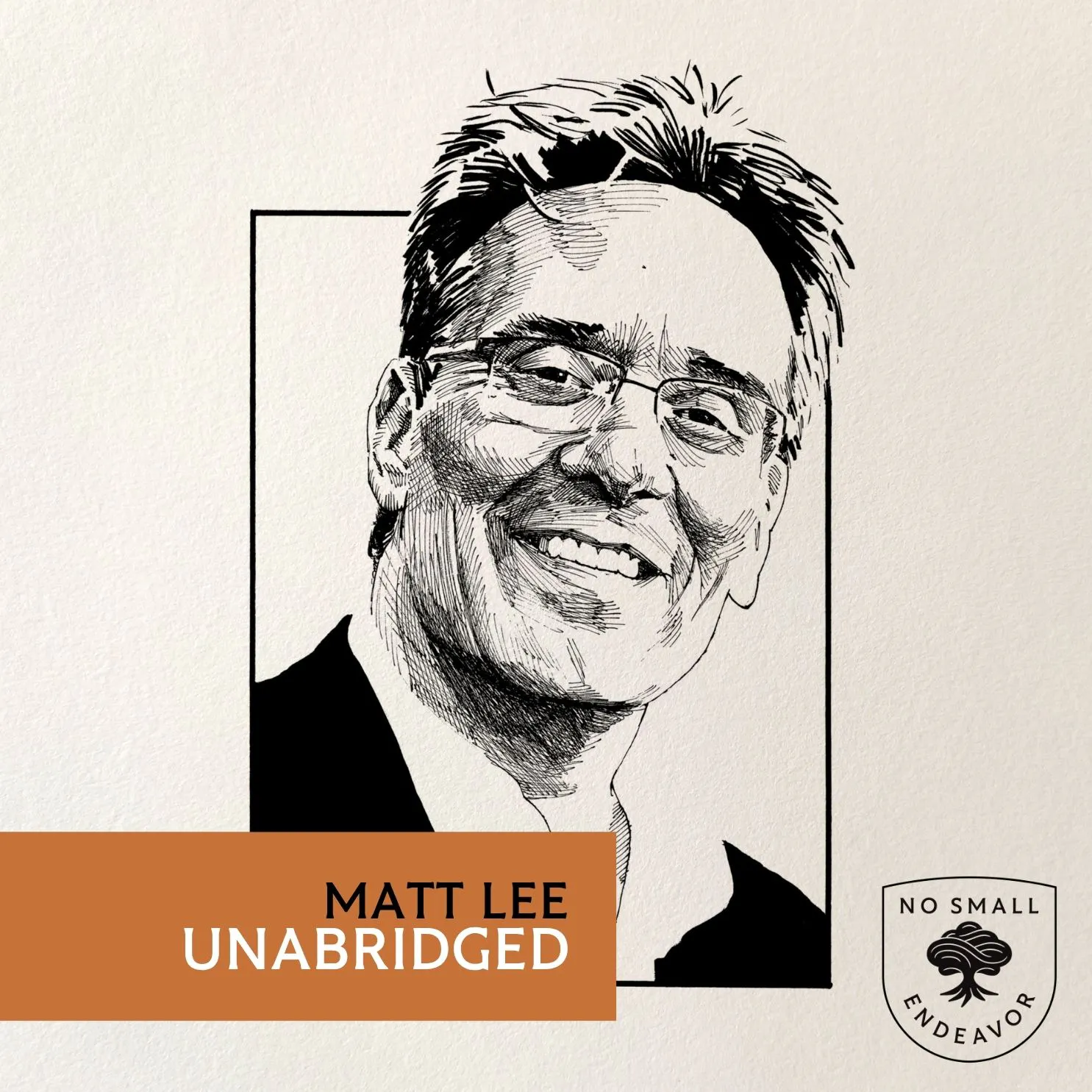
255: Unabridged Interview: Matt Lee
Apr 301:19:17Tap to summarizeThis is our unabridged interview with Matt Lee. What if flourishing isn’t something you achieve, but something you share? Sociologist and human flourishing scholar Matthew T. Lee reflects on his unlikely journey from studying homicide to exploring love as a social practice. Drawing on research, philosophy, and lived experience, he challenges individualistic definitions of success and offers a richer vision rooted in community, dialogue, and mutual care. He insists that all flourishing is mutual. Key Ideas: -Flourish Together or Not at All True human flourishing is mutual, it cannot exist at the expense of others or the world around us. -From Isolation to Interdependence His “forest” metaphor reveals that our lives are deeply interconnected, sharing resources and meaning beneath the surface. -Love as a Social Practice Flourishing grows through lived practices of love, not just ideas, especially in restorative justice and everyday relationships. -Rethink Success and Happiness The Global Flourishing study has found that material wealth and personal satisfaction alone are insufficient; flourishing includes virtue, relationships, and contribution to others. -Dialogue Over Monologue Transformation begins when we move beyond certainty and enter into genuine dialogue that reshapes how we see others and ourselves. -Build Small Communities of Hope Change doesn’t start at scale; it begins with small, intentional communities practicing a better way of being human. Show Notes, Resources and Transcript for abridged episode with Matt Lee Join NSE+ — our subscriber-only community — for ad-free listening, member-only bonus content, and early access to live show tickets. Your membership helps make No Small Endeavor sustainable. No Small Endeavor: An award-winning podcast that asks what it means to live a good life. Through conversations with leading thinkers across theology, philosophy, psychology, politics, and the social sciences, we explore human flourishing, meaning and purpose, faith and culture, science and religion, virtue and character, community, and the practices that help shape a good life grounded in truth, beauty, and goodness. Follow @nosmallendeavor Host Lee C. Camp: Lee has worked as a professor of theology & ethics for more than 25 years, teaching and writing on topics of faith & politics, inter-religious dialog, and human flourishing at the intersection of theology, moral philosophy, and social sciences. Follow @leeccamp Learn more about your ad choices. Visit megaphone.fm/adchoices
Transcribe →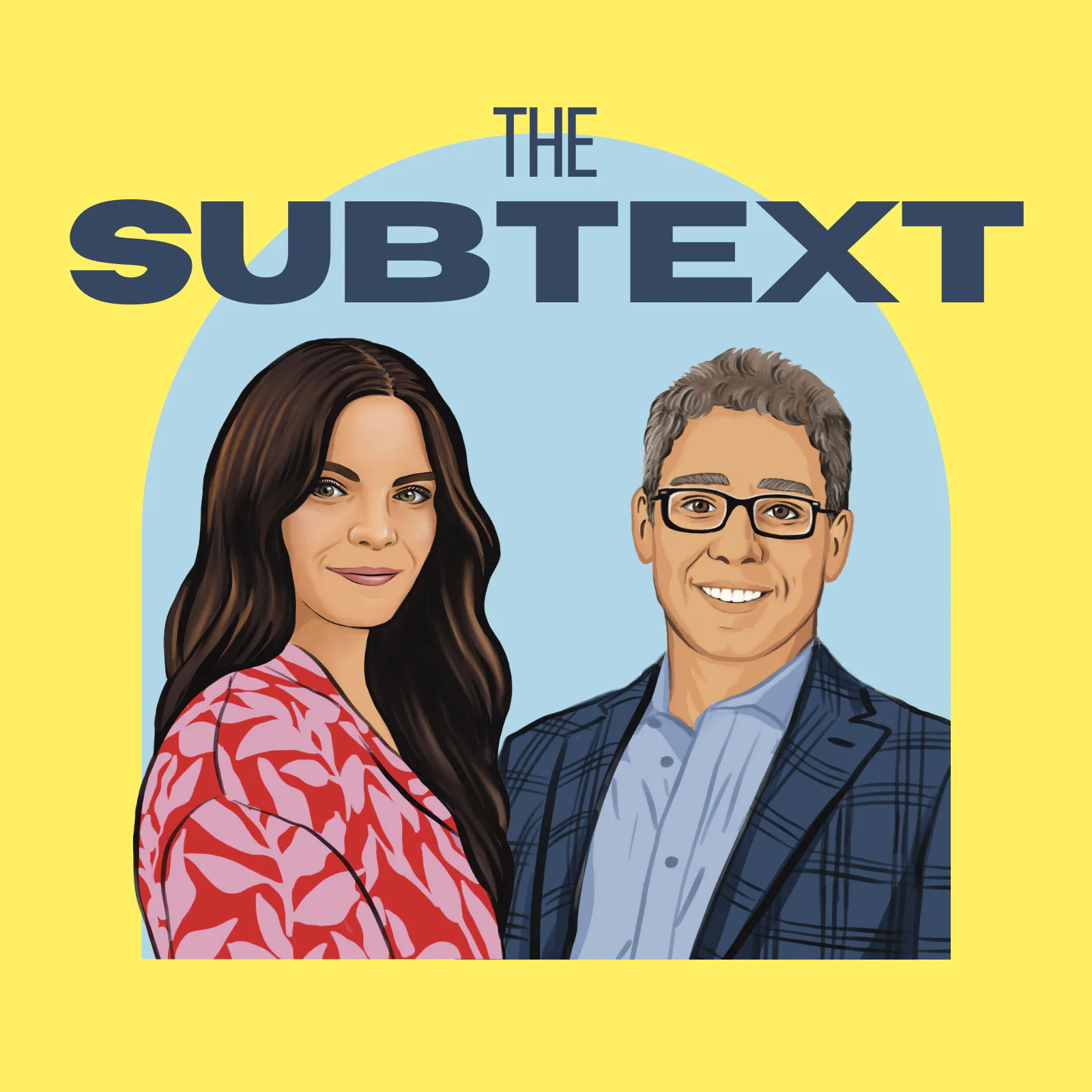
The Subtext: Is Social Media a Calling?
Apr 100:49:21Tap to summarizeIs being an influencer on social media a calling? Can public-facing work align with a life of service? In this episode, Savannah and Lee unpack a viral influencer video and explore what it means to have a dream, how it connects to vocation, and what it really means to make an impact in the world. Things we mentioned in this episode: NYT Cooking Black Sesame Rice Krispies Treats Dept. Q Paradise Cup of Tea by Kacey Musgraves Who is My Enemy by Lee C. Camp The Seven Storey Mountain by Thomas Merton The Summer Day by Mary Oliver Markings by Dag Hammarskjold The Pretender by Jackson Browne Follow The Subtext: Instagram | Threads | X | YouTube | TikTok Follow Lee: Instagram | Twitter | Lee's Newsletter Follow Savannah: Instagram | Substack Join our Email List: nosmallendeavor.com Learn more about your ad choices. Visit megaphone.fm/adchoices
Transcribe →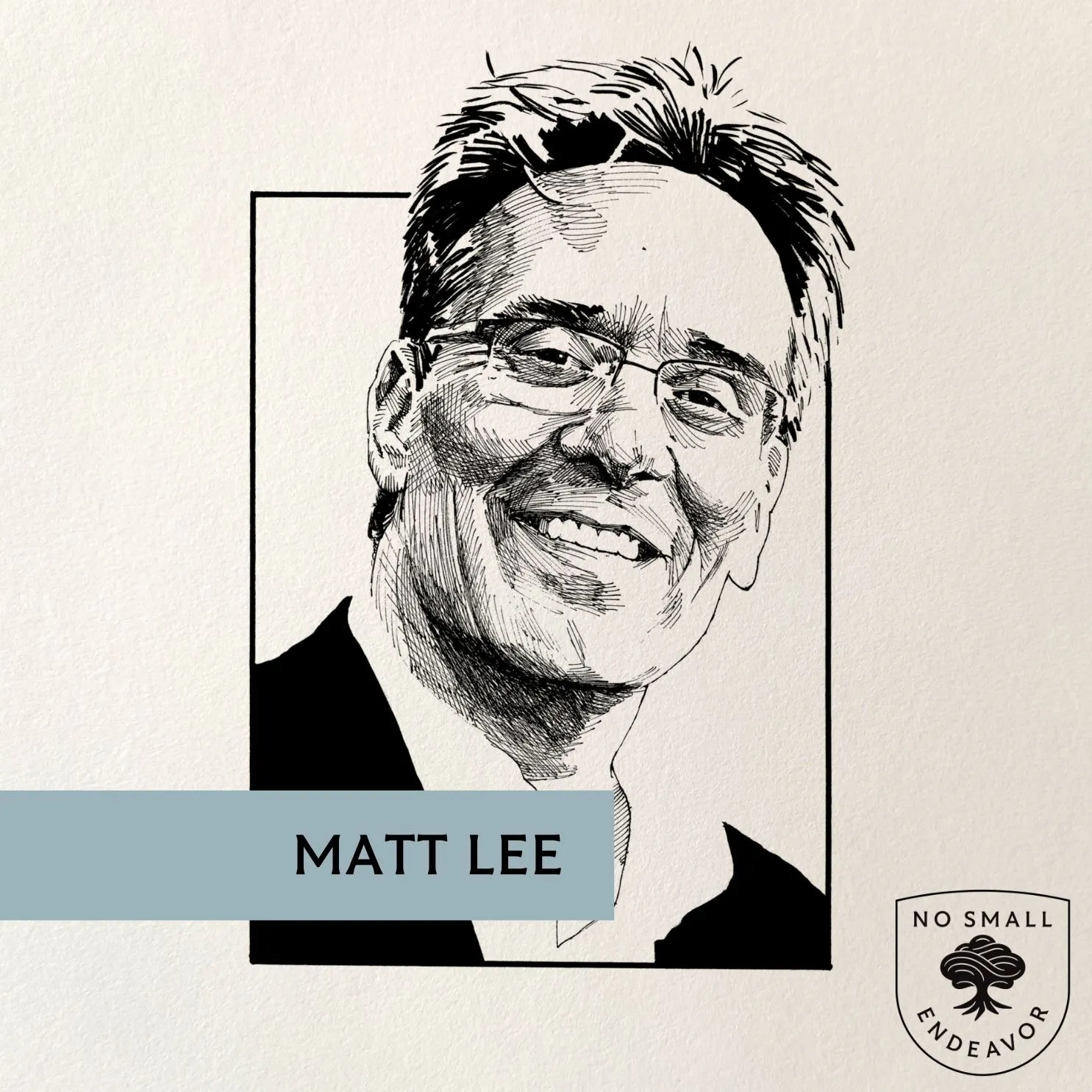
255: Matt Lee: Why You Can't Flourish Alone
Mar 3000:52:02Tap to summarizeWhat if flourishing isn’t something you achieve, but something you share? Sociologist and human flourishing scholar Matthew T. Lee reflects on his unlikely journey from studying homicide to exploring love as a social practice. Drawing on research, philosophy, and lived experience, he challenges individualistic definitions of success and offers a richer vision rooted in community, dialogue, and mutual care. He insists that all flourishing is mutual. Key Ideas: -Flourish Together or Not at All True human flourishing is mutual, it cannot exist at the expense of others or the world around us. -From Isolation to Interdependence His “forest” metaphor reveals that our lives are deeply interconnected, sharing resources and meaning beneath the surface. -Love as a Social Practice Flourishing grows through lived practices of love, not just ideas, especially in restorative justice and everyday relationships. -Rethink Success and Happiness The Global Flourishing study has found that material wealth and personal satisfaction alone are insufficient; flourishing includes virtue, relationships, and contribution to others. -Dialogue Over Monologue Transformation begins when we move beyond certainty and enter into genuine dialogue that reshapes how we see others and ourselves. -Build Small Communities of Hope Change doesn’t start at scale; it begins with small, intentional communities practicing a better way of being human. Show Notes, Resources and Transcript for abridged episode with Matt Lee Join NSE+ — our subscriber-only community — for ad-free listening, member-only bonus content, and early access to live show tickets. Your membership helps make No Small Endeavor sustainable. No Small Endeavor: An award-winning podcast that asks what it means to live a good life. Through conversations with leading thinkers across theology, philosophy, psychology, politics, and the social sciences, we explore human flourishing, meaning and purpose, faith and culture, science and religion, virtue and character, community, and the practices that help shape a good life grounded in truth, beauty, and goodness. Follow @nosmallendeavor Host Lee C. Camp: Lee has worked as a professor of theology & ethics for more than 25 years, teaching and writing on topics of faith & politics, inter-religious dialog, and human flourishing at the intersection of theology, moral philosophy, and social sciences. Follow @leeccamp Learn more about your ad choices. Visit megaphone.fm/adchoices
Transcribe →
254: Unabridged Interview: Laurie Santos
Mar 2701:04:58Tap to summarizeThis is our unabridged interview with Laurie Santos. Many of us spend years chasing the things we believe will make us happy, success, recognition, the next promotion, the perfect relationship, only to discover they don’t satisfy the way we expected. Why are we so often wrong about what will make our lives better? Yale psychologist Dr. Laurie Santos, creator of the most popular course in Yale’s history, Psychology and the Good Life, joins Lee C. Camp to explore the science of well-being. Drawing from decades of research in psychology and happiness science, Santos explains why our minds often “miswant” things we think will make us happy, but won’t actually do so. We cover how social comparison continually moves the goal post of our satisfaction and why practices like gratitude, social connection, and self-compassion actually do move the needle on well-being. Key Ideas Correct Our “Miswanting” Humans consistently mispredict what will make them happy, often overvaluing achievements, money, or status while underestimating the power of relationships, gratitude, and meaningful activity. Practice the Bronze Mindset Happiness often depends on our reference point; learning to focus on what we have rather than what we narrowly missed can transform how we experience success and disappointment. Invest in Real Connection Genuine social interaction—from deep friendships to small conversations with strangers—remains one of the strongest predictors of long-term well-being. Embrace Negative Emotions as Signals Feelings like sadness, loneliness, or overwhelm are not failures of happiness but important psychological signals that guide us toward needed changes. Turn Knowledge Into Practice Knowing the science of happiness isn’t enough; lasting flourishing comes through habits—small, repeated behaviors like gratitude, rest, and time affluence. Take Baby Steps Toward Well-Being Even small practices—ten minutes of meditation, a gratitude journal entry, or a meaningful conversation—can gradually shift our lives toward greater happiness. Show Notes, Resources and Transcript for abridged episode with Laurie Santos Join NSE+ — our subscriber-only community — for ad-free listening, member-only bonus content, and early access to live show tickets. Your membership helps make No Small Endeavor sustainable. No Small Endeavor: An award-winning podcast that asks what it means to live a good life. Through conversations with leading thinkers across theology, philosophy, psychology, politics, and the social sciences, we explore human flourishing, meaning and purpose, faith and culture, science and religion, virtue and character, community, and the practices that help shape a good life grounded in truth, beauty, and goodness. Follow @nosmallendeavor Host Lee C. Camp: Lee has worked as a professor of theology & ethics for more than 25 years, teaching and writing on topics of faith & politics, inter-religious dialog, and human flourishing at the intersection of theology, moral philosophy, and social sciences. Follow @leeccamp Learn more about your ad choices. Visit megaphone.fm/adchoices
Transcribe →
The Subtext: WAR! Part TWO!
Mar 2500:57:05Tap to summarizeBack by popular demand! Class is back in session this week as Lee and Savannah walk through Dispensationalism for Dummies, Christian Nationalism, and Just War Tradition in light of our current moment. So grab your notebooks and pens because you’re going to need them! What do you think? Do we need a part 3? Things we mentioned in this episode: Theo of Golden by Allen Levi Lady Tremaine by Rachel Hochhauser Man in the High Castle The Just War Tradition by Daniel Bell Follow The Subtext: Instagram | Threads | X | YouTube | TikTok Follow Lee: Instagram | Twitter | Lee's Newsletter Follow Savannah: Instagram | Substack Join our Email List: nosmallendeavor.com Learn more about your ad choices. Visit megaphone.fm/adchoices
Transcribe →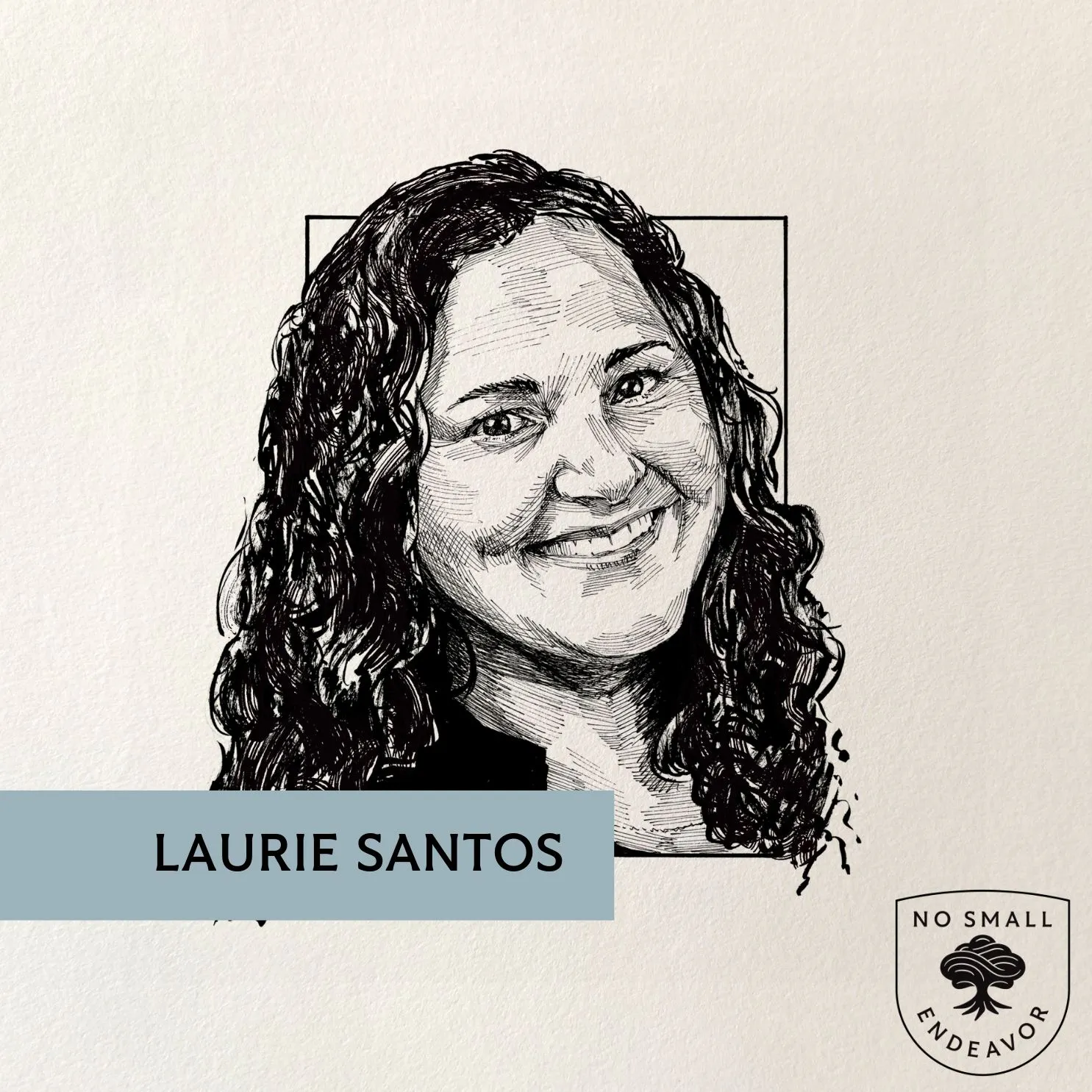
254: Laurie Santos: The Science of Happiness (and How We Get It Wrong)
Mar 2300:51:56Tap to summarizeMany of us spend years chasing the things we believe will make us happy, success, recognition, the next promotion, the perfect relationship, only to discover they don’t satisfy the way we expected. Why are we so often wrong about what will make our lives better? Yale psychologist Dr. Laurie Santos, creator of the most popular course in Yale’s history, Psychology and the Good Life, joins Lee C. Camp to explore the science of well-being. Drawing from decades of research in psychology and happiness science, Santos explains why our minds often “miswant” things we think will make us happy, but won’t actually do so. We cover how social comparison continually moves the goal post of our satisfaction and why practices like gratitude, social connection, and self-compassion actually do move the needle on well-being. Key Ideas Correct Our “Miswanting” Humans consistently mispredict what will make them happy, often overvaluing achievements, money, or status while underestimating the power of relationships, gratitude, and meaningful activity. Practice the Bronze Mindset Happiness often depends on our reference point; learning to focus on what we have rather than what we narrowly missed can transform how we experience success and disappointment. Invest in Real Connection Genuine social interaction—from deep friendships to small conversations with strangers—remains one of the strongest predictors of long-term well-being. Embrace Negative Emotions as Signals Feelings like sadness, loneliness, or overwhelm are not failures of happiness but important psychological signals that guide us toward needed changes. Turn Knowledge Into Practice Knowing the science of happiness isn’t enough; lasting flourishing comes through habits—small, repeated behaviors like gratitude, rest, and time affluence. Take Baby Steps Toward Well-Being Even small practices—ten minutes of meditation, a gratitude journal entry, or a meaningful conversation—can gradually shift our lives toward greater happiness. Show Notes, Resources and Transcript for abridged episode with Laurie Santos Join NSE+ — our subscriber-only community — for ad-free listening, member-only bonus content, and early access to live show tickets. Your membership helps make No Small Endeavor sustainable. No Small Endeavor: An award-winning podcast that asks what it means to live a good life. Through conversations with leading thinkers across theology, philosophy, psychology, politics, and the social sciences, we explore human flourishing, meaning and purpose, faith and culture, science and religion, virtue and character, community, and the practices that help shape a good life grounded in truth, beauty, and goodness. Follow @nosmallendeavor Host Lee C. Camp: Lee has worked as a professor of theology & ethics for more than 25 years, teaching and writing on topics of faith & politics, inter-religious dialog, and human flourishing at the intersection of theology, moral philosophy, and social sciences. Follow @leeccamp Learn more about your ad choices. Visit megaphone.fm/adchoices
Transcribe →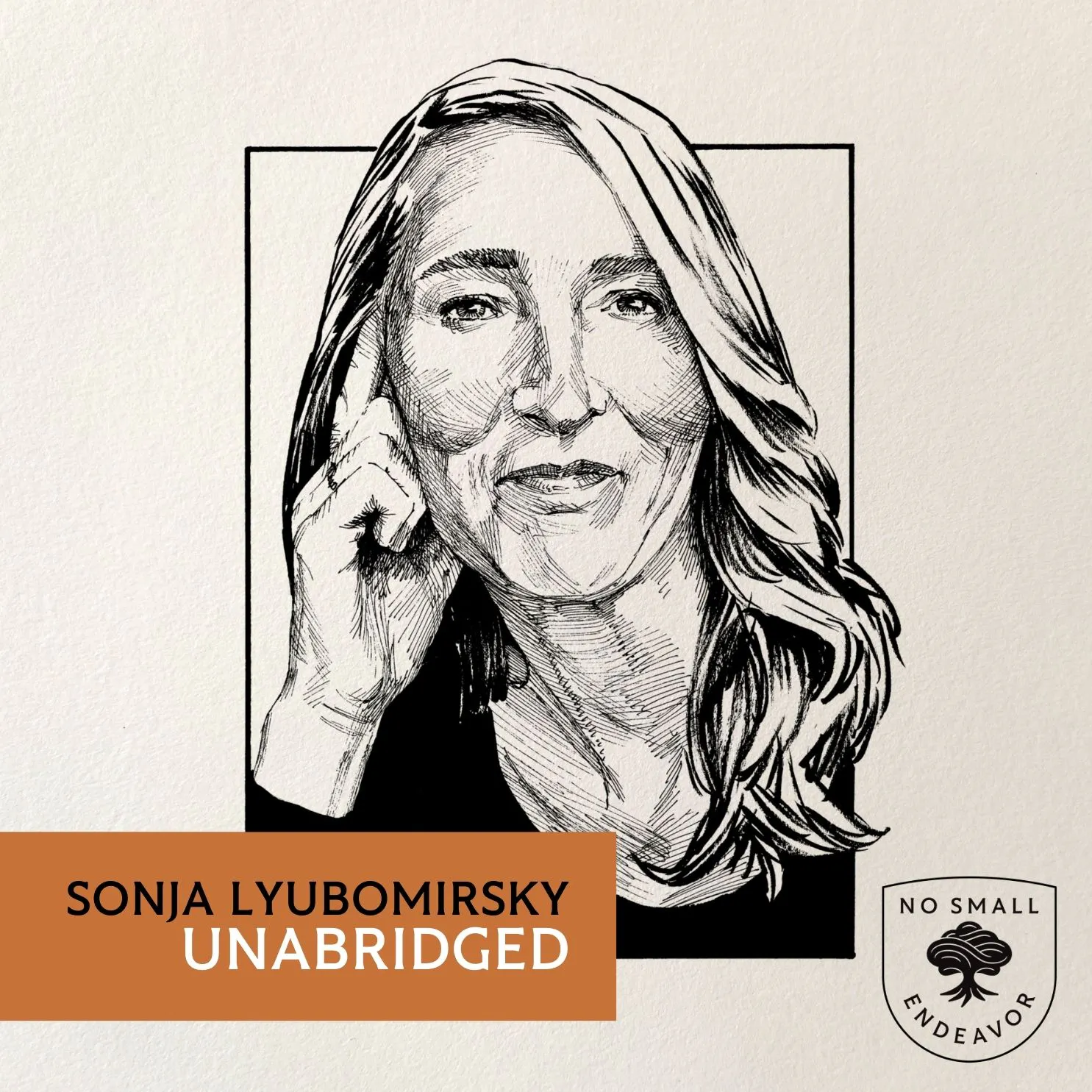
253: Unabridged Interview: Sonja Lyubomirsky
Mar 2001:06:10Tap to summarizeThis is our unabridged interview with Sonja Lyubomirsky. What if the secret to happiness isn’t success, status, or even positive thinking, but the simple act of letting yourself be known? Psychologist and bestselling author Sonja Lyubomirsky has spent more than three decades studying human happiness. She shares from her new book, How to Feel Loved: The Five Mindsets That Get You More of What Matters Most, about what science reveals about gratitude, kindness, hedonic adaptation, and the surprising limits of life circumstances. Her newest research goes even deeper: happiness flourishes when we feel genuinely loved, and that begins not by impressing others, but by becoming known. Key Ideas: Rethink What Happiness Is: Happiness is both feeling good in your life and feeling satisfied with your life—an interplay of emotion, meaning, and progress toward what matters. Don’t Chase Circumstances: Beyond basic needs, new cars, promotions, and bigger houses bring only temporary boosts because of hedonic adaptation. Practice What You Can Control: Gratitude, acts of kindness, and intentional habits can measurably increase well-being—even influencing immune health. Lead With Curiosity: The first step to feeling loved is helping someone else feel loved—through genuine questions, deep listening, and real presence. Choose Vulnerable Connection: We feel loved not when we impress others, but when we allow ourselves to be seen in our full humanity. Adopt the Multiplicity Mindset: No single behavior defines you—or anyone else; compassion grows when we remember we are all complex, unfinished quilts of strengths and flaws. Show Notes, Resources and Transcript for abridged episode with Sonja Lyubomirsky Join NSE+ — our subscriber-only community — for ad-free listening, member-only bonus content, and early access to live show tickets. Your membership helps make No Small Endeavor sustainable. No Small Endeavor: An award-winning podcast that asks what it means to live a good life. Through conversations with leading thinkers across theology, philosophy, psychology, politics, and the social sciences, we explore human flourishing, meaning and purpose, faith and culture, science and religion, virtue and character, community, and the practices that help shape a good life grounded in truth, beauty, and goodness. Follow @nosmallendeavor Host Lee C. Camp: Lee has worked as a professor of theology & ethics for more than 25 years, teaching and writing on topics of faith & politics, inter-religious dialog, and human flourishing at the intersection of theology, moral philosophy, and social sciences. Follow @leeccamp Learn more about your ad choices. Visit megaphone.fm/adchoices
Transcribe →
The Subtext: Multi-Level Marketing
Mar 1800:30:20Tap to summarizeLet’s talk about the billion-dollar industry that turns friendship into a sales funnel, and women into its favorite target. They show up in your DMs with compliments before they show up with a pitch. They promise community, purpose, and financial freedom. But behind the glossy before-and-afters and the "girl boss" energy, multi-level marketing companies have a darker history, and a devastatingly predictable math. This week, Savannah and Lee trace the origins of MLMs from a vitamin salesman in the 1930s all the way to your Instagram inbox, unpack why women have always been the primary target, and ask the harder questions: what happens when community gets weaponized for profit, and what does it mean that 99% of recruits lose money, and keep recruiting anyway? Things we mentioned in this episode: Strangers by Belle Burden Savannah's new album Songs of Peace in Times of War Apple Music | Spotify Humoresque by Antonín Dvořák AI Series on No Small Endeavor releases on April 6th! Follow The Subtext: Instagram | Threads | X | YouTube | TikTok Follow Lee: Instagram | Twitter | Lee's Newsletter Follow Savannah: Instagram | Substack Join our Email List: nosmallendeavor.com Learn more about your ad choices. Visit megaphone.fm/adchoices
Transcribe →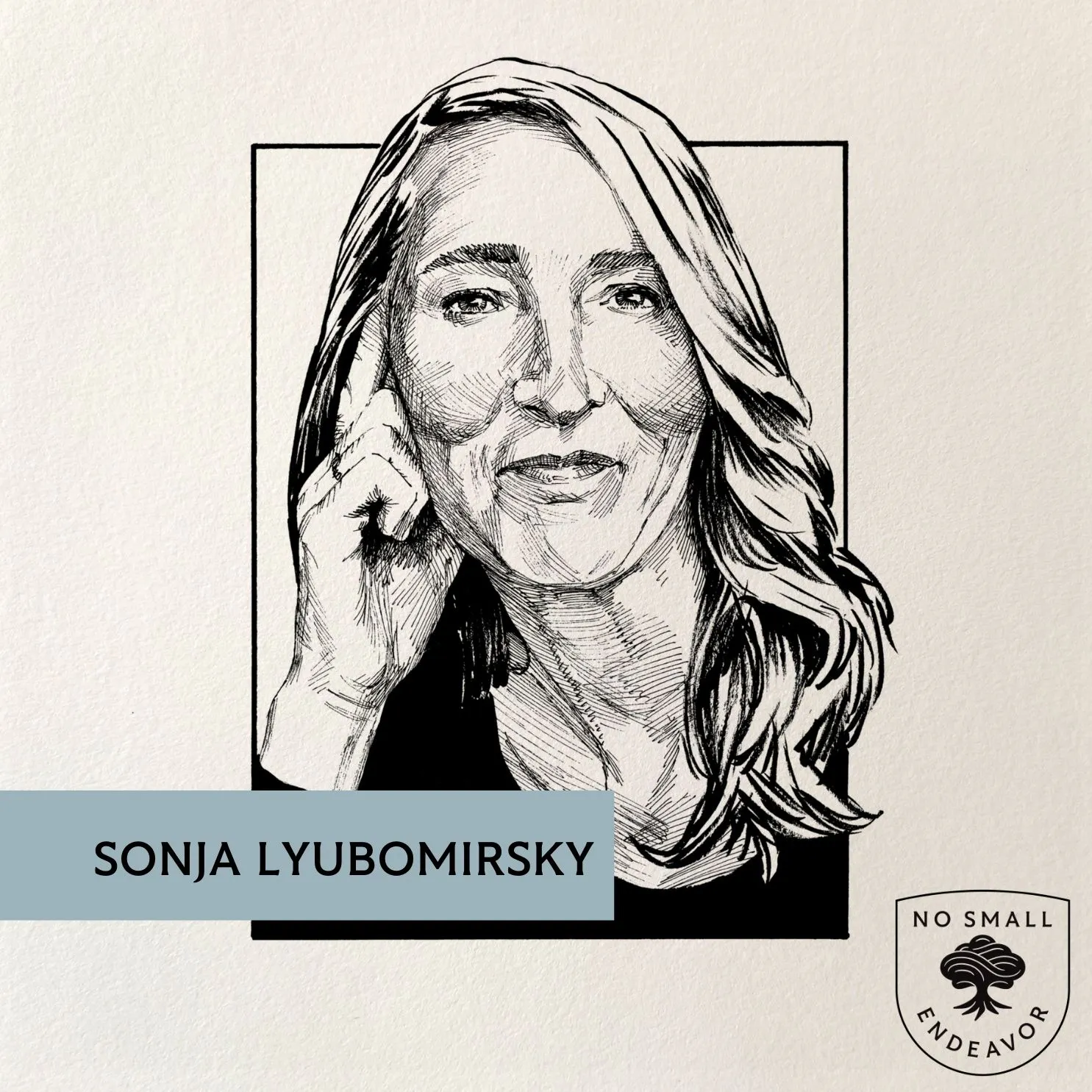
253: Sonja Lyubomirsky: How To Actually Feel Loved
Mar 1600:51:42Tap to summarizeWhat if the secret to happiness isn’t success, status, or even positive thinking, but the simple act of letting yourself be known? Psychologist and bestselling author Sonja Lyubomirsky has spent more than three decades studying human happiness. She shares from her new book, How to Feel Loved: The Five Mindsets That Get You More of What Matters Most, about what science reveals about gratitude, kindness, hedonic adaptation, and the surprising limits of life circumstances. Her newest research goes even deeper: happiness flourishes when we feel genuinely loved, and that begins not by impressing others, but by becoming known. Key Ideas: Rethink What Happiness Is: Happiness is both feeling good in your life and feeling satisfied with your life—an interplay of emotion, meaning, and progress toward what matters. Don’t Chase Circumstances: Beyond basic needs, new cars, promotions, and bigger houses bring only temporary boosts because of hedonic adaptation. Practice What You Can Control: Gratitude, acts of kindness, and intentional habits can measurably increase well-being—even influencing immune health. Lead With Curiosity: The first step to feeling loved is helping someone else feel loved—through genuine questions, deep listening, and real presence. Choose Vulnerable Connection: We feel loved not when we impress others, but when we allow ourselves to be seen in our full humanity. Adopt the Multiplicity Mindset: No single behavior defines you—or anyone else; compassion grows when we remember we are all complex, unfinished quilts of strengths and flaws. Show Notes, Resources and Transcript for abridged episode with Sonja Lyubomirsky Join NSE+ — our subscriber-only community — for ad-free listening, member-only bonus content, and early access to live show tickets. Your membership helps make No Small Endeavor sustainable. No Small Endeavor: An award-winning podcast that asks what it means to live a good life. Through conversations with leading thinkers across theology, philosophy, psychology, politics, and the social sciences, we explore human flourishing, meaning and purpose, faith and culture, science and religion, virtue and character, community, and the practices that help shape a good life grounded in truth, beauty, and goodness. Follow @nosmallendeavor Host Lee C. Camp: Lee has worked as a professor of theology & ethics for more than 25 years, teaching and writing on topics of faith & politics, inter-religious dialog, and human flourishing at the intersection of theology, moral philosophy, and social sciences. Follow @leeccamp Learn more about your ad choices. Visit megaphone.fm/adchoices
Transcribe →