
Podcast
Old Paths Podcast
Hosted by Michael Spangler and Cody Justice · EN
Retrieving and applying the historic Reformed faith.
16episodes
Episodes
Newest firstAll episodes
Jude: Grace, Judgment, & Spiritual Sodomy
Oct 2900:46:48Tap to summarizeIn this episode of the Old Paths Podcast, Cody and Michael delve into the Epistle of Jude, exploring themes of grace, judgment, and the concept of spiritual sodomy. They discuss the purpose of Jude's letter, the importance of contending for the faith, and the nature of grace as both unmerited favor and enabling power. The conversation highlights biblical examples of judgment, including the Israelites, fallen angels, and the infamous Sodom and Gomorrah, drawing parallels to contemporary Christian living. The hosts emphasize the dangers of idleness and the need for vigilance against sin, urging listeners to actively contend for their faith and flee from influences that undermine their spiritual integrity.Highlights:The main purpose of Jude's letter is to contend for the faith.Turning grace into license to sin is a serious issue.Spiritual sodomy is akin to a fruitless Christian life.Grace is not just unmerited favor; it is enabling power.Biblical examples serve as warnings against ungodliness.Idleness and ease can lead to spiritual decay.Christians must actively fight against sin.Fellowship with those who make light of sin is dangerous.The consequences of sin can be severe and eternal.Contending for the faith requires effort and vigilance.Chapters00:00 Introduction to Jude's Epistle02:24 Contending for the Faith05:37 Understanding Spiritual Sodomy11:08 The Nature of Grace15:02 Examples of Judgment: Israelites and Angels19:29 Sodom and Gomorrah: A Case Study24:26 The Consequences of Idleness27:25 Applications and Warnings34:47 Final Thoughts and Encouragement
Transcribe →American Mantle Review Oct. 2025
Oct 2901:31:30Tap to summarizeIn this episode of the Old Paths Podcast, Michael and Cody discuss various articles published by American Mantle, focusing on themes of political violence, the role of the church, and the necessity of moral integrity within Christian nationalism. They explore the implications of recent events, the challenges facing the right, and the historical context of the Canaanite extermination as a warning for modern nations. The conversation emphasizes the need for repentance and spiritual revival in America, alongside a call for clear leadership and action in the face of political and social challenges.Highlights:We need a new American revolution.Diversity is not a nation's strength; authoritarian rule often follows.The right must learn from past mistakes to avoid repeating them.Political violence may be necessary in today's climate.The church may become a source of persecution for true believers.Involvement in traditional party politics may not yield results.Christian nationalism must embrace moral integrity to succeed.The Canaanite extermination serves as a warning for modern nations.Repentance and spiritual revival are essential for national healing.Political activism can be a form of faith and repentance.Chapters:00:00 Introduction and Overview of American Mantle02:27 Updates from Sacra Press04:29 Recent Articles and Their Themes08:49 Discussion on 'Churning Point USA'27:15 The State of Party Politics34:41 Schlieman's Series on Christian Nationalism47:19 Embracing Ethnonationalism53:02 The Jewish Question and Palestine01:01:03 The Need for Clear Leadership01:04:28 Preparing for Future Tests01:11:19 Understanding God's Judgment on Nations01:21:07 Faith, Repentance, and Political Action
Transcribe →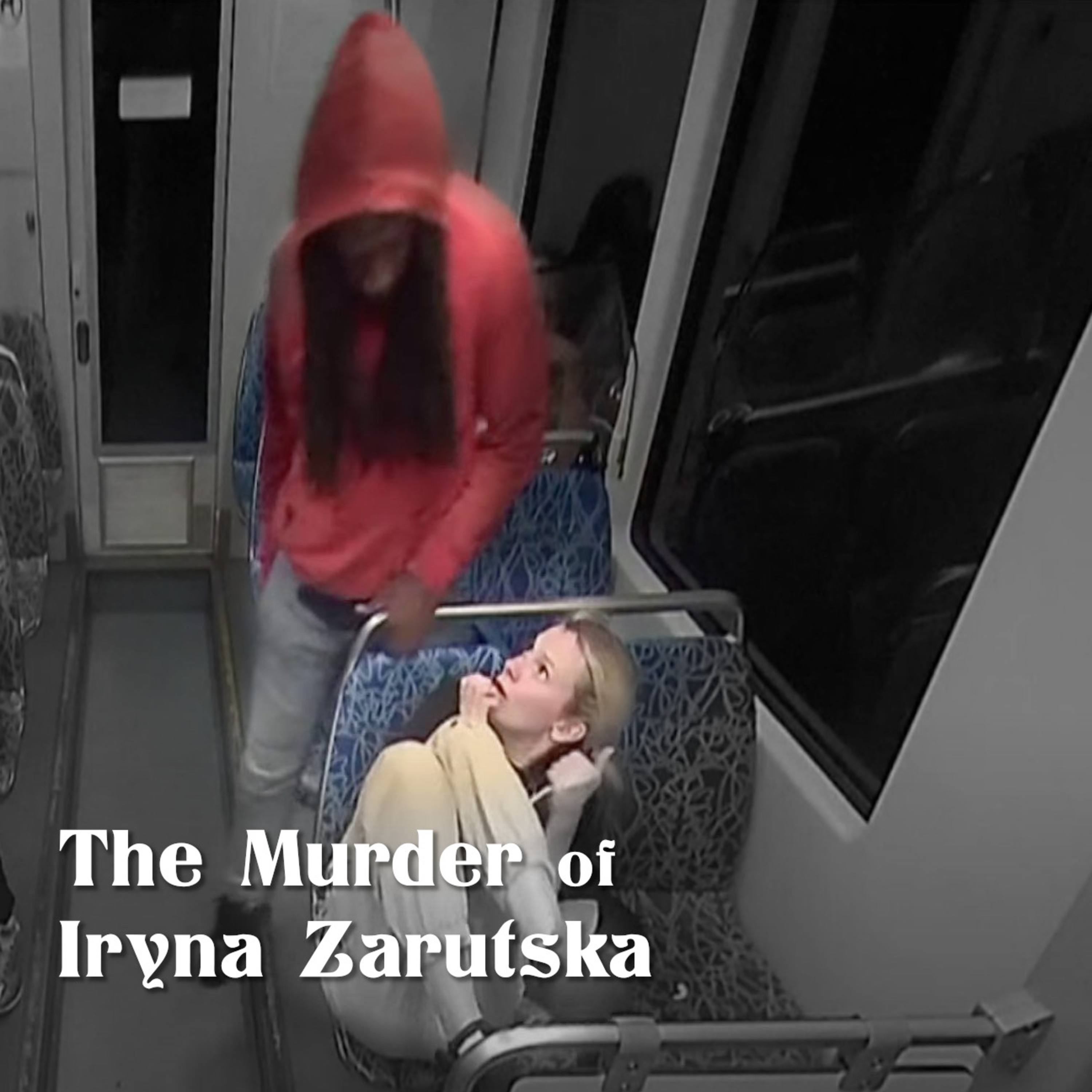
The Murder of Iryna Zarutska
Sep 2601:18:22Tap to summarizeIn this episode of the Old Paths Podcast, hosts Cody Justice and Michael Spangler discuss the tragic murder of Iryna Zarutska, exploring the racial dynamics and societal implications surrounding the incident. They delve into theological reflections on murder, the importance of wisdom in addressing racial issues, and the role of language in racial discourse. The conversation emphasizes the need for collective identity among Whites, practical steps for protection, and the moral responsibility towards minorities. They also critique Liberalism's failure to create a harmonious society and call for a revolution to address these pressing issues, while highlighting the spiritual dimensions of justice and repentance.Key Highlights:The murder of Iryna Zarutska highlights racial violence in society.Theological perspectives on murder emphasize the sanctity of life.Racial dynamics complicate perceptions of violence and justice.Wisdom is crucial in addressing racial issues and protecting communities.Language and rhetoric play significant roles in racial discourse.Collective identity is necessary for effective response to racial threats.Understanding the nature of racial conflict is essential for safety.Statistics reveal disparities in crime rates among racial groups.Statistics are not necessary to love and defend your own.Civil rights advocacy must include the rights of Whites.Practical steps are needed for White men to protect their families.Martyrdom may be necessary for revolutionary change in society.White fathers have a duty to educate and protect their families.The church must address racial issues and promote justice.Moral responsibility towards minorities must be balanced with self-preservation.Liberalism has failed to create a harmonious society.Finding like-minded allies is crucial for collective action.Spiritual reflection is necessary for true justice and repentance.Give a monthly amount to support the work of Michael & Cody at American Mantle here.Read / listen to Cody's article on the assassination of Charlie Kirk and the murder of Iryna here.
Transcribe →
Marrow 14: Propagation of Sin
Sep 1601:07:37Tap to summarizeMichael & Cody continue to work through The Marrow of Theology by William Ames, with special focus upon the propagation of sin + a discussion on creationism vs. traducianism.Support Michael & Cody through American Mantle here.
Transcribe →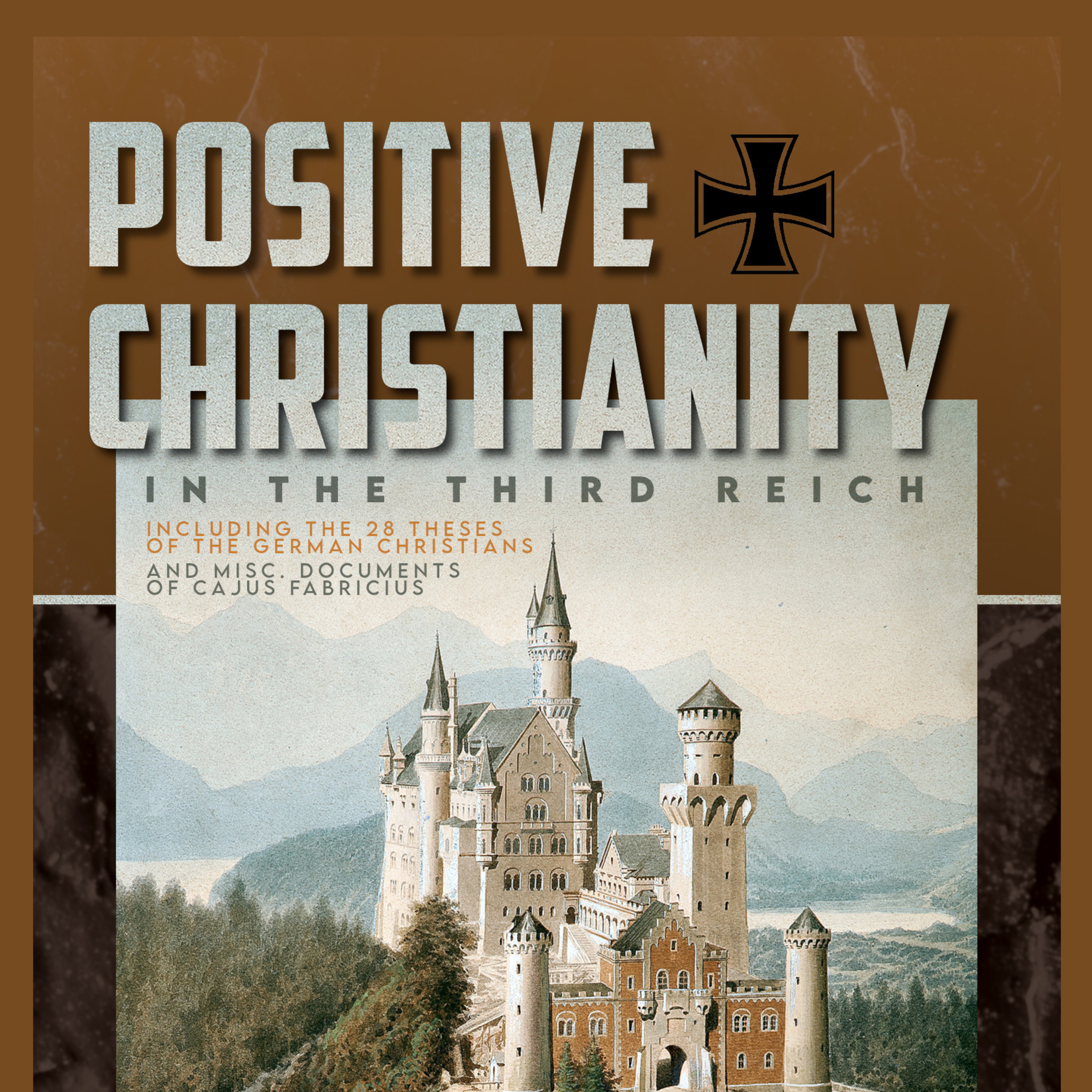
Positive Christianity in the Third Reich
Sep 1601:26:51Tap to summarizeMichael & Cody discuss the book Positive Christianity in the Third Reich: Including the 28 Theses of the German Christians and Miscellaneous Documents of Cajus Fabricius, recently published by Sacra Press.Use code: OLDPATHS at checkout for a discount and buy the book at Sacra Press here.Support Michael & Cody through American Mantle here.
Transcribe →
Piety Provoked
Feb 18, 2025Tap to summarizeS2E8: Piety Provoked — Benjamin, Michael, and Cody take up the topic of piety provoked, derived from Psalm 119:139. They parse through the key parts, raise a number of scriptural examples and confirmations, and give some applications. They touch on things like: Zeal must issue in being provoked. Should we have enemies? Is there a place in the Christian life for hatred? to be indignant? to wield anger? The danger of false or misguided zeal. Examples from Paul, Phinehas, David, Elihu, and Christ. The balance between mocking and weeping. Whether warnings against being a reactionary are useful or straitjacket us from agency? The inevitability of zeal and being provoked. Why did Luther counsel Melanchthon to sin boldly? The unintended danger of faddish zeal. What are some benefits of being provoked? Is it always wrong to allow the enemy to dictate the terms of battle, or are there instances where God blesses those who fight in faith and embrace the antithesis?
Transcribe →