
Podcast
Old-School
Hosted by the African American Intellectual Traditions Initiative · EN
Old-School is a podcast about Black Studies and the classics. African American writers have been embracing and rejecting the classics since 1773. We honor that history by telling both of those stories.
8episodes
Episodes
Newest firstAll episodes
S1E6 - Latitudes
Jun 28, 202300:20:31Tap to summarizeSeason 1, Episode 6TranscriptYusef Komunyakaa’s war poem, “Latitudes,” begins with a curious sentence: “If I am not Ulysses, I am/ his dear, ruthless half brother.” Chi and Chad discuss what this poem has to say about the aftermath of wars ancient and modern and the power of the subjunctive.Sources and references:Yusef Komunyakaa, WarhorsesYusef Komunyakaa, Emperor of Water Clocks“Latitudes”the episode with the sirens appears in Book XII of Homer’s OdysseyPenelope’s test of Odysseus appears in Book XXIII of the OdysseyStephen Dobyns, Next Word, Better Word: The Craft of Writing Poetry, chapter eight, "Closure”Stacey D’Erasmo, The Art of IntimacyKirkland C. Jones, “Folk Idiom in the Literary Expression of Two African American Authors: Rita Dove and Yusef Komunyakaa,” in Language and Literature in the African American Imagination, edited by Carol Aisha Blackshire-BelayAllen Tate, “Ode to the Confederate Dead”Poetry of Hugh MartinFurther reading: a short biography of Yusef Komunyakaa at the Poety Foundation
Transcribe →S1E5 - Migratory Habits of the Soul
Jun 28, 202300:33:31Tap to summarizeSeason 1, Episode 5TranscriptChi and Chad close read Robert Hayden’s “A Plague of Starlings,” a tiny poem about a walk across campus that opens out onto the Vietnam War, the Civil Rights Movement, Plato’s Phaedo, Aesop’s Fables, and the afterlife.Sources and references:Fritz Oehlschlaeger, “Robert Hayden’s Meditation on Art: The Final Sequence of Words in the Mourning Time”Mary Oliver, “Starlings in Winter”Plato, PhaedoHayden’s parting speech for the Library of CongressPlato, Republic, Book XAesop’s “The Farmer, His Boy, and the Rooks”Robert Hayden reading “Zeus over Redeye”Royal Society for the Protection of BirdsPeter Campion, Radical as Reality: Form and Freedom in American PoetryAudre Lorde, “The Brown Menace or Poem to the Survival of Roaches”Amber Flora Thomas, “Confessions of a Pseudo-Nature Writer,” p. 779Further reading:Robert Hayden’s Collected Poems
Transcribe →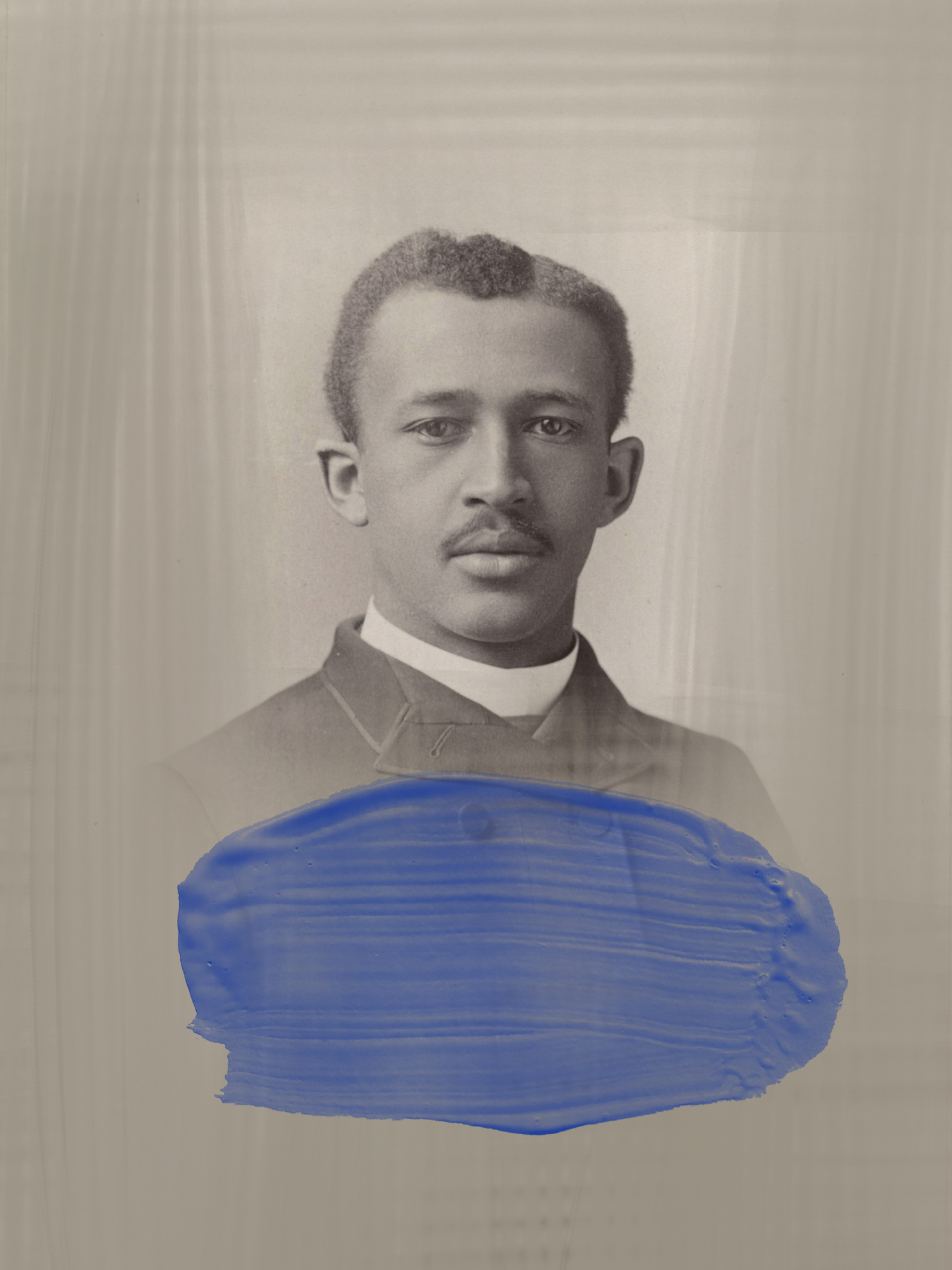
S1E4 - “I Sit with Shakespeare”
Jun 28, 202300:29:17Tap to summarizeSeason 1, Episode 4TranscriptChi attempts to fix a problem she’s been having while teaching W. E. B. Du Bois’s The Souls of Black Folk. Shakespeare, a time-traveling dog, and dislike of overalls are all involved. So are the reparative potential of reading the classics and a one-hundred-year-old pedagogical controversy.Sources and references:W. E. B. Du Bois, The Souls of Black Folk, Book VI “Of the Training of Black Men”for more on the Penn School, see the Penn Center’s websiteRossa Cooley, School Acres, pp. 12 and 22The Autobiography of W. E. B. Du Bois: A Soliloquy on Viewing My Life from the Last Decade of Its First CenturyMount Pisgah is mentioned in Deuteronomy 34:1Zora Neale Hurston, Moses, Man of the MountainW. E. B. Du Bois, The Souls of Black Folk, Book XIV, “The Sorrow Songs”Sonia Sanchez, “Listen to Big Black at s, f, State”Desmond Jagmohan, “Making Bricks Without Straw: Booker T. Washington and the Politics of the Disenfranchised,” pp. 8-9For the taxonomy of classical references in The Souls of Black Folk, see Carrie Cowherd, “The Wings of Atlanta: Classical References in The Souls of Black Folk” in The Souls of Black Folk: One Hundred Years Later, edited by Dolan HubbardDavid Withun, Coworkers in the Kingdom of Culture: Classics and Cosmopolitanism in the Thought of W.E.B. Du BoisKeith Byerman, Seizing the Word: History, Art, and Self in the Work of W. E. B. Du Bois
Transcribe →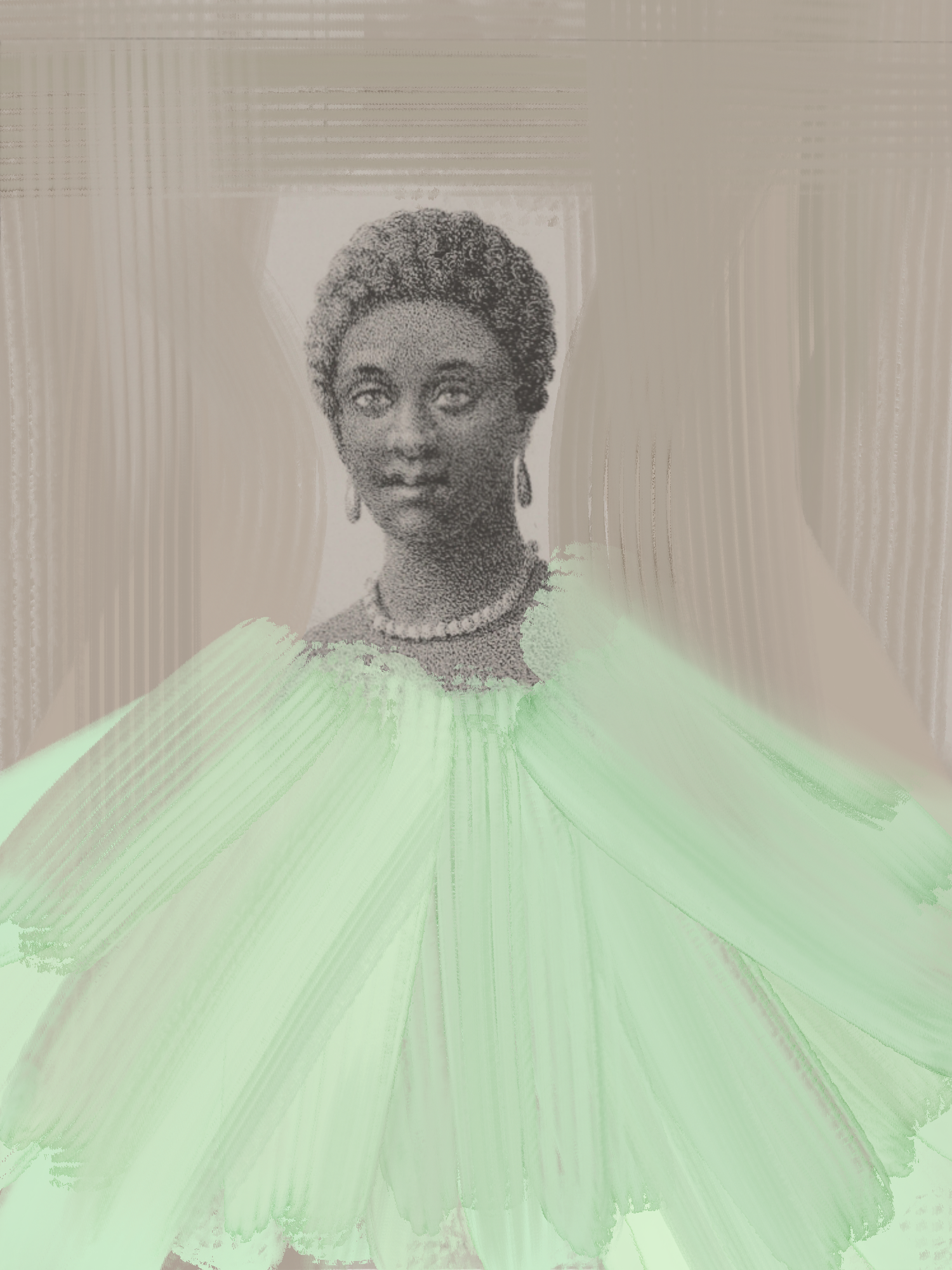
S1E3 - A Letter to Phillis Wheatley, Part 2
Jun 28, 202300:33:06Tap to summarizeSeason 1, Episode 3TranscriptChi and Chad discuss the classical allusions in Wheatley’s poem, “To Maecenas.” Who was Maecenas? Why did Wheatley write a poem to him? And how should we interpret allusions?Sources and references:M. H. Abrams, A Glossary of Literary Terms, “Allusion”“To Maecenas”“Niobe in Distress for Her Children, Slain by Apollo”“On Being Brought from Africa to America”“On the Death of the Rev. Mr. George Whitefield”Horace, “To Maecenas”Alexander Pope, The Second Epistle of the Second Book of HoraceHomer, Iliad, Book XVIMather Byles, “Written in Paradise Lost”William Shakespeare, Henry VI Part 3Paula Bennett, “Phillis Wheatley's Vocation and the Paradox of the ‘Afric Muse’”William K. Wimsatt and Monroe C. Beardsley, “The Intentional Fallacy,” p. 477Henry Louis Gates Jr., The Signifying Monkey: A Theory of Afro-American Literary Criticism
Transcribe →Sidebar: “An Evening Thought”
Jun 28, 202300:18:22Tap to summarizeTranscriptIn this sidebar episode, Chad tells Chi about his close reading of Jupiter Hammon’s first published poem, “An Evening Thought: Salvation by Christ Alone” and what it has to do with the name of a gate in the second Jewish Temple.Sources and references:The Collected Works of Jupiter Hammon, ed. Cedric MayActs Chapter 3Acts Chapter 4Strong’s definition of ὡραῖος2 Corinthians 6:2“Work out your own salvation with fear and trembling” is from Philippians 2:12
Transcribe →S1E2 - “Bibleistic”: The Poetry of Jupiter Hammon
Jun 28, 202300:35:14Tap to summarizeSeason 1, Episode 2TranscriptChad takes a tour through the Joseph Lloyd Manor where Jupiter Hammon, the first published African American poet, was enslaved for much of his life and where he wrote his first poem. The guides, Lauren Brincat and Andrew Tharler of Long Island Preservation, discuss Hammon’s life, poetry, and education.The title for this episode borrows from Paul Laurence Dunbar’s persona poem, “An Ante-Bellum Sermon.” The poem’s speaker is an enslaved preacher who uses Bible stories to talk about the promise of emancipation but keeps reminding his enslaved parishioners in this utterly tongue-in-cheek way not to think that these stories have anything to do with their contemporary situation. He explains, with a wink, that he’s talking about freedom “in a Bibleistic way.” In Hammon’s life and poetry the Bible and preaching come together in similarly artful ways.Sources and references:Jonathan Edwards, “Sinners in the Hands of an Angry God”Jupiter Hammon, “An Essay on Slavery” (with an introduction by Prof. Cedric May and Julie McCown, who discovered the poem)Jupiter Hammon Project at Long Island PreservationThe Collected Works of Jupiter Hammon, edited by Cedric MayFor Oscar Wegelin’s remarks about the repetitiveness of Hammon’s poetry, see p. 29 of the "Biographical Sketch," in America's First Negro Poet: The Complete Works of Jupiter Hammon of Long Island. (Elsewhere Wegelin also writes about the effectiveness of repetition in Jupiter Hammon’s poetry; see his comments on “An Evening Thought” on page 38.) For Wegelin’s remarks on the religious nature of Hammon’s poetry, see p. 30.The injunction for slaves to obey their masters appears twice in the New Testament: Ephesians 6:5 and Colossians 3:22. Jupiter Hammon, “An Address to Negroes of the State of New York”Jupiter Hammon, “The Kind Master and Dutiful Servant”Jupiter Hammon, “An Address to Miss Phillis Wheatley”Jupiter Hammon’s “An Essay on Slavery” interpreted by Malik WorkJupiter Hammon, “An Evening Thought”James Weldon Johnson, “O Black and Unknown Bards”
Transcribe →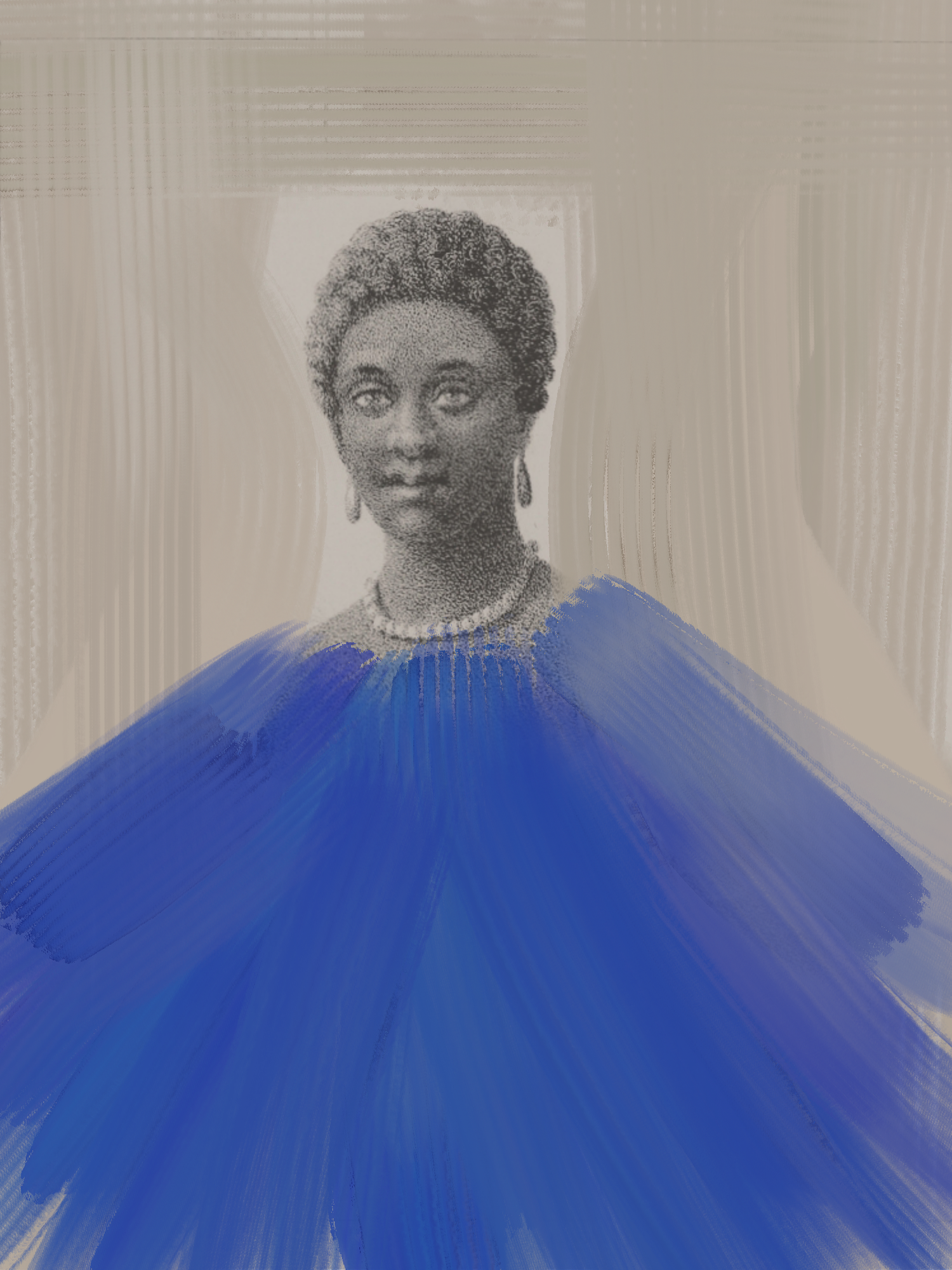
S1E1 - A Letter to Phillis Wheatley, Part 1
Jun 28, 202300:22:49Tap to summarizeSeason 1, Episode 1 TranscriptPhillis Wheatley was both the first African American woman to publish poetry and a poet deeply engaged with the classical works of antiquity. Chi and Chad discuss how writers and readers have dealt with that complex legacy through Robert Hayden’s 1976 poem, “A Letter from Phillis Wheatley, London 1773.”Sources and references:Phillis Wheatley, Poems on Various Subjects, Religious and Moral “On Being Brought from Africa to America”“Niobe in Distress for Her Children, Slain by Apollo”“Ode to Neptune”“On Recollection”Robert Hayden, “A Letter from Phillis Wheatley, London 1773”Robert Hayden’s reading of the poem in the Library of CongressHonorée Fanonne Jeffers, The Age of PhillisPhillis Wheatley Hall, UMass BostonSS Phyllis WheatleyThomas Jefferson, Notes on the State of Virginia, Query XIVTara Bynum, “Chasing Phillis Wheatley”Further Reading:David Waldstreicher, The Odyssey of Phillis Wheatley
Transcribe →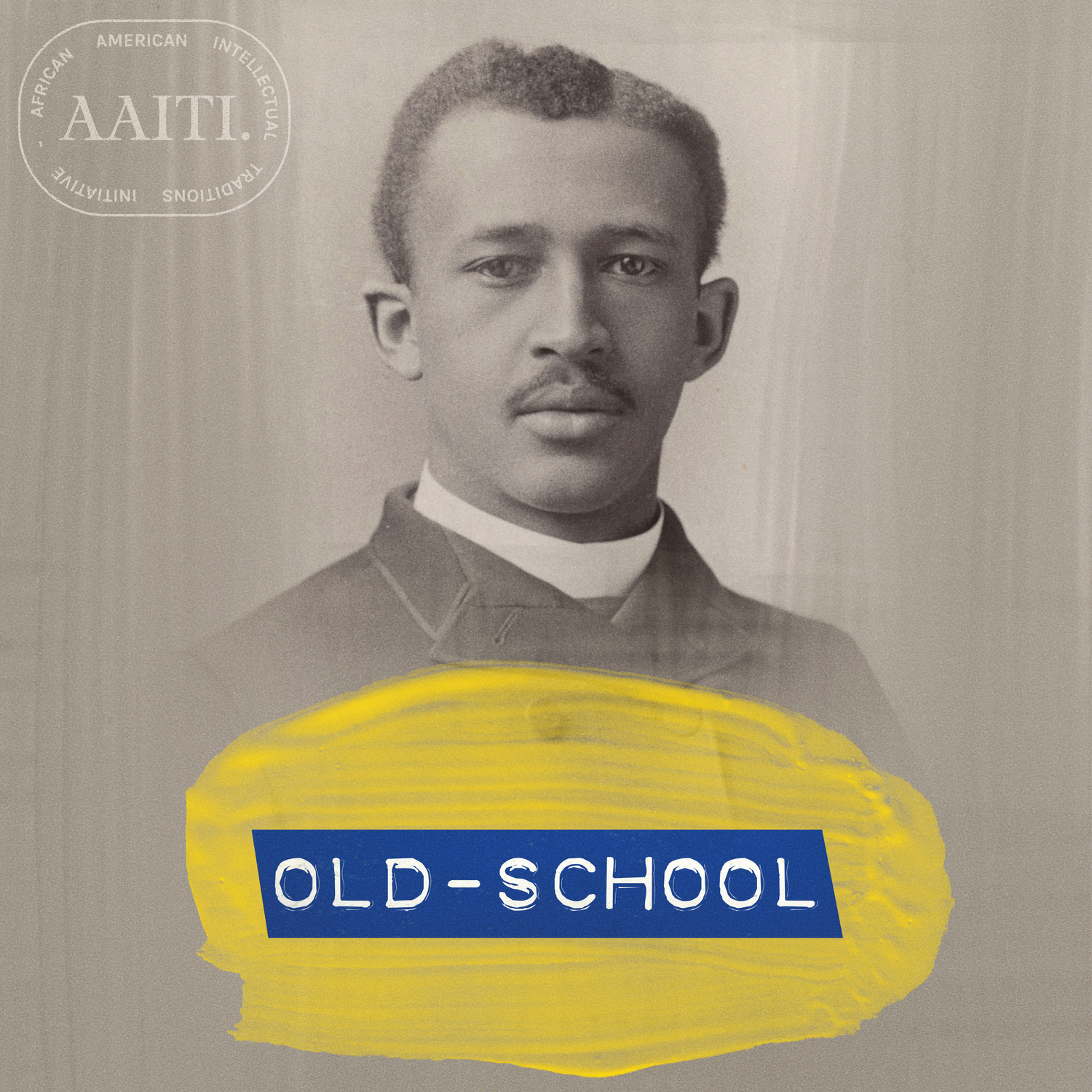
Introducing the Old-School Podcast
Jun 8, 202300:01:02Tap to summarizeChi and Chad introduce you to the Old-School podcast.Transcript
Transcribe →