
Podcast
OncLive® On Air
Hosted by OncLive® On Air · EN
In OncLive® On Air, you can expect to hear interviews with academic oncologists on the thought-provoking oncology presentations they give at the OncLive® State of the Science Summits. The topics in oncology vary, from systemic therapies, surgery, radiation therapy, to emerging therapeutic approaches in a particular type of cancer. This includes lung cancer, breast cancer, gastrointestinal cancers, hematologic malignancies, gynecologic cancers, genitourinary cancers, and more.
120episodes
Episodes
Newest firstAll episodes
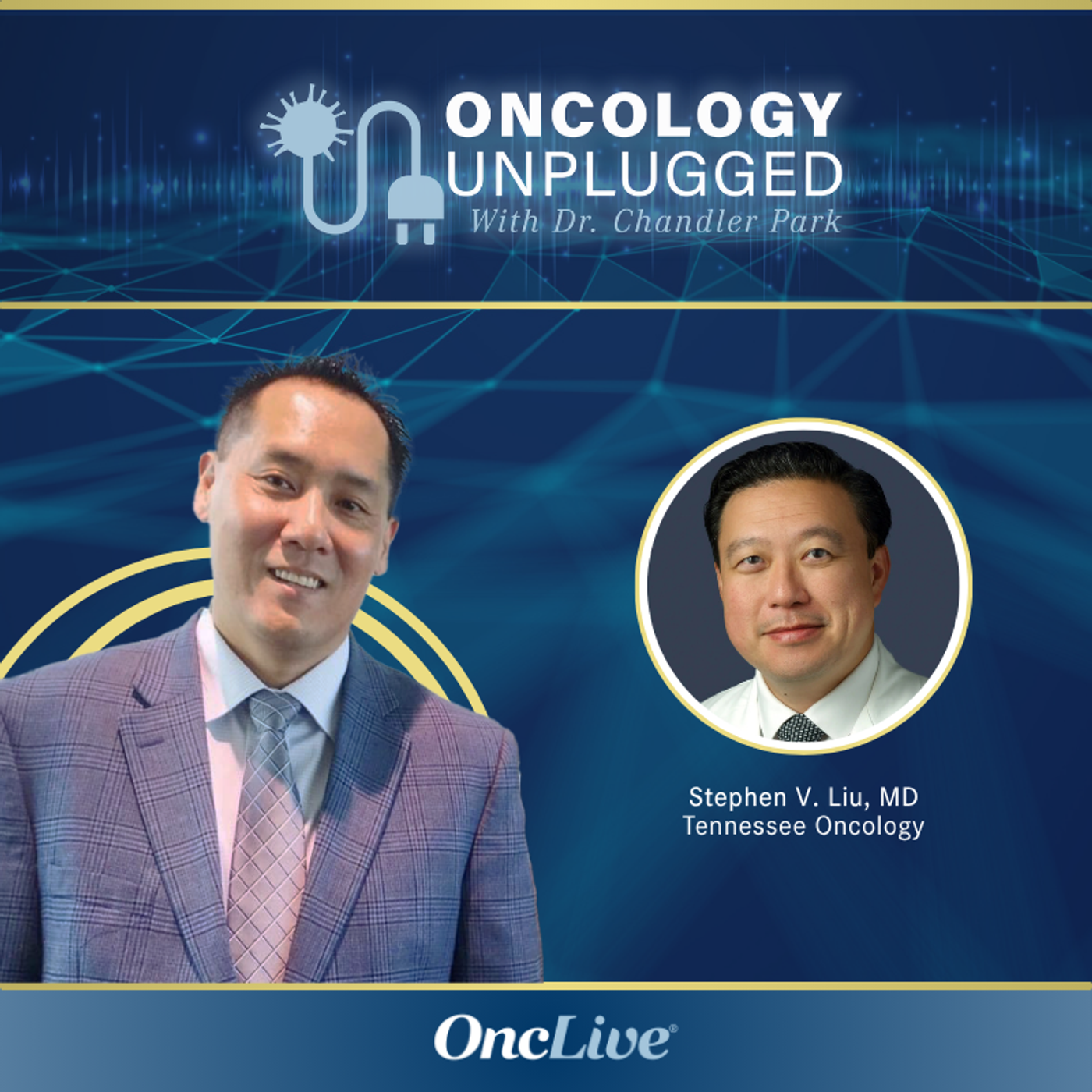
S17 Ep74: Precision Oncology, Bispecific Antibodies, and Next-Generation Targeted Therapies Are Reshaping NSCLC Care: With Chandler Park, MD; Stephen V. Liu, MD
Yesterday00:23:16Tap to summarizeIn this episode of Oncology Unplugged, host Chandler Park, MD, a medical oncologist at Norton Cancer Institute in Louisville, Kentucky, was joined by Stephen V. Liu, MD, the division chief of Hematology Oncology at MedStar Georgetown University Hospital, part of the MedStar Georgetown Cancer Institute, in Washington, DC.Their discussion centered on the continued evolution of precision medicine in non–small cell lung cancer (NSCLC), highlighting advances in molecular testing, targeted therapies, immunotherapy, and emerging treatment strategies presented at the 2026 ASCO Annual Meeting. Drs Park and Liu explored how lung cancer has become a model for precision oncology and emphasized that therapeutic advances across multiple tumor types have collectively shaped the current treatment landscape. They discussed the importance of understanding oncogenic drivers, overcoming resistance mechanisms, and moving effective therapies into earlier-stage disease to improve long-term patient outcomes.
Transcribe →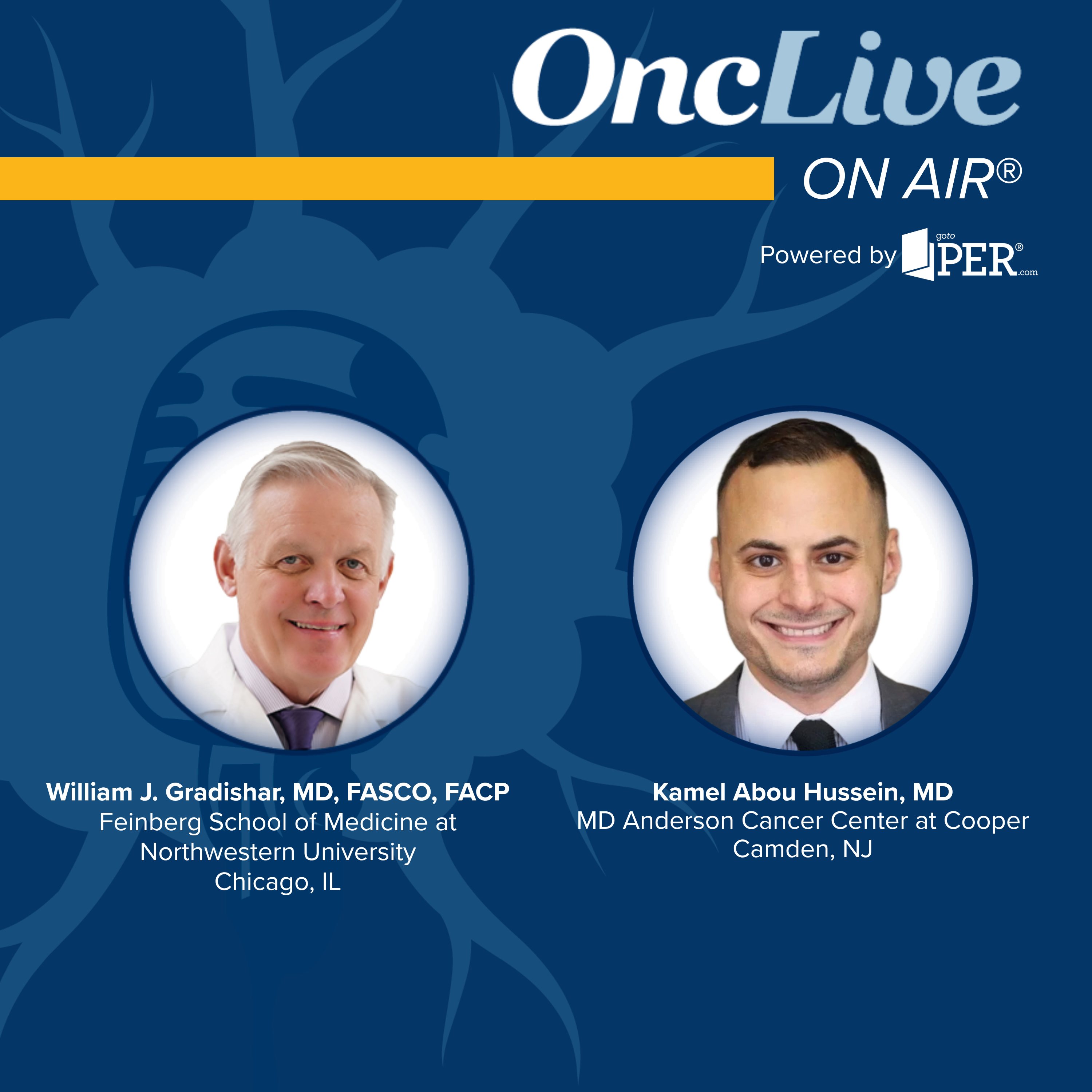
S17 Ep73: From Trials to the Clinic: Incorporating New Advances in Metastatic TNBC
3d ago00:25:58Tap to summarizeHighlights from the PER® CME activity "From Trials to the Clinic ‒ Incorporating New Advances in Metastatic TNBC" — this podcast is not certified for credit. To participate in the full accredited activity and earn CME credit, use the link below.In this podcast, experts William Gradishar, MD, FASCO, FACP; and Kamel Abou Hussein, MD; discuss optimizing first-line treatment selection in metastatic triple-negative breast cancer (TNBC) with emerging antibody-drug conjugates (ADCs) and biomarker-guided strategies.Earn CME credit by completing the full accredited activity (available through June 30, 2027): https://www.gotoper.com/courses/from-trials-to-the-clinic-incorporating-new-advances-in-metastatic-tnbcThis podcast, including the narration, was developed by PER® (Physicians’ Education Resource®, LLC) editorial staff from the full online CME activity developed with these faculty. The narration was voiced by a PER staff member or by an AI tool. The podcast contains no product advertising. The full activity is supported by an educational grant from Gilead Sciences, Inc.This content is for educational purposes only and is not a substitute for the independent clinical judgment of a health care professional. Faculty may discuss investigational or off-label uses; consult prescribing information for any products discussed.
Transcribe →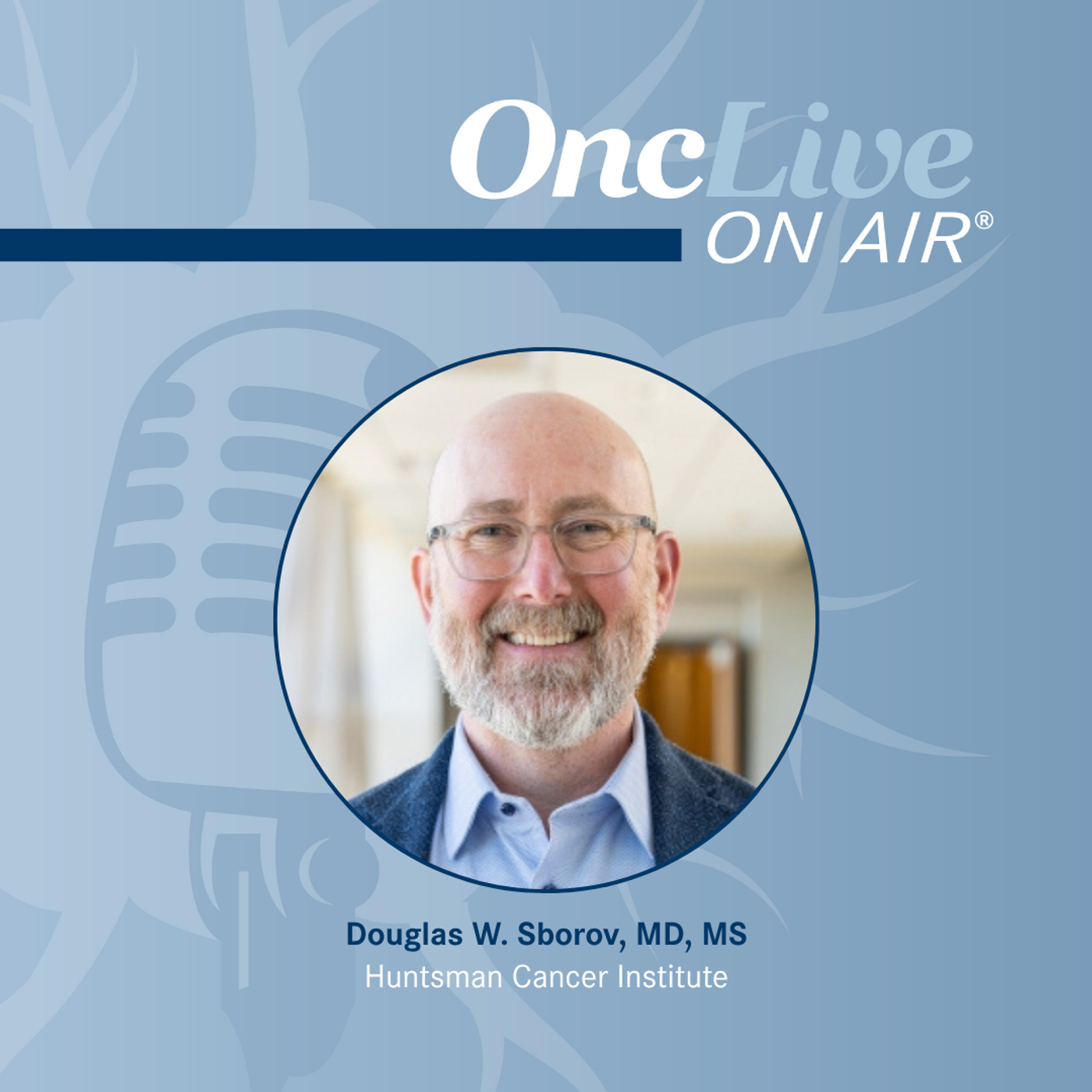
S17 Ep72: FDA Approval Insights: Subcutaneous Isatuximab Via an On-Body Delivery System Represents a “Game-Changer” in Multiple Myeloma: With Douglas W. Sborov, MD, MS
6d ago00:07:11Tap to summarizeIn today’s episode, we welcomed Douglas W. Sborov, MD, MS, to discuss the significance of the July 2026 FDA approval of isatuximab-irfc (Sarclisa Escena) for subcutaneous injection for multiple myeloma indications. Dr Sborov is a tenured professor of medicine in the Department of Internal Medicine in the Division of Hematology and Hematologic Malignancies and an adjunct associate professor in the Departments of Molecular Pharmaceutics and Biomedical Engineering at the University of Utah Huntsman Cancer Institute (HCI) in Salt Lake City, as well as director of the HCI Hematology Disease Center and Plasma Cell Dyscrasias (PCD) Program, co-leader of the Hematologic Malignancies Clinical Trials Research Group, and member of the HCI Experimental Therapeutics Program and International Myeloma Working Group (IMWG).As part of the July 10, 2026, approval, subcutaneous isatuximab is indicated for use: in combination with pomalidomide (Pomalyst) and dexamethasone for the treatment of adult patients with multiple myeloma who have received at least 1 prior line of therapy, including lenalidomide (Revlimid) and a proteasome inhibitor in combination with carfilzomib (Kyprolis) and dexamethasone for the treatment of adult patients with relapsed or refractory multiple myeloma who have received 1 to 3 prior lines of therapy in combination with bortezomib (Velcade), lenalidomide, and dexamethasone for the treatment of adult patients with newly diagnosed multiple myeloma who are not eligible for an autologous stem cell transplant In our exclusive interview, Dr Sborov outlined how the subcutaneous formulation of isatuximab and the ability to administer the agent via an on-body delivery system could affect patient quality of life. He also detailed key findings from the phase 3 IRAKLIA trial (NCT05405166) that supported the approval and explained how the use of isatuximab may shift in clinical practice following the subcutaneous approval.
Transcribe →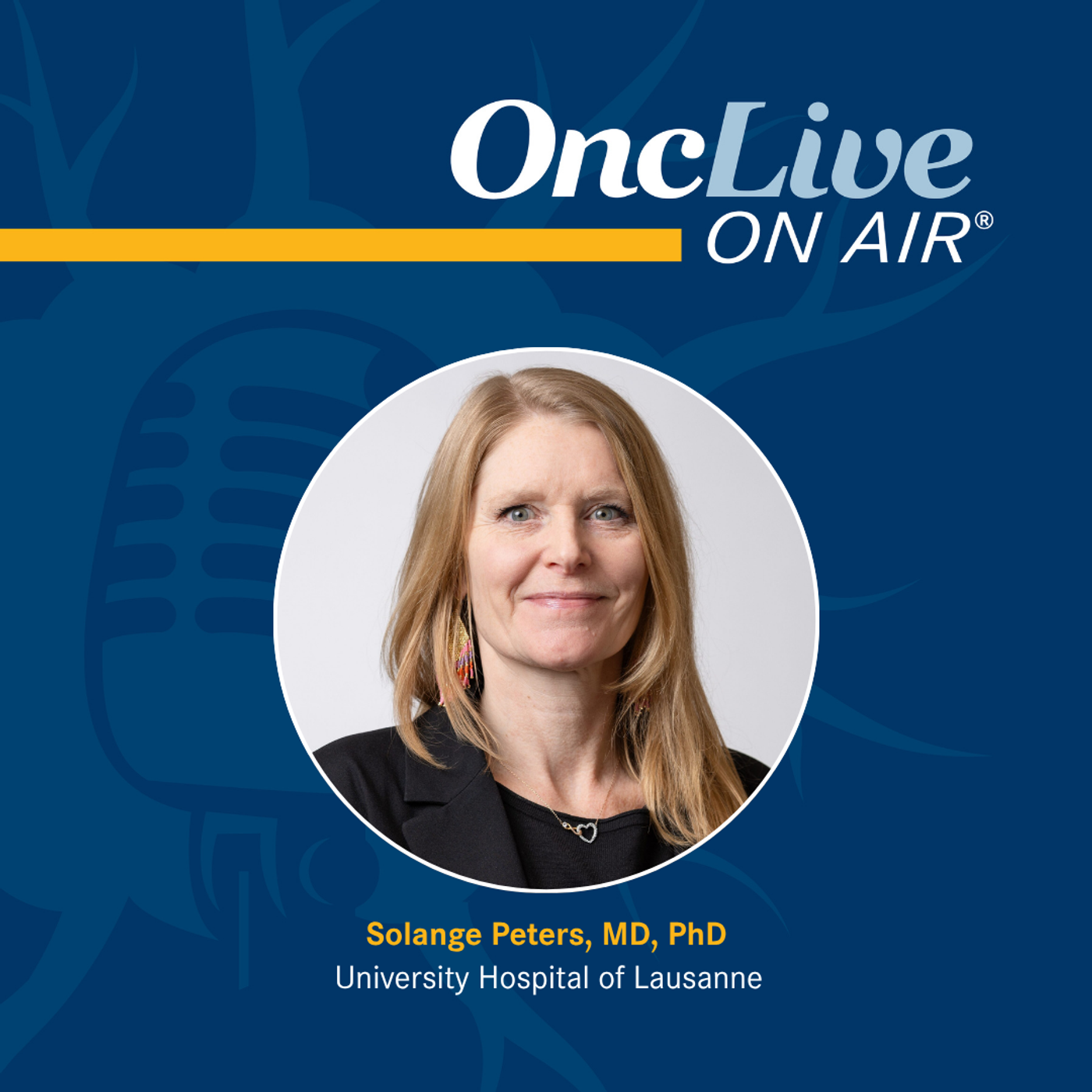
S17 Ep69: Positioning PD-L1/VEGF Bispecifics in First-Line Non–Small Cell Lung Cancer: With Solange Peters, MD, PhD
6d ago00:10:33Tap to summarizeIn today's episode, we spoke with Solange Peters, MD, PhD. Dr Peters is a full professor, and chair of medical oncology and the thoracic malignancies programme in the Department of Oncology at the University Hospital of Lausanne in Switzerland. In our exclusive interview, Dr Peters discussed the rationale for pairing antiangiogenic activity with checkpoint inhibition upfront in non–small cell lung cancer (NSCLC), rather than sequencing them. She noted that prior attempts to combine or sequence bevacizumab (Avastin) with checkpoint inhibitors yielded only modest signals, hampered by bevacizumab’s long half-life and class-specific toxicities including bleeding risk that historically excluded patients with squamous cell carcinoma. By contrast, PD-L1/VEGF bispecifics such as pumitamig carry a significantly shorter half-life of approximately 5 to 6 days, resulting in a similar toxicity category but with lower rates of high-grade events and a broadened eligible population.She highlighted the mechanistic rationale for this combination, explaining that VEGF and PD-L1 co-targeting appears to remodel the tumor microenvironment cooperatively, bringing cancer cells into closer proximity with T cells. In the case of PD-L1/VEGF bispecifics, a macromolecular structure forms in the tumor microenvironment that leads to internalization of PD-L1, creating a dual blockade of the PD-1/PD-L1 pathway beyond simple receptor occupancy.Dr Peters then discussed data presented at the 2026 ASCO Annual Meeting from the phase 2/3 ROSETTA Lung-02 trial (NCT06712316) evaluating pumitamig plus chemotherapy in the first-line setting. She described the activity observed across all PD-L1 expression strata, including in PD-L1–negative patients, who comprised up to 70% of the nonsquamous population and achieved response rates above 50% as particularly compelling. She also addressed the dose selection rationale, noting that the 1500-mg dose demonstrated the optimal pharmacodynamic activity and favorable risk-benefit profile for phase 3 advancement.Finally, Dr Peters offered broader perspective on the increasingly competitive PD-L1/VEGF bispecific landscape, including the parallel development of ivonescimab. She suggested that differences in clinical trial design including patient population, inclusion and exclusion criteria, and end point ambition may ultimately differentiate agents more than mechanism alone, and emphasized that global data will be essential to shaping regulatory and clinical practice decisions.
Transcribe →
S17 Ep71: Biomarker-Driven Shifts Signal the Next Generation of mCRC Therapies: With Tanios S. Bekaii-Saab, MD
6d ago00:24:31Tap to summarizeIn today’s episode, we spoke with Tanios S. Bekaii-Saab, MD. Dr Bekaii-Saab is the David F. and Margaret T. Grohne Professor of Novel Therapeutics for Cancer Research I, at the Mayo Clinic College of Medicine and Science, the division chair of Hematology/Medical Oncology at Mayo Clinic, and co-leader of the Advanced Clinical and Translational Science Program and the disease group leader for Gastrointestinal Cancers for the Mayo Clinic Comprehensive Cancer Center in Phoenix, Arizona.In our exclusive interview, Dr Bekaii-Saab discussed findings from the final analysis of cohort 3 of the phase 3 BREAKWATER trial (NCT04607421), which were presented at the 2026 ASCO Annual Meeting. These data showed that encorafenib (Braftovi) plus cetuximab (Erbitux) and FOLFIRI (leucovorin, 5-fluorouracil, and irinotecan) significantly improved outcomes compared with standard of care in patients with BRAF V600E–mutant metastatic colorectal cancer (mCRC), building on previously reported data from the trial that led to the February 2026 full FDA approval of encorafenib plus cetuximab and modified FOLFOX6 (leucovorin calcium, fluorouracil, and oxaliplatin) for this patient population. He also highlighted promising bispecific agents targeting VEGF and PD-1, as well as the promise of KRAS G12C inhibitors like calderasib (MK-1084) and sotorasib (Lumakras). Finally, he emphasized that minimal residual disease testing is prognostic and potentially predictive, and can aid in personalized mCRC management.
Transcribe →
S17 Ep70: Navigating Fixed-Durations Regimens in CLL and Improving Outcomes for High-Risk Patients: With John N. Allan, MD
1w ago00:17:42Tap to summarizeIn today’s episode, we spoke with John N. Allan, MD. Dr Allan is an associate attending physician at New York-Presbyterian Hospital and an associate professor of clinical medicine at Weill Cornell Medical College in New York, New York. In our exclusive interview, Dr Allan discussed his review of the currently approved fixed-duration regimens for chronic lymphocytic leukemia (CLL). Regimens like venetoclax (Venclexta) plus obinutuzumab (Gazyva), ibrutinib (Imbruvica) plus venetoclax, acalabrutinib (Calquence) plus venetoclax, and venetoclax plus rituximab (Rituxan) were all regimens that Allan comparatively delved into. Additionally, Allan discussed insight provided by the review that clinical trials lack, remaining gaps of unmet needs for fixed-duration regimens in CLL, and what research is necessary for the field to conduct moving forward.
Transcribe →
S17 Ep68: Sequencing Systemic and Liver-Directed Therapy in HLA-A*02:01–Negative Metastatic Uveal Melanoma: With Marlana M. Orloff, MD
1w ago00:18:16Tap to summarizeIn today’s episode, we spoke with Marlana M. Orloff, MD. Dr Orloff is the Alexander & Johnston Family Endowed Clinical Director in Uveal Melanoma, and associate professor at Thomas Jefferson University Hospital in Philadelphia, Pennsylvania. In our exclusive interview, Dr Orloff discussed the distinct biology of uveal melanoma and why it has historically resisted systemic treatment. Unlike cutaneous melanoma, which carries a high tumor mutational burden and responds robustly to immune checkpoint inhibitors, uveal melanoma sits at the opposite end of the spectrum with low mutational burden, a predominantly liver-metastatic pattern, and an immune-tolerant microenvironment that renders traditional immunotherapy largely ineffective.She provided context on the treatment landscape for patients with HLA-A*02:01–negative metastatic uveal melanoma prior to the phase 2/3 OptimUM-02 trial (NCT05987332), noting that this population had limited options: liver-directed therapies such as percutaneous hepatic perfusion, off-label immune checkpoint inhibitor combinations, or clinical trial enrollment.Dr Orloff then walked through the design and efficacy findings of the trial, which evaluated the combination of darovasertib, an oral PKC inhibitor, plus crizotinib (Xalkori), a MET inhibitor, vs investigator’s choice in treatment-naive, HLA-A*02:01–negative patients. The combination demonstrated a median progression-free survival of 6.9 months vs 3.1 months with investigator’s choice, with an objective response rate of 37.1% compared with under 5.8% in the control arm. She highlighted the clinical significance of the complete responses observed while noting that overall survival data from the phase 3 portion of the trial remain pending.The discussion also addressed the growing complexity of treatment sequencing as more options emerge, including tebentafusp-tebn (Kimmtrak) for HLA-A*02:01–positive patients, liver-directed and combination approaches, and the investigational TCR-engineered T-cell therapy anzutresgene autoleucel targeting PRAME. Dr Orloff emphasized that in the absence of head-to-head comparisons, sequencing decisions will increasingly be shaped by patient logistics, toxicity profiles, and access to specialized treatment centers.
Transcribe →
S17 Ep67: Experts Bridge Oncology and Neurology to Catch LEMS Earlier in SCLC: With Misty D. Shields, MD, PhD; Triparna Sen, MD, PhD, MS; and Ditte Primdahl, MD
1w ago00:48:49Tap to summarizeIn today’s episode, we highlighted an OncLive Peer Exchange discussion about cancer-associated Lambert-Eaton myasthenic syndrome (LEMS) moderated by Misty D. Shields, MD, PhD. Dr Shields is an assistant professor of clinical medicine in the Department of Medicine in the Division of Hematology/Oncology at the Indiana University (IU) School of Medicine, as well as an adjunct assistant professor of medical & molecular genetics and an associate member of Experimental and Developmental Therapeutics at the IU Melvin and Bren Simon Comprehensive Cancer Center in Indianapolis. She was joined by Triparna Sen, MD, PhD, MS, a professor at The Ohio State University in Columbus, and Ditte Primdahl, MD, an assistant professor of neurology (neuro-oncology) and neurological surgery at the Northwestern University Feinberg School of Medicine in Chicago, Illinois.In this exclusive conversation, the experts discussed the ties between cancer-associated LEMS and small cell lung cancer. They noted that LEMS is characterized by proximal muscle weakness, hyperreflexia, and autonomic dysfunction, and that diagnostic challenges include late referral to neurology and misattribution of symptoms to cancer-related fatigue. They also highlighted key symptoms, which include proximal leg weakness, dry mouth, and blurred vision. Furthermore, they dove into treatment options for symptom control and emphasized that a multidisciplinary approach to care, including oncology, neurology, and laboratory medicine, is crucial for early LEMS diagnosis and effective management.
Transcribe →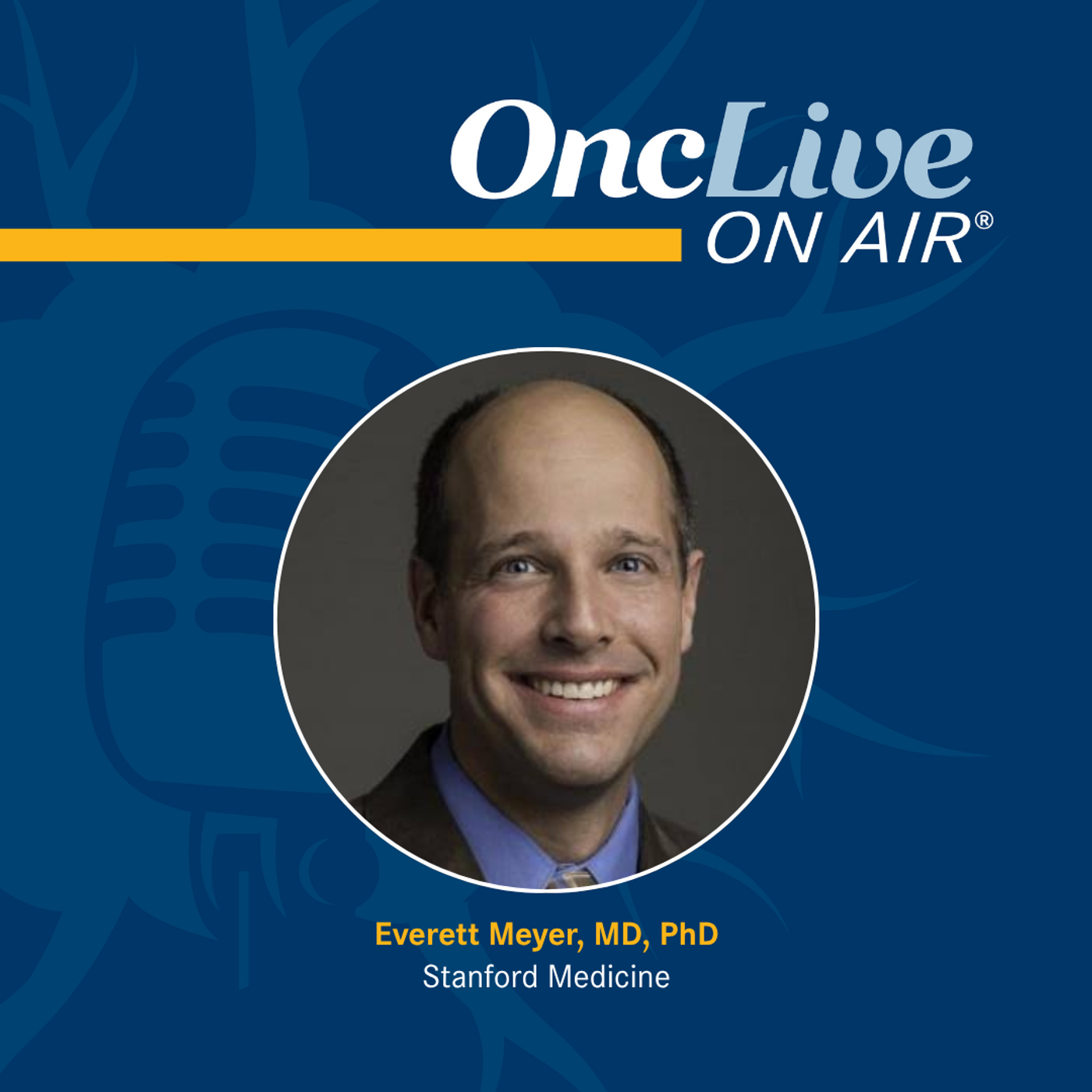
S17 Ep66: FDA Approval Insights: Orca-T Raises the Bar for Allogeneic Transplants in Hematologic Malignancies: With Everett Meyer, MD, PhD
1w ago00:06:21Tap to summarizeIn today’s episode, we welcomed Everett Meyer, MD, PhD, an associate professor of medicine (blood & marrow transplantation), an associate professor of pediatrics (stem cell transplantation), and an associate professor of surgery (abdominal transplantation) at Stanford Medicine in California.In the exclusive interview, Dr Meyer discussed the significance of the June 2026 FDA approval of allogeneic regulatory T cell–based immunotherapy with hematopoietic stem and progenitor cell (HSPC) and T cells-vldq (Tregzi; Orca-T) for use in matched donor hematopoietic stem cell transplantation (HSCT) with a myeloablative preparative regimen, for hematopoietic and immunologic reconstitution, and to improve chronic graft-vs-host disease (cGHVD)–free survival in the treatment of adults with hematological malignancies. Dr Meyer also broke down what the approval of Orca-T means for the transplant field, detailed the design and key outcomes from the phase 3 Precision-T trial (NCT05316701) that supported the approval, and outlined how this approach could be integrated into clinical practice.
Transcribe →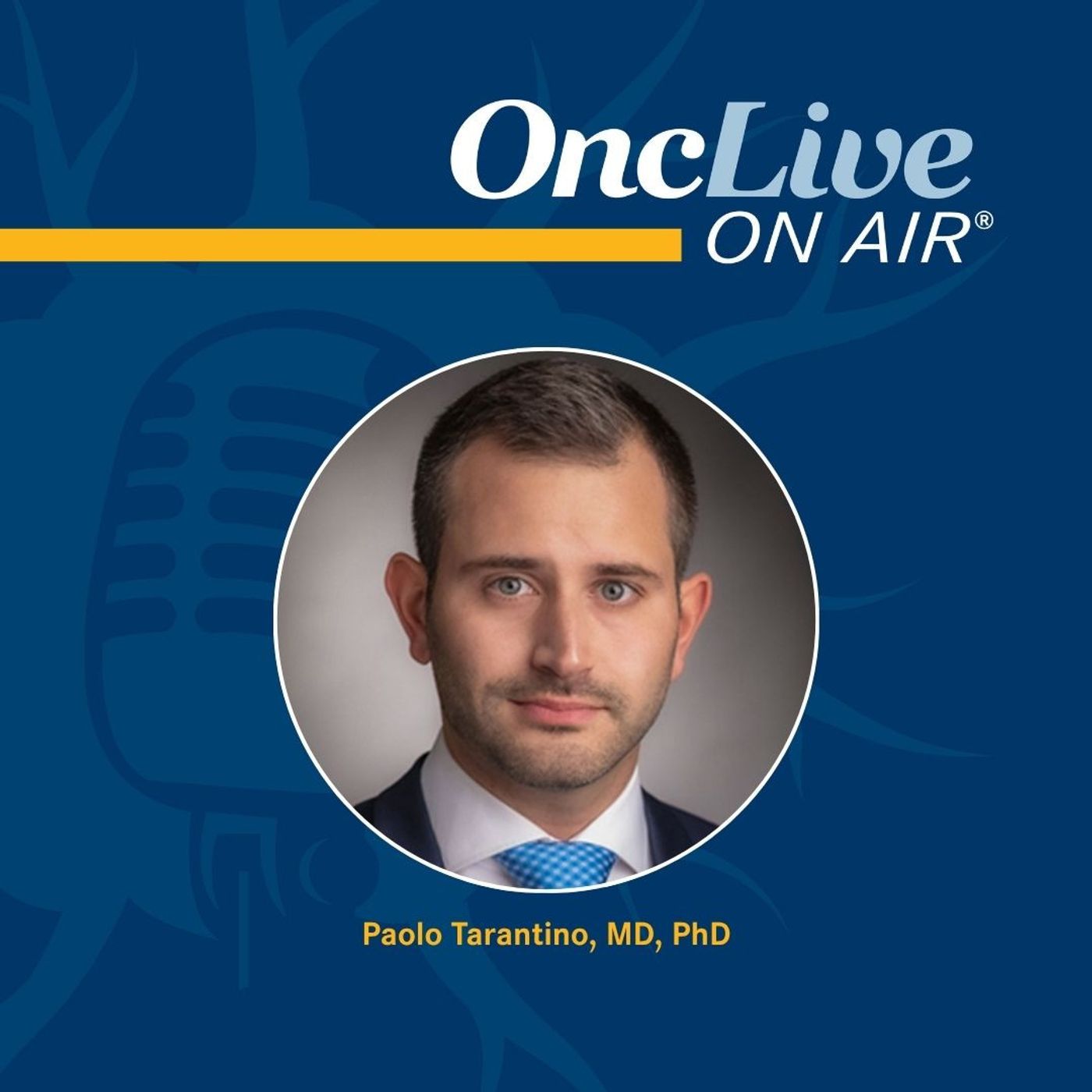
S17 Ep65: ASCO 2026 ADC Data Clarify Some Strategies and Raise Further Questions for Breast Cancer Care: With Paolo Tarantino, MD, PhD
1w ago00:12:38Tap to summarizeIn today’s episode, we spoke with Paolo Tarantino, MD, PhD. Dr Tarantino is a breast medical oncologist and advanced fellow at Dana-Farber Cancer Institute and Harvard Medical School in Boston, Massachusetts.In our exclusive interview, Dr Tarantino discussed practice-informing data regarding antibody-drug conjugates in breast cancer that were presented at the 2026 ASCO Annual Meeting, including the use of fam-trastuzumab deruxtecan-nxki (T-DXd; Enhertu) plus pertuzumab (Perjeta) for first-line treatment of HER2-positive breast cancer based on findings from the phase 3 DESTINY-Breast09 trial (NCT04784715); updated safety data from the phase 3 DESTINY-Breast05 trial (NCT04622319) that indicated that T-DXd–associated interstitial lung disease is reversible with steroids, although radiation pneumonitis is non-reversible; and the phase 3 OPTIMA trial (ISRCTN42400492) results, which suggested that the PAM50 signature can identify patients who may not need chemotherapy, potentially sparing them from unnecessary treatment.
Transcribe →