
Podcast
OncLive® On Air
Hosted by OncLive® On Air · EN
In OncLive® On Air, you can expect to hear interviews with academic oncologists on the thought-provoking oncology presentations they give at the OncLive® State of the Science Summits. The topics in oncology vary, from systemic therapies, surgery, radiation therapy, to emerging therapeutic approaches in a particular type of cancer. This includes lung cancer, breast cancer, gastrointestinal cancers, hematologic malignancies, gynecologic cancers, genitourinary cancers, and more.
121episodes
Episodes
Newest firstAll episodes
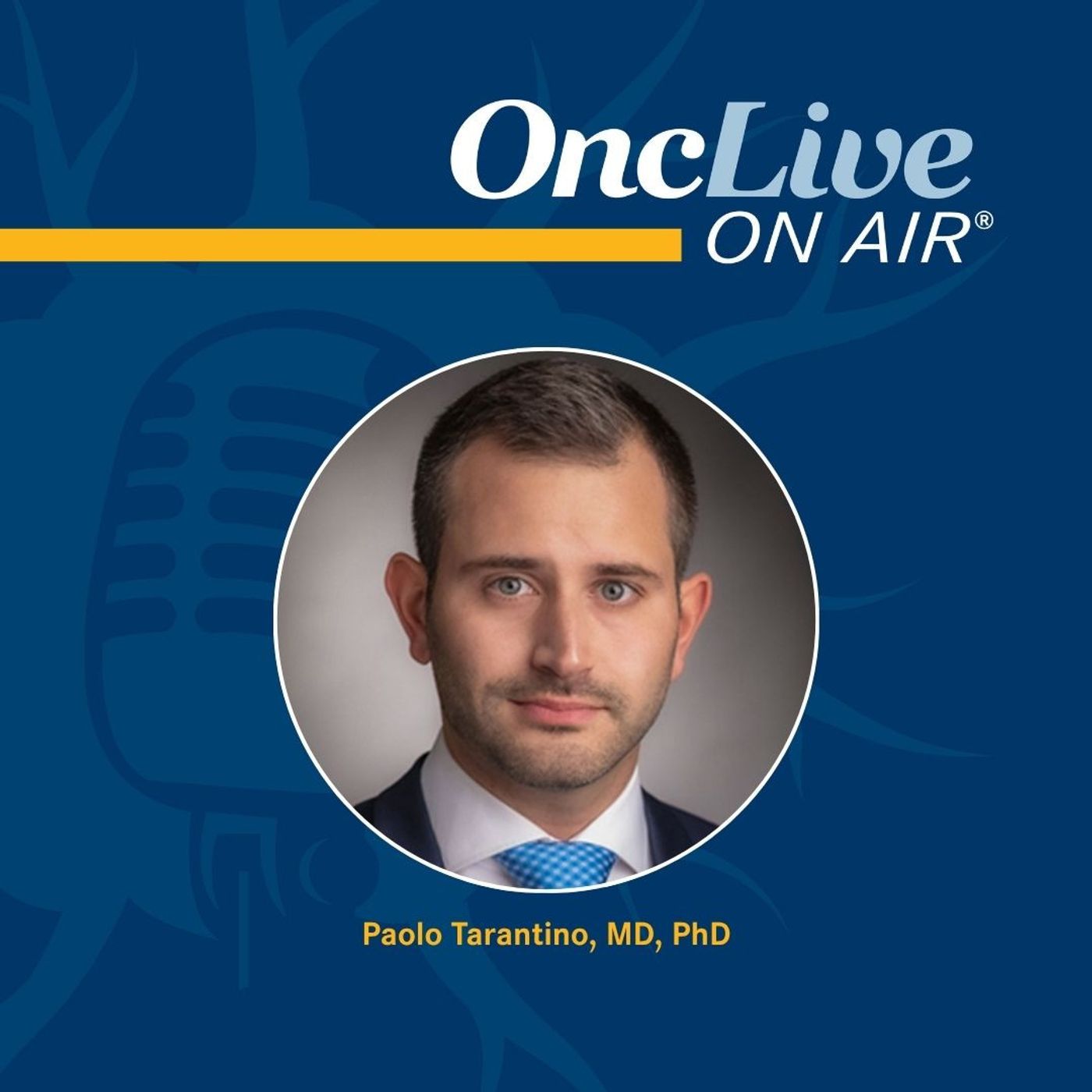
S17 Ep65: ASCO 2026 ADC Data Clarify Some Strategies and Raise Further Questions for Breast Cancer Care: With Paolo Tarantino, MD, PhD
2w ago00:12:38Tap to summarizeIn today’s episode, we spoke with Paolo Tarantino, MD, PhD. Dr Tarantino is a breast medical oncologist and advanced fellow at Dana-Farber Cancer Institute and Harvard Medical School in Boston, Massachusetts.In our exclusive interview, Dr Tarantino discussed practice-informing data regarding antibody-drug conjugates in breast cancer that were presented at the 2026 ASCO Annual Meeting, including the use of fam-trastuzumab deruxtecan-nxki (T-DXd; Enhertu) plus pertuzumab (Perjeta) for first-line treatment of HER2-positive breast cancer based on findings from the phase 3 DESTINY-Breast09 trial (NCT04784715); updated safety data from the phase 3 DESTINY-Breast05 trial (NCT04622319) that indicated that T-DXd–associated interstitial lung disease is reversible with steroids, although radiation pneumonitis is non-reversible; and the phase 3 OPTIMA trial (ISRCTN42400492) results, which suggested that the PAM50 signature can identify patients who may not need chemotherapy, potentially sparing them from unnecessary treatment.
Transcribe →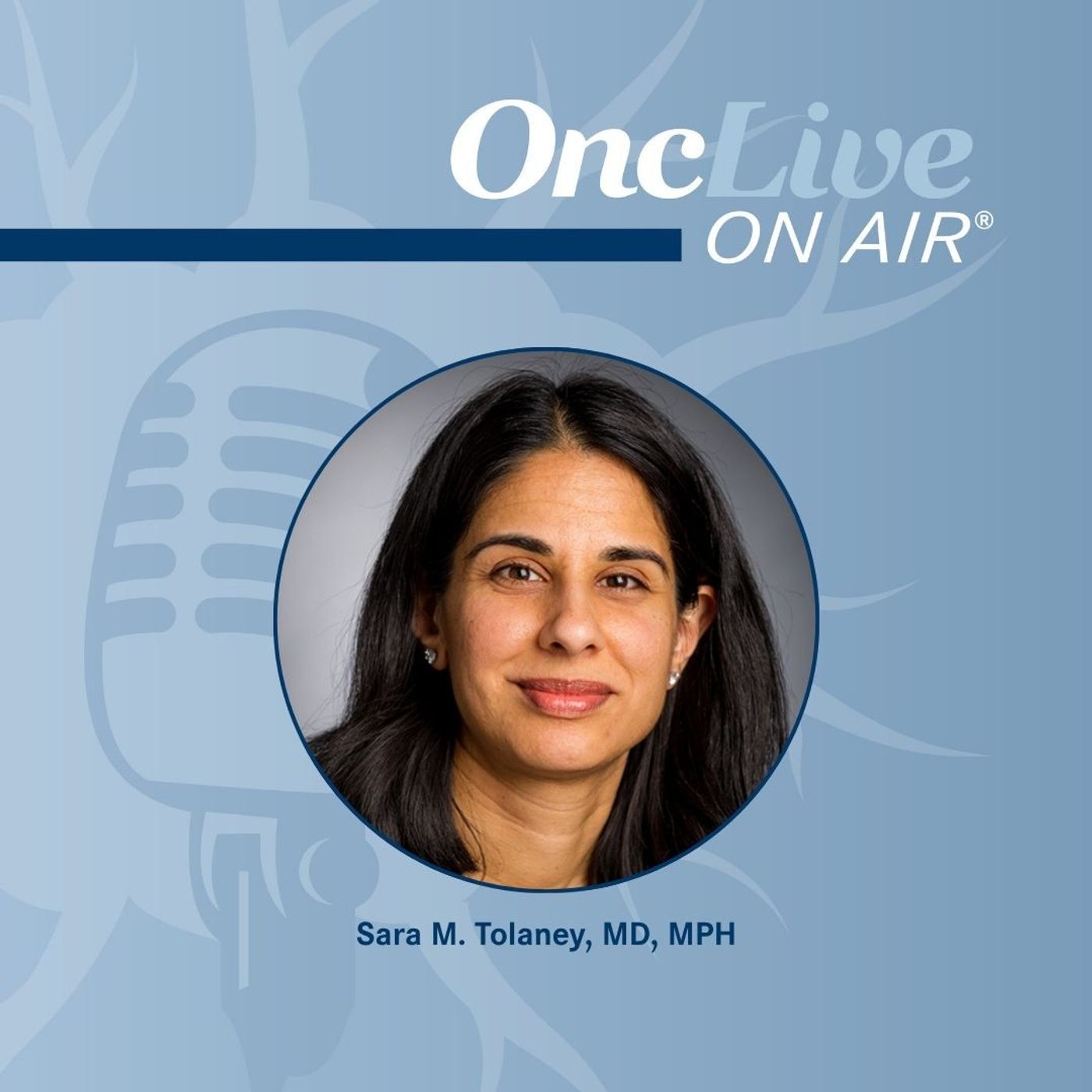
S17 Ep64: FDA Approval Insights: First-Line Sacituzumab Govitecan Plus Pembrolizumab for PD-L1+ TNBC: With Sara M. Tolaney, MD, MPH
2w ago00:05:38Tap to summarizeIn today’s episode, we spoke with Sara M. Tolaney, MD, MPH, about the FDA approval of sacituzumab govitecan plus pembrolizumab (Keytruda) or pembrolizumab and berahyaluronidase alfa-pmph (Keytruda Qlex) for the first-line treatment of adult patients with unresectable locally advanced or metastatic triple-negative breast cancer (TNBC) whose tumors express PD-L1 as determined by an FDA-authorized test. Dr Tolaney is chief of the Division of Breast Oncology and associate director of the Susan F. Smith Center for Women’s Cancers and a senior physician at Dana-Farber Cancer Institute, as well as an associate professor of medicine at Harvard Medical School in Boston, Massachusetts.This regulatory decision was backed by findings from the phase 3 ASCENT-04/KEYNOTE-D19 trial (NCT05382286), in which the median progression-free survival among patients in the sacituzumab govitecan arm was 11.2 months (95% CI, 9.3-16.7) vs 7.8 months (95% CI, 7.3-9.3) among patients who received physician’s choice of chemotherapy plus pembrolizumab (HR, 0.65; 95% CI, 0.51-0.84; P = .0009).In our exclusive interview, Dr Tolaney highlighted the significance of this approval, key data from ASCENT-04, and how the TNBC paradigm is shifting to accommodate this new regimen.
Transcribe →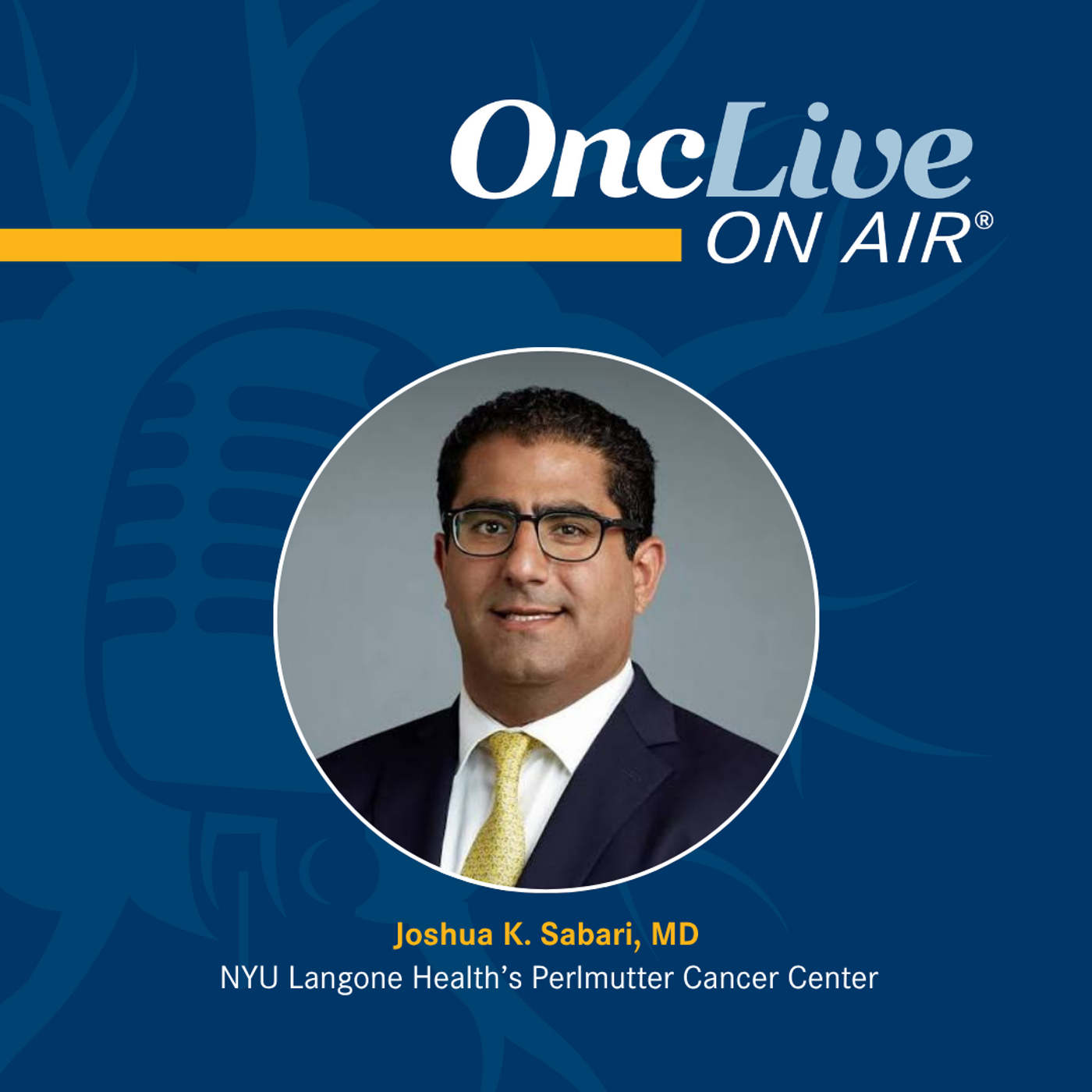
S17 Ep61: Treat Early and Aggressively: Optimizing Small Cell Lung Cancer Management Across the Community Setting: With Joshua Sabari, MD
3w ago00:17:50Tap to summarizeIn today’s episode, we spoke with Joshua K. Sabari, MD. Dr Sabari is an assistant professor in the Department of Medicine at NYU Grossman School of Medicine, and director of High Reliability Organization Initiatives at NYU Langone Health’s Perlmutter Cancer Center New York. In our exclusive interview, Dr Sabari discussed the complexities of managing small cell lung cancer (SCLC) across both academic and community settings, emphasizing that nothing about this disease is straightforward. He stressed the importance of rapid diagnosis and staging, ideally within 48 to 72 hours given how quickly patients can deteriorate, and noted that in his own academic practice, approximately 30% of patients never reach second-line therapy, a figure that climbs to 50% to 60% in the community setting.He highlighted 2 areas where community implementation frequently breaks down: first-line maintenance and second-line therapy. Regarding maintenance, Dr Sabari underscored the need to counsel patients about the combination of atezolizumab (Tecentriq) plus lurbinectedin (Zepzelca) from the outset of treatment, so the transition after 4 cycles of chemoimmunotherapy is not a surprise. In the second-line setting, he addressed the practical challenges of administering tarlatamab-dlle (Imdelltra), a CD3 x DLL3 bispecific T-cell engager, noting that the first 2 doses require inpatient monitoring given the risks of cytokine release syndrome (CRS) and immune effector cell–associated neurotoxicity syndrome (ICANS). However, he noted that these monitoring resources may not be readily available outside of academic centers.The discussion also covered the evolving role of the multidisciplinary care team, with Dr Sabari highlighting the outsized impact of dedicated thoracic pharmacists in educating patients, monitoring for adverse effects (AEs), and intervening early, particularly with novel agents whose AE profiles are still being characterized. He shared real-world examples of coordination saves, including a radiologist who flagged early pneumonitis and a patient receiving tarlatamab who developed subtle cognitive changes that were initially missed.Finally, Dr Sabari outlined the top educational gaps for community teams: understanding the biological heterogeneity of SCLC, recognizing when and how to use emerging agents such as tarlatamab and obrixtamig (BI 764532), and developing fluency in managing novel toxicities including CRS, ICANs, and interstitial lung disease associated with antibody-drug conjugates.
Transcribe →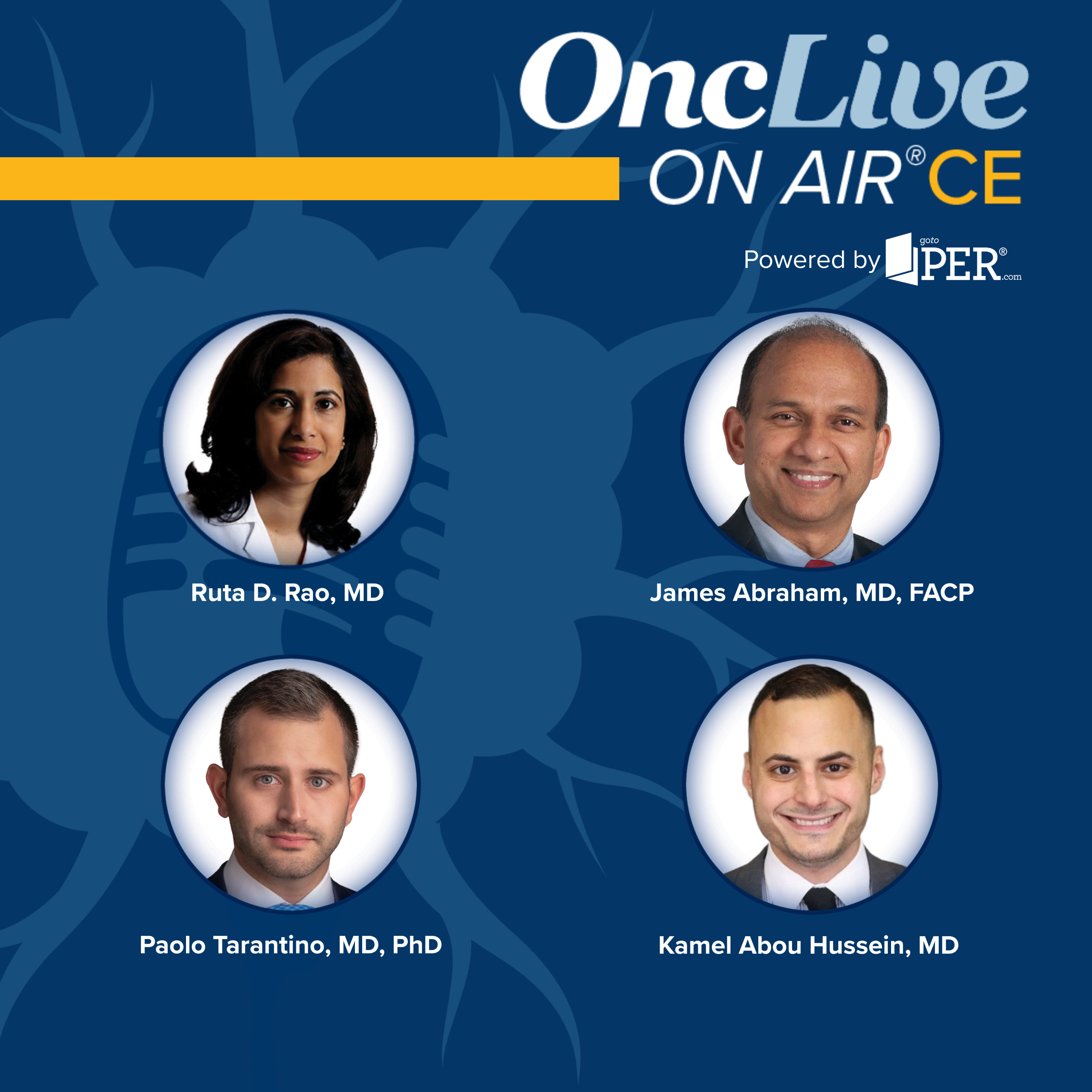
S17 Ep62: Hot Seat: Which Agent, and When? Integrating Next-Generation Endocrine Strategies Into HR+/HER2– Breast Cancer Management
3w ago00:31:19Tap to summarizeHighlights from the PER® CME activity "Hot Seat: Which Agent, and When? Integrating Next-Generation Endocrine Strategies Into HR+/HER2– Breast Cancer Management" — this podcast is not certified for credit. To participate in the full accredited activity and earn CME credit, use the link below.In this podcast, experts Ruta D. Rao, MD; Kamel Abou Hussein, MD; Jame Abraham, MD, FACP; and Paolo Tarantino, MD, PhD, discuss the data supporting the approvals of next-generation endocrine therapies for ESR1-mutated hormone receptor (HR)–positive, HER2-negative metastatic breast cancer, and how they think through these data when individualizing treatment recommendations for these patients.Earn CME credit by completing the full accredited activity (available through June 30, 2027): https://www.gotoper.com/courses/hot-seat-which-agent-and-when-integrating-next-generation-endocrine-strategies-into-hrher2-breast-cancer-management-rjgdThis podcast, including the narration, was developed by PER® (Physicians’ Education Resource®, LLC) editorial staff from the full online CME activity developed with these faculty. The narration was voiced by a PER staff member or by an AI tool. The podcast contains no product advertising. The full activity is supported by educational grants from Stemline Therapeutics, Inc; and Rigel Pharmaceuticals, Inc..This content is for educational purposes only and is not a substitute for the independent clinical judgment of a health care professional. Faculty may discuss investigational or off-label uses; consult prescribing information for any products discussed.
Transcribe →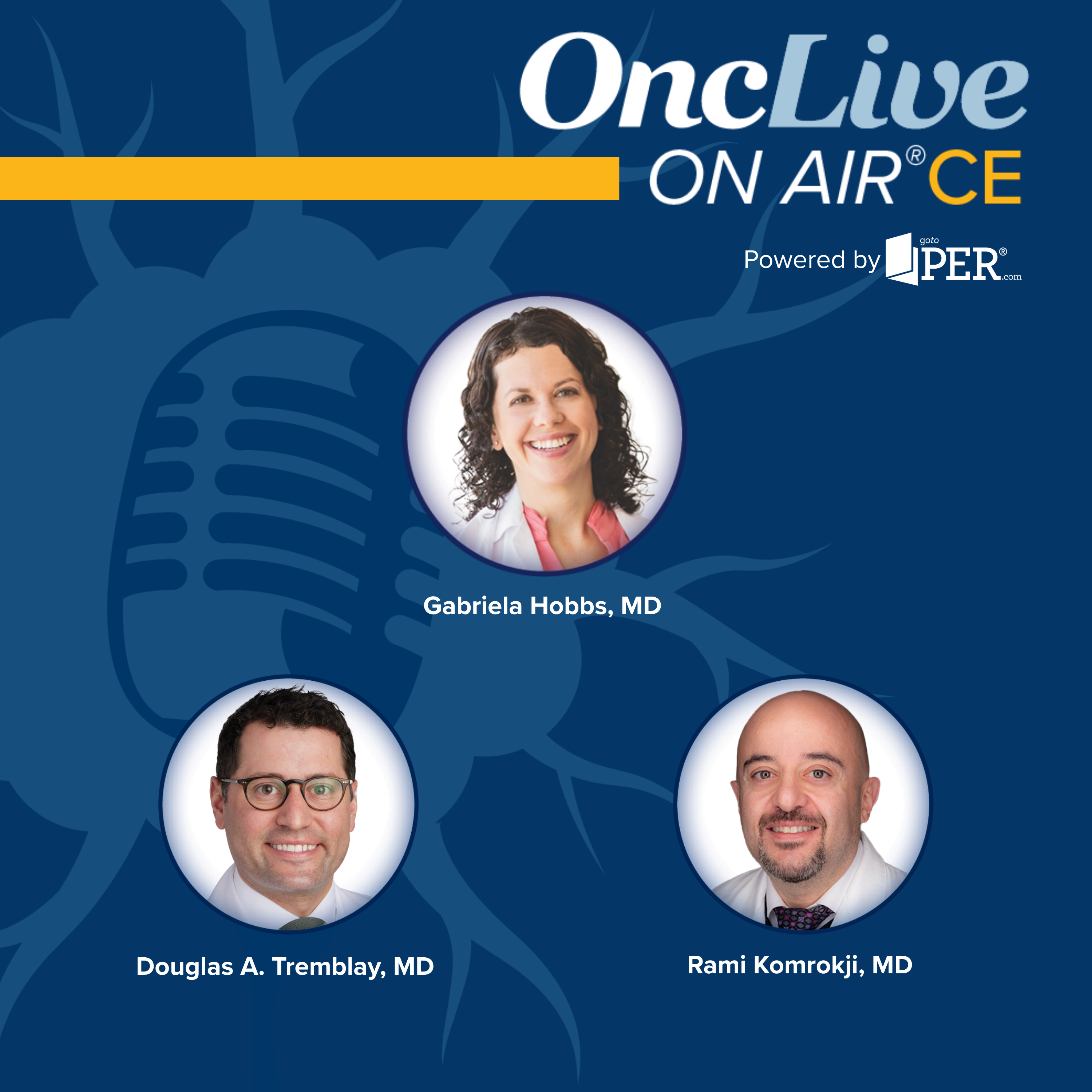
S17 Ep60: Cases and Conversations: Adopting New Treatment Strategies in Polycythemia Vera and Essential Thrombocythemia
3w ago00:29:48Tap to summarizeHighlights from the PER® CME activity "Cases and Conversations: Adopting New Treatment Strategies in Polycythemia Vera and Essential Thrombocythemia" — this podcast is not certified for credit. To participate in the full accredited activity and earn CME credit, use the link below.In this podcast, experts Gabriela Hobbs, MD; Rami Komrokji, MD; and Douglas A. Tremblay, MD; discuss the management of low-risk polycythemia vera (PV) based on the latest data.Earn CME credit by completing the full accredited activity (available through June 30, 2027): https://www.gotoper.com/courses/cases-and-conversations-adopting-new-treatment-strategies-in-polycythemia-vera-and-essential-thrombocythemia-fvrlThis podcast, including the narration, was developed by PER® (Physicians’ Education Resource®, LLC) editorial staff from the full online CME activity developed with these faculty. The narration was voiced by a PER staff member or by an AI tool. The podcast contains no product advertising. The full activity is supported by an educational grant from Incyte Corporation.This content is for educational purposes only and is not a substitute for the independent clinical judgment of a health care professional. Faculty may discuss investigational or off-label uses; consult prescribing information for any products discussed.
Transcribe →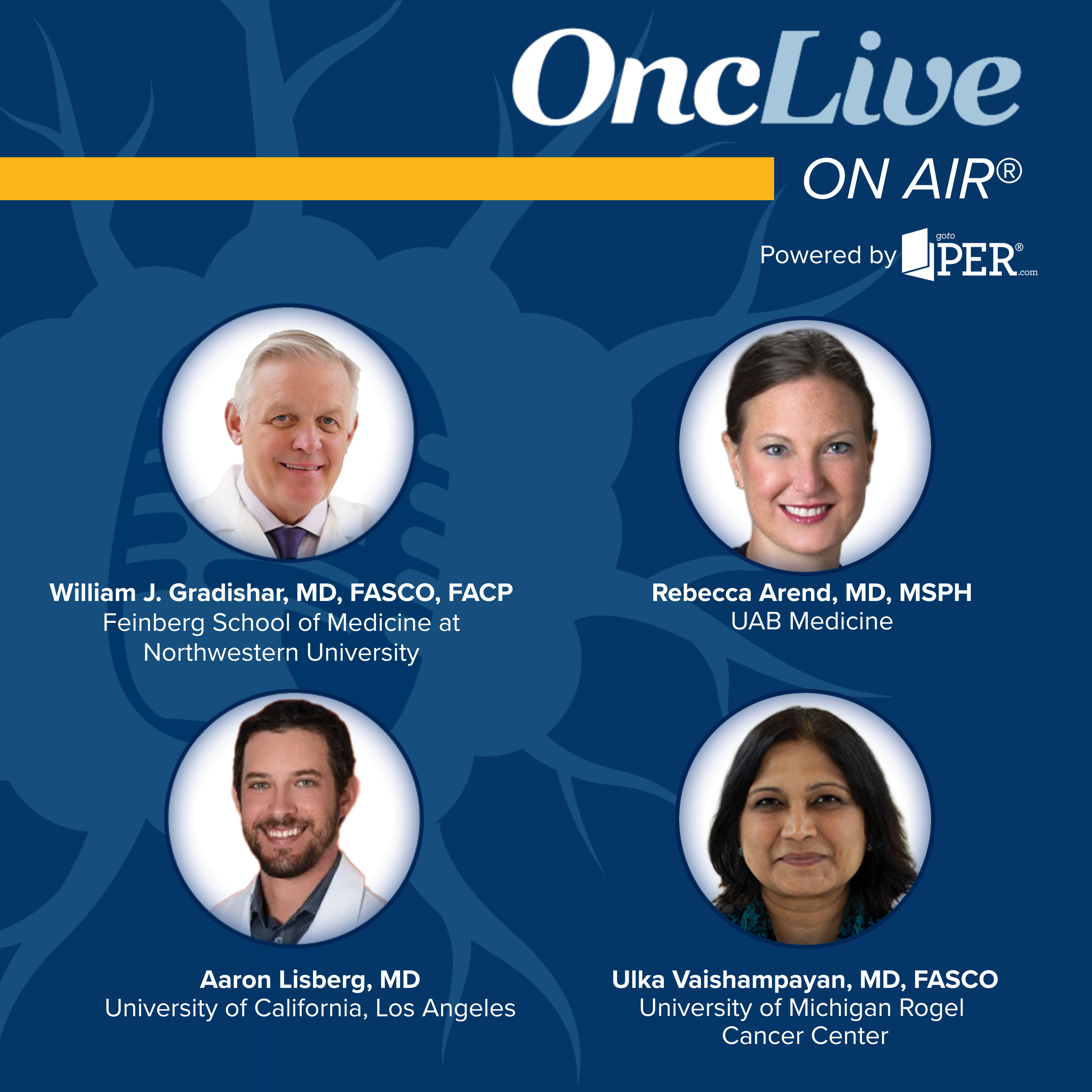
S17 Ep59: ADCs and Bispecific Antibodies Across Solid Tumors: Integrating New Targets, New Data, and New Decisions
3w ago00:20:03Tap to summarizeHighlights from the PER® CME activity "ADCs and Bispecific Antibodies Across Solid Tumors: Integrating New Targets, New Data, and New Decisions" — this podcast is not certified for credit. To participate in the full accredited activity and earn CME credit, use the link below.In this podcast, experts William J. Gradishar, MD, FASCO, FACP; Rebecca Arend, MD, MSPH; Aaron Lisberg, MD; and Ulka Vaishampayan, MD, FASCO; discuss emerging antibody-drug conjugates and bispecific agents in lung, breast, endometrial, and prostate cancers, and how these agents may shift the therapeutic landscape in these disease.Earn CME credit by completing the full accredited activity (available through June 30, 2027): https://www.gotoper.com/courses/adcs-and-bispecific-antibodies-across-solid-tumors-integrating-new-targets-new-data-and-new-decisions-xqkuThis podcast, including the narration, was developed by PER® (Physicians’ Education Resource®, LLC) editorial staff from the full online CME activity developed with these faculty. The narration was voiced by a PER staff member or by an AI tool. The podcast contains no product advertising. The full activity is supported by an educational grant from BioNTech.This content is for educational purposes only and is not a substitute for the independent clinical judgment of a health care professional. Faculty may discuss investigational or off-label uses; consult prescribing information for any products discussed.
Transcribe →
S17 Ep58: DLBCL 2026 UPDATE
3w ago00:12:50Tap to summarizeTwo Onc Docs, hosted by Samantha A. Armstrong, MD, and Karine Tawagi, MD, is a podcast dedicated to providing current and future oncologists and hematologists with the knowledge they need to ace their boards and deliver quality patient care. Dr Armstrong is a hematologist/oncologist and assistant professor of clinical medicine at Indiana University Health in Indianapolis. Dr Tawagi is a hematologist/oncologist and assistant professor of clinical medicine at the University of Illinois in Chicago.In this episode, OncLive On Air® partnered with Two Onc Docs to deliver a comprehensive, board-focused review of diffuse large B-cell lymphoma (DLBCL) for 2026, updating their prior coverage to reflect several recent practice changes.The discussion began with clinical presentation, emphasizing the classic B symptoms—weight loss, night sweats, fatigue, and fever—alongside painless, rapidly enlarging lymphadenopathy. They noted that approximately 30% to 40% of cases present with extranodal involvement (gastrointestinal, central nervous system [CNS], or thyroid) and stressed that an excisional biopsy is required, as fine-needle aspiration cannot preserve the architecture needed for histologic grading.Turning to classification, Drs Armstrong and Tawagi reviewed germinal center vs non-germinal center origin, with non-germinal center disease carrying a worse prognosis. They characterized double-hit lymphoma, triple-hit lymphoma, and double-expressor lymphoma, the last conferring an intermediate prognosis.Regarding workup, they recommended full-body PET scans, laboratory evaluation for tumor lysis syndrome, hepatitis B testing before anti-CD20 therapy, baseline echocardiography before anthracyclines, and lumbar puncture with intrathecal methotrexate in patients at high risk for CNS relapse. They also reviewed updated staging systems.For treatment, they explained that limited-stage disease is now stratified by the stage-modified International Prognostic Index (IPI), guiding abbreviated vs full R-CHOP (rituximab [Rituxan], cyclophosphamide, doxorubicin, vincristine, and prednisone). In advanced disease, 6 cycles of R-CHOP remains standard, with polatuzumab vedotin-piiq (Polivy) plus R-CHP (rituximab, cyclophosphamide, doxorubicin, and prednisolone) now a category 1 regimen for patients with an IPI of 2 or greater. They also addressed dose-adjusted regimens for double-hit disease, CAR T-cell therapy, and bispecific antibodies in the relapsed/refractory setting, as well as surveillance recommendations, cautioning against routine PET imaging.
Transcribe →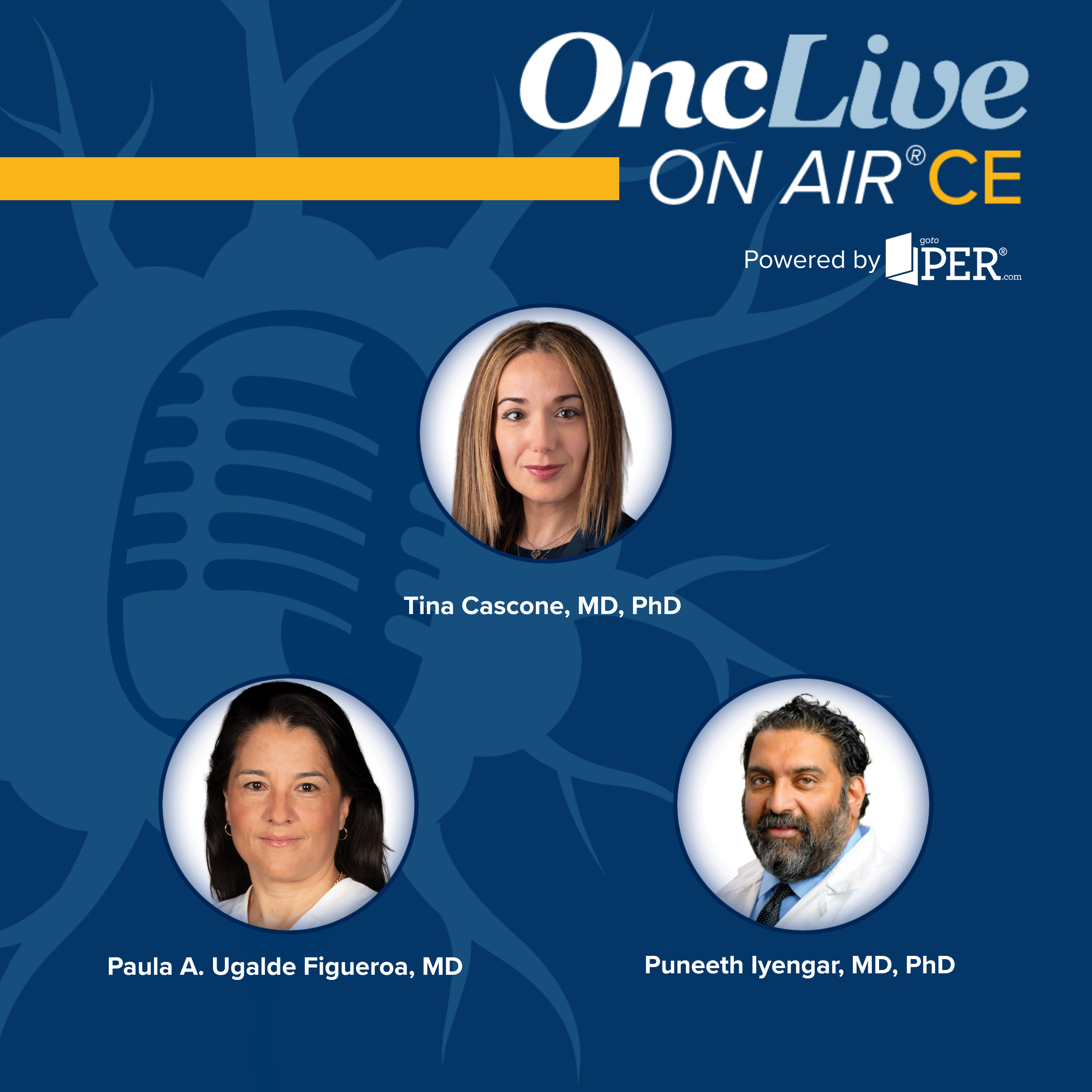
S17 Ep57: Tumor Board: Evolving Immunotherapy Strategies for Stage I-III NSCLC
3w ago00:37:44Tap to summarizeHighlights from the PER® CME activity "Tumor Board: Evolving Immunotherapy Strategies for Stage I-III NSCLC" — this podcast is not certified for credit. To participate in the full accredited activity and earn CME credit, use the link below.In this podcast, experts Tina Cascone, MD, PhD; Puneeth Iyengar, MD, PhD; and Paula A. Ugalde Figueroa, MD; discuss evolving immunotherapy strategies for stage I to III non–small cell lung cancer (NSCLC), spanning surgical work-up and the shifting definition of resectability, perioperative immunotherapy trial data, the way that pathologic response guides treatment decisions, and the integration of radiation with immunotherapy in unresectable disease.Earn CME credit by completing the full accredited activity (available through June 30, 2027): https://www.gotoper.com/courses/tumor-board-evolving-immunotherapy-strategies-for-stage-i-iii-nsclc-1This podcast, including the narration, was developed by PER® (Physicians’ Education Resource®, LLC) editorial staff from the full online CME activity developed with these faculty. The narration was voiced by a PER staff member or by an AI tool. The podcast contains no product advertising. The full activity is supported by an educational grant from AstraZeneca Pharmaceuticals.This content is for educational purposes only and is not a substitute for the independent clinical judgment of a health care professional. Faculty may discuss investigational or off-label uses; consult prescribing information for any products discussed.
Transcribe →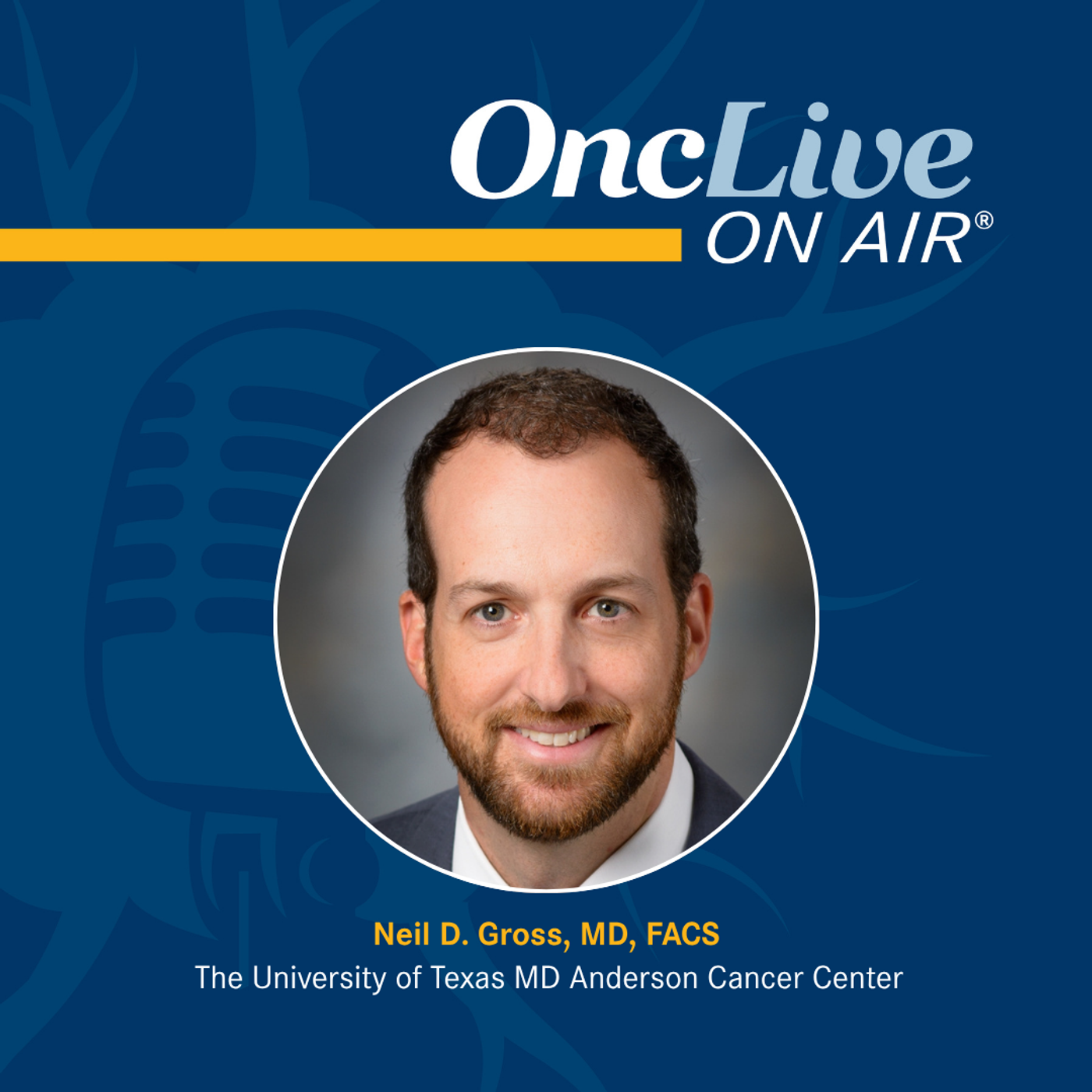
S17 Ep56: Navigating Systemic Therapy Selection and Sequencing in Advanced CSCC: With Neil D. Gross, MD, FACS
4w ago00:15:16Tap to summarizeIn today’s episode, we spoke with Neil D. Gross, MD, FACS. Dr Gross is the medical director of Perioperative Surgical Services, section chief of Oropharynx Cancer, Surgery, and professor of head and neck surgery at The University of Texas MD Anderson Cancer Center in Houston. In our exclusive interview, Dr Gross discussed the key biological and clinical distinctions between cutaneous squamous cell carcinoma (CSCC) and basal cell carcinoma (BCC), noting that although BCC is more indolent and less responsive to systemic therapies, including immunotherapy, CSCC carries a meaningful risk of nodal and distant metastases and has demonstrated robust responses to anti–PD-1 therapy, with approximately half of patients achieving a significant response.He emphasized the importance of early multidisciplinary evaluation, with resectability serving as a critical first branch point in treatment planning. For patients with unresectable or metastatic CSCC, anti–PD-1 therapy is now the established standard of care. For borderline resectable patients, such as those at risk for significant functional loss from surgery, upfront systemic therapy offers the potential to preserve function and achieve cure. For resectable, high-risk patients, Gross highlighted the role of adjuvant cemiplimab-rwlc (Libtayo) following surgery and radiation, based on data from the phase 3 C-POST trial (NCT03969004).The discussion also addressed toxicity considerations in elderly and immunocompromised patients, populations Gross described as particularly high risk and underserved. He noted that although anti–PD-1 therapies are generally well tolerated, serious toxicities remain possible, underscoring the importance of careful patient monitoring in both adjuvant and investigational neoadjuvant settings.Finally, Gross highlighted the actively accruing phase 3 NRG-HN014 trial (NCT06568172), a National Cancer Institute–sponsored cooperative group study open across the United States, Canada, and Australia, which is evaluating a neoadjuvant approach vs upfront surgery in patients with advanced resectable CSCC. He also noted that more mature data from C-POST, as well as long-term phase 2 neoadjuvant findings, are anticipated later this year.
Transcribe →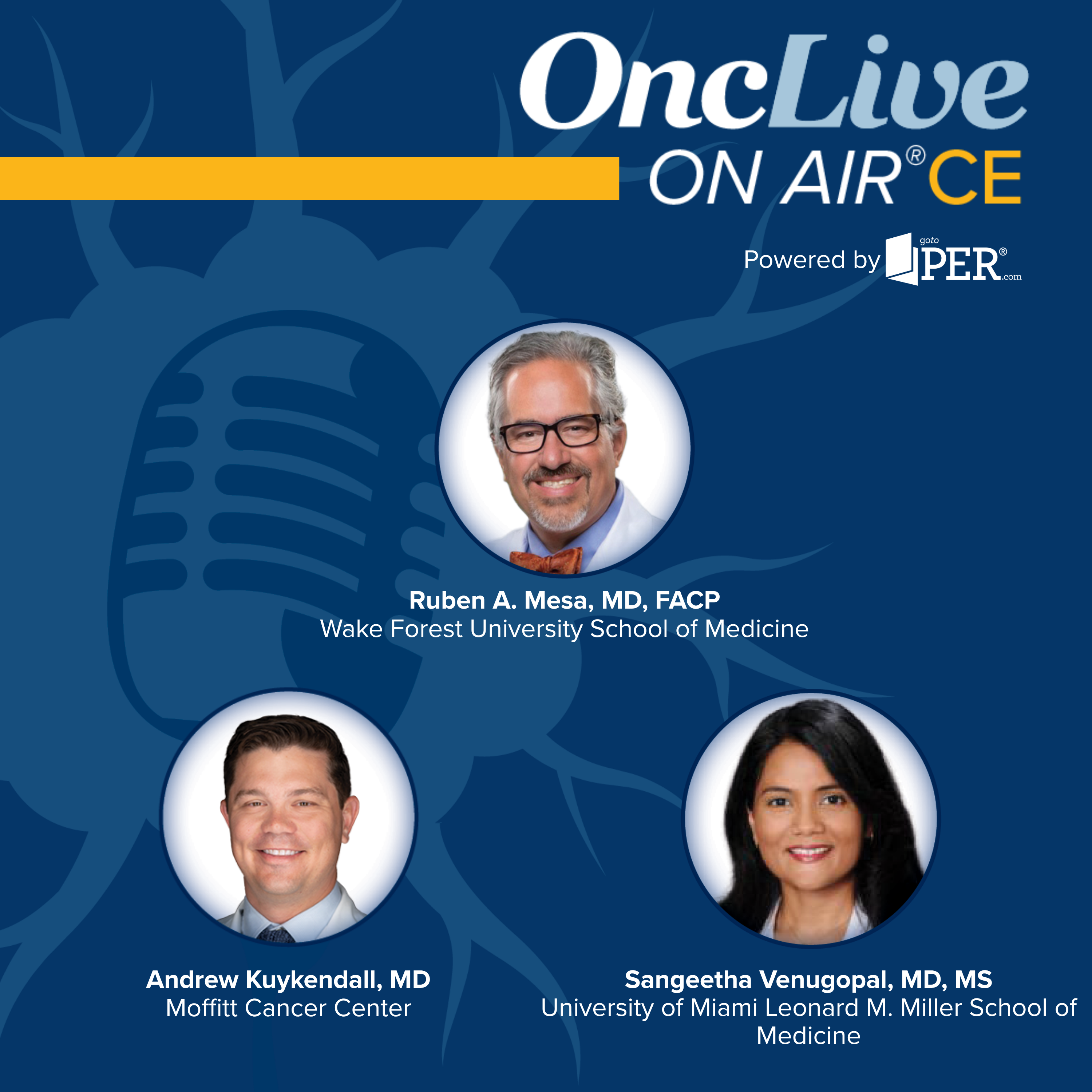
S17 Ep55: Cases and Conversations: Applying the Evidence – Real-World Strategies to Optimize Care for Patients With Myelofibrosis
4w ago00:28:36Tap to summarizeHighlights from the PER® CME activity "Cases and Conversations: Applying the Evidence – Real-World Strategies to Optimize Care for Patients With Myelofibrosis" — this podcast is not certified for credit. To participate in the full accredited activity and earn CME credit, use the link below.In this podcast, experts Ruben Mesa, MD, FACP; Andrew Kuykendall, MD; and Sangeetha Venugopal, MD, MS; discuss evolving management strategies for patients with MF, and considerations for selecting therapy based on patient-related and disease-related factors.Earn CME credit by completing the full accredited activity (available through June 29, 2027): https://www.gotoper.com/courses/cases-and-conversations-applying-the-evidence-real-world-strategies-to-optimize-care-for-patients-with-myelofibrosis-jadnThis podcast, including the narration, was developed by PER® (Physicians’ Education Resource®, LLC) editorial staff from the full online CME activity developed with these faculty. The narration was voiced by a PER staff member or by an AI tool. The podcast contains no product advertising. The full activity is supported by educational grants from Bristol Myers Squibb and PharmaEssentia.This content is for educational purposes only and is not a substitute for the independent clinical judgment of a health care professional. Faculty may discuss investigational or off-label uses; consult prescribing information for any products discussed.
Transcribe →