
Podcast
OncLive® On Air
Hosted by OncLive® On Air · EN
In OncLive® On Air, you can expect to hear interviews with academic oncologists on the thought-provoking oncology presentations they give at the OncLive® State of the Science Summits. The topics in oncology vary, from systemic therapies, surgery, radiation therapy, to emerging therapeutic approaches in a particular type of cancer. This includes lung cancer, breast cancer, gastrointestinal cancers, hematologic malignancies, gynecologic cancers, genitourinary cancers, and more.
121episodes
Episodes
Newest firstAll episodes
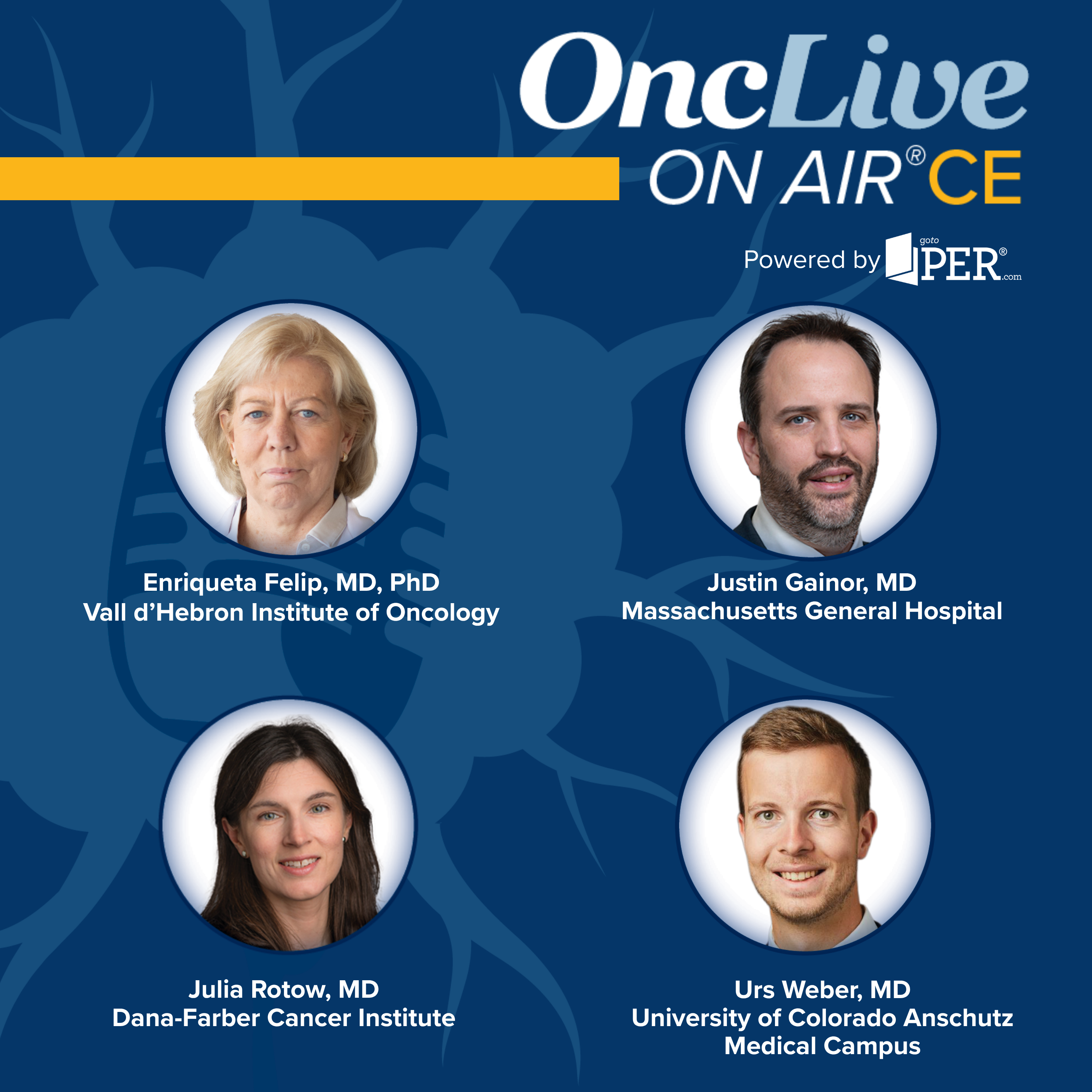
S17 Ep54: Tumor Board: Optimizing NSCLC Care—Leveraging the Latest Evidence on Targeted Therapy and Immuno-Oncology
4w ago00:31:16Tap to summarizeHighlights from the PER® CME activity "Tumor Board: Optimizing NSCLC Care—Leveraging the Latest Evidence on Targeted Therapy and Immuno-Oncology" — this podcast is not certified for credit. To participate in the full accredited activity and earn CME credit, use the link below.In this podcast, experts Justin Gainor, MD; Julia Rotow, MD; and Urs Weber, MD; discuss targeted therapies and immunotherapy to treat advanced non-small cell lung cancer (NSCLC).Earn CME credit by completing the full accredited activity (available through June 29, 2027): https://www.gotoper.com/courses/tumor-board-optimizing-nsclc-careleveraging-the-latest-evidence-on-targeted-therapy-and-immuno-oncology-1fgrThis podcast, including the narration, was developed by PER® (Physicians’ Education Resource®, LLC) editorial staff from the full online CME activity developed with these faculty. The narration was voiced by a PER staff member or by an AI tool. The podcast contains no product advertising. The full activity is supported by educational grants from BioNTech; Iovance Biotherapeutics, Inc; Lilly; Nuvation Bio; Revolution Medicines, Inc; and Rigel Pharmaceuticals.This content is for educational purposes only and is not a substitute for the independent clinical judgment of a health care professional. Faculty may discuss investigational or off-label uses; consult prescribing information for any products discussed.
Transcribe →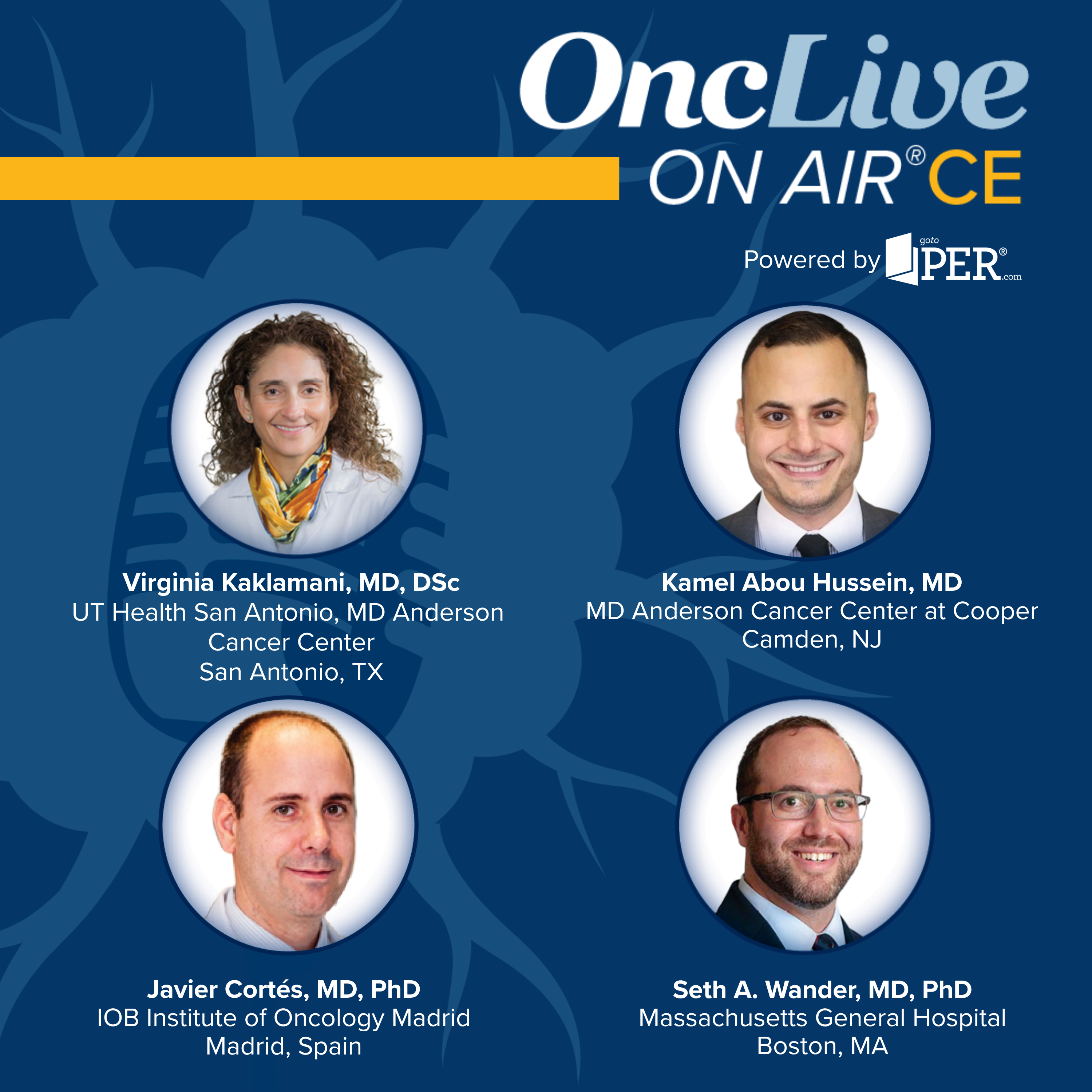
S17 Ep53: Oncology Town Hall: Updates From Chicago: Oral SERDs in HR+/HER2– Metastatic Breast Cancer—What the Latest Data Really Tell Us
4w ago00:30:32Tap to summarizeHighlights from the PER® CME activity "Oncology Town Hall: Updates From Chicago: Oral SERDs in HR+/HER2− Metastatic Breast Cancer–What the Latest Data Really Tell Us" — this podcast is not certified for credit. To participate in the full accredited activity and earn CME credit, use the link below.In this podcast, experts Virginia Kaklamani, MD, DSc; Kamel Abou Hussein, MD; Javier Cortés, MD, PhD; and Seth A. Wander, MD, PhD, discuss American Society of Clinical Oncology (ASCO) 2026 updates about data for oral selective estrogen receptor degraders (SERDs) to treat metastatic, HR-positive breast cancer.Earn CME credit by completing the full accredited activity (available through June 29, 2027): https://www.gotoper.com/courses/oncology-town-hall-updates-from-chicago-oral-serds-in-hrher2-metastatic-breast-cancerwhat-the-latest-data-really-tell-us This podcast, including the narration, was developed by PER® (Physicians’ Education Resource®, LLC) editorial staff from the full online CME activity developed with these faculty. The narration was voiced by a PER staff member or by an AI tool. The podcast contains no product advertising. The full activity is supported by an educational grant from Stemline Therapeutics, Inc.This content is for educational purposes only and is not a substitute for the independent clinical judgment of a health care professional. Faculty may discuss investigational or off-label uses; consult prescribing information for any products discussed.
Transcribe →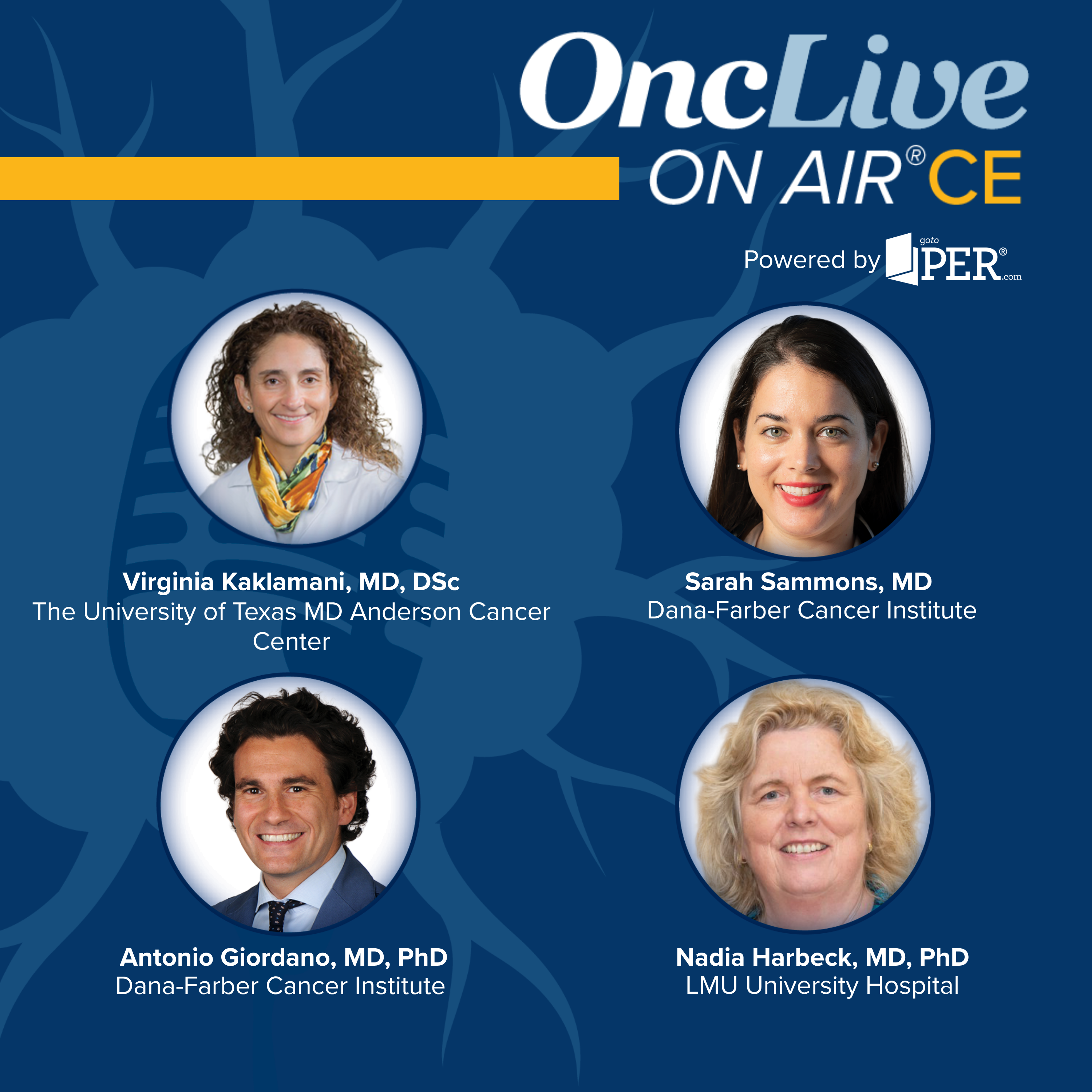
S17 Ep52: Cases and Conversations™: Optimizing Oral SERD-Based Therapy After CDK4/6 Inhibition in HR+/HER2– MBC
Jul 1400:30:26Tap to summarizeHighlights from the PER® CME activity "Cases and Conversations: Optimizing Oral SERD-Based Therapy After CDK4/6 Inhibition in HR+/HER2– MBC" — this podcast is not certified for credit. To participate in the full accredited activity and earn CME credit, use the link below.In this podcast, experts Virginia Kaklamani, MD, DSc; Antonio Giordano, MD, PhD; Nadia Harbeck, MD, PhD; and Sarah Sammons, MD, discuss the use of oral SERD-based therapy in the treatment of HR+/HER2– metastatic breast cancer through a series of clinical cases. Earn CME credit by completing the full accredited activity (available through June 30, 2027): https://www.gotoper.com/courses/cases-and-conversations-optimizing-oral-serd-based-therapy-after-cdk46-inhibition-in-hrher2-mbc-xv6m This podcast, including the narration, was developed by PER® (Physicians’ Education Resource®, LLC) editorial staff from the full online CME activity developed with these faculty. The narration was voiced by a PER staff member or by an AI tool. The podcast contains no product advertising. The full activity is supported by an educational grant from Stemline Therapeutics, Inc.This content is for educational purposes only and is not a substitute for the independent clinical judgment of a health care professional. Faculty may discuss investigational or off-label uses; consult prescribing information for any products discussed.
Transcribe →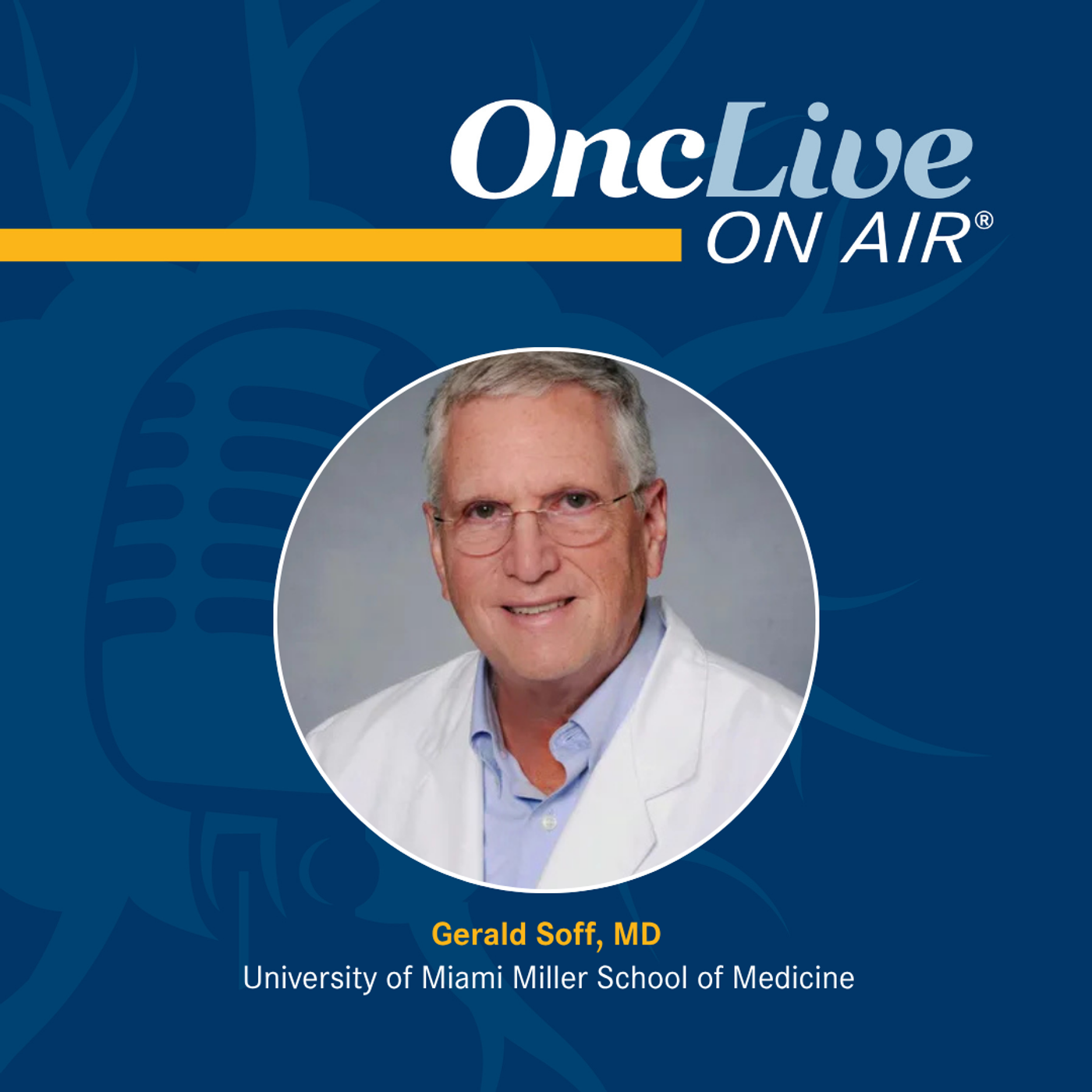
S17 Ep51: RECITE Findings Highlight the Potential of Romiplostim to Preserve Chemotherapy Delivery in GI Cancer: With Gerald Soff, MD
Jul 1300:13:12Tap to summarizeWelcome to OncLive On Air®! I’m your host today, Courtney Flaherty.OncLive On Air is a podcast from OncLive®, which provides oncology professionals with the resources and information they need to provide the best patient care. In both digital and print formats, OncLive covers every angle of oncology practice, from new technology to treatment advances to important regulatory decisions.In this episode of OncLive On Air, Gerald Soff, MD, sat down with OncLive to discuss findings from the phase 3 RECITE trial (NCT03362177), which evaluated romiplostim for the management of chemotherapy-induced thrombocytopenia (CIT) in patients with gastrointestinal cancers. Soff is a professor of clinical medicine in the Division of Hematology and chief of the Classical Hematology Section at the University of Miami Miller School of Medicine in Florida.During the interview, Soff reviewed the longstanding unmet need for effective CIT management and explained how thrombopoietin receptor agonists, such as romiplostim, may help maintain platelet counts and preserve chemotherapy delivery; highlighted key findings from RECITE; and discussed the concept of relative dose intensity and why maintaining full-dose chemotherapy remains an important goal in GI oncology care. _____That’s all we have for today! Thank you for listening to this episode of OncLive On Air. Check back throughout the week for exclusive interviews with leading experts in the oncology field.For more updates in oncology, be sure to visit www.OncLive.com and sign up for our e-newsletters.OncLive is also on social media. On X and BlueSky, follow us at @OncLive. On Facebook, like us at OncLive, and follow our OncLive page on LinkedIn.If you liked today’s episode of OncLive On Air, please consider subscribing to our podcast on Apple Podcasts, Spotify, and many of your other favorite podcast platforms,* so you get a notification every time a new episode is posted. While you are there, please take a moment to rate us!Thanks again for listening to OncLive On Air.*OncLive On Air is available on: Apple Podcasts, Spotify, CastBox, Podcast Addict, Podchaser, RadioPublic, and TuneIn.
Transcribe →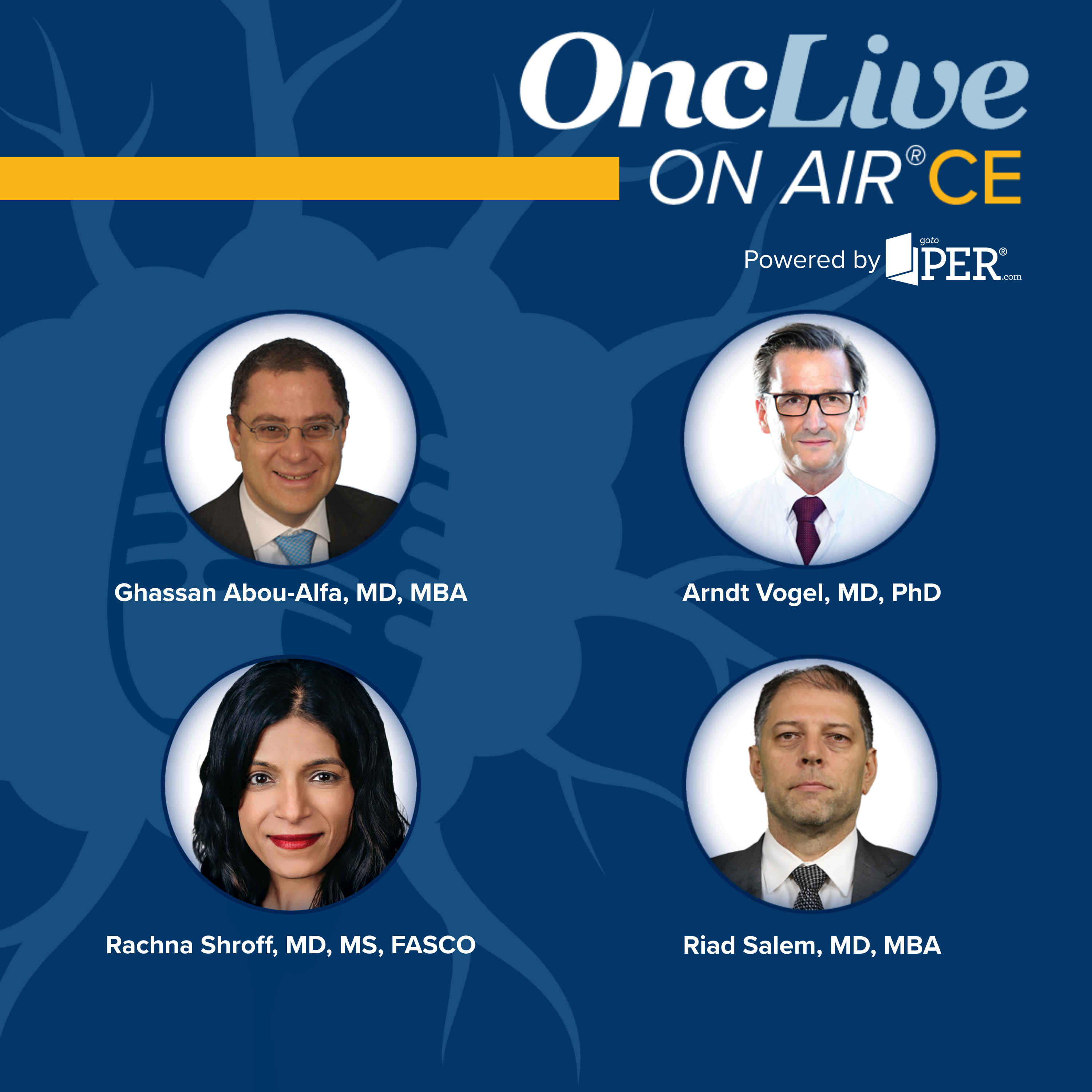
S17 Ep50: Medical Crossfire®: Closing Clinical Practice Gaps in Hepatobiliary Cancer With Emerging Immunotherapies and Delivery Innovations
Jul 1300:29:05Tap to summarizeHighlights from the PER® CME activity "Medical Crossfire®: Closing Clinical Practice Gaps in Hepatobiliary Cancer With Emerging Immunotherapies and Delivery Innovations" — this podcast is not certified for credit. To participate in the full accredited activity and earn CME credit, use the link below.In this podcast, experts Ghassan Abou-Alfa, MD, JD, MBA, PhD (hc), Riad Salem, MD, MBA, Rachna T. Shroff, MD, MS, FASCO, and Arndt Vogel, MD, PhD discuss closing clinical practice gaps in hepatobiliary cancer with emerging immunotherapies and delivery innovations.Earn CME credit by completing the full accredited activity (available through June 30, 2027): https://www.gotoper.com/courses/medical-crossfire-closing-clinical-practice-gaps-in-hepatobiliary-cancer-with-emerging-immunotherapies-and-delivery-innovations-h754 This podcast, including the narration, was developed by PER® (Physicians’ Education Resource®, LLC) editorial staff from the full online CME activity developed with these faculty. The narration was voiced by a PER staff member or by an AI tool. The podcast contains no product advertising. The full activity is supported by an educational grant from AstraZeneca Pharmaceuticals.This content is for educational purposes only and is not a substitute for the independent clinical judgment of a health care professional. Faculty may discuss investigational or off-label uses; consult prescribing information for any products discussed.
Transcribe →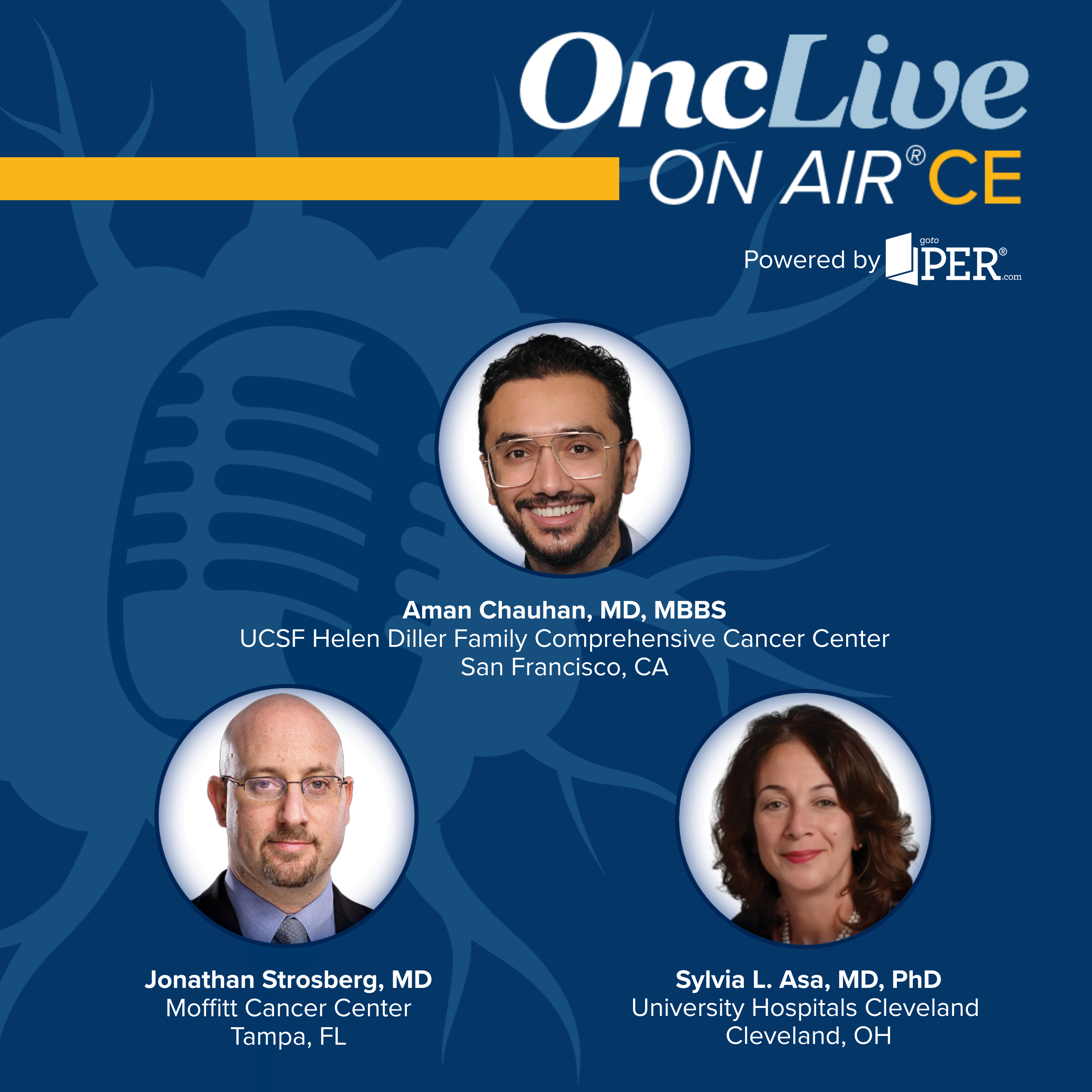
S17 Ep49: Live Tumor Board: Exploring Novel Targets and Breakthrough Treatment Strategies in Extrapulmonary Neuroendocrine Carcinomas
Jul 1000:16:01Tap to summarizeNo description available
Transcribe →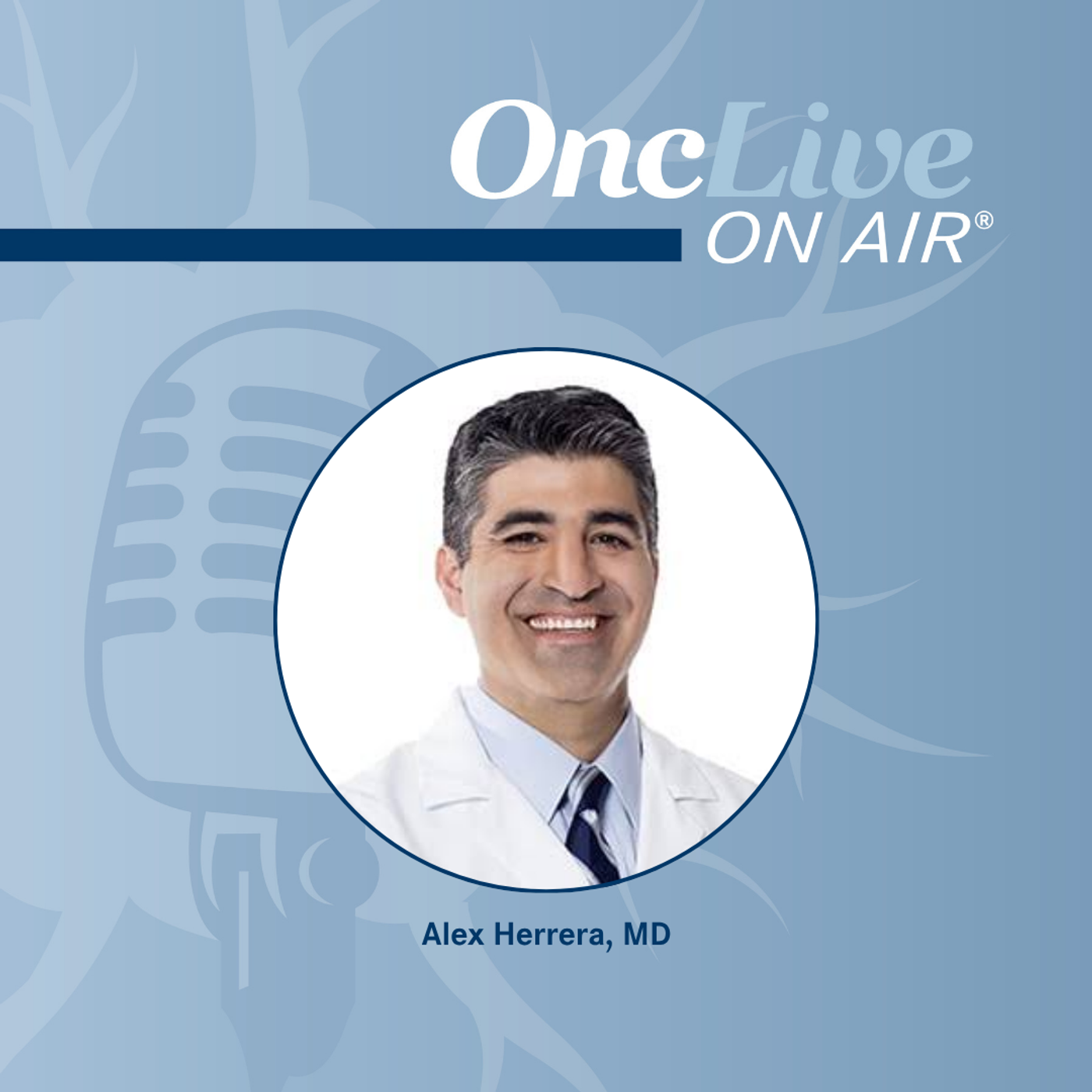
S17 Ep48: FDA Approval Insights: Nivolumab Plus AVD for Untreated Classical Hodgkin Lymphoma: With Alex Herrera, MD
Jul 900:13:56Tap to summarizeAlex Herrera, MD, discusses the FDA approval of nivolumab plus AVD for untreated classical Hodgkin lymphoma.
Transcribe →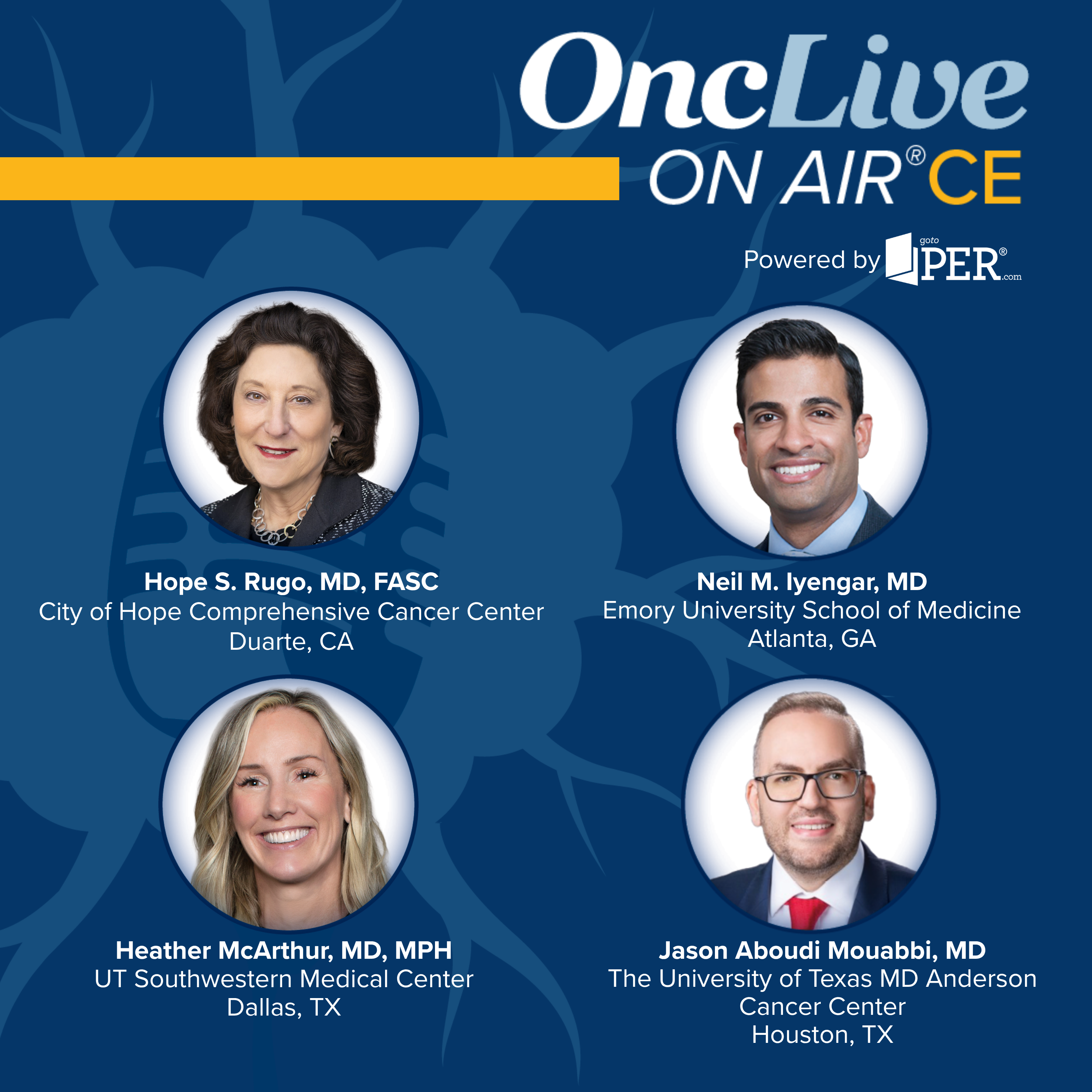
S17 Ep47: Show Me the Data™: Redefining Treatment Paradigms in Triple-Negative Breast Cancer Across the Disease Continuum
Jul 900:32:59Tap to summarizeHighlights from the PER® CME activity "Show Me the Data™: Redefining Treatment Paradigms in Triple-Negative Breast Cancer Across the Disease Continuum" — this podcast is not certified for credit. To participate in the full accredited activity and earn CME credit, use the link below.In this podcast, experts Hope S. Rugo, MD, FASCO; Neil M. Iyengar, MD; Heather McArthur, MD, MPH; and Jason Aboudi Mouabbi, MD; discuss the latest data to inform management of patients with early-stage triple negative breast cancer (TNBC).Earn CME credit by completing the full accredited activity (available through June 30, 2027): https://www.gotoper.com/courses/show-me-the-data-redefining-treatment-paradigms-in-triple-negative-breast-cancer-across-the-disease-continuum-h5knThis podcast, including the narration, was developed by PER® (Physicians’ Education Resource®, LLC) editorial staff from the full online CME activity developed with these faculty. The narration was voiced by a PER staff member or by an AI tool. The podcast contains no product advertising. The full activity is supported by educational grants from AstraZeneca Pharmaceuticals; BioNTech; Daiichi Sankyo, Inc.; and Merck Sharp & Dohme LLC.This content is for educational purposes only and is not a substitute for the independent clinical judgment of a health care professional. Faculty may discuss investigational or off-label uses; consult prescribing information for any products discussed.
Transcribe →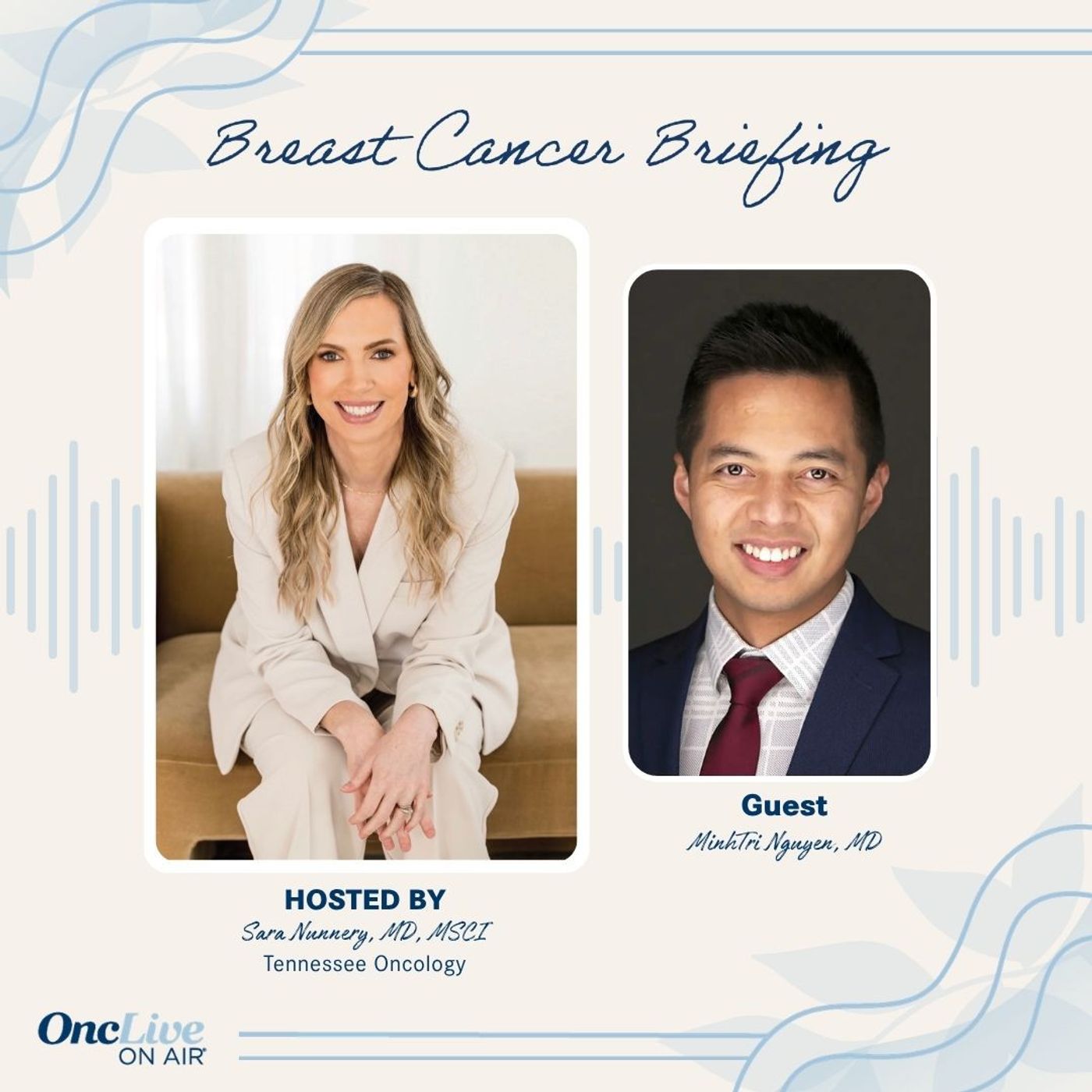
S17 Ep46: ESR1 Mutations Steer the Oral SERD Story in Breast Cancer: With Sara Nunnery, MD, MSCI; and MinhTri Nguyen, MD
Jul 700:38:07Tap to summarizeBreast Cancer Briefing, hosted by Sara Nunnery, MD, MSCI, a breast medical oncologist and the director of Breast Cancer Research at Tennessee Oncology in Nashville, is a podcast series that breaks down the latest news in breast cancer research, one conversation at a time.In this episode, Dr Nunnery sat down with MinhTri Nguyen, MD, a breast medical oncologist, assistant professor, and lead faculty for Health Equity at Rush MD Anderson Cancer Center in Chicago, Illinois.They discussed the emergence of giredestrant, an investigational oral selective estrogen receptor degrader (SERD), across the hormone receptor–positive, HER2-negative breast cancer treatment paradigm. Unlike aromatase inhibitors, which lower estrogen levels, or tamoxifen, which blocks the estrogen receptor (ER), SERDs degrade the receptor entirely, Dr Nguyen explained. He noted that ESR1 mutations, an acquired resistance mechanism that renders the ER constitutively active, confer worse prognosis and appear to be where oral SERDs derive their strongest signal.The conversation first addressed the phase 3 evERA Breast Cancer trial (NCT05306340), which randomly assigned patients with previously treated advanced disease to receive giredestrant plus everolimus (Afinitor) or standard-of-care endocrine therapy plus everolimus. Dr Nguyen emphasized the elegance of targeting 2 resistance pathways simultaneously: the endocrine pathway and the parallel mTOR/PI3K/AKT axis. The combination significantly improved median progression-free survival in both the population with ESR1-mutated disease and the intention-to-treat population, though the experts cautioned that the patients with ESR1-mutated disease likely drove the overall benefit, as wild-type outcomes mirrored those in the control arm. The experts characterized giredestrant-associated adverse effects as largely everolimus-driven, most notably stomatitis, and highlighted class-associated bradycardia. They also noted that no photopsia was reported.They then turned to the phase 3 lidERA Breast Cancer trial (NCT04961996), in which patients with predominantly high-risk, early-stage disease received giredestrant or standard endocrine therapy. Giredestrant produced a reduction in the risk of invasive disease recurrence or death, with markedly lower discontinuation rates and consistent benefit across premenopausal and postmenopausal subgroups.Finally, the experts contextualized findings from the negative first-line persevERA Breast Cancer trial (NCT04546009), concluding that a single negative readout does not close the oral SERD story, and that thoughtful patient selection will define giredestrant’s future role in the breast cancer treatment armamentarium.
Transcribe →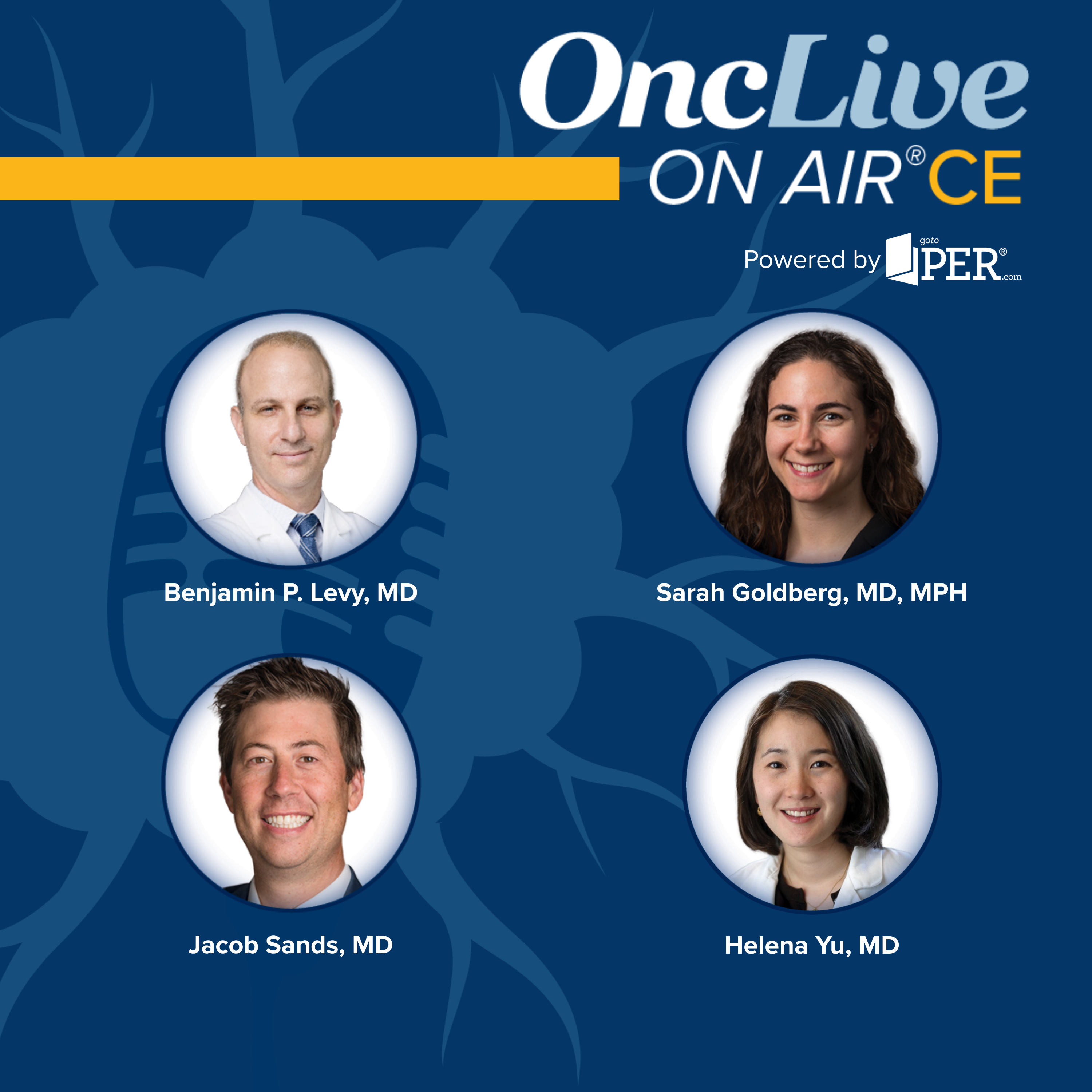
S17 Ep45: Medical Crossfire®: Precision Oncology in NSCLC – Translating HER2 and TROP2 Innovation into Practice-Changing Care
Jul 700:32:18Tap to summarizeHighlights from the PER® CME activity "Medical Crossfire®: Precision Oncology in NSCLC – Translating HER2 and TROP2 Innovation into Practice-Changing Care" — this podcast is not certified for credit. To participate in the full accredited activity and earn CME credit, use the link below.In this podcast, focusing on precision oncology in non-small cell lung cancer (NSCLC), experts Helena Yu, MD; Jacob Sands, MD; and Sarah Goldberg MD, MPH; will discuss the rapidly evolving landscape of Human Epidermal growth factor Receptor 2 (HER2)- and Trophoblast cell-surface antigen 2 (TROP2)-directed therapies in NSCLC. The podcast covers the spectrum of targeted agents from antibody-drug conjugates (ADCs) to novel HER2-selective tyrosine kinase inhibitors (TKIs), along with key clinical trial data and practical strategies for managing the unique adverse event profiles associated with these treatments.Earn CME credit by completing the full accredited activity (available through June 30, 2027): https://www.gotoper.com/courses/medical-crossfire-precision-oncology-in-nsclc-translating-her2-and-trop2-innovation-into-practice-changing-care-mr5qThis podcast, including the narration, was developed by PER® (Physicians’ Education Resource®, LLC) editorial staff from the full online CME activity developed with these faculty. The narration was voiced by a PER staff member or by an AI tool. The podcast contains no product advertising. The full activity is supported by educational grants from AstraZeneca Pharmaceuticals; Daiichi Sankyo, Inc.; and Gilead Sciences, Inc.This content is for educational purposes only and is not a substitute for the independent clinical judgment of a health care professional. Faculty may discuss investigational or off-label uses; consult prescribing information for any products discussed.
Transcribe →